
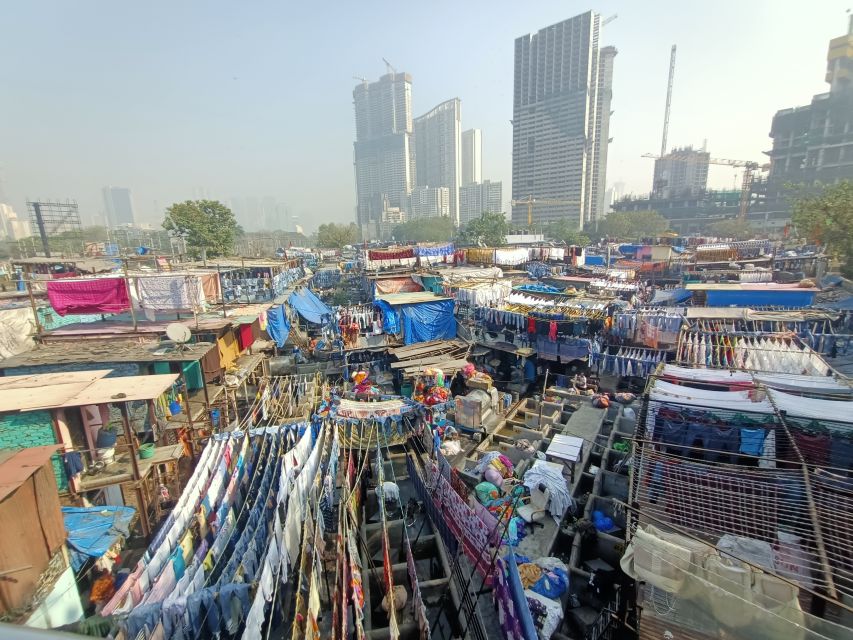
Reviewed · DHARAVI SLUM TOURS
Mumbai: Dhobi Ghat Tour with Dharavi and Train Ride Options
Mumbai’s Mahalaxmi Dhobi Ghat is a working laundry, not a museum display. For more than a century, dhobis have washed clothes in open troughs, beaten them clean, dried them in rows, and pressed them with heavy charcoal irons. You get a close look at one of the city’s most unusual daily industries.
I like the hand-worked process and the chance to see a side of Mumbai that sightseeing buses miss. I also like the option to add Dharavi and a train ride, which can turn a short stop at the laundry into a broader look at how the city works. The main caution is consistency: one booking was confirmed for an hour but reportedly ended after about 10 minutes, so confirm the exact duration and inclusions before paying.
In This Review
- Key points at a glance
- Why Mahalaxmi Dhobi Ghat is worth your time
- Following the clothes from washing to pressing
- What a guide adds to the Dhobi Ghat visit
- Adding Dharavi for a wider view of Mumbai
- The train ride option and the feel of local transport
- How much value do you get for $11?
- Practical expectations at the meeting point
- Photographing a working laundry respectfully
- Who should choose this experience?
- Should you book the Dhobi Ghat tour?
- FAQ
- Where does the tour take place?
- What is Mahalaxmi Dhobi Ghat?
- How long has Dhobi Ghat been operating?
- Is the tour guided?
- What language is available?
- Is Dharavi included?
- Is a train ride included?
- How much does the experience cost?
- Where does the tour start and end?
- Can I cancel for a refund?
Key points at a glance

- Mahalaxmi’s open-air laundry has operated for more than 100 years.
- Dhobis still do much of the work by hand, from washing and drying to pressing.
- Rows of colored clothing create strong photo opportunities, though this remains a working site.
- Rakesh has led some tours, answering questions and guiding visitors through narrow lanes.
- Optional Dharavi and train-ride additions offer more context about Mumbai’s people, work, and transport.
- The $11 starting price is reasonable for the basic visit, but the final value depends on the selected option and actual tour length.
Why Mahalaxmi Dhobi Ghat is worth your time
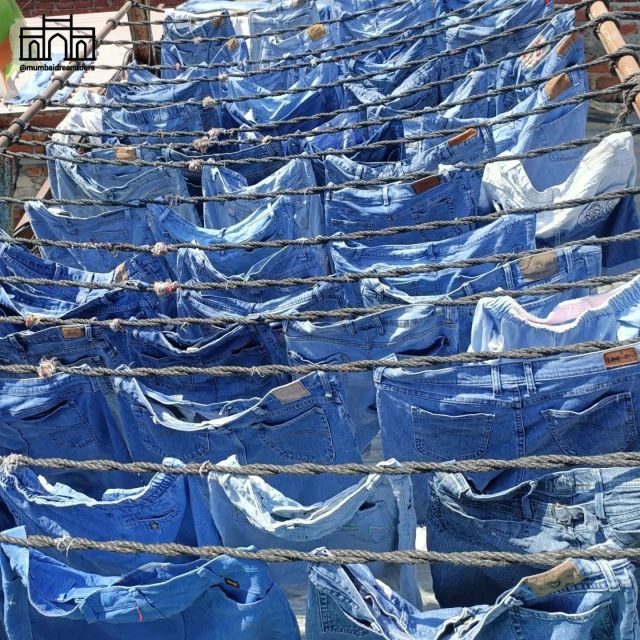
Mumbai is a city built on work. Its docks, trains, markets, workshops, kitchens, and laundries all run at a pace that can be hard to grasp from a monument or museum. Dhobi Ghat gives you a view of that working city in a compact space.
The facility receives clothes from across Mumbai. Hundreds of washermen and women, known as dhobis, handle the daily flow. Families often divide the tasks among themselves, with one person washing in the troughs, others hanging clothes to dry, and another pressing the finished garments.
That division of labor is one of the most interesting parts of the visit. You are not simply looking at old methods preserved for tourists. You are seeing a trade that still serves the city, with some families using machines while keeping much of the traditional process intact.
The setting also gives photographers plenty to notice. Long rows of clothing bring color and pattern to a place that is otherwise made up of concrete, water, work areas, and narrow paths. Ask before taking close portraits, and remember that people are working. A respectful distance makes for better photographs and a better visit.
More Dhobi Ghat and dabbawala tours:
- Mumbai: Dharavi Slum, DhobiGhat, and Dabbawallas Tour
★ 4.9 · 689 reviews - Mumbai: Dhobi Ghat Laundry and Dharavi Slum Tour with Local
★ 5.0 · 469 reviews - Mumbai: Dharavi Slum & Dhobi Ghat Laundry Tour
★ 5.0 · 352 reviews
Following the clothes from washing to pressing
A guided walk helps you understand the sequence. The laundry process is easier to appreciate when you see how each task connects to the next.
Clothes are washed in open troughs. The dhobi works the fabric by hand, sometimes striking it against the washing surface to remove dirt. This is physical work, and the method gives you a direct sense of the effort involved in getting clothes clean without relying entirely on modern equipment.
Next comes drying. Clothing is hung out in rows, producing the colorful view most people associate with Dhobi Ghat. The display is practical rather than decorative. The clothes must dry before they can be folded, sorted, and returned.
The final step described on the tour is pressing. Some garments are handled with bulky charcoal irons, a detail that makes the visit feel far removed from a modern laundry service. The process shows how a family business can combine machines with older tools, depending on the job and the household.
I find this progression more useful than simply stopping at a viewpoint. You can connect the bright rows of fabric with the washing troughs and the pressing work. The guide’s explanation gives the scene a human scale.
What a guide adds to the Dhobi Ghat visit
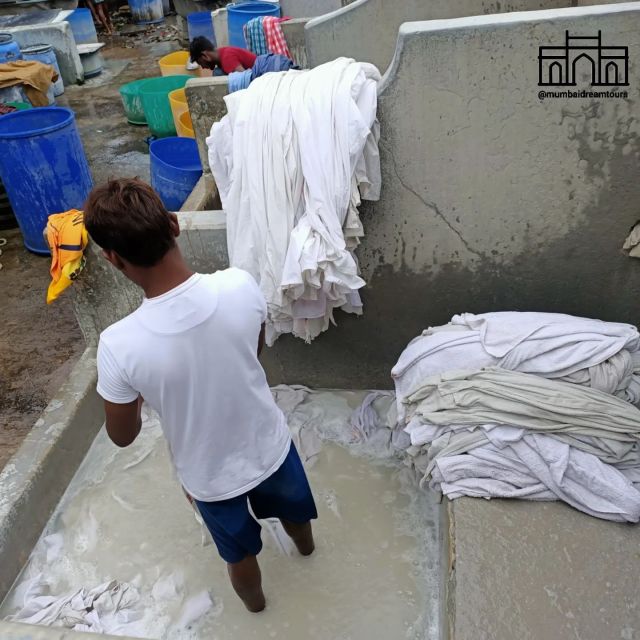
A guide matters here because the operation can look confusing at first. You may see troughs, lines of clothing, small work areas, and people moving in several directions. Without context, it is easy to take a few photographs and leave without understanding what you saw.
The tour focuses on the history and significance of the Dhobi Ghat. You learn why this place matters to Mumbai and how the work is shared among families. The best part of the guiding is the chance to ask practical questions about who washes, who dries, and how the finished clothes are pressed.
Rakesh has guided some departures. His approach, based on the information available, includes answering questions and leading visitors through dark, narrow alleys that you may not feel comfortable finding on your own. That kind of access can make a short tour feel more personal, though you should not expect every departure to have the same guide.
The tour is offered in English. If you want detailed explanations, tell the guide what interests you most at the start. You might ask about the hand-washing method, the use of charcoal irons, or how family members divide the work.
Adding Dharavi for a wider view of Mumbai
The Dharavi option is useful if you want more than a single working site. Dhobi Ghat shows one trade in detail, while a Dharavi visit can add another perspective on Mumbai’s communities and small-scale work.
The available information does not give a full Dharavi route or list individual stops, so you should treat it as an added tour component rather than expect a fixed set of workshops or landmarks. Check what the selected booking includes before you reserve.
I would choose the Dharavi addition if you have enough time and want a broader cultural outing. If your schedule is tight, the basic Dhobi Ghat visit may be the better choice because the laundry itself is the central experience.
The two places should not be treated as interchangeable attractions. Dhobi Ghat is built around the movement of clothes through a long-established laundry system. Dharavi, if selected, adds another layer of Mumbai’s working life. The extra cost is worthwhile only if you want that wider view and the option clearly lists both visits.
More Dharavi walking tours:
- Dharavi slum tour in Mumbai by Female tour guides of the slum
★ 5.0 · 1,976 reviews - Dharavi Slum Tour
★ 5.0 · 625 reviews - Dharavi Slum tour in Mumbai by local resident
★ 5.0 · 572 reviews - Mumbai: Dharavi Slum Slumdog Millionaire Tour with a Local
★ 4.9 · 529 reviews
The train ride option and the feel of local transport
Some packages add a train ride. This can make the tour feel more connected to everyday Mumbai because local trains are part of the city’s daily movement. It also gives you a change of pace after walking around the laundry.
The exact route and train details are not provided, so you should confirm them before booking. Do not assume that every package includes the same ride or that the train portion lasts for a particular length of time.
I see the train option as a good choice for first-time visitors who want more than arranged transport between sights. It can help you connect the Dhobi Ghat visit with the wider city, but it may be less appealing if you prefer a quiet, slower tour or have limited time.
When comparing options, look at the full combination rather than the headline price. A basic Dhobi Ghat walk and a package with Dharavi and a train ride are different products. The added fee may be fair, but only if you plan to use all the extra parts.
How much value do you get for $11?
The listed starting price is $11 per person. For a guided introduction to a major Mumbai landmark, that is a modest price, especially if your goal is to understand the work rather than only take a quick photograph.
Value depends on three things: tour length, guide quality, and the option selected. A good guide can make the difference between a useful explanation and a brief look from the edge. Rakesh’s reported ability to answer questions is the kind of service that makes the price feel justified.
There is also a warning sign. One person paid £14, described a one-hour booking, and said the visit ended after roughly 10 minutes. That is a serious mismatch between expectation and delivery. Since the advertised meeting point can vary by option, read the confirmation carefully and ask how long the Dhobi Ghat portion lasts.
The overall score is 3.4 out of 5 from five ratings. That tells me the experience has produced both strong and poor outcomes. Several ratings describe the guide, the train ride, and the washing history positively, but the short-tour complaint cannot be ignored.
For the best value, select the basic option only if you mainly want the laundry and have confirmed the length. Choose the larger package when Dharavi and the train ride are genuine priorities, not simply because the package looks like a bargain.
Practical expectations at the meeting point
The meeting point may change according to the option you book. The activity ends back at the meeting point, so plan any later sightseeing or restaurant reservation with that return point in mind.
Because the start location varies, check the final booking details rather than relying on a general map pin. This is especially important if you choose the Dharavi or train addition.
The experience is conducted in English. The supplied information does not specify group size, exact start times, accessibility arrangements, or a fixed official duration. If any of those details affect your day, ask before confirming.
You can reserve now and pay later, which helps if your Mumbai plans are still shifting. Cancellation is allowed up to 24 hours in advance for a full refund. Those terms reduce the risk, but they do not replace checking the actual option details.
Photographing a working laundry respectfully

Dhobi Ghat is visually striking, particularly when rows of clothing are hanging out to dry. The color is one of the main reasons photographers include the stop in their Mumbai plans.
Still, this is a place of work. The people washing, carrying, drying, and pressing clothes are not performers. Keep your camera ready, but avoid blocking paths or treating workers as background scenery.
A guide can help you understand where you may stand and what is appropriate to photograph. If you want close-up images of people, ask first. The most rewarding pictures may be the wider scenes: washing troughs, lines of fabric, tools, and the arrangement of the work areas.
The visit also rewards observation without a camera. Watch how the duties are divided and how a piece of clothing moves through the process. That tells you more about the laundry than a single colorful image.
Who should choose this experience?
I would recommend the basic tour to first-time Mumbai visitors who want a short introduction to the city’s working culture. It suits photographers, people interested in traditional trades, and anyone tired of sightseeing that stays on the polished surface.
The Dharavi addition is better for someone who wants a longer cultural outing and has room in the schedule. The train ride suits visitors who want to include a local transport experience, though the exact route should be confirmed.
Families may appreciate the clear step-by-step process, but the working environment may not suit every child. People looking for a formal museum-style presentation should also adjust their expectations. This is a functioning laundry with narrow routes and active labor, not a staged exhibit.
I would be cautious if you need a precisely timed one-hour activity. The conflicting account about a 10-minute finish makes it important to confirm the duration in writing. The $11 price is appealing, but a very short visit would not offer good value.
Should you book the Dhobi Ghat tour?
Book it if you want to see Mumbai through its everyday work. The hand washing, open-air drying, family roles, and charcoal pressing offer details you will not get from a standard city highlights tour.
I would choose a package with Dharavi or the train ride only when those additions match your interests. Before paying, confirm the meeting point, the exact inclusions, and the length of the Dhobi Ghat visit. If you receive clear answers, this can be an affordable and unusual way to understand Mumbai.
If the operator cannot explain the duration or option differences, skip it or choose another tour. The mixed score shows that the basic idea is strong, but the delivery needs careful checking.
FAQ
Where does the tour take place?
The main visit takes place at Mahalaxmi Dhobi Ghat in Mumbai, Maharashtra.
What is Mahalaxmi Dhobi Ghat?
It is an open-air laundry facility where clothes from across Mumbai are washed, dried, sorted, and pressed.
How long has Dhobi Ghat been operating?
The facility has been in operation for more than 100 years.
Is the tour guided?
Yes. The experience includes a guided Dhobi Ghat tour.
What language is available?
The tour is offered in English.
Is Dharavi included?
Dharavi is included only if you select the Dharavi tour option when booking.
Is a train ride included?
A train ride is included only with the applicable train-ride option.
How much does the experience cost?
The listed price is $11 per person. The final price may depend on the option you select.
Where does the tour start and end?
The meeting point may vary by booking option, and the activity ends back at the meeting point.
Can I cancel for a refund?
Yes. You can cancel up to 24 hours in advance for a full refund.
More Local Train and Transport Tours
- Dabbawala, Dhobi Ghat & Dharavi slum Tour with Local Train Ride
★ 5.0 · 102 reviews - Mumbai Local – Best Seller from Mumbai Magic
★ 5.0 · 87 reviews - Mumbai Street Food & Bazaar Tour with Local Transport
★ 5.0 · 51 reviews - Local Transport & Dabbawallah Tour
★ 5.0 · 40 reviews
Just added around Mumbai
- Temples & Vineyards: Private Tour to Nashik from Mumbai★ 4.5 · 3 reviews
- Mumbai: Private City sightseeing and Dharavi Slum Tour★ 5.0 · 3 reviews
- Mumbai: Full Day City Sightseeing with Lunch, Car & Guide★ 4.3 · 3 reviews
- Elephanta Island Private Speedboat Tour from Mumbai – 6pax★ 5.0 · 3 reviews
- Mumbai: Elephanta Island and Elephanta Caves Guided Tour★ 4.4 · 3 reviews
- Mumbai Sightseeing Tour by Public Transport with family Lunch★ 5.0 · 3 reviews
- Mumbai by Dawn★ 4.5 · 3 reviews
- Mumbai Dharavi Slum Community Tour★ 5.0 · 3 reviews
Dharavi Slum Tours, compared.
Dharavi slum tour in Mumbai by Female tour guides of the slum
Read our review →
Dharavi Slum Slumdog Millionaire Tour with a Local
Read our review →
Mumbai Slum Tour – Visit Dharavi Slum with Local Guide
Read our review →
Dhobi Ghat Laundry and Dharavi Slum Tour with Local
Read our review →
Browse the lists this tour appears in