
Reviewed · DHARAVI SLUM TOURS
Mumbai Dharavi Slum Community Tour
Dharavi is not simply a place to pass through. It is a working community where homes, shops, workshops, schools, and recycling businesses fit together along narrow lanes. This two-hour walking tour gives you a guided look at that daily rhythm, with local guide Rukaiya explaining details you would likely miss on your own.
I like two things here. First, the route shows Dharavi as a center of work and enterprise, not just as a poor neighborhood. Second, the small-group format lets you ask questions, and Rukaiya is praised for her patience, local insight, and care while helping visitors cross roads. The main consideration is that this is an intimate walking experience in tight, busy spaces, so it may feel intense if you prefer open streets or a more polished sightseeing stop.
In This Review
- Key points to know before you book
- Why Dharavi makes a worthwhile Mumbai tour
- Starting near Third Wave Coffee
- Walking Dharavi’s narrow lanes
- Recycling, garments, and leather work
- Homes above, beside, and behind the workshops
- Markets, pottery, and local craftsmanship
- A look at schools and the role of education
- How Rukaiya shapes the experience
- Is the $9 price good value?
- Who should book this Dharavi walk?
- Should you book the Mumbai Dharavi Community Tour?
- FAQ
- Where does the Dharavi tour start?
- How long does the tour last?
- What language is the tour offered in?
- What will I see in Dharavi?
- Is a private group available?
- Can I cancel or pay later?
Key points to know before you book
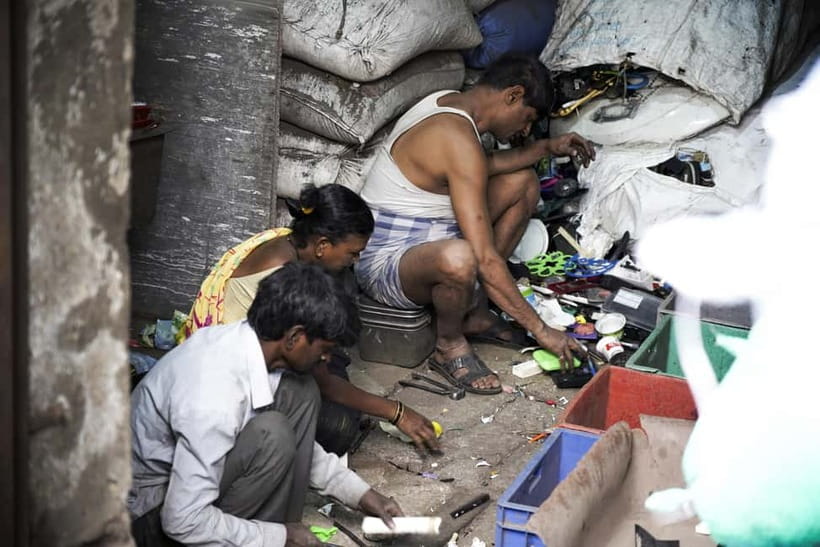
- Recycling is part of the tour: See how plastic, aluminum, and cardboard support small local businesses.
- Homes and workplaces share the same area: The route shows rooftop houses, apartments, workshops, and shops side by side.
- Guide Rukaiya adds personal context: She encourages questions and explains details that are hard to find online.
- The tour includes more than industry: Expect markets, pottery, garment and leather work, and local schools.
- Two hours keeps the visit focused: You get a strong introduction without committing to a full-day outing.
- The $9 price is unusually low: Entrance fees are included, and pickup and drop-off are available with some options.
Why Dharavi makes a worthwhile Mumbai tour
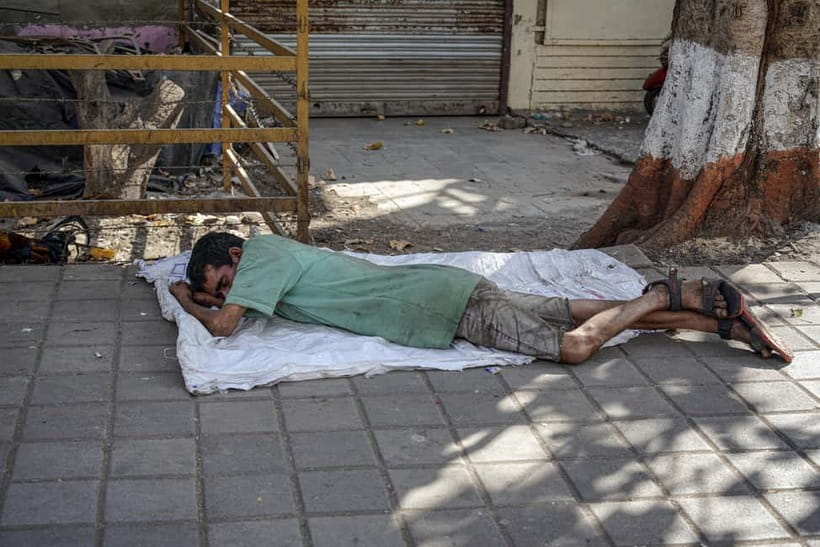
Many first-time visitors see Mumbai through grand buildings, traffic, cinemas, waterfront views, and historic neighborhoods. Dharavi offers a different view: Mumbai as a place of work, trade, family life, and practical invention.
The useful question is not simply what Dharavi looks like. It is how people make a living in a dense urban setting. A small workshop may sit beside a home. A market lane may also serve as a route to school. Materials that other businesses discard can become the raw material for another local enterprise.
That is what gives this tour value. You are not only looking at narrow streets. You are learning how a large community functions and how residents use limited space with skill and determination.
The visit also helps correct a common oversimplification. Dharavi is often presented only through poverty. This route includes difficult realities, but it also gives attention to craftsmanship, commerce, education, and the residents’ ability to build businesses. That wider view makes the experience more thoughtful and useful than a quick drive past the neighborhood.
You should still approach the tour with respect. Dharavi is a lived-in community, not a stage set. Listen to your guide, follow local instructions, and remember that people are going about ordinary work and family life around you.
More Dharavi walking tours:
- Dharavi slum tour in Mumbai by Female tour guides of the slum
★ 5.0 · 1,976 reviews - Mumbai: Dharavi Slum, DhobiGhat, and Dabbawallas Tour
★ 4.9 · 689 reviews - Dharavi Slum Tour
★ 5.0 · 625 reviews
Starting near Third Wave Coffee
The listed meeting point is Third Wave Coffee, with two starting options shown at that location. Your exact meeting arrangement can depend on the option you book, so check the confirmation carefully before setting out.
The coffee shop gives you a simple public place to meet your guide before the walk. From there, the experience moves into Dharavi for roughly two hours, then returns to the listed drop-off point. The total activity lasts about two to two and a half hours, allowing a little room for the pace of the group and the time spent asking questions.
If you want the simplest plan, choose the walking option and arrive ready to start. Some booking choices include pickup and drop-off by car, along with bottled water. That costs more than relying only on the walking arrangement if an upgrade applies, but it can be useful if you want door-to-door help in Mumbai.
Walking Dharavi’s narrow lanes
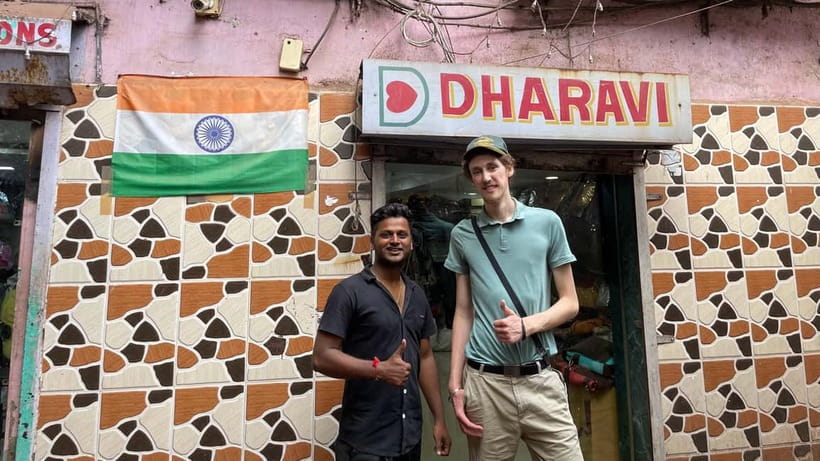
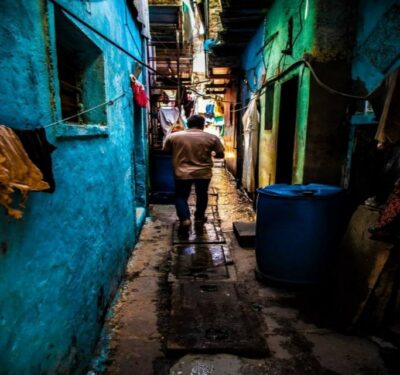
The first part of the route takes you through the community’s narrow streets and alleys. This is where the tour becomes a close look at daily life rather than a distant observation.
You might see residents moving between homes, shops, workshops, and markets as the guide explains how the area fits together. The streets can feel crowded and close, and that is part of the setting you are there to understand. You will not get wide boulevards or quiet museum rooms. You get the sound, movement, and practical activity of a working neighborhood.
A good guide matters greatly here. Rukaiya is specifically praised for explaining what is happening around you, inviting questions, and sharing information that is not easily found online. She is also praised for paying attention to visitor safety while crossing roads. That does not remove the need for you to stay alert, but it is a welcome part of a walking tour in a busy Mumbai district.
Because the group can be small, you should have a better chance to hear the guide and stop for clarification. A private group is also available if you want a more personal pace or prefer to keep the conversation within your own party.
Recycling, garments, and leather work
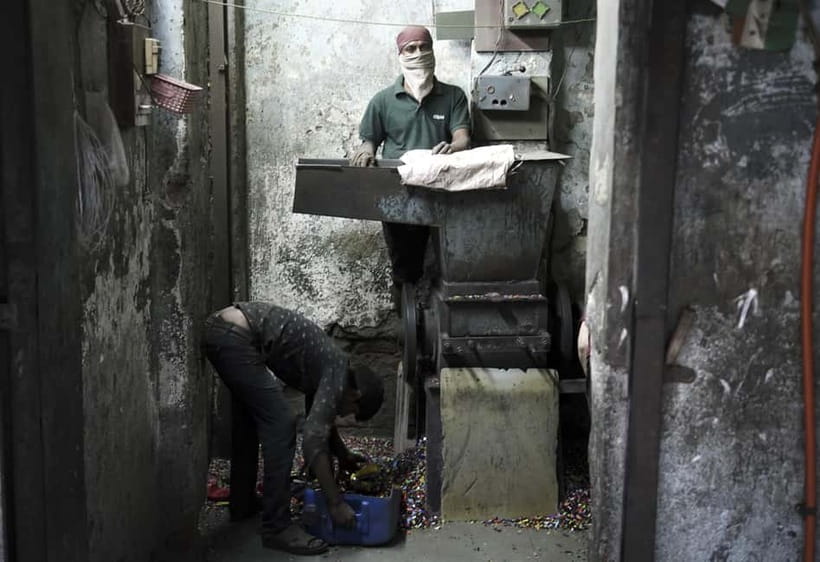
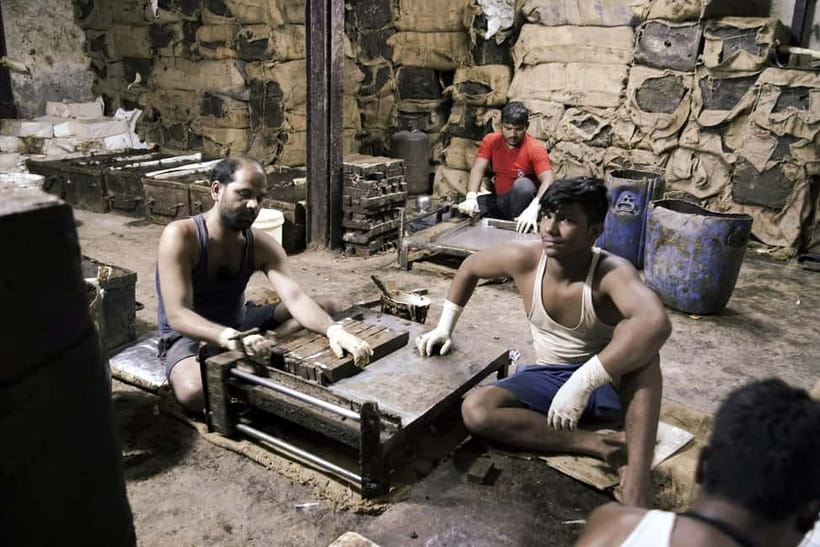
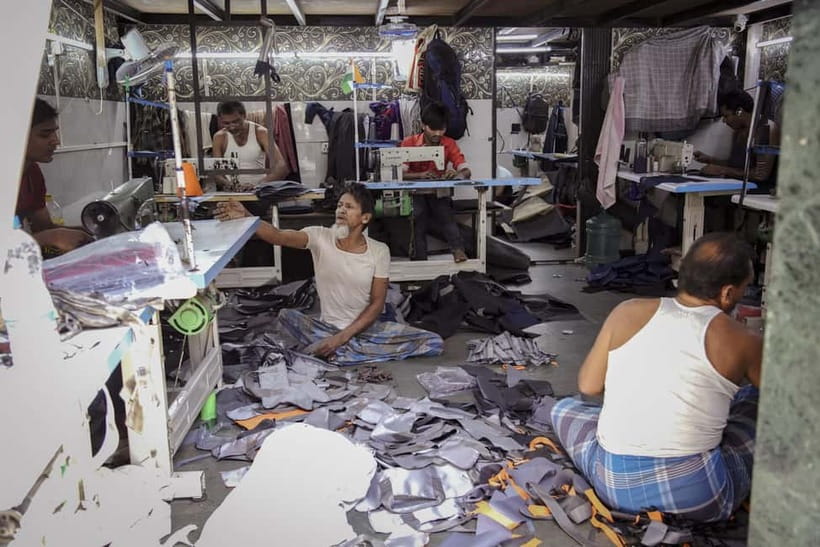
One of the strongest parts of the route is its look at Dharavi’s local industries. The tour includes recycling centers handling plastic, aluminum, and cardboard, along with small garment and leather manufacturing units.
This section explains why Dharavi is more than a residential area. Work is built into the community. Materials move through local hands, and small businesses operate on a scale that can be easy to miss unless someone points it out.
Recycling is especially useful to see because it connects an everyday city problem with local income. Plastic, metal, and cardboard are not just waste here. They are sorted and handled as useful materials. The route gives you a chance to think about the labor behind recycling and the way a neighborhood can create an economy from resources others throw away.
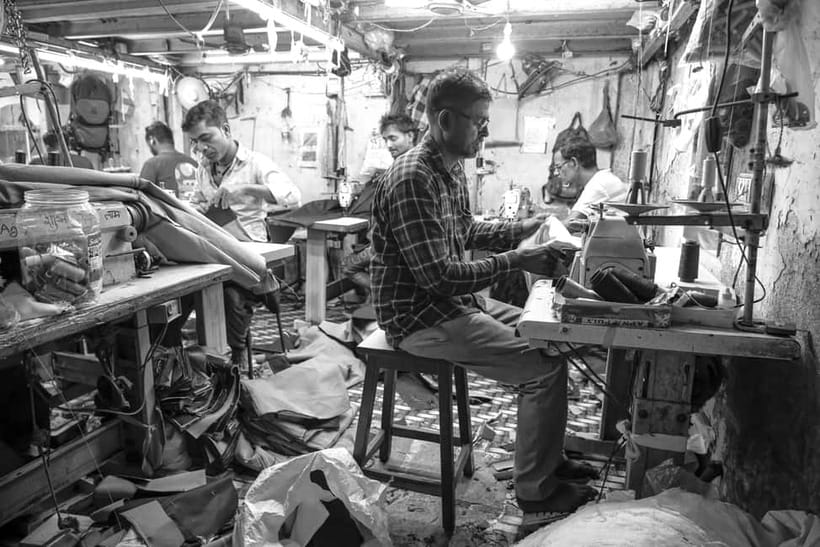
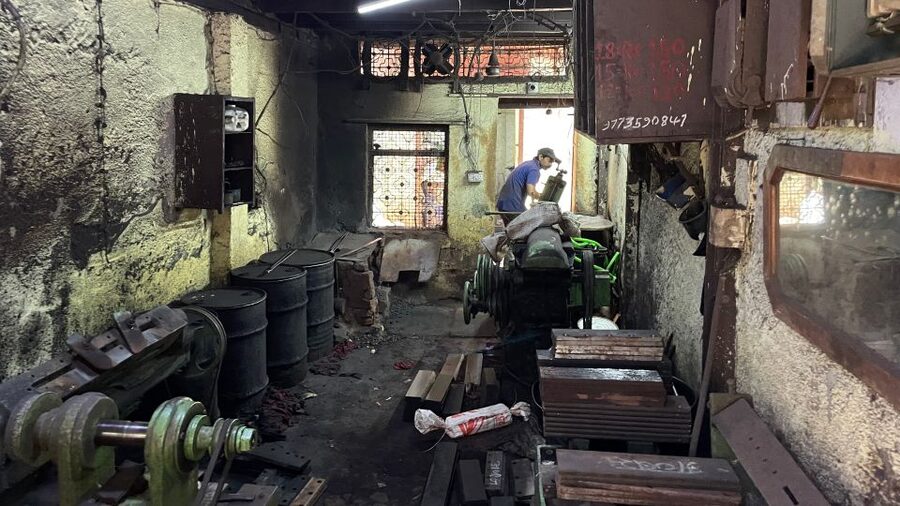
The garment and leather workshops add another layer. You may see how production takes place in compact spaces, with careful handwork and small-scale business activity. The tour does not promise a shopping stop or a polished factory visit. Its value is in seeing the working process and understanding the role these trades play in the area.
You should expect an active environment rather than a formal demonstration. The guide’s explanation is important because the surroundings may look confusing at first. Ask questions about what you see, especially if you want to understand how a particular workshop operates.
A completely different way to spend a day in Mumbai:
- Mumbai: Full-Day Sightseeing Tour of Mumbai
★ 4.9 · 1,822 reviews - Private Mumbai Sightseeing Tour (Traveller’s Choice Award Winner)
★ 5.0 · 1,565 reviews - Elephanta Caves & Island Guided Private Tour
★ 5.0 · 1,327 reviews - Group Guided Walking Tour in Fort and Colaba
★ 5.0 · 1,073 reviews
Homes above, beside, and behind the workshops
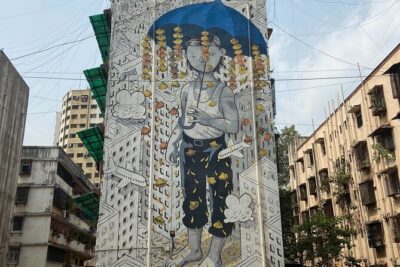
The residential section gives the visit its human scale. You will see small rooftop houses and private apartment buildings, with families making the most of limited room and available resources.
This can be a powerful part of the walk, but it is also the point where courtesy matters most. You are looking at people’s homes, not simply architectural examples. Keep your attention on the guide and the wider setting rather than treating private domestic life as a photo opportunity.
The mix of homes and businesses helps explain Dharavi’s density. A neighborhood can be both a place to live and a place to work, with very little separation between the two. That arrangement may feel unfamiliar, yet it also shows how residents have adapted their surroundings to daily needs.
I appreciate that the route includes residential areas rather than focusing only on commercial activity. It prevents the visit from becoming a tour of workshops alone. You get a clearer sense of the families, workers, and students who share these streets.
Markets, pottery, and local craftsmanship
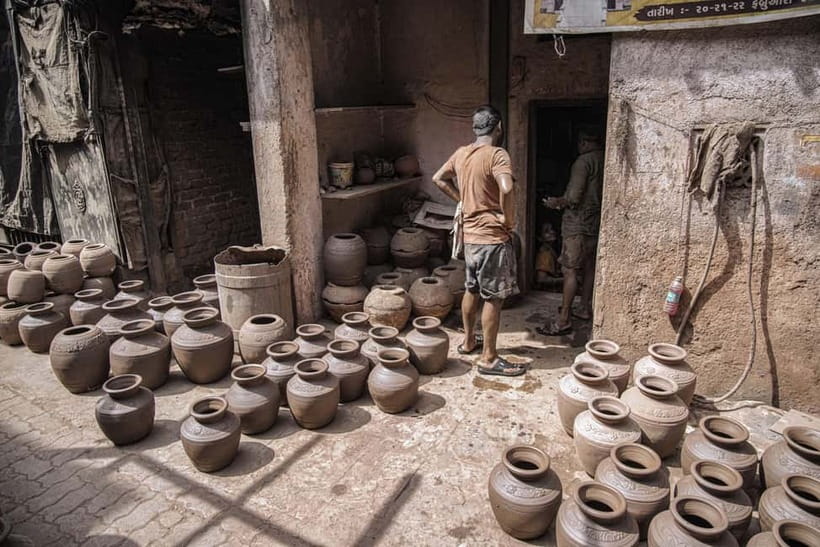
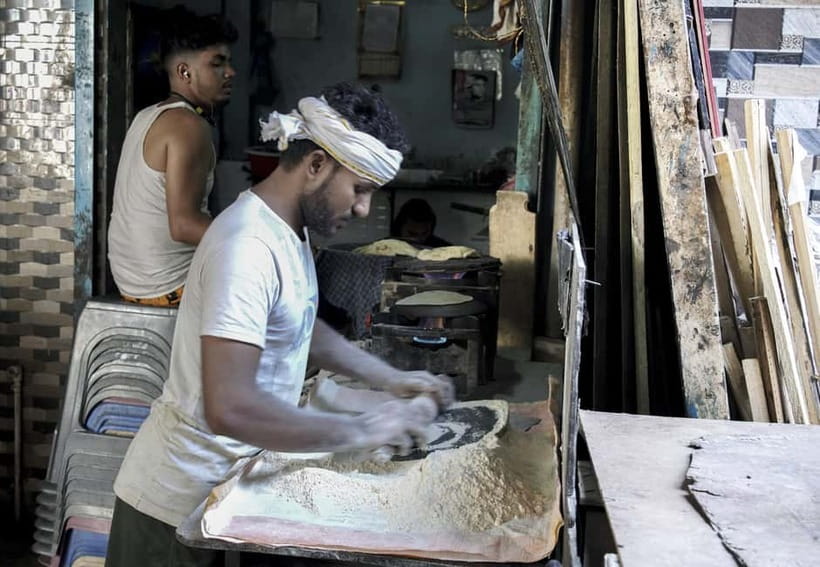
The market section brings a different mood. You will pass lively street markets with fresh produce and handmade goods, then may visit pottery workshops where artisans shape and decorate objects.
Markets are useful for seeing Dharavi as part of Mumbai’s everyday exchange of goods. They are not presented as a tourist-only shopping lane. You can watch ordinary buying and selling, see how compact stalls use limited space, and notice how the market connects with nearby homes and workshops.
The pottery stop gives the tour a creative counterpoint to recycling and manufacturing. Here, the focus shifts from sorting materials or producing garments to skilled handwork and design. The experience does not promise a craft lesson, but you can observe the care involved in making pottery and ask the guide about the work.
If you enjoy seeing how objects are made, this is one of the route’s most appealing sections. It also supports the wider message of the tour: Dharavi is a place where people create, repair, trade, and adapt, not simply a place defined by hardship.
A look at schools and the role of education
The itinerary includes visits to local schools and an opportunity to interact with students. Education is presented as an important part of Dharavi’s future, and this stop adds a forward-looking note to the tour.
The school visit helps connect the neighborhood’s present working life with the hopes of younger residents. After seeing homes, workshops, and markets, you get a reminder that families are also investing in education and opportunity.
The available details do not promise a long classroom session or a formal talk, so keep your expectations modest. The stop is best understood as a chance to learn about the role of schools in the community, not as a staged performance.
As with the residential areas, respect is essential. Follow the guide’s instructions about interaction and photography, and let the school environment set the pace.
How Rukaiya shapes the experience
A route through Dharavi depends heavily on the person leading it. Without context, you could see a maze of lanes and workshops without understanding how they connect.
Rukaiya receives especially strong praise for her kindness, patience, and ability to answer questions. She is described as someone who knows what is happening in the neighborhood and can explain details that are not easy to find through a quick internet search. That kind of local explanation is the main reason to take a guided walk rather than explore without support.
She also appears attentive to the practical side of the visit. Helping people cross roads and keeping an eye on the group may sound like small gestures, but they matter in a busy urban setting. A guide who combines local explanation with basic care makes the route easier to follow.
The tour is offered in English. If you value conversation and want to ask about work, housing, education, or daily routines, a small or private group should suit you better than a large coach-style outing.
Is the $9 price good value?
At $9 per person, this is one of the more affordable ways to add a substantial local experience to a Mumbai itinerary. The price includes the guided Dharavi walk, access to the listed stops, and entrance fees. That means you are paying mainly for the guide’s time and local knowledge, rather than for a costly attraction ticket.
The value is strongest if you want context. You could walk near the area on your own, but you would miss much of the explanation about recycling, manufacturing, homes, markets, and schools. You may also feel less certain about how to move through the lanes respectfully.
Pickup and drop-off options add convenience and include bottled water. Private groups are available too, though the final price may differ by option. Check the selection before booking so you know if you are choosing the standard meeting arrangement or a car service.
The small number of published ratings gives the tour a perfect score, but the sample is limited. I would treat that as encouraging rather than conclusive. The comments do consistently praise the guide, especially Rukaiya, and that is the most useful signal here.
You can cancel up to 24 hours in advance for a full refund, and you can reserve now and pay later. Those policies make it easier to fit the tour into a changing Mumbai schedule.
Who should book this Dharavi walk?
You should consider it if you want to see how local work and family life shape one of Mumbai’s best-known communities. It suits curious visitors who prefer conversation, walking, and real neighborhoods to a passive sightseeing ride.
It is also a good choice if you have only a few hours. The route covers several sides of Dharavi without taking up an entire morning or afternoon. The $9 base price makes it easy to add to a larger Mumbai plan.
You may want to skip it if you dislike narrow streets, close quarters, or visits that ask you to think carefully about poverty and tourism. This is not a glossy attraction, and the subject requires maturity. The experience can be uplifting because it shows resourcefulness and creativity, but it does not turn difficult living conditions into entertainment.
Families and private groups may appreciate the private option, while solo visitors and couples can benefit from the small-group setting. Anyone booking should be ready to walk, listen, and treat the community with care.
Should you book the Mumbai Dharavi Community Tour?
I would book this tour if you want a short, affordable, guided look at the working life of Dharavi. The recycling centers, garment and leather workshops, pottery spaces, markets, homes, and schools create a fuller picture than a simple street visit.
The best reason to choose it is Rukaiya’s reported approach: patient explanations, openness to questions, and attention to safety. Check the meeting-point option, decide if you need pickup and drop-off, and wear something suitable for a two-hour walk through crowded lanes.
Book it for understanding, not spectacle. If that is the kind of experience you want, this is a strong-value addition to a Mumbai visit.
FAQ
Where does the Dharavi tour start?
The listed starting location is Third Wave Coffee. The exact meeting point may vary according to the option you book, so check your booking details.
How long does the tour last?
The activity lasts about two to two and a half hours. The guided walk through Dharavi is listed as approximately two hours.
What language is the tour offered in?
The tour includes a live English-speaking guide.
What will I see in Dharavi?
The route includes narrow streets, markets, homes, recycling centers, garment and leather workshops, pottery spaces, and local schools.
Is a private group available?
Yes. A private group option is available, while small group sizes are intended to provide a more personal experience.
Can I cancel or pay later?
You can cancel up to 24 hours before the activity for a full refund. You can also reserve your place and pay later.
Just added around Mumbai
- Temples & Vineyards: Private Tour to Nashik from Mumbai★ 4.5 · 3 reviews
- Mumbai: Private City sightseeing and Dharavi Slum Tour★ 5.0 · 3 reviews
- Mumbai: Full Day City Sightseeing with Lunch, Car & Guide★ 4.3 · 3 reviews
- Elephanta Island Private Speedboat Tour from Mumbai – 6pax★ 5.0 · 3 reviews
- Mumbai: Elephanta Island and Elephanta Caves Guided Tour★ 4.4 · 3 reviews
- Mumbai Sightseeing Tour by Public Transport with family Lunch★ 5.0 · 3 reviews
- Mumbai by Dawn★ 4.5 · 3 reviews
- Mumbai: Dhobi Ghat & Dharavi Slum tour★ 4.7 · 3 reviews
Dharavi Slum Tours, compared.
Dharavi slum tour in Mumbai by Female tour guides of the slum
Read our review →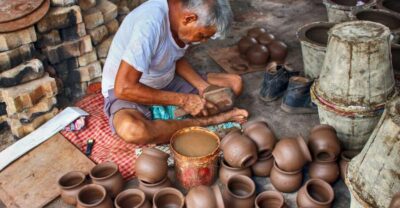
Dharavi Slum Slumdog Millionaire Tour with a Local
Read our review →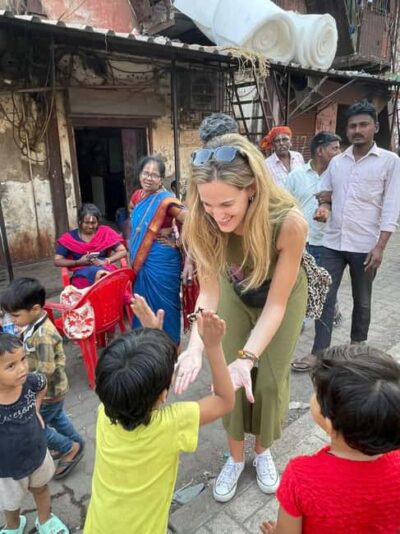
Mumbai Slum Tour – Visit Dharavi Slum with Local Guide
Read our review →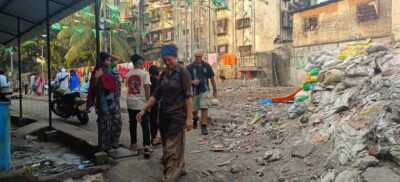
Dhobi Ghat Laundry and Dharavi Slum Tour with Local
Read our review →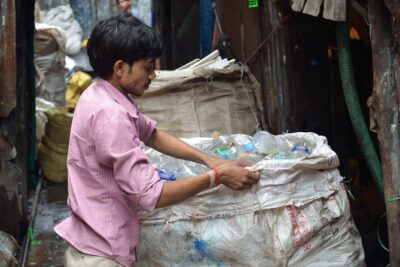
Browse the lists this tour appears in