
Reviewed · DHARAVI SLUM TOURS
Dharavi slum tour in Mumbai by Female tour guides of the slum
Dharavi is not a movie set or a backdrop for poverty tourism. It is a working Mumbai neighborhood, and this female-led walking tour lets you see its homes, workshops, shops, and community life with a resident guide such as Pooja, Sneha, Varsha, or Anushka. The strongest part is the local point of view: your guide can explain what daily life is like because she lives there.
I like the tour’s focus on real businesses and ordinary routines, rather than dramatic storytelling. I also like the option to add transport or lunch with a local family. The main caution is that this is a serious, sometimes confronting visit, and fast English, factory noise, tight lanes, and Mumbai traffic can make parts of it tiring.
In This Review
- Key points before you book
- Why Dharavi is more than a poverty story
- Meeting your guide near Mahim
- The two-hour walk through Dharavi
- What the working areas add
- Meeting residents and seeing daily life
- Adding lunch with a local family
- The role of female resident guides
- The short stop with Magical Mumbai Tours
- Price, transport, and overall value
- Weather, cancellation, and simple planning tips
- Who should book this Dharavi tour?
- FAQ
- How long does the Dharavi tour last?
- Where does the tour start and finish?
- Is hotel pickup available?
- Is lunch included?
- What should I wear?
- Can I cancel for a refund?
- Should you book it?
Key points before you book
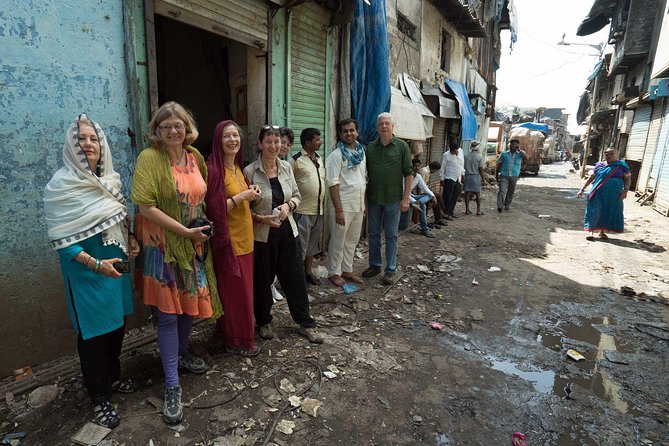
- Resident female guides: Meet guides including Pooja, Sneha, Varsha, and Anushka, all praised for clear explanations and a warm manner.
- Working Dharavi, not a staged attraction: See industries, homes, schools, shops, streets, and community spaces during a roughly two-hour walk.
- Lunch can add a human connection: Some departures offer a meal with a local family, turning the visit into more than a sightseeing walk.
- Transport is optional: Hotel pickup and return may be available, but South Mumbai transfers can take about an hour each way in traffic.
- Very low price: At $9.49 per person, the basic tour offers strong value, though food, drinks, personal expenses, and some transport options cost extra.
- Come ready to walk: Comfortable shoes matter, and you should expect noise, narrow passages, uneven footing, and a busy working setting.
Why Dharavi is more than a poverty story
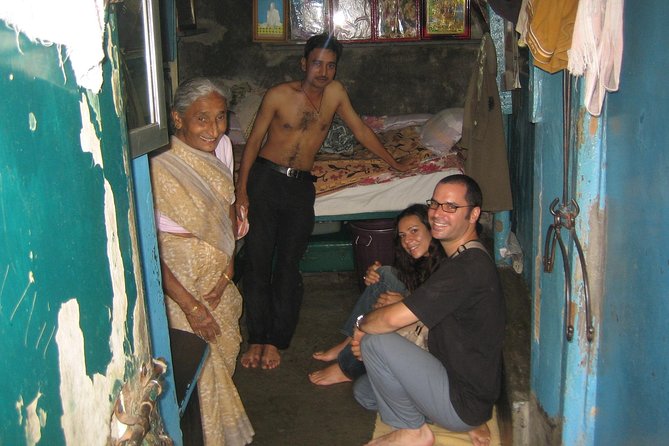
Dharavi is often reduced to one blunt word: slum. That label misses much of what you will see. This tour presents Dharavi as a dense neighborhood where people live, work, study, shop, worship, and rely on one another.
Your guide’s job is not only to point out poor conditions. She explains how people make a living and how the area functions as a community. You might see small-scale industries and workshops, then pass homes, stores, schools, medical facilities, and streets used by residents going about their day.
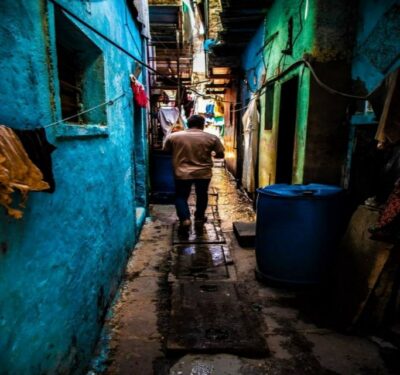
That wider view matters. You will still notice cramped spaces and difficult working conditions. Some lanes are narrow and can feel claustrophobic. Noise from factories may make it hard to hear every word. Yet the tour also shows enterprise, routine, and pride. The result is a more useful picture than the usual image of helplessness.
I especially value the chance to ask questions directly. Pooja, for example, has been praised for explaining both practical facts and local attitudes. She can help you consider why residents may feel connected to Dharavi, even when housing and work conditions are far from comfortable by international standards.
Come with humility. You are entering someone else’s home area, not an open-air museum. Listen first, take photographs only when appropriate, and avoid treating people’s daily lives as entertainment.
More Dharavi walking tours:
- Mumbai: Dharavi Slum, DhobiGhat, and Dabbawallas Tour
★ 4.9 · 689 reviews - Dharavi Slum Tour
★ 5.0 · 625 reviews - Dharavi Slum tour in Mumbai by local resident
★ 5.0 · 572 reviews
Meeting your guide near Mahim
The listed meeting point is Third Wave Coffee at Tip Road, Unit 58, Ground, Ram Mahal, Senapati Bapat Marg, Marinagar Colony, near Mahim station, Mumbai 400016. The activity ends back at this same meeting point.
That arrangement is useful if you are staying near central Mumbai or using public transport. It gives you a clear place to meet before walking into Dharavi. Multiple departure times are offered, and alternate times can be requested during booking, so you have some room to fit the visit around other plans.
The exact start time matters if you are adding transportation. A pickup from South Mumbai can take about one hour each way because of traffic. The walk itself lasts about two hours, but the whole outing can take three to four hours when road time is included.
If you select a departure with hotel transportation, confirm the pickup details carefully. The basic meeting point option is likely the better value if you can reach Mahim easily. At $9.49, the walking tour is priced well for an experience that includes a local guide and bottled water.
The two-hour walk through Dharavi
The main stop is Dharavi, with admission included and about two hours set aside for the walk. There is no single grand sight here. The value comes from the sequence of small observations and the guide’s explanation of what you are seeing.
Expect to move through several parts of the neighborhood rather than follow a formal museum route. Your guide may point out working areas, explain different industries, introduce the structure of the community, and describe how people live alongside their workplaces.
The tour’s strongest feature is context. A pile of materials, a narrow workshop, or a crowded lane means little without explanation. With a resident guide, these details become part of a larger story about income, housing, family life, and local support.
Guides named in the feedback include Pooja, Sneha, Varsha, Veena, Anu, and Anushka. The names matter because the quality of this experience depends heavily on who leads your group. Pooja has been praised for her English, patience, and personal connection to the area. Sneha is noted for explaining local industries and introducing people from her neighborhood. Varsha is praised for keeping groups together and explaining the places along the route.
Anushka has also been singled out for answering questions and helping a visitor with a cover dress. That detail suggests a useful quality in a good guide: awareness of comfort and local customs, not just a memorized speech.
The route is not described as accessible for every mobility level. Most people can participate, but you should be prepared for a walking tour through a working neighborhood. Wear shoes with good grip. Keep your belongings secure and carry only what you need.
What the working areas add
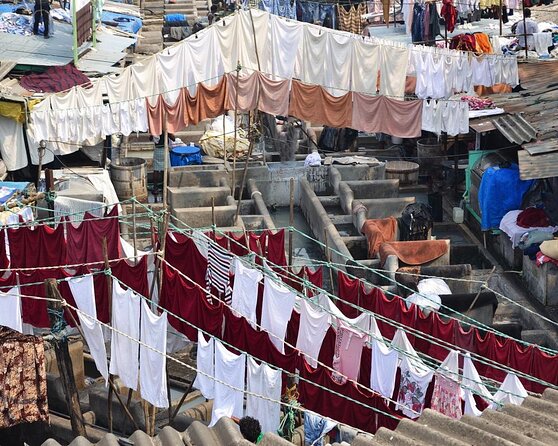
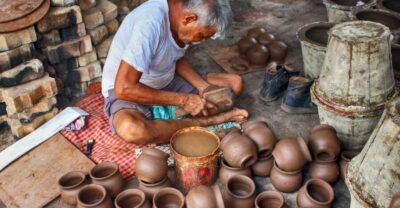
Many city tours show you architecture, monuments, or food. Dharavi offers a look at work. The visit includes several thriving businesses and industrial areas, giving you a sense of how much activity fits into a compact urban district.
This can be the most eye-opening part of the tour. You may see production taking place close to homes and narrow passages. The setting can be noisy, and one person noted that factory sounds sometimes made the guide difficult to hear. Stay close, and ask your guide to repeat anything important.
The point is not to turn labor into a spectacle. It is to understand that Dharavi is an economic center for the people who live there. Your guide can explain the work in plain terms and show how business and home life overlap.
Some visitors may find the conditions uncomfortable. That response is fair. The tour works best when you hold two ideas at once: many people face real hardship, and the neighborhood is also active, organized, and full of skill.
A completely different way to spend a day in Mumbai:
- Mumbai: Full-Day Sightseeing Tour of Mumbai
★ 4.9 · 1,822 reviews - Private Mumbai Sightseeing Tour (Traveller’s Choice Award Winner)
★ 5.0 · 1,565 reviews - Elephanta Caves & Island Guided Private Tour
★ 5.0 · 1,327 reviews - Group Guided Walking Tour in Fort and Colaba
★ 5.0 · 1,073 reviews
Meeting residents and seeing daily life
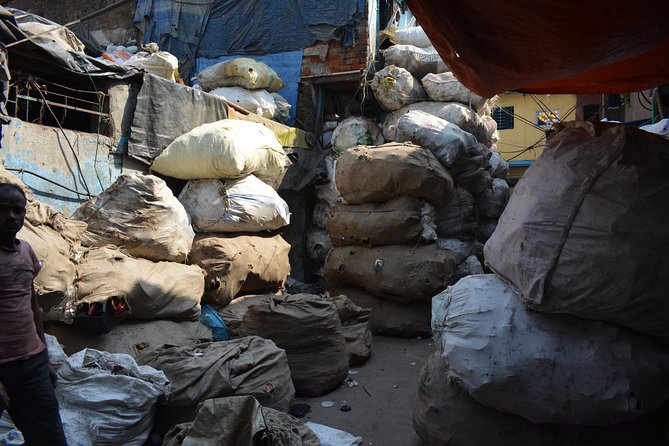
The best guides add personal details without turning the walk into a performance. Pooja has been described as a lifelong resident who knows the community well. Sneha has introduced people from her neighborhood and later shared a meal with a local family.
Those moments can make the tour feel less like observation from the outside. Still, the tone depends on the group and the guide, and a personal interaction should never be expected or demanded. Let your guide decide what is suitable.
You will also notice how closely daily needs are tied to the neighborhood. One detailed account described residents having electricity, limited water hours, food, shelter, schools, shops, and medical services within the area. These facts do not erase poverty, but they help explain why the community is not simply a place people pass through on their way to somewhere else.
The guide may challenge your assumptions about what counts as a successful life. That discussion is one reason I would choose this tour over a quick drive past Dharavi. You get time to ask how residents view their home, their work, and their future.
Adding lunch with a local family

Food and drinks are not included in the basic price, but some versions offer lunch with a local family. This is worth considering if you want a slower, more personal ending.
A meal changes the pace of the experience. After walking through working areas and discussing daily life, sitting down for food gives you time to talk in a relaxed setting. One account describes a warm meal with a neighbor of the guide, followed by conversation and even some garba dancing.
Do not assume lunch is part of every booking. Check the exact option before paying. If it is available and fits your schedule, I would consider it the best add-on because it supports a direct human exchange rather than simply adding another stop.
Food, drinks, and personal expenses are otherwise excluded. Bottled water is included, but you should still bring what you need for the walk, especially in warm weather.
The role of female resident guides
The tour is built around women from Dharavi leading visitors through their own community. That gives the experience a different tone from a standard city tour led by someone who only visits the area for work.
A female guide may also help some visitors feel more comfortable asking questions about homes, family routines, work, education, and local expectations. Pooja, Sneha, Varsha, and Anushka are repeatedly praised for being friendly, patient, and able to explain difficult subjects without turning them into melodrama.
That does not mean every guide will speak at the same speed or in the same style. One clear caution is that some explanations may come quickly, especially for people who are not confident English speakers. Factory noise can add another challenge. If you miss a point, ask for a pause or repeat.
The tour also supports women’s work directly. The operator says that 20 percent of the price goes toward local support, including free homes for orphans and other necessities. Treat that as part of the tour’s stated social purpose, but judge the experience on the quality of the visit as well.
The short stop with Magical Mumbai Tours
The itinerary includes a 20-minute stop connected with Magical Mumbai Tours, with no admission charge. This appears to be an organizing or tour-company portion rather than a separate major attraction.
Do not book this experience expecting a second landmark or a long museum visit. The meaningful time is the Dharavi walk itself. The extra 20 minutes may help with coordination, introductions, or the start and finish of the activity, but the available information does not describe a distinct attraction there.
That is useful to know when planning your day. Pair the tour with nearby plans only if you allow time for traffic and the possibility that the walking portion runs closer to two and a half hours.
Price, transport, and overall value
At $9.49 per person, this is one of the lower-cost ways to spend two hours in Mumbai with a resident guide. The price includes the local guide and bottled water. It does not include food, drinks beyond the provided water, personal expenses, or every transport option.
For me, the value is not measured by the number of sights. It comes from access and explanation. You could not easily understand the working areas, community structure, and daily routines by wandering in alone. A guide gives the visit purpose and helps you behave respectfully.
Group discounts may reduce the per-person cost for families or larger parties. The listed maximum of 999 people is unusually high, so group size should be confirmed if a quiet, personal walk matters to you. The feedback often describes small groups, but you should not treat that as guaranteed.
Hotel pickup and return can be convenient, especially if you are unfamiliar with Mumbai. The tradeoff is time. From South Mumbai, road journeys may take roughly an hour each way. If your schedule is tight, meet at Mahim instead.
The tour is recommended for ages three and up, and most people can take part. Young children may find the noise, heat, narrow lanes, and serious subject matter tiring, so consider your own family’s comfort.
Weather, cancellation, and simple planning tips
The activity requires good weather. If poor weather forces a cancellation, you can choose another date or receive a full refund. The same applies if the minimum number of participants is not reached.
You can cancel for a full refund up to 24 hours before the start time. Cancellations or changes within 24 hours are not refunded or accepted, so do not leave this decision until the last minute.
I would wear light, comfortable clothing and walking shoes. Bring water if you prefer more than the included bottle, and keep your camera put away unless your guide says photography is acceptable.
Most important, treat the neighborhood as a living community. Do not photograph children, workers, homes, or individuals without permission. Ask questions with care, and avoid comparing people’s lives in a way that turns the walk into a personal judgment.
Who should book this Dharavi tour?
Book it if you want to understand Mumbai through work and community rather than monuments alone. It suits curious adults, older children, students, photographers who can follow strict permission rules, and anyone interested in how a dense neighborhood supports its residents.
It is especially useful if you want a female perspective and a guide who lives in Dharavi. The lunch option suits you if conversation and personal contact matter as much as sightseeing.
Think twice if you dislike walking in tight spaces, noise, industrial areas, or emotionally difficult subjects. This is not a polished attraction, and its value depends on your willingness to listen.
FAQ
How long does the Dharavi tour last?
The Dharavi walking portion lasts about two hours. The overall activity may take longer if you choose transportation, with some South Mumbai transfers taking about an hour each way because of traffic.
Where does the tour start and finish?
It starts at Third Wave Coffee, Tip Road, Unit 58, Ground, Ram Mahal, Senapati Bapat Marg, Marinagar Colony, near Mahim station, Mumbai 400016. It ends back at the same meeting point.
Is hotel pickup available?
Pickup and return transportation are offered with some tour options. You can also choose a version without transportation and meet at the listed starting point.
Is lunch included?
Food and drinks are not included in the basic tour. Some tour options offer lunch with a local family, so check the specific option you select when booking.
What should I wear?
Comfortable walking shoes are recommended. The tour takes place on foot in a working neighborhood, and the route can include narrow passages and noisy factory areas.
Can I cancel for a refund?
You can cancel at least 24 hours before the local start time for a full refund. Cancellations and changes made within 24 hours are not accepted or refunded. Poor weather or failure to meet the minimum number of participants may result in another date or a full refund.
Should you book it?
I would book this tour if you want a direct, carefully guided look at Dharavi and are ready to see both hardship and determination. The resident female guides are the real reason to choose it, with Pooja, Sneha, Varsha, and Anushka receiving particular praise for personal insight, clear answers, and a respectful manner.
Choose the meeting-point option for the best value and add lunch if you want more time with local residents. Allow extra time for traffic if you need pickup. At $9.49, this is a strong buy for a thoughtful two-hour introduction to one of Mumbai’s most misunderstood neighborhoods.
Just added around Mumbai
- Temples & Vineyards: Private Tour to Nashik from Mumbai★ 4.5 · 3 reviews
- Mumbai: Private City sightseeing and Dharavi Slum Tour★ 5.0 · 3 reviews
- Mumbai: Full Day City Sightseeing with Lunch, Car & Guide★ 4.3 · 3 reviews
- Elephanta Island Private Speedboat Tour from Mumbai – 6pax★ 5.0 · 3 reviews
- Mumbai Sightseeing Tour by Public Transport with family Lunch★ 5.0 · 3 reviews
- Mumbai by Dawn★ 4.5 · 3 reviews
- Mumbai: Elephanta Island and Elephanta Caves Guided Tour★ 4.4 · 3 reviews
- Mumbai Dharavi Slum Community Tour★ 5.0 · 3 reviews
Dharavi Slum Tours, compared.
Dharavi Slum Slumdog Millionaire Tour with a Local
Read our review →
Mumbai Slum Tour – Visit Dharavi Slum with Local Guide
Read our review →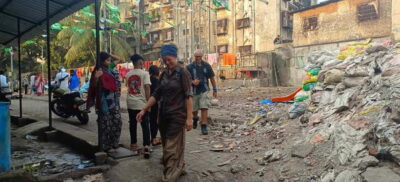
Dhobi Ghat Laundry and Dharavi Slum Tour with Local
Read our review →
Browse the lists this tour appears in