

Reviewed · MUMBAI LOCAL TRAIN & TRANSPORT TOURS
Mumbai Sightseeing Tour by Public Transport with family Lunch
Mumbai reveals itself best between the famous sights. This six-hour private tour by public transport links grand railway stations, working-city landmarks, holy places, and sea views while showing you how local life fits together. The route begins at Regal Cinema and ends near Mani Bhavan, with an English-speaking guide beside you.
I like the chance to see the dabbawallas at Churchgate and the open-air work at Dhobi Ghat, rather than spending the whole morning inside a vehicle. I also like the private format, since Aarti has adjusted the route when a group did not want to visit Dhobi Ghat. The main consideration is pace: eight stops in six hours means most visits are short, and public transport can feel tiring in Mumbai’s crowds.
In This Review
- Key points at a glance
- Why public transport changes the Mumbai experience
- Regal Cinema and the start in Fort
- Chhatrapati Shivaji Maharaj Terminus in 20 minutes
- Dhobi Ghat and Mumbai’s working city
- Churchgate and the dabbawalla system
- Marine Drive and the Queen’s Necklace
- Banganga, a quiet pause on Malabar Hill
- The Jain Temple at Walkeshwar
- Hanging Garden above Malabar Hill
- What the $50 price really buys
- Guides, pace, and comfort
- Who should book this Mumbai tour?
- Should you book it?
- FAQ
- How long does the Mumbai sightseeing tour last?
- What time does the tour start?
- Where does the tour begin?
- Where does the tour end?
- Is this a private tour?
- Does the tour use public transportation?
- Is lunch part of the experience?
- Can I cancel for a full refund?
Key points at a glance

- Public transport puts Mumbai’s daily life at the center: You use the city as residents do, with the guide explaining what you see along the way.
- Eight contrasting stops fit into six hours: The route moves from Regal Cinema and CST to laundry workers, lunchbox couriers, seaside views, temples, and gardens.
- Churchgate offers a close look at dabbawalla work: You learn how roughly 200,000 lunchboxes are organized and delivered each day.
- Banganga combines a quiet sacred site with family lunch: The holy tank gives the route a slower pause after the city’s railway stations and roads.
- The private format allows some flexibility: Aarti, Nikesh, and Anthony have been praised for clear explanations, patience, humor, and care.
- The $50 price is strongest for a first visit: You are paying for a private guide, local context, transport-based sightseeing, and a planned lunch stop, not simply admission to attractions.
Why public transport changes the Mumbai experience
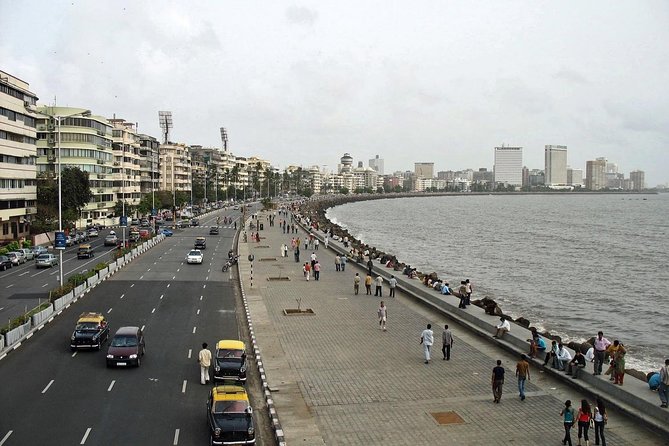
A sightseeing vehicle can cover ground quickly, but it can also leave you looking at Mumbai through glass. This tour takes the opposite approach. Public transport places you closer to the city’s ordinary rhythm, including stations, commuters, crowds, and the small changes between neighborhoods.
That makes the route more useful than a simple checklist of monuments. Your guide can explain what is happening around you, answer questions, and help you feel safe in crowded places. Anthony has been especially praised for answering questions patiently, while Nikesh is known for mixing local history with jokes. Aarti has been described as clear and caring.
There is one practical tradeoff. Public transport requires more movement, and the tour covers a lot in six hours. You should expect a quick look at several places rather than a long visit at each one. The timing works well for a first introduction, but less well if you want detailed interior visits or slow photography at every stop.
More local train and transport tours:
- Dabbawala, Dhobi Ghat & Dharavi slum Tour with Local Train Ride
★ 5.0 · 102 reviews - Mumbai Local – Best Seller from Mumbai Magic
★ 5.0 · 87 reviews - Mumbai Street Food & Bazaar Tour with Local Transport
★ 5.0 · 51 reviews
Regal Cinema and the start in Fort
The morning begins at Regal Cinema, one of Mumbai’s oldest movie theaters. This is a brief ten-minute opening stop, so think of it as a meeting point and a first glimpse of South Mumbai rather than a full theater visit.
The start point is listed at Ballard Pier, Alexandra Dock, or Green Gate in Fort, with a 9:30 a.m. start. Pickup is offered, but the exact arrangement should be confirmed when you book. Since the meeting area has several names and entrances, give yourself time to find the correct gate.
Starting near Fort places you close to some of Mumbai’s most important civic and commercial buildings. Your guide can give the setting context before the route shifts toward the railway network. The short Regal Cinema stop also keeps the tour moving toward the day’s major sights.
Chhatrapati Shivaji Maharaj Terminus in 20 minutes
Chhatrapati Shivaji Maharaj Terminus, often called CST, is the grand visual centerpiece of Mumbai’s suburban train system. Its high Gothic Victorian design makes it one of the city’s most memorable buildings, but its real importance is practical: trains continue to move huge numbers of people through this station.
You have about 20 minutes here. That is enough to take in the exterior, see the traffic around the station, and hear why this building matters to Mumbai’s working life. Your guide can help connect the ornate architecture with the modern commuter system operating around it.
The short stop is both a strength and a limit. You get a strong introduction without spending half the morning at one site, but you should not expect an extensive architectural visit. Keep your camera ready and listen closely, since the explanation carries much of the value.
Dhobi Ghat and Mumbai’s working city
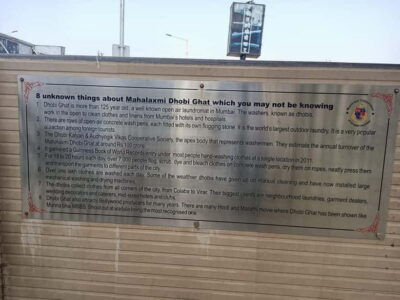
Dhobi Ghat offers one of the route’s most unusual sights. It is an open-air laundry where dhobis wash clothes and linens from hotels and hospitals. The facility was constructed in 1890, and the work continues in a setting that feels very different from the polished public face of central Mumbai.
The planned visit lasts around 20 minutes. That gives you time to see the scale of the operation and understand how laundry remains organized as a working trade. The appeal here is not visual spectacle alone. It is the chance to see a practical service that supports the city every day.
This is also the clearest example of why the private format matters. One group did not want to visit Dhobi Ghat, and Aarti changed the plan. You should not assume every stop is compulsory in exactly the same form, but the experience shows that the guide may be able to respond to your group’s preferences.
More full city sightseeing tours:
- Mumbai: Full-Day Sightseeing Tour of Mumbai
★ 4.9 · 1,822 reviews - Private Mumbai Sightseeing Tour (Traveller’s Choice Award Winner)
★ 5.0 · 1,565 reviews - Highlights of Mumbai Sightseeing Tour: TRAVELLERS CHOICE AWARDED
★ 5.0 · 915 reviews - Highlights of South Mumbai Guided Private Tour in AC Vehicle
★ 5.0 · 620 reviews
Churchgate and the dabbawalla system
Churchgate Railway Station is one of the strongest stops for understanding Mumbai’s daily routines. The focus is the famous dabbawallas, who organize the delivery of about 200,000 lunchboxes every day.
You have roughly 15 minutes at the station. That is not long, but the subject is memorable because it connects transport, work, family life, and local organization. Your guide can explain how the delivery system functions while you watch the station around you.
I would pay close attention here, even if you are more interested in buildings than transport. The dabbawalla story gives you a practical window into how Mumbai works. It also balances the grand architecture at CST with a human system built around ordinary meals.
Marine Drive and the Queen’s Necklace
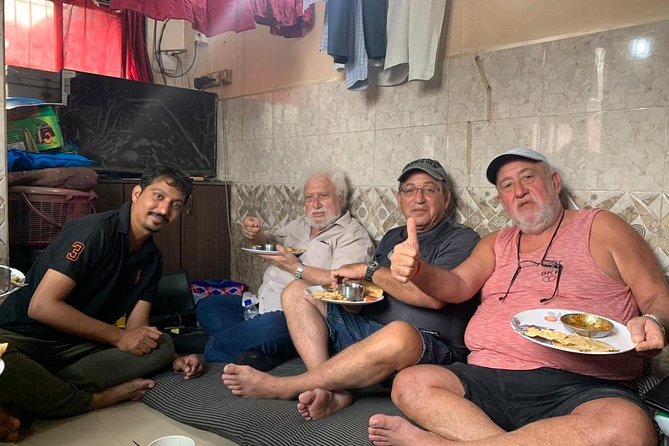
Marine Drive brings a change of mood. Instead of railway stations and work sites, you walk along Mumbai’s famous boulevard and see why it is called the Queen’s Necklace. The curved line of the road and lights is associated with the shape of a necklace, especially when viewed from a distance.
The scheduled stop is about ten minutes, so this is a quick waterfront pause rather than a long promenade. Use the time to look across the bay, take photographs, and let your guide explain the nickname and importance of the road.
The stop may feel brief if you want a relaxed seaside walk. Still, it breaks up the urban sightseeing and gives the route a clear visual change. After the tight movement of stations and city streets, Marine Drive offers open space and a chance to reset.
Banganga, a quiet pause on Malabar Hill
Banganga is perhaps the most surprising stop on the route. Underground springs fill this holy tank, which is used for rituals and prayers. It is often called the Ganges of Mumbai, and the setting offers a more peaceful contrast to the city’s transport hubs.
You spend about 30 minutes here, the longest scheduled stop. That extra time matters. You can look around the tank, take in the religious setting, and hear why it is important without being rushed through in a few minutes.
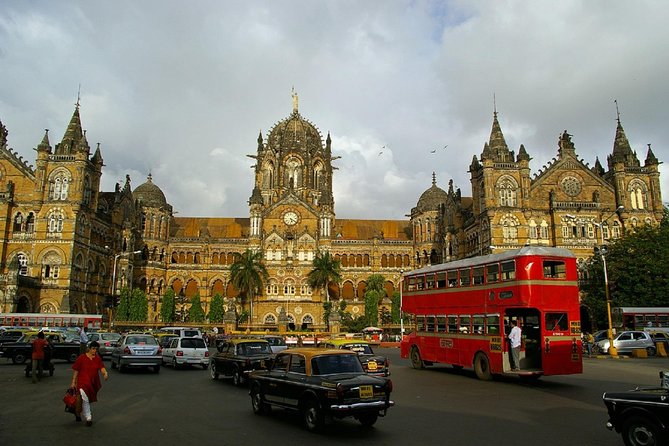
This is also where you enjoy family lunch with your guide. The information provided does not specify the menu, so you should ask in advance if you have dietary needs or want to know exactly what is included. The shared meal adds a personal element to the tour, but the stop remains part of a busy route, not a long restaurant experience.
Banganga is especially valuable because it shows another side of Mumbai. The city is not only trains, offices, famous roads, and dense streets. Religious places such as this bring ritual and quiet into the middle of the urban day.
The Jain Temple at Walkeshwar
The Jain Temple is located in the Walkeshwar area near Teen Batti on Malabar Hill. Built in 1904, it is regarded as an important Jain pilgrimage place in Mumbai.
The visit lasts about ten minutes. That calls for respectful observation rather than a long examination of the building. Your guide can explain its religious role and place within the area, while you take care to follow any instructions at the temple.
This stop works well after Banganga because both places add religious context, but they are not interchangeable. Banganga centers on a holy tank and springs, while the Jain Temple introduces a different faith tradition and place of worship. Together, they widen the tour beyond the city’s most photographed public landmarks.
Hanging Garden above Malabar Hill
Hanging Garden, also known as Pherozeshah Mehta Gardens, sits on top of Malabar Hill opposite Kamala Nehru Park. The terraced gardens provide views and a quieter end to the sightseeing route.
You have around 20 minutes here. It is enough to walk through part of the garden, look across the city, and hear about the area from your guide. The stop also gives your legs a break after the public transport sections.
Do not expect a full garden visit in this time. The value comes from the elevated setting and the contrast with the stations and streets earlier in the morning. It is a pleasant final sightseeing stop before you finish near Mani Bhavan Gandhi Sangrahalaya.
What the $50 price really buys
At $50 per person, this is not the cheapest way to see Mumbai if you only want a list of exterior photo stops. The price makes more sense if you want a private guide, help with public transport, clear explanations, and a planned meal stop with your own group.
The tour’s private structure is important. Only your group participates, so you are not tied to strangers’ pace. You can ask questions freely, and the guide may be able to adjust a stop, as Aarti did for one group that preferred not to visit Dhobi Ghat.
The value also depends on how much you want local context. A first-time visitor who is unsure how Mumbai’s stations, neighborhoods, and holy sites fit together may get much more from this than someone who already knows the city well. Since admission is listed as free at each stop, the main purchase is the guiding, organization, transport-based access, and lunch experience.
Before booking, confirm the pickup details, what public transport costs are covered, and what the family lunch includes. Those points affect the final value, especially if you are comparing this with a private vehicle tour.
Guides, pace, and comfort
The named guides connected with this experience include Aarti, Nikesh, and Anthony. Each brings a slightly different strength. Aarti has been praised for clear explanations, care, and flexibility. Nikesh combines local knowledge with humor, while Anthony focuses on patient answers and helping people feel safe in large crowds.
That range is useful because this route needs more than memorized facts. You want someone who can explain Mumbai while you are moving through it, manage the group in crowded areas, and respond when your interests change.
The tour is listed as suitable for most people and is near public transportation. Even so, you should be comfortable with a six-hour outing that includes city movement, stations, and crowds. Wear practical shoes and keep your schedule flexible. The stop times are short, and delays or changes in public transport could affect the rhythm of the day.
The ending point is Mani Bhavan Gandhi Sangrahalaya on Laburnum Road in the Gamdevi area. This is useful if you plan to continue sightseeing there, but it is not the same place as the starting point, so plan your onward route.
Who should book this Mumbai tour?
I would recommend it most to first-time visitors who want to understand how Mumbai functions, not just photograph its major buildings. Families and small private groups should also like the ability to ask questions and possibly adjust the route.
It suits people who enjoy a mixture of architecture, transport, religion, local work, and city views. The lunch with the guide adds a social pause that can make the day feel less like a formal sightseeing circuit.
I would be more cautious about booking if you dislike crowds, want a slow pace, or need long visits at each attraction. Eight stops in six hours is efficient but active. Anyone with mobility concerns should ask for details before reserving, since the route uses public transportation and includes busy stations, although most people can participate.
Free cancellation is available if you cancel at least 24 hours before the local start time. Cancellations or changes made within 24 hours are not refunded or accepted.
Should you book it?
Book this tour if you want a compact, personal introduction to Mumbai and like the idea of seeing the city through its rail stations, working trades, religious places, and public spaces. The strongest reasons are the private guide, the dabbawalla explanation at Churchgate, the unusual Dhobi Ghat visit, and the quiet Banganga lunch stop.
Skip it if you want a private car, long visits, or a relaxed single-neighborhood tour. For the right person, $50 is fair value because the guide turns a string of free sights into a connected story about daily Mumbai life.
FAQ
How long does the Mumbai sightseeing tour last?
The tour lasts approximately six hours.
What time does the tour start?
The stated start time is 9:30 a.m.
Where does the tour begin?
It begins at Ballard Pier, Alexandra Dock, or Green Gate in Fort, Mumbai.
Where does the tour end?
The tour ends at Mani Bhavan Gandhi Sangrahalaya, Mani Bhavan, 19 Laburnum Road, Babulnath, Gamdevi, Mumbai.
Is this a private tour?
Yes. Only your group participates.
Does the tour use public transportation?
Yes. Public transportation is the main way you move between the sightseeing stops.
Is lunch part of the experience?
The route includes a family lunch with the guide at Banganga. The supplied details do not specify the menu.
Can I cancel for a full refund?
Yes, if you cancel at least 24 hours before the experience start time. Cancellations within 24 hours are not refunded.
More Lunch Experiences in Mumbai
- Ultimate Mumbai Full Day: Sights, Bollywood Dance, Lunch & Spices
★ 5.0 · 201 reviews - Mumbai Private Cultural Tour with Lunch and Transport
★ 5.0 · 44 reviews - Mumbai City Tour with Licensed Guide and Lunch
★ 5.0 · 20 reviews - Dharavi Tour and Family Lunch
★ 5.0 · 17 reviews
Just added around Mumbai
- Temples & Vineyards: Private Tour to Nashik from Mumbai★ 4.5 · 3 reviews
- Mumbai: Private City sightseeing and Dharavi Slum Tour★ 5.0 · 3 reviews
- Mumbai: Full Day City Sightseeing with Lunch, Car & Guide★ 4.3 · 3 reviews
- Elephanta Island Private Speedboat Tour from Mumbai – 6pax★ 5.0 · 3 reviews
- Mumbai: Elephanta Island and Elephanta Caves Guided Tour★ 4.4 · 3 reviews
- Mumbai by Dawn★ 4.5 · 3 reviews
- Mumbai Dharavi Slum Community Tour★ 5.0 · 3 reviews
- Mumbai: Dhobi Ghat & Dharavi Slum tour★ 4.7 · 3 reviews
Mumbai Local Train & Transport Tours, compared.

Dabbawala, Dhobi Ghat & Dharavi slum Tour with Local Train Ride
Read our review →

Mumbai Street Food & Bazaar Tour with Local Transport
Read our review →
Mumbai Group City Tour – (Mumbai On Wheels) with Government Licensed Guide
Read our review →
Mumbai Local with Street Food Tour in Private Vehicle
Read our review →
Browse the lists this tour appears in