
Reviewed · DHARAVI SLUM TOURS
Dharavi Slum Tour
Dharavi is not simply a place of poverty to be viewed from a passing car. It is a working community and industrial center, where recycling, pottery, leather, textiles, food production, and family life sit side by side in tight lanes. This tour gives you a guide to explain what you are seeing, rather than leaving you to make quick judgments from the outside.
I like two things here. First, the tour focuses on local work and enterprise, not just hardship. Second, the money has a clear community purpose, helping fund education, health, and livelihood projects. The main consideration is that photography is not permitted, so you must pay attention, listen, and leave your camera in your bag.
In This Review
- Key points at a glance
- Why this Dharavi walk is different
- Starting at 60 Feet Road in Dharavi
- Walking through Dharavi’s working neighborhoods
- Kumbharwada pottery colony and rooftop views
- The community center and the tour’s purpose
- Your guide shapes the experience
- What the price includes, and what it does not
- Respect, comfort, and practical preparation
- Who will get the most from this tour?
- Should you book the Dharavi Slum Tour?
- FAQ
- How long does the Dharavi Slum Tour last?
- How much does the tour cost?
- Where does the tour start and finish?
- Is photography allowed in Dharavi?
- Is hotel pickup included?
- What is included in the tour?
- Can I cancel for a full refund?
Key points at a glance
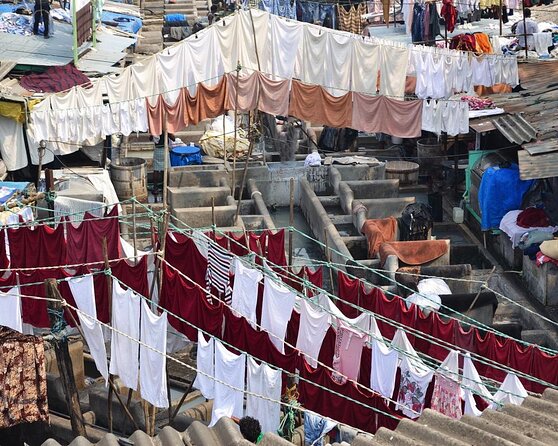
- See Dharavi as a place of work: Visit recycling areas, leather businesses, textile operations, bakeries, pottery workshops, and other small industries.
- Walk with a local English-speaking guide: Guides such as Rakesh, Leena, Javed, Rishi, Suraj, and Cethan have led tours, often adding personal insight into the community.
- Visit Kumbharwada pottery colony: This section offers a look at one of Dharavi’s distinctive craft communities.
- No photographs inside Dharavi: The rule protects residents’ privacy and changes the experience from picture collecting to close listening.
- End at the community office: Have a cold drink, ask questions, and learn how tour income supports local projects.
- Plan for 2.5 hours and modest clothing: The tour begins and ends in Dharavi, with optional train assistance afterward.
Why this Dharavi walk is different
The strongest part of this experience is its change of focus. You are not taken through Dharavi merely to see crowded housing. You are shown how people earn a living, organize businesses, educate children, and maintain neighborhood life in a very dense part of Mumbai.
That distinction matters. The word slum can make a place sound passive, as if nothing happens there except deprivation. Dharavi is certainly marked by difficult living conditions and urban planning problems, but it is also a major economic center. The tour helps you see both sides.
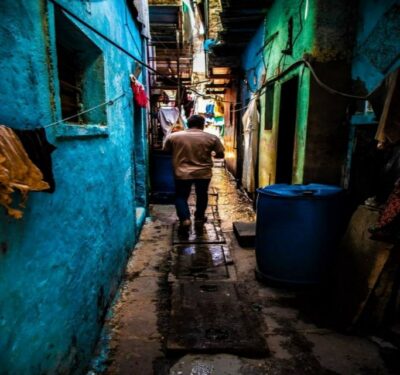
I would expect the guide to explain the industries as you walk through the lanes. The route can include recycling, textiles, leather tanning, bakeries, poppadom making, and pottery. You might see how materials move through small workshops and how several types of work operate close to residential areas.
The tour is also designed to challenge easy assumptions. Several guides named in personal accounts, including Javed and Rishi, were described as being from Dharavi or closely connected with the community. That local connection can make explanations more personal, especially when you ask about daily life, work, schooling, or the future of the area.
More Dharavi walking tours:
- Dharavi slum tour in Mumbai by Female tour guides of the slum
★ 5.0 · 1,976 reviews - Mumbai: Dharavi Slum, DhobiGhat, and Dabbawallas Tour
★ 4.9 · 689 reviews - Dharavi Slum tour in Mumbai by local resident
★ 5.0 · 572 reviews
Starting at 60 Feet Road in Dharavi
The meeting point is the Reality Tours and Travel office on 60 Feet Road, Shahid Bhagat Singh Nagar, Kumbhar Wada, Dharavi. Hotel pickup is not included, so you must make your own way there unless you select an option that includes meeting your guide by train.
This is worth planning carefully. Mumbai traffic can be slow, and one guide, Rakesh, was praised for being flexible when delays caused problems. Still, do not rely on generous timing. Allow enough time to reach Dharavi, find the office, and settle in before the walk begins.
The tour is near public transportation. If you choose the train option, you can travel with the guide. Otherwise, make your own way to the meeting point. At the end, the guide can help you continue to another part of Mumbai, including escorting you to the local train station if you want to return toward Churchgate or connect elsewhere.
The listed maximum is 99 people, which is a large possible capacity. In practice, group size may vary by departure, and one account describes a group of about 10 on the train. I would ask about the expected group size if that matters to you. Smaller groups make it easier to ask questions and move through narrow lanes.
Walking through Dharavi’s working neighborhoods
The main walk lasts about two hours. This is where the value lies. You are guided through parts of Dharavi that are difficult to understand without local explanation, including industrial lanes, residential sections, shops, and community spaces.
The recycling area is one of the most useful stops because it shows the link between Dharavi and the wider Mumbai economy. Recycling is not presented as an abstract environmental idea. It is work, income, sorting, processing, and supply chains handled by local residents.
The textiles and leather businesses offer another view of Dharavi’s economic role. Small workshops may be close to homes, and the route helps you understand how production fits into the neighborhood. You might find the conditions basic, but the work itself is organized and skilled.
The tour can also include bakeries and poppadom making. These stops broaden the picture beyond heavy industry. Food production, household work, and small trade all contribute to the community’s economy.
You will walk narrow lanes, so this is not a polished sightseeing route. Surfaces can be uneven, and the setting can feel crowded. Close-toed shoes are a sensible choice, especially if you want more protection while walking through industrial areas. Wear clothing that covers your shoulders and knees, both as a practical choice and as a sign of respect in India.
Kumbharwada pottery colony and rooftop views
Kumbharwada pottery colony is one of the tour’s more distinctive sections. It gives the walk a strong craft element and shows a different kind of work from recycling or leather production.
The pottery area is also a reminder that Dharavi is made up of different communities and occupations. The tour is not simply one long look at the same type of housing. It moves through places with their own trades, traditions, and working patterns.
A rooftop visit may be included as well. This can provide a wider view of the closely packed area and help you understand how much activity is contained within Dharavi. Since the route and exact access can vary, I would treat the rooftop stop as a possible feature rather than the main reason to book.
Do not expect a grand Mumbai viewpoint. The purpose is to gain orientation and perspective, not to take a skyline photograph. Photography is prohibited throughout the Dharavi portion of the tour, and you should respect that rule without trying to take quick pictures.
A completely different way to spend a day in Mumbai:
- Mumbai: Full-Day Sightseeing Tour of Mumbai
★ 4.9 · 1,822 reviews - Private Mumbai Sightseeing Tour (Traveller’s Choice Award Winner)
★ 5.0 · 1,565 reviews - Elephanta Caves & Island Guided Private Tour
★ 5.0 · 1,327 reviews - Group Guided Walking Tour in Fort and Colaba
★ 5.0 · 1,073 reviews
The community center and the tour’s purpose
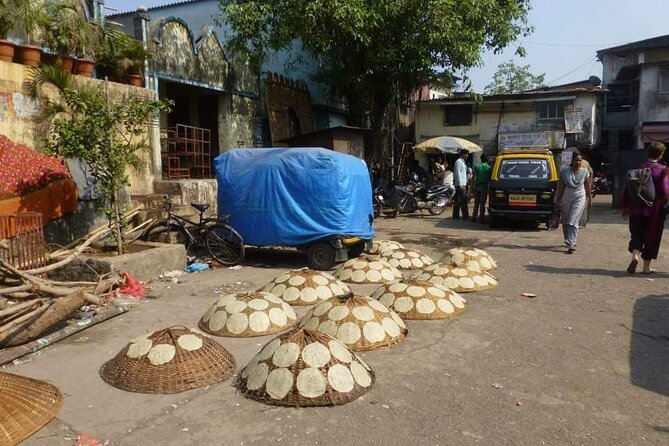
The walk ends at the Reality Tours and Travel office in Dharavi. You receive water or a cold drink and have around 20 minutes to learn how the company’s community work is funded.
This ending is important. You are not simply brought back to the street and left to process a complicated visit on your own. The office gives you a chance to ask about the projects supported by the tour income and to understand the connection between tourism and local benefit.
A significant share of the proceeds goes back into educational, health, and livelihood projects. The company is also described as directing about 80 percent of the benefits toward community work, including programs that help young people learn English. Since the exact use of funds can change, listen to the explanation given at the office and ask questions if this part of the tour is especially important to you.
I like this model because it gives the visit a practical purpose. It does not erase the ethical questions around touring a low-income neighborhood, but it offers a direct way for your fee to support local programs. The respectful conduct rules, especially the ban on photography, are just as important as the charitable element.
Your guide shapes the experience
The guide is the key to this tour. Without clear explanations, a walk through unfamiliar lanes could feel confusing or intrusive. With a good guide, you can understand why certain industries are located there, how people use the space, and what problems the community faces.
The guides named in accounts of the tour include Rakesh, Leena, Javed, Rishi, Suraj, Cethan, and Jay. Descriptions of their work repeatedly emphasize patience, clear answers, and respect for the people living in Dharavi. Some guides are from the community themselves, which can add useful context that an outside guide may not have.
If you are traveling alone, the tour can still work well. One solo participant felt safe and praised Rishi for waiting after a delay. That does not mean you should ignore normal city precautions, but it does suggest the organized format is suitable for a single visitor.
Come ready to ask questions. The walk is more rewarding when you want to understand urban planning, employment, education, migration, and daily routines. A guide cannot answer every question about Mumbai, but this tour provides a strong starting point for thinking about how a city functions when formal planning has not kept pace with population and economic growth.
What the price includes, and what it does not
At about $20.40 per person, this is modestly priced for a two-and-a-half-hour guided experience in Mumbai. The fee includes a local English-speaking guide and water or a cold drink. Lunch is optional and costs extra.
The value is not in the number of attractions. You are paying for access, local interpretation, and a structured way to enter a place you should not explore casually on your own. The community contribution also gives the price more weight than a standard sightseeing walk.
The tour does not include hotel pickup or drop-off. Transport to Dharavi is your responsibility unless you choose the train option. If you are staying far from Dharavi, factor in Mumbai traffic and the cost of reaching the meeting point.
Group discounts are available, which can make the tour more appealing for families or larger parties. Confirmation arrives at booking, and mobile tickets are accepted. Free cancellation is available if you cancel at least 24 hours before the start time. Within 24 hours, you receive no refund, and changes are not accepted.
Respect, comfort, and practical preparation
This is a community visit, not a photo stop. The no-camera rule is firm and should be welcomed as a protection for residents. Keep your phone away while walking and use your attention instead.
Dress modestly, with shoulders and knees covered. Comfortable, close-toed shoes are a wise choice. Bring water if you prefer to have more than the included drink, though the tour does provide water or a cold drink.
You should also prepare emotionally. Dharavi combines poverty, close living quarters, hard work, enterprise, children, education, and community pride. You may feel uncomfortable at times, and that is not necessarily a flaw in the experience. The important point is to avoid treating people’s homes and workplaces as a spectacle.
Most people can take part, but you should be comfortable walking for about two hours through narrow urban lanes. The listing does not provide detailed accessibility information, so contact the operator if you have specific mobility needs.
Who will get the most from this tour?
I would recommend it to anyone who wants more than Mumbai’s major monuments and waterfront views. It suits visitors interested in social issues, urban development, local business, responsible tourism, and everyday life.
It is particularly useful early in a Mumbai visit. The tour can give you a better frame for understanding the city’s contrasts, from expensive commercial districts to dense working neighborhoods. It may also change how you interpret the word slum and the assumptions that come with it.
Families with older children may find it educational, though parents should decide if the subject and walking conditions suit their children. It also works for solo visitors, couples, and small groups who are willing to listen and follow local rules.
I would not choose this tour if your main goal is photography, luxury comfort, or a relaxed sightseeing stroll. The route is practical and sometimes physically demanding. It also asks you to think about poverty and tourism rather than simply admire a view.
Should you book the Dharavi Slum Tour?
Yes, if you want to understand a working side of Mumbai and are prepared to visit respectfully. The combination of local guides, industrial areas, pottery, residential lanes, and community funding gives you more substance than a quick drive past Dharavi.
Book it if you value explanation over spectacle. Wear modest clothing, arrive early, leave your camera packed away, and allow time for Mumbai traffic. The tour is a good use of half a day, especially because your fee supports projects in education, health, and livelihoods.
Skip it if you are uncomfortable walking through a dense residential community or if you expect a conventional sightseeing attraction. For the right visitor, this is one of Mumbai’s most useful tours because it replaces a simple label with a fuller picture of how people live and work.
FAQ
How long does the Dharavi Slum Tour last?
The experience lasts approximately 2 hours and 30 minutes. About two hours are spent walking through Dharavi, followed by around 20 minutes at the Reality Tours and Travel office.
How much does the tour cost?
The listed price is about $20.40 per person. Group discounts are available, and lunch can be added for an extra charge.
Where does the tour start and finish?
The tour starts and ends at Reality Tours and Travel, 60 Feet Road, Shahid Bhagat Singh Nagar, Kumbhar Wada, Dharavi, Mumbai, Maharashtra 400017, India.
Is photography allowed in Dharavi?
No. Photography is not permitted while you are in the Dharavi community, out of respect for residents.
Is hotel pickup included?
No. Hotel pickup and drop-off are not included. You must reach the meeting point yourself, unless you select the available option to travel by train with the guide.
What is included in the tour?
The price includes a local English-speaking guide and water or a cold drink. Lunch is optional and costs extra.
Can I cancel for a full refund?
Yes, if you cancel at least 24 hours before the experience start time. Cancellations or changes made within 24 hours are not accepted for a refund.
Just added around Mumbai
- Temples & Vineyards: Private Tour to Nashik from Mumbai★ 4.5 · 3 reviews
- Mumbai: Private City sightseeing and Dharavi Slum Tour★ 5.0 · 3 reviews
- Elephanta Island Private Speedboat Tour from Mumbai – 6pax★ 5.0 · 3 reviews
- Mumbai: Full Day City Sightseeing with Lunch, Car & Guide★ 4.3 · 3 reviews
- Mumbai: Elephanta Island and Elephanta Caves Guided Tour★ 4.4 · 3 reviews
- Mumbai Sightseeing Tour by Public Transport with family Lunch★ 5.0 · 3 reviews
- Mumbai by Dawn★ 4.5 · 3 reviews
- Mumbai Dharavi Slum Community Tour★ 5.0 · 3 reviews
Dharavi Slum Tours, compared.
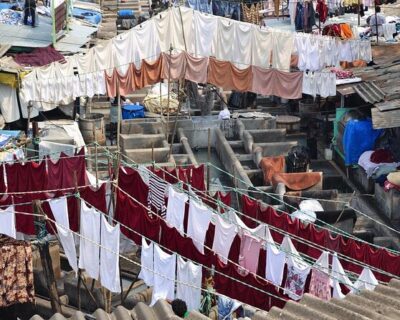
Dharavi slum tour in Mumbai by Female tour guides of the slum
Read our review →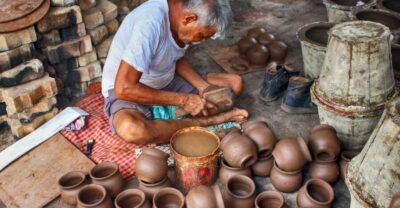
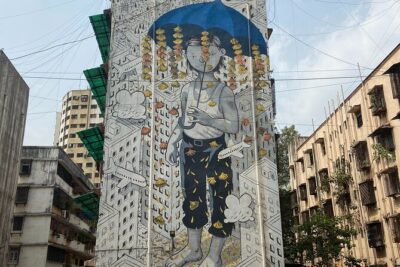
Dharavi Slum Slumdog Millionaire Tour with a Local
Read our review →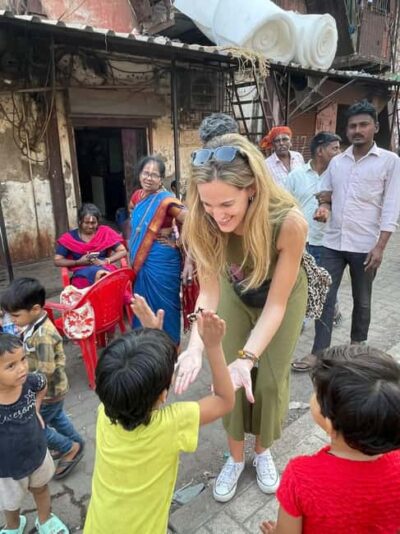
Mumbai Slum Tour – Visit Dharavi Slum with Local Guide
Read our review →
Dhobi Ghat Laundry and Dharavi Slum Tour with Local
Read our review →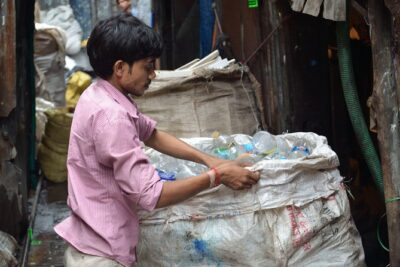
Browse the lists this tour appears in