
Reviewed · DHOBI GHAT & DABBAWALA TOURS
Local Transport & Dabbawallah Tour
Mumbai makes the most sense when you ride through it at street level. This 3.5-hour tour uses trains, buses, and taxis to connect grand CST, the flower trade, Dhobi Ghat’s open-air laundry, Chor Bazaar, and the lunchbox system at Churchgate. It is less about polished sightseeing and more about seeing how the city works.
I like two things right away: transport fares are included, so you do not need to wrestle with change, and the tour teaches you how to move around Mumbai with more confidence. Guides such as Bipin Kumar are praised for looking after visitors closely and explaining daily life in clear, friendly terms.
The main consideration is that public transport is real public transport. The group can reach 25 people, taxis may need to split the party, and the pace can feel hurried at short stops. January 26 is also a poor day for the dabbawallah portion, since the lunchbox workers may be off for Republic Day.
In This Review
- Key points to know before booking
- Why this tour is a useful first morning in Mumbai
- Regal Cinema and the start in Colaba
- CST at rush hour
- The flower trade at Shyam Stall
- Dhobi Ghat and Mumbai’s outdoor laundry
- Chor Bazaar, sweets, pickles, and browsing
- Churchgate and the dabbawallah system
- What riding public transport is really like
- Guide quality and group size
- Is $32.45 a fair price?
- Who should book this Mumbai tour?
- Should you book Local Transport and Dabbawallah Tour?
- FAQ
- How long does the tour last?
- Where does the tour begin?
- Where does the tour end?
- Is hotel pickup included?
- What types of transport are used?
- Are transport fares included?
- Is lunch included?
- What happens at Dhobi Ghat?
- How many people can join the tour?
- Can I cancel for a full refund?
Key points to know before booking

- Mumbai by local transport: Ride the train, bus, and taxi with a guide instead of watching the city from a tour coach.
- A working city, not just famous sights: See CST, Dhobi Ghat, the flower trade, Chor Bazaar, and Churchgate in one morning.
- Dabbawallah lunch included: Finish with a vegetarian lunch near Oval Maidan after learning how lunchboxes are sorted and delivered.
- Guides make the difference: Bipin Kumar is singled out for patience, care, and practical help with Mumbai’s transport system.
- South Mumbai start and finish: Meet at Regal Cinema in Colaba and finish at Churchgate Railway Station.
- Good value at $32.45: The price covers the guide, transport, bottled water or a cold drink, and lunch, though shopping and extra food are not included.
Why this tour is a useful first morning in Mumbai
Mumbai can feel hard to read at first. Its train stations, buses, taxis, markets, offices, laundry yards, and religious life all operate at once. A sightseeing bus may show you the major buildings, but it will not teach you much about getting from one part of the city to another.
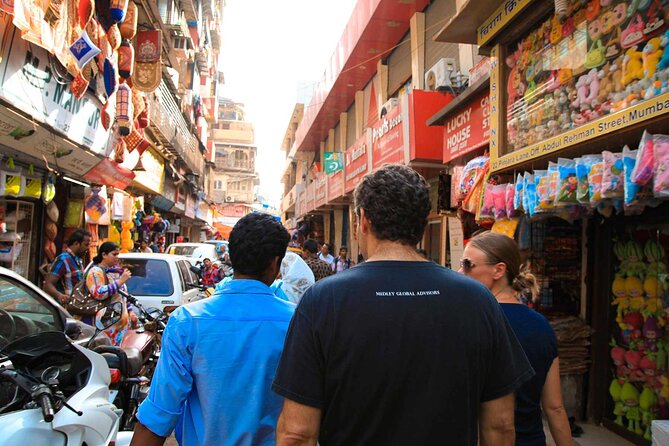
This tour takes the opposite approach. You meet at 8:30 am outside Regal Cinema in Colaba, then move through South Mumbai and beyond using the same basic transport that local residents use. Your guide handles the route and fares while you watch the city change from colonial-era landmarks to working markets and transport hubs.
I especially like the practical side of it. Several people who had never used Mumbai’s trains before felt more confident later in their stay. That is a real benefit. You are not only collecting photographs. You are learning how Mumbai moves.
The tour lasts about three and a half hours and ends at Churchgate Railway Station, not back at the Colaba meeting point. That is convenient if you want to continue around South Mumbai, but you will need to arrange your own return to your hotel. One guide helped a group organize a taxi at the end, which is useful, but hotel drop-off is not part of the service.
More Dhobi Ghat and dabbawala tours:
- Mumbai: Dharavi Slum, DhobiGhat, and Dabbawallas Tour
★ 4.9 · 689 reviews - Mumbai: Dhobi Ghat Laundry and Dharavi Slum Tour with Local
★ 5.0 · 469 reviews - Mumbai: Dharavi Slum & Dhobi Ghat Laundry Tour
★ 5.0 · 352 reviews
Regal Cinema and the start in Colaba
Regal Cinema is an easy landmark on Colaba Causeway, opposite the Chhatrapati Shivaji Maharaj Vastu Sangrahalaya. The theater is one of Mumbai’s oldest movie houses, so the meeting point gives the morning a bit of local character before the transport portion begins.
The first stop is brief, about 10 minutes, and there is no admission charge. Do not expect a theater tour. The value here is the clear meeting place and the chance to begin in Colaba, an area that is simple for many visitors to reach.
Arrive with enough time to identify the cinema and your guide. The tour starts early, and the schedule has several moving parts. If you are arriving from a cruise ship, allow extra time. One group arrived an hour late after disembarking, but the guide waited and helped them join the rest of the party. That is kind service, though you should not count on a delay being possible every day.
CST at rush hour
Chhatrapati Shivaji Terminus, often called CST, is one of the tour’s strongest visual stops. The station combines railway engineering with ornate architecture, and it remains one of the busiest transport points in the country. It is also Mumbai’s only UNESCO World Heritage Site.
The visit lasts about 10 minutes, so the point is not a long architectural inspection. Instead, you get a quick look at the station during the morning rush. Trains arrive, doors open, and large waves of commuters move through the station. A walkway or nearby viewing position lets you watch the flow without being pushed into the thickest part of it.
CST also has a film connection. It appeared in the final song of Slumdog Millionaire, which may make the building familiar even if you have never visited Mumbai before. Your guide can give the stop more meaning by explaining how the station fits into the city’s daily routine.
This is a good example of the tour’s method. You see a famous place, but you see it as a working transport center rather than a silent monument. The short visit may disappoint anyone hoping for detailed architecture or a long station walk.
The flower trade at Shyam Stall
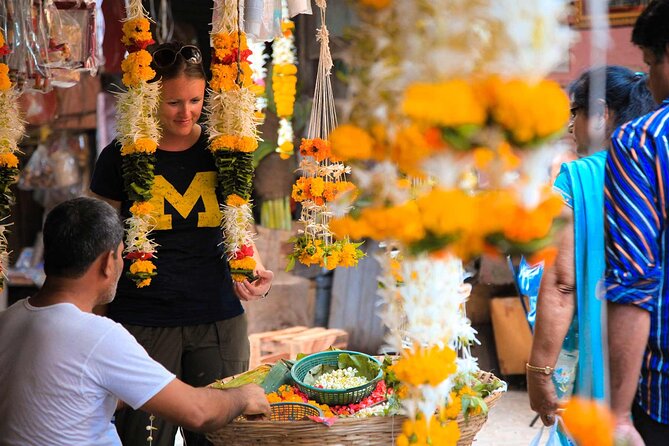
Flowers are part of daily life across India. They appear in temples, taxis, homes, women’s hair, and religious offerings. At Shyam Stall, you see that tradition in commercial form, with large quantities of flowers gathered in one place.
The stop lasts about 15 minutes. That is enough time to look at the colors, shapes, and piles of blooms, but it is not a flower-arranging class or a long market visit. The appeal is the ordinary activity around you. Flowers are not presented only as a cultural display. They are being sold for real use across the city.
The tour description also connects this stop with Dadar Flower Market, so the exact setting may be described as a flower stall or market depending on the route that day. Either way, expect a quick look at Mumbai’s flower trade rather than a slow shopping stop.
This is one of the better places to keep your camera ready, but remember that the group will keep moving. If you want time to buy flowers or explore a market at length, this tour does not provide much freedom for that.
More local train and transport tours:
- Dabbawala, Dhobi Ghat & Dharavi slum Tour with Local Train Ride
★ 5.0 · 102 reviews - Mumbai Local – Best Seller from Mumbai Magic
★ 5.0 · 87 reviews - Mumbai Street Food & Bazaar Tour with Local Transport
★ 5.0 · 51 reviews - Mumbai Group City Tour – (Mumbai On Wheels) with Government Licensed Guide
★ 5.0 · 29 reviews
Dhobi Ghat and Mumbai’s outdoor laundry
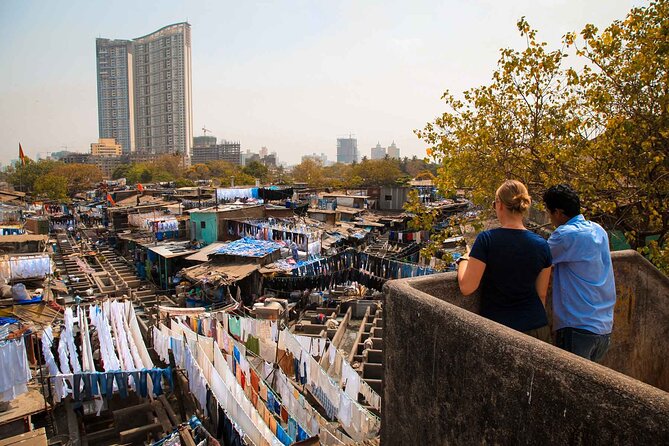
Dhobi Ghat receives about 30 minutes, making it one of the more substantial stops. This open-air laundry is associated with the dhobiwallahs, or washermen, who scrub and process clothing and linens for large institutions, including hospitals and hotels.
The sight is striking because the work is carried out in a shared outdoor setting rather than behind the doors of a modern laundry plant. You see rows of washing areas and people engaged in a demanding trade that has long been part of Mumbai’s working life.
A guide is important here. Without context, you might simply see workers washing clothes. With an explanation, you begin to understand the organization behind the place and why this service remains part of the city’s urban economy.
Keep your visit respectful. This is a workplace, not a stage show. The 30-minute stop gives you time to observe, but it does not turn the laundry into a full historical tour. If your main interest is architecture, this will be less appealing than CST. If you want to understand how Mumbai’s residents live and work, it is one of the tour’s most useful stops.
Chor Bazaar, sweets, pickles, and browsing
Chor Bazaar is translated as Thieves Market, and it is one of the country’s large flea markets. The tour allows about 30 minutes here, enough for a brief walk, a taste, and perhaps a small purchase.
You might find local sweets, homemade pickles, chutneys, and a wide range of goods. The shopping element is flexible. You can browse without needing to make a purchase, or use the stop to take home food items that give you a more local souvenir than another mass-produced trinket.
The market is also a good test of your comfort with crowded commercial spaces and quick decisions. Prices are not specified in the tour details, so ask your guide for help before buying if you are unsure. Shopping is not included in the tour price.
Do not expect a long period to inspect every lane. Thirty minutes passes quickly, especially if you stop for food or begin bargaining. I would treat Chor Bazaar as a focused sample, not a complete market expedition. You can return later if you want a slower visit.
Churchgate and the dabbawallah system
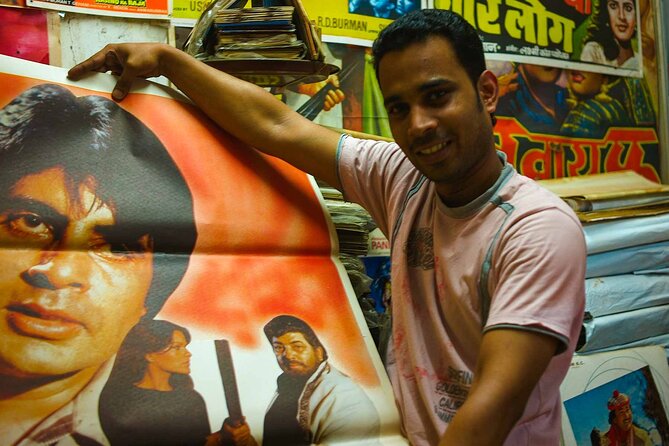
The final major theme is Mumbai’s famous dabbawallah lunchbox network. At Churchgate Railway Station, the guide explains how the system organizes the delivery of roughly 200,000 lunchboxes every day.
This is more than a colorful transport story. It shows how a huge city depends on precise routines, local knowledge, rail connections, and human coordination. Churchgate is a fitting place to learn about it because the station is part of the network that brings lunchboxes to office workers.
After the explanation, you receive your own vegetarian dabbawallah lunch near Oval Maidan. The food is included, along with the tour’s bottled water or cold drink. If you want extra food or special dietary arrangements, the information provided does not promise them, so ask before booking.
The dabbawallah section can vary by date. On Republic Day, January 26, the lunchbox workers were off, and the visit was shortened. If this part is the main reason you want to book, check the date carefully.
The tour ends at Churchgate Railway Station. Some people prefer a loop that returns to the original meeting point, but this ending is useful if you plan to continue around South Mumbai or use the rail network. It also keeps the final stop connected to the tour’s central subject.
What riding public transport is really like
The train, bus, and taxi rides are the heart of the morning. They are not decorative extras added between monuments. They show you traffic, commuting patterns, station routines, and the practical decisions required to cross Mumbai.
Your guide leads the way and pays the included transport costs, which removes one common source of stress. You do not need to search for exact change at every stage. The group size can reach 25, however, so movement may take longer than it would for a private outing.
Taxis can be the trickiest part. If the group has four people and needs two taxis, the guide cannot ride with everyone at once. One couple found that slightly unnerving, even though both taxis reached the correct place. This is a fair warning for anyone who wants constant guide supervision.
The tour is best for people who want a guided introduction to Mumbai’s transport system and who can handle a little uncertainty. It is less suited to anyone who needs a private car, a slow pace, or a fully controlled route.
Guide quality and group size
The guide can make or break a public transport tour. Bipin Kumar receives especially strong praise for patience, warmth, and practical help. People found his explanations useful and felt safe moving through Mumbai with him. Other guides also received positive comments for making the morning informative and enjoyable.
The tour has a maximum of 25 participants. That is not a tiny group, and the size may affect how quickly everyone boards vehicles or gathers at a stop. At the same time, the guide’s role is clear: keep the group together, explain the places you pass, and help you learn the system.
Most people can participate, and the tour is near public transportation. The description does not provide detailed accessibility information, so anyone with mobility concerns should ask the operator before booking. Trains, buses, walking, and taxis can require quick changes of position.
Is $32.45 a fair price?
At $32.45 per person, the tour offers good value if you want both sightseeing and practical orientation. The price includes a local guide, all transport used during the tour, bottled water or a cold drink, and a vegetarian dabbawallah lunch.
You are also covering several separate experiences in one morning: CST, the flower trade, Dhobi Ghat, Chor Bazaar, Churchgate, and the dabbawallah story. Reaching those places independently would require planning routes, paying several small fares, and deciding how much time to allow at each stop.
The trade-off is depth. Most stops are short, and you do not get hotel pickup or drop-off. Shopping at Chor Bazaar is extra, and the tour cannot guarantee that the dabbawallah activity will run on every holiday.
For a first morning in Mumbai, I think the price is sensible. You pay less for a standard sightseeing vehicle and get a better look at the city’s working systems. If you prefer private transport and long visits at each site, the value will feel weaker.
Who should book this Mumbai tour?
I would choose this tour if you want:
- A first introduction to Mumbai’s trains, buses, and taxis
- A look at working city life beyond the major monuments
- Help from a guide while you learn local transport
- A compact morning tour starting in Colaba and ending at Churchgate
- A vegetarian lunch connected to Mumbai’s dabbawallah system
- A good use of time during a short stay or cruise visit
I would think twice if you want a relaxed market morning, a private vehicle, extensive time at CST, or a tour that returns to your hotel. The pace is purposeful, and the city itself supplies the unpredictability.
Book at least 24 hours before the start time if you need the free cancellation option. A full refund is available when you cancel at least 24 hours before the 8:30 am start. Changes or cancellations inside that window are not accepted for a refund.
Should you book Local Transport and Dabbawallah Tour?
Yes, if your goal is to understand how Mumbai functions rather than simply photograph its landmarks. The combination of public transport, Dhobi Ghat, flower sellers, Chor Bazaar, CST, and the dabbawallah system gives you a useful introduction to the city’s daily rhythm.
The strongest reason to book is the guide support. Bipin Kumar’s patient approach has helped people feel ready to use Mumbai’s transport on their own later. The main cautions are the short stop times, possible taxi splitting, and the fact that the dabbawallah visit may be shortened on Republic Day.
For $32.45, this is a practical, people-focused morning with plenty of variety. Bring comfortable shoes, a flexible attitude, and enough time after the tour to make your own way onward from Churchgate.
FAQ
How long does the tour last?
The tour lasts approximately 3 hours and 30 minutes. It starts at 8:30 am and has finished around noon in some cases.
Where does the tour begin?
Meet at Regal Cinema on Colaba Causeway, opposite the Chhatrapati Shivaji Maharaj Vastu Sangrahalaya in Apollo Bandar, Colaba.
Where does the tour end?
The tour ends at Churchgate Railway Station in Mumbai. It does not return to Regal Cinema.
Is hotel pickup included?
No. Hotel pickup and drop-off are not included. You must make your own way to Regal Cinema and arrange onward transport after the tour.
What types of transport are used?
The tour uses Mumbai’s public train and bus services, as well as taxis. Your guide helps you use the transport during the experience.
Are transport fares included?
Yes. All transportation used on the tour is included in the price.
Is lunch included?
Yes. You receive a vegetarian dabbawallah lunch near Oval Maidan. Bottled water or a cold drink is also included.
What happens at Dhobi Ghat?
You spend about 30 minutes at the open-air laundry and see dhobiwallahs washing linens and sheets used by hospitals, hotels, and other large institutions.
How many people can join the tour?
The tour can have a maximum of 25 participants.
Can I cancel for a full refund?
Yes, if you cancel at least 24 hours before the experience start time. Cancellations or changes made less than 24 hours before the start are not accepted for a refund.
Just added around Mumbai
- Temples & Vineyards: Private Tour to Nashik from Mumbai★ 4.5 · 3 reviews
- Mumbai: Private City sightseeing and Dharavi Slum Tour★ 5.0 · 3 reviews
- Mumbai: Full Day City Sightseeing with Lunch, Car & Guide★ 4.3 · 3 reviews
- Elephanta Island Private Speedboat Tour from Mumbai – 6pax★ 5.0 · 3 reviews
- Mumbai: Elephanta Island and Elephanta Caves Guided Tour★ 4.4 · 3 reviews
- Mumbai Sightseeing Tour by Public Transport with family Lunch★ 5.0 · 3 reviews
- Mumbai by Dawn★ 4.5 · 3 reviews
- Mumbai Scavenger Hunt and Sights Self-Guided Tour★ 5.0 · 3 reviews
Dhobi Ghat & Dabbawala Tours, compared.

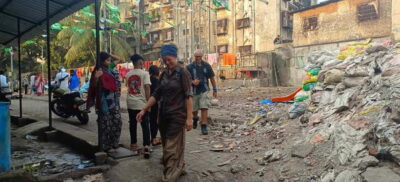
Dhobi Ghat Laundry and Dharavi Slum Tour with Local
Read our review →
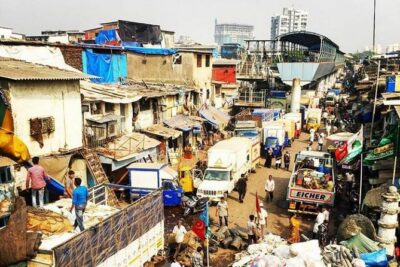
Private Combo Tours Sightseeing + Dharavi Slum + Dhobi Ghat & Dabbawalas
Read our review →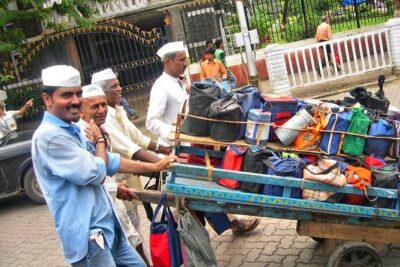

Dabbawala, Dhobi Ghat & Dharavi slum Tour with Local Train Ride
Read our review →
Mumbai Gems: 2-Day Private Tour with Elephanta, Slum & Dabbawala
Read our review →Browse the lists this tour appears in