
Reviewed · DHARAVI SLUM TOURS
Mumbai: Dharavi Slum and Dhobi Ghat Tour with Train Ride
Mumbai’s most revealing moments often happen away from its grand monuments. This three-hour tour links Dhobi Ghat, the city’s famous open-air laundry, with a local-train ride and a guided walk through Dharavi. You get a close look at how work, family, and trade fit together in one of India’s most talked-about neighborhoods.
I like the personal side of this experience. Guides such as Bhaarti and Abhishek are local residents, giving you more than a quick look from the outside. I also like the train ride, since it shows you a slice of everyday Mumbai rather than moving you around in a private vehicle. The main consideration is that Dharavi is a living community, not a staged attraction, so you should come with respect and a willingness to listen.
In This Review
- Key points to know before booking
- Why this Mumbai tour feels different
- Meeting at Third Wave Coffee
- Dhobi Ghat and the open-air laundry
- Riding Mumbai’s local train
- Walking through Dharavi for two hours
- What the guide adds
- Price, duration, and what you receive
- Who should book this experience
- Practical advice for a respectful visit
- Should you book the Dharavi and Dhobi Ghat tour?
- FAQ
- How long does the tour last?
- Where does the tour begin?
- Where does the tour finish?
- Is a train ticket included?
- Is a tour guide included?
- What language is the tour offered in?
- How large is the group?
- What is included besides the guide and train ticket?
- What clothing is not allowed?
- Can I cancel the booking for a refund?
Key points to know before booking
- Dhobi Ghat from above: Look down on rows of washing areas and see how the city’s laundry work is organized.
- A real Mumbai train ride: Train tickets are included, and the journey gives you a brief taste of the city’s famous commuter system.
- Local guides with personal ties: Bhaarti and Abhishek are among the guides praised for their connection to Dharavi.
- Two hours in Dharavi: The main walking portion focuses on local work, homes, and community life.
- Small group format: Groups are limited to 10 people, which helps when walking through narrow lanes.
- Simple, flexible booking: The $26 price includes your guide, train tickets, and bottled mineral water, with free cancellation up to 24 hours before the tour.
Why this Mumbai tour feels different

Many city tours show you what Mumbai has built. This one shows you how Mumbai works.
Dhobi Ghat, the train ride, and Dharavi are not three unrelated stops. Together, they present a useful picture of the city. You see laundry workers handling clothes for the wider city, commuters using the railway to cross Mumbai, and small businesses operating inside Dharavi.
That connection gives the tour its value. You are not just collecting photographs. You are seeing the systems behind daily life.
The Dharavi walk is the heart of the experience. You spend about two hours with your guide, moving through lanes and learning about work, homes, and the people who live there. The tour focuses on resilience and enterprise, but it should not turn poverty into a spectacle. Your guide’s role matters here. A local resident can explain the area with more care and context than someone who only knows it from a map.
The group limit of 10 is another advantage. Dharavi’s lanes can feel tight, and a smaller group makes it easier to hear the guide and avoid creating an unwieldy procession.
More Dhobi Ghat and dabbawala tours:
- Mumbai: Dharavi Slum, DhobiGhat, and Dabbawallas Tour
★ 4.9 · 689 reviews - Mumbai: Dhobi Ghat Laundry and Dharavi Slum Tour with Local
★ 5.0 · 469 reviews - Mumbai: Dharavi Slum & Dhobi Ghat Laundry Tour
★ 5.0 · 352 reviews
Meeting at Third Wave Coffee
The tour begins at Third Wave Coffee, where you meet your English-speaking guide. The starting point gives you a clear place to gather before the walking and train sections begin.
Your guide leads the day, explains what you are seeing, and handles the movement between stops. The strongest part of the guide service is the local connection. Bhaarti was praised for coming from Dharavi and knowing many of the people in the area. Abhishek was also described as a local resident who could answer questions from personal experience.
That does not mean every departure will have the same guide. Names can vary, but the experience provider is Tours By Walk, and the activity is offered in English.
It is worth arriving ready to walk. The experience includes a lengthy Dharavi visit, a railway journey, and a stop at Dhobi Ghat. Wear comfortable shoes and modest clothing. Short skirts and skirts are listed as not allowed, so choose practical clothing that covers your legs.
Dhobi Ghat and the open-air laundry
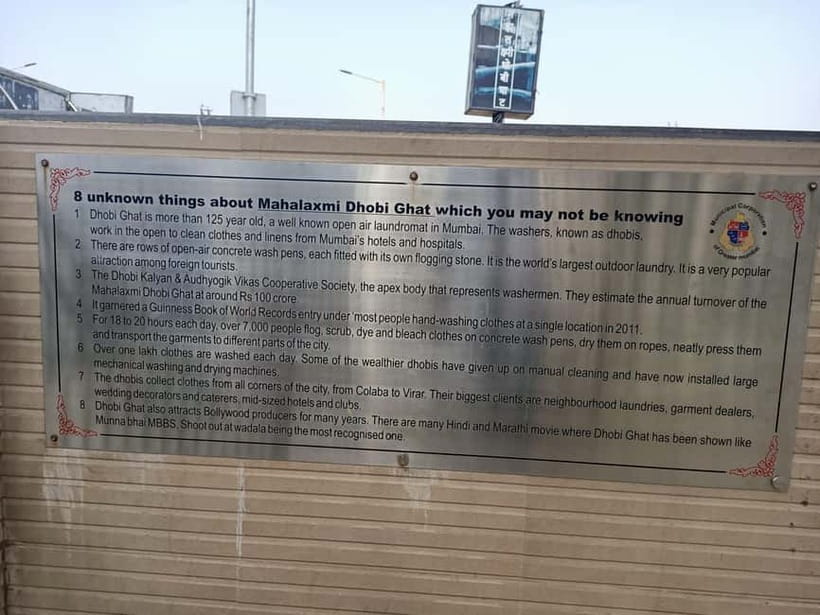
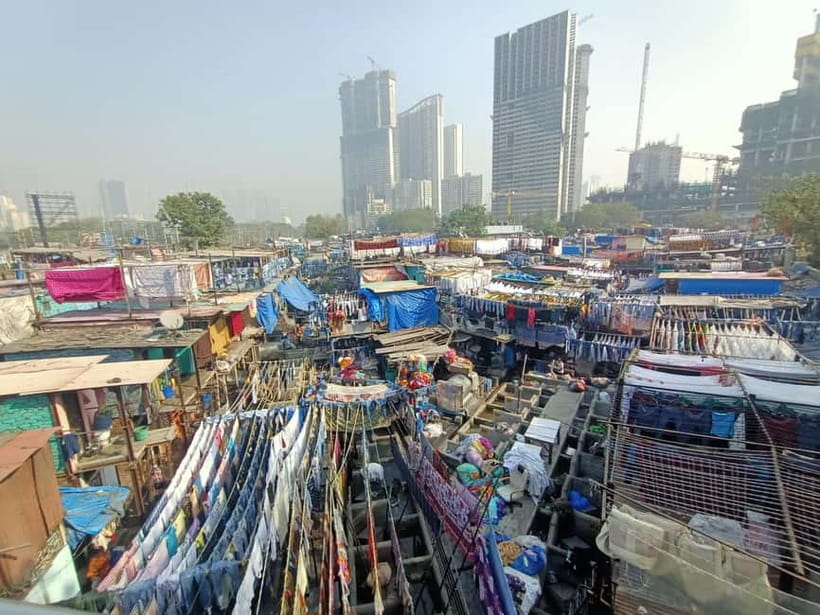
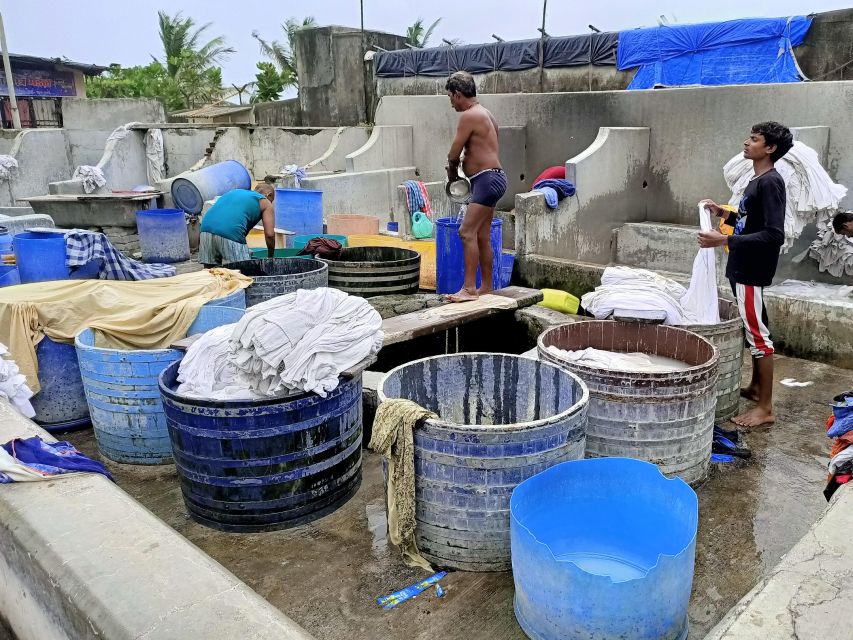
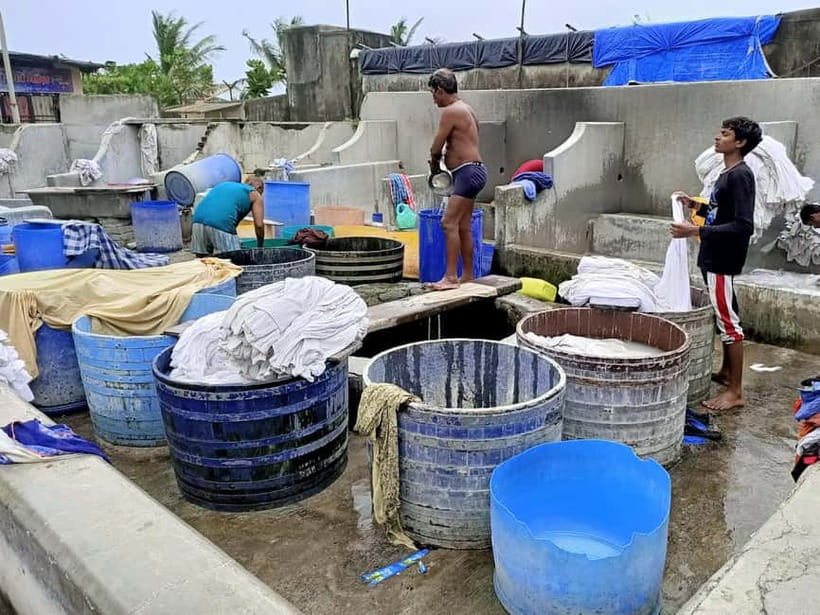
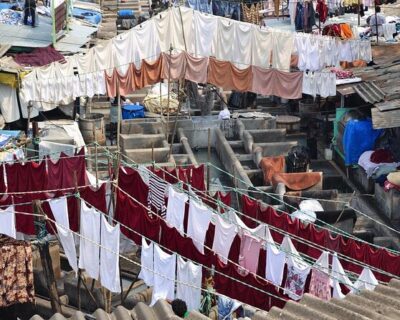
Dhobi Ghat is one of Mumbai’s most unusual working spaces. From the viewing deck, you look down over the open-air laundry and watch the city’s clothes being cleaned by hand.
The attraction is not a museum display. It is an active workplace. That makes the visit more interesting, but it also means you should follow your guide’s instructions and avoid treating workers as background scenery.
The viewing platform gives you the best overall view. You can see the scale and layout of the laundry operation more clearly from above than from ground level. One guide, Bhaarti, was praised for explaining the work and the local setting while showing visitors where to take photographs.
The supplied description also says the group may go inside the laundry area. That is an unusual opportunity, although the exact access can depend on conditions during your visit. The viewing deck remains the reliable part of the stop.
Plan on about 30 minutes here. That is enough time for an explanation, photographs, and a first look at the laundry system without making the visit feel drawn out.
The tour finishes at the Dhobi Ghat viewing deck, so you can treat this stop as both an opening highlight and the final point of the route. The listed schedule presents Dhobi Ghat after the train and Dharavi, while the general description places it at the beginning. Confirm the day’s order with your guide at the meeting point, since the overall duration is three hours but the written sequence is not perfectly consistent.
Riding Mumbai’s local train
The train section is short in the context of a three-hour tour, but it may be the most memorable few minutes for many people.
Mumbai’s local railway is part of ordinary city life. Riding it gives you a direct sense of the pace of movement across the city. One account described the open doorways and the wind coming through the carriage, which captures the physical feel of the ride. It is more energetic than a transfer in a tour van, but it is also less controlled.
Your ticket is included, so you do not need to arrange that separately. The train takes you toward Dharavi and places you inside a normal part of the city’s daily routine.
This is not the right tour for anyone who wants a quiet, private transfer. The train may be crowded, and you need to stay close to your guide and pay attention to your belongings. The provided schedule oddly lists the train as 10 hours, but that cannot fit within the stated three-hour activity. Treat three hours as the meaningful duration and ask your guide about the exact train segment on the day.
The ride is valuable because it changes your point of view. Instead of only hearing about Mumbai’s population and commuting culture, you experience one small piece of it directly.
More Dharavi walking tours:
- Dharavi slum tour in Mumbai by Female tour guides of the slum
★ 5.0 · 1,976 reviews - Dharavi Slum Tour
★ 5.0 · 625 reviews - Dharavi Slum tour in Mumbai by local resident
★ 5.0 · 572 reviews - Mumbai: Dharavi Slum Slumdog Millionaire Tour with a Local
★ 4.9 · 529 reviews
Walking through Dharavi for two hours

Dharavi is widely described as Asia’s largest slum, but that label tells only part of the story. It identifies housing conditions, yet it can hide the work, skill, and organization within the area.
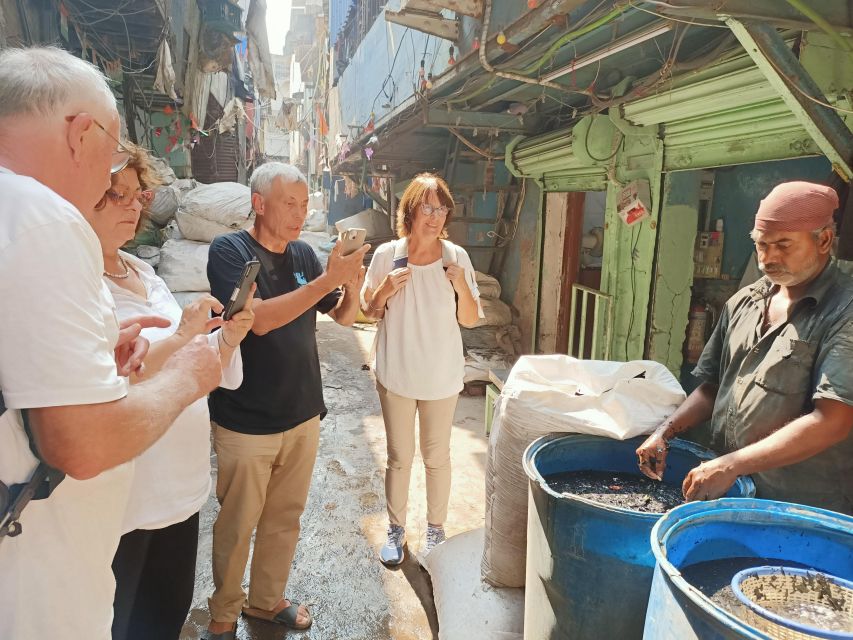
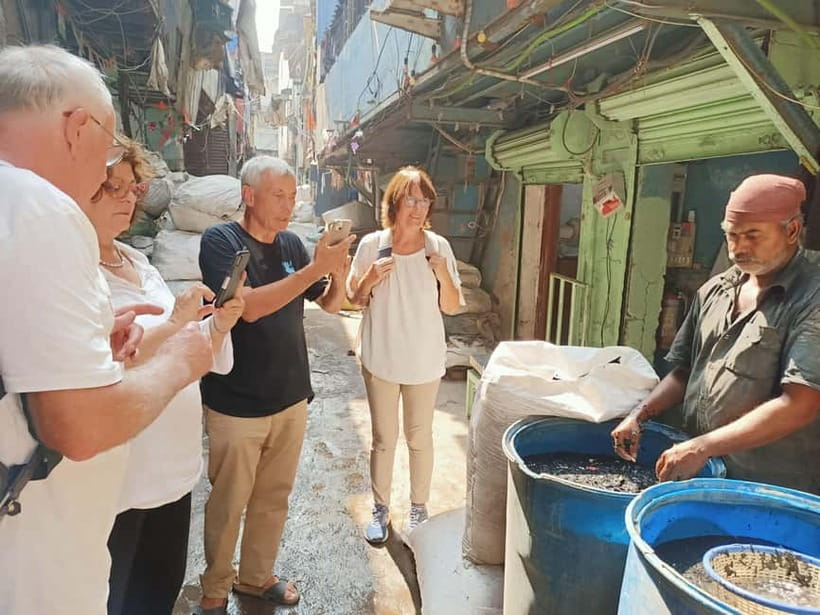
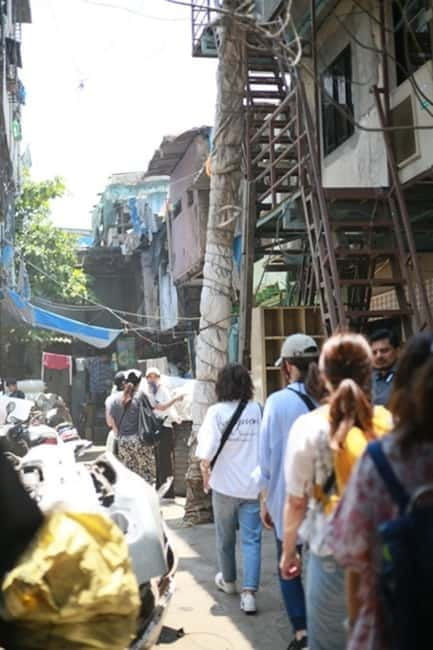
The guided walk helps correct that narrow image. You may see local industries and small businesses, as well as residential lanes and living quarters. The focus is on how people earn money, support families, and build businesses in a dense urban setting.
One account described the area’s industries and the long workdays of people earning for their families. Another emphasized the range of businesses and the strong work ethic visible along the route. These details matter because they turn Dharavi from an abstract headline into a neighborhood where people live and work.
Your guide should provide the context that photographs cannot. A local guide can explain what you are seeing, answer direct questions, and help you understand why the neighborhood functions as it does. Abhishek and Bhaarti were both praised for their personable approach, while Hardik and Alkama were also singled out for clear explanations and strong local knowledge.
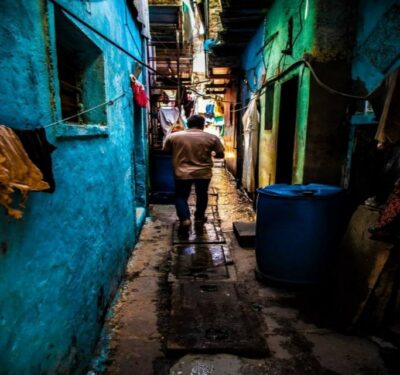
The walk lasts around two hours, making it the main part of the tour. You will be on foot through narrow lanes, so keep your group together and listen when the guide asks you to pause or move along. The tour does not promise a polished route or a set of staged encounters. That is part of its value, but it can also make the experience feel intense.
I recommend thinking carefully about your attitude before you book. Come to learn about work and community life, not to collect poverty photographs. Ask questions politely. Follow photography guidance. Remember that the people you meet are residents and workers going about their day.
What the guide adds
The guide can make or break a tour like this. Dharavi is too complex for a quick walk with a few facts attached.
The strongest guide detail available is the local connection. Bhaarti and Abhishek are described as residents of Dharavi, while other guides have been praised for their warmth, clear explanations, and ability to answer questions. That connection can help you understand the neighborhood without reducing it to a simple story about hardship.
A local guide also gives you a better chance to see the balance between homes and businesses. Dharavi is presented here as a place of work as well as a place of residence. That is an important distinction, particularly for anyone whose first impression comes from films, news reports, or general descriptions.
The group size matters too. With no more than 10 people, you have a better chance of hearing the guide and asking questions. It also limits the physical footprint of the group in residential lanes.
The language offered is English. If you want a tour in another language, this activity does not list one.
Price, duration, and what you receive
At $26 per person, this is a good-value half-day-style experience, though the actual duration is three hours. The price covers an English-speaking guide, train tickets, and bottled mineral water.
The value comes from the combination of three elements that would be harder to arrange smoothly on your own: access to Dhobi Ghat, a local-train ride, and a guided Dharavi walk. You are paying for interpretation and coordination, not just transport.
The tour is not designed as a full-day excursion. You will not have long free periods at each stop, and the Dharavi walk takes up most of the available time. That is useful if you want a focused introduction, but less suitable if you prefer to linger, shop, or explore each area at your own pace.
Starting times vary, so check availability when booking. The activity offers free cancellation up to 24 hours in advance, and you can reserve now and pay later. Those terms are useful if your Mumbai plans are still changing.
Who should book this experience

I would choose this tour if you want to see working Mumbai rather than only its headline sights. It suits first-time visitors who want context, curious photographers who can follow respectful guidelines, and anyone interested in urban work, transport, and local communities.
It is also a good fit if the Mumbai train is high on your wish list. The ride is brief, but it is included in a route that gives it meaning.
Families with older children may find the tour thought-provoking, though the Dharavi section can be confronting. Anyone uncomfortable with narrow lanes, crowded public transport, or a close look at difficult living conditions should consider a gentler city tour instead.
I would not book this expecting luxury, privacy, or a carefully controlled sightseeing route. The appeal is its directness. You see active workplaces, use public transport, and walk through a real neighborhood with a guide who can explain what you encounter.
Practical advice for a respectful visit
Wear comfortable shoes and clothing that follows the stated rule against short skirts and skirts. The tour includes walking, and practical dress will make the day easier.
Keep your camera put away when your guide advises it. The tour’s purpose is to understand the community, not to photograph every doorway or worker. Ask before taking close photographs, and let the guide set the tone.
Bring patience for the train portion. The open-door carriage experience may feel exciting, but it is still public transport. Stay near the guide and pay attention during boarding and leaving.
Finally, give yourself room to process Dharavi. The two-hour walk may challenge your assumptions about poverty, work, and city life. That is precisely why a thoughtful guide and a small group are so important.
Should you book the Dharavi and Dhobi Ghat tour?
Book it if you want a direct, human look at Mumbai and are ready to approach Dharavi with respect. The combination of a local guide, working laundry, train ride, and two-hour neighborhood walk offers more substance than a standard photo stop.
The $26 price is fair for what is included, especially with train tickets, water, and a group capped at 10 people. The main drawback is the intensity of the subject matter and the limited three-hour schedule.
For a short introduction to Mumbai’s working communities, I would book it. Just confirm the day’s route with your guide, wear suitable clothing, and arrive prepared to listen as much as you look.
FAQ
How long does the tour last?
The stated duration is three hours. The Dharavi walking portion takes about two hours, with around 30 minutes listed for Dhobi Ghat.
Where does the tour begin?
The meeting point is Third Wave Coffee.
Where does the tour finish?
The activity finishes at the Dhobi Ghat viewing deck.
Is a train ticket included?
Yes. Train tickets are included in the price.
Is a tour guide included?
Yes. An English-speaking live guide leads the experience.
What language is the tour offered in?
The listed tour language is English.
How large is the group?
The activity is offered as a small-group tour with no more than 10 participants.
What is included besides the guide and train ticket?
A bottled mineral water is included.
What clothing is not allowed?
Short skirts and skirts are listed as not allowed. Choose modest clothing that covers your legs.
Can I cancel the booking for a refund?
Yes. You can cancel up to 24 hours in advance for a full refund. The activity also offers a reserve-now, pay-later option.
More Local Train and Transport Tours
- Dabbawala, Dhobi Ghat & Dharavi slum Tour with Local Train Ride
★ 5.0 · 102 reviews - Mumbai Local – Best Seller from Mumbai Magic
★ 5.0 · 87 reviews - Mumbai Street Food & Bazaar Tour with Local Transport
★ 5.0 · 51 reviews - Local Transport & Dabbawallah Tour
★ 5.0 · 40 reviews
Just added around Mumbai
- Temples & Vineyards: Private Tour to Nashik from Mumbai★ 4.5 · 3 reviews
- Mumbai: Private City sightseeing and Dharavi Slum Tour★ 5.0 · 3 reviews
- Elephanta Island Private Speedboat Tour from Mumbai – 6pax★ 5.0 · 3 reviews
- Mumbai: Full Day City Sightseeing with Lunch, Car & Guide★ 4.3 · 3 reviews
- Mumbai: Elephanta Island and Elephanta Caves Guided Tour★ 4.4 · 3 reviews
- Mumbai Sightseeing Tour by Public Transport with family Lunch★ 5.0 · 3 reviews
- Mumbai by Dawn★ 4.5 · 3 reviews
- Mumbai Dharavi Slum Community Tour★ 5.0 · 3 reviews
Dharavi Slum Tours, compared.
Dharavi slum tour in Mumbai by Female tour guides of the slum
Read our review →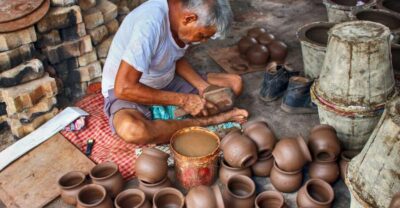
Dharavi Slum Slumdog Millionaire Tour with a Local
Read our review →
Mumbai Slum Tour – Visit Dharavi Slum with Local Guide
Read our review →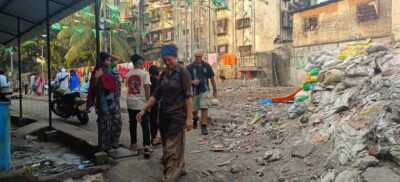
Dhobi Ghat Laundry and Dharavi Slum Tour with Local
Read our review →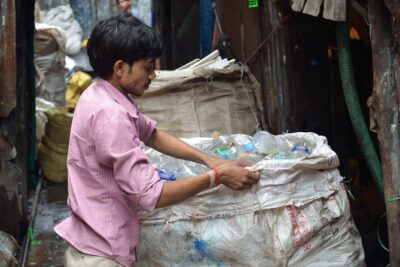
Browse the lists this tour appears in