
Reviewed · DHARAVI SLUM TOURS
Private Guided Walking Tour in Dharavi Slums
Dharavi is not a sightseeing prop. It is a working neighborhood where homes, workshops, schools, temples, markets, and small factories share tight lanes. This private two-hour walk gives you a clearer view of how people live and earn money in one of Mumbai’s most misunderstood areas.
I like the combination of a general Khaki guide and a local Dharavi host, as seen with guides including Bharti, Kamlesh, Jimmy, and others. I also like the route itself: recycling, leather work, daily life, and Kumbharwada pottery give you more than a quick look at one corner. The hard part is ethical: you will see serious poverty, cramped homes, and industrial conditions, and some visitors may feel that touring such a place is uncomfortable or exploitative.
In This Review
- Key points to know before booking
- Why Dharavi requires a different kind of sightseeing
- Starting at Mahim, where Dharavi began to grow
- Recycling in Dharavi’s informal industrial quarter
- Dharavi’s lanes, homes, and leather workshops
- Kumbharwada and the work of the potters
- What the private format is worth at $44.75
- The guides can shape the whole experience
- The ethical question you should consider first
- Who should book this walk
- Should you book the Private Guided Walking Tour in Dharavi?
- FAQ
- How long is the Private Guided Walking Tour in Dharavi?
- Where does the tour start?
- Where does the tour end?
- Is this a private tour?
- What places are visited?
- Are admission tickets included?
- Are bottled water and snacks included?
- Can most people participate?
- What happens if I need to cancel?
Key points to know before booking
- A private group walk: Only your party takes part, so the pace and questions can be more personal than on a large group outing.
- Local voices matter: Guides such as Bharti, a fourth-generation Dharavi resident, and Kamlesh have offered personal context about work and daily life.
- Four distinct stops: The walk covers Mahim, recycling work, Dharavi’s lanes and tanneries, and Kumbharwada’s pottery settlement.
- More than poverty tourism: The focus includes businesses, production, community life, and the skills that support Dharavi’s economy.
- A compact two-hour route: You can fit it into a Mumbai sightseeing day, but the short duration means the tour offers an introduction rather than a full study of Dharavi.
- Bring your own water and snacks: Neither bottled water nor snacks are included.
Why Dharavi requires a different kind of sightseeing
The first thing to understand is that Dharavi is both a residential district and a place of work. Its reputation often reduces it to the word slum, but that label tells you very little about the people who live there or the goods produced there.
This walk tries to correct that narrow picture. You see the constraints, but you also see recycling industries, leather production, pottery, shops, religious places, schools, and homes. That balance is important. It does not turn poverty into a feel-good story, yet it does show that Dharavi is not simply a place waiting to be rescued.
I would book this only if you are willing to pay attention and behave quietly. The people you see are not part of a performance. Your guide should explain what is appropriate, but basic courtesy still matters: listen, avoid treating residents as photo subjects, and follow instructions about photography.
The private format helps here. You are not being pushed along with a large crowd, and you can ask careful questions about what you are seeing. The tour is still short, though, so you should expect a focused introduction rather than a complete account of Dharavi’s past, present, and future.
More Dharavi walking tours:
- Dharavi slum tour in Mumbai by Female tour guides of the slum
★ 5.0 · 1,976 reviews - Mumbai: Dharavi Slum, DhobiGhat, and Dabbawallas Tour
★ 4.9 · 689 reviews - Dharavi Slum Tour
★ 5.0 · 625 reviews
Starting at Mahim, where Dharavi began to grow
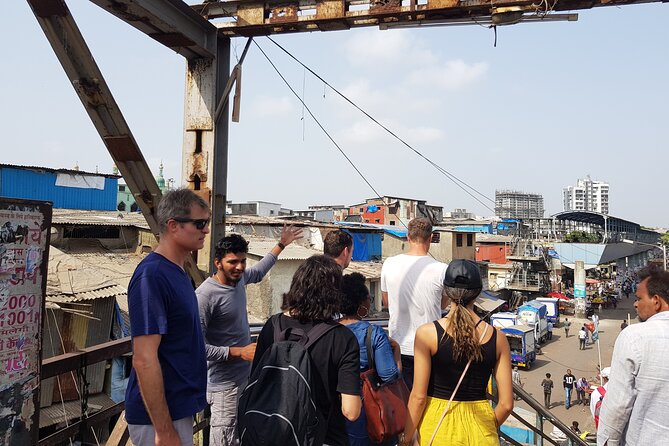
The meeting point is Third Wave Coffee at Tip Road, Unit 58, Ground, Ram Mahal, Senapati Bapat Marg, Marinagar Colony, near Mahim station. The route begins at Mahim, described as the edge of Mumbai from which Dharavi began developing.
This opening stop lasts about 10 minutes and has no admission charge. Its value is context. Before you enter the lanes and work areas, you get a sense of how Dharavi fits into the wider city and why its location helped shape its growth.
The meeting point near public transportation is useful if you are building the walk into a day in Mumbai. You should still allow time to find the coffee shop and get settled before the start. The supplied details do not promise hotel pickup, so plan to reach the meeting point independently.
The tour ends at Kumbhar Wada in Dharavi rather than returning to Mahim. That one-way design saves time, but it means you should think about your next destination before setting off.
Recycling in Dharavi’s informal industrial quarter
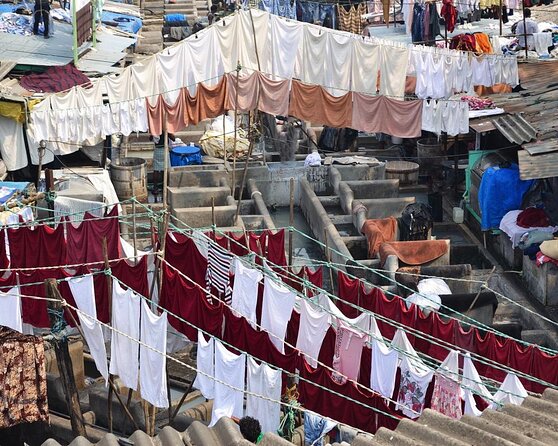
The second stop lasts around 30 minutes and looks at the recycling work that handles Mumbai’s discarded materials. The important point is not simply that recycling happens here. It is that the work forms part of an informal industrial system, with people earning a living through sorting and processing waste.
This section can change the way you think about the city’s rubbish. The tour connects everyday consumption with the labor required to recover useful material. It also gives Dharavi a productive role in Mumbai rather than presenting it only as a residential area in need.
The phrase informal industrial complex also signals a limitation. You should not expect a polished factory tour with spacious walkways and visitor facilities. Conditions may be crowded or rough, and the work can be physically demanding. That is part of the reality being shown, but it may not suit anyone seeking a comfortable or carefully staged attraction.
I would consider this one of the strongest parts of the route because it explains how the local economy functions. A guide who can connect the recycling work to city life makes the stop much more useful than a simple pass through an alley.
Dharavi’s lanes, homes, and leather workshops
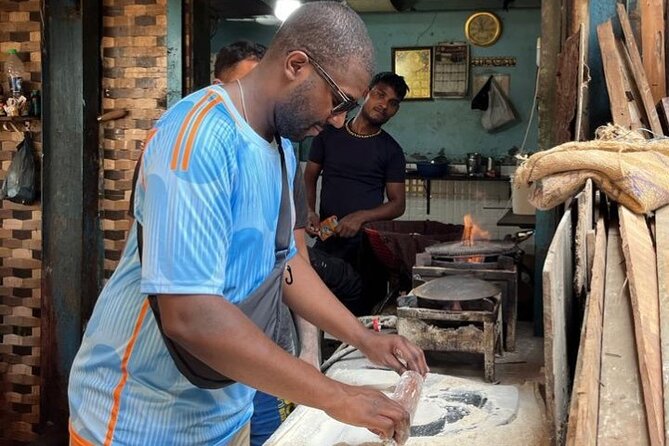
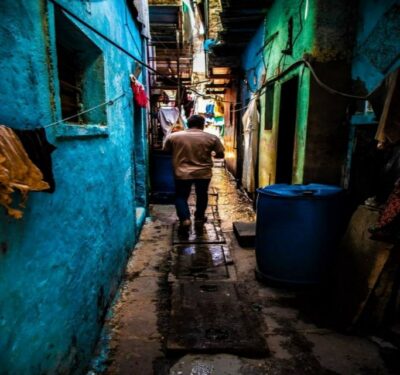
The next 30-minute section takes you through Dharavi’s bylanes. Here you see the conditions in which residents live, along with the tanneries where leather goods are made.
This is likely the most sensitive part of the experience. You may pass close to homes and see how daily life operates where residential and working spaces sit side by side. The route is intended to show ordinary conditions, not to hide them, but that does not make the sight of poverty easy.
The leather work adds another layer. Dharavi is associated with leather production, and seeing the tanneries helps explain the connection between local skills and finished products. The guide can provide useful context about how work and housing share the same area, though the exact details may depend on the host assigned to your group.
Several named hosts have brought different strengths to this walk. Jimmy has been paired with Kamlesh for a mix of city history and personal local context. Palak has explained Dharavi’s origins, area, and population, while Bharti has shown visitors the residential and working parts from her perspective as a fourth-generation resident.
That combination is worth seeking when you book, though guide assignments are subject to availability. A local host can explain small details that an outside guide might miss, while a second guide can help place those details in Mumbai’s wider story.
You should also be realistic about privacy. This is a lived-in neighborhood, not an open-air museum. Keep your voice low, ask before taking photographs, and do not block narrow passages. The tour may make you think hard about the line between learning and looking, which is uncomfortable but worthwhile.
More guided walks on foot:
- Group Guided Walking Tour in Fort and Colaba
★ 5.0 · 1,073 reviews - Private Guided Walking Tour in Fort & Colaba
★ 5.0 · 895 reviews - Private Guided Walking Tour in Bandra Queen of Suburbs
★ 5.0 · 383 reviews - Private Guided Spiritual Walk in Banganga Hindu Temples
★ 5.0 · 271 reviews
Kumbharwada and the work of the potters
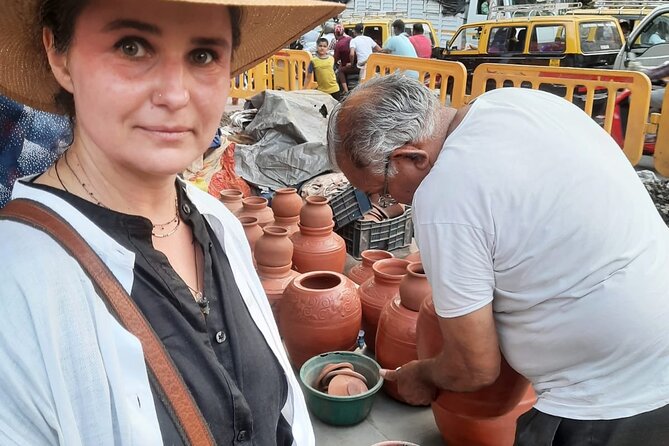
The final 30-minute stop is Kumbharwada, Dharavi’s potters’ settlement. The route ends here at Kumbhar Wada, and the focus is on how potters work and live.
This stop gives the walk a different texture. Recycling and tanning show industrial activity, while Kumbharwada brings you closer to a traditional craft community. You are not simply seeing finished pottery in a shop. You are seeing the settlement where production and home life exist together.
The supplied details do not specify exactly which pottery items you will see, how much work will be demonstrated, or whether purchases are available. I would treat the stop as a look at the community and its working methods, not as a guaranteed shopping opportunity.
Ending here also gives the tour a clear shape. You start with Mumbai and Dharavi’s growth, move through recycling and leather production, then finish with pottery and domestic life. In two hours, that is a sensible range of subjects.
What the private format is worth at $44.75
At $44.75 per person, this is not the cheapest way to walk through Mumbai. The value depends less on admission fees, since the listed stops have no separate entrance charge, and more on the guiding.
You are paying for organization, a private outing, and access to local explanation in a place where walking alone could leave you with little context. The private format is especially useful for families or small groups that want to ask questions without holding up strangers.
Group discounts may improve the price for larger parties. Since the activity is commonly booked about eight days ahead, I would not leave it until the last minute if your Mumbai dates are fixed. Confirmation arrives within 48 hours, subject to availability, so check the booking details before relying on the tour for a tightly packed schedule.
The two-hour length keeps the cost easier to fit into a full day. You are not giving up an entire morning or afternoon, but you also should not expect a long, detailed field study. I see the price as reasonable for a private, guide-led introduction if Dharavi is a serious interest, less so if you only want a quick photo stop.
No bottled water or snacks are provided. Carry water yourself, especially since the walk takes place outdoors and includes industrial and residential areas. Comfortable footwear is sensible, although the supplied information does not set a special mobility requirement and says most people can participate.
The guides can shape the whole experience
The guide is central here. Dharavi can be reduced to statistics or dramatic images if the person leading you does not explain how the area works. A strong host gives you names, connections, and everyday detail.
The tour has included guides such as Sultan, Sonniya, Maiyur, Siddhesh, Bharti, Jimmy, Kamlesh, Palak, and Bharathi. Bharti’s connection is especially notable because she has been described as a fourth-generation Dharavi resident. That kind of local perspective can help you understand the community as a home, not merely a destination.
The pairing of guides can also be useful. Jimmy and Kamlesh, for example, have provided a mix of historical background and current local experience. Sultan and Bharti have led a similar combination of organized guiding and resident perspective.
You cannot assume a particular guide will lead your departure. Still, I would ask at booking how the guiding is arranged and whether a local Dharavi host will be part of your group. That question goes directly to the experience’s value.
The ethical question you should consider first
A Dharavi walk can educate you, but education does not automatically make every form of sightseeing acceptable. One person may find the route thoughtful and respectful, while another may feel that seeing poverty as part of a paid activity crosses a line.
That concern deserves a direct answer. The tour presents Dharavi as a place of work and community, not as a display of misery. It also uses hosts who live or work in the area, which can put more control and income in local hands. But the basic tension remains: you are entering someone else’s home area for your own understanding.
I would book if you want to learn about Mumbai’s urban economy and can accept a restrained, respectful role. I would skip it if your main aim is dramatic photography or a quick dose of hardship. The tour works best when you focus on systems, skills, and people rather than treating residents as scenery.
Some parts may feel confronting. That is not necessarily a flaw, but you should know your own limits before booking. The experience is educational, yet it does not remove the poverty or make difficult conditions comfortable to see.
Who should book this walk
This tour suits you if you want:
- A private activity for your own group
- A short Mumbai experience near public transportation
- Local explanation of recycling, leather, pottery, and housing
- A more balanced view of Dharavi than a simple drive past
- A guided route that includes both work and home life
- A tour that can challenge your assumptions about informal economies
Families can take part, and most people are able to participate. The private setup may help parents manage questions and pace, though the subject matter and conditions may be difficult for young children.
It is less suitable if you want air-conditioned comfort, a shopping-focused outing, or a polished museum-style tour. The route moves through active working and residential areas, and the experience depends on your willingness to be observant without becoming intrusive.
The activity requires good weather. If poor weather cancels it, you are offered another date or a full refund. You can cancel for a full refund up to 24 hours before the start time, while cancellations or changes within 24 hours are not refunded or accepted.
Should you book the Private Guided Walking Tour in Dharavi?
I would recommend this walk to readers who want context, not spectacle. The strongest reasons to go are the range of subjects covered in two hours and the chance to learn from a local host such as Bharti or Kamlesh, alongside a guide who can explain Mumbai’s wider story.
The main caution is the setting itself. Dharavi is a real neighborhood facing real hardship, and no tour can make that ethical question disappear. If you approach it with humility, listen carefully, and respect privacy, the walk can give you a more complete understanding of how people live and work in Mumbai.
At $44.75 per person, it makes the most sense for a private group that values personal guiding and direct local context. Carry water, leave room after the tour for reflection, and confirm the meeting details before you go. Book it for learning, not for spectacle.
FAQ
How long is the Private Guided Walking Tour in Dharavi?
The tour lasts approximately two hours.
Where does the tour start?
It starts at Third Wave Coffee, Tip Road, Unit 58, Ground, Ram Mahal, Senapati Bapat Marg, Marinagar Colony, near Mahim station in Mumbai.
Where does the tour end?
The tour ends at Kumbhar Wada in Dharavi, Mumbai.
Is this a private tour?
Yes. Only your group participates in the activity.
What places are visited?
The route includes Mahim, Dharavi’s recycling area, Dharavi’s residential lanes and leather tanneries, and Kumbharwada’s potters’ settlement.
Are admission tickets included?
The listed stops have no admission charge. The included service is the hosting charge.
Are bottled water and snacks included?
No. Bottled water and snacks are not included, so you should arrange them yourself.
Can most people participate?
Yes. The tour information states that most people can participate, and the meeting point is near public transportation.
What happens if I need to cancel?
You can cancel at least 24 hours before the start time for a full refund. Cancellations or changes made less than 24 hours before the start time are not refunded or accepted. If poor weather cancels the tour, you are offered another date or a full refund.
Just added around Mumbai
- Temples & Vineyards: Private Tour to Nashik from Mumbai★ 4.5 · 3 reviews
- Mumbai: Private City sightseeing and Dharavi Slum Tour★ 5.0 · 3 reviews
- Mumbai: Full Day City Sightseeing with Lunch, Car & Guide★ 4.3 · 3 reviews
- Elephanta Island Private Speedboat Tour from Mumbai – 6pax★ 5.0 · 3 reviews
- Mumbai: Elephanta Island and Elephanta Caves Guided Tour★ 4.4 · 3 reviews
- Mumbai Sightseeing Tour by Public Transport with family Lunch★ 5.0 · 3 reviews
- Mumbai by Dawn★ 4.5 · 3 reviews
- Mumbai Dharavi Slum Community Tour★ 5.0 · 3 reviews
Dharavi Slum Tours, compared.
Dharavi slum tour in Mumbai by Female tour guides of the slum
Read our review →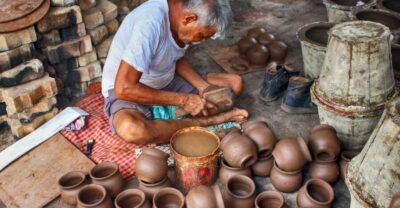
Dharavi Slum Slumdog Millionaire Tour with a Local
Read our review →
Mumbai Slum Tour – Visit Dharavi Slum with Local Guide
Read our review →
Dhobi Ghat Laundry and Dharavi Slum Tour with Local
Read our review →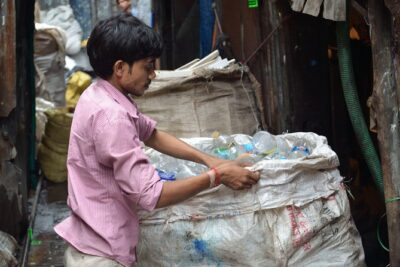
Browse the lists this tour appears in