
Reviewed · DHARAVI SLUM TOURS
Mumbai: Private Dhobi Ghat Laundry & Slum Tour with Pickup
Mumbai’s most revealing sights are often found away from its grand monuments. This private tour takes you into Dhobi Ghat, the city’s famous open-air laundry, then into Dharavi with a local guide who can explain how people live and work there without reducing the community to a movie set.
I like two things right away: you see real working industries such as plastic recycling, leather, garment, and metal production, and you get a local perspective from guides including Alkama and Mohammad. I also like that hotel pickup, entrance fees, water, and drop-off are included. The main consideration is that Dharavi is a working residential area, not a polished sightseeing attraction, so you should approach it with respect and expect narrow, active streets.
In This Review
- Key points at a glance
- Why Dhobi Ghat is a fitting place to begin
- Taking the train or traveling by car
- Entering Dharavi with a local guide
- The industries you can see at close range
- Seeing family and community life respectfully
- The Slumdog Millionaire connection
- What makes the $19 price good value
- Who will get the most from this tour
- Practical tips before you go
- Should you book the Dhobi Ghat and Dharavi tour?
- FAQ
- What does the Mumbai tour include?
- Which places does the tour visit?
- Can I see the place linked with Slumdog Millionaire?
- What industries may I see in Dharavi?
- Is the tour offered in English?
- Can I cancel for a refund?
Key points at a glance
- Dhobi Ghat in action: Watch washermen and women handle clothing from hotels, hospitals, hostels, and homes at Mumbai’s famous open-air laundry.
- Dharavi beyond the film: Visit the area associated with Slumdog Millionaire, then look past the movie’s narrow picture of life here.
- Working Mumbai: See plastic recycling, leather, garment, textile, and metal businesses operating inside the neighborhood.
- A guide-led experience: Alkama and Mohammad are among the local English-speaking guides who explain daily routines, history, work, and family life.
- Private transport choices: Hotel pickup and drop-off are included, and one past itinerary used a local train instead of a car.
- Strong value at $19: For a private tour with transport, entrance fees, a guide, and water, the price is unusually low, though the experience is more educational than comfortable.
Why Dhobi Ghat is a fitting place to begin
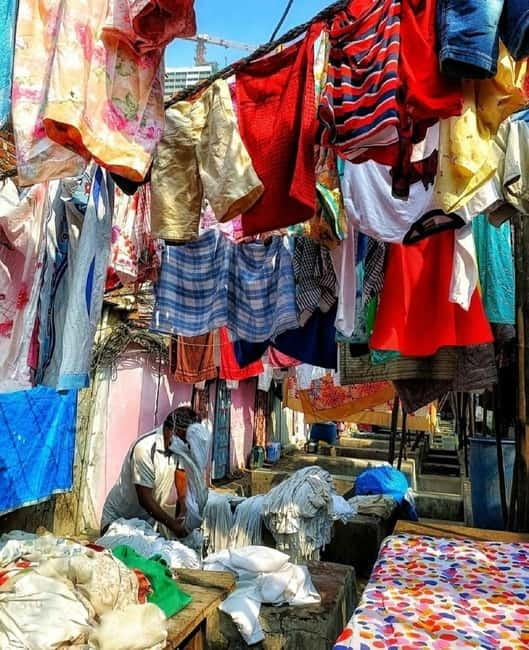
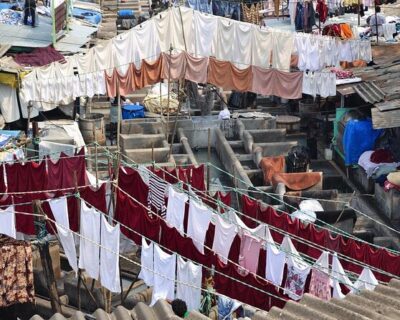
Dhobi Ghat gives you a quick lesson in how Mumbai works. At this open-air laundry, clothes arrive from across the city, including supplies from hotels, hospitals, and hostels. The dhobis, or washermen and women, sort, wash, dry, press, and return them to circulation.
The laundry has operated for more than a century. That matters because this is not a staged cultural display built for sightseeing. It is a functioning workplace tied to the city’s daily needs. You are looking at a service that has helped keep Mumbai clothed and operating for generations.
I find the stop valuable because it makes the word laundry feel far too small. Hundreds of workers handle clothes through the day, and the scale helps you understand the amount of labor behind something most people take for granted. You can also connect this stop with Dharavi, where work and home often sit close together.
The visit is mainly about observation and explanation. Your guide helps you understand what you are seeing rather than leaving you to stare at rows of clothing without context. Since this is an active work site, you should follow the guide’s instructions and avoid treating the workers as part of a show.
More Dhobi Ghat and dabbawala tours:
- Mumbai: Dharavi Slum, DhobiGhat, and Dabbawallas Tour
★ 4.9 · 689 reviews - Mumbai: Dhobi Ghat Laundry and Dharavi Slum Tour with Local
★ 5.0 · 469 reviews - Mumbai: Dharavi Slum & Dhobi Ghat Laundry Tour
★ 5.0 · 352 reviews
Taking the train or traveling by car
Hotel pickup and drop-off are included, which removes some of the usual guesswork in Mumbai. The exact transport plan can vary, and one itinerary included a local train ride after the group chose it instead of using a car.
That train option can add a useful piece of everyday Mumbai. You get a look at how local residents move through the city, rather than seeing only the streets from a private vehicle. It also gives the tour a more personal connection to ordinary city life.
Still, a train ride may not suit everyone. If you prefer a quieter transfer, ask about using the car when arranging the tour. The important point is that the tour is private, so you can discuss the choice with your guide rather than being locked into a large group’s schedule.
The pickup feature is especially useful for first-time visitors. You do not need to arrange separate transport to Dhobi Ghat or Dharavi, and the same guide remains with you through the main stops. Past guides have also been praised for clear pickup communication, which is a small detail that can make a city tour much easier.
Entering Dharavi with a local guide
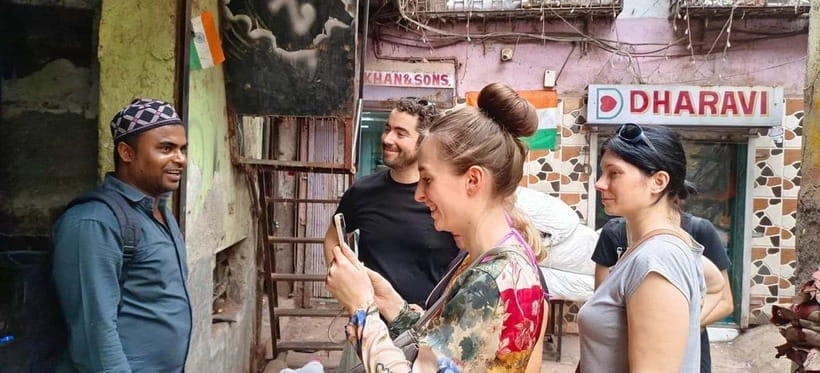
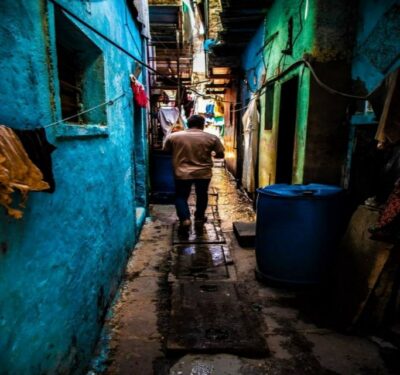
Dharavi is often described with a single label, but the tour asks you to see it as a large community where people live, work, raise families, and spend time together. Your guide explains where residents stay, where children play, and how businesses fit into the neighborhood.
That local explanation is the heart of the experience. A guide who has lived in Mumbai and previously lived in the slum area can describe daily life from personal understanding rather than relying on distant statistics. Alkama, Mohammad, and Muhammad are named guides associated with the experience, and English is the stated tour language.
You should expect a walking visit through working and residential areas. The route may show small businesses, workshops, storage areas, and spaces used by families. The point is not to search for misery. It is to understand how residents have built livelihoods and community life in difficult conditions.
The tour also aims to challenge the usual stereotype of a slum as only a place of poverty. Dharavi faces serious hardships, but it is also a place of production and enterprise. The combined yearly income of its businesses is described as about $1 billion, a figure that gives you a sense of its economic weight.
That number does not erase the difficult conditions. Instead, it adds a needed layer to the picture. People here may work hard in cramped surroundings while contributing to a large local economy. A good guide helps you hold both facts in mind.
The industries you can see at close range
One of the tour’s strongest features is its focus on work. Dharavi is associated with several industries, including plastic recycling, leather, garment and textile production, and metal work.
Plastic recycling shows how materials move through the city after they have been discarded. Leather work points to a trade that requires skill, equipment, and organization. Garment and textile businesses connect Dharavi to Mumbai’s wider commercial network. Metal work adds another example of production carried out in compact surroundings.
The exact activity you see can depend on the day and the route. This is a working neighborhood, so you should not expect every workshop to operate like a museum exhibit or provide a formal demonstration. You may find that the most useful part is your guide’s explanation of what a business does and how it fits into local life.
I like this approach because it gives you something concrete to remember. Instead of leaving with only general impressions, you can think about recycling, tailoring, leather, and metal production. Those details also help correct the idea that Dharavi is only a place people pass through on the way to somewhere else.
Be ready for an environment shaped by work. Conditions may be tight, streets may be active, and the experience may feel confronting at times. That is part of its honesty, but it also means this tour is not the best choice if you want a relaxed sightseeing walk with wide open spaces.
More Dharavi walking tours:
- Dharavi slum tour in Mumbai by Female tour guides of the slum
★ 5.0 · 1,976 reviews - Dharavi Slum Tour
★ 5.0 · 625 reviews - Dharavi Slum tour in Mumbai by local resident
★ 5.0 · 572 reviews - Mumbai: Dharavi Slum Slumdog Millionaire Tour with a Local
★ 4.9 · 529 reviews
Seeing family and community life respectfully
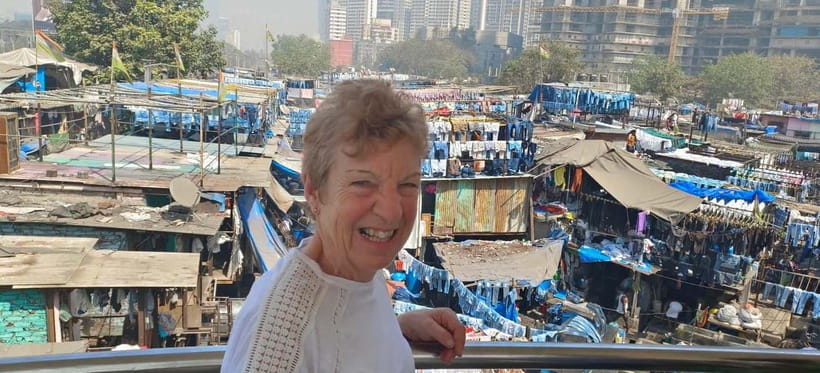
The tour includes more than businesses. You also learn where families live, how children use their surroundings, and where residents relax. These details help you see Dharavi as a home rather than a collection of workshops.
That distinction matters. A respectful visit should not turn residents into scenery. Stay close to your guide, listen before taking photographs, and follow any instructions about what is appropriate. The supplied information describes the tour as safe and led by a Dharavi resident, but safety does not remove the need for good manners.
The community element is also why a private guide can make a difference. You can ask direct questions about daily routines, work, and history. Guides such as Alkama have been described as friendly, clear, and attentive, with the patience to answer many questions without rushing the visit.
The tone may shift during the tour. You can enjoy the guide’s humor and positive attitude while also hearing about unfairness, hard work, and limited conditions. That mix is more useful than a polished story that shows only one side.
The Slumdog Millionaire connection

The tour includes a location inside Dharavi where Slumdog Millionaire was filmed. For movie fans, this provides a recognizable link to a place they may have seen on screen.
The more important point is what comes after that reference. The film offers a dramatic, limited story, while the neighborhood is far more varied. Your guide helps you move beyond the movie’s version and see the people and businesses that continue their lives outside the frame.
I would treat the film stop as a small part of the visit, not the main reason to book. It can help you place Dharavi in popular culture, but the working industries and local explanation offer more lasting value. If you arrive expecting a movie-themed tour, you may miss the real subject.
What makes the $19 price good value
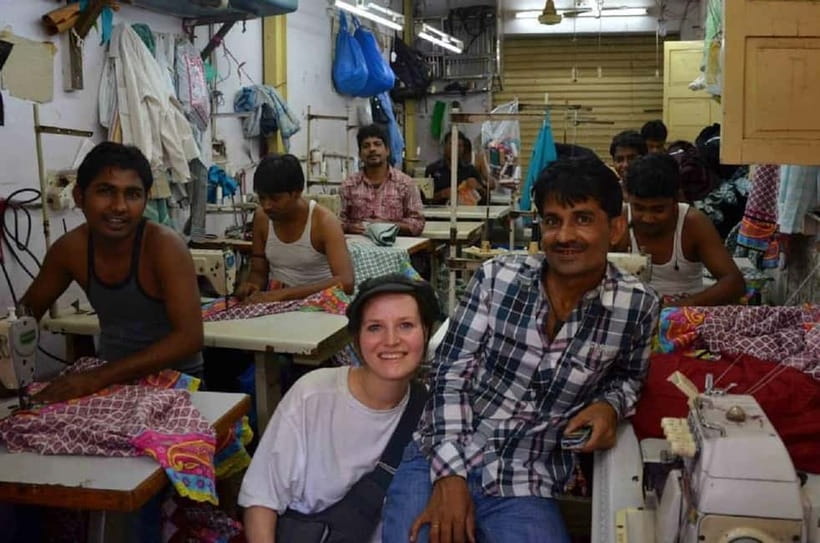
At $19 per person, this is a low-cost private experience. The price includes the guide, hotel pickup and drop-off, entrance fees, and a bottle of water. Those inclusions matter because separate transport and a private English-speaking guide could otherwise add to the cost.
The value is strongest if you want context. You are not paying only to see Dhobi Ghat or walk through Dharavi. You are paying for someone to explain what the workers are doing, how the community functions, and why the area matters to Mumbai.
The price does not promise comfort or a long list of tourist facilities. No tour duration is provided, and the route can include active streets or a local train if you choose that option. Think of the cost as access to a guided social and economic lesson, not a luxury half-day outing.
For a private tour, the ability to ask questions is a real benefit. You can spend more time on a subject that interests you, such as recycling or textiles, instead of following a large crowd. You can also tell the guide if you prefer the car over the train.
Who will get the most from this tour
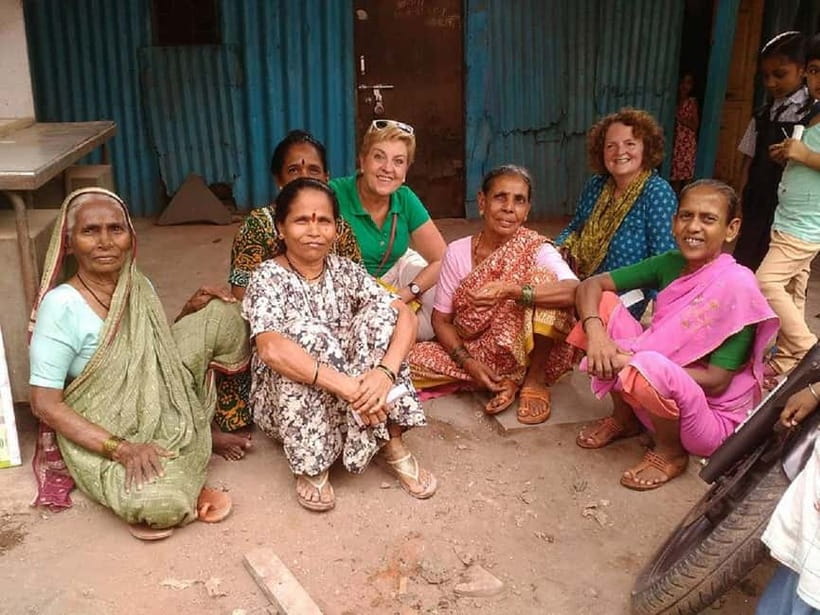
I would recommend this experience to visitors who want to understand Mumbai through work and daily life. It suits curious first-time visitors, photographers who know how to act respectfully, students, and anyone who feels that a city tour should include more than major monuments.
It is also a good fit if you want a small, personal experience rather than a bus group. Guides such as Alkama and Mohammad are described as friendly, clear, and able to communicate well in English. Their role is central, so this is not a tour where you simply follow a route and take in the sights alone.
You may want to skip it if you dislike walking through crowded working areas, feel uneasy visiting residential communities, or prefer attractions designed only for tourists. Dharavi should not be treated as entertainment, and you need to be comfortable hearing difficult facts alongside positive stories of work and community.
Families should think carefully about the tone. Children who can understand the respectful purpose may learn a great deal, but the conditions and subjects may be serious. The private format gives you more control than a large group, though the information provided does not specify a minimum age.
Practical tips before you go
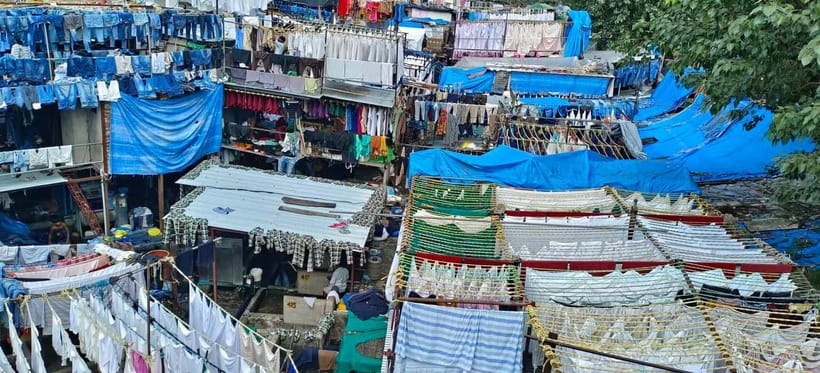
Wear practical shoes and clothing suitable for walking. The route includes Dhobi Ghat and Dharavi, and the experience is based on seeing working areas up close rather than sitting in a vehicle throughout.
Bring questions. Ask how clothing moves through Dhobi Ghat, how recycling businesses operate, or how homes and workshops share space. A guide like Alkama is there to explain the details, and the private format gives you room to make the visit your own.
If the local train interests you, ask about it during pickup. One past itinerary included the train by choice, but the supplied details do not say that every departure follows the same transport plan. If you would rather use a car, raise that preference early.
Photography deserves care. The information does not specify a photography policy, so ask your guide before photographing workers, homes, or children. A friendly request and a willingness to put the camera away will help keep the visit respectful.
The tour is offered in English, and cancellation is allowed up to 24 hours before the start for a full refund. You can also reserve and pay later, which is useful if your Mumbai plans are still changing.
Should you book the Dhobi Ghat and Dharavi tour?
Book it if you want a thoughtful look at how Mumbai’s people work, live, and support one another. The combination of a century-old laundry, local transport as an option, working industries, family life, and a guide with local ties gives you more substance than a quick photo stop.
The best reason to go is not the movie connection. It is the chance to replace a narrow image of Dharavi with a fuller understanding of its labor, enterprise, and community, while still recognizing the difficult conditions residents face.
At $19, the private format and included pickup make this strong value. Just arrive with respect, practical expectations, and the willingness to listen. If that sounds like your kind of city experience, this is an easy tour to add to a Mumbai visit.
FAQ
What does the Mumbai tour include?
The tour includes a private experience with a local English-speaking guide, hotel pickup and drop-off, entrance fees, and a bottle of water.
Which places does the tour visit?
You visit Dhobi Ghat, Mumbai’s large open-air laundry, and Dharavi, where you see residential life, businesses, and local industries.
Can I see the place linked with Slumdog Millionaire?
Yes. The tour includes a location inside Dharavi where Slumdog Millionaire was filmed.
What industries may I see in Dharavi?
The tour information lists plastic recycling, leather, garment and textile work, metal industries, and other local businesses.
Is the tour offered in English?
Yes. English is the stated tour language.
Can I cancel for a refund?
You can cancel up to 24 hours in advance for a full refund. The tour also offers a reserve-now, pay-later option.
Just added around Mumbai
- Temples & Vineyards: Private Tour to Nashik from Mumbai★ 4.5 · 3 reviews
- Mumbai: Private City sightseeing and Dharavi Slum Tour★ 5.0 · 3 reviews
- Elephanta Island Private Speedboat Tour from Mumbai – 6pax★ 5.0 · 3 reviews
- Mumbai: Full Day City Sightseeing with Lunch, Car & Guide★ 4.3 · 3 reviews
- Mumbai: Elephanta Island and Elephanta Caves Guided Tour★ 4.4 · 3 reviews
- Mumbai Sightseeing Tour by Public Transport with family Lunch★ 5.0 · 3 reviews
- Mumbai by Dawn★ 4.5 · 3 reviews
- Mumbai Dharavi Slum Community Tour★ 5.0 · 3 reviews
Dharavi Slum Tours, compared.
Dharavi slum tour in Mumbai by Female tour guides of the slum
Read our review →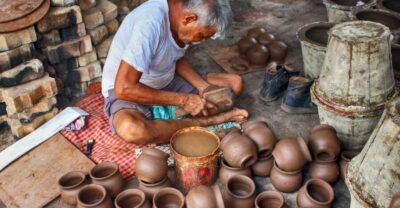
Dharavi Slum Slumdog Millionaire Tour with a Local
Read our review →
Mumbai Slum Tour – Visit Dharavi Slum with Local Guide
Read our review →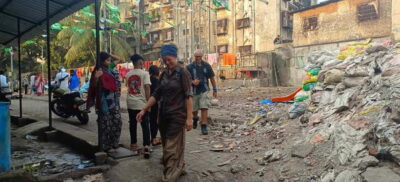
Dhobi Ghat Laundry and Dharavi Slum Tour with Local
Read our review →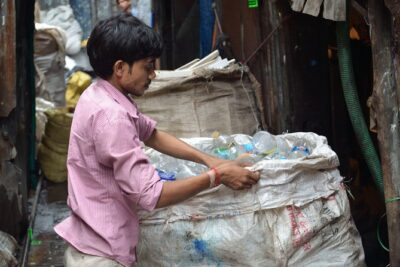
Browse the lists this tour appears in