
Reviewed · DHARAVI SLUM TOURS
Mumbai: Dharavi Slum Walking Tour with Options
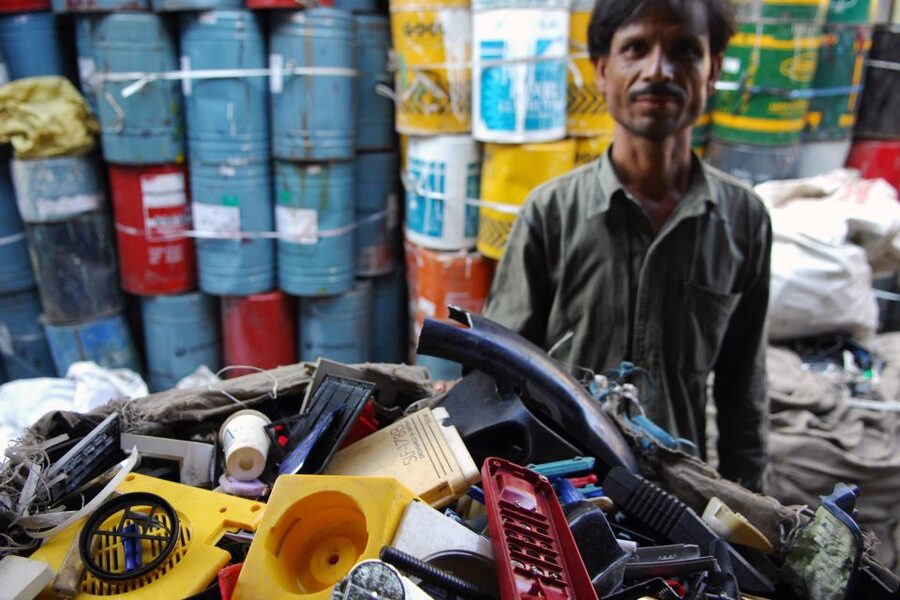
Dharavi is not simply a place of poverty to look at from a bus window. It is a working part of Mumbai, home to roughly one million people and an estimated 20,000 businesses. This small-group walk takes you through its narrow lanes to see recycling, pottery, embroidery, leather work, bakeries, soap making, and other trades up close.
I like the small groups of up to six, which makes it easier to hear your guide and ask thoughtful questions. I also like the clear community purpose: 80% of the tour profits support educational initiatives, giving the $20 price more weight than a standard sightseeing walk.
The main drawback is physical comfort. Some passages are hot, dark, tight, and dirty, especially during the June to mid-September monsoon. The strict no-photography rule is also important, so this is a listening-and-observing experience rather than a picture-hunting outing.
In This Review
- Key points to know before you go
- Why Dharavi is more than its reputation
- Starting at Churchgate or Mahim
- The viewpoint and the first look at Dharavi
- Navrang Compound and the working side of Dharavi
- Gokulam Store and everyday commerce
- Reality Gives and the education connection
- Kumbhar Wada and the pottery tradition
- The residential lanes and religious diversity
- Lunch, street art, and the longer options
- Heat, clothing, and practical comfort
- Why the $20 price can be worthwhile
- Should you book the Dharavi walk?
- FAQ
- How long does the Dharavi walking tour last?
- What is included in the tour?
- Where does the tour start?
- Is photography allowed in Dharavi?
- What should I wear?
- Is the tour suitable for wheelchair users or baby strollers?
- How does the tour support Dharavi’s community?
Key points to know before you go
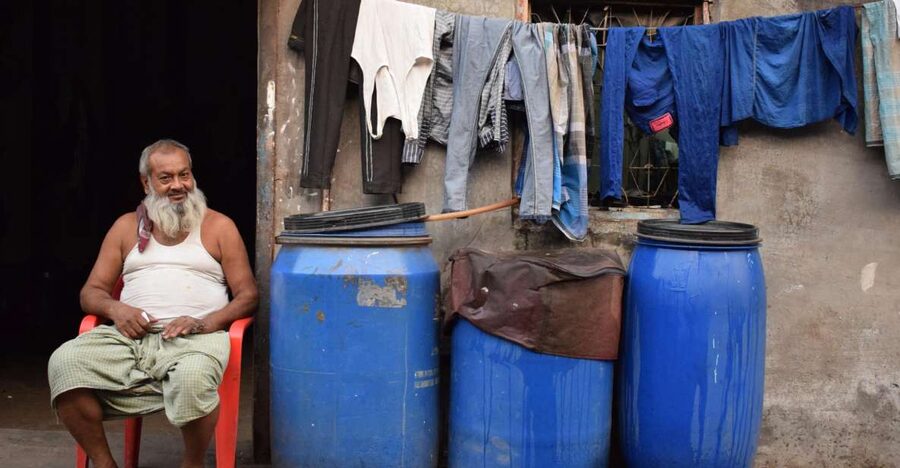
- See Dharavi as a place of work: The route visits recycling, pottery, leather, food production, embroidery, and other local industries.
- Expect a careful approach: The guide explains local life without treating residents as scenery or a spectacle.
- Choose your add-on: Depending on the option booked, you can have lunch in a family home or take a walk focused on local art.
- Allow up to 3.5 hours: The basic walk lasts about 2.5 hours, while some options run longer.
- Dress for the setting: Wear modest clothes and comfortable closed-toe shoes.
- Leave your camera away: Photography is not allowed in order to protect residents’ privacy.
Why Dharavi is more than its reputation
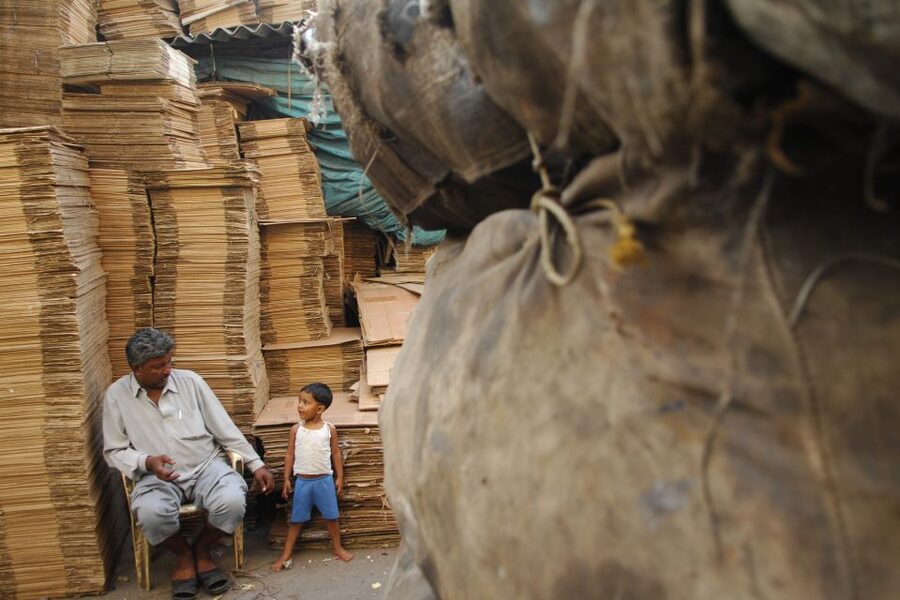
Dharavi is often described with the blunt label of one of Asia’s largest slums. That description is not entirely wrong, but it tells you very little about how the area functions.
This is also a place of work, trade, migration, and enterprise. The local economy is estimated to turn over about $1 billion each year. You will hear how people from different parts of India settled here, built businesses, and formed neighborhoods within a crowded urban area.
That context matters. You are not just walking through alleys and looking at workshops. You are learning how migrants made homes, found work, and created a community in one of Mumbai’s most pressured districts.
The guide also helps you separate real conditions from the crude picture often presented in films and sensational media. Dharavi does face serious challenges, including crowded housing and limited space. Yet it is also a place where people earn a living, raise families, worship, study, and run businesses.
I find that balance essential. A good tour should not hide hardship, but it should not turn hardship into entertainment either.
More Dharavi walking tours:
- Dharavi slum tour in Mumbai by Female tour guides of the slum
★ 5.0 · 1,976 reviews - Mumbai: Dharavi Slum, DhobiGhat, and Dabbawallas Tour
★ 4.9 · 689 reviews - Dharavi Slum Tour
★ 5.0 · 625 reviews
Starting at Churchgate or Mahim
You can begin from one of several meeting points, including Churchgate and Mahim Junction Railway Station. Your exact starting point depends on the option you choose, so check the booking details before setting out.
The walk begins with a safety briefing and an overview of the route. That short introduction is useful because Dharavi’s lanes can feel confusing at first. Your guide gives you a sense of what you are about to see and explains the rules, especially the no-photography policy.
Mahim is a practical starting area for this experience because it places you near Dharavi rather than treating the area as a distant curiosity. Churchgate may suit you better if you are already exploring south Mumbai, but you should allow time to reach the meeting point.
There is no hotel pickup or drop-off. At the end, the tour returns you to the Reality Tours and Travel point at 53 Sulochana Shetty Marg, near Sion, or another stated drop-off location connected with your selected option.
The viewpoint and the first look at Dharavi
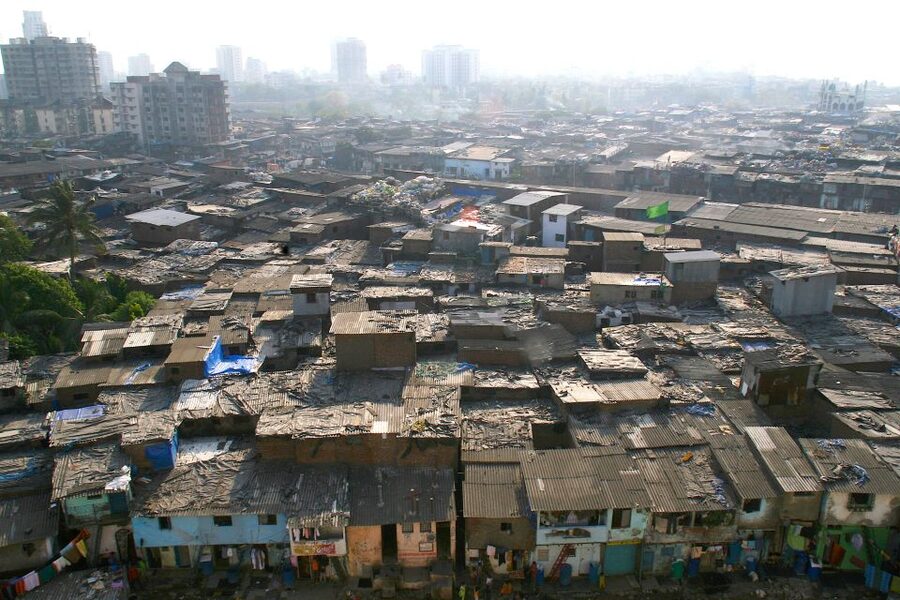
An early viewpoint helps you understand the scale of the settlement before you enter its lanes. From above, the area is easier to read as a dense urban district rather than a series of disconnected alleys.
The rooftop view is one of the more useful parts of the walk. It gives you a wider sense of how tightly the homes, workshops, and lanes fit together. You may also begin to see why a local guide matters here. A visitor walking alone would have little idea which passage leads where or how the different work areas connect.
Do not expect a polished viewing platform or a long stop devoted to photography. The route is built around explanation and movement. Since cameras are not allowed, use the viewpoint to pay attention to the shape of the area and listen to the local context.
Navrang Compound and the working side of Dharavi
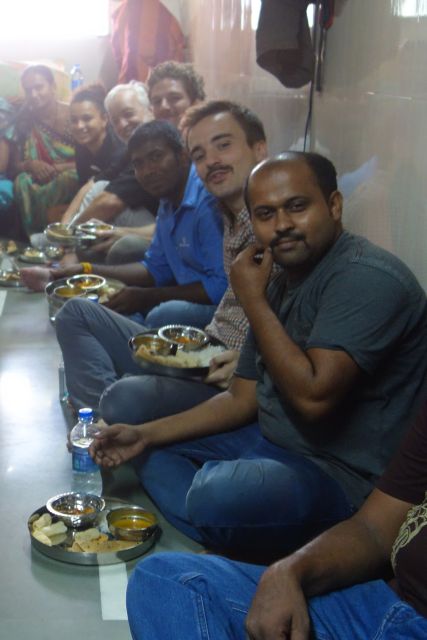
The stop at Navrang Compound lasts about 30 minutes and gives the tour room to focus on the work that keeps the neighborhood moving.
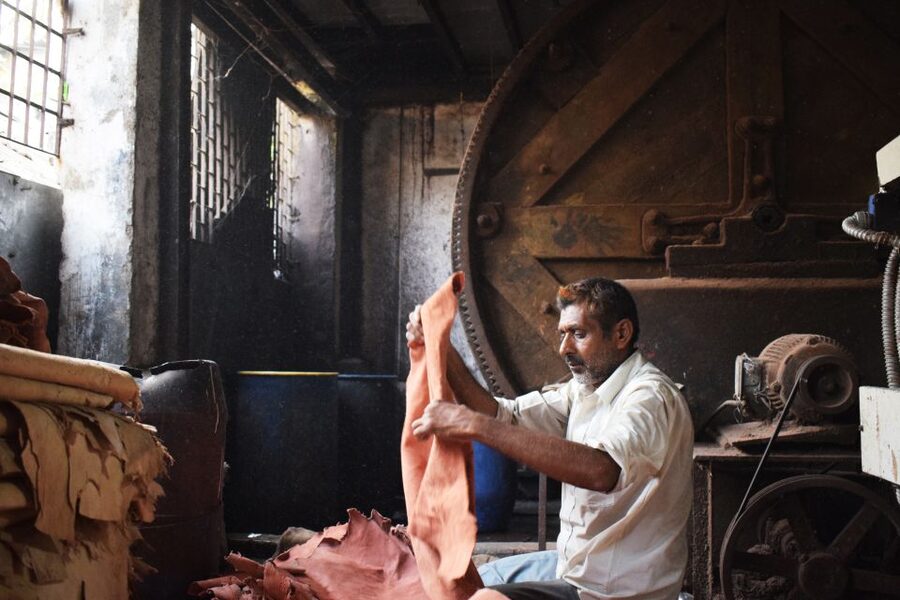
Dharavi’s businesses are varied. You might see recycling operations, leather work, pottery, embroidery, bakeries, soap production, and the making of poppadoms. The point is not to rush past ten industries and collect a list. It is to understand how production takes place in a crowded district where homes and workplaces often sit close together.
Recycling is especially useful for understanding the economic character of Dharavi. Materials that might be treated as waste elsewhere can become the base for a local business. Pottery and leather work show another side of the area, with skills passed through families and work shaped by space, demand, and access to materials.
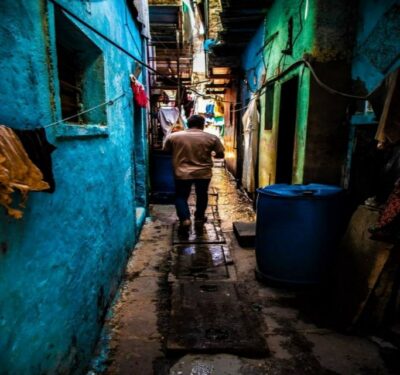
Conditions can be basic. Walkways may be narrow, surfaces uneven, and air quality unpleasant in some work areas. You should wear shoes that can handle dirt and damp ground. During the monsoon, closed-toe footwear becomes even more important.
More guided walks on foot:
- Group Guided Walking Tour in Fort and Colaba
★ 5.0 · 1,073 reviews - Private Guided Walking Tour in Fort & Colaba
★ 5.0 · 895 reviews - Private Guided Walking Tour in Bandra Queen of Suburbs
★ 5.0 · 383 reviews - Private Guided Spiritual Walk in Banganga Hindu Temples
★ 5.0 · 271 reviews
Gokulam Store and everyday commerce
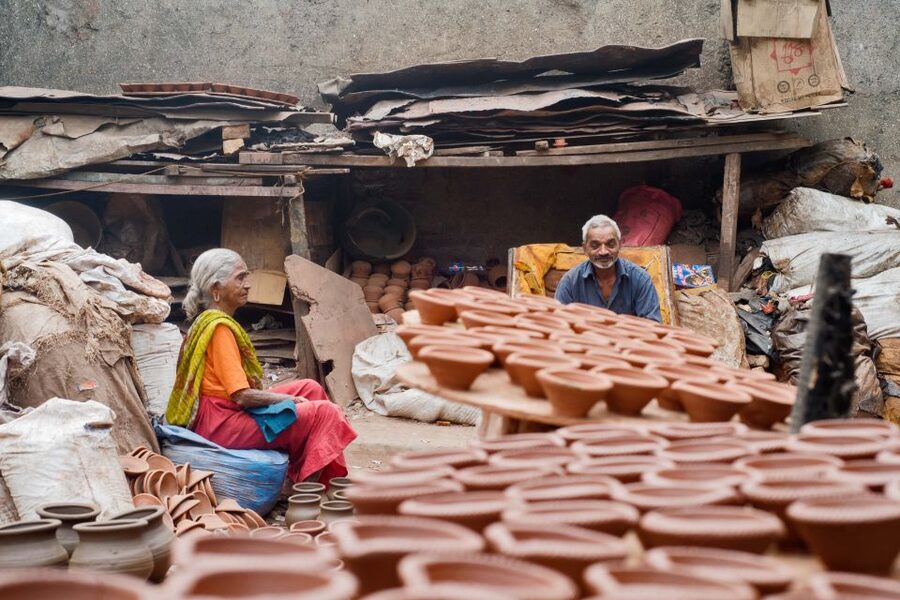
The approximately 20-minute stop at Gokulam Store shifts attention toward neighborhood commerce and daily life.
A shop like this helps explain that Dharavi is not only a collection of production units. It is also a residential district with ordinary needs, routines, and local buying habits. Your guide can connect what you see in the shop to the larger story of how people live and work in the same compact area.
This is where the tour’s slower, explanatory style pays off. You may not spend long at any one place, but the guide links each stop to migration, employment, and community life. The experience becomes less about dramatic sights and more about learning to read a place that does not reveal itself quickly.
The small group helps here. With no more than six people, you are less likely to block a passage or overwhelm a shop. Keep your voice low, stay close to your guide, and remember that residents are going about their day rather than performing for an audience.
Reality Gives and the education connection

A short stop at Reality Gives introduces the education work connected to the tour. It lasts only a few minutes, but it explains why the community contribution matters.
The tour directs 80% of its profits toward educational community initiatives. One stated focus is English and skills literacy. That means your payment is connected to more than the walking route, although you should still judge the tour on its quality and respectful conduct.
I appreciate the direct link between tourism and local education. It gives you a practical way to support a project while learning about Dharavi, without pretending that a few hours of sightseeing can solve the area’s larger problems.
The stop is brief, so do not expect a full class or a long presentation. Its role is to show you the social purpose behind the operation. If community benefit is an important part of your booking decision, this is one of the strongest reasons to consider this experience.
Kumbhar Wada and the pottery tradition
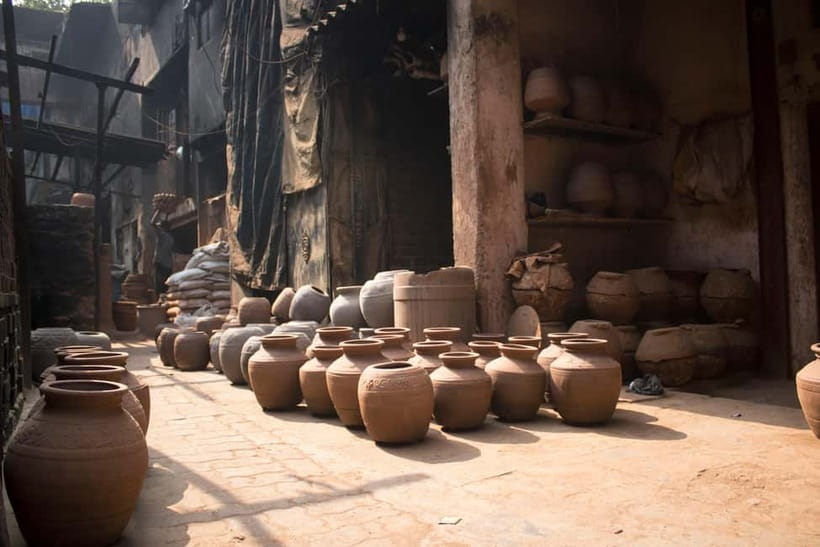
Kumbhar Wada is the pottery area, with about 15 minutes set aside for a guided visit and some self-guided time.
The stop adds a different texture to the route. After seeing recycling and other forms of production, pottery shows how a specialized craft can remain part of a dense urban neighborhood. You may see the working environment and learn how the craft fits into local life.
The self-guided element gives you a little freedom, but follow the instructions from your guide. This is still a residential and working area, not an open-air museum. Do not touch tools or goods unless invited, and keep the no-camera rule in mind.
Fifteen minutes is enough for a useful introduction, but not enough for a full lesson in pottery. If you want long, hands-on craft demonstrations, this is not that sort of tour. The strength is the wider picture, with several industries placed side by side.
The residential lanes and religious diversity
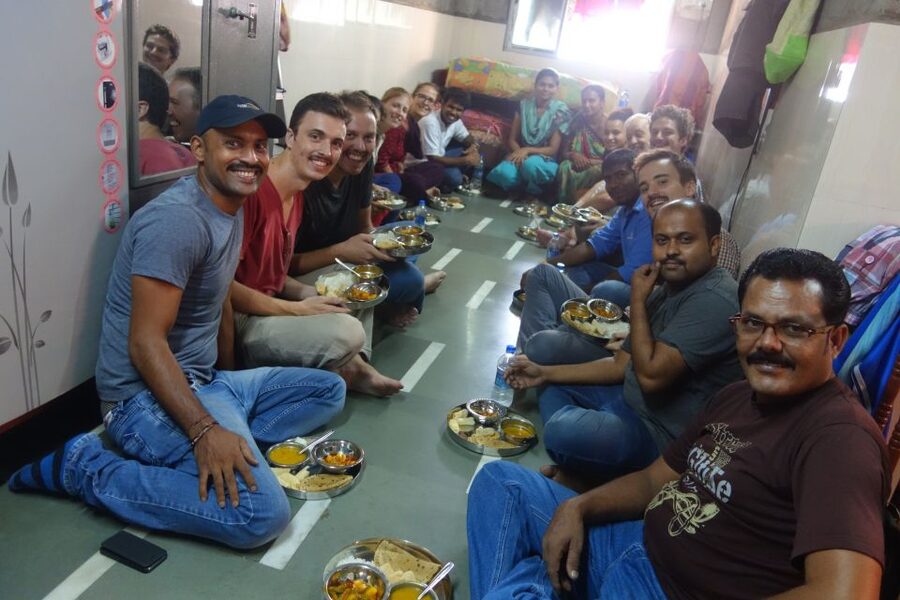
The walk also enters residential parts of Dharavi. This is a key difference between a simple industry tour and a fuller look at the community.
People from across India have made homes here, and that diversity appears in the temples, mosques, churches, and pagodas found close to one another. The area becomes a small reflection of the country’s wider mix of languages, customs, and faiths.
For you, this section may be the most revealing and the most sensitive. Workshops are easier to view as places of business, but homes are private. The no-photography rule is especially important here. Keep moving with the group, avoid staring into doorways, and let the guide decide when a conversation is welcome.
The narrow lanes can be difficult if you are tall or uncomfortable in confined spaces. One account of the walk described the heat and tight passages as a real challenge. That is useful warning, not a reason to avoid the experience if you can manage close quarters, but you should know what you are choosing.
Lunch, street art, and the longer options
Depending on your booking, you can add lunch in a family home. The meal portion is listed at about 35 minutes and focuses on regional food.
This option changes the tone of the experience. Instead of only observing work and streets, you spend time in a domestic setting. It can offer a more personal sense of how people live, but you should still approach it with good manners and modest expectations. This is a short hosted meal, not a restaurant visit or a cooking course.
Lunch is not included in the basic option. It is included only if you select the lunch version, so check the price and inclusions before paying.
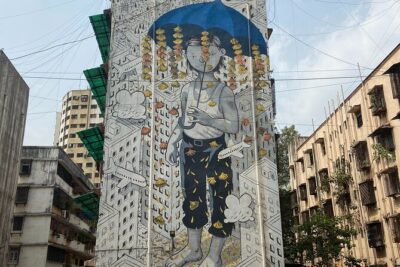
Another option is a street art walk. The art route can be especially worthwhile if you want to think about how residents and artists express ideas about Dharavi. The art is not just decoration, and the guide’s explanation of its meaning adds the most value.
The longer version of the tour runs around 3.5 hours, while the shorter version takes about 2.5 hours. If you have a tight Mumbai schedule, choose carefully. The lunch or art option gives you more time and a different focus, but it also makes the walk longer.
Heat, clothing, and practical comfort
Dress modestly. Avoid low-cut or sleeveless tops and short shorts. Loose, respectful clothing is the safest choice for a walk through residential areas and places of worship.
Wear comfortable closed-toe walking shoes. Some sections may be dirty, and monsoon conditions from June through mid-September can make the ground especially unpleasant. Carry water, though water or a cold drink is included with the tour.
The walk is conducted in English with a local guide. Past guides have included Leena, Rishi, Divia, and others, but the person leading your tour depends on the day. The strongest part of the guiding is the personal explanation of local life. One guide was described as having lived experience of a Mumbai slum, which can add useful perspective, though you should not assume every tour will have the same guide.
Wheelchair users cannot take this tour, and baby strollers are not allowed. The tight lanes, uneven surfaces, and working areas make this a poor choice for anyone who needs step-free access.
Why the $20 price can be worthwhile
At about $20 per person, the tour is fairly priced for a 2.5 to 3.5-hour guided walk, especially with water or a cold drink included. The value is not in a famous monument or a long list of ticketed sights. It comes from access, interpretation, and the chance to understand a part of Mumbai that is easy to misread from a distance.
The small group is another value point. A maximum of six people gives the guide room to answer questions and helps reduce the sense of a large group passing through private streets.
The community funding also matters. Since 80% of profits go toward educational initiatives, you can choose an experience that directs much of its income back into local work. That does not remove the ethical questions around visiting a low-income neighborhood, but the non-intrusive rules and community focus make the approach more responsible.
I would not book it simply to see something shocking. I would book it if you want context, local business stories, and a better understanding of how a large Mumbai community works.
Should you book the Dharavi walk?
Book this tour if you are comfortable walking through narrow, hot, and sometimes dirty lanes, and if you want a thoughtful look at Dharavi’s businesses and residential life. It suits curious adults, first-time Mumbai visitors, and anyone interested in migration, urban economies, or community education.
Choose the lunch option if you want a more personal domestic setting. Choose the art walk if visual culture interests you. Stick with the shorter version if your schedule is tight or you are unsure about the heat.
Skip it if you need wheelchair access, cannot manage close spaces, or mainly want photographs. The photography ban is strict and central to the tour’s respectful approach.
For the right person, this is one of the more useful ways to understand Mumbai beyond its usual monuments. You leave with fewer stereotypes, a clearer picture of local enterprise, and the knowledge that much of your fee supports education.
FAQ
How long does the Dharavi walking tour last?
The tour lasts about 2.5 to 3.5 hours, depending on the option you choose. Lunch and the art walk can make the experience longer.
What is included in the tour?
A local English-speaking guide and water or a cold drink are included. Lunch is included only with the lunch option.
Where does the tour start?
Starting points include Churchgate and Mahim Junction Railway Station. The meeting point may vary according to the option booked.
Is photography allowed in Dharavi?
No. The tour has a strict no-photography policy to respect the privacy of local residents.
What should I wear?
Wear modest clothing, avoiding low-cut or sleeveless tops and short shorts. Comfortable closed-toe walking shoes are recommended because some areas may be dirty, especially during the monsoon.
Is the tour suitable for wheelchair users or baby strollers?
No. The tour is not suitable for wheelchair users, and baby strollers are not allowed.
How does the tour support Dharavi’s community?
Eighty percent of the tour profits are reinvested in educational community initiatives, including English and skills literacy work.
Just added around Mumbai
- Temples & Vineyards: Private Tour to Nashik from Mumbai★ 4.5 · 3 reviews
- Mumbai: Private City sightseeing and Dharavi Slum Tour★ 5.0 · 3 reviews
- Elephanta Island Private Speedboat Tour from Mumbai – 6pax★ 5.0 · 3 reviews
- Mumbai: Full Day City Sightseeing with Lunch, Car & Guide★ 4.3 · 3 reviews
- Mumbai: Elephanta Island and Elephanta Caves Guided Tour★ 4.4 · 3 reviews
- Mumbai Sightseeing Tour by Public Transport with family Lunch★ 5.0 · 3 reviews
- Mumbai by Dawn★ 4.5 · 3 reviews
- Mumbai Dharavi Slum Community Tour★ 5.0 · 3 reviews
Dharavi Slum Tours, compared.
Dharavi slum tour in Mumbai by Female tour guides of the slum
Read our review →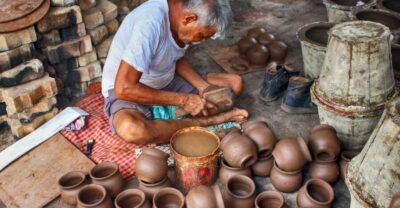
Dharavi Slum Slumdog Millionaire Tour with a Local
Read our review →
Mumbai Slum Tour – Visit Dharavi Slum with Local Guide
Read our review →
Dhobi Ghat Laundry and Dharavi Slum Tour with Local
Read our review →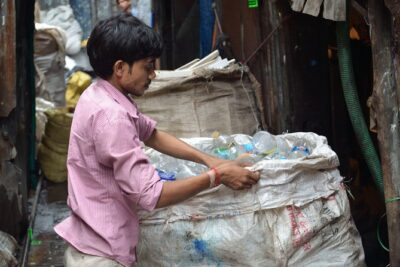
Browse the lists this tour appears in