
Reviewed · DHARAVI SLUM TOURS
Mumbai: Dharavi Slum Tour with Dhobi Ghat (Open-Air Laundry)
Mumbai’s Dharavi is far more than a place of cramped lanes. It is a working district where recycling, pottery, leather, textiles, bakeries, and small factories support a large share of the city’s daily economy. This tour puts that work at the center, then carries you to Dhobi Ghat, where laundry is washed, dried, ironed, and sorted by hand.
I like two things here. First, the guide-led walk gives you a useful look at enterprise and skill, rather than treating Dharavi as a backdrop for poverty. Second, the price is remarkably low for three hours with an English-speaking guide. The main consideration is that the tour involves narrow, crowded lanes, limited restroom access, and a laundry stop that may feel brief.
In This Review
- Key points to know before booking
- Why Dharavi deserves a closer look
- Starting outside Third Wave Coffee
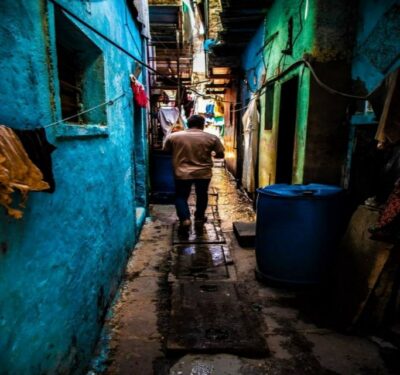
- Walking Dharavi’s narrow working lanes
- The difficult question of poverty tourism
- What guides Pooja, Varsha, and Anushka add
- From Dharavi to Dhobi Ghat
- Price, timing, and physical demands
- Photography, food, and simple preparation
- Who will get the most from this tour
- Should you book the Dharavi and Dhobi Ghat tour?
- FAQ
- How long does the tour last?
- Where does the tour begin?
- Where does the tour finish?
- Is the tour conducted in English?
- Are food, drinks, and hotel transfers included?
- What should I bring and what is not allowed?
Key points to know before booking
- Dharavi’s working side: See recycling, pottery, leatherwork, textile production, bakery units, and other small businesses.
- Guides with local insight: Pooja, Varsha, and Anushka have received especially warm praise for clear explanations, humor, and personal knowledge of Dharavi.
- Dhobi Ghat finish: End at a viewing deck overlooking Mumbai’s famous open-air laundry.
- Three hours on foot: Wear comfortable shoes, carry water, and expect busy streets and tight passages.
- A respectful visit: Photography is allowed, but you must follow the guide’s advice around homes, workers, and private moments.
- Excellent low-cost value: At $4.94 per person, this is one of Mumbai’s least expensive guided cultural experiences.
Why Dharavi deserves a closer look
The word slum can make Dharavi sound like a place defined only by hardship. That misses the point of this tour. The walk focuses on how people earn money, organize work, reuse materials, and build businesses in a difficult urban setting.
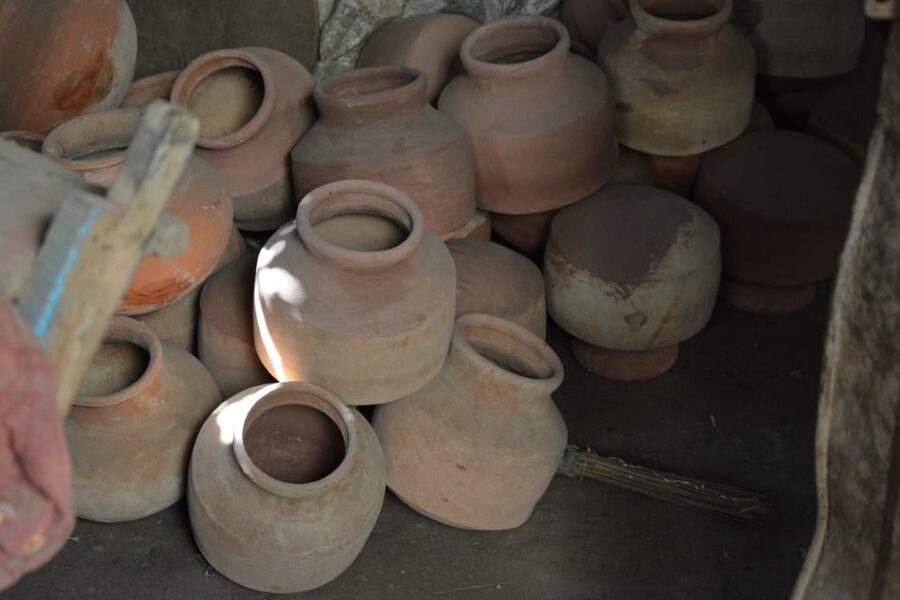
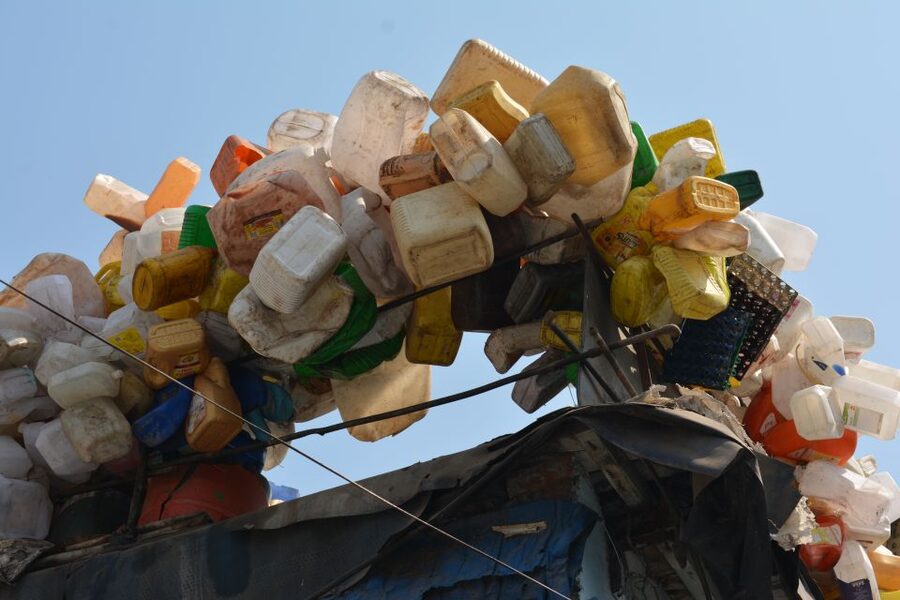
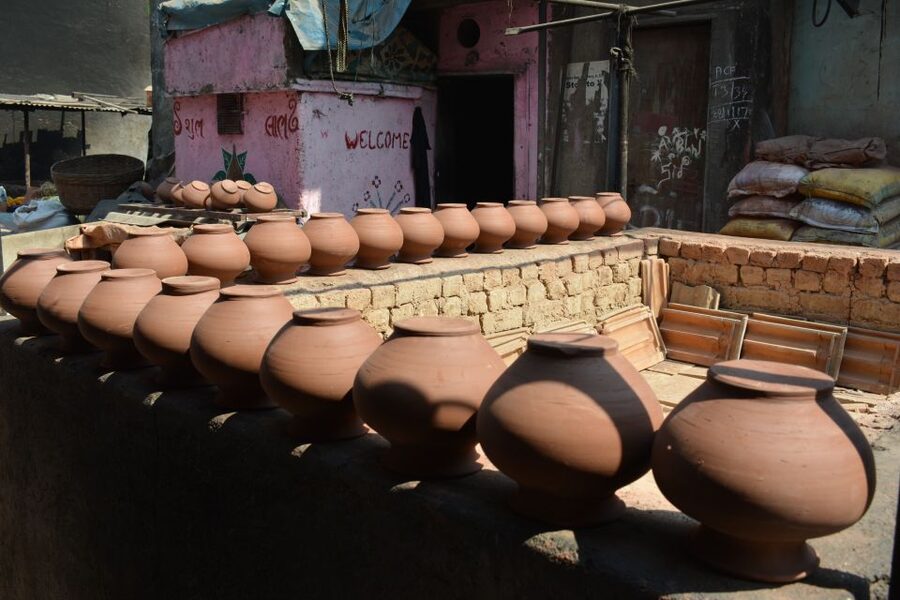
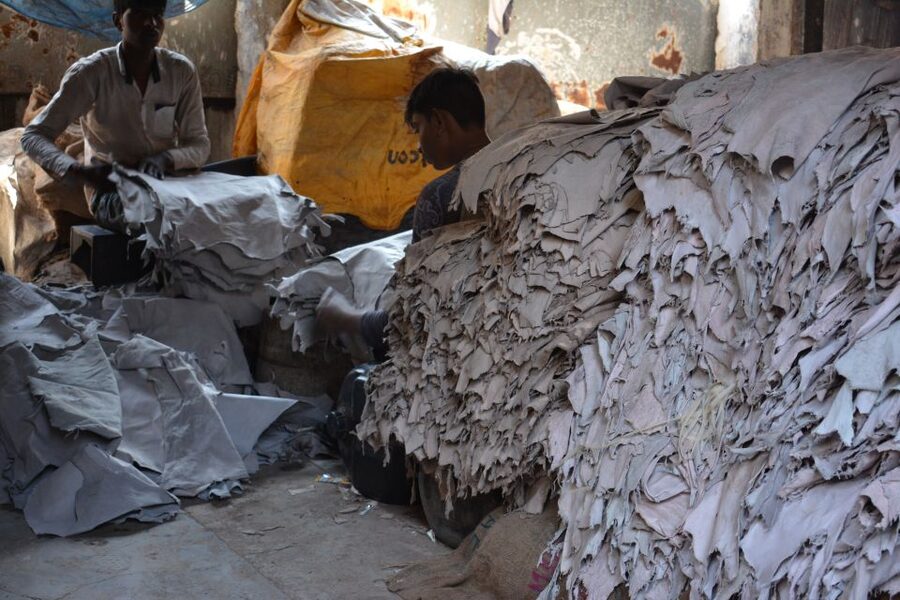
You may see plastic sorted and processed for reuse, textiles handled in small workshops, leather goods made, pottery shaped, and products prepared for sale. The important lesson is not simply that these activities exist. It is that Dharavi operates as a serious economic center, with workers turning limited space and discarded material into useful products.
I find this focus far more worthwhile than a quick pass through residential lanes with no context. The best parts of the experience explain how the neighborhood functions and why its workers matter to Mumbai. You are not just looking at buildings. You are learning how raw materials, labor, craft, and trade fit together.
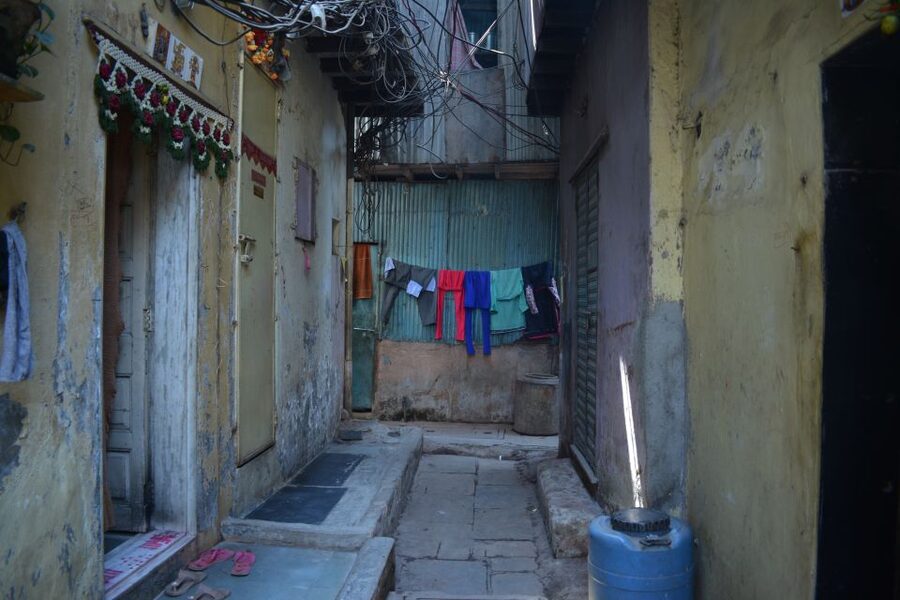
That does not make the visit comfortable at every moment. Dharavi is densely occupied, and some workers live close to or inside their places of work. You may notice difficult housing conditions as well as impressive industry. A good guide helps you hold both facts in mind without turning either one into a spectacle.
More Dhobi Ghat and dabbawala tours:
- Mumbai: Dharavi Slum, DhobiGhat, and Dabbawallas Tour
★ 4.9 · 689 reviews - Mumbai: Dhobi Ghat Laundry and Dharavi Slum Tour with Local
★ 5.0 · 469 reviews - Mumbai: Dharavi Slum & Dhobi Ghat Laundry Tour
★ 5.0 · 352 reviews
Starting outside Third Wave Coffee
The meeting point is outside the Third Wave Coffee shop. Arrive about 15 minutes early. This gives you time to find the guide, use a restroom, drink water, and prepare for the walk.
The tour does not include hotel pickup, so you need to reach the meeting point on your own. It also does not include food or drinks. Have something to eat before setting out, especially if you are joining during Mumbai’s hotter hours.
Your guide will lead the Dharavi portion in English. The strongest guide names associated with this experience include Pooja, Varsha, and Anushka. Pooja is praised for explaining the area’s industries in clear detail and answering questions thoughtfully. Varsha is noted for taking visitors through textile and plastic-recycling work, while Anushka brings personal experience from growing up in Dharavi.
Guide quality matters a great deal here. The lanes can look confusing, and a guide who knows the people and businesses can explain what you are seeing without slowing the walk or causing unnecessary attention.
Walking Dharavi’s narrow working lanes
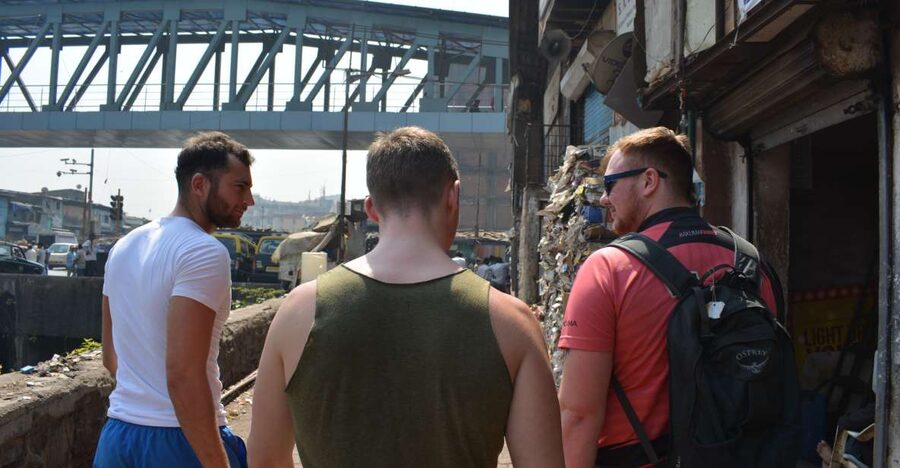
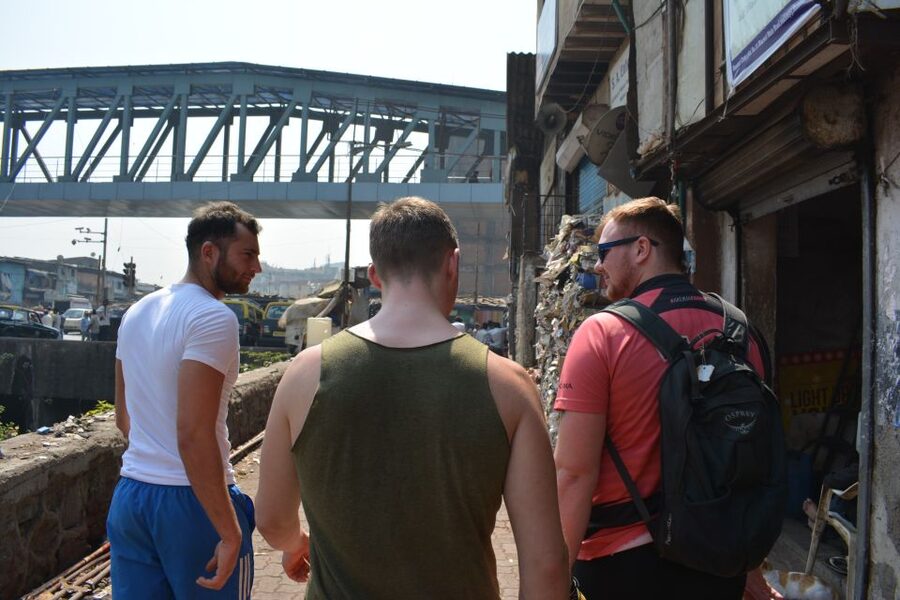
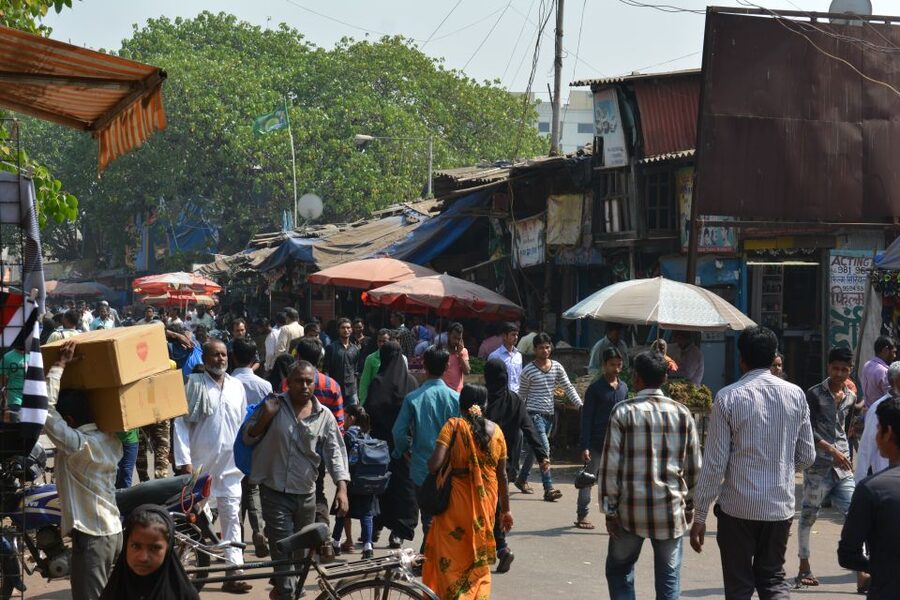
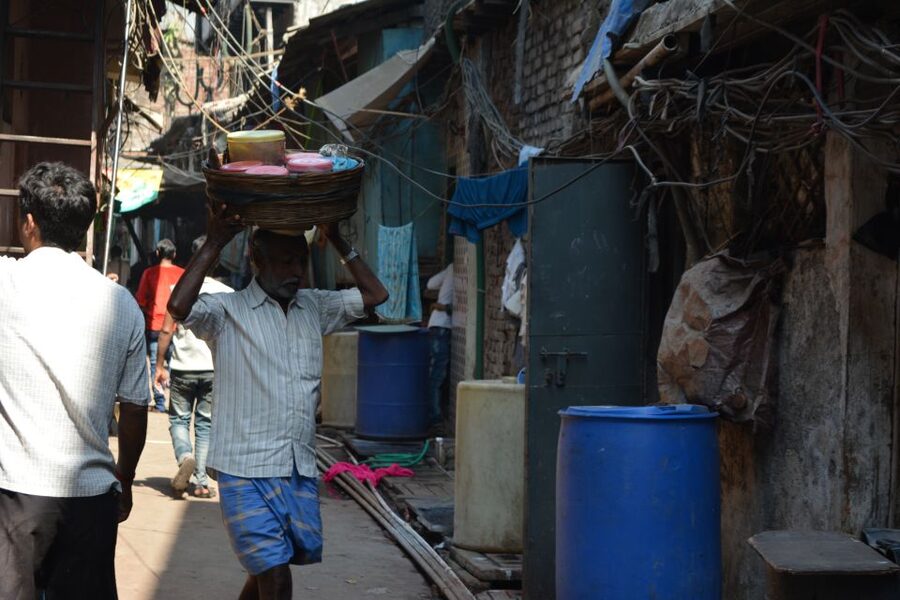
The main Dharavi visit lasts about two and a half hours, so this is not a quick photo stop. You will walk through narrow lanes and busy streets while the guide points out workshops, market activity, crafts, and production spaces.
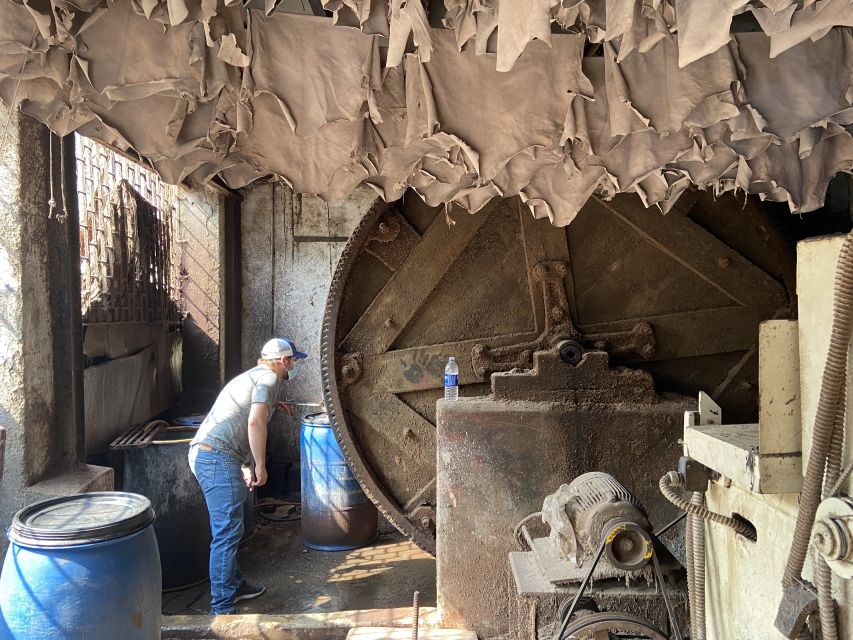
The tour’s strongest subject is recycling. Waste materials are sorted, cleaned, processed, and turned into something useful. Watching this work changes the way you think about the word waste. It also gives you a practical look at how local workers create value with modest equipment and tight space.
You may also encounter leatherwork, textiles, pottery, bakery units, and other small-scale trades. The variety is what makes the walk work. One lane may focus on one type of production, while another reveals a different craft or market activity.
The tour does not promise a shopping program, but you may see handicrafts, fabrics, and finished goods along the way. If you want to buy something, ask your guide what is appropriate. The aim is to understand local work first, not to turn every workshop into a sales stop.
A useful detail from the experience is the way guides explain the connection between work and home. One account noted that some workers live in the same places where they work. That can be striking, and it gives you a clearer sense of the pressure on space in Dharavi. The tour may emphasize industry more than domestic life, so book it for an economic and social look rather than a full survey of housing.
The difficult question of poverty tourism
Many people hesitate before booking a Dharavi tour. That hesitation is sensible. No one wants to photograph people’s homes or hardship as if it were a show.
This experience is best approached as a guided visit to a living community, not as a hunt for dramatic images. Your guide will tell you when photography is acceptable and when you should put the camera away. Follow that advice without debate. A person working or living in Dharavi deserves the same privacy you would expect at home.
The economic focus helps. You spend much of the walk learning about work, recycling, production, and local organization. That gives the visit more substance than simply seeing poor housing from a passing viewpoint.
Still, a respectful tour does not erase the ethical question. You are entering a neighborhood where people live and work. Keep your voice low, do not photograph individuals without permission, and avoid blocking lanes or doorways. Pay attention to the guide instead of trying to document every corner.
I would recommend this experience to people who want context and are willing to be observant. I would not recommend it to anyone looking mainly for sensational photographs or a quick dose of shock.
More Dharavi walking tours:
- Dharavi slum tour in Mumbai by Female tour guides of the slum
★ 5.0 · 1,976 reviews - Dharavi Slum Tour
★ 5.0 · 625 reviews - Dharavi Slum tour in Mumbai by local resident
★ 5.0 · 572 reviews - Mumbai: Dharavi Slum Slumdog Millionaire Tour with a Local
★ 4.9 · 529 reviews
What guides Pooja, Varsha, and Anushka add
The most praised part of the experience is the guiding. Pooja is described as especially strong at explaining Dharavi’s complexity, industries, and daily life. She also speaks several languages and has a good sense of humor, useful qualities during a long walk through unfamiliar surroundings.
Varsha is associated with tours showing textile work and plastic recycling. Her local connections help make the small factories more understandable. Rather than pointing at a workshop and moving on, she can explain what is being made and how people earn from it.
Anushka offers a different kind of insight because she grew up in Dharavi. That personal connection can give the walk a more human tone, with stories and details that a guide who only works in the area may not provide.
You cannot always choose your guide, so keep expectations practical. The provider uses English-speaking guides, and the individual style may vary. The high overall rating of 4.8 from 62 reviews reflects strong satisfaction, but one weaker account also points to an important issue: the second half of the experience may not match the first in depth.
From Dharavi to Dhobi Ghat
The tour ends at the Dhobi Ghat viewing deck, after the Dharavi walk. One account describes a train journey as part of the changeover, but the supplied route does not give full transport details. Ask the guide at the start how the group will move between the two areas and allow some flexibility.
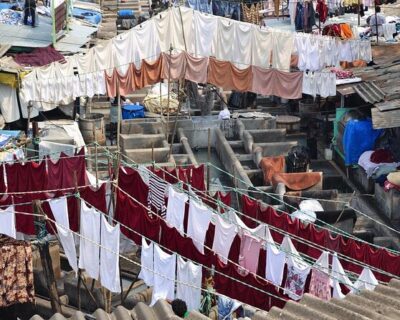
Dhobi Ghat is one of Mumbai’s most distinctive working sights. From the viewing deck, you can watch washermen handle large amounts of clothing through a process that includes washing, drying, ironing, and sorting. The activity is practical and highly organized, with each stage carried out by hand.
The view is more about seeing the system than entering every work area. The published experience promises the viewing deck, not a full guided walk inside the laundry. This matters because one account found the Dhobi Ghat portion lasted less than 30 minutes and did not include a descent into the laundry.
I would treat Dhobi Ghat as a short final stop rather than an equal second tour. Dharavi receives about two and a half hours, while the laundry visit may be much shorter. If you want an extended, ground-level look at the laundry, confirm what is included before paying for the booking.
Price, timing, and physical demands
At $4.94 per person, the tour offers very good value if you want a local introduction to two unusual parts of Mumbai. A three-hour guided walk at this price costs less than many short city attractions, and the guide adds context you would not get from viewing Dharavi or Dhobi Ghat alone.
The low price also means you should not expect a private car, hotel transfer, meals, or a long sit-down explanation. This is a basic walking experience with an English-speaking guide. Its value comes from access and interpretation, not comfort.
You need comfortable shoes. The route passes through narrow lanes and busy streets, and you may be walking for most of the three hours. Bring a hat and a reusable water bottle. Restroom facilities can be limited, so use one before the tour begins.
The tour operates in rain or shine. Mumbai weather can make walking harder, so carry suitable clothing or an umbrella when rain is possible. Large bags, luggage, and baby strollers are not allowed, which is sensible for tight lanes but important to plan for if you are arriving directly from a hotel checkout or airport transfer.
The tour is not suitable for wheelchair users because of the walking conditions. It is also listed as unsuitable for people over 95 years old. Anyone with mobility concerns should consider the narrow passages, busy streets, and length of the walk before booking.
Photography, food, and simple preparation
Bring a camera if you like, but use it carefully. The tour allows photography under the guide’s instructions. Ask before photographing people, work areas, homes, or anything that feels private.
I would carry only a small water bottle and the items you need for three hours. Large bags are not permitted, and a light load makes it easier to move through narrow lanes.
Eat before or after the tour. No meals or snacks are included, and there may not be a convenient break during the Dharavi walk. Starting with water and a proper meal will make the experience more comfortable.
Arrive 15 minutes early at Third Wave Coffee. Mumbai traffic and busy streets can add stress, so do not plan to reach the meeting point at the exact departure time.
Who will get the most from this tour
This tour suits you if you want to see Mumbai through work, craft, and local enterprise. It is particularly useful for first-time visitors who want more than famous monuments, and for anyone curious about recycling, small manufacturing, textiles, and the daily systems that keep a huge city running.
You will also appreciate it if you prefer a guide who can answer questions. Pooja’s explanations, Varsha’s familiarity with recycling and textiles, and Anushka’s connection to Dharavi suggest that the human guide is central to the experience.
It may not suit you if you need easy access, quiet paths, frequent restrooms, or a polished sightseeing format. It is also a poor choice if your main goal is a long visit inside Dhobi Ghat. The laundry portion can be brief and may remain a viewing-deck experience.
The tour works best when you arrive ready to listen, walk, and accept some uncertainty. Dharavi is a real neighborhood, not a staged attraction, and the work you see may not unfold on a neat schedule.
Should you book the Dharavi and Dhobi Ghat tour?
Book it if you want a low-cost, guide-led look at Mumbai’s working life and can approach Dharavi with respect. The long Dharavi section is the clear strength, especially when you get a guide such as Pooja, Varsha, or Anushka who can explain local industries and answer questions.
Keep your expectations modest for Dhobi Ghat. You will see the laundry from a viewing deck, but the second part may be short and may not include access inside the work area.
For $4.94, the balance is favorable. You get three hours, an English-speaking guide, and a direct look at recycling, craft, trade, and traditional laundry. Just bring comfortable shoes, water, patience, and a willingness to put the camera away when asked.
FAQ
How long does the tour last?
The experience lasts three hours. About two and a half hours are set aside for the guided Dharavi walk, followed by the Dhobi Ghat visit.
Where does the tour begin?
Meet the guide outside the Third Wave Coffee shop. Arrive 15 minutes before the scheduled departure time.
Where does the tour finish?
The tour finishes at the Dhobi Ghat viewing deck.
Is the tour conducted in English?
Yes. The activity includes a live English-speaking guide.
Are food, drinks, and hotel transfers included?
No. Hotel pickup and drop-off, food, and drinks are not included. It is sensible to eat beforehand and carry a reusable water bottle.
What should I bring and what is not allowed?
Bring comfortable shoes, a hat, and a camera. Baby strollers, luggage, and large bags are not allowed. Photography is permitted, but you must follow the guide’s instructions and respect residents’ privacy.
Just added around Mumbai
- Temples & Vineyards: Private Tour to Nashik from Mumbai★ 4.5 · 3 reviews
- Mumbai: Private City sightseeing and Dharavi Slum Tour★ 5.0 · 3 reviews
- Mumbai: Full Day City Sightseeing with Lunch, Car & Guide★ 4.3 · 3 reviews
- Elephanta Island Private Speedboat Tour from Mumbai – 6pax★ 5.0 · 3 reviews
- Mumbai: Elephanta Island and Elephanta Caves Guided Tour★ 4.4 · 3 reviews
- Mumbai Sightseeing Tour by Public Transport with family Lunch★ 5.0 · 3 reviews
- Mumbai by Dawn★ 4.5 · 3 reviews
- Mumbai Dharavi Slum Community Tour★ 5.0 · 3 reviews
Dharavi Slum Tours, compared.
Dharavi slum tour in Mumbai by Female tour guides of the slum
Read our review →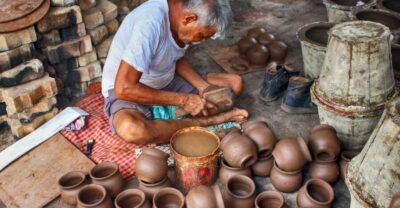
Dharavi Slum Slumdog Millionaire Tour with a Local
Read our review →
Mumbai Slum Tour – Visit Dharavi Slum with Local Guide
Read our review →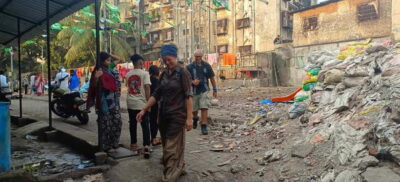
Dhobi Ghat Laundry and Dharavi Slum Tour with Local
Read our review →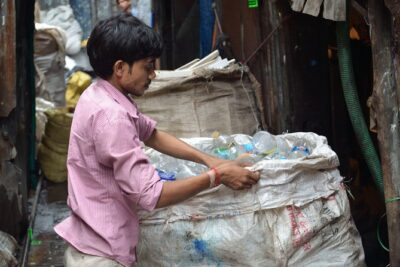
Browse the lists this tour appears in