
Reviewed · DHARAVI SLUM TOURS
Mumbai Dharavi Slum, Dhobi Ghat & Dabbawala Lunchbox Tour
Mumbai’s dabbawala network and Dharavi’s small workshops show the city at work, not just the city on a postcard. In 3.5 hours, you move from meal delivery to open-air laundry, then through Dharavi’s lanes, where recycling, pottery, textiles, leather goods, and family businesses share tight quarters.
I like two things here: the local guides, many of whom know the neighborhoods personally, and the useful link between all three stops. This is not a tour about gawking at hardship. It explains work, organization, and daily life. The main drawback is the walking: Dharavi’s lanes can be tight, and the tour is not suitable for wheelchair users or people with mobility limits.
- Dabbawala logistics: Spend about 40 minutes learning how home-cooked meals are sorted and delivered across Mumbai.
- Dhobi Ghat access: See the century-old open-air laundry and its orderly rows of washing and drying.
- Dharavi industries: Visit working areas connected with recycling, pottery, textiles, leather, food, and other small businesses.
- Strong local guiding: Subhan, Jay, Ravi, Yash, Javed, and others have been praised for clear explanations and friendly care.
- Good value: At $17 per person, the price includes a local guide and local transport, though you must reach the meeting point yourself.
- Practical pace: The tour lasts 3.5 hours, with around 40 minutes at the dabbawala stop, 35 minutes at Dhobi Ghat, and 1.5 hours in Dharavi.
In This Review
- Mumbai at Work, From Lunchboxes to Laundry
- The Dabbawala Stop Takes You Inside Mumbai’s Meal System
- Dhobi Ghat and Its Rows of Washing Stones
- Dharavi: Work, Homes, and Local Enterprise
- Why the Guides Matter So Much
- Walking, Timing, and What the $17 Price Covers
- The Human Side of a Dharavi Visit
- Who Will Get the Most From This Tour?
- Booking Flexibility and Simple Preparation
- Should You Book the Dharavi and Dhobi Ghat Tour?
- FAQ
- How long does the Mumbai Dharavi, Dhobi Ghat, and Dabbawala tour last?
- What language is the tour conducted in?
- Is local transport included?
- Are meals and drinks included?
- Where does the tour start?
- Where does the tour finish?
- Is the tour suitable for young children?
- Is the tour suitable for wheelchair users?
- What should I bring?
- Can I cancel the booking?
Mumbai at Work, From Lunchboxes to Laundry
This tour gives you a useful way to read Mumbai. Instead of moving from one grand sight to another, you follow the systems that keep the city running: meals leaving homes, clothes being washed, and goods being made in small workshops.
The route has a clear rhythm. The dabbawala section introduces precision and coordination. Dhobi Ghat gives you a visual look at shared manual work. Dharavi adds the human and economic detail, showing how many trades operate in a dense neighborhood.
I like that the experience does not treat Dharavi as a single story. Your guide discusses its challenges, but also its creativity, jobs, businesses, and community life. You may see recycling, pottery, textiles, leather goods, food work, and other local activity rather than only residential lanes.
The tour has earned a 4.9 rating from 20 reviews, with repeated praise for the guides. Subhan is especially noted for being part of the local community and helping visitors feel at ease. Other highly praised guides include Jay, Ravi, Yash, Javed, Sharron, and Jawwad. Since the assigned guide can vary, you should expect the same format and local focus, but not necessarily a particular person.
The Dabbawala Stop Takes You Inside Mumbai’s Meal System
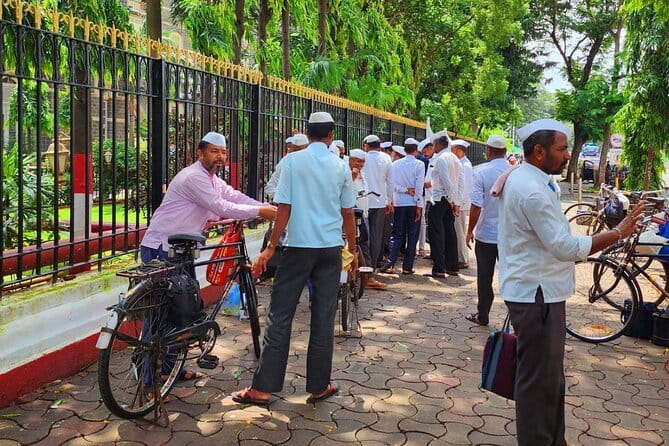
The first scheduled visit lasts about 40 minutes and focuses on Mumbai’s dabbawalas, the workers who move home-cooked meals through the city.
A dabbawala system depends on careful sorting, collection, transport, and delivery. The tour explains how thousands of lunchboxes make their way across Mumbai each day with very little technology. That is the point of this stop: you see how a simple-looking service depends on strict timing and a shared method.
Do not book this expecting a full lunch. Meals and drinks are not included. The word lunchbox refers to the delivery system and its food culture, not to a meal supplied as part of the tour.
I find this a smart opening because it gives you a way to think about Mumbai before entering Dharavi. The city can look chaotic from the outside, but the dabbawala story shows the planning underneath. Your guide covers the history of the system, how lunchboxes are sorted, and why it remains important to daily life.
This part may be less visually dramatic than Dhobi Ghat or Dharavi. Its value comes from explanation. If you enjoy seeing how a city functions, listen closely and ask questions. Guides such as Ravi and Jay have been praised for answering questions patiently and making the process easy to follow.
More Dhobi Ghat and dabbawala tours:
- Mumbai: Dharavi Slum, DhobiGhat, and Dabbawallas Tour
★ 4.9 · 689 reviews - Mumbai: Dhobi Ghat Laundry and Dharavi Slum Tour with Local
★ 5.0 · 469 reviews - Mumbai: Dharavi Slum & Dhobi Ghat Laundry Tour
★ 5.0 · 352 reviews
Dhobi Ghat and Its Rows of Washing Stones
The next stop is Dhobi Ghat, with about 35 minutes for guided sightseeing. This open-air laundry has been part of Mumbai for more than a century and remains one of the city’s most recognizable working sites.
You can expect to see dhobis washing, scrubbing, sorting, and hanging clothes to dry in a shared setting. The repeated rows and orderly work create a striking scene, especially when viewed against modern Mumbai nearby.
The tour aims to show the laundry as a workplace and a long-running tradition, not simply as a photo stop. Your guide explains what you are seeing and how the operation fits into the city. Several guide-led visits have included an opportunity to see Dhobi Ghat from closer inside areas, though the exact access can depend on conditions and the option booked.
Thirty-five minutes is enough for an introduction, but not enough for an extended study of every part of the laundry. That is a fair trade in a half-day tour with three separate subjects. Keep your camera ready, but remember that people are working. Follow your guide’s instructions and avoid treating the site like a stage set.
This stop also provides a helpful contrast with the dabbawalas. One system moves food through the city, while the other handles clothing. Both depend on people, repetition, and organization. That connection makes the route feel planned rather than random.
Dharavi: Work, Homes, and Local Enterprise
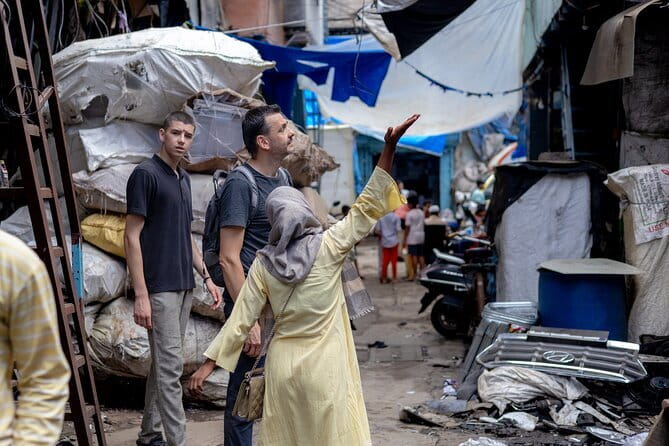
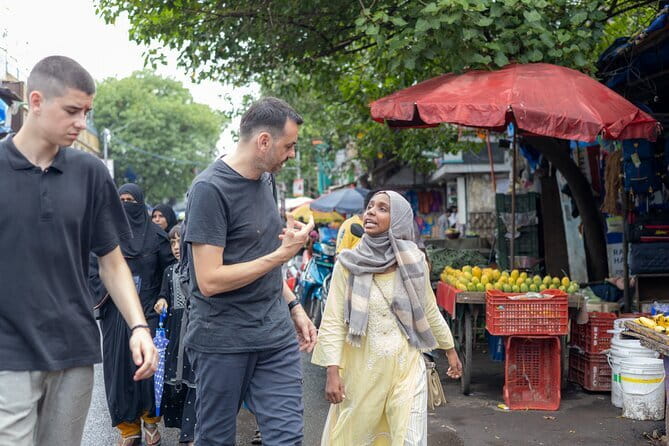
Dharavi receives the longest portion of the tour, about 1.5 hours. This is where the experience becomes most personal and where the guide’s local ties matter most.
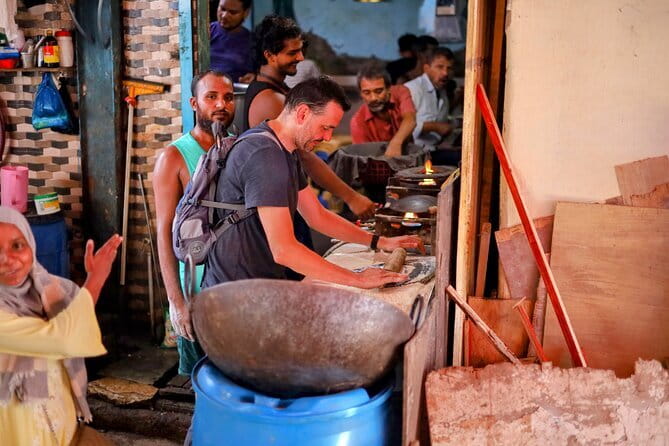
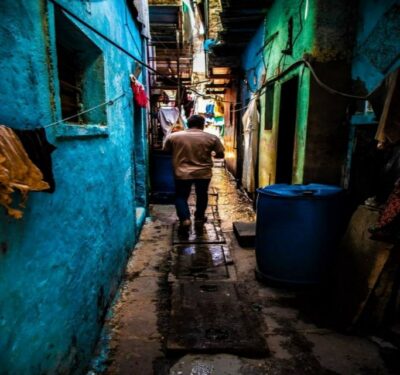
You walk through narrow lanes and see how residential and working spaces can exist close together. The tour covers small-scale industries including recycling, pottery, textiles, and leather goods. It also introduces the network of workshops and businesses that supports many livelihoods.
You might see materials being handled, goods being made, or daily work taking place in compact surroundings. Exact stops can vary, but the goal is to explain the neighborhood’s economy and the resourcefulness behind it.
A good guide helps you look past the easy headline. Dharavi is often reduced to the word slum, but that label leaves out the people who work, study, raise families, run shops, and build businesses there. The most useful part of the tour is learning how these activities fit together.
One visitor described seeing homes with very little space and no windows, while also noticing warmth and care toward stray cats and dogs. That detail points to the emotional complexity of the visit. You may feel uncomfortable at times, especially when seeing cramped living conditions. The tour does not remove that discomfort, but it can give it context.
Subhan has been praised for explaining life in Dharavi while helping people feel safe. Yash was also singled out for taking time to explain each stage and checking for questions. Guides with local connections can make a major difference here because they know how to introduce the neighborhood with respect.
Photography needs care. A camera is recommended, but ask before photographing people, homes, or work areas. A respectful approach will make the experience better for you and for the residents.
Why the Guides Matter So Much
The guide is the key variable on a tour like this. You are not simply following a route. You are entering working neighborhoods where context and manners matter.
The strongest guide feedback centers on friendliness, patience, clear explanations, and local knowledge. Subhan is described as a young man from the area who explains Dharavi’s daily life in a personal way. Ravi is praised for showing the order behind what may first look chaotic. Jay is noted for answering questions across the tour, while Yash is praised for giving clear instructions and allowing time at each stop.
Javed has been appreciated for answering questions about Dharavi, and Sharron successfully guided a family that included a 13-year-old. Jawwad, also called Jay in one review, was praised for his kind manner and ability to explain the subjects clearly.
You should not assume that one named guide can be requested unless the operator confirms it. Still, the repeated pattern is encouraging: the experience depends heavily on guides who are comfortable discussing both the neighborhood’s difficulties and its working life.
The tour is in English. If you have questions, ask them. This is the kind of experience that improves when you pause and talk rather than simply walk from one stop to the next.
More Dharavi walking tours:
- Dharavi slum tour in Mumbai by Female tour guides of the slum
★ 5.0 · 1,976 reviews - Dharavi Slum Tour
★ 5.0 · 625 reviews - Dharavi Slum tour in Mumbai by local resident
★ 5.0 · 572 reviews - Mumbai: Dharavi Slum Slumdog Millionaire Tour with a Local
★ 4.9 · 529 reviews
Walking, Timing, and What the $17 Price Covers
At $17 per person, this is a low-cost way to see three parts of Mumbai that are difficult to understand from a taxi window. The price includes a local guide and local transport as part of the tour, along with the walking experience and a small-group format.
You still need to get to the meeting point. The starting location may be one of two options at Burger King, and the exact meeting details are provided after booking. Drop-off can be at one of two Third Wave Coffee locations. Check the confirmed details before setting out, particularly if you are staying far from central Mumbai.
The schedule adds up to the advertised 3.5 hours:
- About 40 minutes with the dabbawala system
- About 35 minutes at Dhobi Ghat
- About 1.5 hours in Dharavi
- Remaining time for walking and moving between areas
The small-group format matters. Tight lanes are easier to manage with fewer people, and you have a better chance to ask questions. It also helps the guide control the pace and explain what is happening without shouting.
This is still a walking tour. Wear comfortable shoes, carry water, and use sunscreen. A hat is useful in the sun. The tour is not suitable for children under five, wheelchair users, or people with mobility impairments.
The Human Side of a Dharavi Visit
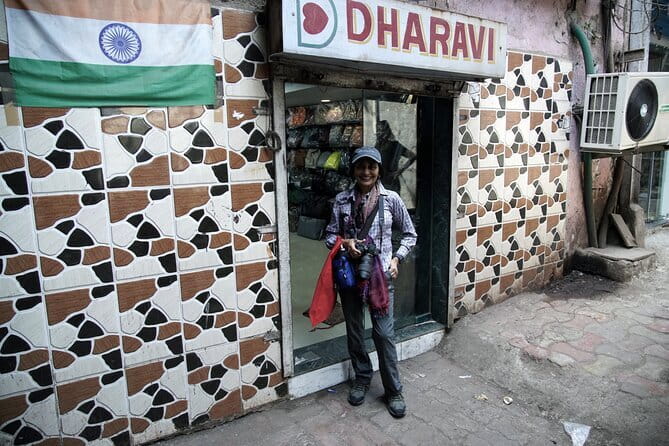
A tour of Dharavi requires more thought than a standard sightseeing stop. You are entering a place where people live and work, not an abandoned site or museum.
I would book this if you want to understand how people earn a living, how workshops operate, and how a neighborhood can support many kinds of work in limited space. I would not book it if you want a polished, relaxed sightseeing loop with wide paths and little discussion of poverty.
The best approach is to stay curious without turning people into subjects. Listen to the guide, ask before taking photos, and remember that the most valuable part of the visit may be an explanation of work that you would otherwise miss.
The tour also avoids making Dharavi seem separate from Mumbai. The dabbawala system and Dhobi Ghat show the same city from different angles. All three stops involve service, labor, and systems that depend on people doing precise work each day.
Who Will Get the Most From This Tour?
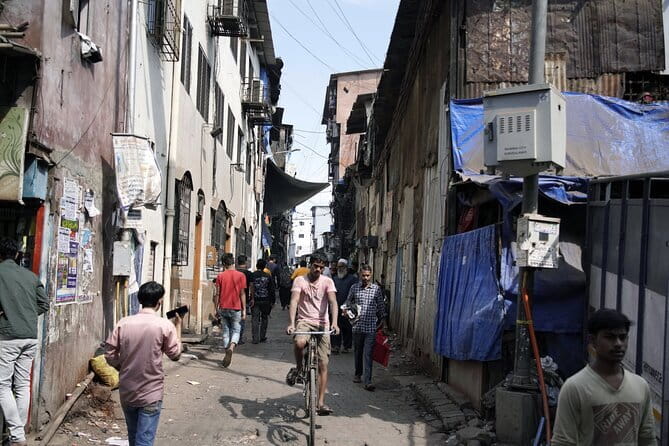
This suits adults and older children who want a closer look at Mumbai’s working life. A family with a 13-year-old has taken the tour successfully, but younger children may find the walking and subject matter demanding.
It is a good match for you if you:
- Prefer local neighborhoods to major monuments
- Like learning how urban services operate
- Want a guide who can answer questions about daily life
- Are comfortable walking through narrow lanes
- Can approach Dharavi with respect and an open mind
It may not suit you if you need step-free access, have difficulty walking, or prefer not to visit residential areas. It is also not a food tour, despite the lunchbox theme. Food and drinks are not included.
Smoking, alcohol, drugs, and littering are not allowed. Those rules are basic, but especially important in a residential area.
Booking Flexibility and Simple Preparation

You can cancel up to 24 hours before the activity for a full refund, and the reserve-now, pay-later option lets you hold a place without paying immediately. Starting times depend on availability, so check the date that fits your Mumbai plans.
Bring water, comfortable shoes, a hat, sunscreen, and a camera. Meeting point details arrive after booking, and the meeting point can vary by option.
There is no need to pack a meal for the tour, but do not count on one being provided. Since the route includes walking and time in working areas, light clothing and practical footwear will serve you better than dressy clothes.
Should You Book the Dharavi and Dhobi Ghat Tour?
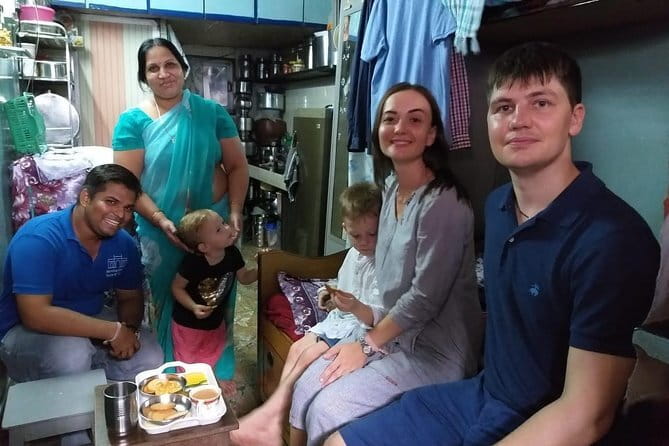
At $17, I consider this a strong value if your priority is understanding Mumbai rather than collecting landmark photos. You get three connected subjects, a local English-speaking guide, local transport during the tour, and a small-group setting in 3.5 hours.
The biggest reason to book is the guide-led access to working neighborhoods. Subhan, Ravi, Jay, Yash, Javed, Sharron, and Jawwad have each been praised for kindness, patience, and clear explanations. The main reason to hesitate is the walking and the emotional weight of Dharavi.
Book it if you want an honest look at work, community, and organization in Mumbai. Skip it if you need wheelchair access, dislike narrow lanes, or want a conventional sightseeing outing. For the right visitor, this is a useful and respectful way to see how Mumbai functions from the ground up.
FAQ
How long does the Mumbai Dharavi, Dhobi Ghat, and Dabbawala tour last?
The tour lasts 3.5 hours. The schedule includes about 40 minutes with the dabbawala system, 35 minutes at Dhobi Ghat, and 1.5 hours in Dharavi, plus walking and transfers.
What language is the tour conducted in?
The live tour guide speaks English.
Is local transport included?
Yes. Local transport during the tour is included. Transportation to the meeting point is not included.
Are meals and drinks included?
No. Meals and drinks are not included. The dabbawala portion explains Mumbai’s lunchbox delivery system, but it does not include a meal according to the activity details.
Where does the tour start?
There are two starting location options listed at Burger King. The exact meeting point may vary by the option you book, and details are provided after booking.
Where does the tour finish?
There are two possible drop-off locations at Third Wave Coffee. Confirm the assigned location after booking.
Is the tour suitable for young children?
Children under five are not permitted for this activity. An older child, including a 13-year-old, has taken the tour with a family.
Is the tour suitable for wheelchair users?
No. The tour is not suitable for wheelchair users or people with mobility impairments.
What should I bring?
Bring comfortable walking shoes, water, a hat, sunscreen, and a camera. Staying hydrated is especially important because the tour includes substantial walking.
Can I cancel the booking?
You can cancel up to 24 hours in advance for a full refund. The reserve-now, pay-later option is also available.
Just added around Mumbai
- Temples & Vineyards: Private Tour to Nashik from Mumbai★ 4.5 · 3 reviews
- Mumbai: Private City sightseeing and Dharavi Slum Tour★ 5.0 · 3 reviews
- Mumbai: Full Day City Sightseeing with Lunch, Car & Guide★ 4.3 · 3 reviews
- Elephanta Island Private Speedboat Tour from Mumbai – 6pax★ 5.0 · 3 reviews
- Mumbai by Dawn★ 4.5 · 3 reviews
- Mumbai: Elephanta Island and Elephanta Caves Guided Tour★ 4.4 · 3 reviews
- Mumbai Sightseeing Tour by Public Transport with family Lunch★ 5.0 · 3 reviews
- Mumbai Dharavi Slum Community Tour★ 5.0 · 3 reviews
Dharavi Slum Tours, compared.
Dharavi slum tour in Mumbai by Female tour guides of the slum
Read our review →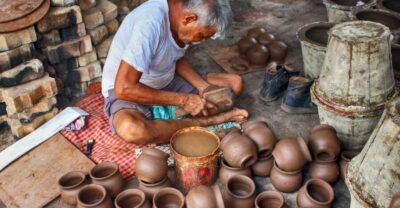
Dharavi Slum Slumdog Millionaire Tour with a Local
Read our review →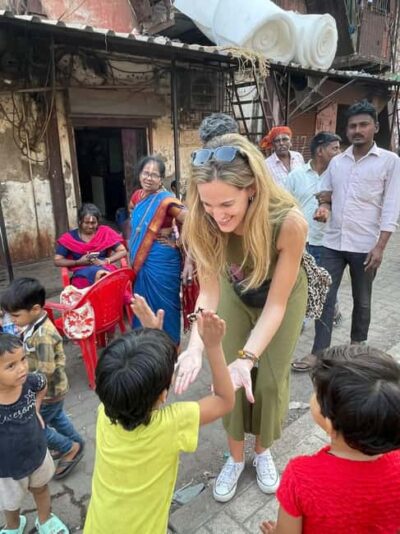
Mumbai Slum Tour – Visit Dharavi Slum with Local Guide
Read our review →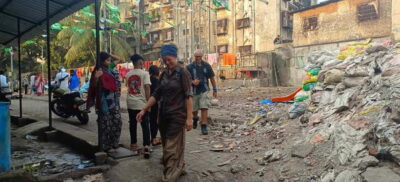
Dhobi Ghat Laundry and Dharavi Slum Tour with Local
Read our review →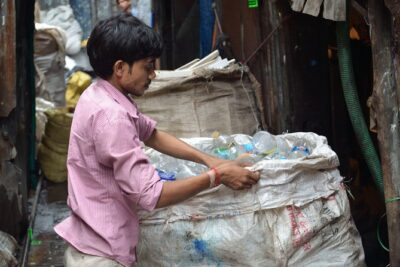
Browse the lists this tour appears in