

Reviewed · DHARAVI SLUM TOURS
Mumbai: Dharavi Slum and Dhobi Ghat Laundry Tour
Mumbai’s most revealing sights are not always grand monuments. On this three-hour tour, you move from Dharavi’s small industries to Dhobi Ghat, where clothes are scrubbed, beaten, rinsed, and dried by hand. The 15-minute local train ride ties the two places together with a sharp taste of everyday Mumbai.
I like the way the tour explains work rather than treating Dharavi as a spectacle. I also like the chance to see Kumbhar Wada pottery, leather production, and plastic recycling in one walk. The main drawback is time: 40 minutes at Dhobi Ghat can feel short, and the narrow lanes, traffic, crowds, and walking make this a poor fit for anyone needing an easy-paced or step-free outing.
In This Review
- Key points to know before you book
- Why Dharavi is more than a slum tour
- Starting near Third Wave Coffee
- Inside Dharavi’s leather and recycling districts
- Kumbhar Wada and the survival of pottery
- The 15-minute Mumbai local train ride
- Dhobi Ghat, Mumbai’s open-air laundry
- What the guides add to the experience
- Price, pace, and who should book
- How to prepare for a respectful visit
- Should you book the Dharavi and Dhobi Ghat tour?
- FAQ
- How long does the tour last?
- What language is the tour conducted in?
- Where does the tour start?
- Where can the tour end?
- Is hotel pickup included?
- Is food or drink included?
- How long is the local train ride?
- How long is the Dhobi Ghat visit?
- Can I take photographs?
- Who should not book this activity?
Key points to know before you book
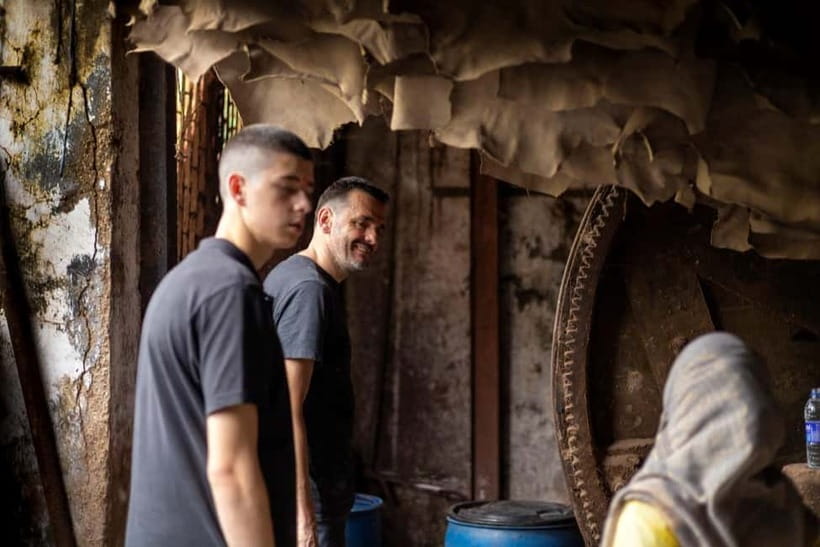
- Dhobi Ghat is a working laundry, not a staged attraction: You see traditional washing methods in use and learn how the trade passes from one generation to the next.
- Dharavi is presented through work and enterprise: The route covers leather, plastic recycling, pottery, and community life rather than offering only a brief look from outside.
- The local train is part of the experience: A 15-minute ride gives you a direct taste of Mumbai’s crowded daily transport.
- Guides make the difference: Ruba, Subhan, Priti, Jawwad, Ansh, and several other English-speaking guides have been praised for clear explanations, patience, humor, and careful pacing.
- The tour asks for cultural respect: Photography may be limited, and modest dress and privacy matter in residential lanes.
- The price is unusually low: At $5 per person, this is one of Mumbai’s strongest sightseeing values, provided you are comfortable with basic conditions and a brisk schedule.
Why Dharavi is more than a slum tour
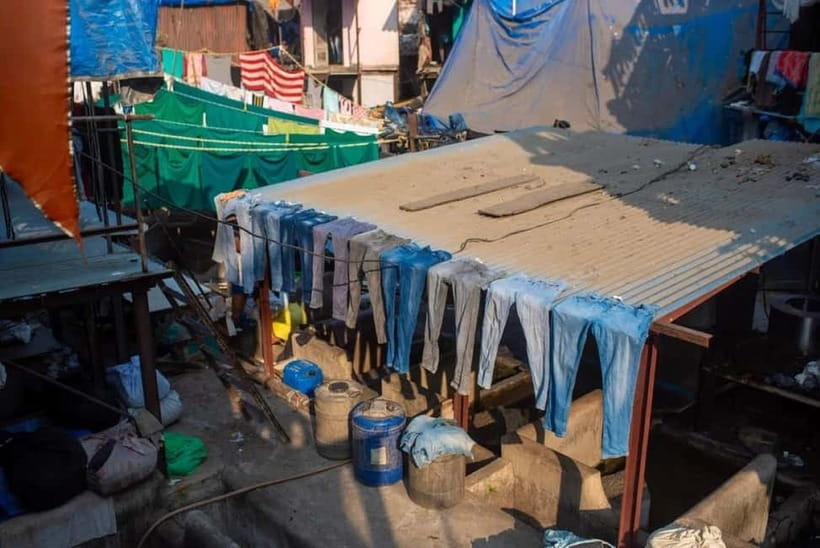
The word slum can flatten a complicated place into one gloomy picture. Dharavi is certainly marked by difficult living conditions, but this tour also shows you a working community where many small businesses operate side by side.
That wider view is the main reason I would choose this outing. You learn how people earn money, how materials are reused, and how traditional crafts continue in a crowded part of Mumbai. The guide’s explanation matters here. Without context, a walk through narrow lanes could feel intrusive or confusing. With a good guide, you can better understand what you are seeing and why it matters.
The route includes an area associated with leather production, described as Asia’s largest leather factory, along with plastic recycling and Kumbhar Wada, the pottery-making community. These stops give the tour a practical focus. You are not simply looking at homes. You are seeing workshops, materials, tools, and working methods.
Still, you should arrive with the right attitude. This is not a poverty-themed attraction designed for dramatic photographs. People live and work here, and some areas may not allow pictures. Follow your guide’s instructions, avoid pointing cameras at residents, and keep your attention on the explanation rather than treating the surroundings as a backdrop.
More Dhobi Ghat and dabbawala tours:
- Mumbai: Dharavi Slum, DhobiGhat, and Dabbawallas Tour
★ 4.9 · 689 reviews - Mumbai: Dhobi Ghat Laundry and Dharavi Slum Tour with Local
★ 5.0 · 469 reviews - Mumbai: Dharavi Slum & Dhobi Ghat Laundry Tour
★ 5.0 · 352 reviews
Starting near Third Wave Coffee
The listed starting point is Third Wave Coffee, with the exact meeting details depending on the option you book. Confirm the location and time before setting out, especially since the meeting point can vary.
This is a useful urban starting place because you can meet your English-speaking guide before entering the denser parts of the route. Guides named in the booking records include Ruba, Subhan, Priti, Jawwad, Ansh, Anshika, Krishna, Sharon, Ravi, Aarti, Kavita, Chirag, Roopa, and Tuba. The guide assigned to you will vary, but the repeated praise for clear English, helpfulness, and local insight is important. Ask questions early. The more you engage, the more useful the walk becomes.
One practical warning: the tour involves substantial walking. Wear shoes that can handle uneven streets and narrow lanes, and carry water and sunscreen. Mumbai’s heat, traffic, and close quarters can tire you faster than the three-hour length suggests.
Inside Dharavi’s leather and recycling districts

The Dharavi portion is the heart of the experience. The supplied schedule gives only a brief two-minute itinerary marker for Dharavi, but the description and detailed feedback make clear that the actual walk covers several working areas. Plan on the Dharavi section being a substantial part of the three-hour program.
You may see how leather work supports local livelihoods and how plastic is collected, sorted, and processed for reuse. The value is in understanding the chain of work. Materials that might look like waste from the outside can have a second economic life here.
The route also introduces you to the entrepreneurial side of Mumbai. Dharavi is often described only through housing density and poverty. This walk adds another layer: people creating businesses, serving customers, and keeping production going in tight spaces.
The setting can be intense. Expect crowded lanes and limited room to move, with vehicles and pedestrians sharing tight passages. The guide may need to adjust the pace, so stay close and listen for instructions. One guide, Ruba, has been singled out for helping people avoid traffic, while Subhan has been praised for finding practical ways through challenges and adjusting to the pace of the group.
Do not expect a polished workshop visit with display boards and a gift shop. The appeal is precisely that you are seeing ordinary work areas rather than a formal museum. The tradeoff is that conditions are basic, and the route may feel uncomfortable for anyone expecting conventional sightseeing.
Kumbhar Wada and the survival of pottery
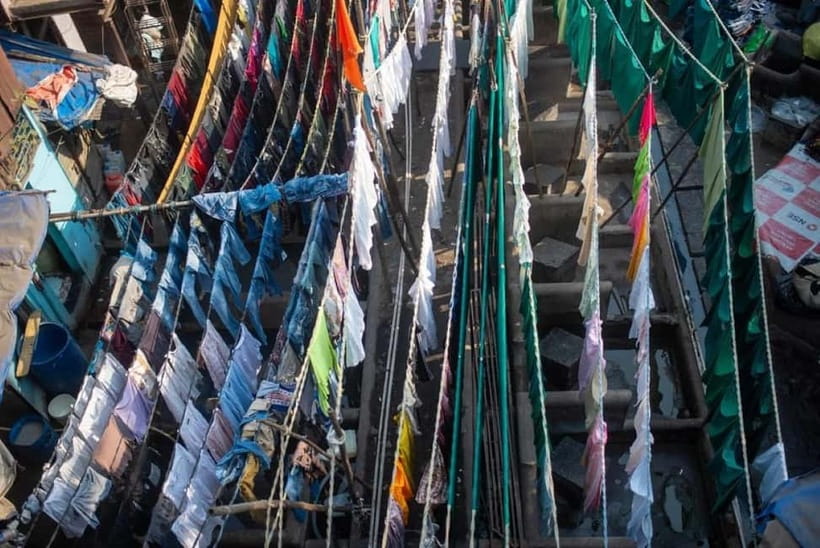
Kumbhar Wada brings a different mood and set of skills to the walk. This centuries-old pottery community shows how a traditional craft remains part of Dharavi’s working life.
The stop is valuable because it helps you see Dharavi as a place with distinct neighborhoods and occupations. Leather, recycling, and pottery are not interchangeable sights. Each reflects a different way families and workers have built livelihoods within the same crowded district.
Your guide’s explanation is especially useful here. Ask about the process, the role of the community, and how the craft fits into present-day Mumbai. The available information does not promise a hands-on pottery session, so treat this as an observation and learning stop rather than a workshop where you make your own item.
Photography can be restricted in parts of Dharavi. Even where pictures are allowed, ask first and avoid photographing people at close range without permission. That small courtesy changes the tone of the visit from simple sightseeing to a more respectful exchange.
More Dharavi walking tours:
- Dharavi slum tour in Mumbai by Female tour guides of the slum
★ 5.0 · 1,976 reviews - Dharavi Slum Tour
★ 5.0 · 625 reviews - Dharavi Slum tour in Mumbai by local resident
★ 5.0 · 572 reviews - Mumbai: Dharavi Slum Slumdog Millionaire Tour with a Local
★ 4.9 · 529 reviews
The 15-minute Mumbai local train ride

The train ride is short, but it may be the most memorable link between the two parts of the tour. You ride Mumbai’s iconic local railway for about 15 minutes, experiencing one of the city’s defining forms of transport during a busy period.
For many people, this will be their first Indian train ride during rush hour. That can sound daunting, but the guide handles the route and ticket arrangements. Subhan has been praised for helping with train tickets, and several guides are described as keeping the journey safe and organized.
You should not expect a quiet scenic railway trip. The point is the pace of city life: station movement, crowded platforms, and a shared public commute. One tongue-in-cheek account even described the ride as including a suburban rail massage, which tells you more about the close quarters than any timetable could.
The train adds real value because it keeps the tour from becoming a series of disconnected stops. You are not only hearing about Mumbai’s working population. For a few minutes, you are moving through the same city rhythm. Keep your belongings secure, stay with the guide, and be ready to board and leave promptly.
Dhobi Ghat, Mumbai’s open-air laundry

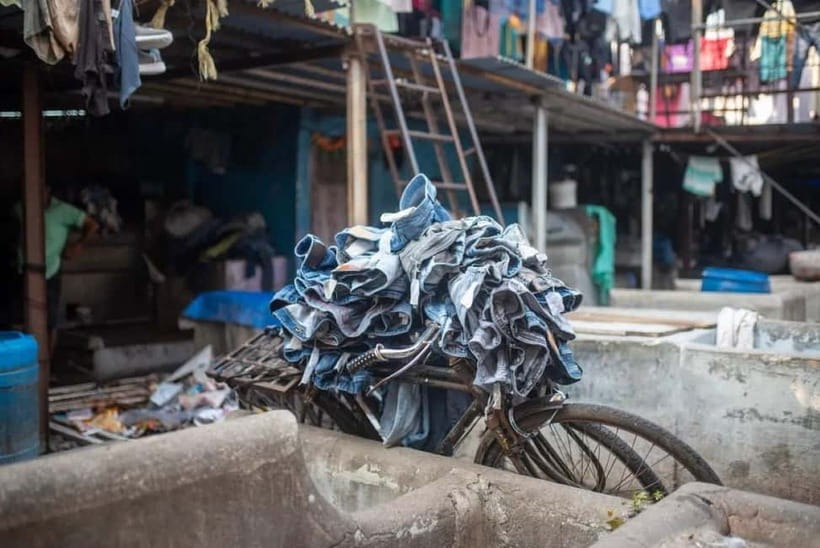
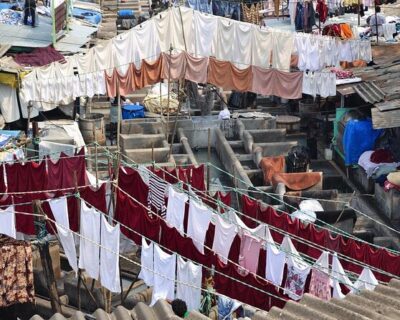
Dhobi Ghat is the tour’s most distinctive stop. It is widely described as the world’s largest open-air laundry, with more than 100,000 items washed daily using methods passed down through generations.
The sight is practical rather than theatrical. Laundry workers use traditional techniques to scrub, beat, rinse, and dry clothes. The scale helps you understand how a long-established service remains part of modern Mumbai.
The scheduled visit and guided explanation last about 40 minutes. That is enough time to learn how the laundry works and take in the view, but it may not satisfy you if Dhobi Ghat is your main reason for booking. Some people have found this portion too short and wanted more time near the washing tanks.
The viewing arrangement can also vary. The tour information promises a visit and guided tour, while detailed feedback refers to seeing the laundry from a viewpoint and, in some cases, going downstairs. Do not assume you will have unlimited access or be able to walk wherever you wish. This is an active workplace, and the guide’s instructions matter.
I like this stop because it turns a familiar household task into a window on Mumbai’s labor system. Washing clothes is universal. Seeing it performed at such scale, with traditional methods still in use, gives the city a human and practical dimension.
What the guides add to the experience
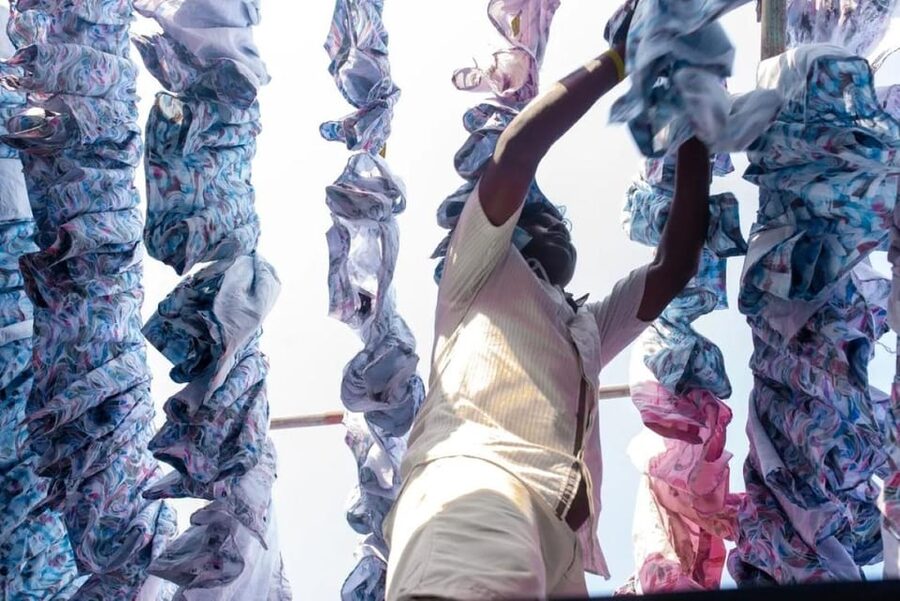
The guide is not a small detail here. Dharavi and Dhobi Ghat make much more sense when someone explains what you are seeing, where to pause, and how to behave.
The strongest guide feedback centers on several traits: clear English, local understanding, patience, warmth, and the ability to answer questions. Priti has been praised for explaining Dharavi with empathy and for bringing its industries to life. Ruba is repeatedly described as careful, friendly, and sensitive to both the community and the people she leads. Subhan is noted for humor, strong English, flexibility, and detailed explanations.
Other guides, including Jawwad, Javed, Ansh, Krishna, Sharon, Kavita, Chirag, Ravi, Aarti, and Roopa, have also received strong praise for making the tour informative and comfortable. Assignments can change, so you cannot select a particular guide based on this information unless the booking option specifically allows it.
A good guide also knows when not to rush. The route has moving parts: narrow lanes, industrial areas, a train transfer, and a laundry visit. If your guide explains the background without turning the walk into a lecture, you get both useful facts and a better sense of daily life.
Price, pace, and who should book
At $5 per person, this tour offers remarkable value. It includes a guided Dharavi walk, Dhobi Ghat, local-industry explanations, and the chance to use Mumbai’s train system with local support. Even if you paid separately for a short city transport ride and a standard guided walk, the combined price would be hard to beat.
The low cost does not mean the tour is effortless. You pay with time on foot, exposure to crowds, and a willingness to accept simple surroundings. Food, drinks, hotel pickup, hotel drop-off, and personal expenses are not included. Bring your own water, and do not count on a meal stop.
This experience suits you best if you want to understand how Mumbai works beyond its familiar landmarks. It is a good match for curious adults, older children who can handle three hours of walking, and anyone interested in work, transport, craft, and urban life.
It is not suitable for children under five, pregnant women, or wheelchair users according to the supplied conditions. The narrow lanes and crowded places make that limitation practical, not merely administrative.
You can cancel up to 24 hours ahead for a full refund, and the reserve-now-pay-later option gives you some flexibility. Check the available start times when booking, since the tour lasts three hours and the meeting point may vary by option.
How to prepare for a respectful visit
Wear modest clothing and comfortable walking shoes. Carry water, sunscreen, and a camera, but use the camera only when permitted.
Smoking is not allowed. More important, do not intrude on homes or workplaces. Listen to the guide, ask before taking pictures, and remember that Dharavi is a lived-in community rather than a film set.
Keep your expectations realistic. You might encounter noise, traffic, heat, strong industrial smells, and very narrow passages. Those conditions are part of the setting, but they can also make the outing tiring.
Should you book the Dharavi and Dhobi Ghat tour?
I would book this tour if you want a direct look at Mumbai’s working communities and are comfortable with a brisk, crowded walk. The combination of Dharavi industries, Kumbhar Wada pottery, Dhobi Ghat laundry, and a local train ride gives you much more than a single viewpoint.
Book it with an open mind and enough respect to leave the camera in your bag when asked. If you want a relaxed sightseeing trip, more time at Dhobi Ghat, or step-free access, choose something else. If you want context, human stories, and an inexpensive way to see a side of Mumbai that most landmark tours miss, this three-hour outing is a strong choice.
FAQ
How long does the tour last?
The tour lasts three hours.
What language is the tour conducted in?
The live tour guide speaks English.
Where does the tour start?
The listed starting location is Third Wave Coffee. The exact meeting point may vary depending on the option booked.
Where can the tour end?
The available drop-off points are Third Wave Coffee and Mahalaxmi Station.
Is hotel pickup included?
No. Hotel pickup and drop-off are not included.
Is food or drink included?
No. Food, drinks, and personal expenses are not included. You should carry water.
How long is the local train ride?
The Mumbai local train ride lasts about 15 minutes.
How long is the Dhobi Ghat visit?
The guided Dhobi Ghat portion lasts about 40 minutes.
Can I take photographs?
Photography may be restricted in some areas. Follow the guide’s instructions and respect local privacy.
Who should not book this activity?
The activity is not suitable for children under five, pregnant women, or wheelchair users. It also involves substantial walking, crowded places, and narrow lanes.
Just added around Mumbai
- Temples & Vineyards: Private Tour to Nashik from Mumbai★ 4.5 · 3 reviews
- Mumbai: Private City sightseeing and Dharavi Slum Tour★ 5.0 · 3 reviews
- Mumbai: Full Day City Sightseeing with Lunch, Car & Guide★ 4.3 · 3 reviews
- Elephanta Island Private Speedboat Tour from Mumbai – 6pax★ 5.0 · 3 reviews
- Mumbai: Elephanta Island and Elephanta Caves Guided Tour★ 4.4 · 3 reviews
- Mumbai Sightseeing Tour by Public Transport with family Lunch★ 5.0 · 3 reviews
- Mumbai by Dawn★ 4.5 · 3 reviews
- Mumbai Dharavi Slum Community Tour★ 5.0 · 3 reviews
Dharavi Slum Tours, compared.
Dharavi slum tour in Mumbai by Female tour guides of the slum
Read our review →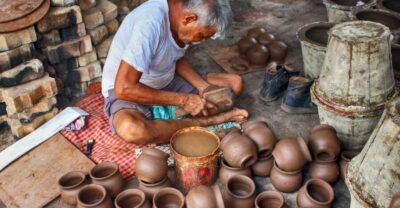
Dharavi Slum Slumdog Millionaire Tour with a Local
Read our review →
Mumbai Slum Tour – Visit Dharavi Slum with Local Guide
Read our review →
Dhobi Ghat Laundry and Dharavi Slum Tour with Local
Read our review →
Browse the lists this tour appears in