
Reviewed · DHARAVI SLUM TOURS
Mumbai: Dharavi Slum 2-Hour Walking Tour
Dharavi is far more than the grim image many outsiders carry. On this two-hour walk, you see a working neighborhood with recycling shops, leather workshops, pottery rooms, food production, schools, churches, and homes packed along narrow lanes. The tour also visits an area connected with Slumdog Millionaire, but its real subject is daily life and local enterprise.
I like the small group of no more than 10, which makes it easier to hear your guide and ask direct questions. I also like the local guiding approach: Dinesh, one guide named in the tour details, grew up in Dharavi, and the company says its guides come from the neighborhood. The main consideration is that $65 is a substantial price for a two-hour walk, especially since personal expenses are extra and photography is strictly forbidden.
In This Review
- Key points to know before entering Dharavi
- Meeting your guide opposite Mahim Railway Station
- Why Dharavi needs more than a quick stereotype
- Through the recycling and industrial lanes
- Residential lanes, schools, churches, and community life
- Pottery, papadums, and the food side of Dharavi
- The movie connection without letting the movie take over
- What the local guide changes
- Safety, comfort, and respectful conduct
- Is $65 a fair price for two hours?
- Who should book this Dharavi walk?
- FAQ
- Where does the Dharavi walking tour begin?
- Where does the tour finish?
- How long does the tour last?
- What language is the tour conducted in?
- How large is the group?
- Can I take photographs during the tour?
- What should I wear and bring?
- Is the tour suitable for wheelchair users?
- Should you book this two-hour Dharavi tour?
Key points to know before entering Dharavi

- A working neighborhood, not a movie set: The tour looks at recycling, leather, pottery, food production, schools, and religious buildings.
- Local guides add important context: Dinesh grew up in Dharavi, and the guiding team is drawn from the area.
- Photography is prohibited: Leave your camera behind and keep your phone away for pictures.
- Expect tight lanes and uneven walking: Comfortable shoes are essential, and the tour is not suitable for wheelchair users.
- The route covers several sides of Dharavi: You may pass through industrial, residential, Muslim, market, and central areas.
- The walk ends near Mahim Junction: The meeting point is Café Coffee Day opposite Mahim Railway Station.
Meeting your guide opposite Mahim Railway Station
Your tour begins at Café Coffee Day opposite Mahim Railway Station on Tulsi Pipe Road. This is a practical meeting point because Mahim is a major rail stop, but allow enough time to find the café and identify your guide. The guide wears a purple shirt with a footprint logo, a useful detail in a busy part of Mumbai.
The route ends at Mahim Junction after about two hours. Transportation is available on request, but it is not part of the standard package, so you should clarify that arrangement before setting out. If you plan to continue elsewhere in Mumbai, ask your guide for help with directions or a car. One past participant received help arranging an Uber after the walk, which suggests the local team can be useful beyond the formal tour.
The group limit of 10 matters here. Dharavi has narrow passageways, and a huge tour group would block lanes and make conversation awkward. A small party also gives you a better chance to ask about work, housing, schools, religion, and the local economy without having to shout.
More Dharavi walking tours:
- Dharavi slum tour in Mumbai by Female tour guides of the slum
★ 5.0 · 1,976 reviews - Mumbai: Dharavi Slum, DhobiGhat, and Dabbawallas Tour
★ 4.9 · 689 reviews - Dharavi Slum Tour
★ 5.0 · 625 reviews
Why Dharavi needs more than a quick stereotype
Dharavi is often presented through one blunt idea: poverty. That view misses the neighborhood’s work, systems, and social structure. This walk is designed to show you a place where many people live and earn their income, with different communities sharing a tightly packed urban area.
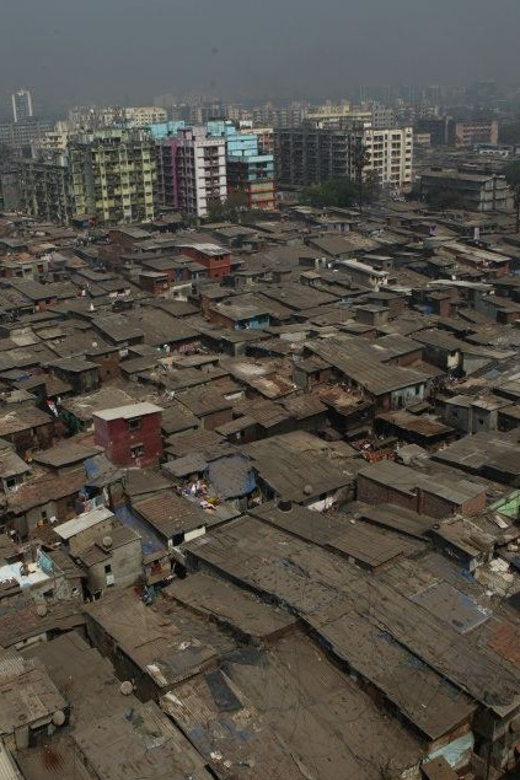
The stated population estimate ranges from 700,000 to one million people. That figure is broad, but it conveys the scale. You are not walking through a tiny roadside settlement. You are entering a mini-city with residential lanes, industrial activity, shops, schools, churches, mosques, food production, and services.
The experience is valuable because it asks you to look at Dharavi as a community rather than as a spectacle. You see limited space being used with care and practicality. You also learn how different trades fit together, from collecting materials to processing, making, selling, and transporting goods.
That does not mean the area has no hardship. It means the tour avoids reducing residents to hardship alone. You should come ready to listen and observe, not to hunt for shocking scenes.
Through the recycling and industrial lanes
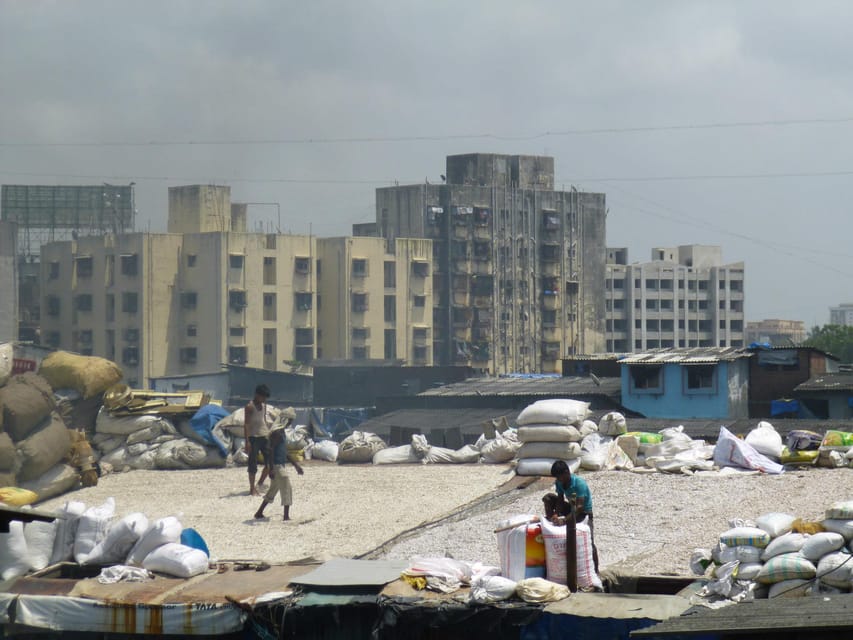
The industrial section gives the tour its clearest lesson in local enterprise. You may see a plastic recycling center and work involving the reuse of vegetable-oil cans. These activities show how discarded material can become part of a small business network.
The recycling work can be visually striking, but the important point is economic. Dharavi is not simply a place where people live in crowded conditions. It is also a place where people sort, process, repair, produce, and sell goods.
The tour also includes leather works and soap-making areas. These stops help you understand the variety of work packed into the neighborhood. Each trade has its own tools, materials, routines, and supply links, even though the workshops may sit close to homes and narrow walkways.
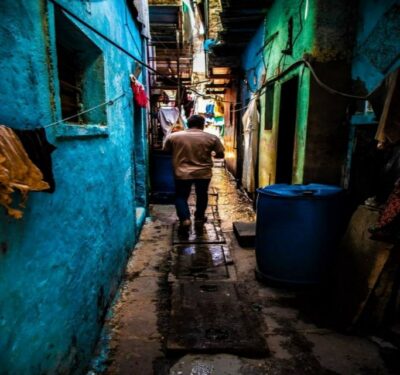
You should expect close quarters. The lanes can be tight, and workshop areas may not feel like formal visitor attractions. That is part of the point, but it also means you need to move carefully, follow instructions, and avoid blocking doorways or work areas.
Residential lanes, schools, churches, and community life
The route moves beyond industry into residential parts of Dharavi. Here, the experience becomes less about production and more about how people organize daily life in a crowded setting.
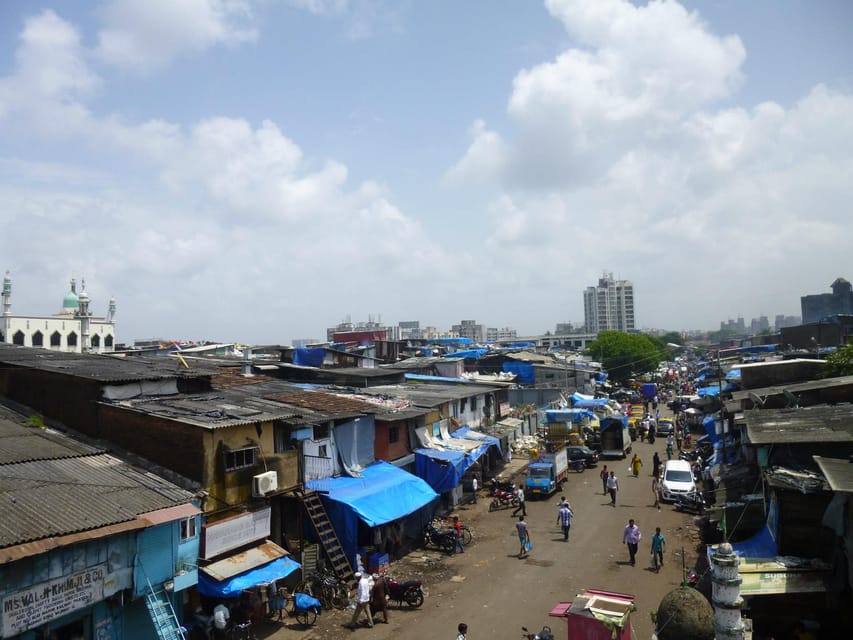
You may pass schools and churches used by residents. The tour also covers a Muslim section and a market street, showing the range of communities within Dharavi. This mix is one of the walk’s strongest features because it moves the experience away from a single story.
A past route included the central area with very narrow corridors, a place associated with Shantaram, as well as the guide’s own home. These details make the walk personal rather than purely observational. Still, you should not assume every departure will follow the identical path. Working neighborhoods change, and the precise order of stops may vary.
The community focus also affects how you should behave. Dress modestly, avoid staring into homes, and follow your guide’s directions about where to pause. The ban on photography is strict. It protects privacy and keeps the walk from turning ordinary life into a backdrop for pictures.
More guided walks on foot:
- Group Guided Walking Tour in Fort and Colaba
★ 5.0 · 1,073 reviews - Private Guided Walking Tour in Fort & Colaba
★ 5.0 · 895 reviews - Private Guided Walking Tour in Bandra Queen of Suburbs
★ 5.0 · 383 reviews - Private Guided Spiritual Walk in Banganga Hindu Temples
★ 5.0 · 271 reviews
Pottery, papadums, and the food side of Dharavi
The tour includes pottery workshops and places where papadums are baked. These stops broaden the picture again. You see practical production rather than only recycling or heavy industry.
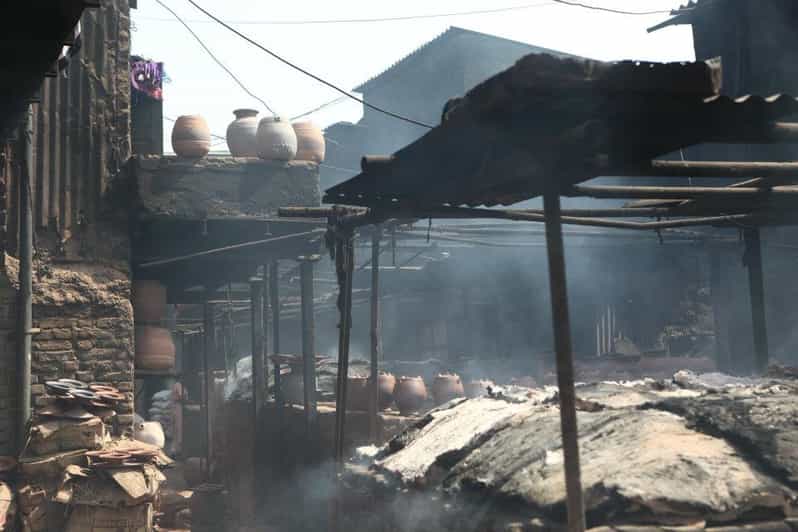
Pottery gives you a look at skilled handwork carried out in limited surroundings. Papadum baking connects the walk with food production and household enterprise. The tour may also show soap-making spaces, adding another example of goods made within the neighborhood.
Do not expect a polished demonstration designed for tourists. The value comes from seeing real work in its normal setting. That can make the experience feel more direct, but it also means the visit requires patience and respect.
Because the walk lasts only two hours, these stops will be brief. You get a useful introduction to several trades, not a full lesson in each one. If you want detailed information about a particular craft, use the small group setting to ask your guide questions as you go.
The movie connection without letting the movie take over
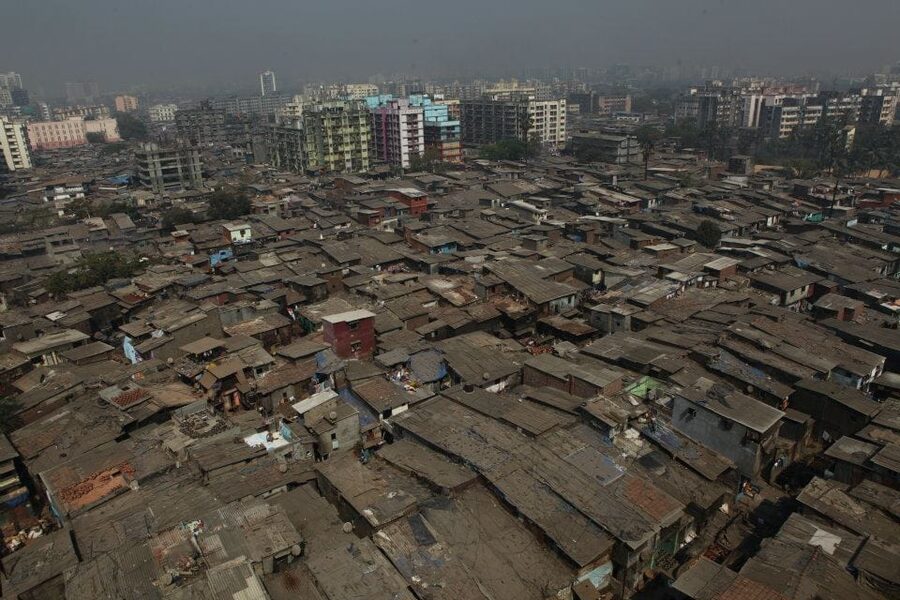
Dharavi became known around the world after Slumdog Millionaire, released in 2008. The tour visits a location connected with the film, which will interest anyone who knows the movie.
That connection is best treated as one thread, not the main reason to book. You see much more than a film location: recycling, leather work, pottery, papadums, soap, schools, churches, markets, and residential lanes. The movie reference helps explain why Dharavi is familiar to people who have never been to Mumbai, but it should not define the neighborhood for you.
This is also why the no-camera rule matters. You cannot recreate movie scenes or collect quick snapshots of the lanes. The experience asks you to pay attention to what is happening around you rather than view Dharavi as a set.
What the local guide changes
The guide is the key to this experience. Without explanation, narrow lanes and small workshops could be hard to understand. A local guide can explain what you are seeing, how different areas function, and why the neighborhood has such a strong sense of community.
Dinesh is specifically named as a guide who grew up in Dharavi. The company also states that its guides come from the area. That background can give the walk a personal dimension, especially when you discuss schools, homes, work, and community life.
A guide with local roots may also help you handle sensitive questions with more care. You can ask about the difference between residential and industrial areas, the various communities, and the work carried out in the lanes. Keep your questions respectful and let the guide decide how much personal detail to share.
The strongest guiding style here is not a long lecture. It is clear explanation at the right moment, followed by time for you to look around. Past tour details describe a guide who answered questions, helped with food suggestions, and assisted with a ride afterward. That practical local help can be useful in Mumbai, where the next step of your day is not always obvious.
Safety, comfort, and respectful conduct
The tour is described as safe, but comfort depends on your expectations. You will walk through narrow alleys in an active neighborhood, not along a purpose-built sightseeing route. Wear comfortable shoes and bring water.
A hat or cap is recommended, and you should dress modestly. Mumbai can be hot, and two hours of walking through compact lanes can feel demanding. The walk is not suitable for wheelchair users, so anyone with mobility concerns should consider the route carefully before booking.
Do not bring a camera. The information says photography is strictly prohibited, not simply discouraged. That includes treating your phone as a camera. Follow the guide’s instructions about when to take pictures, but the safest reading of the rules is to plan for no photography at all.
The no-photo policy may disappoint you, especially if you enjoy recording every part of a trip. I see its value here. Residents are going about their work and home life, and privacy deserves priority.
Is $65 a fair price for two hours?
At $65 per person, this is not a budget walk. You are paying for a small group, an English-speaking guide, and access to a carefully explained local experience. The value depends heavily on how much you want context and direct conversation.
If you only want to see Dharavi from the outside, the price may feel high. You could spend less exploring other parts of Mumbai on your own. But independent wandering would not give you the same structure, introductions to local trades, or help interpreting the different sections of the neighborhood.
The small group improves the value. Ten people or fewer makes the walk more personal than a large bus-style outing. A guide from Dharavi also adds something that a general city tour may not provide.
Transportation is available on request, but it is not included as a standard feature. Personal expenses are also extra. Bring your own water and budget for your onward journey from Mahim Junction.
The flexible booking terms help reduce the financial risk. You can reserve and pay later, and cancellation is allowed up to 24 hours before departure for a full refund. Starting times vary, so check availability when choosing your date.
Who should book this Dharavi walk?
I would recommend it to you if you want a more grounded view of Mumbai and are willing to walk, listen, and follow local rules. It suits people interested in urban economies, community life, recycling, small-scale manufacturing, and the social side of a major Indian city.
It is also a good choice if Slumdog Millionaire sparked your interest, as long as you want more than a film-location visit. The movie connection is included, but the larger focus is the neighborhood itself.
You may want to skip it if photography is central to your sightseeing, if you dislike tight lanes, or if you need a fully accessible route. It is also a poor fit if you expect a dramatic poverty tour. The stated aim is to move beyond that stereotype, and the experience works best when you accept that approach.
FAQ
Where does the Dharavi walking tour begin?
It begins at Café Coffee Day opposite Mahim Railway Station on Tulsi Pipe Road in Mumbai.
Where does the tour finish?
The walk finishes at Mahim Junction.
How long does the tour last?
The guided walk lasts two hours.
What language is the tour conducted in?
The live tour guide speaks English.
How large is the group?
The group is limited to 10 participants.
Can I take photographs during the tour?
No. Photography is strictly prohibited, so you should not bring a camera or plan to take pictures with your phone.
What should I wear and bring?
Wear comfortable shoes and dress modestly. Bring a water bottle and a hat or cap.
Is the tour suitable for wheelchair users?
No. The experience is not suitable for wheelchair users.
Should you book this two-hour Dharavi tour?
Book it if you want a direct, structured introduction to Dharavi led by someone connected to the neighborhood. The strongest reasons are the small group, the local guiding team, and the range of subjects packed into two hours, from plastic recycling and leather work to schools, markets, pottery, and food production.
Skip it if you mainly want photographs, a low-cost outing, or a conventional sightseeing route. At $65, it asks you to pay for interpretation and access rather than monuments. For the right visitor, that is the point: you leave with a clearer view of how a dense Mumbai community works, not just a handful of dramatic images.
More 2-Hour Experiences in Mumbai
- 2-Hour Guided Tour of Dharavi
★ 5.0 · 359 reviews - Vibrant Markets of Mumbai (2 Hours Guided Walking Tour)
★ 4.4 · 44 reviews - Mumbai: 2-Hour Guided Bandra Walking Tour
★ 4.8 · 34 reviews - Mumbai Street Food Crawl (2 Hours Guided Food Tasting Tour)
★ 3.5 · 6 reviews
Just added around Mumbai
- Temples & Vineyards: Private Tour to Nashik from Mumbai★ 4.5 · 3 reviews
- Mumbai: Private City sightseeing and Dharavi Slum Tour★ 5.0 · 3 reviews
- Mumbai: Full Day City Sightseeing with Lunch, Car & Guide★ 4.3 · 3 reviews
- Elephanta Island Private Speedboat Tour from Mumbai – 6pax★ 5.0 · 3 reviews
- Mumbai: Elephanta Island and Elephanta Caves Guided Tour★ 4.4 · 3 reviews
- Mumbai Sightseeing Tour by Public Transport with family Lunch★ 5.0 · 3 reviews
- Mumbai by Dawn★ 4.5 · 3 reviews
- Mumbai Dharavi Slum Community Tour★ 5.0 · 3 reviews
Dharavi Slum Tours, compared.
Dharavi slum tour in Mumbai by Female tour guides of the slum
Read our review →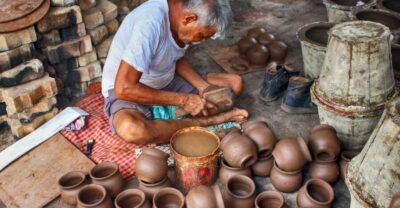
Dharavi Slum Slumdog Millionaire Tour with a Local
Read our review →
Mumbai Slum Tour – Visit Dharavi Slum with Local Guide
Read our review →
Dhobi Ghat Laundry and Dharavi Slum Tour with Local
Read our review →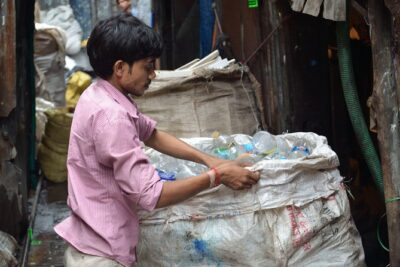
Browse the lists this tour appears in