
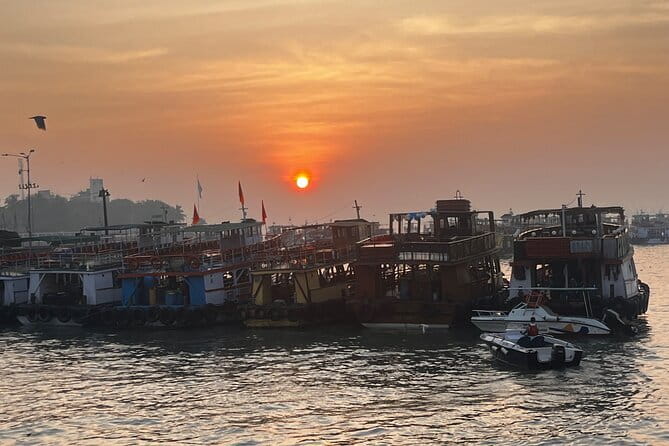
Reviewed · DHOBI GHAT & DABBAWALA TOURS
Mumbai By Dawn Morning Markets & The World’s Largest Laundry
Mumbai is at its most revealing before breakfast, when fish sellers, flower traders, newspaper handlers, milk suppliers, and laundry workers set the city in motion. This three-hour private tour takes you into that working Mumbai, from the sharp smell of Sassoon Dock to the color and crush of Dadar’s markets.
I like the private air-conditioned vehicle, which gives you a calmer way through crowded streets and lets the guide adjust the pace for photographs. I also like the focus on ordinary city systems rather than a string of famous buildings. The trade-off is the early start and the short half-hour at each stop, so this suits you best if you want a fast, focused look rather than long time at any one market.
In This Review
- Key points at a glance
- Mumbai before sunrise: a city already at work
- Sassoon Dock: fish, noise, and the first rush of the day
- Dhobi Ghat: Mumbai’s open-air laundry
- Dadar Flower Market: color packed into a narrow window
- Dadar’s fruit and vegetable market: the city’s daily pantry
- The newspaper alley and other morning details
- Why the private vehicle matters
- Price, pace, and what you receive
- Who will get the most from this morning
- Should you book this Mumbai market tour?
- FAQ
- How long does the tour last?
- What is the price?
- Is this a private tour?
- Is hotel pickup available?
- Where does the tour end?
- Which markets are included?
- Is Dhobi Ghat included?
- Is an English-speaking guide provided?
- Is transportation included?
- Can I cancel for a full refund?
Key points at a glance
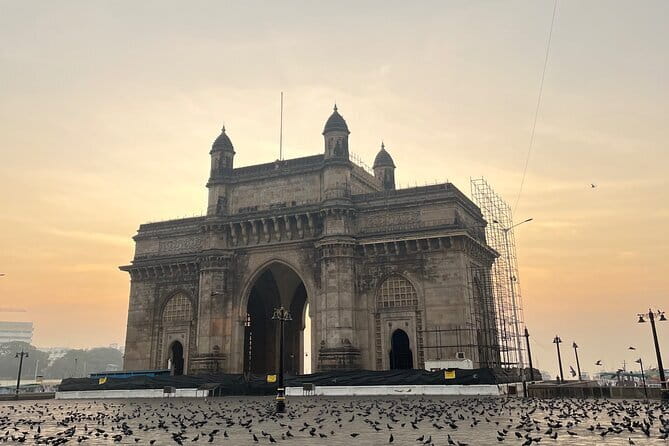
- Fish trading at Sassoon Dock: See one of Mumbai’s oldest and busiest seafood markets as catches move from fishermen into the city’s food chain.
- Working laundry at Dhobi Ghat: Look down on the open-air washing, drying, and ironing operation run by hundreds of dhobis.
- Dadar Flower Market: Walk among flowers, sellers, buyers, color, fragrance, and tight market lanes.
- Dadar produce trade: See fruit and vegetables changing hands near Dadar Station over bridge.
- Private transport and guide: Your group travels alone in an air-conditioned vehicle with an English-speaking guide.
- Flexible guiding: Yash, Abhi, and driver Deepak have been singled out for clear explanations, safe driving, photo awareness, and a willingness to adjust the pace.
Mumbai before sunrise: a city already at work
The clever idea here is timing. By the time most people are drinking their first cup of tea, Mumbai’s morning supply lines are already operating at full speed. You are not simply looking at a market as a tourist attraction. You are watching food, clothing, flowers, and information move through a city of millions.
The tour begins at PizzaExpress Dhanraj Mahal on Chhatrapati Shivaji Maharaj Marg in Colaba. Pickup is offered, but confirm the exact arrangement when you book. The listed end point is on Balaseth Madhukar Marg near Krishna Nagar in Parel, so this is not a round-trip excursion back to Colaba.
The group is private, which matters in places where a large tour can block a lane or make you feel conspicuous. You can ask questions without waiting for a dozen other people, and the guide can give you more room for photographs when traffic and crowds allow.
Yash is the guide most closely associated with this experience. His strengths are Mumbai’s history and culture, along with the ability to tailor the route to your interests. Abhi has also led the early morning outing, offering clear explanations and practical help. Deepak handles the driving on some departures, and his careful, photo-conscious driving is a real benefit when you are trying to see the city through a car window.
More Dhobi Ghat and dabbawala tours:
- Mumbai: Dharavi Slum, DhobiGhat, and Dabbawallas Tour
★ 4.9 · 689 reviews - Mumbai: Dhobi Ghat Laundry and Dharavi Slum Tour with Local
★ 5.0 · 469 reviews - Mumbai: Dharavi Slum & Dhobi Ghat Laundry Tour
★ 5.0 · 352 reviews
Sassoon Dock: fish, noise, and the first rush of the day
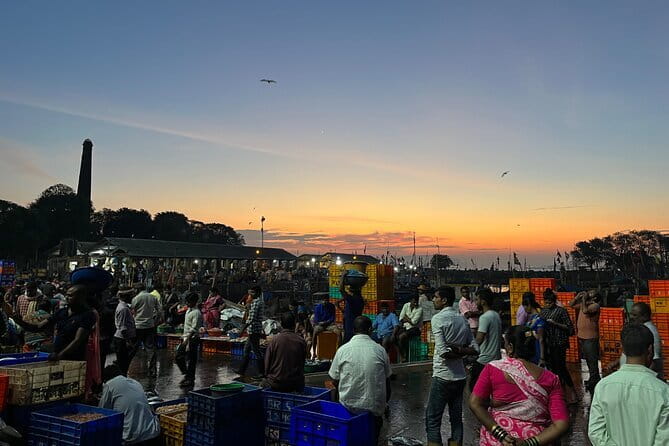
Your first stop is Sassoon Dock, one of Mumbai’s oldest and busiest fish markets. You get about 30 minutes here, enough to take in the action and understand the basic flow, though not enough for a slow, detailed study of every corner.
Expect a working market, not a polished food hall. Fresh seafood arrives from local fishermen, and buyers negotiate and sort the catch. The scene is noisy, wet, crowded, and strongly scented. That is precisely why this stop is valuable. It shows the practical side of Mumbai’s relationship with the sea and the daily work behind meals served across the city.
Your guide helps you read the scene. Without context, a fish market can seem like a wall of motion and sound. With explanation, you begin to notice the chain of activity: catch, sale, sorting, transport, and retail. Yash is particularly good at adding the city background that makes the stop more than a quick photo opportunity.
Wear shoes you can wash or wipe clean, and dress for a hot morning. The tour includes bottled water, but you should still expect the dock to be humid and physically demanding. People who dislike strong smells or close quarters may find Sassoon Dock uncomfortable.
Photography is a major reason to choose this tour. The colors, gestures, baskets, boats, and quick transactions offer strong images, but ask before photographing individual workers. Deepak’s habit of positioning the vehicle carefully is useful between stops, although you should not expect long roadside photo sessions in every location.
Dhobi Ghat: Mumbai’s open-air laundry
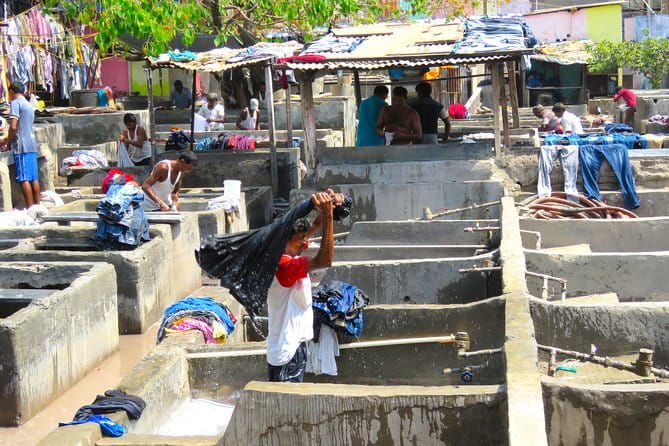
Dhobi Ghat offers a very different view of city life. Hundreds of washermen, known as dhobis, wash, dry, and iron clothing for residents and businesses in an open-air laundry complex. The operation turns a basic household task into a large public workplace.
You have roughly 30 minutes here. The main value is seeing the scale and organization of the place. Laundry is collected, washed, dried, pressed, and returned, all within a system that has served Mumbai for generations. The stop gives you a useful counterpoint to the fish market: one handles food entering the city, the other handles clothing leaving homes and businesses refreshed.
Do not expect a hands-on activity. This is a viewing stop, and the best experience depends on the guide explaining what you are seeing and helping you observe respectfully. You may find that the site is more interesting from an elevated viewpoint than from street level, though the provided details do not specify exactly where you will stand.
The famous nickname attached to Dhobi Ghat can create an expectation of a giant spectacle. In practice, the appeal is more human and practical. You are watching people perform repetitive work with speed and coordination. If you prefer monuments and formal museums, this may feel less immediately rewarding. If you want to see how Mumbai functions, it is one of the tour’s strongest stops.
Dadar Flower Market: color packed into a narrow window
The Dadar Flower Market, also called Phool Gully, is the most visually dramatic part of the morning. Flowers arrive, sellers arrange them, and buyers move through a tight trading space where color and fragrance compete with traffic and conversation.
You get around 30 minutes here, so come ready. Keep your camera or phone accessible, but do not let photography slow the group or block sellers. The market is a workplace first. Your guide can help you understand the difference between a pretty display and the commercial activity behind it.
This stop is especially good for photographers because it offers strong detail at close range: heaps of flowers, garlands, hands sorting stems, and sellers working in cramped conditions. The scent changes from one section to another, and the market feels more intimate than a large open square.
The drawback is crowding. Dadar is a busy part of Mumbai, and the market can be difficult to navigate at a leisurely pace. You may need to stay close to the guide and accept that some images will be quick snapshots rather than carefully composed photographs.
I like that the tour does not treat Phool Gully as an isolated attraction. It places the flower trade beside fish, laundry, and produce, helping you see how many different forms of work begin before the city’s tourist sights open for the day.
More market and bazaar walks:
- Mumbai: Street Food and Night Markets Tour
★ 4.9 · 719 reviews - Mumbai Street Food & Night Markets
★ 5.0 · 225 reviews - Mumbai Street Food and Evening Bazaar Tour
★ 5.0 · 172 reviews - Mumbai Morning Market Tour of Flowers, Fish, and More
★ 5.0 · 100 reviews
Dadar’s fruit and vegetable market: the city’s daily pantry
The final listed stop is the Dadar Fruit and Vegetable Market, near the Dadar Station over bridge. Here, you look at the everyday trade that feeds Mumbai. Fruit and vegetables move through a crowded local market, and the location near a major rail connection adds to the sense of constant movement.
Again, the planned time is about 30 minutes. That is enough to walk through, see the range of produce, and ask questions, but not enough to shop slowly or compare every stall. The short visit works if you want a snapshot of the market system. It may disappoint you if you hope to linger over ingredients or buy a large amount of food.
This is a useful final stop because it brings the tour back to ordinary household life. Sassoon Dock shows seafood entering the city, while Dadar shows produce moving toward kitchens, restaurants, and vendors. The flowers add ceremony and commerce, and Dhobi Ghat adds clothing care. Together, the stops create a picture of Mumbai built from work rather than monuments.
The route also exposes you to several different parts of the city in a short time. You are not spending three hours in one market. You are moving between specialized places and seeing how each contributes to the city’s daily rhythm.
The newspaper alley and other morning details

The tour description also highlights newspaper distribution and traditional milk delivery systems. These details are important because they explain the tour’s wider purpose: you are meant to notice the networks that feed and inform Mumbai before normal sightseeing begins.
The exact timing and location for these parts are not separately listed, so treat them as possible elements of the drive or guide commentary rather than guaranteed standalone stops. Yash has been praised for pointing out places such as newspaper alley and for taking guests along less familiar routes. Ask at the start how much time the current morning schedule allows for these details.
This is one reason a private tour can work better than a fixed large-group outing. If newspapers, milk delivery, or a particular market interest you, you can tell the guide. The route may still be limited by traffic and market activity, but the conversation can be shaped around what you want to understand.
Why the private vehicle matters
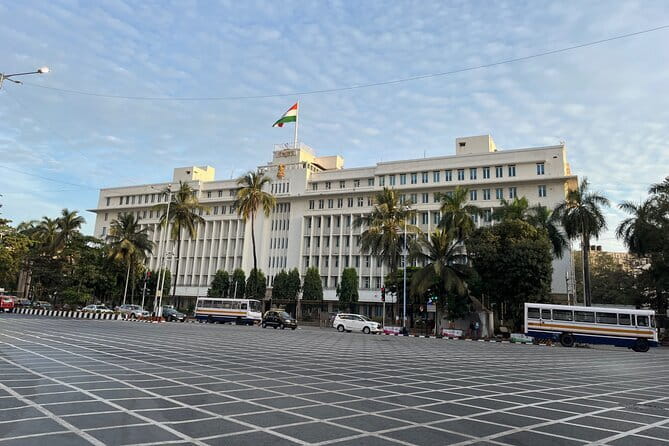
Mumbai traffic can turn a short distance into a long ride. An air-conditioned vehicle gives you relief from heat, keeps the route organized, and lets you cover several neighborhoods in only three hours. It also provides a place to regroup between crowded stops.
Deepak has been praised for driving cautiously and noticing when people in the car are trying to take photographs. That small point matters. A driver who stops or positions the vehicle thoughtfully can make the difference between seeing a scene clearly and watching it vanish behind traffic.
The vehicle does not make the tour passive. You still need to walk through markets and cope with crowds, smells, uneven movement, and close quarters. Think of it as a useful base between stops, not a sightseeing bus with a full view from every seat.
The end near Parel is practical if you plan to continue exploring central Mumbai afterward. It is less convenient if you need to return to Colaba immediately, though the private format may make onward arrangements easier to discuss.
Price, pace, and what you receive
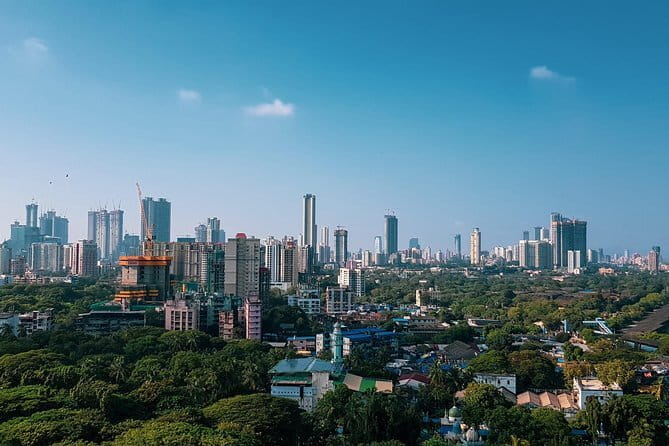
At $20.40 per person, this is inexpensive for a private three-hour tour with an English-speaking guide, an air-conditioned vehicle, bottled water, and included taxes and fees. The value is strongest for a couple, family, or small group that wants local orientation without paying for a full-day private city tour.
The price should not be judged by the number of attractions alone. You are paying for early access, local interpretation, transport between scattered working areas, and help making sense of places that can be confusing on your own. The fish market and Dadar markets are functioning commercial spaces, not attractions arranged for sightseeing.
The main limit is time. Four listed stops at about 30 minutes each already use two hours, leaving roughly one hour for driving and transitions. That makes the tour efficient, but not leisurely. If you need long conversations, careful photography, or extended time at Dhobi Ghat, you may want a longer private tour instead.
Group discounts are available, which improves the value for families and small parties. Since the activity is private, only your group participates. Confirmation arrives at booking, and free cancellation is available up to 24 hours before the local start time. Changes or cancellations inside that window are not accepted for a refund.
Who will get the most from this morning
You should consider this tour if you enjoy:
- Working markets rather than formal sights
- Street photography and close-up visual details
- Food supply, laundry, transport, and other city systems
- Short, active tours with several neighborhood changes
- Asking questions of a local English-speaking guide
- Private transport and a flexible pace
It is also a smart choice for a first morning in Mumbai. The guide can give you a quick sense of how the city operates, and the route may help you decide which areas deserve a longer visit later.
You may want to skip it if you dislike early starts, strong smells, crowded lanes, or brief visits. It is not designed around shopping, luxury, famous architecture, or a slow café morning. The appeal is the working city, with all its noise and mess.
Most people can participate, and the meeting point is near public transportation. Still, the supplied information does not provide detailed accessibility notes for every market, so ask the operator about specific mobility needs before booking.
Should you book this Mumbai market tour?
Book it if you want to see Mumbai before the sightseeing day begins. The combination of Sassoon Dock, Dhobi Ghat, Phool Gully, and Dadar’s produce market gives you a sharper picture of the city than a monument-only route. Yash’s cultural explanations, Abhi’s helpful guiding, and Deepak’s careful driving add real value when available on your departure.
I would choose this for photographers, first-time visitors, and anyone curious about how a huge city gets fed, clothed, supplied, and informed. I would not choose it for a relaxed morning or for a deep study of one market. At $20.40 per person, the tour earns its price through access and interpretation, but you need to accept the early hour, fast pace, and working-market conditions.
FAQ
How long does the tour last?
The tour lasts approximately three hours.
What is the price?
The listed price is $20.40 per person.
Is this a private tour?
Yes. Only your group participates in the activity.
Is hotel pickup available?
Pickup is offered. The listed meeting point is PizzaExpress Dhanraj Mahal, Chhatrapati Shivaji Maharaj Marg, Apollo Bandar, Colaba, Mumbai.
Where does the tour end?
The listed end point is on Balaseth Madhukar Marg, Krishna Nagar, Parel, Mumbai, Maharashtra 400012.
Which markets are included?
The route includes Sassoon Dock, the Dadar Flower Market, also known as Phool Gully, and the Dadar Fruit and Vegetable Market.
Is Dhobi Ghat included?
Yes. Dhobi Ghat is scheduled as one of the four main stops.
Is an English-speaking guide provided?
Yes. An in-person English-speaking guide is included. Guides named in the available tour information include Yash and Abhi.
Is transportation included?
Yes. The experience uses a private air-conditioned vehicle. Bottled water, all fees, and taxes are also included.
Can I cancel for a full refund?
Yes, if you cancel at least 24 hours before the experience start time. Cancellations or changes made less than 24 hours before the start are not accepted for a refund.
More Early Morning and Dawn Tours
- The Original Mumbai by Dawn – Recommended by Nigella Lawson & Nat Geo Traveller!
★ 5.0 · 610 reviews - Mumbai Private Sunrise/Sunset Sailing 8ppl Boat Tour
★ 4.5 · 86 reviews - Mumbai Morning Market Tour of Flowers, Fish, and More
★ 5.0 · 82 reviews - Mumbai: Morning Bicycle Tour
★ 5.0 · 40 reviews
Just added around Mumbai
- Temples & Vineyards: Private Tour to Nashik from Mumbai★ 4.5 · 3 reviews
- Mumbai: Private City sightseeing and Dharavi Slum Tour★ 5.0 · 3 reviews
- Mumbai: Full Day City Sightseeing with Lunch, Car & Guide★ 4.3 · 3 reviews
- Elephanta Island Private Speedboat Tour from Mumbai – 6pax★ 5.0 · 3 reviews
- Mumbai: Elephanta Island and Elephanta Caves Guided Tour★ 4.4 · 3 reviews
- Mumbai Sightseeing Tour by Public Transport with family Lunch★ 5.0 · 3 reviews
- Mumbai by Dawn★ 4.5 · 3 reviews
- Mumbai Dharavi Slum Community Tour★ 5.0 · 3 reviews
Dhobi Ghat & Dabbawala Tours, compared.
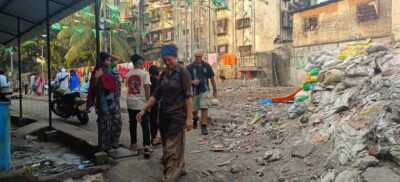
Dhobi Ghat Laundry and Dharavi Slum Tour with Local
Read our review →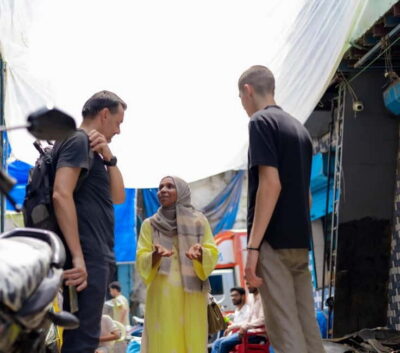
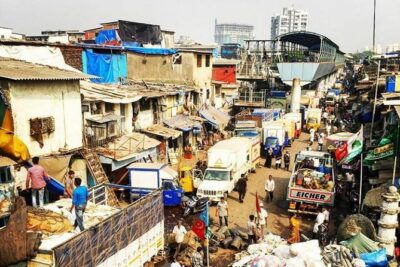
Private Combo Tours Sightseeing + Dharavi Slum + Dhobi Ghat & Dabbawalas
Read our review →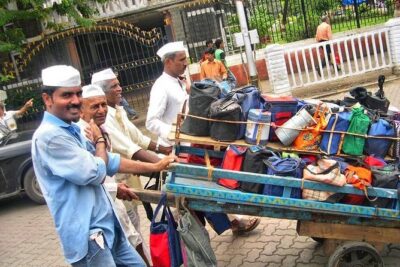

Dabbawala, Dhobi Ghat & Dharavi slum Tour with Local Train Ride
Read our review →
Mumbai Gems: 2-Day Private Tour with Elephanta, Slum & Dabbawala
Read our review →Browse the lists this tour appears in