
Reviewed · DHARAVI SLUM TOURS
Dharavi, Dhobighat, and Mumbai Dabbawallas
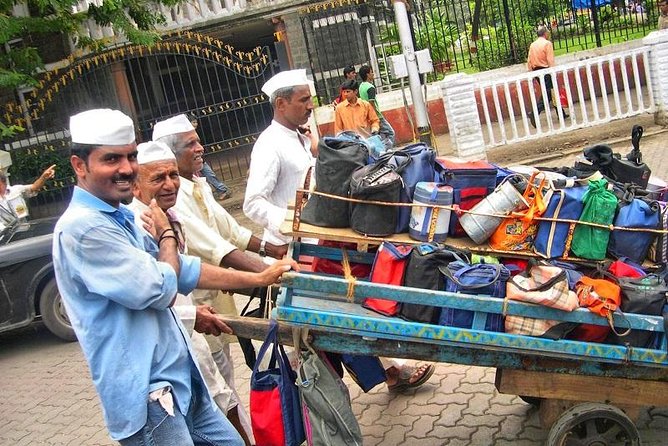
Mumbai’s daily life is the real subject here. You’ll walk through Dharavi, enter the vast Dhobi Ghat laundry, and watch the dabbawalas sort lunchboxes near Churchgate. The public transport rides are part of the lesson, not just a way to get around.
I like the small-group format, which makes it easier to ask questions and stay close to your guide. I also like that Dhobi Ghat is visited from inside, rather than viewed only from a platform or roadside. The main consideration is that this is a busy, walking-heavy outing with basic conditions, and the dabbawala stop does not operate on Sundays or public holidays.
In This Review
- Key points at a glance
- Why this tour shows you Mumbai’s working city
- Meeting at Churchgate and getting started
- Riding Mumbai’s local transport
- Walking through Dharavi for 90 minutes
- Entering Dhobi Ghat, Mumbai’s open-air laundry
- Watching the dabbawalas near Churchgate
- What the $20 price really covers
- Who will get the most from this experience
- Practical advice for a smoother visit
- Should you book the Dharavi, Dhobi Ghat, and Dabbawalas tour?
- FAQ
- How long does the tour take?
- Where does the tour start?
- Where does the tour end?
- Is the dabbawala visit available every day?
- Is transportation included?
- What should I bring?
Key points at a glance
- Dharavi from the inside: Spend about 90 minutes walking through workshops, lanes, markets, and working areas with a local guide.
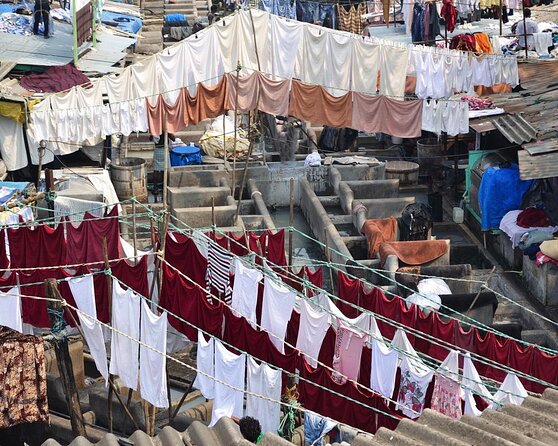
- Dhobi Ghat up close: Enter Mumbai’s famous open-air laundry for an approximately 20-minute visit.
- Dabbawalas at Churchgate: See the lunchbox delivery system in action on operating weekdays.
- Mumbai by public transport: Trains and buses turn the journey between stops into part of the experience.
- Small group, maximum 15 people: You get more access to the guide than on a large coach tour.
- Good value at $20: The price includes the guide, public transport, Dharavi, and the inside Dhobi Ghat visit.
Why this tour shows you Mumbai’s working city
Many first visits to Mumbai focus on grand hotels, colonial buildings, seaside views, and film landmarks. This experience takes a different route. You spend your time with the systems and workers that keep the city moving: recycling businesses in Dharavi, washermen at Dhobi Ghat, and the lunchbox couriers known as dabbawalas.
I like the way the tour connects these places. Dharavi shows you small-scale manufacturing and trade. Dhobi Ghat shows a long-running laundry operation with hundreds of washing areas. Churchgate shows a delivery network operating around the city’s railway system. Each stop gives you a different view of how Mumbai functions.
The tour is not a polished sightseeing ride. You walk through narrow areas, use public transport, and visit working places where people are carrying out their jobs. That makes the experience more revealing, but you need to be alert, respectful, and ready for noise, crowds, heat, and uneven walking conditions.
More Dhobi Ghat and dabbawala tours:
- Mumbai: Dharavi Slum, DhobiGhat, and Dabbawallas Tour
★ 4.9 · 689 reviews - Mumbai: Dhobi Ghat Laundry and Dharavi Slum Tour with Local
★ 5.0 · 469 reviews - Mumbai: Dharavi Slum & Dhobi Ghat Laundry Tour
★ 5.0 · 352 reviews
Meeting at Churchgate and getting started
The meeting point is outside the Burger King restaurant in Express Building, near Churchgate Railway Station at 14E IMC Marg. The tour ends outside platform 4 at Churchgate, so you begin and finish in the same general part of central Mumbai.
This is useful if you are staying in or near South Mumbai. At the end, your guide can help you work out your next move. From Churchgate, you can continue by train, taxi, or bus to many parts of the city.
The group can include as many as 15 people. That is still small enough for a personal feel, though you may need to stay close to the guide in stations and crowded lanes. Guides who have led this experience include Lokesh, also called Loki, along with Lucky, Dawood, Ganesh, Maze, and Naynish. The exact guide depends on the departure.
Wear comfortable walking shoes. Sunglasses and a hat or cap are sensible, and you should carry water because food and drinks are not included. One useful practical point: the tour may take longer than the advertised three hours, especially with train and bus connections. Allow extra time rather than booking a tight afternoon appointment.
Riding Mumbai’s local transport
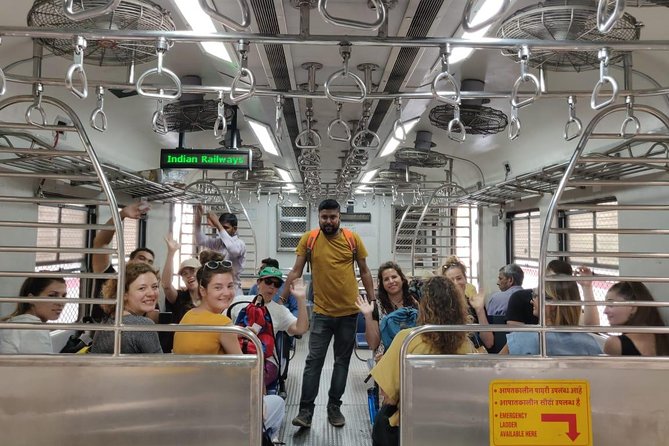
The public transport is not a minor detail. You use local trains and, on some departures, buses to move between the sites. If you are nervous about Mumbai’s transport system, having a guide with you gives you a clear introduction without needing to work out the routes alone.
The train rides also show you how closely daily life is tied to Mumbai’s railway network. You are not simply crossing the city in a private vehicle. You are moving in the same way many residents do, passing through stations and seeing the rhythm of the city at ground level.
This part can be exciting, but it can also be demanding. You need to keep your belongings secure and remain with the group. Stations can be crowded, and explanations may be harder to hear when a train is arriving. If you have children with you, keep them close. Children must be accompanied by an adult, and most people can take part, but the pace and crowds require attention.
Walking through Dharavi for 90 minutes
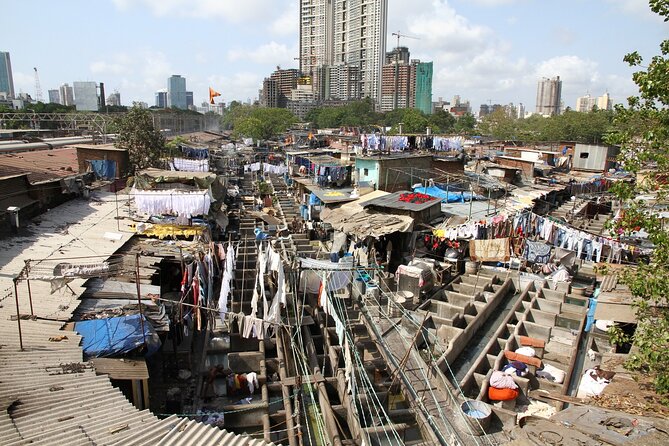
Dharavi receives about an hour and a half of the tour, making it the main stop. The walk takes you through several parts of the settlement and focuses on how people live and work there.
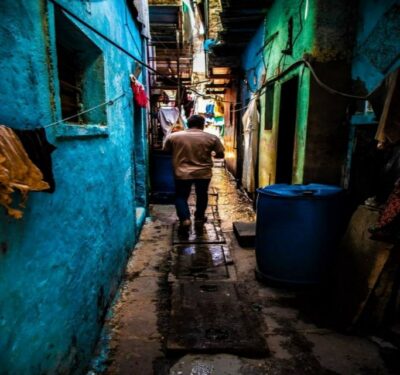
The important point is that Dharavi is not presented only as a place of poverty. Your guide explains its businesses and production areas, including recycling, bakeries, leather work, and other small industries. You might also see workshops, markets, schools, and residential lanes during the walk.
That broader view matters. The area has hard living conditions, yet it is also an economic center where people make, repair, process, and sell goods. Guides with a personal link to Dharavi, including Loki, have been especially useful for explaining its character and the way its businesses operate.
You should expect narrow lanes and a close look at ordinary routines. This is not a photo stop designed for dramatic images. A good guide will tell you where photography is allowed and where it is not. Follow those instructions. People live and work here, and a respectful visit means observing without treating the neighborhood like a stage set.
I would also set your expectations before you arrive. Dharavi will not feel comfortable in the way a conventional attraction does. You may see cramped spaces and difficult conditions, but you may also see strong community ties, practical businesses, and remarkable productivity. The value is in understanding the place as a real neighborhood rather than reducing it to the word slum.
The guide makes a major difference at this stop. Several guide names are associated with clear explanations, friendly help, and careful attention to group safety. Still, your experience can vary if the group becomes spread out or if you are walking near noisy work areas. Stay near the guide and ask questions when the group pauses.
More Dharavi walking tours:
- Dharavi slum tour in Mumbai by Female tour guides of the slum
★ 5.0 · 1,976 reviews - Dharavi Slum Tour
★ 5.0 · 625 reviews - Dharavi Slum tour in Mumbai by local resident
★ 5.0 · 572 reviews - Mumbai: Dharavi Slum Slumdog Millionaire Tour with a Local
★ 4.9 · 529 reviews
Entering Dhobi Ghat, Mumbai’s open-air laundry
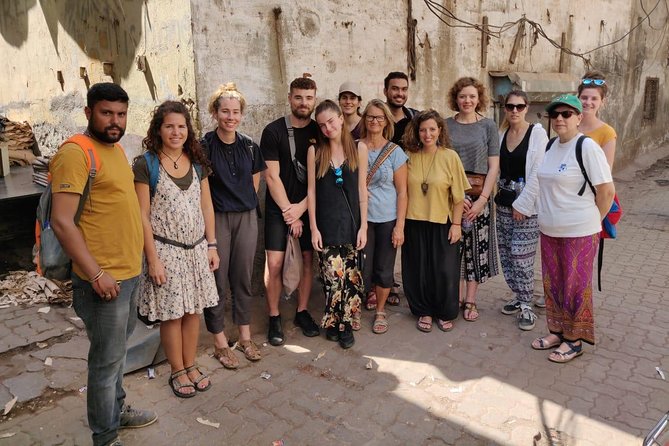
The Dhobi Ghat visit lasts about 20 minutes, but it is one of the tour’s most unusual stops. Rather than viewing the laundry only from above or from the street, you go inside with a guide.
Dhobi Ghat is an open-air laundry bay where washermen handle large amounts of clothing. From inside, you can see how the site is arranged and how the work is carried out. The operation is practical, physical, and very different from the automated laundry services familiar to many visitors.
An on-site worker may take over this part of the explanation. That can add useful local detail, although English ability may vary. If you do not catch everything, ask your main guide to repeat or explain it. The short visit means the explanation can feel brisk.
Conditions also depend on the time and day. You might find some areas quiet when little work is taking place. Even then, the close view helps you understand the scale and setting of the laundry better than a quick roadside glance.
Wear shoes you do not mind using in a working environment. The tour information specifically recommends comfortable footwear, and that advice applies most here. Be careful where you step, listen to instructions, and avoid touching equipment or clothing.
Watching the dabbawalas near Churchgate
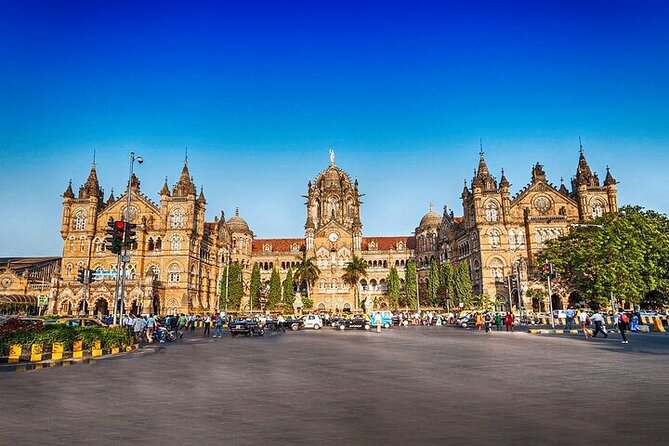
The final main stop is Churchgate Railway Station, where you learn about Mumbai’s dabbawalas, the lunchbox delivery workers who move meals through the city.
The guide explains how the system is organized and how the lunchboxes are sorted and delivered. The railway station is the right setting because the delivery network is closely connected to Mumbai’s train routes. You may see the workers handling lunchboxes as part of their daily routine.
This stop is short, about 10 minutes, so it is more of an observation and explanation than a long guided visit. Timing matters. The dabbawalas are not available on Sundays or public holidays, and the tour specifically excludes this part on those days. Do not book a Sunday departure expecting to see the delivery operation.
For the best chance of seeing the system at work, choose a regular weekday when the service is operating. Even then, the stop depends on the working schedule, so you should regard it as a practical demonstration rather than a staged performance.
I like this part because it links people, food, and transport in one simple system. It is easy to admire the efficiency, but the more useful lesson is seeing how an ordinary service fits into the city’s working day.
What the $20 price really covers
At $20 per person, this is a strong value for a three-hour city experience. The price includes a local guide, public transportation during the tour, the guided Dharavi walk, and entry into Dhobi Ghat from inside.
You are paying for access and context more than for a formal attraction. Dharavi is not a ticketed museum, and the Churchgate dabbawala viewing is brief. Without a guide, you could pass near these places without understanding what you were seeing or how the work fits together.
The group size also helps the price feel fair. A maximum of 15 people is not private touring, but it is more manageable than a large bus group. You get a chance to ask about what you see, and a good guide can help with trains, meeting points, and keeping the group together.
The price does not include hotel pickup, hotel drop-off, food, or drinks. You need to reach the Churchgate meeting point yourself and make your own onward arrangements at the end. Bring water and a small snack if you need one, particularly if your tour runs longer than the stated time.
Who will get the most from this experience
I would recommend this tour if you want to understand Mumbai beyond its famous sights. It suits first-time visitors who want a structured introduction to local transport, working neighborhoods, and everyday services.
It can also work well for families. Children have enjoyed the trains, Dhobi Ghat, and Dharavi, but adults need to prepare them for crowded transport and serious social conditions. The tour is educational rather than light entertainment.
You should also consider it if you are interested in cities, labor, recycling, small business, or transport systems. The tour gives you several connected examples in a short period.
This may not be the right choice if you want a relaxed half-day with plenty of sitting. The walking and transport sections take effort, and the subject matter can be confronting. It is also a poor fit for a Sunday or public holiday if the dabbawala stop is important to you.
Practical advice for a smoother visit
Arrive at the Burger King meeting point with enough time to find the entrance. Churchgate has several exits and can feel confusing if you are rushing.
Keep your belongings close during train and bus rides. Stay with the group, especially when moving through stations or narrow lanes. If you cannot hear an explanation, tell the guide rather than trying to catch up alone.
Bring water, sunscreen, sunglasses, and a hat or cap. Food and snacks are not provided. Comfortable walking shoes matter more than smart clothing.
Ask before taking photographs in Dharavi and Dhobi Ghat. Your guide can tell you what is appropriate. A respectful approach will make the visit better for you and for the people who live and work in these places.
The tour has free cancellation up to 24 hours before the start time. Within 24 hours, you cannot receive a refund or make changes, so check your plans before that deadline.
Should you book the Dharavi, Dhobi Ghat, and Dabbawalas tour?
I would book it if you want a direct look at Mumbai’s working life and are comfortable using public transport. The combination of a 90-minute Dharavi walk, an inside visit to Dhobi Ghat, and a Churchgate dabbawala explanation gives you more substance than a standard sightseeing loop.
The best reason to choose it is the guide. Names such as Lokesh, Lucky, Dawood, Ganesh, Maze, and Naynish are associated with friendly explanations and careful help, though the guide assigned to your departure may differ. The main weakness is that the tour can run long, the Dhobi Ghat explanation may be harder to follow, and the dabbawala stop disappears on Sundays and public holidays.
Choose a weekday, carry water, wear good shoes, and leave extra time afterward. At $20, this is a practical and worthwhile introduction to the parts of Mumbai you are unlikely to understand from a taxi window.
FAQ
How long does the tour take?
The advertised duration is approximately three hours. The actual timing can be longer because the tour uses trains, buses, walking, and several stops. Allow extra time after the scheduled finish.
Where does the tour start?
You meet outside the Burger King restaurant in Express Building, at 14E IMC Marg opposite Churchgate Railway Station in Mumbai.
Where does the tour end?
The tour ends outside platform 4 at Churchgate Railway Station on Maharshi Karve Road. From there, you can arrange a train, taxi, or bus to continue your journey.
Is the dabbawala visit available every day?
No. The dabbawala portion is not available on Sundays or public holidays. The rest of the tour may still operate, but you should not expect to see the lunchbox delivery workers on those dates.
Is transportation included?
Yes. Public transportation used during the tour is included. Hotel pickup and hotel drop-off are not included, so you must reach the Churchgate meeting point yourself.
What should I bring?
Wear comfortable walking shoes and bring water. Sunglasses and a hat or cap are recommended. Children must be accompanied by an adult, and service animals are allowed.
Just added around Mumbai
- Temples & Vineyards: Private Tour to Nashik from Mumbai★ 4.5 · 3 reviews
- Mumbai: Private City sightseeing and Dharavi Slum Tour★ 5.0 · 3 reviews
- Mumbai: Full Day City Sightseeing with Lunch, Car & Guide★ 4.3 · 3 reviews
- Elephanta Island Private Speedboat Tour from Mumbai – 6pax★ 5.0 · 3 reviews
- Mumbai: Elephanta Island and Elephanta Caves Guided Tour★ 4.4 · 3 reviews
- Mumbai Sightseeing Tour by Public Transport with family Lunch★ 5.0 · 3 reviews
- Mumbai by Dawn★ 4.5 · 3 reviews
- Mumbai Dharavi Slum Community Tour★ 5.0 · 3 reviews
Dharavi Slum Tours, compared.
Dharavi slum tour in Mumbai by Female tour guides of the slum
Read our review →

Dharavi Slum Slumdog Millionaire Tour with a Local
Read our review →
Mumbai Slum Tour – Visit Dharavi Slum with Local Guide
Read our review →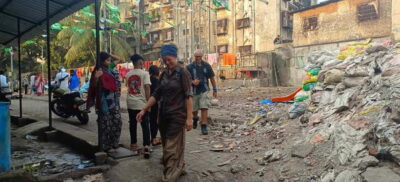
Dhobi Ghat Laundry and Dharavi Slum Tour with Local
Read our review →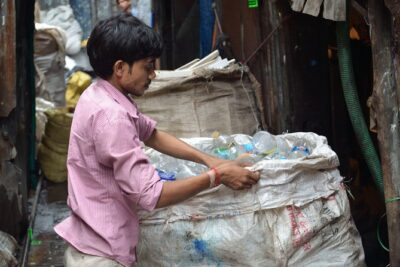
Browse the lists this tour appears in