
Reviewed · DHARAVI SLUM TOURS
Group Tour of Dharavi Slum walk with local Guide
Dharavi is not simply a place to look at from a car window. On this two-hour walking tour, you enter the workshops, lanes, homes, and markets with a guide who was born and raised in the area. You see leather work, pottery, soap making, recycling, bakeries, and the daily business that supports this part of Mumbai.
I like the guide’s personal connection, especially when you are led by Abhishek, Bharti, or Mahesh. I also like the clear split between Dharavi’s working areas and residential lanes. The main drawback is that this is a close, busy walking route through a dense neighborhood, so you should expect narrow alleys and little personal space rather than a polished sightseeing stop.
In This Review
- Key things to know before you book
- Why Dharavi makes a useful Mumbai walking tour
- Starting near Mahim and reaching Dharavi on foot
- Seeing Dharavi’s working side first
- Recycling, practical work, and the value of small businesses
- Narrow lanes, homes, schools, and hospitals
- Markets, religion, and community life
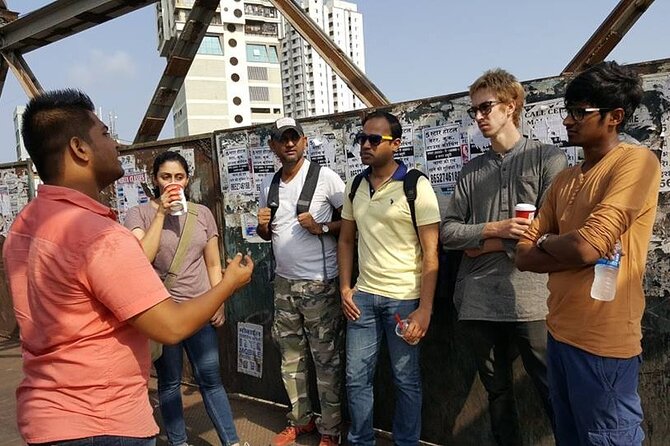
- What the local guides add
- Group size, language, and what you receive
- Is $12.26 good value?
- Practical advice for a respectful visit
- Who should book this Dharavi walk?
- Should you book it?
- FAQ
- Where does the Dharavi tour begin?
- Where does the tour finish?
- How long does the walking tour last?
- What is the price?
- What is included in the tour?
- Is food included?
- How many people can join the group?
- Can most people participate?
- Can I cancel for a full refund?
Key things to know before you book
- A guide who grew up in Dharavi: Abhishek, Bharti, and Mahesh have been praised for explaining local life with personal insight.
- Work and home in one walk: The route covers industrial spaces, residential lanes, markets, and community facilities.
- A close look at local trades: Leather, pottery, soap, baking, color dyeing, plastic recycling, and used cooking-oil can recycling are included.
- A small group of up to 15 people: The group is large enough to feel social but still workable in narrow streets.
- A low price for a focused experience: At $12.26 per person, the tour offers two hours with an English-speaking guide and bottled water.
- A fixed route with a different end point: You begin near Mahim and finish in Dharavi, where you can arrange an Uber or local taxi.
Why Dharavi makes a useful Mumbai walking tour
Dharavi is often reduced to a single image. This walk gives you a more useful picture by showing how people work, live, trade, study, worship, and move through a tightly packed urban district.
The tour is not built around grand monuments. Its interest comes from ordinary activity: a leather workshop at work, a bakery producing food, a pottery area, a small market, and recycling businesses turning discarded material into income. Those details help you understand Dharavi as a working community rather than a backdrop.
I find that the local guide matters more here than on many standard city tours. A guide who grew up in Dharavi can explain what you are seeing in a direct way and answer questions about daily life. Mahesh, Bharti, and Abhishek are specifically associated with warm, clear guiding, and Abhishek has been described as offering especially detailed explanations.
The tone of your questions matters. Ask with curiosity, not as if the neighborhood were an exhibit. You are walking through people’s workplaces and homes, so your guide’s advice and your own good manners are important.
More Dharavi walking tours:
- Dharavi slum tour in Mumbai by Female tour guides of the slum
★ 5.0 · 1,976 reviews - Mumbai: Dharavi Slum, DhobiGhat, and Dabbawallas Tour
★ 4.9 · 689 reviews - Dharavi Slum Tour
★ 5.0 · 625 reviews
Starting near Mahim and reaching Dharavi on foot
The meeting point is Third Wave Coffee at Tip Road, Unit 58, Ground, Ram Mahal, Senapati Bapat Marg, Marinagar Colony, near Mahim Station. This is a practical place to meet because it gives you a clear landmark before the walk begins.
The end point is Sai Multispeciality Hospital and Research Centre on 90 Feet Road in Dharavi, behind Sion Hospital, in the Muslim Nagar and Kumbhar Wada area. Since the tour finishes in a different part of Mumbai from where it starts, allow time for your onward ride.
You can use an Uber or local taxi from the end point. That detail matters because a walking tour can leave you in a busy area without a simple return transfer included. I would save the end address before setting out and avoid making tight plans immediately afterward.
The activity lasts about two hours. That is long enough to cover several parts of Dharavi without turning the walk into an exhausting half-day commitment. It also means the pace is likely to be purposeful, with stops for explanation rather than long breaks.
Seeing Dharavi’s working side first
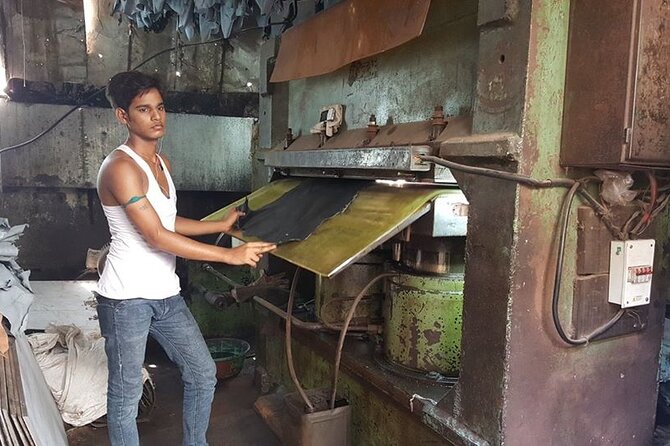
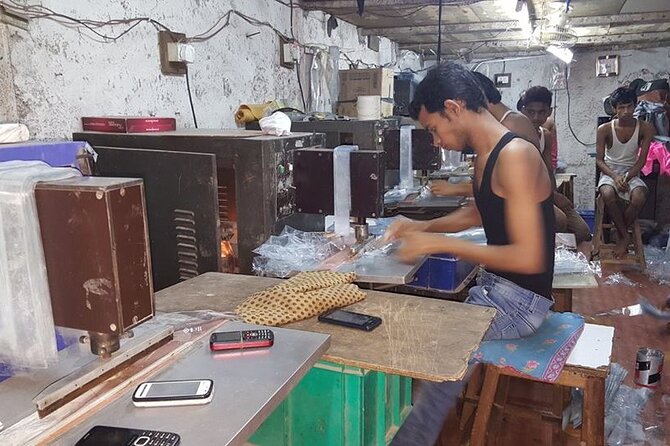
One of the most useful parts of the route is the time spent in the industrial section. Dharavi is home to many small businesses, and the tour shows how work happens in compact spaces close to where people live.
Leather industries are included, giving you a look at one of the area’s best-known trades. The point is not only to see finished goods. You also get a sense of the steps, tools, and labor that support a local production network.
Pottery is another stop. The contrast between leather work and pottery helps show that Dharavi is not dependent on one trade. Different skills and businesses operate close together, often in spaces that may appear modest from the outside.
The route also includes soap making and color dyeing. These stops are useful because they show less familiar forms of production. Your guide can explain what the activity is and why it matters locally, rather than leaving you to guess from a quick glance.
A bakery is part of the route too. Food production gives the walk a more everyday feel, connecting the industrial side of Dharavi with the needs of the surrounding community. You may find the bakery stop more immediately familiar than the industrial workshops, but it is still a good reminder that local businesses serve local residents.
Recycling, practical work, and the value of small businesses
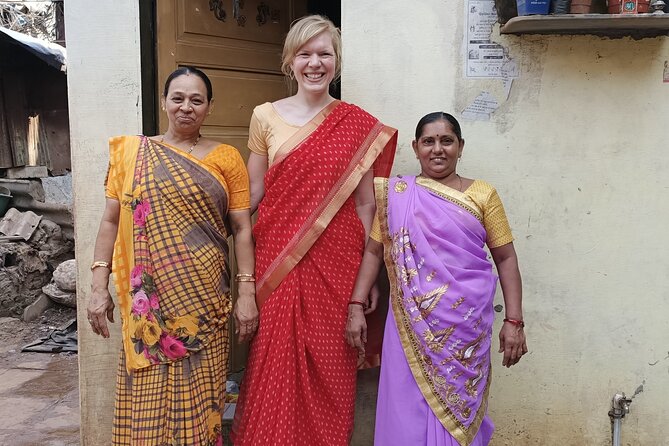
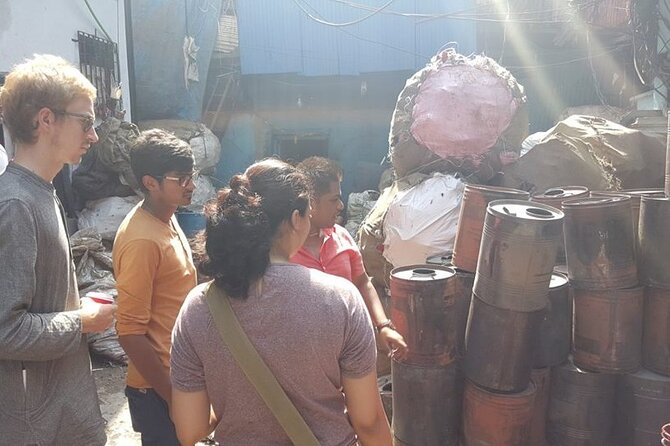
Plastic recycling is one of the more revealing parts of the walk. Recycling businesses show how discarded material can become a source of work and income. The route also includes recycling of vegetable-oil cans, a specific detail that makes the visit more concrete.
These stops are valuable because they move the experience away from broad labels. Instead of hearing only about poverty or overcrowding, you see systems of work and reuse. The guide can connect those businesses to the daily economy of the neighborhood.
You should keep your expectations realistic. This is not a factory tour with displays, safety rails, or formal demonstrations. The businesses are part of a living district, and the spaces may be small. You are there to observe and listen while work continues.
That informality is part of the appeal, but it can also feel intense. If you prefer highly structured sightseeing, the close quarters and working environment may require some adjustment.
More guided walks on foot:
- Group Guided Walking Tour in Fort and Colaba
★ 5.0 · 1,073 reviews - Private Guided Walking Tour in Fort & Colaba
★ 5.0 · 895 reviews - Private Guided Walking Tour in Bandra Queen of Suburbs
★ 5.0 · 383 reviews - Private Guided Spiritual Walk in Banganga Hindu Temples
★ 5.0 · 271 reviews
Narrow lanes, homes, schools, and hospitals
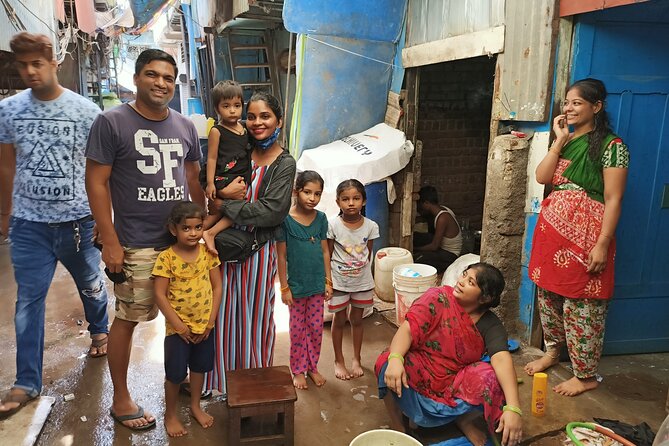
The tour moves beyond workshops into a small alley and residential areas. This is where the experience becomes more personal. You see how homes, workplaces, shops, and public services sit close together.
The route includes houses in Dharavi, along with schools and hospitals. Those stops help you understand that this is not an abandoned or purely industrial area. It is a place where people live their full daily lives.
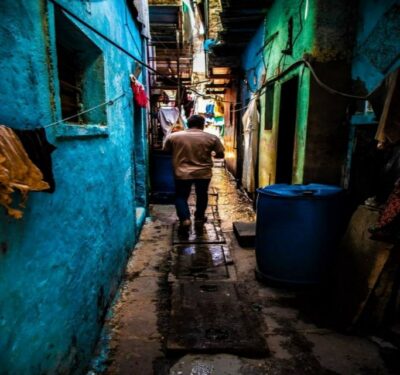
A narrow alley can make the walk feel very different from a normal Mumbai street tour. The space is limited, and you may need to follow closely behind the guide. Keep your bag secure, walk carefully, and let local people pass when needed.
The residential section deserves a respectful pace. Do not treat private homes as photo subjects, and avoid blocking entrances or lanes. The supplied tour details do not state a formal photography policy, so ask your guide before taking pictures and follow local direction.
This part may be the most striking for you, but it is also the part that calls for the most awareness. You are not entering a museum. You are walking through someone’s neighborhood.
Markets, religion, and community life
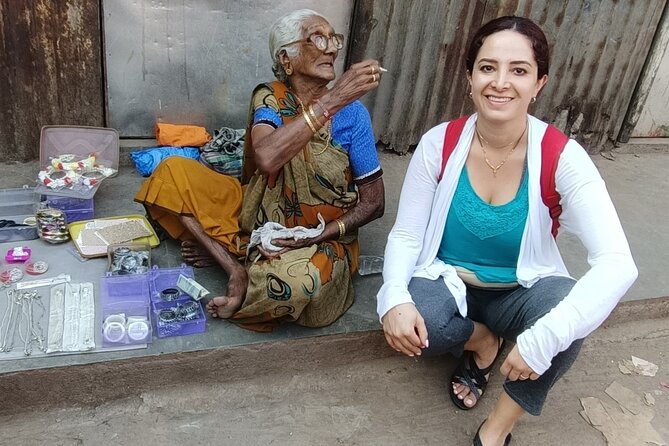
A slum market is included, adding another layer to the tour. Markets show how residents buy, sell, and meet nearby rather than relying only on distant commercial districts. It is a small detail, but it helps connect the workshops and homes to ordinary shopping.
The route also mentions Muslim people making a shrine for Hindus. This is an unusual and memorable detail. It offers a glimpse of cooperation between religious communities through a shared local project.
Your guide is especially important at this stop. Without context, you might notice only the physical work. With an explanation, you can better understand why the shrine is being made and what it means to the people involved.
The tour does not promise a lecture on Mumbai’s religions or social structure, so expect a brief, local explanation rather than a formal history lesson. Still, this kind of specific community detail can be more useful than a long list of dates.
What the local guides add
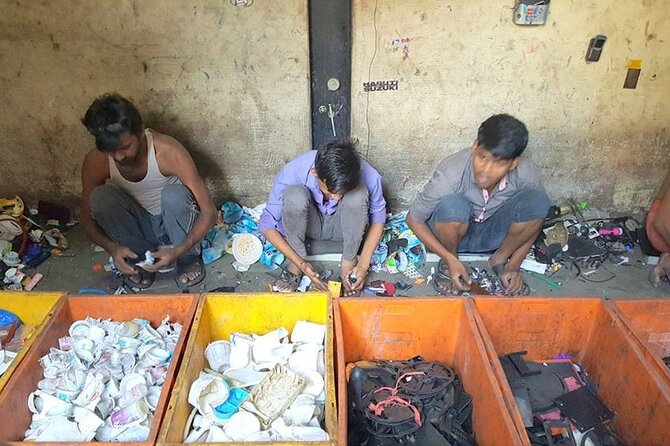
The strongest feature of this tour is its guides’ connection to Dharavi. The experience specifically highlights a guide who lives in the slum, and several guide names appear in the tour’s feedback: Bharti, Abhishek, and Mahesh.
Bharti is described as a warm guide who helped make the area easier to understand. If she leads your walk, you can expect a personal approach and room for questions.
Abhishek has been praised for being friendly, professional, and especially well informed about the area. One account also connects him with a tour of Dhobi Ghat as well as Dharavi. Since the published Dharavi route does not list Dhobi Ghat as a standard stop, ask ahead if that sight matters to your plans.
Mahesh is described as someone who lives in Dharavi and explains both life and work there. His personal experience can help bridge the gap between reading about Dharavi and seeing it directly.
Guide assignments can change, so you should not assume that one particular person will lead your group. Still, the local connection is built into the design of the experience, and it is the feature that gives this walk its strongest sense of place.
Group size, language, and what you receive
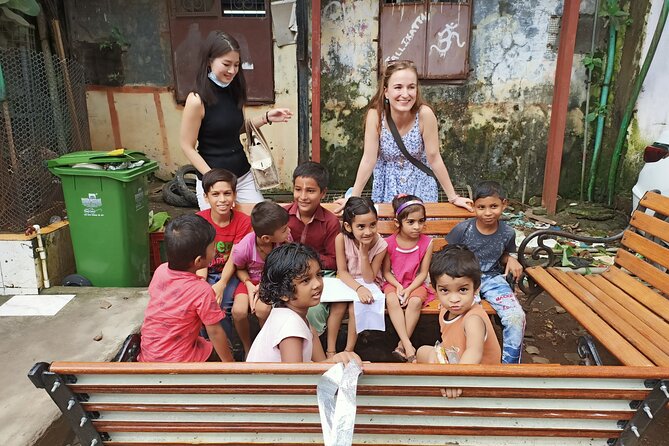
The maximum group size is 15 people. That is not a private tour, but it is still a manageable number for a two-hour walk. In narrow lanes, a smaller group helps you stay together and hear the guide.
The guide speaks English. Bottled water is included, which is useful during a walking route. Coffee, tea, and all food are excluded, so eat before the tour or plan a meal afterward.
Tips are not included. Carry some cash if you want to thank your guide, though the tour information does not set a required amount.
A mobile ticket is provided, and confirmation is received at booking. Most people can take part, but the tour details do not provide a specific accessibility statement. If you need step-free access or have concerns about narrow lanes, contact Mumbai Dream Tours before booking.
Is $12.26 good value?
At $12.26 per person, this is a low-cost way to spend two hours with a local English-speaking guide. You receive a guided walk, bottled water, and access to a route that covers both work and residential areas.
The value comes from the explanation, not from paid attractions. There is no major monument admission or formal show included. You are paying for local guidance and access to a set of working and residential areas that would be difficult to understand on your own.
For me, the price is strongest if you want context. A quick walk without explanation could leave you with only surface impressions. A guide who can answer questions about leather work, recycling, homes, schools, hospitals, and community activity makes the same streets far more meaningful.
It is less suitable if you want a long, relaxed city stroll with plenty of free time. Two hours passes quickly, especially with many stops, and food or drinks beyond the bottled water are not part of the cost.
Practical advice for a respectful visit
Wear comfortable shoes. The tour is on foot, lasts about two hours, and includes narrow alleys and working areas.
Keep your group compact and listen for instructions. Workshops and residential lanes may not have room for people to stop wherever they like.
Ask before photographing people, homes, workshops, or religious activity. Even if photography is possible, a respectful approach matters more than collecting images.
Bring water only if you prefer more than the supplied bottle. Since food and drinks are not included, do not count on a café stop during the walk.
Make sure you understand the route. You start near Mahim Station and finish in Dharavi, so book your return ride from the end point rather than expecting to finish where you began.
The tour allows free cancellation up to 24 hours before the start time. A cancellation within 24 hours is not refundable, and late changes are not accepted.
Who should book this Dharavi walk?
I would choose this tour if you want to understand how people work and live in Dharavi, not just pass by it. It suits curious visitors who value local explanation, small businesses, and community stories more than standard sightseeing.
It is also a good fit if you want a short activity at a modest price. Two hours gives you a focused introduction without taking an entire day away from Mumbai’s other sights.
I would think twice if you dislike close urban spaces, narrow lanes, or tours that enter active residential areas. The experience asks you to be alert, polite, and comfortable with a setting that is not arranged for tourism.
Should you book it?
Book this Dharavi walk if the guide’s local connection and the working side of Mumbai interest you. The strongest reason to go is the chance to see leather, pottery, soap, baking, dyeing, and recycling alongside homes, markets, schools, hospitals, and religious community work.
The $12.26 price is fair for a two-hour English-language tour with a group capped at 15 people. Before booking, confirm the meeting point, plan your ride from the Dharavi finish, and ask who will guide your group if you especially want Bharti, Abhishek, or Mahesh.
FAQ
Where does the Dharavi tour begin?
The tour begins at Third Wave Coffee, Tip Road, Unit 58, Ground, Ram Mahal, Senapati Bapat Marg, Marinagar Colony, near Mahim Station in Mumbai.
Where does the tour finish?
The tour ends at Sai Multispeciality Hospital and Research Centre on 90 Feet Road in Dharavi, behind Sion Hospital, in the Muslim Nagar and Kumbhar Wada area.
How long does the walking tour last?
The tour lasts approximately two hours.
What is the price?
The listed price is $12.26 per person.
What is included in the tour?
Bottled water and an English-speaking guide are included.
Is food included?
No. Coffee, tea, and all types of food are not included.
How many people can join the group?
The maximum group size is 15 people.
Can most people participate?
The tour information says most people can participate. It does not provide a detailed accessibility statement for the route.
Can I cancel for a full refund?
Yes. You can cancel at least 24 hours before the local start time for a full refund. Cancellations or changes made less than 24 hours before the start time are not accepted for a refund.
Just added around Mumbai
- Temples & Vineyards: Private Tour to Nashik from Mumbai★ 4.5 · 3 reviews
- Mumbai: Private City sightseeing and Dharavi Slum Tour★ 5.0 · 3 reviews
- Elephanta Island Private Speedboat Tour from Mumbai – 6pax★ 5.0 · 3 reviews
- Mumbai: Full Day City Sightseeing with Lunch, Car & Guide★ 4.3 · 3 reviews
- Mumbai: Elephanta Island and Elephanta Caves Guided Tour★ 4.4 · 3 reviews
- Mumbai Sightseeing Tour by Public Transport with family Lunch★ 5.0 · 3 reviews
- Mumbai by Dawn★ 4.5 · 3 reviews
- Mumbai Dharavi Slum Community Tour★ 5.0 · 3 reviews
Dharavi Slum Tours, compared.
Dharavi slum tour in Mumbai by Female tour guides of the slum
Read our review →
Dharavi Slum Slumdog Millionaire Tour with a Local
Read our review →
Mumbai Slum Tour – Visit Dharavi Slum with Local Guide
Read our review →
Dhobi Ghat Laundry and Dharavi Slum Tour with Local
Read our review →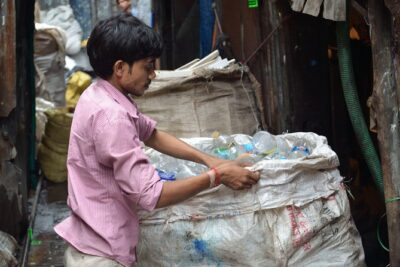
Browse the lists this tour appears in