
Reviewed · DHOBI GHAT & DABBAWALA TOURS
Dhobi Ghat Tour
At Mumbai’s Mahalaxmi Dhobi Ghat, laundry is not tucked behind a hotel door. It is sorted, scrubbed, beaten, dried, and ironed in full view, with clothes moving through a carefully shared system. The sight is practical, colorful, and very Mumbai.
I like the chance to see the working life of dhobi families rather than another polished sightseeing stop. I also like the low $11 price, which includes entry, an English-speaking guide, and tea. The main caution is timing: the advertised visit is about 30 minutes, but one booking lasted only eight minutes.
In This Review
- Key points to know
- Why Mahalaxmi Dhobi Ghat Is Worth Seeing
- Starting at the Dhobi Ghat Viewpoint
- Sorting, Scrubbing, and Beating the Clothes Clean
- Ironing With Heavy Charcoal Presses
- Meeting the People Behind the Laundry
- The Best Photography Is Outside
- What the 30-Minute Format Really Means
- Is $11 Good Value?
- Who Should Book This Dhobi Ghat Tour?
- A Respectful Way to Visit the Dhobi Ghat
- Final Recommendation: Book It for Local Insight
- FAQ
- Where is the Dhobi Ghat tour held?
- What is the tour price?
- How long does the tour last?
- What time is best for the tour?
- What is included in the price?
- Is photography allowed inside Dhobi Ghat?
- What language is the tour conducted in?
- Where does the tour start and finish?
- Can I pay later or cancel the booking?
Key points to know
- Watch a century-old open-air laundry in action: Mahalaxmi Dhobi Ghat has served Mumbai for more than 100 years.
- Follow the clothing from sorting to ironing: Different people handle colors, fabric types, washing, drying, and pressing.
- Hear personal stories from working families: Guides can explain daily routines, family roles, and the pressures of the job.
- Visit early for the best activity: An 8 a.m. start is recommended.
- Keep your camera outside: Photography inside the dhobi ghat is not allowed.
- Expect a short visit for a small price: The planned walk lasts about 30 minutes, but the actual length may vary.
Why Mahalaxmi Dhobi Ghat Is Worth Seeing

Mahalaxmi Dhobi Ghat is one of Mumbai’s most unusual cultural stops because it is still a working place, not a museum display. Laundry arrives from across the city, and hundreds of washermen and women, known as dhobis, work through the day to return it clean and pressed.
You see the city’s clothing economy in miniature. Hotel linens, household garments, uniforms, and other loads pass through the site. The work has a rhythm: clothes come in, get sorted, washed, dried, pressed, bundled, and sent out again.
I like this kind of sightseeing because it shows how a city functions behind its grand buildings and famous monuments. You are not simply looking at an old tradition. You are watching people earn a living through a system that still matters to Mumbai.
The setting can feel busy and noisy, with the smell of washing soda and cleaning chemicals in the air. That is part of the point, but it also means this is not a quiet or polished attraction. You are observing a workplace, so respect and restraint matter.
More Dhobi Ghat and dabbawala tours:
- Mumbai: Dharavi Slum, DhobiGhat, and Dabbawallas Tour
★ 4.9 · 689 reviews - Mumbai: Dhobi Ghat Laundry and Dharavi Slum Tour with Local
★ 5.0 · 469 reviews - Mumbai: Dharavi Slum & Dhobi Ghat Laundry Tour
★ 5.0 · 352 reviews
Starting at the Dhobi Ghat Viewpoint

The meeting point is the Dhobi Ghat entrance, at 26-40 Anandilal P Marg in Dhobi Ghat, Shanti Nagar, Mahalaxmi, Mumbai, Maharashtra 400020. The guide meets you at the viewpoint, then begins the short walking visit.
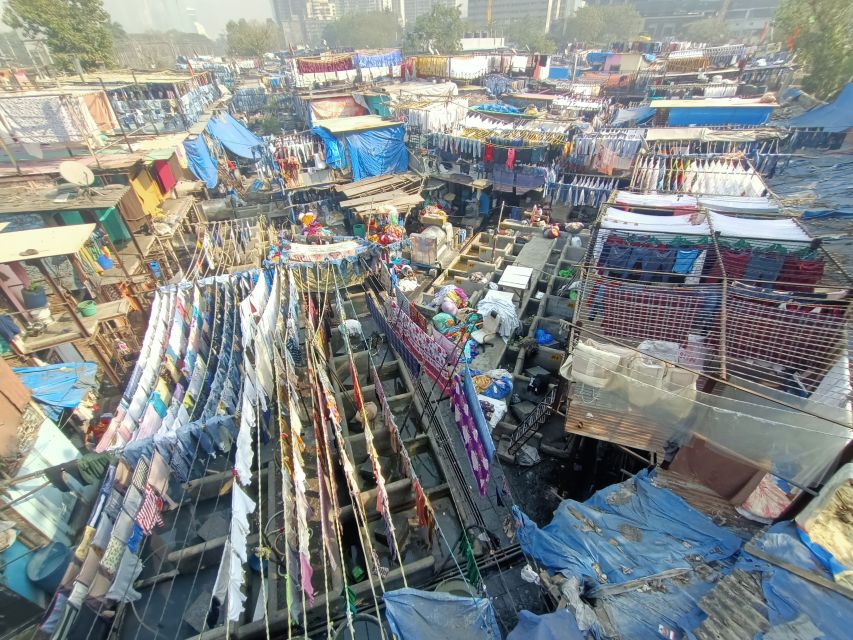
That starting point helps you understand the site before you enter its working areas. From the viewpoint, you can take in the rows of washing areas and clotheslines, then listen as the guide explains what you are seeing.
Set your expectations correctly. This is not a long walking tour through several parts of Mumbai. The activity is focused on the laundry itself and lasts about 30 minutes as planned. That short format works well if you are fitting the dhobi ghat between other Mahalaxmi or central Mumbai stops.
The best start time is 8 a.m. The laundry is active through the day, but an early visit gives you a useful chance to see the morning work underway. Since the site is a real workplace, schedules and activity can change. Arriving on time is especially important for a short tour.
Sorting, Scrubbing, and Beating the Clothes Clean
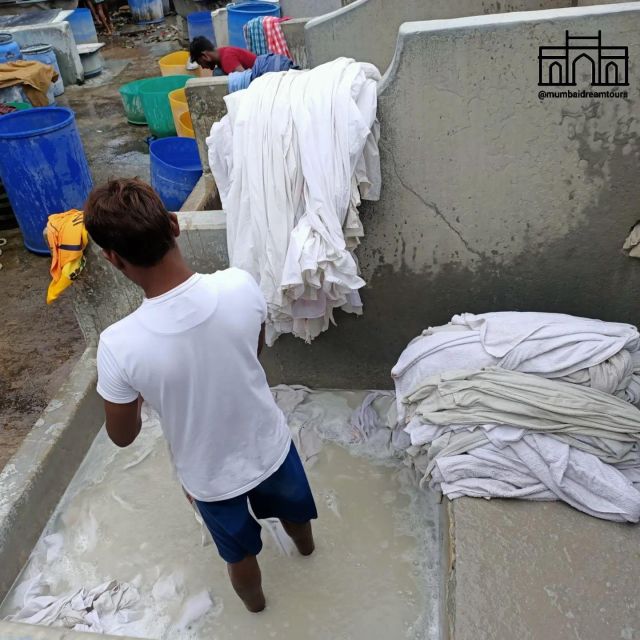
The most interesting part is seeing how the work is divided. One dhobi sorts clothes by color and type. Another handles the washing and beats stains from the fabric. Other family members hang the laundry on lines to dry.
This division of labor makes the operation easier to understand. What first looks like a jumble of tubs, garments, and people begins to look like a large manual production line. Each person has a task, and the clothing moves from one stage to the next.
Much of the work is done by hand, although some families now use machines to help. That mixture of old and newer methods is useful context. The dhobi ghat is not frozen in time, but traditional hand work remains central to its identity.
You may see washing troughs, drying lines, piles of garments, and porters carrying fresh loads. The work is physical, repetitive, and dependent on family cooperation. The guide can help you connect these separate scenes into one complete process.
There are also separate sections for boiling water and washing infected clothes from hospitals. This detail gives the place a wider role than household laundry alone. It also explains why the site has different working areas and why cleanliness procedures matter.
Ironing With Heavy Charcoal Presses
After washing and drying, garments must be pressed before delivery. This is where the bulky charcoal irons come in. Someone handles the pressing while more loads arrive, keeping the cycle moving.
I find this stage especially revealing because it shows how much care goes into the final step. Clean clothes are not ready for customers until they are dry, folded, and crisp. The dhobi ghat combines hard physical washing with careful finishing work.
The charcoal irons are also a reminder of the skill involved. They are not small household irons used casually on a shirt. The people operating them need to manage heat and pressure while working through large piles of clothing.
The guide may explain how each family member takes responsibility for a different part of the process. That family structure is one of the most useful parts of the visit. You are not only looking at methods. You are learning how work and home life overlap at the dhobi ghat.
A completely different way to spend a day in Mumbai:
- Dharavi slum tour in Mumbai by Female tour guides of the slum
★ 5.0 · 1,976 reviews - Mumbai: Full-Day Sightseeing Tour of Mumbai
★ 4.9 · 1,822 reviews - Private Mumbai Sightseeing Tour (Traveller’s Choice Award Winner)
★ 5.0 · 1,565 reviews - Elephanta Caves & Island Guided Private Tour
★ 5.0 · 1,327 reviews
Meeting the People Behind the Laundry
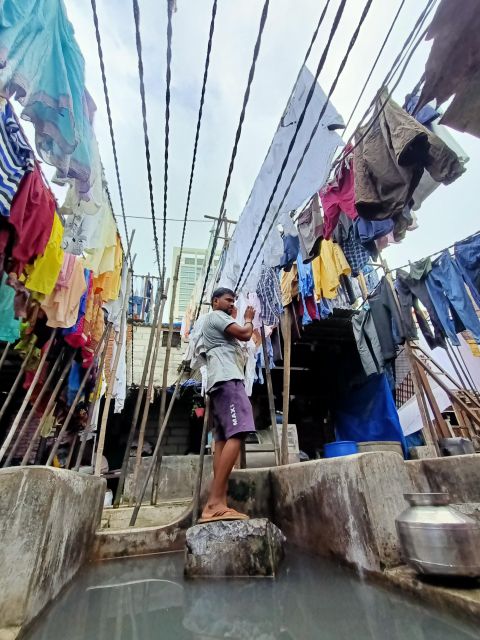
A good visit depends heavily on the guide. The dhobi ghat is more meaningful when someone explains the work and introduces you to the people who keep it running.
Havat has led visits here and has lived and worked at Dhobi Ghat all his life, following several generations of family work. That kind of personal connection can add detail you would not get from simply looking over the viewpoint. His humor and character have also been noted as part of the experience.
Hardik Tank has also guided this tour. He is described as young but well prepared, gentle, and helpful. Since guide availability can change, you should not assume that either Havat or Hardik will lead your booking, but their approach gives you an idea of what a strong visit can offer.
You may hear about daily work, family responsibilities, and the difficulties of handling laundry in this setting. The children who live and work nearby may also be around, and there may be a chance to play a game of marbles. Treat these moments as human contact, not as a performance arranged for a camera.
I would ask questions politely and avoid interrupting the work. The best questions are simple: how the clothes are sorted, how long drying takes, how loads are collected, and how the families divide the jobs. A guide can translate the activity into a story about Mumbai’s working life.
The Best Photography Is Outside
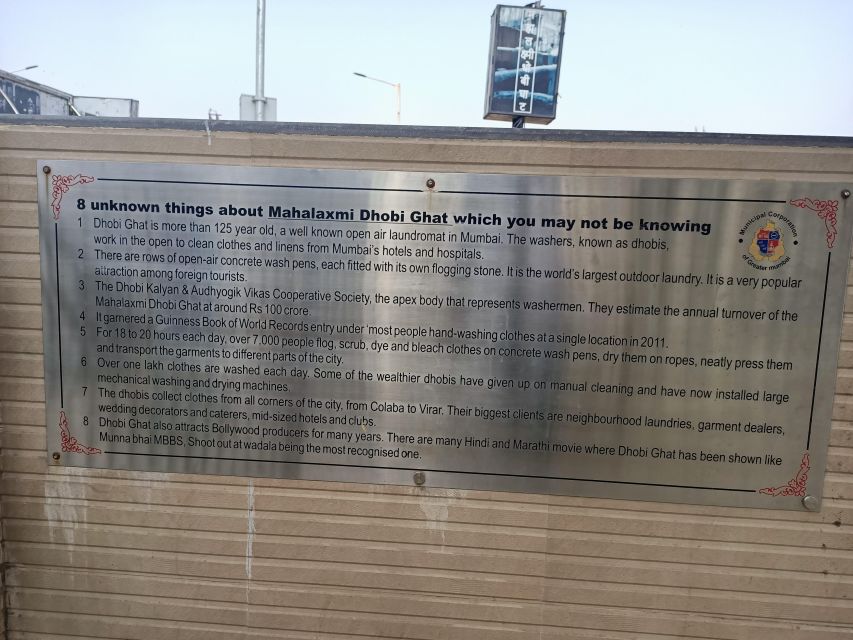
Photography inside Dhobi Ghat is not allowed. This is an important rule, and you should not treat it as a minor suggestion. You can enjoy the view from the designated viewpoint, but once inside, put the camera away and pay attention.
The outside view still gives you strong visual material. Rows of colorful clothes create long bands of color, while hospital and hotel linens may form more restrained displays of white or pale fabric. The contrast between the two makes the site appealing to photographers.
You might also see clothes piled on porters’ backs, bicycles moving loads, and handcarts coming in and out. Water splashes, drying garments, and workers moving between sections provide plenty to notice even without taking pictures inside.
If you want photographs, use the viewpoint responsibly and follow the guide’s directions. Do not photograph people at close range without permission. The attraction is a working community, and respecting privacy is more important than getting one extra picture.
What the 30-Minute Format Really Means
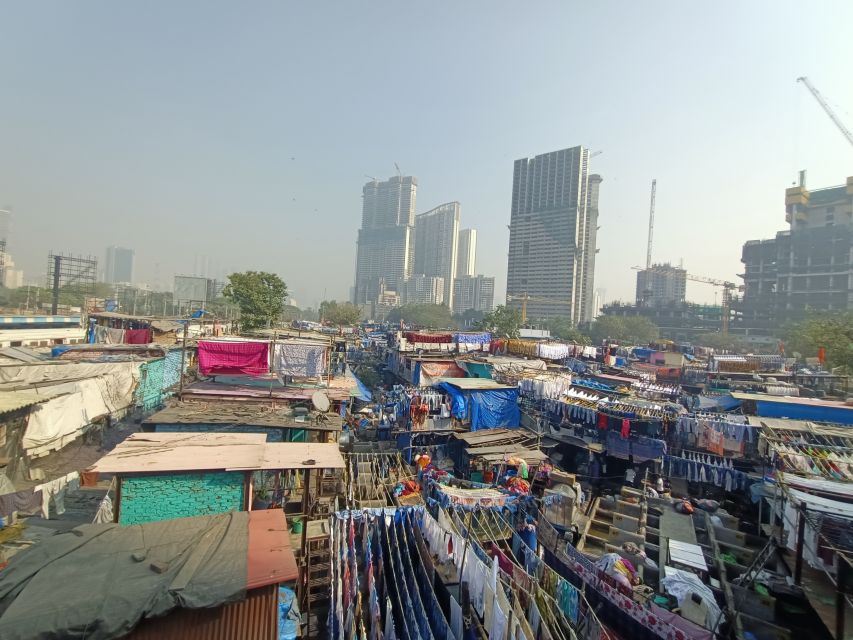
A 30-minute walking tour is enough for an introduction, not a long study of the dhobi ghat. You can see the main working areas, hear the basic story, and watch the process move from dirty laundry to finished clothing.
That short length is a benefit if your Mumbai schedule is crowded. You do not need to give up half a day, and the tour can fit into a broader morning of sightseeing. It also suits anyone who wants a focused look at one part of city life.
The drawback is that a short tour leaves little room for delays, extended conversation, or a slow photography stop. One booking reportedly lasted only eight minutes, with the guide appearing to be in a hurry. That is a serious concern when the attraction itself is the reason you booked.
I would confirm the meeting details and arrive early. If the guide is moving quickly, politely ask for the full planned route and explanation. The organizer’s communication has been described as good, which helps if you need clarification before the visit.
Is $11 Good Value?
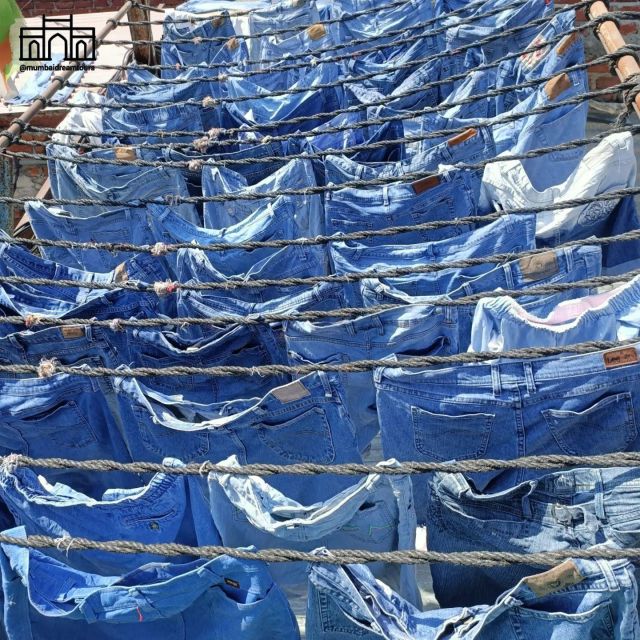
At $11 per person, this is an inexpensive Mumbai activity. The fee includes entry, an English-speaking guide, and tea. For that price, the tour offers access to a place that can be difficult to understand from the outside.
The value comes from interpretation. You can see the clotheslines from a public viewpoint, but a guide helps explain who handles each stage, why different sections exist, and how dhobi families organize the work. That context is what turns a quick look into a cultural visit.
The price is less attractive if your tour ends after only a few minutes. The short planned duration already requires careful timing, so an unusually brief visit reduces what you receive. I would book it for the local access and explanation, not simply for a checklist photograph.
Tea is included, though it should be treated as a small courtesy rather than a central feature. The main benefit is the chance to observe a major open-air laundry and hear about the people who work there.
You can also reserve now and pay later, keeping your plans flexible. Cancellation is allowed up to 24 hours in advance for a full refund. Those terms are useful if your Mumbai schedule is still changing.
Who Should Book This Dhobi Ghat Tour?

I would recommend it to you if you enjoy working neighborhoods, traditional trades, and short cultural visits. It is a good match for someone who wants to see how an enormous city handles everyday services, not just its monuments and shopping streets.
Families may find the practical process interesting, especially the sorting, washing, drying, and ironing stages. Photography enthusiasts may also enjoy the outside views, but only if they are comfortable following the no-photography rule inside.
The tour is less suitable if you want a long, relaxed walk or guaranteed time with the workers. It is also not the right choice if your main goal is unrestricted photography. The site is active and useful, but it is not arranged like a visitor center.
Your experience will depend on the guide and on how much time is given to the visit. Havat’s lifelong connection to the dhobi ghat and Hardik Tank’s careful approach are encouraging examples, but guide assignment is not guaranteed.
A Respectful Way to Visit the Dhobi Ghat

Remember that this is someone’s workplace and home area. Keep pathways clear, listen to instructions, and do not handle clothing or equipment. Avoid photographing inside, even if a scene looks especially striking.
The guide is there to help you see the work without getting in the way. Pay attention to the process rather than treating the people as background decoration. A respectful attitude will make the visit more comfortable for you and for the dhobi families.
I also suggest wearing practical clothes and shoes suitable for a short walk around an active laundry area. The supplied information does not specify a dress code or special equipment, so simple, comfortable clothing is the sensible choice.
Final Recommendation: Book It for Local Insight
Book this tour if you want a compact, affordable look at Mumbai’s working culture. The open-air laundry, hand-washing methods, charcoal irons, family roles, and colorful drying lines give you plenty to think about in a short time.
I would be cautious only if you need a guaranteed 30-minute visit or plan to take close-up photographs. The reported eight-minute visit is the main weakness, and the photography restriction is firm.
For most people, the $11 cost is reasonable, especially with entry, an English-speaking guide, and tea included. Arrive for the recommended 8 a.m. start, keep your camera away inside, and ask the guide to explain the full path from sorting to delivery. That is how you get the most from this small but revealing Mumbai stop.
FAQ
Where is the Dhobi Ghat tour held?
The tour takes place at Mahalaxmi Dhobi Ghat in Mumbai, Maharashtra. The meeting address is 26-40 Anandilal P Marg, Dhobi Ghat, Shanti Nagar, Mahalaxmi, Mumbai, Maharashtra 400020.
What is the tour price?
The price is $11 per person.
How long does the tour last?
The planned tour duration is approximately 30 minutes of walking. The actual duration can vary, so you should allow for the possibility of a shorter visit.
What time is best for the tour?
The recommended start time is 8 a.m.
What is included in the price?
The price includes entry tickets, an English-speaking guide, and tea.
Is photography allowed inside Dhobi Ghat?
No. Photography inside the dhobi ghat is not allowed.
What language is the tour conducted in?
The tour is conducted in English.
Where does the tour start and finish?
The guide meets you at the Dhobi Ghat viewpoint. The activity ends back at the meeting point.
Can I pay later or cancel the booking?
Yes. You can reserve your place and pay later. Cancellation up to 24 hours in advance is eligible for a full refund.
Just added around Mumbai
- Temples & Vineyards: Private Tour to Nashik from Mumbai★ 4.5 · 3 reviews
- Mumbai: Private City sightseeing and Dharavi Slum Tour★ 5.0 · 3 reviews
- Mumbai: Full Day City Sightseeing with Lunch, Car & Guide★ 4.3 · 3 reviews
- Elephanta Island Private Speedboat Tour from Mumbai – 6pax★ 5.0 · 3 reviews
- Mumbai: Elephanta Island and Elephanta Caves Guided Tour★ 4.4 · 3 reviews
- Mumbai Sightseeing Tour by Public Transport with family Lunch★ 5.0 · 3 reviews
- Mumbai by Dawn★ 4.5 · 3 reviews
- Mumbai: Dhobi Ghat & Dharavi Slum tour★ 4.7 · 3 reviews
Dhobi Ghat & Dabbawala Tours, compared.

Dhobi Ghat Laundry and Dharavi Slum Tour with Local
Read our review →

Private Combo Tours Sightseeing + Dharavi Slum + Dhobi Ghat & Dabbawalas
Read our review →

Dabbawala, Dhobi Ghat & Dharavi slum Tour with Local Train Ride
Read our review →
Mumbai Gems: 2-Day Private Tour with Elephanta, Slum & Dabbawala
Read our review →Browse the lists this tour appears in