
Reviewed · DHARAVI SLUM TOURS
Dharavi Slum Walking Tour: Mumbai’s Inspiring Small Industries
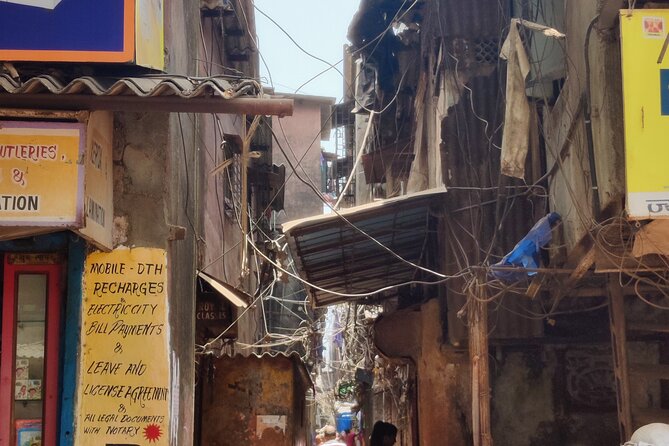
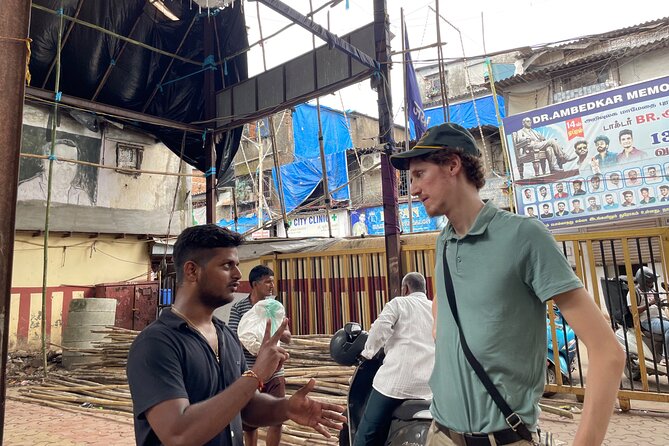
Dharavi is not simply a place to look at from a distance. On this two-hour walking tour, you enter the working heart of the community, passing recycling rooms, garment operations, leather workshops, homes, and the Kumbharwada pottery colony. The result is a close look at how people live and earn a living in one of Mumbai’s most talked-about districts.
I like two things here. First, the tour shows small industry as well as housing, so you see more than a row of narrow lanes. Second, a local guide can explain what you are seeing in human terms, with guides such as Sharon and Ruqaiyya bringing personal knowledge of Dharavi to the walk. The main consideration is that this is genuinely close-up: some lanes are only about two feet wide, and the setting may feel uncomfortable if you prefer to observe from a distance.
In This Review
- Key points before you book
- What this Dharavi walk is really about
- Starting at Third Wave Coffee in Mahim
- First section: recycling, manufacturing, and local work
- Kumbharwada pottery colony and the residential lanes
- Why a local guide changes the experience
- The close-up nature of the route
- Is $9.51 a good value?
- Who should book this experience?
- Practical details for a smoother visit
- Should you book the Dharavi walking tour?
- FAQ
- How long does the Dharavi walking tour last?
- Where does the tour start?
- Where does the tour end?
- Is Kumbharwada pottery colony included?
- Is the tour private?
- Can I cancel for a full refund?
Key points before you book
- Kumbharwada pottery colony: See a distinct pottery area within Dharavi, alongside other local workshops.
- Commercial and residential sides: The route covers recycling, garments, leather, homes, and public and private buildings.
- A personal local perspective: Guides including Sharon and Ruqaiyya have been praised for their warmth, clarity, and connection to Dharavi.
- Two hours on foot: The tour is short enough to fit into a Mumbai day, but expect continuous walking through tight lanes.
- Private group format: Only your group participates, giving the walk a more personal feel.
- Low starting price: At $9.51 per person, the experience offers strong value if you want context and direct access rather than a distant view.
What this Dharavi walk is really about
Dharavi is often reduced to a label. This tour works better when you treat it as a visit to a dense residential and commercial district, not as a spectacle. The guide leads you through places where people work, make goods, recycle materials, and manage daily life in limited space.
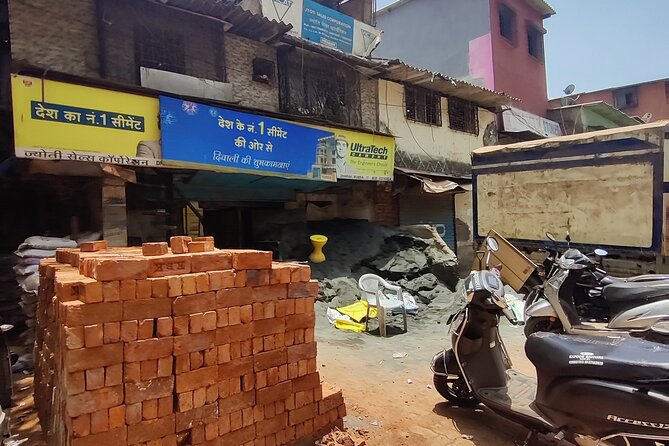
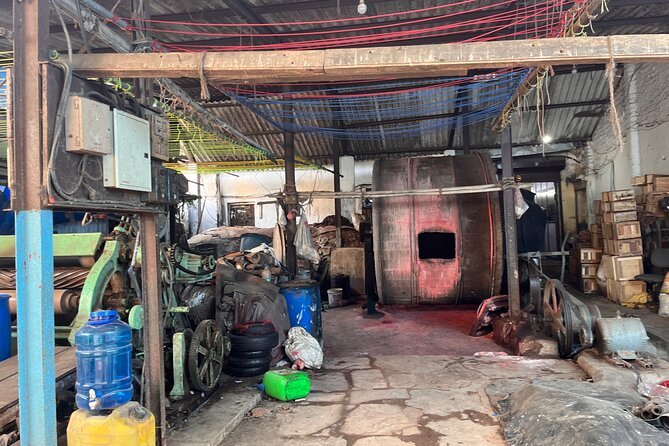
The commercial section comes first. You may see plastic, cardboard, aluminum, and garments being handled in small-scale operations. Leather work is also part of the route. These businesses matter because they show the practical side of Dharavi: homes and workplaces sit close together, and many forms of production happen on a modest scale.
That focus gives the tour a useful purpose. Instead of only hearing that Dharavi has an active economy, you see the physical workspaces and the movement of materials. A pile of recyclable goods, a garment workshop, or a small leather operation becomes part of a larger picture about jobs, skill, and household income.
Then the walk shifts toward the residential side. Small-roofed homes appear beside government and private buildings, workshops, and narrow passageways. The change in mood is important. You are no longer looking only at production, but at the daily setting in which people live.
Your guide is the key to making sense of this change. Sharon has been singled out for detailed explanations and an approachable manner. Ruqaiyya, who lives in Dharavi, has been praised for speaking about the area with clear personal pride. If you want a guide with a direct connection to the community, you can request a specific guide, although the supplied information does not guarantee that a particular person will lead every departure.
More Dharavi walking tours:
- Dharavi slum tour in Mumbai by Female tour guides of the slum
★ 5.0 · 1,976 reviews - Mumbai: Dharavi Slum, DhobiGhat, and Dabbawallas Tour
★ 4.9 · 689 reviews - Dharavi Slum Tour
★ 5.0 · 625 reviews
Starting at Third Wave Coffee in Mahim
The meeting point is Third Wave Coffee at Tip Road, Unit 58, Ground, Ram Mahal, Senapati Bapat Marg, Marinagar Colony, near Mahim station, Mumbai, Maharashtra 400016. The walk ends back at this same meeting point, so you do not need to arrange a separate pickup after the tour.
This is a useful setup for a short experience. You begin at a clear public location near transportation, then return there after about two hours. Still, allow time to find the exact coffee shop and arrive ready to walk. The meeting point is not inside Dharavi itself, so the tour begins with a meeting and orientation before the main walk.
A transfer option with hotel pickup and drop-off is also available for a more convenient day. The details supplied do not specify which hotels qualify or how much the transfer costs, so check those points before paying for that version. A city sightseeing option is mentioned as part of the broader offering, but the exact sights and schedule are not provided.
First section: recycling, manufacturing, and local work
The commercial portion gives the walk its strongest sense of purpose. You may see recycling work involving plastic, cardboard, and aluminum, along with garment production and leather workshops. These are not presented as distant exhibits. The route takes you near the places where the work happens.
That closeness is both the attraction and the challenge. You get a better sense of how materials are sorted, reused, and turned into income. At the same time, the working spaces can be tight, active, and visually intense. You need to follow your guide, stay aware of the people around you, and avoid treating someone’s workplace as a stage.
Photography is allowed during the guided walk, according to the tour details. That does not mean every person or work area should automatically be photographed. Use ordinary courtesy, ask when appropriate, and let your guide set the tone. The guide’s presence helps with safety and with understanding what is suitable.
One useful feature is the balance between different kinds of work. Recycling is only one part of the picture. Garments, leather, pottery, and other trades show that Dharavi is not defined by a single industry. The experience becomes more useful when you pay attention to the range of skills involved.
Kumbharwada pottery colony and the residential lanes
Kumbharwada is one of the most distinctive parts of the route. This pottery colony sits within Dharavi and gives the walk a clear cultural and visual focus. It adds a craft tradition to the tour’s industrial side, showing how handmade goods fit into a working neighborhood.
The pottery visit also breaks up the route. After seeing recycling and manufacturing, you get a different view of production, one tied to clay, vessels, and individual makers. The supplied details do not promise a hands-on pottery session or a purchase opportunity, so book this as a visit and explanation rather than a workshop.
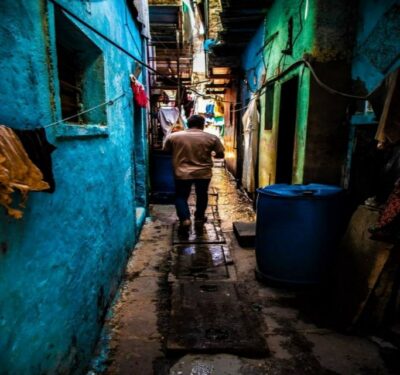
From there, the walk continues through residential areas. The lanes can be extremely narrow, with one description putting some at roughly two feet wide. That matters more than it may sound. You may need to walk in single file, keep your belongings close, and accept that the route is not designed for a wide, open promenade.
The homes and buildings are part of the lesson. Small-roofed houses sit near government and private structures, and workspaces appear close to living quarters. This arrangement shows how space is used when residential and commercial needs overlap. It also means you should keep your voice low and avoid blocking entrances.
The residential section may be the most meaningful part of the tour for you, especially if you want to understand daily life rather than only see business activity. One piece of feedback specifically suggested spending less time on industry and more time around the homes. That is a fair preference, and it is worth knowing that the tour gives a substantial place to commercial activity before moving into housing.
More guided walks on foot:
- Group Guided Walking Tour in Fort and Colaba
★ 5.0 · 1,073 reviews - Private Guided Walking Tour in Fort & Colaba
★ 5.0 · 895 reviews - Private Guided Walking Tour in Bandra Queen of Suburbs
★ 5.0 · 383 reviews - Private Guided Spiritual Walk in Banganga Hindu Temples
★ 5.0 · 271 reviews
Why a local guide changes the experience
Dharavi is easy to misunderstand without context. A guide can explain what a workshop does, how a lane functions, and why different buildings appear side by side. That turns a quick walk into a clearer picture of work, family life, and neighborhood organization.
The strongest guide experiences appear to come from a personal, friendly approach. Sharon has been praised for offering detailed insight over multiple Mumbai tours. Ruqaiyya has been described as engaging and proud of Dharavi, where she lives. Those qualities matter because the subject can quickly become uncomfortable or overly simplified.
A guide also helps you move through the area with respect. The tour is designed to keep you safe while allowing photographs, but safety is only part of good conduct. You are entering a place where people live and work. Listen more than you speak, do not touch goods or equipment, and let the guide handle questions that require local context.
The private format helps here. Only your group participates, rather than a large mixed group. That can make it easier to ask questions and adjust the pace, though the route still lasts about two hours and the available details do not promise a fully customized path.
The close-up nature of the route
This is not a viewpoint tour. You will not simply stand at the edge and take in a broad scene. You walk through the area, sometimes in lanes so tight that there is little room to pass. That direct format gives you access to ordinary spaces, but it asks more of you as a visitor.
I would choose this tour if you want a grounded look at Mumbai’s local economy and are prepared to be attentive. I would not choose it if you want a relaxed sightseeing walk with wide paths, frequent rest stops, or a detached view.
The word slum can also shape expectations in an unhelpful way. The tour’s actual content is more varied: homes, businesses, workshops, pottery, recycling, and buildings managed by both public and private interests. You will see difficult living conditions in places, but you will also see work, initiative, and pride.
That balance is important. The experience should not turn people’s homes into scenery. The most respectful way to take the tour is to focus on the guide’s explanations and the structure of the community, not on collecting dramatic photographs.
Is $9.51 a good value?
At $9.51 per person, the basic experience is inexpensive for a two-hour private walking tour in Mumbai. The value comes less from the length and more from access and interpretation. You are paying for a local guide who can connect the commercial and residential areas and explain what you are seeing.
The price is especially attractive if you are already near Mahim and can reach the meeting point on your own. Since the walk starts and ends at Third Wave Coffee, you can fit it around other plans without committing to a full-day schedule.
The transfer option changes the calculation. Hotel pickup and drop-off can save effort, especially if you are unfamiliar with Mumbai or want a simpler day, but the extra cost is not supplied here. Compare that add-on with the price of arranging your own transport before booking.
Group discounts are available, which may make the tour even better value for a family or small private party. Since only your group participates, the cost can be easier to justify when shared among several people.
Who should book this experience?
This tour suits you if you want:
- A direct look at small-scale manufacturing and recycling
- A local explanation of how homes and businesses share limited space
- A short activity that fits into a busy Mumbai schedule
- A private walk for your own group
- A visit to Kumbharwada pottery colony
- A guide with a personal connection to Dharavi, if available
It may not suit you if you dislike narrow passageways, feel uneasy walking close to working areas, or want the main focus to be residential life. The industrial portion is a major part of the route, and the walk does not promise a quiet or distant overview.
Most people can participate, and the meeting point is near public transportation. The details do not provide a specific accessibility assessment, so anyone with mobility concerns should confirm whether the narrow lanes and walking conditions are suitable before booking.
Practical details for a smoother visit
Wear footwear suited to two hours on foot. Keep your bag compact, since narrow lanes leave little room and you may be moving close to other people and work areas.
Arrive at the stated meeting point, Third Wave Coffee on Senapati Bapat Marg near Mahim station. The tour ends there as well. A mobile ticket is available, and booking confirmation is provided at the time of booking.
The tour can be canceled for a full refund if you do so at least 24 hours before the local start time. Changes or cancellations made within 24 hours are not accepted for a refund.
Because the walk is private, you can ask questions that may not suit a large public group. Use that chance well. Ask about the businesses you pass, the pottery colony, the connection between homes and workshops, and the daily routines your guide points out.
Should you book the Dharavi walking tour?
Book it if you want to see Dharavi as a working community rather than as a headline or photo stop. The combination of recycling, garments, leather, pottery, homes, and local explanation gives you a fuller view than a quick drive past the area.
The strongest reason to choose it is the guide. Sharon and Ruqaiyya are examples of the personal, engaging approach this tour can offer. If your main interest is residential life, ask about the balance of the route before booking, since the industrial section comes first and receives real attention.
At $9.51, the basic tour is an easy value choice for curious visitors who can manage a close, narrow walking route. Go with respect, listen carefully, and expect an honest look at both the pressures and the enterprise of Dharavi.
FAQ
How long does the Dharavi walking tour last?
The walking tour lasts approximately two hours.
Where does the tour start?
It starts at Third Wave Coffee, Tip Road, Unit 58, Ground, Ram Mahal, Senapati Bapat Marg, Marinagar Colony, near Mahim station, Mumbai, Maharashtra 400016, India.
Where does the tour end?
The activity ends back at the same meeting point at Third Wave Coffee.
Is Kumbharwada pottery colony included?
Yes. The route includes a visit to Kumbharwada pottery colony within Dharavi.
Is the tour private?
Yes. Only your group participates in the activity.
Can I cancel for a full refund?
Yes. You can cancel at least 24 hours before the local start time for a full refund. Cancellations or changes made less than 24 hours before the start time are not refunded or accepted.
Just added around Mumbai
- Temples & Vineyards: Private Tour to Nashik from Mumbai★ 4.5 · 3 reviews
- Mumbai: Private City sightseeing and Dharavi Slum Tour★ 5.0 · 3 reviews
- Mumbai: Full Day City Sightseeing with Lunch, Car & Guide★ 4.3 · 3 reviews
- Elephanta Island Private Speedboat Tour from Mumbai – 6pax★ 5.0 · 3 reviews
- Mumbai by Dawn★ 4.5 · 3 reviews
- Mumbai: Elephanta Island and Elephanta Caves Guided Tour★ 4.4 · 3 reviews
- Mumbai Sightseeing Tour by Public Transport with family Lunch★ 5.0 · 3 reviews
- Mumbai Dharavi Slum Community Tour★ 5.0 · 3 reviews
Dharavi Slum Tours, compared.
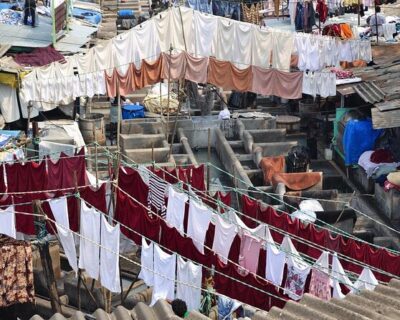
Dharavi slum tour in Mumbai by Female tour guides of the slum
Read our review →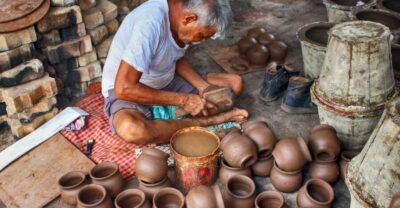
Dharavi Slum Slumdog Millionaire Tour with a Local
Read our review →
Mumbai Slum Tour – Visit Dharavi Slum with Local Guide
Read our review →
Dhobi Ghat Laundry and Dharavi Slum Tour with Local
Read our review →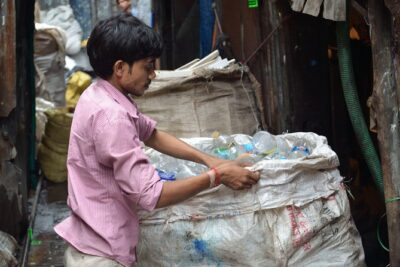
Browse the lists this tour appears in