

Reviewed · DHARAVI SLUM TOURS
Dharavi Slum Walking Tour: Daily Life in Asia’s Largest Slum
Dharavi is not a movie set or a place to view from a passing car. This two-hour walking tour takes you into working industrial lanes, family neighborhoods, and Kumbharwada, where potters still shape clay by hand. I like that the route shows both the pressures and the pride of daily life, rather than presenting Dharavi as a spectacle.
I especially like the access to small-scale industries such as recycling, leatherwork, baking, textiles, and pottery. I also like the small-group limit of 15 people, which gives you room to listen and ask questions. The main consideration is that this is a walking tour through narrow lanes, so you need moderate physical fitness and a respectful attitude toward residents.
In This Review
- Key points to know before booking
- Entering Dharavi from Third Wave Coffee
- The industrial side of Dharavi
- Residential lanes and ordinary daily life
- Kumbharwada and the work of the potters
- What the guide adds to the experience
- Is $5.59 good value?
- Timing, fitness, and practical details
- Who will appreciate this walk most?
- Should you book the Dharavi walk?
- FAQ
- Where does the Dharavi walking tour begin?
- Where does the tour end?
- How long does the tour last?
- What language does the guide speak?
- What will the tour visit?
- How many people can join the tour?
- Do I need to be physically fit?
- Is the tour available with a mobile ticket?
- Can I cancel for a refund?
Key points to know before booking
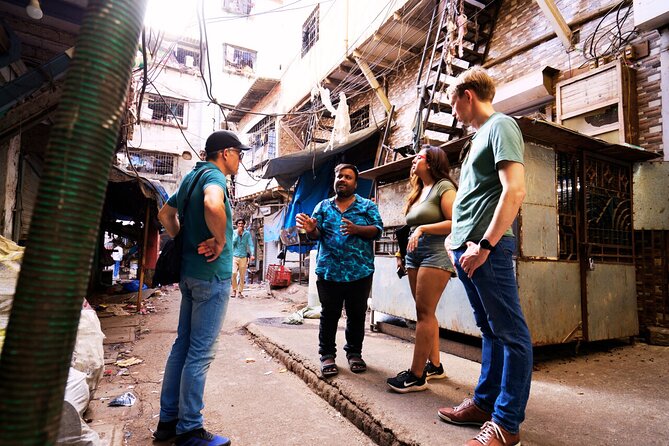
- See Dharavi’s working economy: Visit areas connected with recycling, leather, food production, textiles, and pottery.
- Meet in Mahim: The tour begins at Third Wave Coffee on Senapati Bapat Marg and ends inside Dharavi on 90 Feet Road.
- Hear local perspectives: Guides such as Sufiyan, who was born and raised in Dharavi, have led visitors through the neighborhood.
- Reach Kumbharwada: The historic potters’ colony is the clearest cultural highlight, with clay work passed through generations.
- Allow two to two and a half hours: The route combines industrial areas, residential lanes, and community stories.
- Pay very little for a serious look at Mumbai: At $5.59 per person, the price is unusually low, though the value depends on your comfort with the subject and walking conditions.
Entering Dharavi from Third Wave Coffee
Your meeting point is Third Wave Coffee, Unit 58, Ground Floor, Ram Mahal, Senapati Bapat Marg, in the Marinagar Colony area near Mahim. This gives you a clear place to meet your guide before leaving the café setting and entering Dharavi on foot.
The change in surroundings is part of what makes the tour useful. You are not simply dropped beside a photo stop. You begin with a guide, then move into an area where homes, workshops, and small factories sit close together. Your guide provides the context needed to understand what you are seeing.
English and Hindi are offered, and the guide is central to the experience. Sufiyan is named in several bookings and is described as someone born and raised in Dharavi. Bala is also named in the feedback, with particular care taken to explain local numbers in a way that made them easier to understand. Guides can vary, but these details show the value of having someone who can explain the neighborhood from a local point of view.
The group can include up to 15 people. That is not a private walk, but it is small enough for questions and direct conversation. If you are hoping for a quiet, slow stroll, keep in mind that Dharavi is a working neighborhood, not a museum arranged for visitors.
More Dharavi walking tours:
- Dharavi slum tour in Mumbai by Female tour guides of the slum
★ 5.0 · 1,976 reviews - Mumbai: Dharavi Slum, DhobiGhat, and Dabbawallas Tour
★ 4.9 · 689 reviews - Dharavi Slum Tour
★ 5.0 · 625 reviews
The industrial side of Dharavi
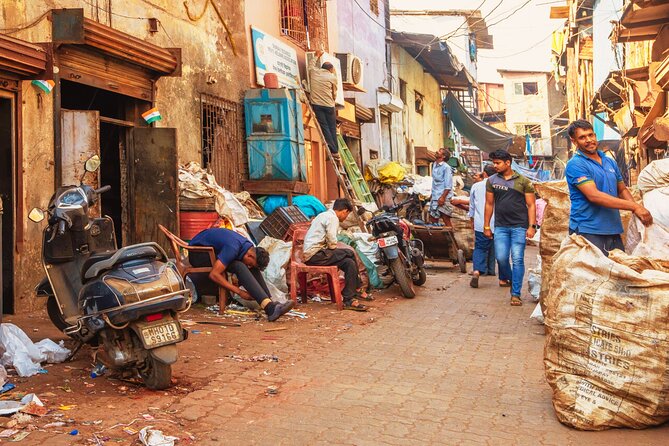
The first major part of the route looks at Dharavi’s work areas. You might see activity connected with recycling, leatherwork, pottery, food production, and textiles. The important point is not simply spotting a workshop. The guide helps you understand how much economic activity can fit into a compact neighborhood.
This is where the tour moves beyond the usual image of Dharavi as only a place of poverty. The walk shows enterprise, skill, and long working traditions alongside difficult living conditions. You see people making products, processing materials, and earning a living close to home.
Recycling is one of the key subjects. The tour presents it as an industry built on effort and organization, not just as a pile of discarded materials. Leatherwork, textiles, and baking offer other examples of how residents create income through small businesses. Exact businesses operating on the day may differ, since this is a real neighborhood rather than a fixed attraction.
The guide’s explanations matter here. Without context, a visitor could see only cramped lanes and busy workspaces. With a good local guide, you begin to understand how work, housing, family life, and movement through the area are linked.
There is a possible ethical concern. Looking at people’s workplaces can feel intrusive if you treat the neighborhood as a curiosity. Keep cameras away unless your guide clearly says photography is appropriate, do not block doorways, and listen more than you speak. The tour’s value depends heavily on that basic respect.
Residential lanes and ordinary daily life
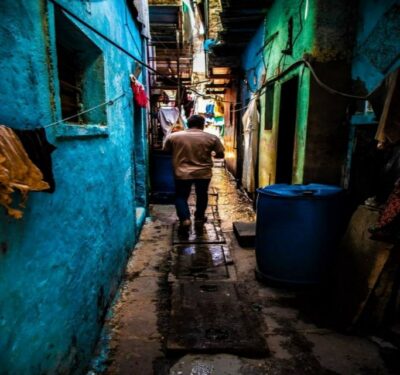
After the industrial areas, the route moves through narrow residential lanes. The details described for this section are deliberately ordinary: children playing, families cooking, and neighbors talking across doorsteps.
That ordinariness is important. You are not being shown only the most dramatic parts of Dharavi. You get a sense of how homes and community life fit beside workshops and production spaces. The result is a more complete picture of the neighborhood.
At the same time, this can be the most sensitive part of the walk. A family cooking or a child playing is not a performance for visitors. You should keep your voice low, follow the guide’s lead, and avoid turning private life into a collection of photographs.
The route also addresses the challenges faced by residents. The information provided does not promise a detailed discussion of every issue, so you should expect a general account rather than a policy lecture. Still, hearing about housing pressures and daily difficulties beside stories of community pride helps keep the tour balanced.
I like this mix of facts and human stories. The visit is strongest when it makes you think about both sides at once: Dharavi has serious challenges, yet it is also home to families, workers, artisans, and business owners who take pride in where they live.
Kumbharwada and the work of the potters

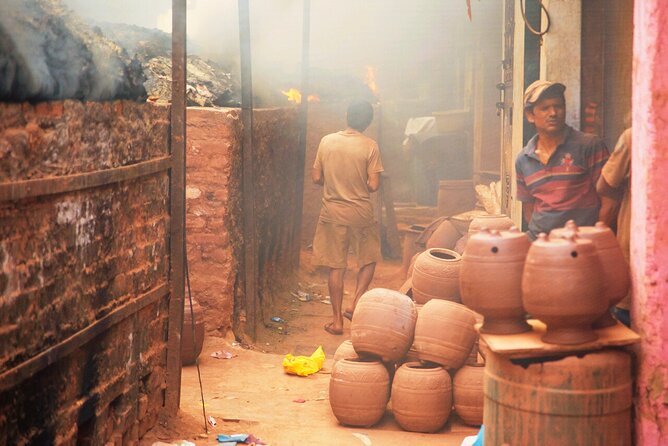
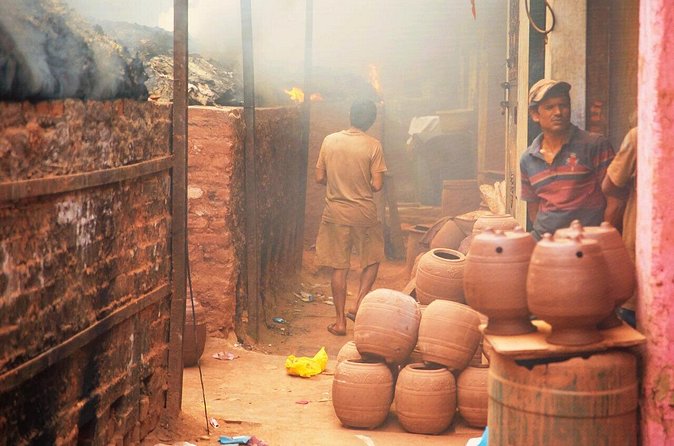
The walk concludes in Kumbharwada, Dharavi’s historic potters’ colony. This is the most distinct stop on the route, especially if you want to see a craft tradition rather than only hear about urban industry.
Here, artisans shape clay pots using methods passed down through generations. The pottery gives the tour a clear connection between place, work, and family tradition. It also helps explain why Dharavi cannot be reduced to a single label. The neighborhood contains manufacturing, homes, trade, and long-standing craft communities in the same small area.
The tour overview also lists Dhobi Ghat among its key sites. The detailed route description focuses on Kumbharwada and does not explain exactly how Dhobi Ghat fits into the two-hour walk. If seeing Dhobi Ghat is important to you, confirm the current route with Colors Experiences before booking rather than assuming it is always included.
The ending point is listed as Sunder Vilas on 90 Feet Road, in Muslim Nagar, RP Nagar, Dharavi. Since the tour does not return to the coffee shop, plan your next journey from the Dharavi end point. The walk’s start and finish in different places are useful if you are continuing through the neighborhood, but less convenient if you expect a round trip.
More guided walks on foot:
- Group Guided Walking Tour in Fort and Colaba
★ 5.0 · 1,073 reviews - Private Guided Walking Tour in Fort & Colaba
★ 5.0 · 895 reviews - Private Guided Walking Tour in Bandra Queen of Suburbs
★ 5.0 · 383 reviews - Private Guided Spiritual Walk in Banganga Hindu Temples
★ 5.0 · 271 reviews
What the guide adds to the experience
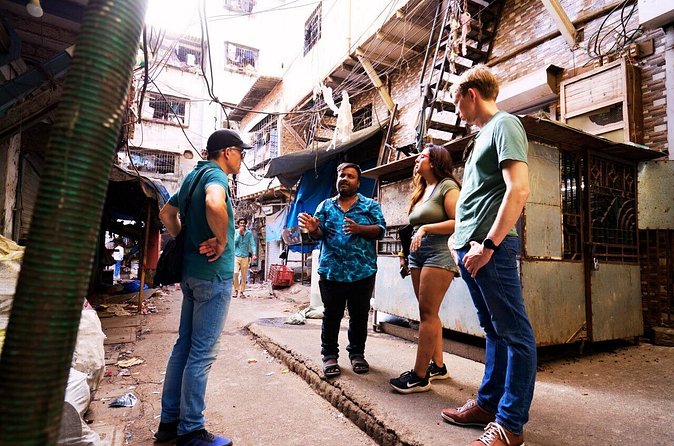
A Dharavi walk needs more than directions. The guide has to explain what you are seeing, answer difficult questions, and set a respectful tone. This is why the guide may matter more here than on a standard sightseeing walk.
Sufiyan is repeatedly identified as a particularly strong local guide, with clear English, a cheerful manner, and personal knowledge of Dharavi from having grown up there. Those qualities can help you feel safe and comfortable while asking questions about work, housing, and community life.
Bala is also named as a guide who worked to turn statistics into everyday examples. That is a useful skill. Large numbers about Dharavi can be hard to grasp, while a practical comparison can help you understand the scale without losing sight of the people behind it.
No guide can make every part of the visit comfortable. Some lanes may feel close, the subject matter can be confronting, and you may find yourself unsure where to look. A good guide does not remove those feelings, but can help you process them with care.
The small-group format supports this. With a maximum of 15 people, the guide can usually keep the group together and respond to questions. It is still worth staying close, since narrow lanes and local activity can make a large group harder to manage.
Is $5.59 good value?
At $5.59 per person, this is one of the least expensive guided activities you can book in Mumbai. The price includes admission to the walking experience and a mobile ticket, making it a low-cost way to see a part of the city that many people would not feel comfortable exploring alone.
The value is not in luxury or extras. You are paying for local interpretation, route planning, and a structured introduction to Dharavi. If the guide explains the industries clearly and handles the residential sections with respect, the price is very fair.
You should also keep your expectations in check. This is not a private tour, a polished attraction, or a ride with air conditioning. The route is on foot, the area is a functioning neighborhood, and the conditions may feel demanding. The low price reflects a simple format.
For me, the strongest value comes from the combination of work and home life. A quick pass through Dharavi might show only crowded streets. A guided route can help you recognize the skill in the pottery, the organization behind recycling, and the connections between businesses and families.
Timing, fitness, and practical details

The walk lasts about two hours, with the full guided exploration described as roughly two to two and a half hours. Give yourself extra time around the meeting point so you are not rushing into the group.
You need a moderate level of physical fitness. The route is entirely focused on walking, including narrow residential lanes and industrial areas. The supplied details do not promise seating, rest stops, or a slower pace, so this may not suit anyone who finds two hours of city walking difficult.
The meeting point is near public transportation, which is useful in Mumbai. The end point is elsewhere in Dharavi, so check your onward plans before starting. A mobile ticket is provided, and booking confirmation is sent at the time of purchase.
The experience requires good weather. If poor weather causes cancellation, you are offered another date or a full refund. You can also cancel for a full refund up to 24 hours before the start time. Inside 24 hours, the payment is not refunded, and changes are not accepted.
Wear practical walking clothes and shoes. The information does not set a dress code, but a modest, low-key approach is sensible in residential areas. Carry water, keep valuables secure, and follow the guide’s instructions about photography and where to stand.
Who will appreciate this walk most?
I would recommend this tour to you if you want to understand how a large Mumbai neighborhood functions, not just check off famous sights. It suits people interested in local industries, urban life, social issues, craft traditions, and the human stories behind a city.
It is also a good choice if you are looking for a short activity at a very low price. Two hours is long enough to see several sides of Dharavi without taking over your entire day.
You may want to skip it if you are uncomfortable walking through residential areas or if you want a conventional sightseeing tour. This experience asks you to be observant and considerate. It is not designed for quick photographs or entertainment built around other people’s hardship.
Families may need to judge the idea carefully. The tour includes children and household life as part of the surroundings, but the supplied details do not give a minimum age or a child-specific format. If you are booking with children, ask Colors Experiences about suitability before paying.
Should you book the Dharavi walk?
I would book it if you want a direct, carefully guided look at Dharavi’s work and community life, and if you can approach the visit without treating residents as scenery. The price is excellent, the route covers more than one side of the neighborhood, and guides such as Sufiyan and Bala bring useful local explanation.
The main question is not value. At $5.59, the financial risk is small. The real question is fit. If you are ready for a serious walking experience with narrow lanes, working businesses, and sensitive subject matter, this can add a memorable and thoughtful layer to your time in Mumbai.
FAQ
Where does the Dharavi walking tour begin?
It begins at Third Wave Coffee, Unit 58, Ground Floor, Ram Mahal, Senapati Bapat Marg, Marinagar Colony, near Mahim in Mumbai.
Where does the tour end?
The listed end point is Sunder Vilas, 90 Feet Road, Muslim Nagar, RP Nagar, Dharavi, Mumbai.
How long does the tour last?
The guided walk lasts about two hours, with the full activity described as roughly two to two and a half hours.
What language does the guide speak?
The guide is fluent in Hindi and English.
What will the tour visit?
The route covers Dharavi’s industrial and residential areas, including recycling, leatherwork, pottery, food production, textiles, and the Kumbharwada potters’ colony. Dhobi Ghat is also listed among the key sites, but the detailed route does not explain when it is visited.
How many people can join the tour?
The maximum group size is 15 people.
Do I need to be physically fit?
You should have a moderate level of physical fitness because the experience is a walking tour through industrial areas and narrow residential lanes.
Is the tour available with a mobile ticket?
Yes. A mobile ticket is available, and booking confirmation is received at the time of booking.
Can I cancel for a refund?
Yes. You can cancel at least 24 hours before the start time for a full refund. Cancellations or changes made less than 24 hours before the start time are not accepted, and poor-weather cancellations offer a different date or a full refund.
Just added around Mumbai
- Temples & Vineyards: Private Tour to Nashik from Mumbai★ 4.5 · 3 reviews
- Mumbai: Private City sightseeing and Dharavi Slum Tour★ 5.0 · 3 reviews
- Mumbai: Full Day City Sightseeing with Lunch, Car & Guide★ 4.3 · 3 reviews
- Elephanta Island Private Speedboat Tour from Mumbai – 6pax★ 5.0 · 3 reviews
- Mumbai: Elephanta Island and Elephanta Caves Guided Tour★ 4.4 · 3 reviews
- Mumbai Sightseeing Tour by Public Transport with family Lunch★ 5.0 · 3 reviews
- Mumbai by Dawn★ 4.5 · 3 reviews
- Mumbai Dharavi Slum Community Tour★ 5.0 · 3 reviews
Dharavi Slum Tours, compared.
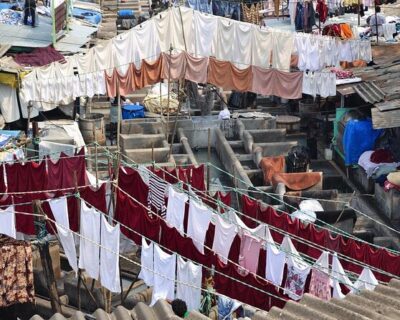
Dharavi slum tour in Mumbai by Female tour guides of the slum
Read our review →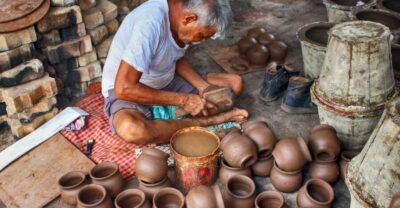
Dharavi Slum Slumdog Millionaire Tour with a Local
Read our review →
Mumbai Slum Tour – Visit Dharavi Slum with Local Guide
Read our review →
Dhobi Ghat Laundry and Dharavi Slum Tour with Local
Read our review →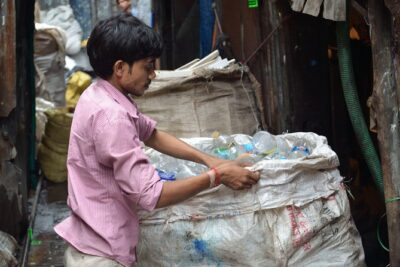
Browse the lists this tour appears in