
Reviewed · DHARAVI SLUM TOURS
Dharavi: Daily Life inside Asia’s Largest Slum walking tour
Dharavi is not a backdrop for sightseeing. It is a working part of Mumbai, where narrow lanes hold homes, workshops, shops, kilns, and an impressive amount of industry. This two-hour walk takes you beyond the usual city tour, with local guides such as Bala, Ravi, Abhishek, and Segidi explaining how people live and work here.
I like the direct look at plastic recycling and family-run businesses, and I like that the walk makes room for difficult subjects such as sanitation, housing, education, and healthcare. The main drawback is the setting itself: uneven lanes, tight spaces, outdoor heat, and limited room for large groups make this unsuitable for many people with mobility, respiratory, or visual difficulties.
In This Review
- Key points to know before you book
- Meeting your guide near Third Wave Coffee
- Dharavi’s industrial side turns waste into work
- Entering the residential lanes
- Kumbharwada keeps pottery traditions alive
- What about Dhobi Ghat?
- The guides make a major difference
- Is $7 a fair price?
- Comfort, clothing, and respectful behavior
- Who will enjoy this Dharavi walk?
- Should you book it?
- FAQ
- How long is the Dharavi walking tour?
- Where does the tour start?
- Where does the tour end?
- What languages are available?
- What is included in the price?
- Does the tour visit Kumbharwada?
- Is Dhobi Ghat included?
- Is photography allowed?
- Is the tour suitable for wheelchair users?
Key points to know before you book
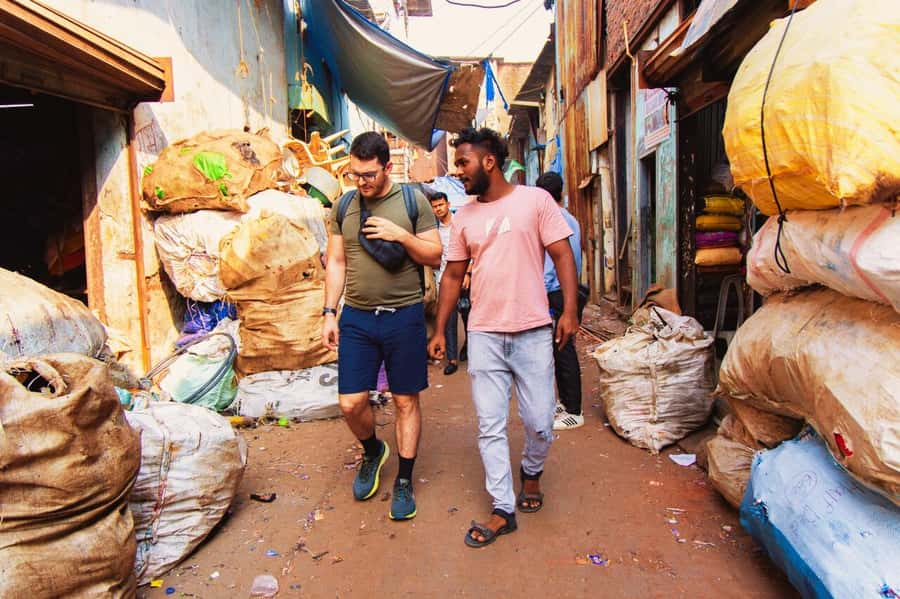
- Recycling and small industry: See plastic and metal being turned into useful products, along with leather, textiles, soaps, snacks, and pottery work.
- A local guide leads the way: Guides named Bala, Ravi, Abhishek, and Segidi are praised for clear explanations, kindness, and practical help.
- Residential Dharavi: Walk through narrow lanes where homes, children’s play, food preparation, and daily routines share very little space.
- Kumbharwada pottery colony: Meet the visual side of a Gujarati potters’ community, with clay pots drying near kilns and workshops.
- Dhobi Ghat may be included: The experience highlights Mumbai’s open-air laundry, but the detailed route places special focus on Kumbharwada, so confirm the exact option.
- Low price, serious subject: At $7 per person, this is inexpensive, but it asks you to walk respectfully through a real neighborhood rather than consume a polished attraction.
Meeting your guide near Third Wave Coffee
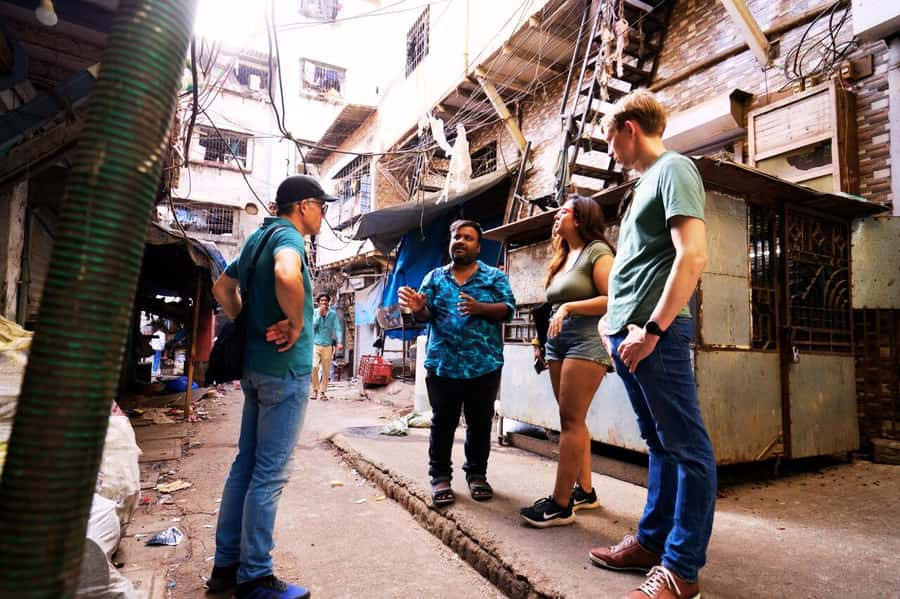
The walk begins outside Third Wave Coffee, although the exact meeting point can vary with the option you book. You will meet your English or Hindi-speaking guide, receive a short briefing, and then walk together toward Dharavi.
This start matters. Dharavi can feel confusing to a first-time visitor, especially near busy roads and crowded lanes. Having a guide meet you, explain what will happen, and lead you through the route makes the experience less stressful. One guide even helped a guest buy a train ticket and showed the way to the platform afterward. Another waited until an Uber arrived.
Those small acts tell you what kind of help can be useful here. The tour is not only about facts. It also gives you someone who can help with street crossings, directions, and the practical details of leaving the area.
Arrive on time. The group walks together, and the route works best when nobody is trying to catch up in a maze of narrow lanes.
More Dharavi walking tours:
- Dharavi slum tour in Mumbai by Female tour guides of the slum
★ 5.0 · 1,976 reviews - Mumbai: Dharavi Slum, DhobiGhat, and Dabbawallas Tour
★ 4.9 · 689 reviews - Dharavi Slum Tour
★ 5.0 · 625 reviews
Dharavi’s industrial side turns waste into work
The first major part of the walk takes you through the industrial area. This may be the biggest surprise for visitors who arrive expecting only crowded housing. Dharavi also contains workshops and small factories that support a large informal economy.
You may see plastic and metal recycling in action. Waste is sorted, processed, and turned into everyday goods. The point is not simply that recycling happens here. It is that limited space and limited resources have produced practical systems of work.
The guide explains how businesses operate in cramped conditions and how many are run by families. You might see people making leather goods, baking snacks, producing soaps and textiles, or shaping clay into pottery. These are not staged demonstrations. They are workplaces, so you should watch quietly and follow your guide’s instructions.
This section gives useful context to the word industry. A workshop does not need a large sign, polished entrance, or corporate office to play a major role in a city’s economy. Dharavi’s businesses generate millions in turnover each year, despite tight working conditions and a lack of space.
I find this part especially worthwhile because it changes the way you look at the neighborhood. Instead of seeing only poverty, you see skill, trade, recycling, and family business. That does not erase the hard conditions. It gives you a fuller picture.
Photography needs care here. You may take photographs, but ask permission before photographing people. A worker concentrating on a task is not automatically a sightseeing subject. Put the camera away when your guide indicates that a workshop or person should not be photographed.
Entering the residential lanes
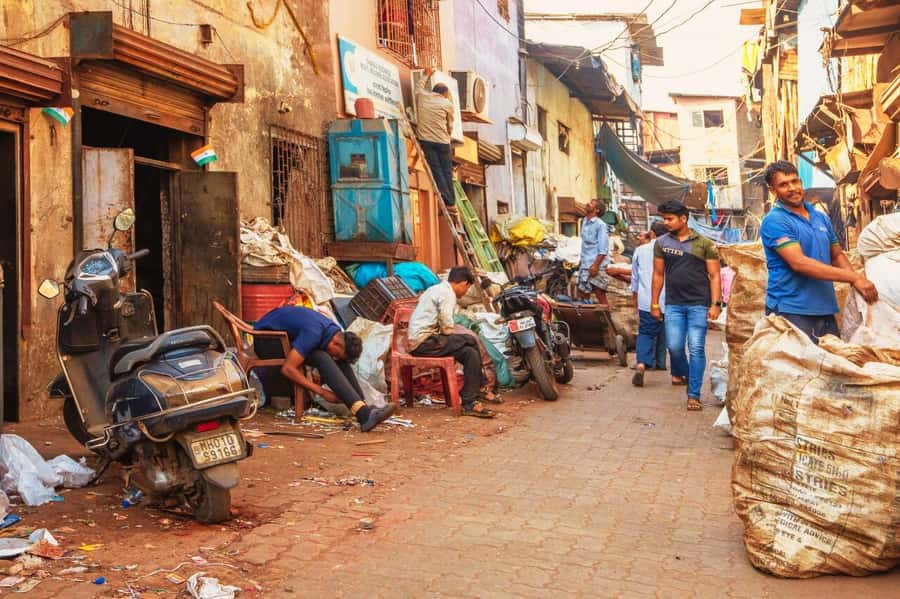
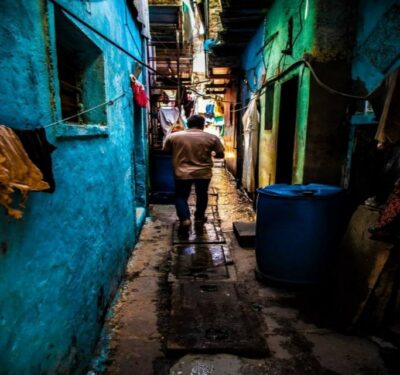
From the industrial district, the route moves into the residential area. Here the pace and tone change. The lanes become tighter, homes sit close together, and ordinary routines happen almost within arm’s reach.
You might see children playing cricket, women talking from doorways, and food being prepared or shared. These details show that Dharavi is not only a place of work. It is a neighborhood where people raise families, maintain friendships, and take pride in their homes.
At the same time, you will hear about serious problems. Sanitation, education, healthcare, and housing all affect daily life. The tour is strongest when it holds both truths together: Dharavi has difficult living conditions, and the people who live there have strong ties to their homes and community.
This is the part where your behavior matters most. Keep your voice low, avoid blocking lanes, and do not stare into doorways. Ask questions through the guide rather than putting residents on the spot. The walk is meant to help you listen and learn, not to collect dramatic images.
The lanes may be uneven and cramped. Comfortable closed-toe shoes are essential. Modest clothing is also advised as a sign of respect. A scarf can be useful, and you may want water, sunscreen, and a hat because parts of the walk are outdoors.
There is no claim that the tour will make every issue easy to understand in two hours. It cannot. But a local guide can connect what you see with everyday realities, which is more useful than a quick pass through the area with no explanation.
Kumbharwada keeps pottery traditions alive
The final described stop is Kumbharwada, a historic potters’ colony within Dharavi. The community originated in Gujarat, and families have made clay pots here for generations.
This neighborhood offers a different view of Dharavi. The industrial section is about recycling and production. The residential lanes show daily routines. Kumbharwada brings you to a craft shaped by tradition and practiced by hand.
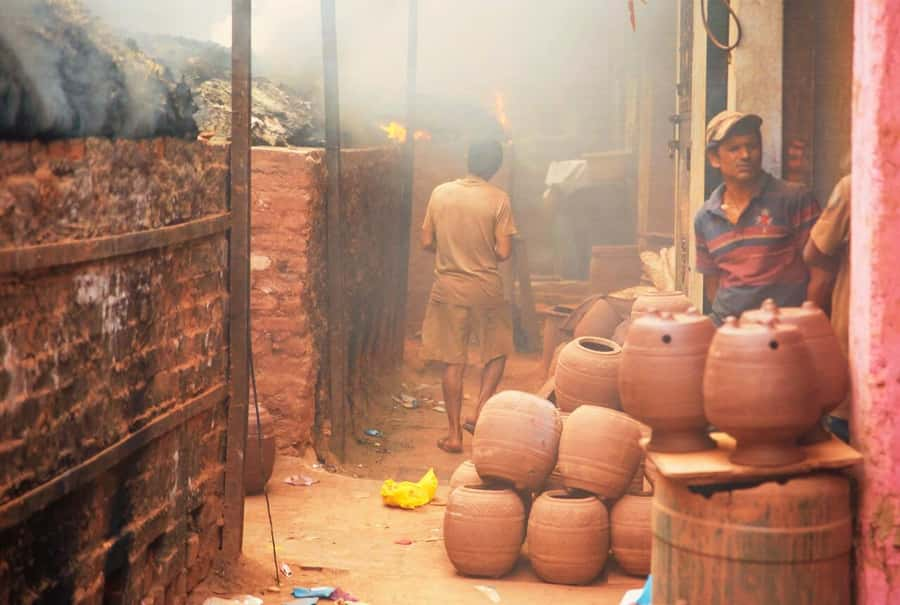
You will see freshly molded pots drying in the sun, rows of clay goods, kilns, and artisans working with practiced movements. It is a quieter part of the walk, and it gives you time to consider how older skills survive inside a fast-changing city.
For many people, this is the most memorable visual stop. Clay, kilns, and drying pots are easy to understand at a glance, but the guide’s explanation adds the important part: this is not a decorative craft display. It is a working community whose pottery tradition has continued across generations.
The route then retraces its steps to Third Wave Coffee. The return walk means you finish where you started, which is useful if you have arranged onward transport from the meeting point.
More guided walks on foot:
- Group Guided Walking Tour in Fort and Colaba
★ 5.0 · 1,073 reviews - Private Guided Walking Tour in Fort & Colaba
★ 5.0 · 895 reviews - Private Guided Walking Tour in Bandra Queen of Suburbs
★ 5.0 · 383 reviews - Private Guided Spiritual Walk in Banganga Hindu Temples
★ 5.0 · 271 reviews
What about Dhobi Ghat?
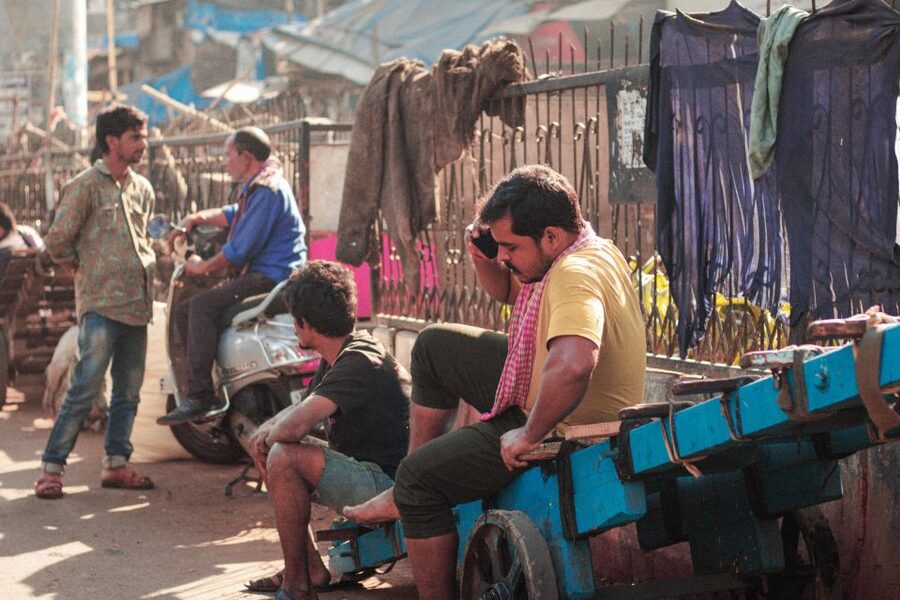
Dhobi Ghat, Mumbai’s open-air laundry, is listed among the highlights. Washerfolk clean clothes by hand in a large shared setting, making it one of the city’s best-known working spaces.
However, the detailed route description gives specific attention to the industrial district, the residential area, and Kumbharwada, then returns to the starting point. It does not clearly describe a separate Dhobi Ghat stop in the two-hour sequence.
If Dhobi Ghat is the main reason you want to book, check the exact option and route before paying. The safest expectation is a Dharavi walk focused on recycling, homes, local businesses, and pottery, with Dhobi Ghat associated with the advertised highlights.
That small bit of checking can prevent disappointment. The tour offers a lot for its short duration, but two hours does not allow unlimited stops.
The guides make a major difference
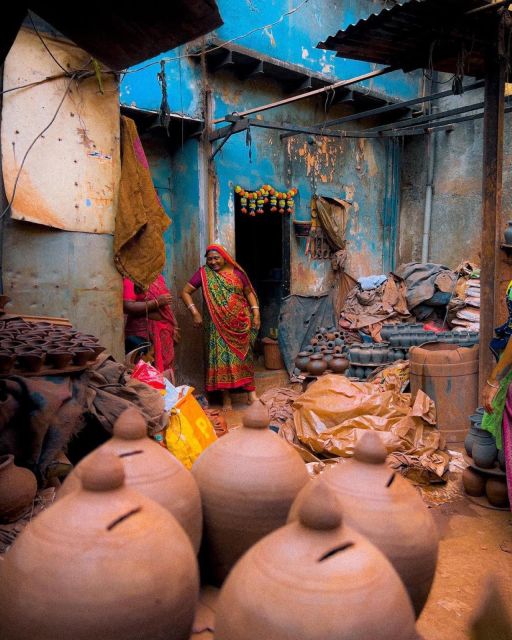
The experience depends heavily on the person leading it. You are walking through a complicated neighborhood, so clear communication and a calm manner matter more than a memorized speech.
Bala is praised for strong English, detailed explanations, and taking care of guests as they crossed streets and made their way home. He also explains small factories, religious groups, schools, playgrounds, salaries, and living standards, giving you more than a quick visual tour.
Abhishek is described as organized, safe, and easy to communicate with. Ravi and Segidi are also named as local guides who lead visitors through Dharavi. One guide was only 19, which may appeal to you if you prefer a young local perspective, though it also means guide experience can vary.
You should not assume that every departure will have the same guide. The practical lesson is to value the local connection, but remain clear about what you want to understand. Ask about work, housing, education, or the route. Good questions will make the walk more useful.
The language options are Hindi and English. If you need especially detailed English explanations, mention that when booking if there is a way to do so. The strongest feedback focuses on guides who explain clearly and make people feel safe.
Is $7 a fair price?
At $7 per person, this is one of the less expensive guided activities you can book in Mumbai. The fee covers the two-hour walk, an English-speaking guide, and packaged water if needed.
The value comes from access and context, not from admission to a formal attraction. You are paying for a local person to guide you through a place that would be difficult to understand on your own. You also avoid wandering into residential lanes without knowing local customs.
The price is especially fair if your goal is to learn about Mumbai’s informal economy and everyday life. It is less suitable if you expect a polished attraction with photo stops, air conditioning, or a large number of set pieces.
Small groups are kept for a more personal atmosphere. The exact group size is not given, so do not assume it will be private. Still, a small group should make it easier to hear the guide and move through tight lanes without causing extra disruption.
You can reserve and pay later, and cancellation is available up to 24 hours in advance for a full refund. Those terms help if your Mumbai plans are still shifting.
Comfort, clothing, and respectful behavior
Wear comfortable closed-toe shoes. The lanes are narrow and uneven, and sandals may leave your feet exposed to rough surfaces and outdoor dirt.
Choose comfortable, modest clothes. A scarf is useful, especially if you prefer extra coverage or need protection from sun and dust. Bring water, sunscreen, and a hat if the weather is hot.
This is not a good choice for wheelchair users or people with mobility impairments. It is also listed as unsuitable for people with respiratory issues and visually impaired people. The tight lanes, uneven ground, outdoor conditions, and busy surroundings explain why these limits matter.
Photography is allowed, but ask before photographing people. Even when nobody objects, avoid turning homes and private routines into a collection of images. Your best contribution is to move carefully and treat the neighborhood as someone’s home and workplace.
Who will enjoy this Dharavi walk?
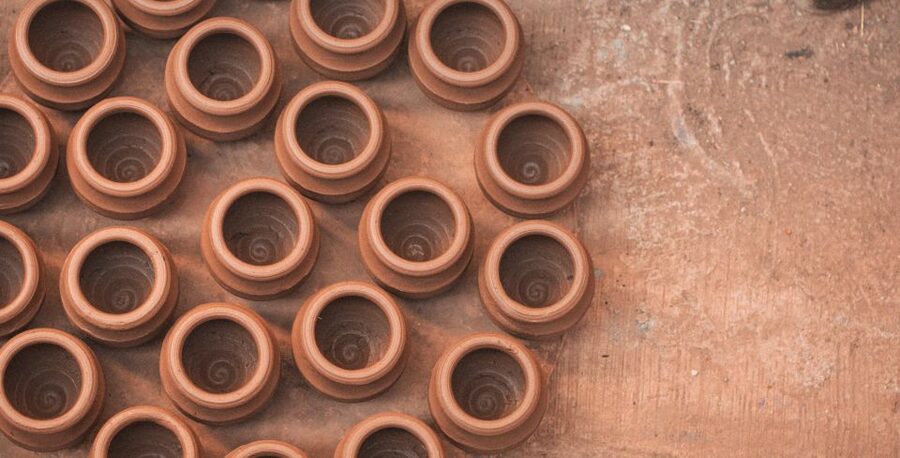
I would choose this tour if you want a short, inexpensive experience that challenges the usual tourist view of Mumbai. It suits you if you are curious about recycling, small businesses, pottery, working communities, and the daily realities behind the city’s growth.
It is also a good fit if you prefer a local guide to explain what you are seeing. The personal stories and practical help from guides such as Bala and Abhishek can make the route feel safer and more understandable.
I would skip it if you want a relaxed stroll on wide streets, a photo-focused outing, or a carefully controlled attraction. You should also skip it if uneven ground, narrow lanes, outdoor exposure, or respiratory concerns could make two hours uncomfortable.
Most important, book it with the right attitude. You are not entering a theme park or a museum. You are walking through a real neighborhood, and the quality of the visit depends partly on your own patience and respect.
Should you book it?
Book this Dharavi walk if you want to see how recycling, craft, family businesses, and home life fit together in one crowded part of Mumbai. The $7 price makes it an easy addition to a city itinerary, and the guides can add the local context you would miss on your own.
Before booking, confirm the meeting point and ask whether your selected option includes Dhobi Ghat. Then wear proper shoes, bring water, arrive on time, and keep your camera secondary to the people and places around you.
FAQ
How long is the Dharavi walking tour?
The tour lasts two hours and ends back at the meeting point.
Where does the tour start?
The meeting point is outside Third Wave Coffee, though it may vary depending on the option booked.
Where does the tour end?
The activity ends back at the meeting point after the group retraces its steps.
What languages are available?
The tour is available in Hindi and English.
What is included in the price?
The price includes a two-hour walking tour, an English-speaking guide, and packaged water if needed.
Does the tour visit Kumbharwada?
Yes. The route includes Kumbharwada, a potters’ colony with Gujarati origins where clay pots have been made for generations.
Is Dhobi Ghat included?
Dhobi Ghat is listed among the highlights, but the detailed route focuses on recycling areas, residential lanes, and Kumbharwada. Confirm the exact route for the option you book.
Is photography allowed?
Yes, photography is allowed, but you must ask permission before photographing people.
Is the tour suitable for wheelchair users?
No. The tour is not suitable for wheelchair users or people with mobility impairments. It is also listed as unsuitable for people with respiratory issues and visually impaired people.
Just added around Mumbai
- Temples & Vineyards: Private Tour to Nashik from Mumbai★ 4.5 · 3 reviews
- Mumbai: Private City sightseeing and Dharavi Slum Tour★ 5.0 · 3 reviews
- Elephanta Island Private Speedboat Tour from Mumbai – 6pax★ 5.0 · 3 reviews
- Mumbai: Full Day City Sightseeing with Lunch, Car & Guide★ 4.3 · 3 reviews
- Mumbai: Elephanta Island and Elephanta Caves Guided Tour★ 4.4 · 3 reviews
- Mumbai Sightseeing Tour by Public Transport with family Lunch★ 5.0 · 3 reviews
- Mumbai by Dawn★ 4.5 · 3 reviews
- Mumbai Dharavi Slum Community Tour★ 5.0 · 3 reviews
Dharavi Slum Tours, compared.
Dharavi slum tour in Mumbai by Female tour guides of the slum
Read our review →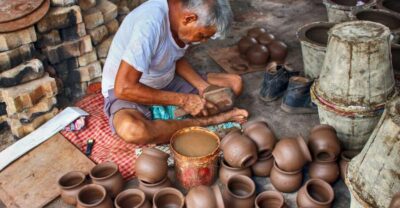
Dharavi Slum Slumdog Millionaire Tour with a Local
Read our review →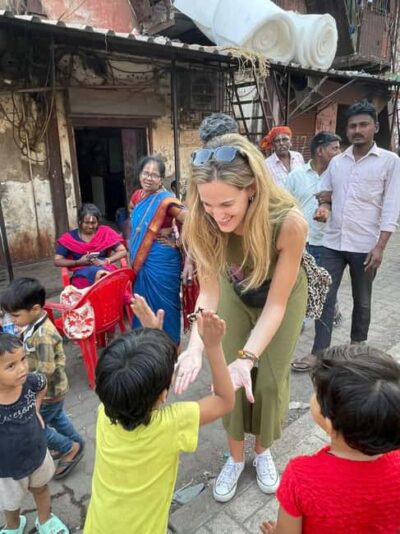
Mumbai Slum Tour – Visit Dharavi Slum with Local Guide
Read our review →
Dhobi Ghat Laundry and Dharavi Slum Tour with Local
Read our review →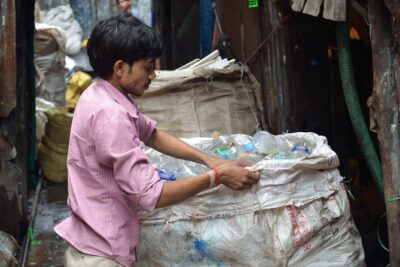
Browse the lists this tour appears in