
Reviewed · DHARAVI SLUM TOURS
Best of Dharavi Slum with Market Tour
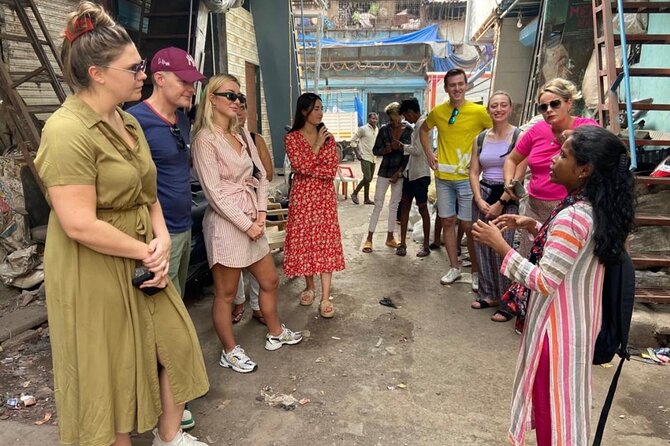
Dharavi is not a sightseeing set piece. It is a working community, and this three-hour walk gives you a close look at the small businesses, workshops, homes, and market lanes that keep daily life moving. I like the chance to see soap making, pottery, recycling, and local trade in one compact visit. I also like the guide-led context, especially with Hakim, who explains the area calmly and clearly.
The main thing I appreciate is the respectful tone. You are not pushed into shops or pressured to buy anything, and you may even have time to stop for a cold beer among local residents. The drawback is that the lanes are narrow, the walk requires moderate fitness, and the subject matter can feel confronting if you expect a polished sightseeing outing.
In This Review
- Key points at a glance
- What this Dharavi tour is really about
- Starting with Dhobi Ghat and Mumbai’s laundry trade
- Kumbharwada and the value of seeing local craft
- Mahim’s small businesses and goods production
- Recycling in Mahim, where waste becomes work
- Meeting the people and culture of Mahim
- Why Hakim can make or break the visit
- Group size, walking conditions, and pickup
- Is $39.72 a fair price?
- The respectful way to take this tour
- Who should book this Dharavi and market walk?
- Should you book it?
- FAQ
- How long does the Best of Dharavi Slum with Market Tour last?
- How much does the tour cost?
- Is pickup available?
- Can I use a mobile ticket?
- How many people can join the tour?
- How physically demanding is the tour?
- What happens if I need to cancel?
Key points at a glance
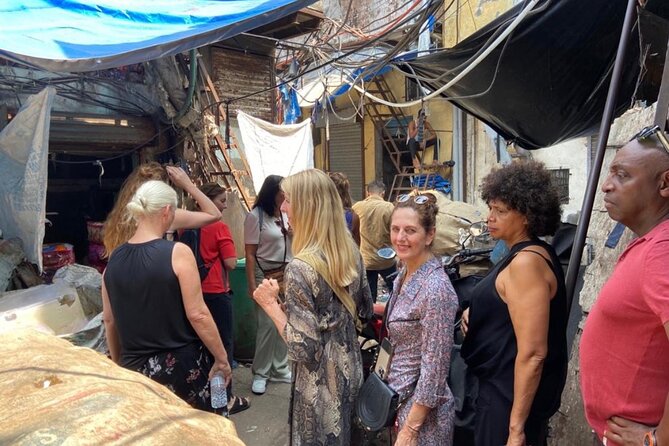
- Dhobi Ghat begins the story: See Mumbai’s open-air laundry, where dhobis wash clothing and linens for hotels and hospitals.
- Kumbharwada adds a craft tradition: Visit an area linked with pottery and long-standing local work.
- Mahim reveals working Mumbai: The route covers goods production, recycling, markets, and neighborhood life.
- Hakim is a useful guide: He explains local history, culture, and everyday work, and handles questions with a calm manner.
- Small groups help: A maximum of 15 people makes it easier to hear the guide in tight lanes.
- The price is moderate: At $39.72 per person, the value comes from access and explanation rather than admission-heavy sightseeing.
What this Dharavi tour is really about
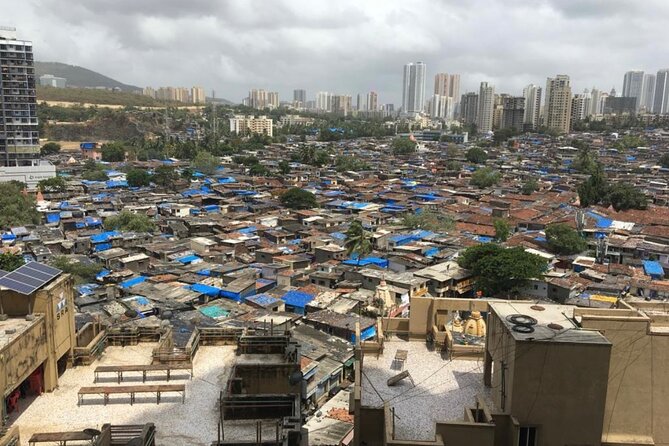
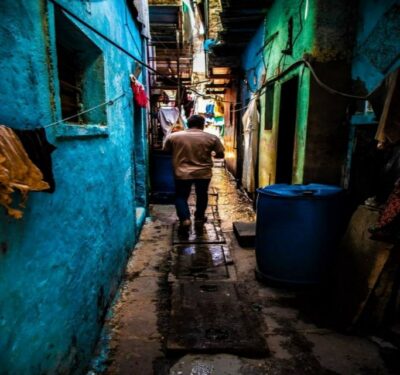
The word slum can create a narrow picture. This tour gives you a wider one. Dharavi is presented as a place where people live and work, with homes beside workshops, markets, and small industries. You see constraints, but you also see enterprise and skill.
That balance matters. A short walk cannot explain every part of Dharavi, yet it can help you understand why the area is more than poverty statistics. Soap making, pottery, recycling, and goods production show how people turn limited space and resources into livelihoods.
I would approach this as a cultural and working-neighborhood tour, not as a parade of photo opportunities. Your guide is there to explain what you are seeing and answer questions. That makes a major difference in a place where wandering alone could leave you with little context and plenty of wrong assumptions.
The tour also reaches market areas around Mahim. You might encounter flower sellers, jewelry stalls, food markets, and small shops, depending on the exact route and pace of the day. The focus is on local life rather than famous monuments.
More Dharavi walking tours:
- Dharavi slum tour in Mumbai by Female tour guides of the slum
★ 5.0 · 1,976 reviews - Mumbai: Dharavi Slum, DhobiGhat, and Dabbawallas Tour
★ 4.9 · 689 reviews - Dharavi Slum Tour
★ 5.0 · 625 reviews
Starting with Dhobi Ghat and Mumbai’s laundry trade
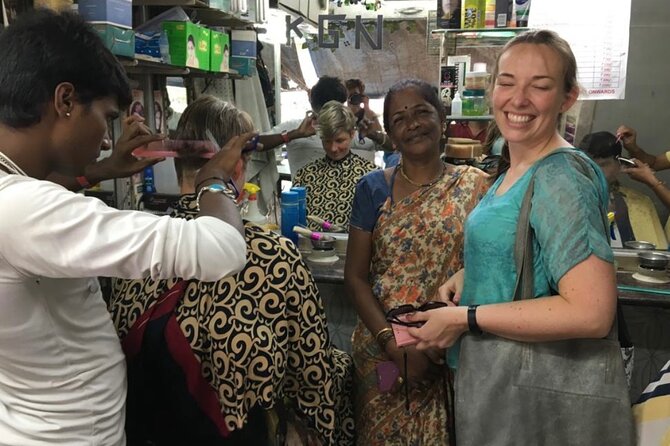
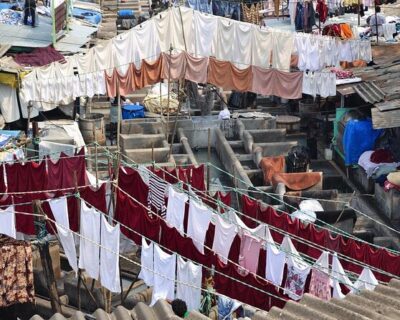
The first stop is Dhobi Ghat, Mumbai’s well-known open-air laundromat. Dhobis work outside, washing clothing and linens connected with hotels and hospitals across the city.
You have about 20 minutes here, with admission included. That is enough time to grasp the scale and rhythm of the work without turning the stop into a long visit. The open-air setting also gives you an immediate sense of how much labor sits behind clean laundry in a huge city.
This stop works well at the beginning because it introduces Mumbai through work. You are not starting with a grand building or a panoramic view. You are starting with a service that supports the city every day.
The limitation is simple: 20 minutes is brief. If you want a detailed study of Dhobi Ghat, this tour will only provide an introduction. Still, as part of a three-hour route, it is a useful opening scene.
Kumbharwada and the value of seeing local craft
The next stop is Kumbharwada, listed with around 30 minutes and no separate admission charge. The area is associated with pottery and a distinct local community within the wider Dharavi and Mahim setting.
This is one of the most useful parts of the walk if you like traditional work. Pottery makes the area feel less like a collection of lanes and more like a place with its own trades, routines, and skills passed through families and businesses.
The stop also helps you notice the way work and home life can sit close together. In a dense neighborhood, a workshop is not always separated from the rest of the community. That closeness is part of what makes Dharavi hard to understand from a car window.
Your guide’s explanation matters here. Without context, you may only see crowded lanes and active workshops. With context, you can begin to understand how the area functions and why these trades continue.
Mahim’s small businesses and goods production
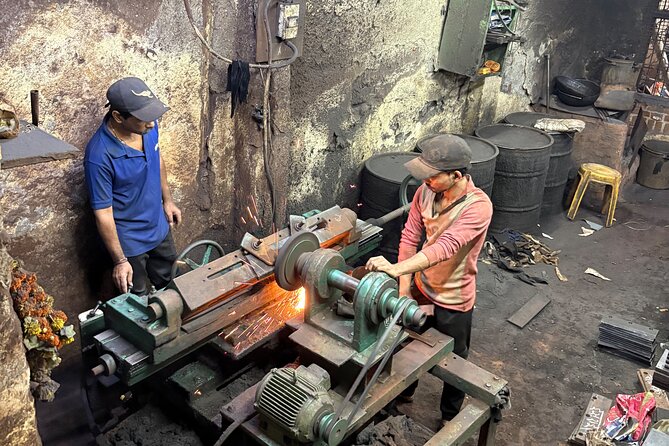
Two separate 30-minute portions of the route focus on Mahim and local production. One describes craftsmanship connected with bags, wallets, and other accessories. The wording of the activity details is broad, so the exact workshop or product you see may vary.
I like this part because it shifts your attention from housing to enterprise. Dharavi and nearby areas are often discussed only in terms of living conditions. Seeing people make and sell goods gives a fuller picture of the local economy.
Do not expect a large factory tour with polished displays. This is a neighborhood walk through working spaces. Conditions may be basic, and the route can feel tight or crowded. That is part of the reality, but it also means you should be comfortable observing without getting in the way.
One practical advantage is that you are not expected to buy something. The guide’s approach is described as professional and free from pressure to enter a shop or make a purchase. That lets you pay attention to the work instead of wondering if the tour is turning into a sales stop.
More market and bazaar walks:
- Mumbai: Street Food and Night Markets Tour
★ 4.9 · 719 reviews - Mumbai Street Food & Night Markets
★ 5.0 · 225 reviews - Mumbai Street Food and Evening Bazaar Tour
★ 5.0 · 172 reviews - Mumbai Morning Market Tour of Flowers, Fish, and More
★ 5.0 · 100 reviews
Recycling in Mahim, where waste becomes work
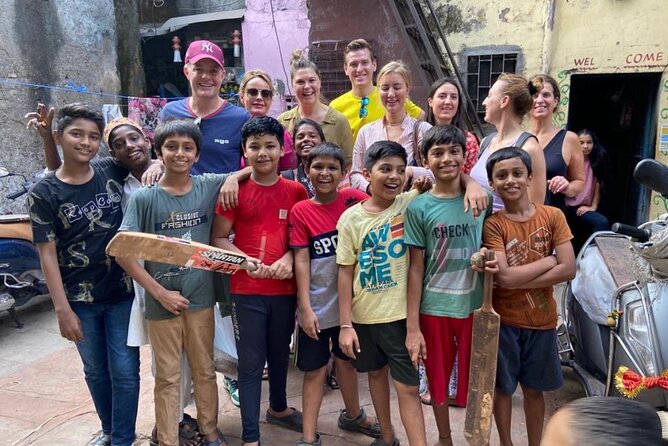
Another 30-minute section covers recycling activity in Mahim. Local organizations and community groups have been encouraging the collection of plastic, paper, and other materials as awareness of environmental issues grows.
This is a strong stop for anyone interested in how cities handle waste. Recycling is not presented as an abstract policy. You see it as part of local work and neighborhood action, connected with income as well as environmental concerns.
The subject can be uncomfortable. Recycling often involves hard, repetitive labor, and you should be ready to observe with discretion. A respectful attitude is essential. Ask questions through the guide rather than photographing people or workspaces without clear permission.
The value here is practical insight. Mumbai produces enormous amounts of waste, and the tour helps you see one part of the chain that is easy to overlook when you only visit the city’s major sights.
Meeting the people and culture of Mahim
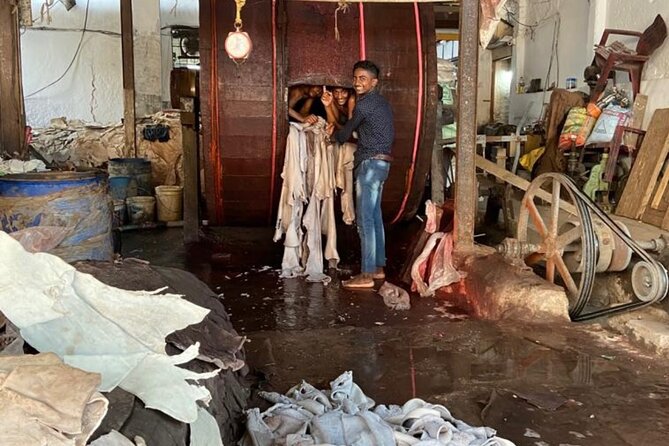
The final listed stop lasts about 20 minutes and focuses on local people and community life in Mahim. The area includes Marathi, Gujarati, South Indian, and other communities, reflecting Mumbai’s mixed population.
This section puts the earlier stops into human context. You have seen laundry work, pottery, production, and recycling. Now you get a closer look at the people and cultural mix behind the neighborhood.
The guide is especially important here. Hakim is repeatedly described as calm, well spoken, and open to questions about Dharavi, Mumbai, local culture, and history. He also leads the group through the area in a way that helps you feel safe and informed.
The name of the guide may matter when you book, but it is wise to check the confirmation rather than assume Hakim will lead every departure. The supplied tour details identify him through the experience, not as a guaranteed guide for all dates.
Why Hakim can make or break the visit
A Dharavi walk depends heavily on the guide. The lanes themselves are only part of the experience. You need someone who can explain what a workshop does, place the community in Mumbai’s wider story, and answer sensitive questions without turning the visit into a lecture.
Hakim’s strengths are clear in the way the tour is described. He gives information as you walk, explains the history and culture of the area, and answers questions. His style is calm rather than rushed, which helps in a place where there is a lot to notice.
I also value the reported lack of sales pressure. You are not forced to buy goods or pushed into a shop. That is important because a community tour should leave room for observation and conversation, not make you feel like a captive customer.
The experience can include a pause for an ice-cold beer among local people. That detail suggests a less formal and more social side to the outing, though it should not be treated as a guaranteed part of every departure. The tour’s core promise is the walk, explanation, and market visit.
Group size, walking conditions, and pickup
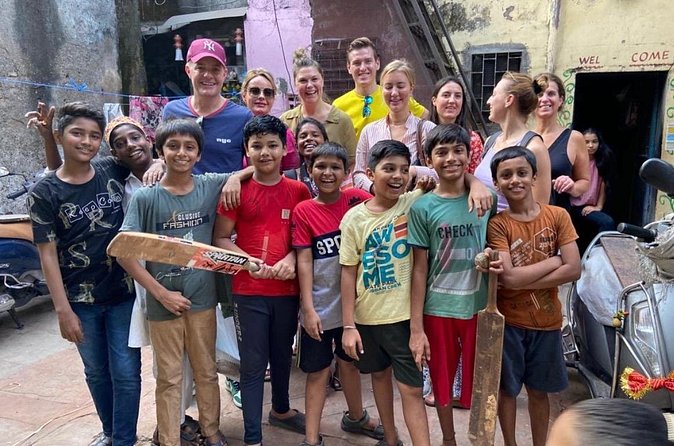
The maximum group size is 15 people. That is not a private tour, but it is small enough for a guide to answer questions and keep the group together in narrow lanes. A larger group would make the route harder to manage and the explanations harder to hear.
You should have a moderate level of physical fitness. The tour lasts about three hours and involves walking through compact streets and active market areas. Expect an urban walk rather than a seated sightseeing ride.
Pickup is offered, and the experience accepts a mobile ticket. The tour is also near public transportation. These details make it easier to fit into a Mumbai day, especially if you are combining it with other stops.
The description does not provide an exact pickup zone or meeting point. Check those details at booking and allow extra time if you are coming from another part of the city. Mumbai traffic can make a short distance take longer than expected, even though the tour itself is only about three hours.
Good walking shoes are sensible. Wear clothing that lets you move easily and avoid anything that makes you feel conspicuous or uncomfortable in a residential neighborhood. Keep your phone and valuables secure, and follow the guide’s advice about photography.
Is $39.72 a fair price?
At $39.72 per person, this is not the cheapest way to spend three hours in Mumbai. It is also not priced like a luxury private tour. The value depends on how much you want explanation and access to working areas that you might not understand on your own.
You are paying for a guide-led route that combines Dhobi Ghat, Kumbharwada, Mahim’s goods production, recycling, markets, and local community life. There are no major admission charges listed beyond the included Dhobi Ghat entry, so the price is mainly for guiding, organization, and local interpretation.
I think the price is reasonable if you want a focused introduction to Dharavi and prefer not to navigate the area alone. It is less attractive if you only want quick photographs or a broad drive around Mumbai.
The maximum group size of 15 supports the price. You are not guaranteed a private conversation with the guide, but you should have a better chance of hearing explanations than on a large coach outing.
The respectful way to take this tour
Your attitude will shape the experience. Dharavi is home to real families and working people. Treat it as a neighborhood, not a human exhibit.
Listen more than you photograph. Ask before taking close pictures, especially around homes, children, workshops, or workers. Let Hakim or another guide explain what is appropriate.
I would also avoid making quick judgments about what you see. The tour is useful because it complicates easy ideas about poverty, work, and urban life. You may see difficult conditions, but you may also see business owners, skilled makers, market sellers, and residents managing busy lives.
The strongest parts of the route are the ones that connect the physical setting with people’s work. If you keep that focus, the experience is more likely to feel thoughtful and worthwhile.
Who should book this Dharavi and market walk?
I would recommend it to you if you want to understand Mumbai beyond its major attractions. It suits curious adults, first-time visitors who want local context, and anyone interested in small businesses, recycling, craft work, or urban culture.
It is also a good choice if you prefer a guide who welcomes questions. Hakim’s approach, when he leads, appears particularly useful for people who want more than a simple walk through the lanes.
I would think twice if you dislike uneven urban walking, narrow streets, or emotionally serious subjects. The route is not designed as a light entertainment outing. The experience may also feel too brief if you want a detailed study of Dharavi’s history or its industries.
The tour requires good weather. If poor weather causes cancellation, you can receive a different date or a full refund. You can cancel for a full refund up to 24 hours before the start time, but cancellations or changes made inside that window are not refunded or accepted.
Should you book it?
Book this tour if your goal is to see how people live and work in Dharavi and nearby Mahim, with a guide who can explain the setting in plain terms. The combination of Dhobi Ghat, pottery, goods production, recycling, markets, and community life gives you more substance than a quick photo stop.
At $39.72, it offers fair value for a three-hour, small-group walk with pickup available. Go with an open mind, wear comfortable shoes, and expect a real neighborhood rather than a polished attraction. If that sounds like the kind of Mumbai experience you want, this is a worthwhile choice.
FAQ
How long does the Best of Dharavi Slum with Market Tour last?
The tour lasts approximately three hours.
How much does the tour cost?
The listed price is $39.72 per person.
Is pickup available?
Yes. Pickup is offered, though the provided details do not specify the exact pickup locations.
Can I use a mobile ticket?
Yes. The experience accepts mobile tickets.
How many people can join the tour?
The group has a maximum of 15 people.
How physically demanding is the tour?
You should have a moderate level of physical fitness. The experience involves walking through narrow lanes and market areas for around three hours.
What happens if I need to cancel?
You can cancel at least 24 hours before the start time for a full refund. Cancellations or changes made less than 24 hours before the start time are not refunded or accepted. If poor weather cancels the experience, you will be offered another date or a full refund.
Just added around Mumbai
- Temples & Vineyards: Private Tour to Nashik from Mumbai★ 4.5 · 3 reviews
- Mumbai: Private City sightseeing and Dharavi Slum Tour★ 5.0 · 3 reviews
- Mumbai: Full Day City Sightseeing with Lunch, Car & Guide★ 4.3 · 3 reviews
- Elephanta Island Private Speedboat Tour from Mumbai – 6pax★ 5.0 · 3 reviews
- Mumbai: Elephanta Island and Elephanta Caves Guided Tour★ 4.4 · 3 reviews
- Mumbai Sightseeing Tour by Public Transport with family Lunch★ 5.0 · 3 reviews
- Mumbai by Dawn★ 4.5 · 3 reviews
- Mumbai Dharavi Slum Community Tour★ 5.0 · 3 reviews
Dharavi Slum Tours, compared.
Dharavi slum tour in Mumbai by Female tour guides of the slum
Read our review →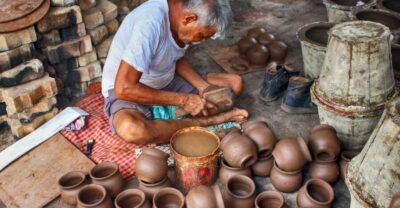
Dharavi Slum Slumdog Millionaire Tour with a Local
Read our review →
Mumbai Slum Tour – Visit Dharavi Slum with Local Guide
Read our review →
Dhobi Ghat Laundry and Dharavi Slum Tour with Local
Read our review →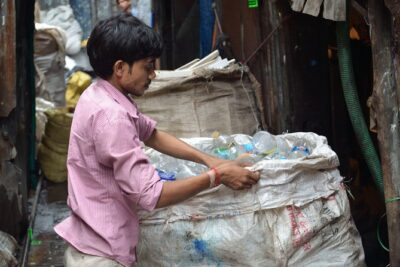
Browse the lists this tour appears in