
Reviewed · DHARAVI SLUM TOURS
Best Combo Tour: Dabbawalas, Dhobi Ghat and Slum with Train
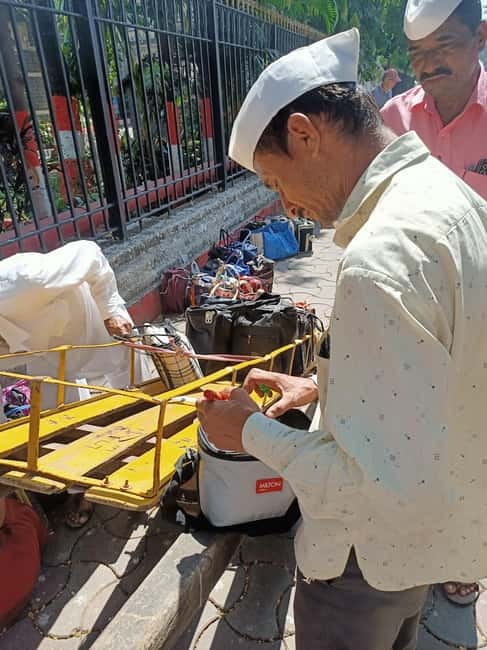
Mumbai’s famous dabbawalas are the perfect doorway into this tour. These lunchbox couriers move thousands of home-cooked meals across the city, and watching their work gives you a close look at Mumbai’s daily rhythm rather than another standard monument visit. From there, you ride a local train, see Dhobi Ghat, and spend two hours walking through Dharavi.
I like the way the tour links four very different parts of city life, and I like that local train tickets and bottled water are included. Guides such as Abi and Hardik have been praised for patience, clear answers, and keeping the group comfortable. The main consideration is pace: four hours is short for so much ground, and Dharavi involves narrow lanes and plenty of walking.
In This Review
- Key points at a glance
- Why this four-hour route feels like real Mumbai
- Meeting at Churchgate and seeing the dabbawalas
- A short ride on Mumbai’s local train
- Dhobi Ghat and Mumbai’s open-air laundry
- Two hours inside Dharavi
- What the $32 price includes
- Who will get the most from this tour
- Practical advice before you go
- Should you book the Dabbawalas, Dhobi Ghat, and Dharavi tour?
- FAQ
- Where does the tour begin?
- Where does the tour finish?
- How long does the tour last?
- What language is the tour conducted in?
- Are local train tickets included?
- Is food included?
- Can I cancel for a full refund?
Key points at a glance
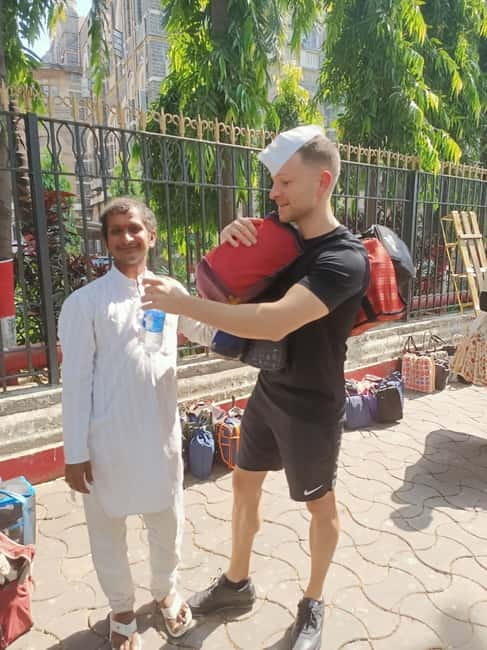
- Watch the dabbawalas at work: See the sorting and delivery system that has served Mumbai for more than a century.
- Ride a Mumbai local train: The short train trips add a real slice of the city’s daily commute.
- Look into Dhobi Ghat: See hundreds of washers handwashing and drying clothes in open-air concrete troughs.
- Spend two hours in Dharavi: Walk through lanes, workshops, street markets, and working neighborhoods with a local guide.
- Travel with English guidance: Abi and Hardik are named guides associated with especially strong feedback for patience and care.
- Pay $32 per person: The price covers the guide, local train tickets, and water, but not food or drinks.
Why this four-hour route feels like real Mumbai
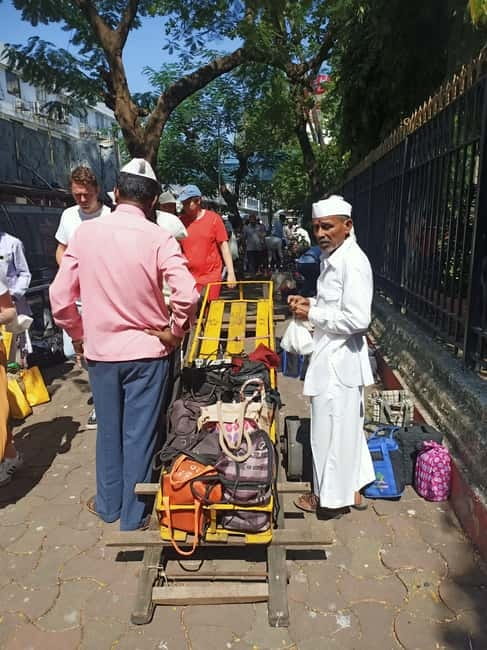
Mumbai can be hard to understand from a sightseeing bus. Its character is in the systems that keep the city moving: lunchboxes crossing town, trains carrying workers, laundry being washed by hand, and small businesses operating in tight urban spaces.
This tour brings those systems together. You are not simply checking off four attractions. You are seeing how people work, commute, wash clothes, make products, and earn a living.
That makes the route a good choice if you want a social and practical view of Mumbai. It also means the experience asks you to pay attention and show respect. Dharavi is a real residential and working community, not a stage set. Your guide’s explanations matter, especially when you are looking at homes, workshops, and businesses at close range.
The four-hour length keeps the outing manageable, but it also makes the schedule brisk. The first stops receive about 30 minutes each, while Dharavi gets two hours. You will see a lot, but this is an introduction rather than a full study of Mumbai’s working neighborhoods.
More Dhobi Ghat and dabbawala tours:
- Mumbai: Dharavi Slum, DhobiGhat, and Dabbawallas Tour
★ 4.9 · 689 reviews - Mumbai: Dhobi Ghat Laundry and Dharavi Slum Tour with Local
★ 5.0 · 469 reviews - Mumbai: Dharavi Slum & Dhobi Ghat Laundry Tour
★ 5.0 · 352 reviews
Meeting at Churchgate and seeing the dabbawalas
The tour begins at Churchgate Railway Station, near the ticket window and the chemist shop called Dava Discount. This is a useful meeting point because Churchgate is already tied to Mumbai’s rail network and the city’s working-day traffic.
Allow time to find the exact spot. A busy station can be confusing, so having the meeting point written down, including the shop name, will save time. The supplied details do not give a hotel pickup service, so you should plan to reach Churchgate on your own.
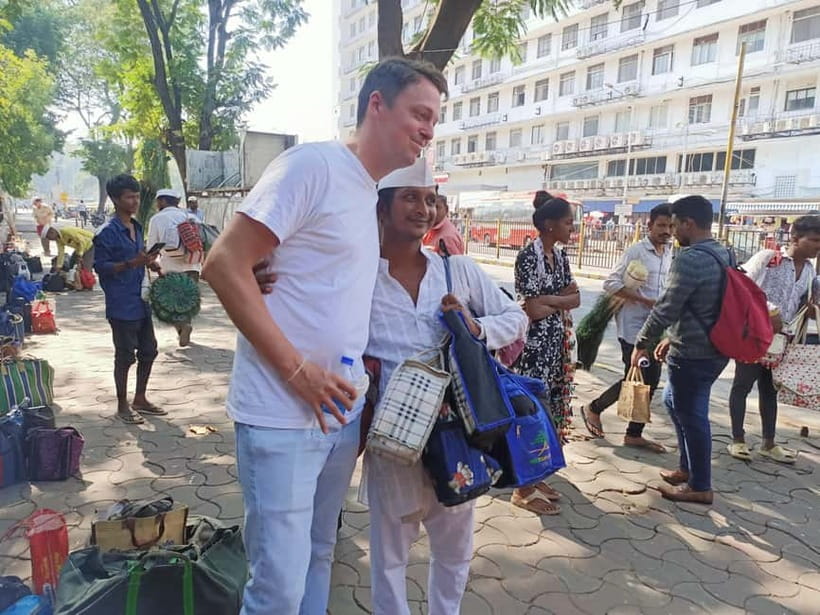
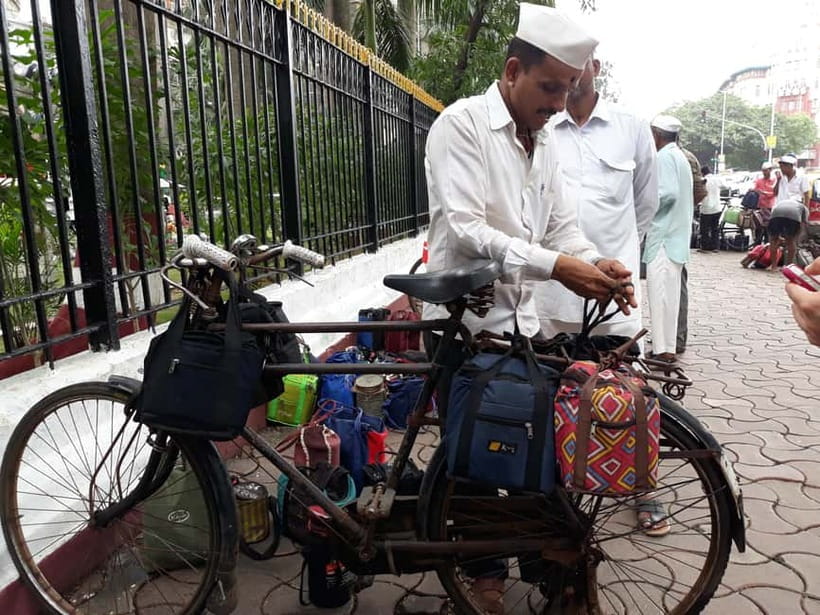
The first guided section lasts around 30 minutes. You will learn about the dabbawalas, the lunchbox delivery workers who have operated in Mumbai for more than a century. Their task sounds simple: collect a lunchbox, move it across the city, and deliver it to a worker before lunch. In practice, the service depends on careful sorting, handoffs, and timing.
This stop has value because it shows how Mumbai solves a daily problem with a people-powered system. You may see lunchboxes being sorted, carried, and routed through the city. It is a small-scale lesson in urban organization, and it helps you understand why trains and stations are so important to Mumbai life.
The time limit is worth keeping in mind. Thirty minutes may give you a clear introduction, but it is not enough to follow every part of the delivery chain. Ask specific questions while you are there. Guides Abi and Hardik have been praised for answering questions patiently, so this is a good place to make use of the live guide rather than simply taking photographs.
A short ride on Mumbai’s local train
The train portions are brief, listed as about five minutes and ten minutes. That may sound too short to matter, but even a short ride puts you inside one of Mumbai’s most important daily routines.
You will travel alongside local commuters and see the city from a moving carriage rather than from a road vehicle. The train ride connects the stops in a practical way, so it is not just added for entertainment. It shows how people move between work, homes, markets, and transport hubs.
Do not expect a long scenic rail journey. The value is the setting and the contrast with a private car or tour bus. You will experience a small part of the local commute, then get off and continue on foot.
The train can also make the tour feel less controlled. Station movement, crowds, and limited time are part of the experience. Stay close to your guide and keep your belongings secure. The tour includes local train tickets, which removes one small task from the day, but it does not turn the train ride into a private transfer.
Dhobi Ghat and Mumbai’s open-air laundry
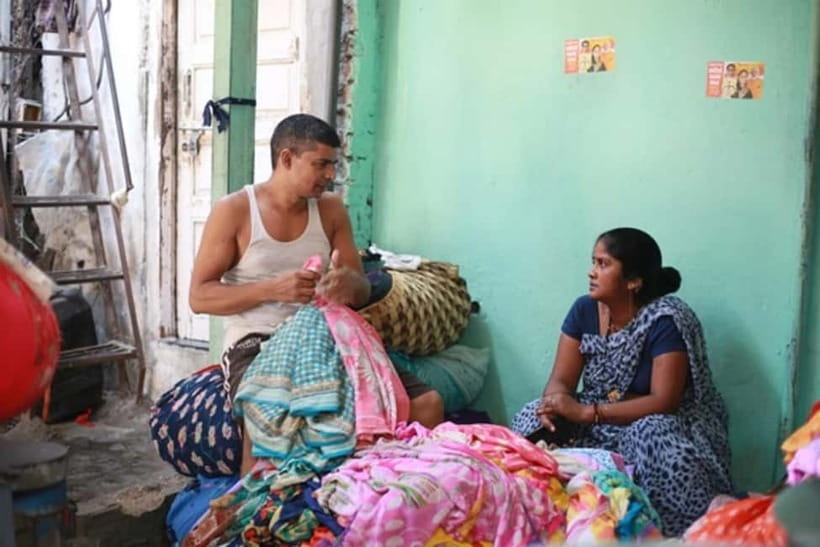
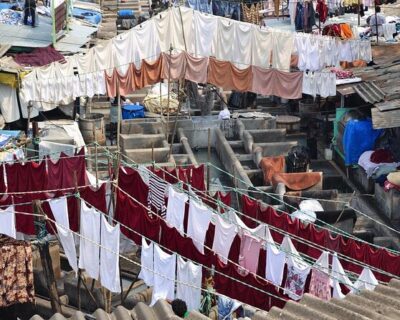
After the first train ride, you visit Dhobi Ghat for about 30 minutes. This is one of Mumbai’s most recognizable working sites, with hundreds of dhobis washing and drying clothes outdoors in concrete troughs.
The attraction is not a polished museum. It is a place where laundry work continues in full view, and that gives the stop its force. You can see the physical labor involved and learn why Dhobi Ghat has remained an important part of Mumbai’s service economy.
The guide helps provide context about the institution and the people who work there. Without that explanation, you might see rows of troughs and hanging laundry without understanding the skill, organization, and routine behind them.
Thirty minutes is enough for a guided look and photographs, but it will feel quick if you want to linger. Treat the stop as an introduction. It fits neatly into the route, but it is not designed as a long visit with extensive time for independent exploration.
This is also a place where your behavior matters. Listen to your guide about where to stand and what you may photograph. The people working here are going about their jobs, so respectful observation is more important than collecting close-up images.
More Dharavi walking tours:
- Dharavi slum tour in Mumbai by Female tour guides of the slum
★ 5.0 · 1,976 reviews - Dharavi Slum Tour
★ 5.0 · 625 reviews - Dharavi Slum tour in Mumbai by local resident
★ 5.0 · 572 reviews - Mumbai: Dharavi Slum Slumdog Millionaire Tour with a Local
★ 4.9 · 529 reviews
Two hours inside Dharavi
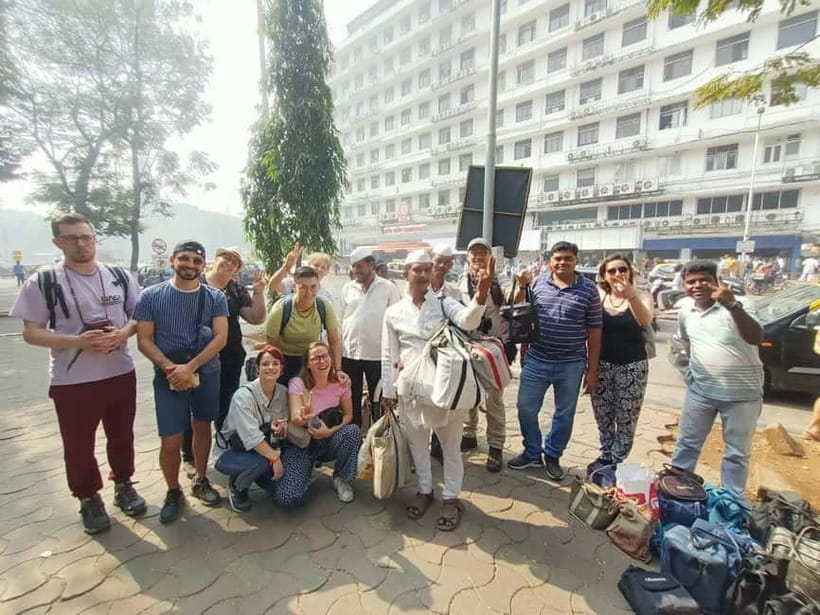
Dharavi receives the largest share of the tour, about two hours. That is the right balance for this route because the area cannot be understood from a brief roadside viewing.
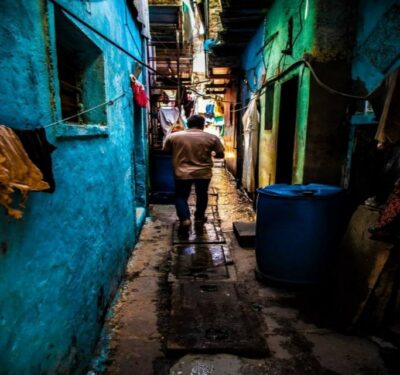
With your local guide, you walk through narrow alleyways, working areas, street markets, and workshops. The visit is meant to show Dharavi as a place of homes, trade, and enterprise. It is often described as one of Asia’s largest slums, but that label alone tells you very little about daily life there.
The useful part of the walk is the detail. You may see the kinds of small industries and businesses that operate in the neighborhood, along with the creativity needed to use limited space. The tour also focuses on the community’s resilience and entrepreneurial spirit.
Your guide’s role is especially important here. Hardik has been praised for taking care of the group and helping people feel secure during the walk. He is also described as able to answer a wide range of questions. Abi is praised for being patient and informative. Guide quality can shape this part of the tour, since the same lane or workshop can feel very different when explained with care.
You should approach Dharavi with humility. This is not a spectacle, and the most worthwhile experience comes from listening to the guide and noticing how people work and live. Ask before taking photographs, avoid blocking lanes, and remember that residents are not part of an attraction.
The two-hour walk may be tiring. Narrow lanes, uneven walking conditions, and a steady flow of activity can make the visit demanding, especially in warm weather. The supplied details do not specify the group size, walking distance, or accessibility arrangements, so you should ask the operator if those points are important to you.
What the $32 price includes
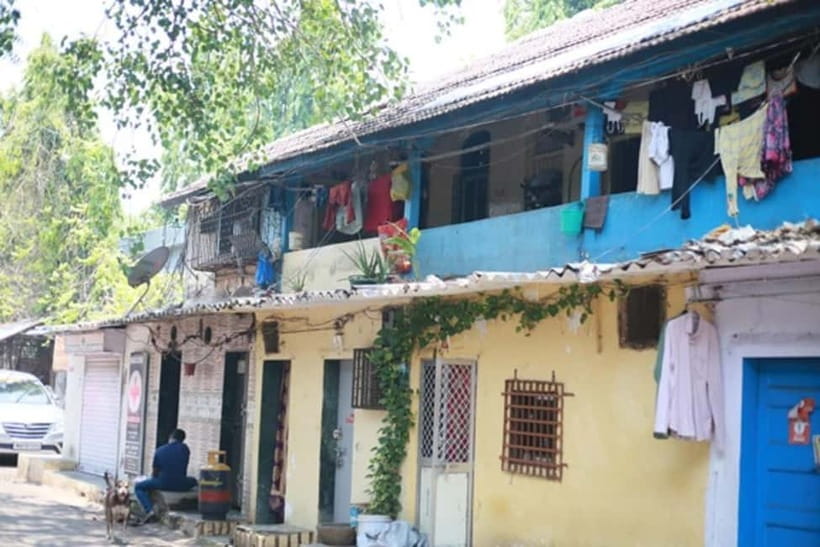
At $32 per person, this is a reasonably focused way to see several sides of Mumbai in one outing. The price includes an English-speaking guide, local train tickets, and a bottle of water.
The value comes mainly from the route and the guidance. Paying separately for transport and trying to locate each stop yourself could take more time and create confusion, especially for a first visit to Mumbai. The guide also gives meaning to the dabbawalas, Dhobi Ghat, and Dharavi, which is more useful than simply arriving at each place.
Food and drinks are not included. The tour lasts four hours, so you should arrange anything you want to eat before or after the experience. Do not count on this outing as a meal tour.
The price is less compelling if you only want major landmarks, a relaxed pace, or private transport. It is stronger value if you want working neighborhoods, public transport, and explanations from a local English-speaking guide.
Who will get the most from this tour
I would choose this experience if you want to see Mumbai through its daily work and transport systems. It suits first-time visitors who want an organized introduction to places that can be difficult to understand alone.
It is also a good match for:
- People interested in urban life, local transport, and small businesses
- Visitors who prefer working communities to formal museums
- Anyone curious about how the dabbawala service functions
- Those comfortable walking through narrow lanes for two hours
- Visitors who want a guide to explain sensitive social and economic subjects
You may want a different outing if you dislike trains, prefer a slow schedule, or feel uncomfortable visiting a residential community. The tour does not offer much free time, and the short train rides may be less appealing if you are seeking a longer rail experience.
The route is also not ideal for anyone who needs clearly stated accessibility information. The available details do not explain step-free access, seating, walking surfaces, or arrangements for mobility needs. Ask before booking if those details affect your plans.
Practical advice before you go
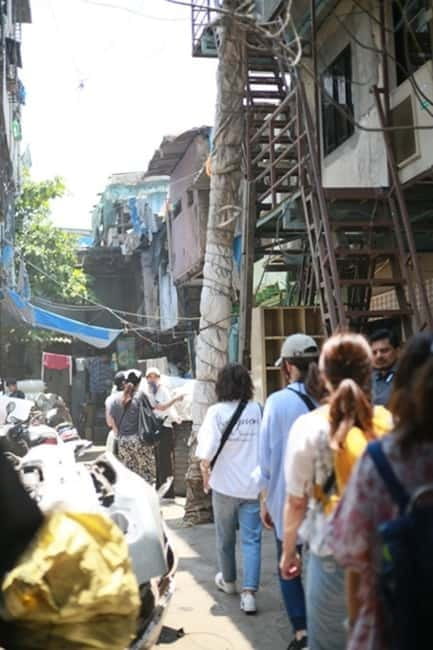
Meet at Churchgate Railway Station near Dava Discount, by the ticket window. Stations are busy, so arrive with enough time to identify the guide and avoid a rushed start.
Wear comfortable walking shoes. The schedule includes station movement, two train rides, a visit to Dhobi Ghat, and a two-hour walk in Dharavi. Carry only what you need and keep personal items close during the train sections.
Bring water even though one bottle is included. Food and drinks are not part of the tour, so plan around that. The activity details do not state a specific departure time, so check availability when choosing your date.
An English-speaking live guide leads the tour. If you are assigned Abi or Hardik, expect a guide who has been specifically praised for patience, information, and attention to the group. Still, the experience depends on asking questions. Bring a few you genuinely want answered, especially about the dabbawalas and the industries in Dharavi.
Free cancellation is available up to 24 hours before the start for a full refund, and you can reserve without paying immediately. Those terms help if your Mumbai plans are still shifting.
Should you book the Dabbawalas, Dhobi Ghat, and Dharavi tour?
Book it if you want a compact, guided look at the working side of Mumbai. The combination of dabbawalas, local trains, Dhobi Ghat, and Dharavi gives you a much broader picture than a route built only around famous buildings.
The strongest reasons to go are the two-hour Dharavi visit, the local transport experience, and the chance to ask questions throughout the day. The main tradeoffs are the brisk four-hour schedule, limited time at the first stops, and the need to approach Dharavi with respect.
At $32, I see this as good value for a visitor who wants context, transport, and access to parts of Mumbai that are hard to organize alone. Skip it if you want comfort, long stops, or a conventional sightseeing tour. For a curious visitor ready to walk, listen, and see the city as it works, this is a useful introduction.
FAQ
Where does the tour begin?
The meeting point is Churchgate Railway Station near the ticket window, at the chemist shop named Dava Discount.
Where does the tour finish?
The tour finishes at Sai Multispeciality Hospital & Research Centre.
How long does the tour last?
The experience lasts four hours.
What language is the tour conducted in?
The tour is conducted in English with a live English-speaking guide.
Are local train tickets included?
Yes. Local train tickets and one bottle of water are included.
Is food included?
No. Food and drinks are not included in the tour price.
Can I cancel for a full refund?
Yes. You can cancel up to 24 hours in advance for a full refund. You can also reserve now and pay later.
Just added around Mumbai
- Temples & Vineyards: Private Tour to Nashik from Mumbai★ 4.5 · 3 reviews
- Mumbai: Private City sightseeing and Dharavi Slum Tour★ 5.0 · 3 reviews
- Mumbai: Full Day City Sightseeing with Lunch, Car & Guide★ 4.3 · 3 reviews
- Elephanta Island Private Speedboat Tour from Mumbai – 6pax★ 5.0 · 3 reviews
- Mumbai by Dawn★ 4.5 · 3 reviews
- Mumbai: Elephanta Island and Elephanta Caves Guided Tour★ 4.4 · 3 reviews
- Mumbai Sightseeing Tour by Public Transport with family Lunch★ 5.0 · 3 reviews
- Mumbai Dharavi Slum Community Tour★ 5.0 · 3 reviews
Dharavi Slum Tours, compared.
Dharavi slum tour in Mumbai by Female tour guides of the slum
Read our review →

Dharavi Slum Slumdog Millionaire Tour with a Local
Read our review →
Mumbai Slum Tour – Visit Dharavi Slum with Local Guide
Read our review →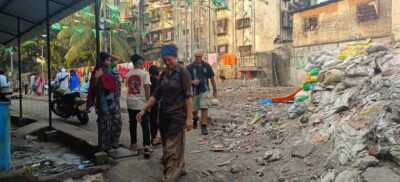
Dhobi Ghat Laundry and Dharavi Slum Tour with Local
Read our review →
Browse the lists this tour appears in