
Reviewed · DHARAVI SLUM TOURS
Private Slumdog Millionaire Tour in Dharavi with Slum Visit
Dharavi is not a movie set. It is a working community, and this three-hour private walk shows you both sides of it: the small factories that drive its economy and the homes, schools, and narrow lanes where daily life unfolds. The connection to Slumdog Millionaire may bring you here, but the people and businesses give the tour its real point.
I like the personal format. Your guide can answer questions as they come, and guides such as Pooja, Ravi, Bulgi, and Chirag have been praised for making the visit clear, friendly, and safe. I also like the focus on work, especially plastic, aluminum, paper, and cardboard recycling, rather than treating Dharavi as a backdrop for poverty.
The main consideration is that this is a walking tour through a crowded settlement with narrow alleys and difficult conditions. You should wear comfortable shoes, keep an open mind, and understand that the experience can feel confronting. One reported no-show, with a visitor waiting 90 minutes, also shows why it is wise to confirm the meeting details before setting out.
In This Review
- Key points to know before you go
- Why Dharavi is more than a film location
- Starting at Mahim Railway Station
- The commercial lanes and recycling workshops
- The residential lanes and local life
- What private guiding changes
- How the experience feels on foot
- The strongest part: people and explanation
- Who will get the most from this walk
- Respectful behavior makes the visit better
- Booking, cancellation, and basic planning
- Should you book the Dharavi private tour?
- FAQ
- Where does the tour start?
- Where does the tour end?
- How long does the tour last?
- Is this a private tour?
- Is an English-speaking guide included?
- Is pickup available?
- What areas of Dharavi does the tour visit?
- What businesses might I see?
- Is bottled water included?
- Can I cancel for a refund?
Key points to know before you go
- Commercial Dharavi comes first: See plastic, aluminum, paper, cardboard, oil-paint can, and leather recycling, plus luggage, clothing, bakery, and other small businesses.
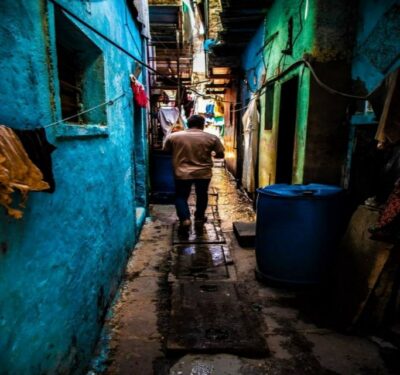
- The tour continues into residential lanes: You may see homes, schools, local customs, and the very tight passageways that are hard to understand from outside.
- Private guiding keeps the pace personal: Only your own group takes part, so you can ask questions and spend more time on subjects that interest you.
- Meet at Mahim Railway Station: The stated meeting point is Third Wave Coffee, Tip Road, Unit 58, Ram Mahal, Senapati Bapat Marg, Marinagar Colony, Mahim.
- Plan for a full three hours on foot: Bottled water and an English-speaking guide are included, but comfortable footwear matters more than dressing up.
- The price is moderate for a private experience: At $37.20 per person, the value improves as your group grows, though the ethical side of visiting a poor community deserves thought.
Why Dharavi is more than a film location
The film connection is an easy way to explain Dharavi to someone who has never heard of it. Still, using Slumdog Millionaire as the main reason to visit can give you the wrong idea. This is not a themed attraction built around the movie.
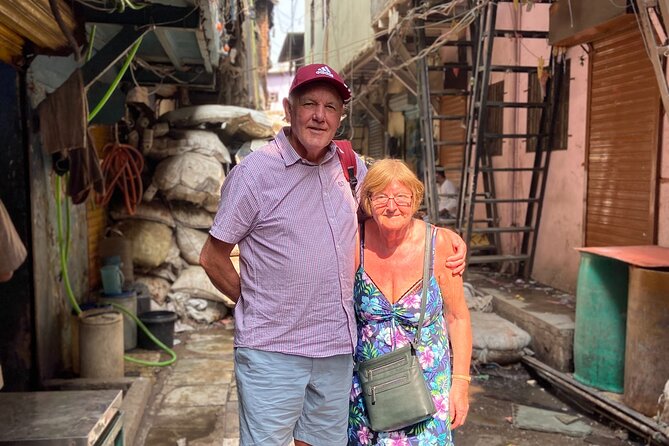
Dharavi is presented here as a place where people live and work. The tour moves through commercial and residential areas, giving you a clearer picture of how those two parts fit together. Workshops, factories, bakeries, clothing businesses, schools, and homes all share a tight urban setting.
That contrast is what makes the walk useful. You see resourcefulness, hard work, and business skill alongside limited space and difficult living conditions. I appreciate that balance. It avoids showing only hardship, but it also does not pretend the problems are not there.
You should approach the tour with respect. This is somebody’s home and workplace, not a human zoo. Listen first, avoid intrusive photography unless your guide says it is appropriate, and let the guide explain what is suitable.
More Dharavi walking tours:
- Dharavi slum tour in Mumbai by Female tour guides of the slum
★ 5.0 · 1,976 reviews - Mumbai: Dharavi Slum, DhobiGhat, and Dabbawallas Tour
★ 4.9 · 689 reviews - Dharavi Slum Tour
★ 5.0 · 625 reviews
Starting at Mahim Railway Station
The stated meeting place is Third Wave Coffee at Tip Road, Unit 58, Ram Mahal, Senapati Bapat Marg, Marinagar Colony, near Mahim Railway Station in Mumbai. The tour ends at the same meeting point, which makes the outing easier to fit into a day of sightseeing.
Pickup is listed as available, but the supplied meeting information gives the coffee shop as the start point. I would check your confirmation carefully so you know exactly where to go and if pickup applies to your booking.
Meeting near a railway station is practical because Mahim is connected to Mumbai’s public transport system. The activity is also described as being near public transportation. Give yourself enough time to find the coffee shop, especially if you are unfamiliar with Mahim.
The tour is private, so only your group participates. That is a real advantage in a place where a large group could block a lane or make the visit feel more intrusive. A small party also makes it easier to hear the guide and ask direct questions.
The commercial lanes and recycling workshops
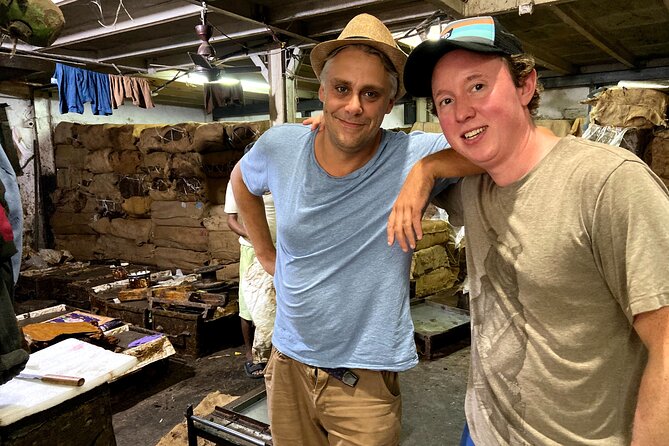
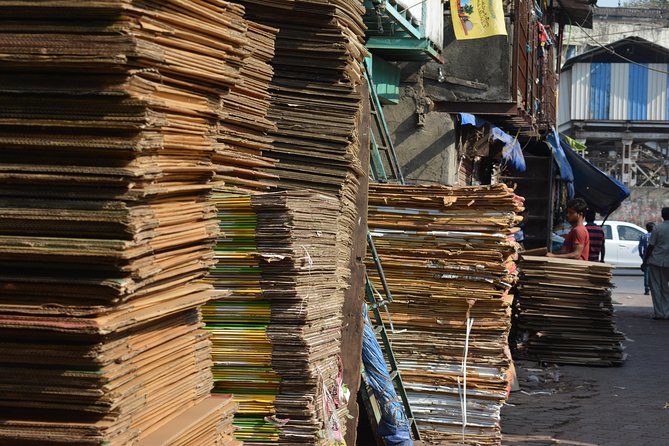
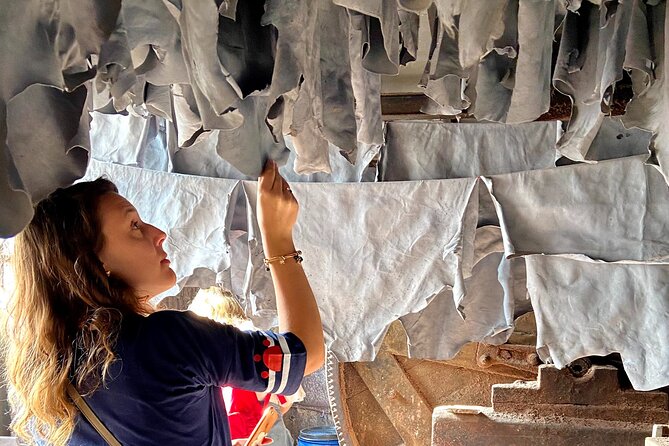
The first part focuses on Dharavi’s commercial area. You may see plastic recycling, aluminum recycling, paper recycling, cardboard recycling, and recycling connected with oil paint cans. These are not decorative demonstrations. They show how discarded material is sorted and processed for further use.
The plastic work is especially interesting. One guide explained how plastic from automobiles and other sources is broken down into usable pellets, which can then go into other plastic products. That simple process gives you a practical look at the local economy and at the amount of skill involved in turning waste into something useful.
The route also includes leather factories, luggage and bag manufacturing, clothing industries, bakeries, and other small businesses. Each stop helps you see Dharavi as a place of production, not only residence.
This section may be the best fit for you if you are interested in business, manufacturing, recycling, or urban economies. You get a closer look at how work happens in cramped conditions, with many separate trades operating close together.
Expect strong smells, noise, dust, and tight walking space. The exact conditions can vary, but the description of the route makes clear that this is not a polished factory visit. Wear shoes with good support and avoid bringing anything that will make walking awkward.
The residential lanes and local life
After the commercial area, the guide takes you into the residential part of Dharavi. Here, you see how residents live, walk through narrow alleys, and learn about local culture and schools.
This is the more sensitive part of the experience. It is one thing to watch recycling or bag production. It is another to pass homes and see how little private space some families have. The tour can change your assumptions about informal settlements, but it may also leave you thinking about housing, sanitation, and access to education.
A private guide helps here. Pooja has been praised for making the walk informative and engaging, while Ravi has been praised for explaining the area and answering questions patiently. One especially personal account described a local guide who had lived in Dharavi and showed the group her own house. That kind of connection can make the visit feel less like an outside inspection, though it also makes respectful behavior even more important.
Chirag, described as an 18-year-old student from Dharavi, has also guided this experience. His involvement points to one potential strength of the tour: you may hear about the area from someone with a direct connection to it rather than from a guide repeating distant facts.
Do not expect a museum-style route with signs and exhibits. The interest comes from seeing ordinary places in use and hearing explanations as you walk. The tradeoff is that the surroundings can be physically demanding and emotionally intense.
A few more Mumbai tours and experiences worth a look
- Private Mumbai Sightseeing Tour (Traveller’s Choice Award Winner)
★ 5.0 · 1,565 reviews - Elephanta Caves & Island Guided Private Tour
★ 5.0 · 1,327 reviews - Private Guided Walking Tour in Fort & Colaba
★ 5.0 · 895 reviews - Highlights of South Mumbai Guided Private Tour in AC Vehicle
★ 5.0 · 620 reviews
What private guiding changes
A private tour costs $37.20 per person. That is not the lowest-cost way to see Dharavi, but it is a fair price if you value a small group, direct questions, and a pace shaped around your interests.
The value depends partly on the size of your party. One person pays the full per-person rate, while a larger private group may find the cost easier to justify. Group discounts are listed as available, so ask about the rate before booking if you are traveling with family or friends.
Private guiding also gives you more control over conversation. You can ask how recycling works, how businesses operate, or what daily life is like without worrying about holding up a large group. If a subject feels too personal, you can also move on more easily.
There is a safety benefit in having a local guide lead you through routes that are difficult to navigate independently. Pooja was specifically praised for creating a safe and informative visit, and a separate account noted that Hasan, the driver, was on time and communicated well. Driver service is not clearly defined for every booking, so do not assume a private car is included unless your confirmation says so.
The main weakness is reliability. One person reported waiting 90 minutes at the meeting point without a guide or a message. The provider apologized, accepted responsibility, and said steps had been taken to prevent a repeat. That does not erase the lost time, so confirming the booking and meeting point is a sensible precaution.
How the experience feels on foot
The tour lasts about three hours and admission is included. Bottled water is also provided, but you should still dress for warm-weather walking and bring only what you need.
Comfortable shoes are important because the route uses narrow alleys and working areas rather than broad tourist streets. Keep your belongings secure and avoid clothing that makes movement difficult. The provided information says most people can participate, but the walking conditions may not suit anyone who struggles with tight spaces or extended walking.
The activity is listed as allowing service animals. It is also near public transportation. No special physical requirements are stated beyond the walking format, so you should judge your own comfort with crowded lanes and uneven or constrained routes.
The tour returns to the starting point. That simplifies your next move, since you do not need to arrange a separate ride from an unfamiliar part of Mumbai.
The strongest part: people and explanation
The most praised aspect of this experience is the guides. Pooja, Ravi, Bulgi, and Chirag are each named in positive accounts, with repeated attention to patience, clear explanations, organization, and a feeling of safety.
That matters more here than it would on a simple sightseeing walk. Dharavi is easy to misunderstand if you only look around for a few minutes. A good guide gives meaning to the recycling work, explains how the businesses fit together, and helps you behave properly in residential areas.
The guide also shapes the emotional tone. A poor guide could make the tour feel like a quick look at misery. A strong one can show the skill, effort, and local pride that exist alongside serious challenges.
The overall rating is 5 out of 5 from 193 ratings, with 99 percent recommending the experience. Those figures suggest a strong record, but they do not remove the need for sensitivity or basic booking checks. The one no-show account is important precisely because a balanced decision should include it.
Who will get the most from this walk
I would recommend this tour to first-time Mumbai visitors who want to understand the city beyond its major landmarks. It also suits repeat visitors who have already seen the Gateway of India, Marine Drive, or other central sights and want a more direct look at daily work and housing.
It is a good choice for families with older children and teenagers if you prepare them beforehand. One account specifically described the tour as an eye-opening experience for teenagers. Explain that the purpose is to learn, not to stare or make jokes about poverty.
The tour also suits people interested in recycling, small manufacturing, local enterprise, photography ethics, and urban development. Students and curious adults may find the commercial side especially useful.
I would think twice if you want a relaxed sightseeing stroll, dislike confined spaces, or feel uncomfortable visiting residential areas as part of a paid experience. This is not a light entertainment stop, even though the guides can make it engaging.
Respectful behavior makes the visit better
Before you go, decide how you will act in someone else’s neighborhood. Ask before taking photographs, follow your guide’s instructions, and do not touch products or equipment unless invited.
Use the visit to ask useful questions. How does the recycling process work? Who owns the businesses? What makes the area’s economy function? What role do schools play? These questions lead to a better experience than asking residents to describe hardship for your benefit.
The tour can support local guides and businesses, but you should not assume that paying for the tour gives you unlimited access. Keep the focus on learning and let your guide set the tone.
I also suggest leaving room in your schedule after the walk. Three hours in tight lanes, with industrial smells and close contact with working and residential areas, can be tiring. You may want a quiet meal or a slower afternoon afterward.
Booking, cancellation, and basic planning
Confirmation is received at booking, and free cancellation is available if you cancel at least 24 hours before the local start time. Cancellations within 24 hours are not refundable, and changes within that window are not accepted.
The experience is offered as a mobile ticket. English-speaking guiding, bottled water, and the private tour are included. Admission is included as well.
Because the tour is booked on average 34 days ahead, popular dates may fill early. If your Mumbai schedule is tight, book ahead, then verify the time, meeting point, and any pickup arrangement before the day arrives.
Should you book the Dharavi private tour?
Book it if you want a direct, carefully guided look at Dharavi’s working economy and residential life, and if you are ready for an experience that may challenge your assumptions. The private format, strong guide record, local connections, and $37.20 price make it good value for a small group.
Skip it if you are seeking only film nostalgia or a comfortable sightseeing outing. The Slumdog Millionaire connection is only the entry point. The real experience is a serious walk through workplaces, homes, and narrow lanes, with the chance to understand a part of Mumbai that is difficult to visit responsibly on your own.
FAQ
Where does the tour start?
It starts at Third Wave Coffee, Tip Road, Unit 58, Ground, Ram Mahal, Senapati Bapat Marg, Marinagar Colony, near Mahim Railway Station in Mumbai.
Where does the tour end?
The activity ends back at the same meeting point.
How long does the tour last?
The tour lasts approximately three hours.
Is this a private tour?
Yes. Only your group participates in the activity.
Is an English-speaking guide included?
Yes. An English-speaking tour guide is included.
Is pickup available?
Pickup is listed as an available feature, but the stated meeting point is Third Wave Coffee near Mahim Railway Station. Check your booking confirmation for the exact pickup arrangement.
What areas of Dharavi does the tour visit?
The tour visits both the commercial and residential parts of Dharavi.
What businesses might I see?
The route may include plastic, aluminum, paper, cardboard, and oil paint can recycling, along with leather factories, luggage and bag production, bakeries, clothing industries, and other businesses.
Is bottled water included?
Yes. Bottled water is included.
Can I cancel for a refund?
You can receive a full refund if you cancel at least 24 hours before the experience start time. Cancellations or changes made within 24 hours are not accepted for a refund.
Just added around Mumbai
- Temples & Vineyards: Private Tour to Nashik from Mumbai★ 4.5 · 3 reviews
- Mumbai: Private City sightseeing and Dharavi Slum Tour★ 5.0 · 3 reviews
- Mumbai: Full Day City Sightseeing with Lunch, Car & Guide★ 4.3 · 3 reviews
- Elephanta Island Private Speedboat Tour from Mumbai – 6pax★ 5.0 · 3 reviews
- Mumbai: Elephanta Island and Elephanta Caves Guided Tour★ 4.4 · 3 reviews
- Mumbai Sightseeing Tour by Public Transport with family Lunch★ 5.0 · 3 reviews
- Mumbai by Dawn★ 4.5 · 3 reviews
- Mumbai Dharavi Slum Community Tour★ 5.0 · 3 reviews
Dharavi Slum Tours, compared.
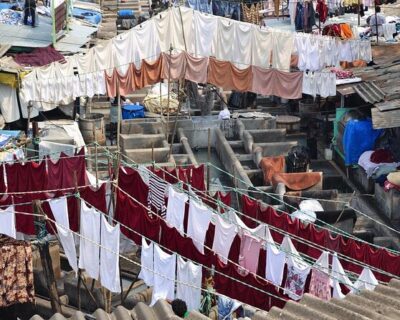
Dharavi slum tour in Mumbai by Female tour guides of the slum
Read our review →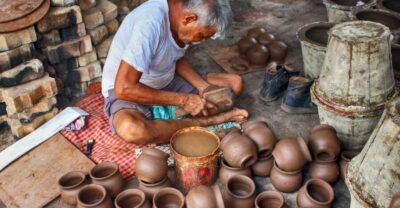
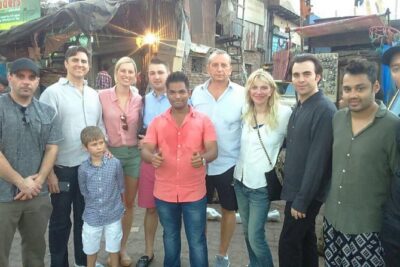
Dharavi Slum Slumdog Millionaire Tour with a Local
Read our review →
Mumbai Slum Tour – Visit Dharavi Slum with Local Guide
Read our review →
Dhobi Ghat Laundry and Dharavi Slum Tour with Local
Read our review →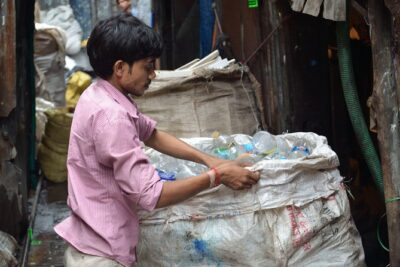
Browse the lists this tour appears in