
Reviewed · DHARAVI SLUM TOURS
Private Dharavi Slums and Dhobighat Laundry tour
Dharavi is far more than a place defined by poverty. It is a working community with homes, workshops, recycling businesses, pottery, and a huge cottage industry. This private tour gives you a local guide, a careful walk through the area, and a visit to Dhobi Ghat, Mumbai’s famous open-air laundry.
I like the fact that guides such as Sajid, Sufian, and Jeetu grew up in Dharavi and can explain daily life from personal experience. I also like the small-group format, hotel pickup, and the stated plan to return tour profits to charities working in Dharavi and Dhobi Ghat. The main consideration is that this is a walking tour through crowded, working neighborhoods, so it is not suitable for wheelchair users or people with limited mobility.
In This Review
- Key points to know before booking
- Why Dharavi is worth seeing with a local guide
- The two-hour walk through Dharavi
- Khumbharwada and the pottery community
- Seeing Dhobi Ghat in about 30 minutes
- What the private car and four-hour format add
- The value of paying $60 per person
- Who should book this Mumbai experience
- Practical advice for a respectful visit
- Should you book the Dharavi and Dhobi Ghat tour?
- FAQ
- Where does the tour begin and end?
- How long does the experience last?
- Is Dhobi Ghat listed as lasting 30 minutes or 30 hours?
- Is the tour private?
- What language does the guide speak?
- Is transportation included?
- Are meals included?
- Who should not book this tour?
Key points to know before booking
- Local guides with personal ties: Sajid, Sufian, Jeetu, and Chiraq have been praised for clear explanations and, in several cases, for growing up in Dharavi.
- Dharavi takes about two hours: You visit both work areas and residential lanes, with discussion of jobs, housing, and social issues.
- Khumbharwada adds a traditional craft stop: This community is known for pottery and gives the tour a more specific focus than a simple walk through Dharavi.
- Dhobi Ghat is a short visual stop: The open-air laundry offers a glimpse into the washermen’s community.
- Private transport keeps the day simple: An air-conditioned car, hotel or apartment pickup, and packaged water are included.
- The tour supports local causes: The operator says profits go back to charities working in Dharavi and Dhobi Ghat.
Why Dharavi is worth seeing with a local guide
The most useful shift on this tour is the move away from the word slum as a complete description. Dharavi has serious social challenges, but it is also a place where people live and work. The tour is designed to show both sides.
You spend around two hours on foot with your guide, visiting working districts and residential areas. That combination matters. If you only see workshops, you miss the daily life of the community. If you only see homes, you miss the economic activity that helps many families earn a living.
Your guide explains how different professions fit into the area. The supplied information describes a large cottage industry operating in Dharavi, and one guide, Sufian, was specifically praised for explaining its scale and the way it functions. You should expect discussion rather than a quick photo stop.
This is also where a guide from the community can make a real difference. Sajid, who grew up in Dharavi and still lives there, has led several guests through the area. Jeetu has also shown visitors around his former neighborhood. Chiraq was praised for giving detailed explanations, while Sajid and Sufian were noted for clear English and a personable manner.
You will still need to listen carefully and show respect. Dharavi is a lived-in neighborhood, not a museum. The best approach is to watch, ask sensible questions, and avoid treating residents or workplaces as scenery.
More Dhobi Ghat and dabbawala tours:
- Mumbai: Dharavi Slum, DhobiGhat, and Dabbawallas Tour
★ 4.9 · 689 reviews - Mumbai: Dhobi Ghat Laundry and Dharavi Slum Tour with Local
★ 5.0 · 469 reviews - Mumbai: Dharavi Slum & Dhobi Ghat Laundry Tour
★ 5.0 · 352 reviews
The two-hour walk through Dharavi
The Dharavi portion is the heart of the experience. After pickup, your driver takes you to the area in a comfortable, air-conditioned car. From there, the visit becomes a walking tour.
The working district lets you see how local businesses operate. The supplied details do not promise a fixed list of workshops, so the exact stops may vary. You might see different trades and small-scale production areas, but the important point is the explanation of how work and housing exist close together.
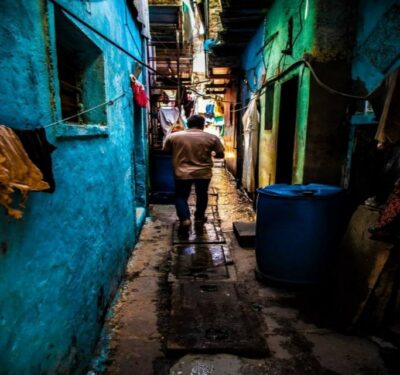
That closeness is one of Dharavi’s defining features. A lane can connect a home, a workshop, and a small business within a very short walk. Your guide helps you understand the practical side of that arrangement instead of leaving you to make guesses from the street.
The residential section changes the tone. Here, the guide discusses everyday life and social issues within the community. That may include questions about housing, work, access to services, and the pressures faced by residents. The tour does not present Dharavi as a simple success story, nor does it reduce it to hardship.
I would allow yourself time to listen. Two hours can pass quickly, especially if you ask questions. This is not the right outing if you want a fast drive past the area, but it suits you if you want context and conversation.
Wear closed-toe shoes. The walking conditions, crowded routes, and active work areas make practical footwear more useful than sandals or fashion shoes. The tour is not suitable for people with mobility impairments or wheelchair users, and the operator also advises against booking if you suffer from motion sickness or insect allergies.
Khumbharwada and the pottery community
Khumbharwada is one of the most distinctive named stops on the route. It is a traditional community of potters, giving you a close look at a craft-based part of Dharavi.
The inclusion of Khumbharwada makes the tour more focused. Instead of talking only about general urban poverty, the guide can connect Dharavi to skilled work and inherited trades. You get a better sense of how a community can be both residential and productive.
The available information does not promise a pottery demonstration or a chance to buy ceramics, so you should not book expecting either. Think of the stop as a chance to understand the potters’ community and its place within Dharavi.
This is also a good point to keep your camera away unless your guide indicates that photography is appropriate. People are working and living here. A respectful visit is more valuable than collecting close-up images.
Seeing Dhobi Ghat in about 30 minutes
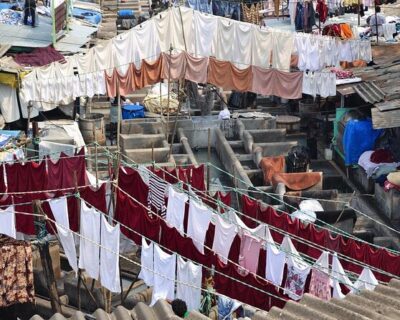
After Dharavi, the car takes you to Dhobi Ghat, Mumbai’s large open-air laundry. You receive a guided look at the washermen’s community and the work carried out there.
The laundry is a very different sight from Dharavi’s workshops. Here, the focus is on a specialized community and the physical process of washing clothes in an open-air setting. You should expect a short visit, not another long walking tour.
There is one timing issue worth checking before you pay. The overall experience is advertised as four hours, and the stop is described in the main information as about 30 minutes. The itinerary contains a typo that lists Dhobi Ghat as 30 hours, which cannot fit within a four-hour tour. Confirm the intended stop length when booking, but plan on roughly half an hour based on the stated tour description.
That short stop can work well. Dharavi requires time for explanation, while Dhobi Ghat functions more as a compact visual visit. You see another working community in Mumbai without turning the day into a long, tiring excursion.
More Dharavi walking tours:
- Dharavi slum tour in Mumbai by Female tour guides of the slum
★ 5.0 · 1,976 reviews - Dharavi Slum Tour
★ 5.0 · 625 reviews - Dharavi Slum tour in Mumbai by local resident
★ 5.0 · 572 reviews - Mumbai: Dharavi Slum Slumdog Millionaire Tour with a Local
★ 4.9 · 529 reviews
What the private car and four-hour format add
The private format is one of the strongest practical features. You are picked up from your hotel or apartment in Mumbai, meet the guide or driver in the lobby, and travel between the sites in an air-conditioned car.
That matters in Mumbai, where a simple transfer can take effort and time. You do not need to work out separate transport between Dharavi and Dhobi Ghat, and you can keep your attention on the tour. Packaged water is included as well.
The group is private, though the provided details do not state the maximum number of people. That means you can ask questions without competing with a large group, and the guide can adjust the conversation to your interests.
Four hours is a useful length for a first visit. It gives Dharavi enough time to feel substantial, while the Dhobi Ghat stop keeps the schedule varied. It is not an all-day tour, so you can still plan another Mumbai activity afterward.
There are tradeoffs. The tour includes transport and an English-speaking guide, but no meals. It also does not include visits to additional sites. If you want a longer city tour or a food experience, you will need to arrange that separately.
The value of paying $60 per person
At $60 per person, this is not the cheapest way to see the two locations. You are paying for a private group, a four-hour guided experience, hotel or apartment pickup, an air-conditioned car, packaged water, and a guide who can explain the community in English.
The strongest value comes from the guide and the structure. Dharavi can be difficult to understand from a passing look, and Dhobi Ghat is easy to reduce to a few photographs. A guide who grew up in the area can explain what you are seeing and place it in the context of daily life.
The stated charity contribution also matters. The operator says profits are returned to charities working in Dharavi and Dhobi Ghat. That gives the price a social purpose, although you may want to ask the company for more detail about the charities if this is important to your decision.
For a private tour, the price is easier to justify if you value personal explanation and convenient transport. If you are mainly looking for a quick exterior view of Dhobi Ghat and a short stop near Dharavi, $60 may feel high.
I would book this for the guide-led access, not for the number of sights. There are only two main areas, and the real content comes from what you learn in them.
Who should book this Mumbai experience
This tour suits you if you want to understand Mumbai through work and community life rather than through monuments alone. It is especially useful during a first visit, when a local explanation can help you make sense of the city’s contrasts.
It also suits solo visitors and couples who prefer a private setting. You can ask direct questions about Dharavi, Khumbharwada, and Dhobi Ghat without worrying about a large group’s pace.
Families with older children may find the social and economic discussion meaningful, but the walking conditions and subject matter require maturity. Babies under one year are listed as unsuitable, and people over 95 are also advised not to take the tour.
Do not book it if you need step-free access or have serious difficulty walking. The Dharavi visit lasts about two hours on foot, and the operator specifically excludes wheelchair users and people with mobility impairments.
The tour is also not a fit if you want a polished sightseeing route with little discussion of difficult topics. You will hear about everyday life and social issues, and the setting is active and demanding.
Practical advice for a respectful visit
Meet your guide or driver in your hotel lobby. Have your phone ready in case the operator needs to contact you, though no special meeting procedure beyond the lobby pickup is provided.
Wear closed-toe shoes and comfortable clothing. Bring water if you prefer more than the packaged bottle supplied, and keep your belongings secure while walking. The supplied information does not promise access to every part of the community, so follow the guide’s directions.
Ask before taking photographs. This is the simplest way to respect people at home and at work. You will get more from the visit by listening to explanations than by trying to photograph every lane.
English is the listed tour language. Guides such as Sajid and Sufian have been praised for clear English, and Chiraq was described as detailed and engaged. If you have a strong interest in a particular topic, raise it early so the guide can shape the discussion where possible.
The tour offers free cancellation up to 24 hours before departure and allows you to reserve now and pay later. Check the available starting times before booking, since the four-hour schedule needs to fit your Mumbai plans.
Should you book the Dharavi and Dhobi Ghat tour?
Book it if you want a thoughtful, local-led look at two working communities and you are comfortable walking through busy residential and business areas. The personal background of guides such as Sajid, Sufian, and Jeetu is a major reason to choose this experience over a basic sightseeing transfer.
The tour is particularly good value if private transport, a small group, and social context matter to you. It is less suitable if you want shopping, food, a long list of attractions, or easy access for limited mobility.
I would make this a choice for curiosity, patience, and respectful listening. Go for the human explanation of Mumbai’s work and home life, not for a quick spectacle.
FAQ
Where does the tour begin and end?
Pickup and drop-off are in Mumbai. The guide or driver meets you in your hotel lobby or apartment.
How long does the experience last?
The advertised duration is four hours. Dharavi takes about two hours, and Dhobi Ghat is described as a visit of about 30 minutes.
Is Dhobi Ghat listed as lasting 30 minutes or 30 hours?
The main tour information describes the visit as about 30 minutes, while one itinerary entry says 30 hours. That entry is inconsistent with the four-hour duration, so confirm the timing before booking.
Is the tour private?
Yes. It is offered for a private group.
What language does the guide speak?
The live tour guide speaks English. English is the only language listed for the experience.
Is transportation included?
Yes. An air-conditioned car is included, along with pickup from your hotel or apartment and packaged water.
Are meals included?
No. Meals are not included in the price.
Who should not book this tour?
The tour is not suitable for people with mobility impairments, wheelchair users, people with motion sickness, babies under one year, people over 95 years, or people with insect allergies.
Just added around Mumbai
- Temples & Vineyards: Private Tour to Nashik from Mumbai★ 4.5 · 3 reviews
- Mumbai: Private City sightseeing and Dharavi Slum Tour★ 5.0 · 3 reviews
- Mumbai: Full Day City Sightseeing with Lunch, Car & Guide★ 4.3 · 3 reviews
- Elephanta Island Private Speedboat Tour from Mumbai – 6pax★ 5.0 · 3 reviews
- Mumbai: Elephanta Island and Elephanta Caves Guided Tour★ 4.4 · 3 reviews
- Mumbai Sightseeing Tour by Public Transport with family Lunch★ 5.0 · 3 reviews
- Mumbai by Dawn★ 4.5 · 3 reviews
- Mumbai Scavenger Hunt and Sights Self-Guided Tour★ 5.0 · 3 reviews
Dharavi Slum Tours, compared.
Dharavi slum tour in Mumbai by Female tour guides of the slum
Read our review →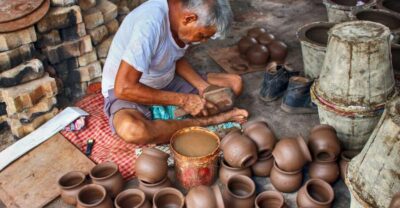

Dharavi Slum Slumdog Millionaire Tour with a Local
Read our review →
Mumbai Slum Tour – Visit Dharavi Slum with Local Guide
Read our review →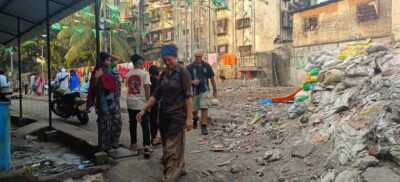
Dhobi Ghat Laundry and Dharavi Slum Tour with Local
Read our review →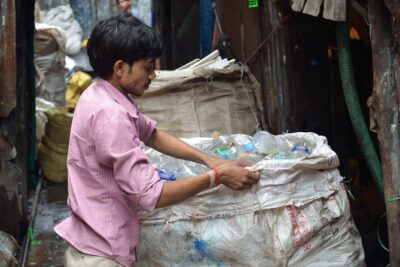
Browse the lists this tour appears in