
Reviewed · DHARAVI SLUM TOURS
Private Asia Largest Dharavi Slum Tour With Guide
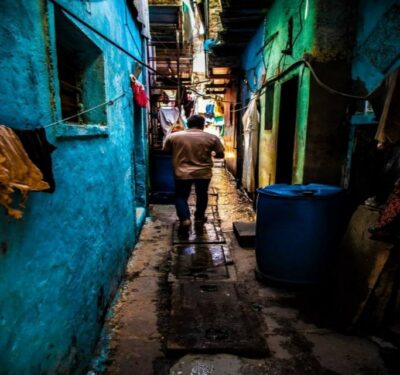
Dharavi is not simply a place to look at from a car window. This three-hour private walking tour takes you through its working side first, where recycling, leather, clothing, luggage, and other small industries fill the lanes with purpose. You then move into the residential area, with pottery, markets, schools, colleges, shrines, and homes close together.
I like the private format, since only your group takes part and the guide can explain what you are seeing at a useful pace. I also like the chance to meet people at work rather than viewing Dharavi from a distance. Guides Jaya and Sunil are named in the available feedback, with Jaya praised for her humor and Sunil for being punctual and passionate.
The main consideration is that this is a walking tour through narrow lanes and active work areas. Dharavi is a real neighborhood, not a polished attraction, so you should arrive ready to listen, walk carefully, and treat residents and workers with respect.
In This Review
- Key points at a glance
- Why Dharavi is more than a poverty story
- The 9:00 am meeting and the first steps
- The commercial lanes: recycling, leather, and small industry
- The residential lanes: homes, pottery, and everyday life
- What your guide adds to the walk
- What the private format is worth at $29.94
- Who will get the most from this experience
- Practical ways to approach Dharavi respectfully
- Should you book the Dharavi walking tour?
- FAQ
- Where does the tour take place?
- How long does the tour last?
- What time does the tour start?
- Where does the tour end?
- Is this a private tour?
- What industries can I see?
- What is included in the residential section?
- Can I cancel for a full refund?
Key points at a glance
- Three hours on foot: The route moves through both the commercial and residential parts of Dharavi.
- Private group experience: Only your group participates, with the guide meeting you at the stated meeting point.
- Working industries: Expect plastic, aluminum, paper, cardboard, leather, clothing, luggage, shrine making, and clothes dyeing.
- Residential Dharavi: The route includes narrow lanes, houses, markets, schools, colleges, pottery, and local businesses.
- Named guides: Jaya and Sunil are among the guides associated with the experience, and a female guide may be available.
- Useful flexibility: The tour starts at 9:00 am, lasts about three hours, and allows free cancellation up to 24 hours before the start.
Why Dharavi is more than a poverty story
Dharavi is often introduced through dramatic headlines about poverty, crime, and overcrowding. That framing misses the point of this tour. The route is designed to show you a neighborhood where people live, work, study, worship, and run small businesses in a tightly packed part of Mumbai.
The first half focuses on production. You might see plastic recycling, aluminum recycling, paper and cardboard processing, clothing manufacture, leather work, luggage production, shrine making, and clothes dyeing. These are not museum displays. They are active workplaces, and the guide’s role is to help you understand what is happening without turning the people at work into a spectacle.
That distinction matters. A guided walk can be a useful way to see an important part of Mumbai, but your attitude shapes the experience. Listen more than you photograph. Follow your guide’s lead around workers and homes. A respectful visitor gets more from the walk and causes less disruption.
The tour also presents Dharavi as a safe place to visit. The description calls it the safest slum in the world, an absolute claim that I would treat as promotional wording rather than a measurable fact. The practical point is simpler: the operator says you can visit independently, but recommends a local guide to help you find the route and understand the area.
More Dharavi walking tours:
- Dharavi slum tour in Mumbai by Female tour guides of the slum
★ 5.0 · 1,976 reviews - Mumbai: Dharavi Slum, DhobiGhat, and Dabbawallas Tour
★ 4.9 · 689 reviews - Dharavi Slum Tour
★ 5.0 · 625 reviews
The 9:00 am meeting and the first steps
The tour begins at 9:00 am in Mumbai, at the agreed meeting point. The activity ends back there after roughly three hours. Public transportation is nearby, which helps if you are arranging your own way across the city, but the supplied information does not specify a hotel pickup service or a precise station.
Because this is a private activity, you are not sharing the walk with a large sightseeing group. That can make a real difference in Dharavi. Narrow lanes are easier to manage with a small party, and you can ask more questions without holding up a crowd.
The guide leads the walk rather than placing you behind glass or in a vehicle. Wear shoes you can comfortably walk in and keep your hands free where possible. The route includes narrow alleys and working areas, so this is not a good fit if you want a passive tour with frequent stops and polished facilities.
The available information says most people can participate. It does not give a detailed accessibility statement, so if you have limited mobility or need specific arrangements, ask Bombay Wanderlust before booking.
The commercial lanes: recycling, leather, and small industry
The commercial section is the tour’s most distinctive part. Dharavi is widely known for its dense mix of homes and workshops, and this route gives you a close look at the work that supports the neighborhood.
Plastic recycling is one of the named stops. You may see how discarded material is sorted or processed, although the exact workshop sequence can vary. Aluminum recycling, paper, and cardboard recycling are also included in the range of industries described for the walk. The value here is not just seeing machinery or piles of material. It is understanding that Dharavi is a place of production, with people making a living through skilled and often overlooked work.
Clothes manufacturing and dyeing add another layer. A visitor can easily think of Mumbai’s clothing trade as something that happens far away in formal factories. This route brings you closer to smaller operations and shows how several kinds of work sit side by side.
Leather industries and luggage manufacturing are also part of the commercial route. Bags may sound less remarkable than grand monuments, but they give the tour a practical focus. You are seeing goods being made, not only hearing a general talk about local business.
Shrine making is another unusual detail. It shows the range of workshops in the area and adds a cultural element to the industrial section. The tour description also leaves room for many more factories, so the exact mix is not fixed. Your guide will likely shape the walk around what is operating that morning.
This part is best for you if you enjoy seeing how things are made and want social context along with the sights. It may be less comfortable if you expect every stop to feel tidy, quiet, or arranged for visitors. The industries are the point, and working areas can be cramped and busy.
The residential lanes: homes, pottery, and everyday life
After the commercial area, the route moves into Dharavi’s residential side. Here the focus shifts from production to daily life. You may see houses, markets, local businesses, schools, colleges, and narrow alleys where community life unfolds close to the street.
Pottery making is specifically included. That gives the second half a hands-on craft element, but the wider value is seeing how work and home life overlap. Dharavi is not divided into a neat business district and a separate suburb. The tour presents the neighborhood as a place where homes, workshops, education, trade, and religious activity sit close together.
The mention of schools and colleges is important. It pushes back against the idea that Dharavi can be reduced to its hardships. People here are not simply subjects in a poverty story. They are students, workers, business owners, craftspeople, parents, and neighbors.
Markets and local businesses add movement to the route. Your guide can explain what you are passing and help you read the setting. Without local context, a narrow lane can look confusing or chaotic. With context, you begin to notice how the spaces function and how people use them.
The residential portion also calls for extra care. You are walking near private homes, not through a theatrical set. Keep your voice down when appropriate, stay with the guide, and remember that residents have not come to see you. The tour is strongest when it feels like a lesson in Mumbai life rather than a hunt for shocking images.
A few more Mumbai tours and experiences worth a look
- Private Mumbai Sightseeing Tour (Traveller’s Choice Award Winner)
★ 5.0 · 1,565 reviews - Elephanta Caves & Island Guided Private Tour
★ 5.0 · 1,327 reviews - Private Guided Walking Tour in Fort & Colaba
★ 5.0 · 895 reviews - Highlights of South Mumbai Guided Private Tour in AC Vehicle
★ 5.0 · 620 reviews
What your guide adds to the walk
The guide is central to the experience. Without one, you might see recycling workshops, houses, markets, and pottery, but miss the connections between them. The operator has been running tours since 2018 and says it has served more than 700 clients from different countries. That suggests an established small company, though it does not tell you exactly which guide will lead your booking.
Jaya is named in the feedback as a guide who brought humor and warmth to the route. That matters in a setting where the subject can feel heavy. A winsome, funny guide can help you ask questions naturally while still treating the neighborhood seriously.
Sunil is also named. He is described as punctual, reliable, passionate, and well informed by the person who booked with him. Punctuality is especially useful for a 9:00 am start, since a late departure would cut into a short three-hour route.
One particularly useful detail is that at least one guide has grown up in Dharavi, according to the supplied comments. A local connection can add context that a guide trained only from outside the neighborhood may not have. Still, you should confirm who will lead your specific booking if that matters to you.
Female guides are available, according to the operator. That may be useful for solo women, couples, or families who have a preference about their guide. The information does not guarantee a particular guide, so request one in advance rather than assuming it will be assigned.
What the private format is worth at $29.94
At $29.94 per person, the price is reasonable if you value direct explanation and a small-group route. You are paying for about three hours with a guide, not for transport, meals, or entry to a major monument. The main benefit is access to a part of Mumbai that is hard to understand through independent wandering alone.
The private setup gives the price more weight. You are not paying for a large bus excursion where the guide delivers a speech and moves on. Your group participates alone, so you can ask about a workshop, pause to understand a process, or request a little more explanation when something catches your attention.
That said, the value depends on your expectations. If you want a long list of formal attractions, this is not the right use of your money. Dharavi’s appeal is the human and economic story, told while walking through real streets.
The average booking time is five days ahead. I would not read too much into that number, but it is a useful planning clue. If you want a particular day, a female guide, or a named guide such as Jaya or Sunil, booking several days early gives you a better chance of arranging it.
The tour includes a mobile ticket, and confirmation is received at booking. Free cancellation is available if you cancel at least 24 hours before the start time. Changes or cancellations inside that window are not accepted for a refund.
Who will get the most from this experience
I would recommend this walk to you if you want to see Mumbai beyond famous buildings and waterfront views. It suits curious visitors who like local industry, working neighborhoods, and direct conversation with a guide.
It is also a good choice for a first visit if you want a structured introduction to Dharavi. The route covers enough ground to give you a broad picture, but three hours is short enough to fit into a busy Mumbai schedule.
Families may appreciate the private format because the group can move at its own pace, though the supplied information does not give a recommended child age. People who dislike tight spaces, active work areas, or walking through residential lanes should think carefully before booking.
The walk may also suit visitors interested in urban economics. Recycling, leather work, clothing, luggage, and small businesses show how a dense neighborhood supports a wide range of livelihoods. You will get more from it if you ask how the businesses connect to the wider city.
Practical ways to approach Dharavi respectfully
You do not need special equipment, but you do need the right mindset. This is a neighborhood tour, not a poverty exhibit. The most useful preparation is to accept that you may see conditions that feel unfamiliar while also recognizing that the area is home to a large, active community.
Ask questions about work, education, housing, and local business rather than focusing only on hardship. Your guide can help you understand what you are seeing and when a question is appropriate.
Follow instructions around workshops and residential lanes. Since the route enters places where people work and live, do not assume every moment is available for close inspection or photography. Let the guide set the tone.
Keep the three-hour schedule in mind. The route includes many kinds of activity, so you cannot expect a long stop at every workshop or neighborhood feature. The reward is the range: commercial life first, residential life second, with the guide connecting the two.
Should you book the Dharavi walking tour?
Book it if you want an honest, guided look at Mumbai’s working neighborhoods and prefer a private route to a large group outing. The combination of commercial workshops, residential lanes, pottery, markets, schools, and local businesses gives you more than a quick pass through the area.
The best reason to choose it is the guide. Jaya’s humor, Sunil’s reliability, and the possibility of a guide raised in Dharavi point to the kind of personal context that can make this subject easier to understand. Ask who is available before you confirm if that is important.
Skip it if you want a conventional sightseeing tour, guaranteed photography stops, or a relaxed route with little walking. For the right visitor, $29.94 buys a thoughtful three-hour look at how people live and work in one of Mumbai’s most discussed neighborhoods.
FAQ
Where does the tour take place?
The tour takes place in Dharavi, Mumbai, Maharashtra, India. It covers both the commercial and residential parts of the neighborhood.
How long does the tour last?
The walking tour lasts approximately three hours.
What time does the tour start?
The stated start time is 9:00 am.
Where does the tour end?
The activity ends back at the meeting point.
Is this a private tour?
Yes. Only your group participates in the activity.
What industries can I see?
The tour may include plastic recycling, aluminum recycling, paper and cardboard recycling, clothing manufacture, shrine making, luggage production, clothes dyeing, leather work, and other local factories.
What is included in the residential section?
The residential route includes schools, colleges, pottery making, houses, narrow alleys, markets, local businesses, and other neighborhood features.
Can I cancel for a full refund?
Yes. You can cancel at least 24 hours before the local start time for a full refund. Cancellations or changes made less than 24 hours before the start are not accepted for a refund.
Just added around Mumbai
- Temples & Vineyards: Private Tour to Nashik from Mumbai★ 4.5 · 3 reviews
- Mumbai: Private City sightseeing and Dharavi Slum Tour★ 5.0 · 3 reviews
- Mumbai: Full Day City Sightseeing with Lunch, Car & Guide★ 4.3 · 3 reviews
- Elephanta Island Private Speedboat Tour from Mumbai – 6pax★ 5.0 · 3 reviews
- Mumbai: Elephanta Island and Elephanta Caves Guided Tour★ 4.4 · 3 reviews
- Mumbai Sightseeing Tour by Public Transport with family Lunch★ 5.0 · 3 reviews
- Mumbai by Dawn★ 4.5 · 3 reviews
- Mumbai Dharavi Slum Community Tour★ 5.0 · 3 reviews
Dharavi Slum Tours, compared.
Dharavi slum tour in Mumbai by Female tour guides of the slum
Read our review →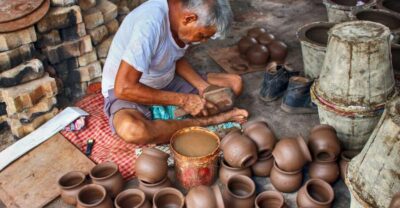
Dharavi Slum Slumdog Millionaire Tour with a Local
Read our review →
Mumbai Slum Tour – Visit Dharavi Slum with Local Guide
Read our review →
Dhobi Ghat Laundry and Dharavi Slum Tour with Local
Read our review →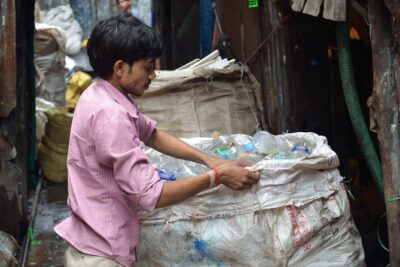
Browse the lists this tour appears in