
Reviewed · DHARAVI SLUM TOURS
Mumbai Slum Tour –An insight of Dharavi Slum with Local Guide
Dharavi is far more than the word slum suggests. On this two-hour walking tour, you see plastic turned into useful goods, clothes stitched in small workshops, bread made in local bakeries, and leather products prepared for export. A resident guide connects these workplaces with the homes, schools, temples, mosques, and markets around them.
I like the local point of view, which helps you see Dharavi as a working community rather than a photo stop. I also like the low price, English guidance, bottled water, and help arranging transport after the walk. The main consideration is that this is a working neighborhood with tight lanes and modest conditions, so you need to approach it with respect and accept that the two-hour visit moves at a steady pace.
In This Review
- Key points to know
- Seeing Dharavi as a workplace, not a stereotype
- Starting near Mahim and reaching Dharavi
- Plastic recycling: the clearest lesson in local industry
- Textile workshops and the skill behind everyday clothing
- Bakery units making bread and local snacks
- Narrow lanes, homes, temples, and mosques
- Leather work and export-quality goods
- Markets and the ordinary rhythm of the neighborhood
- Schools and community welfare
- Why the local guide matters so much
- Is $10.04 good value for two hours?
- Who will get the most from this walk?
- Practical advice before you book
- Should you book the Dharavi walking tour?
- FAQ
- Where does the Dharavi tour begin?
- Where does the tour end?
- How long does the tour last?
- What is included in the price?
- Are food and drinks included?
- Is pickup available?
- What is the maximum group size?
- Can I cancel for a full refund?
Key points to know
- See recycling in action: Plastic is melted, molded, and reused in small local units.
- Meet Dharavi’s working side: Textile, bakery, leather, and other workshops show how the area earns its living.
- Walk with a resident guide: English-speaking local guides, including Ruqaiyya, explain daily life and help you feel more at ease.
- A respectful way to visit: The tour is designed around learning, not treating homes and streets as a spectacle.
- Good value at $10.04: Two hours, a guide, bottled water, and help with onward transport are included.
- Simple transport plan: Meet near Mahim and finish at the operator’s Dharavi office near Kumbhar Wada.
Seeing Dharavi as a workplace, not a stereotype
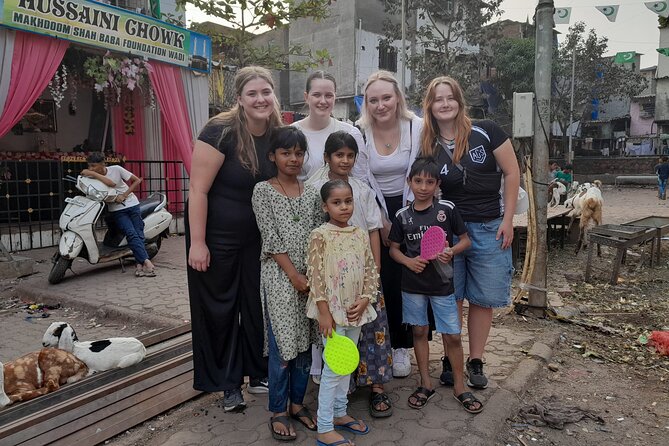
The most useful thing this tour does is change the frame. Dharavi is presented through its workshops, family homes, religious buildings, schools, markets, and community projects. You are not simply led through narrow lanes and shown hardship. You are shown how people make, sell, repair, recycle, and organize daily life.
That difference matters. A short visit cannot explain every part of Dharavi, but a local guide can point out the links between the places you pass. A plastic recycling unit is not just a factory. It is part of a wider chain of collection, processing, molding, and resale. A textile room is not merely a cramped work area. It is part of the neighborhood’s income and craftsmanship.
The visit also helps correct the idea that Dharavi is only residential. You will see small industries beside homes and religious buildings, with ordinary daily trade continuing around them. That close mix of work and home is one of the defining features of the walk.
More Dharavi walking tours:
- Dharavi slum tour in Mumbai by Female tour guides of the slum
★ 5.0 · 1,976 reviews - Mumbai: Dharavi Slum, DhobiGhat, and Dabbawallas Tour
★ 4.9 · 689 reviews - Dharavi Slum Tour
★ 5.0 · 625 reviews
Starting near Mahim and reaching Dharavi
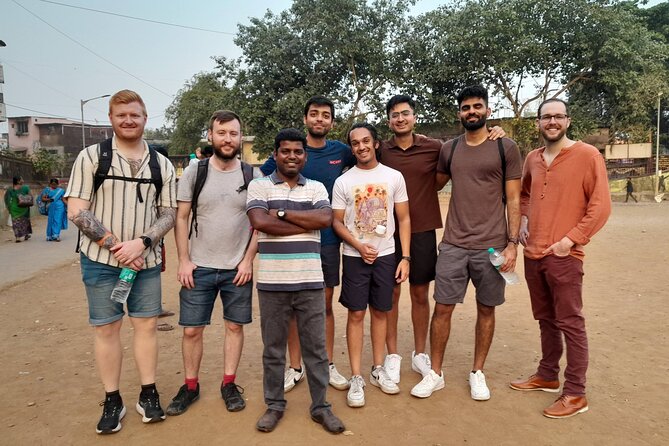
The meeting point is Third Wave Coffee on Tip Road, at Unit 58, Ground, Ram Mahal, Senapati Bapat Marg, Marinagar Colony, near Mahim station in Mumbai. The area is close to public transportation, which makes the start practical if you are using the train.
Pickup is offered, but the supplied details do not specify the exact pickup area or any added cost. Confirm that point when booking rather than assuming a door-to-door service. Your confirmation arrives at booking time, and the experience accepts mobile tickets.
The tour ends at Kumbhar Wada in Dharavi, at the operator’s office. From there, the guide will help you arrange transport back to your car, Uber, taxi, or train. That is useful because Dharavi can feel confusing after your first walk through it, especially if you are visiting Mumbai for the first time.
The maximum group size is listed as 50 people, although private and small-group options are also available. If you want the guide to answer more questions or explain details without a crowd around you, choose a small-group or private format if the booking options allow it.
Plastic recycling: the clearest lesson in local industry
One of the strongest stops is the plastic recycling area. You can see waste being melted, molded, and reused, which makes the recycling process easier to understand than a general explanation ever could.
This is also where the tour gains practical value. You are not only told that recycling takes place. You see that discarded material can become part of a new product and that this work supports local livelihoods. The setting may be basic, and you should not expect a polished visitor center or a formal exhibition.
Pay attention to your guide here. The machinery, materials, and working methods may be unfamiliar, and the guide’s explanation gives the stop its meaning. Keep clear of active work areas and follow directions closely. This is a functioning workplace, not a staged demonstration.
Textile workshops and the skill behind everyday clothing
The textile portion shows clothes being stitched, dyed, and printed. These workshops offer a close look at the labor behind garments that are often treated as anonymous products in shops.
I like this stop because it gives the neighborhood a human scale. You can see the repetitive work, hand skills, and small-room production that help keep the business moving. The description does not promise a chance to buy clothing or speak directly with workers, so treat the visit as an observation and learning experience rather than a shopping trip.
Workshop conditions may be compact. If you dislike enclosed spaces or prefer a polished factory tour, this may feel rough around the edges. That is also part of the point: Dharavi’s industry is often built into ordinary buildings and lanes, not separated into a modern industrial park.
A few more Mumbai tours and experiences worth a look
- Elephanta Caves & Island Guided Private Tour
★ 5.0 · 1,327 reviews - Group Guided Walking Tour in Fort and Colaba
★ 5.0 · 1,073 reviews - Mumbai: Elephanta Caves Half-Day Guided Tour with Expert
★ 4.8 · 1,032 reviews - Private Guided Walking Tour in Fort & Colaba
★ 5.0 · 895 reviews
Bakery units making bread and local snacks
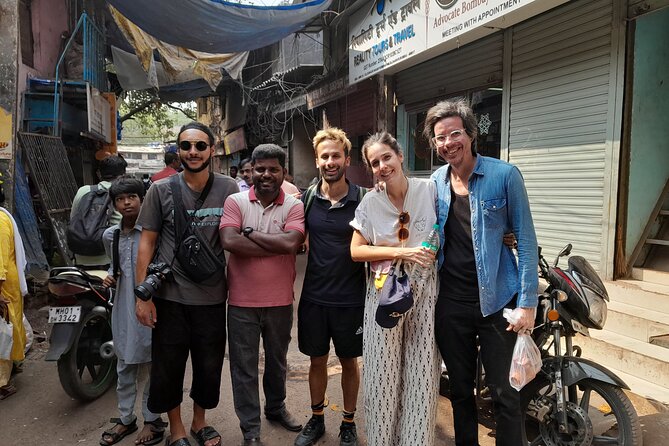
The bakery stop adds a very different note to the walk. You might see units producing khari biscuits, bread, and other local snacks. After the plastic and textile work, this shows that Dharavi’s economy is not limited to manufacturing and recycling.
Food production also makes the experience more familiar. Bread and biscuits are everyday products, but you get to see the small-scale work behind them. The included tour price does not cover food or drinks, so do not assume that tasting or buying snacks is part of the experience.
No specific food tasting is promised. If a purchase opportunity appears, ask your guide about it rather than expecting it. You should also follow any instructions about where you can stand, since bakery areas can be active and confined.
Narrow lanes, homes, temples, and mosques
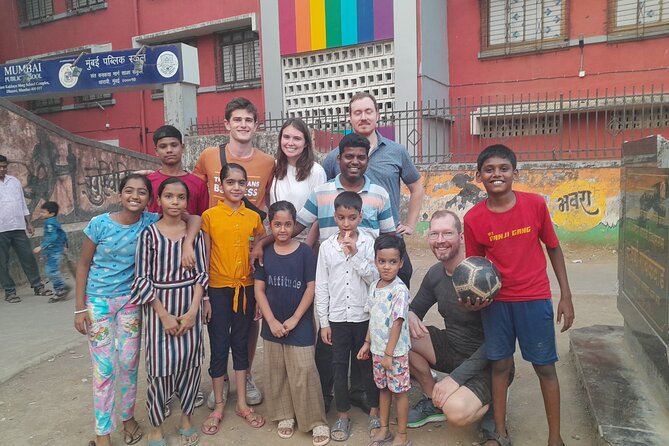
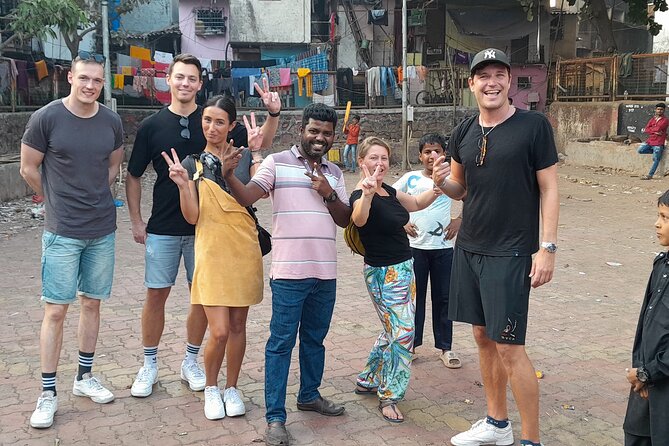
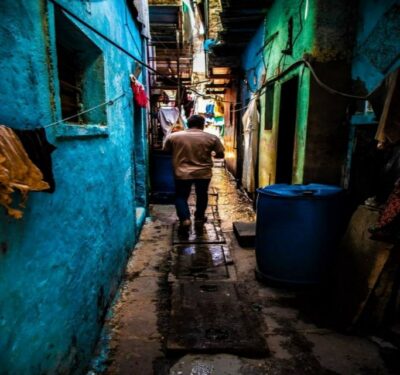
Between the workspaces, you walk through colorful narrow lanes lined with small homes, temples, and mosques. This is the part of the tour where the neighborhood feels most like a community rather than a collection of businesses.
The lanes can be tight, and the tour is on foot for about two hours. Wear comfortable shoes and keep your belongings close without making a show of photographing them. The information provided does not state a photography policy, so ask before taking pictures of people, homes, workshops, or religious spaces.
A local guide is particularly useful here. You get context about how daily life fits around industry and worship, and you have someone to help you move respectfully through spaces that are not designed for sightseeing groups. The tour is described as safe and responsible, but you still need to behave as you would in any residential neighborhood.
Leather work and export-quality goods
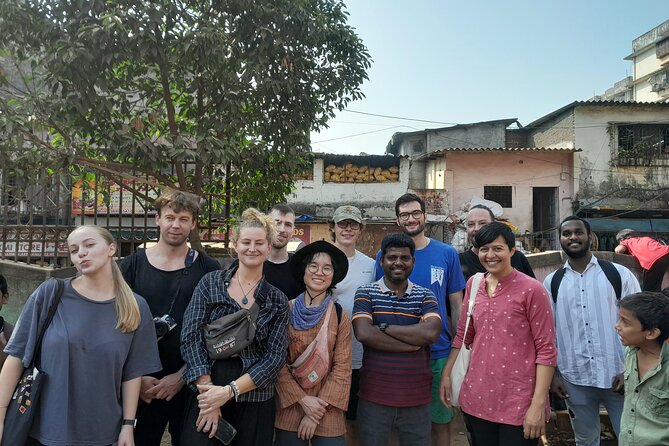
Leather tanneries and small factories form another major part of the route. The workshops produce goods described as export quality, giving you a look at a trade that links local work with markets beyond Mumbai.
This can be one of the more striking stops because the work may involve strong smells, raw materials, and practical production methods. The tour details do not promise that every traveler will enter every workroom, so expect to view some activity from lanes or designated areas depending on conditions.
If you are sensitive to odors or industrial settings, prepare yourself for this section. The benefit is that you see a less polished side of production and learn how specialized goods are made in small facilities. The drawback is that the atmosphere may not suit anyone seeking a gentle sightseeing walk.
Markets and the ordinary rhythm of the neighborhood
The local markets sell daily essentials and fresh produce. This section gives the walk a needed everyday balance. You see where people shop, rather than only the workplaces that make Dharavi unusual to outsiders.
Markets are also a good place to watch the guide’s approach. A careful guide helps you pass without blocking customers or turning routine shopping into a performance. You should stay with the group, keep the lane clear, and avoid handling goods unless invited.
The market stop is not presented as a dedicated food tour. Food and drinks are not included, and there is no promise of a meal or formal tasting. Think of it as part of the neighborhood story, not a chance to fill your lunch schedule.
Schools and community welfare
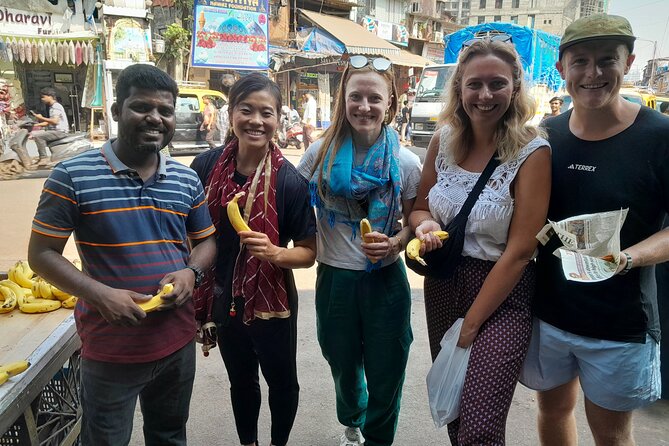
The route includes community schools and work connected with education and welfare. This matters because it shows effort directed toward the future, not just the pressures of the present.
The details do not specify a school visit, classroom access, or a meeting with staff. You may simply learn about local education and welfare work as you pass relevant areas. That distinction is important: do not expect an organized school activity unless your guide confirms it.
This stop also gives the guide room to explain how a community functions beyond its businesses. It can help you understand why a responsible visit should include local initiatives and daily services, not just the most visually dramatic streets.
Why the local guide matters so much
The guide is the heart of this experience. An English-speaking resident can explain what you are seeing, answer questions about daily life, and help you move through the area without treating it as a curiosity.
Guide Ruqaiyya has been specifically praised for making a solo female visitor feel safe while walking through Dharavi. That detail is useful if you are traveling alone or feel unsure about entering an unfamiliar neighborhood. It does not guarantee that Ruqaiyya will lead every departure, so check the assigned guide if her presence matters to you.
The guide also sets the ethical tone. Ask before photographing people. Do not wander away from the group. Listen when the guide tells you where to stand, and remember that homes and workshops continue to operate after you leave.
The published score is 5/5 from 267 ratings, with a 100% recommendation rate. Those figures point to strong satisfaction, especially with the guide-led format and sense of safety, but they do not remove the need to choose the right kind of activity for yourself.
Is $10.04 good value for two hours?
At $10.04 per person, this is inexpensive for a two-hour guided experience in Mumbai. The cost includes an English-speaking local guide and bottled water. Pickup is offered, and group discounts may be available, though the details of those discounts are not provided.
The value comes less from admission tickets and more from access and explanation. Dharavi’s lanes, workshops, and markets are not a conventional attraction with signs and exhibits. Without a guide, you could easily miss the meaning of what you see or feel uncertain about where to walk.
You should budget separately for food and drinks, since they are not included. You may also have transport costs before the tour and after it, depending on whether you use the train, taxi, Uber, or a private car. The guide’s help at the end reduces some of the stress, but it does not mean onward transport is included.
For the lowest cost, a group departure makes sense. A private or small-group option may be worth paying more for if you want a quieter pace, more questions, or extra reassurance as a solo visitor.
Who will get the most from this walk?
This tour suits you if you want a grounded look at how a Mumbai community works and you are comfortable walking through active residential and industrial lanes. It is a good match for first-time visitors who want local context rather than another polished attraction.
It also suits solo visitors, including women who would prefer a guide while exploring an unfamiliar area. The positive safety note about Ruqaiyya is encouraging, though ordinary city awareness still applies.
You may want to skip it if you need wide paths, quiet spaces, fixed museum displays, or a relaxed sightseeing pace. The tour is short, but the subject is not light entertainment. You need to be open-minded, discreet, and ready to see working conditions that may be plain or intense.
Families can consider it if older children understand the need for respectful behavior. The provided information says most people can participate, but it does not give a child age minimum or detailed accessibility information. Ask before booking if you have mobility needs or require a particular pace.
Practical advice before you book
Wear shoes suited to two hours on foot. Keep your phone and other valuables secure, and carry only what you need. Bottled water is supplied, but you may still want to bring any personal necessities required for Mumbai’s heat.
Use the mobile ticket and confirm the meeting instructions before leaving. Since the start is near Mahim station and the end is in Dharavi, plan the route between those points rather than assuming the tour returns to the start.
A full refund is available if you cancel at least 24 hours before the local start time. Cancellations or changes made within 24 hours are not refunded or accepted, so make your plans carefully.
Should you book the Dharavi walking tour?
Book it if you want to understand Dharavi through work, community life, and local voices rather than through headlines. The combination of recycling, textiles, bakeries, leather production, markets, religious spaces, and education makes good use of two hours.
The price is easy to justify, especially for a first visit to Mumbai. Choose a small-group or private option if personal guidance matters to you, and confirm the guide if you hope to walk with Ruqaiyya. Skip it if you are looking for a conventional attraction or would feel uncomfortable walking through active homes and workshops.
For a respectful visitor who wants context and a practical local guide, this is a worthwhile use of a morning or afternoon.
FAQ
Where does the Dharavi tour begin?
The tour begins at Third Wave Coffee, Tip Road, Unit 58, Ground, Ram Mahal, Senapati Bapat Marg, Marinagar Colony, near Mahim station in Mumbai.
Where does the tour end?
The walk ends at Kumbhar Wada in Dharavi, at the operator’s office. The guide can help you arrange transport to your car, Uber, taxi, or train.
How long does the tour last?
The walking tour lasts approximately two hours.
What is included in the price?
The price includes an English-speaking local guide and bottled water.
Are food and drinks included?
No. Food and drinks are not included.
Is pickup available?
Pickup is offered. The supplied details do not specify the pickup area or any additional pickup charge, so confirm those details when booking.
What is the maximum group size?
The maximum group size is 50 people. Private and small-group tours are also available.
Can I cancel for a full refund?
Yes. You can receive a full refund by canceling at least 24 hours before the experience start time. Cancellations or changes made less than 24 hours before the start are not refunded or accepted.
Just added around Mumbai
- Temples & Vineyards: Private Tour to Nashik from Mumbai★ 4.5 · 3 reviews
- Mumbai: Private City sightseeing and Dharavi Slum Tour★ 5.0 · 3 reviews
- Mumbai: Full Day City Sightseeing with Lunch, Car & Guide★ 4.3 · 3 reviews
- Elephanta Island Private Speedboat Tour from Mumbai – 6pax★ 5.0 · 3 reviews
- Mumbai: Elephanta Island and Elephanta Caves Guided Tour★ 4.4 · 3 reviews
- Mumbai Sightseeing Tour by Public Transport with family Lunch★ 5.0 · 3 reviews
- Mumbai by Dawn★ 4.5 · 3 reviews
- Mumbai Dharavi Slum Community Tour★ 5.0 · 3 reviews
Dharavi Slum Tours, compared.
Dharavi slum tour in Mumbai by Female tour guides of the slum
Read our review →
Dharavi Slum Slumdog Millionaire Tour with a Local
Read our review →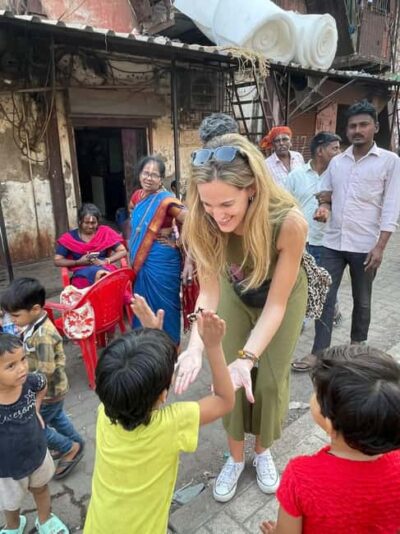
Mumbai Slum Tour – Visit Dharavi Slum with Local Guide
Read our review →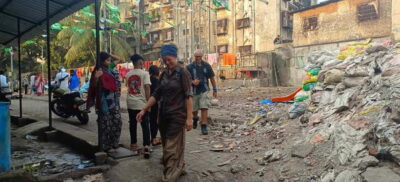
Dhobi Ghat Laundry and Dharavi Slum Tour with Local
Read our review →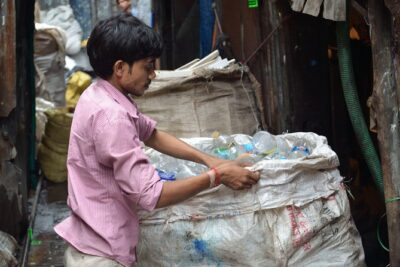
Browse the lists this tour appears in