
Reviewed · DHARAVI SLUM TOURS
Mumbai: Private Slum and Sightseeing Full-day tour
Dharavi is the heart of this experience. For two hours, you walk through one of Mumbai’s most misunderstood communities, seeing small industries, recycling, pottery, and textiles rather than a one-note picture of poverty. The tour then connects that local story to grand stations, sacred sites, markets, and the Arabian Sea.
I like the private car, which gives you a calm base between stops in a city where traffic can eat up time. I also like the range: Dharavi and Dhobi Ghat show working Mumbai, while CST, the Gateway of India, and Mani Bhavan explain its public history.
The tradeoff is pace. Eight hours covers a lot, but most sights receive only 15 to 30 minutes, and Dharavi involves walking on narrow lanes. Traffic may stretch the day, so wear comfortable shoes and do not expect a slow, museum-style tour.
In This Review
- Key points at a glance
- Why Dharavi gives this day its purpose
- Gateway of India and the waterfront opening
- CST, Crawford Market, and Mumbai’s working center
- Mani Bhavan and Mumbai’s freedom story
- Banganga Tank and the Jain Temple
- Dhobi Ghat and the city at work
- Kamla Nehru Park and the Queen’s Necklace view
- A private car makes a packed route workable
- What $85 per person gets you
- How the eight-hour rhythm feels
- Who should book this Mumbai day tour?
- Should you book it?
- FAQ
- How long does the Mumbai private tour last?
- Is the tour private?
- Which languages are available?
- Is Dharavi included?
- What other main sights are included?
- Is food included?
- Is hotel pickup and drop-off included?
- Is the tour suitable for wheelchair users?
- Can I cancel for a refund?
Key points at a glance
- Two-hour Dharavi walk: See local enterprise, recycling, pottery, and textiles with a guide rather than simply viewing the area from a car.
- Private air-conditioned transport: Pickup, drop-off, bottled water, and a private group make the long route easier.
- Mumbai’s major landmarks: Visit the Gateway of India, Chhatrapati Shivaji Maharaj Terminus, Crawford Market, and Mani Bhavan.
- Sacred and historic corners: Banganga Tank and the Jain Temple offer a quieter side of South Mumbai.
- Strong guide-and-driver pairing: Bala and driver Pranav received special praise for city insight and safe, calm driving, while Javed was praised for his Dharavi guidance.
- Good flexibility: You can cancel up to 24 hours before departure for a full refund or reserve now and pay later.
Why Dharavi gives this day its purpose

Many Mumbai sightseeing tours collect famous facades. This one asks you to look at how the city works.
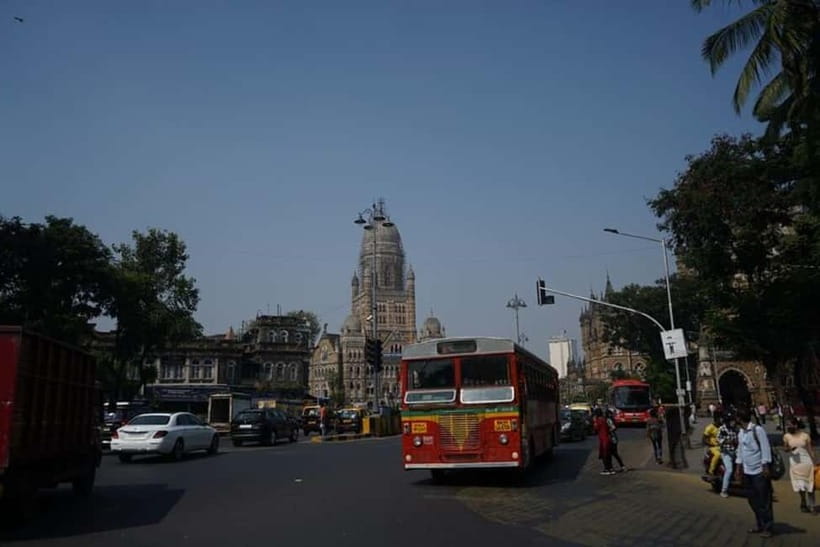
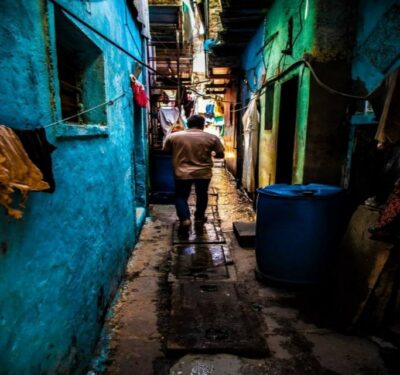
The guided Dharavi walk lasts about two hours, making it the longest stop of the day. You go into narrow lanes and see a community built around small-scale work, including plastic recycling, pottery, and textiles sent beyond Mumbai. The useful point is not simply that people work hard. It is that Dharavi is tied to the city’s economy and has an identity far more complex than the word slum suggests.
That requires a respectful attitude. This is a lived-in community, not a staged attraction. Dress modestly, listen to your guide, and avoid treating homes and workers as scenery. The supplied information does not promise a particular workshop or activity, so you should expect an escorted walking visit rather than a hands-on production class.
I would choose this tour if you want context, not just photographs. The two-hour walk can be tiring, especially in warm weather, and the narrow routes may not work for everyone. The experience is not suitable for wheelchair users or people with visual impairments.
More Dharavi walking tours:
- Dharavi slum tour in Mumbai by Female tour guides of the slum
★ 5.0 · 1,976 reviews - Mumbai: Dharavi Slum, DhobiGhat, and Dabbawallas Tour
★ 4.9 · 689 reviews - Dharavi Slum Tour
★ 5.0 · 625 reviews
Gateway of India and the waterfront opening
The day begins with pickup in Mumbai and a visit to the Gateway of India. This grand waterfront arch is one of the city’s clearest symbols, and the sea setting helps you understand why this corner has long been a meeting point between Mumbai and the wider world.
Across from it, you can also see the Taj Mahal Palace Hotel, an old-world luxury landmark closely tied to the monument. The stop is listed for about 20 minutes, so think photo stop and guided orientation rather than an extended waterfront stroll.
I like starting here because the Gateway gives you an immediate sense of place. You get the monument, the harbor, and the city’s colonial-era character before moving into denser streets. If you want a long period for photographs or a leisurely visit inside nearby buildings, the schedule may feel tight.
CST, Crawford Market, and Mumbai’s working center
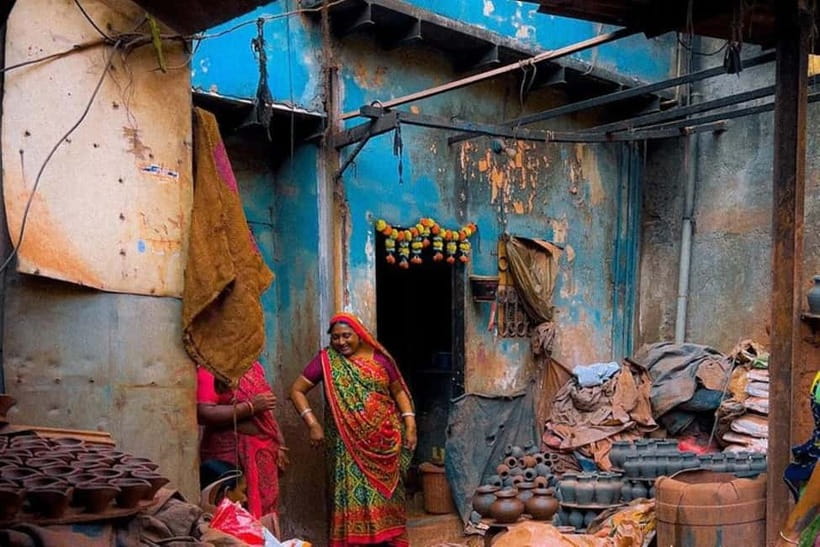
Chhatrapati Shivaji Maharaj Terminus, usually called CST, is one of the day’s visual highlights. Its Gothic design makes it look closer to a palace than a railway station, yet it remains a busy rail hub. The visit lasts around 15 minutes, enough for an introduction and photographs, though not enough for a detailed architectural study.
The short stop works because your guide can point out what matters while you see the station in its working setting. You are not looking at a quiet monument sealed off from city life. Trains and commuters are part of the picture.
At Crawford Market, the mood changes again. You walk through a traditional shopping center where locals buy produce, spices, and other daily goods. The planned 20 minutes gives you a taste of the noise and movement, but not a full market expedition.
I would keep your expectations practical here. Markets are best experienced with attention to people and surroundings, not just a quick sprint for photographs. Stay close to your guide, especially if the streets feel crowded, and keep your belongings secure as you would in any busy public place.
Mani Bhavan and Mumbai’s freedom story
Mani Bhavan offers a quieter pause. Mahatma Gandhi lived here, and the house connects Mumbai to India’s independence movement. You have about 30 minutes, making this one of the more substantial indoor visits on the route.
I value this stop because it adds political and personal context to a day otherwise filled with streets, monuments, and working neighborhoods. A visit here can help you see Gandhi not only as a national figure in a textbook, but as someone linked to a real home in Mumbai.
The information provided does not specify individual galleries, displays, or whether every room is open during your visit, so your guide’s explanation will matter. This is a focused historical stop, not a large museum visit.
More full city sightseeing tours:
- Mumbai: Full-Day Sightseeing Tour of Mumbai
★ 4.9 · 1,822 reviews - Private Mumbai Sightseeing Tour (Traveller’s Choice Award Winner)
★ 5.0 · 1,565 reviews - Highlights of Mumbai Sightseeing Tour: TRAVELLERS CHOICE AWARDED
★ 5.0 · 915 reviews - Highlights of South Mumbai Guided Private Tour in AC Vehicle
★ 5.0 · 620 reviews
Banganga Tank and the Jain Temple
Banganga Tank is one of the day’s most striking changes of mood. The ancient water tank and nearby temples create a place where Mumbai feels much older and quieter than the traffic-filled city outside. You spend about 20 minutes here with a guided visit and photo opportunity.
The value is contrast. After CST and Crawford Market, Banganga gives you a glimpse of Mumbai’s spiritual life and older religious traditions. You can pause, observe the carved details, and listen to the guide explain the setting.
The nearby Jain Temple receives another 20-minute visit. Its carved surfaces and religious importance offer a different view of the city’s faith communities. As with Banganga, dress modestly and act carefully around worshippers. These are active religious places, not just backdrops.
Dhobi Ghat and the city at work
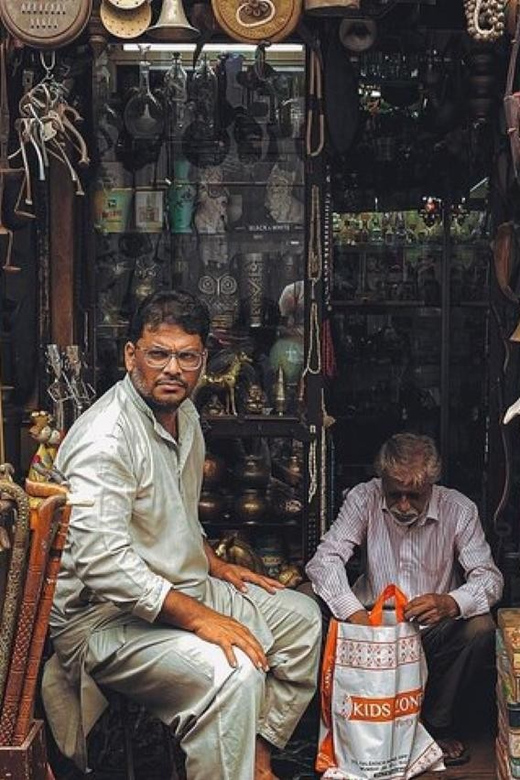
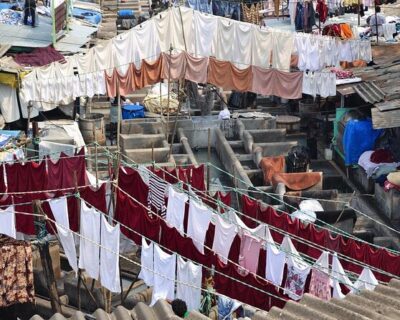
At Mahalaxmi Dhobi Ghat, you stop for about 15 minutes to see the famous open-air laundry in action. Clothes are washed and handled in a large communal operation, creating one of Mumbai’s most memorable working-city scenes.
This is a brief sightseeing stop, so you are likely to observe and photograph from an appropriate viewpoint rather than spend time walking through the entire laundry. I like its place in the itinerary because it prepares you for Dharavi: both stops show labor as a central part of Mumbai’s character, but they do so in different ways.
You may find the stop visually powerful, but remember that people are working. Follow your guide’s directions about where to stand and when photography is suitable.
Kamla Nehru Park and the Queen’s Necklace view

Kamla Nehru Park offers a short break from street-level movement. The stop lasts about 15 minutes and gives you a panoramic view toward Marine Drive and the Arabian Sea.
This is the place to understand Mumbai’s famous curve of lights, often called the Queen’s Necklace. The view is especially useful after the tighter spaces of markets and Dharavi because it lets you see the city as one broad sweep.
Do not plan on a long park visit. It is a viewpoint stop, and the amount of time you get may depend on traffic and the rest of the schedule. Still, it provides a needed visual reset and some of the day’s best city photographs.
A private car makes a packed route workable
The tour includes pickup and drop-off in Mumbai, an air-conditioned private car, an English-speaking guide, and packaged water. Hindi is also available as a guide language, and the group remains private rather than being combined with strangers.
That setup matters here. The route links South Mumbai landmarks with Dharavi and other parts of the city, and traffic can make even short distances slow. Having a driver means you can rest between walks instead of working out every transfer yourself.
The quality of the driver matters just as much as the vehicle. One particularly positive account praised Pranav for getting around safely and efficiently without constant horn use. That is a small detail, but in Mumbai it can make the ride much more pleasant. Guides named in the feedback include Sufiyan, Javed, and Bala, with Bala receiving specific praise for explaining the city, its people, and its past.
I cannot promise which guide you will receive, so book this for the private format and route rather than one named person. Still, the repeated emphasis on friendly, talkative guidance suggests that the human side of the tour is a major part of its value.
What $85 per person gets you
At $85 per person, this is not the cheapest way to see Mumbai. You are paying for an eight-hour private day, a car and driver, pickup and drop-off, a guide, and a route that would be awkward to assemble on your own.
The value is strongest if you have only one full day in Mumbai. You can cover the Gateway of India, CST, Crawford Market, Mani Bhavan, Banganga Tank, the Jain Temple, Dhobi Ghat, Kamla Nehru Park, and Dharavi without arranging separate taxis, guides, and walking visits.
The price is less compelling if you already know Mumbai well, prefer public transport, or want to spend hours at only two or three sites. Food and drinks are not included, so budget separately for meals and any refreshments during the day.
The tour also benefits from free cancellation up to 24 hours before departure and a reserve-now, pay-later option. Those terms help if your Mumbai plans may shift, though you should still check the available starting times before booking.
How the eight-hour rhythm feels
The route has a clear pattern: longer time in Dharavi, short stops at landmarks, and drives between districts. Dharavi receives two hours. Dhobi Ghat, Kamla Nehru Park, CST, the Gateway of India, and the Jain Temple each receive roughly 15 to 20 minutes. Mani Bhavan receives about 30 minutes, while Crawford Market gets around 20 minutes.
That balance is sensible for a first look at Mumbai. You spend enough time in Dharavi to move beyond a quick glance, while the shorter stops prevent the day from becoming trapped at one monument.
The drawback is that Mumbai traffic can cut into sightseeing time. You might reach a stop later than planned or need to keep moving to protect the rest of the route. I would treat the schedule as a well-planned outline, not a guarantee that every minute will unfold exactly as printed.
Comfortable shoes are important. The day includes walking at Dharavi, Crawford Market, religious sites, and selected landmarks. Modest clothing is also the right choice, especially for Banganga Tank and the Jain Temple.
Who should book this Mumbai day tour?
I would recommend it to a first-time visitor who wants the city’s major sights plus a closer look at ordinary working life. It suits couples, families with older children, or small private groups that value a guide and do not want to manage Mumbai’s traffic and transfers alone.
It is also a good fit if you want to challenge your own assumptions about Dharavi. The visit is built around community work and enterprise, not shock value, and that makes it more useful than a quick drive past the area.
I would hesitate if you need step-free access, have limited vision, or dislike walking through narrow urban lanes. The tour is not suitable for wheelchair users or visually impaired people, and the combination of heat, traffic, and a packed schedule may be demanding.
Should you book it?
Book this tour if you have one day, want private transport, and care as much about Mumbai’s people and work as its monuments. The strongest parts are the two-hour Dharavi walk, the thoughtful contrast between Dhobi Ghat and the grand landmarks, and the chance to hear the city explained by a dedicated guide.
Skip it if you want a slow museum day, a food-focused tour, or long visits at each attraction. At $85 per person, its value depends on using the full range of included transport and guiding. For a first introduction to Mumbai that balances CST and the Gateway of India with Dharavi, Banganga Tank, and the city’s working streets, it is a strong choice.
FAQ
How long does the Mumbai private tour last?
The tour lasts eight hours, including pickup and drop-off in Mumbai.
Is the tour private?
Yes. The experience is arranged for a private group, with a private air-conditioned car.
Which languages are available?
The live guide is available in English and Hindi.
Is Dharavi included?
Yes. The tour includes a guided two-hour walking visit to Dharavi.
What other main sights are included?
The route includes Dhobi Ghat, Banganga Tank, the Jain Temple, Kamla Nehru Park, Mani Bhavan, the Gateway of India, Chhatrapati Shivaji Maharaj Terminus, and Crawford Market.
Is food included?
No. Food and drinks are not included. Packaged water is included.
Is hotel pickup and drop-off included?
Pickup and drop-off in Mumbai are included.
Is the tour suitable for wheelchair users?
No. The activity is not suitable for wheelchair users.
Can I cancel for a refund?
You can cancel up to 24 hours in advance for a full refund. The tour also offers a reserve-now, pay-later option.
More Full-Day in Mumbai
- Private Full-Day Mumbai Sightseeing Tour with Dharavi Slums
★ 5.0 · 338 reviews - Private Full-Day Mumbai Sightseeing & Dharavi Slum Tour
★ 4.9 · 272 reviews - Ultimate Mumbai Full Day: Sights, Bollywood Dance, Lunch & Spices
★ 5.0 · 201 reviews - Private Full-Day Mumbai City Tour with Elephanta Caves Excursion
★ 5.0 · 113 reviews
Just added around Mumbai
- Temples & Vineyards: Private Tour to Nashik from Mumbai★ 4.5 · 3 reviews
- Mumbai: Private City sightseeing and Dharavi Slum Tour★ 5.0 · 3 reviews
- Mumbai: Full Day City Sightseeing with Lunch, Car & Guide★ 4.3 · 3 reviews
- Elephanta Island Private Speedboat Tour from Mumbai – 6pax★ 5.0 · 3 reviews
- Mumbai: Elephanta Island and Elephanta Caves Guided Tour★ 4.4 · 3 reviews
- Mumbai Sightseeing Tour by Public Transport with family Lunch★ 5.0 · 3 reviews
- Mumbai by Dawn★ 4.5 · 3 reviews
- Mumbai Dharavi Slum Community Tour★ 5.0 · 3 reviews
Dharavi Slum Tours, compared.
Dharavi slum tour in Mumbai by Female tour guides of the slum
Read our review →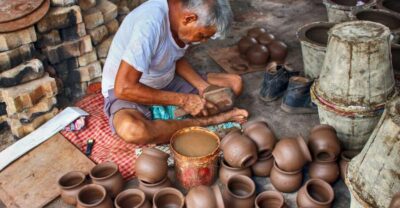

Dharavi Slum Slumdog Millionaire Tour with a Local
Read our review →
Mumbai Slum Tour – Visit Dharavi Slum with Local Guide
Read our review →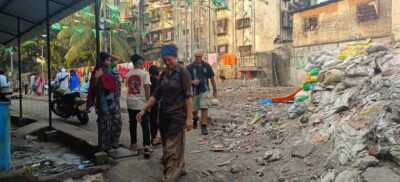
Dhobi Ghat Laundry and Dharavi Slum Tour with Local
Read our review →
Browse the lists this tour appears in