
Reviewed · DHARAVI SLUM TOURS
Mumbai: Discover India’s Largest Slum -A Local’s Perspective
Dharavi is not a backdrop for poverty tourism. It is a working neighborhood where homes, shops, workshops, schools, and small factories share tight lanes. This local-led walking tour helps you see the people and work behind the headlines, including recycling, pottery, leather, embroidery, and food production.
I like the guide’s personal connection to Dharavi, and I like the small private-group format, which gives you room to ask honest questions. The rooftop stop also gives useful visual context. The main consideration is that narrow lanes and active workshops can feel crowded, and you should join only if you can approach the community with respect.
In This Review
- Key points to know before you book
- Seeing Dharavi through its working lanes
- Starting at Third Wave Coffee in Mahim
- Markets that show everyday Dharavi
- The recycling district and resourceful production
- Pottery, leather, and embroidery workshops
- Meeting residents with care and curiosity
- A local bakery stop and community projects
- Finding the Slumdog Millionaire connection
- Ending above the rooftops
- Is $10 good value for two hours?
- Who should book this Dharavi walk?
- Should you book it?
- FAQ
- Where does the tour start?
- How long does the tour last?
- How much does the tour cost?
- Is transportation included?
- Which languages does the guide speak?
- Is the tour private or shared?
- What should I bring?
- What food is included?
- Can I cancel the booking?
Key points to know before you book
- A Dharavi resident leads the walk: Your guide speaks English, Hindi, or Marathi and explains daily life from personal experience.
- The work is the main attraction: You visit recycling, pottery, leather, and embroidery areas rather than simply walking past homes.
- You get a rooftop view: The final viewpoint helps you understand the scale and density of Dharavi.
- The tour lasts two hours: It is compact, focused, and easy to fit into a day in Mumbai.
- The price is $10 per person: That is strong value for a private small-group tour with a guide, workshop visits, bakery sampling, and rooftop access.
- You need to arrange your own ride: Transportation to the meeting point is not included, and comfortable shoes are essential.
Seeing Dharavi through its working lanes
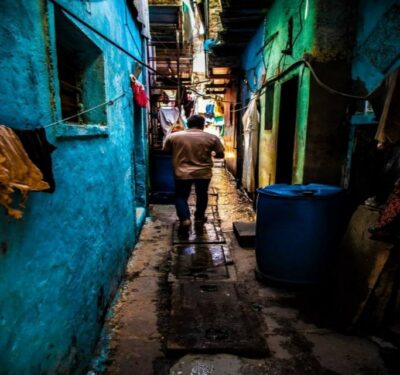
Dharavi is often reduced to one label, but this tour gives you a fuller picture. You are not simply shown a row of cramped lanes and sent away with a dramatic photograph. You are introduced to a place where people live, trade, make goods, study, and run community projects.
That difference matters. A local guide can explain how the neighborhood works in a way that a guide with no connection to the area cannot. You can ask about the businesses you pass, the daily routines, and the ways residents build livelihoods in limited space.
The walk is also a lesson in scale. Dharavi is busy, close-packed, and visually intense. You might find the lanes difficult to navigate at times, especially if you prefer wide streets and a quiet pace. The reward is a direct look at Mumbai life that is far removed from the city’s usual sightseeing circuit.
The tour is described as a private group experience, with a small number of participants. That should make it easier to hear the guide and pause for questions. It also makes the experience feel less like a procession through someone else’s neighborhood.
More Dharavi walking tours:
- Dharavi slum tour in Mumbai by Female tour guides of the slum
★ 5.0 · 1,976 reviews - Mumbai: Dharavi Slum, DhobiGhat, and Dabbawallas Tour
★ 4.9 · 689 reviews - Dharavi Slum Tour
★ 5.0 · 625 reviews
Starting at Third Wave Coffee in Mahim
The listed meeting point is outside Third Wave Coffee on Senapati Bapat Marg in Mahim. You arrange your own transport, with Uber or a tuk-tuk suggested as practical options.
Allow extra time to reach Mahim. Mumbai traffic can make a short distance take longer than expected, and one strong point from the feedback is that the guide waited for a late participant. I would not rely on that kindness, but it is reassuring to know that communication and patience are part of the experience.
There is one detail worth checking before departure. The information also refers to a designated meeting location in Dharavi being supplied after booking. Confirm the exact meeting point in your booking email, then save the map link and the guide’s contact details if provided.
Wear shoes that can handle two hours of walking. Comfortable footwear matters more here than stylish footwear, since you will move through narrow lanes and stop repeatedly at workshops and community sites.
Markets that show everyday Dharavi
The market section is a useful first step because it places Dharavi in ordinary context. You see fresh produce, handcrafted goods, and the daily buying and selling that keeps the neighborhood moving.
This is not a staged cultural display. The market is part of the working community, so you should pay attention to where you stop and how you photograph. Ask the guide before taking pictures of people, especially inside shops or near homes.
I like this part because it helps correct a common misunderstanding. Dharavi is not only a place people pass through on a tour. It is also a place where residents shop, work, eat, and run businesses.
Your guide can point out details you might miss on your own, such as the difference between a shopfront, a workshop, and a family home. Those small explanations turn a quick walk into a clearer picture of how the neighborhood functions.
The recycling district and resourceful production
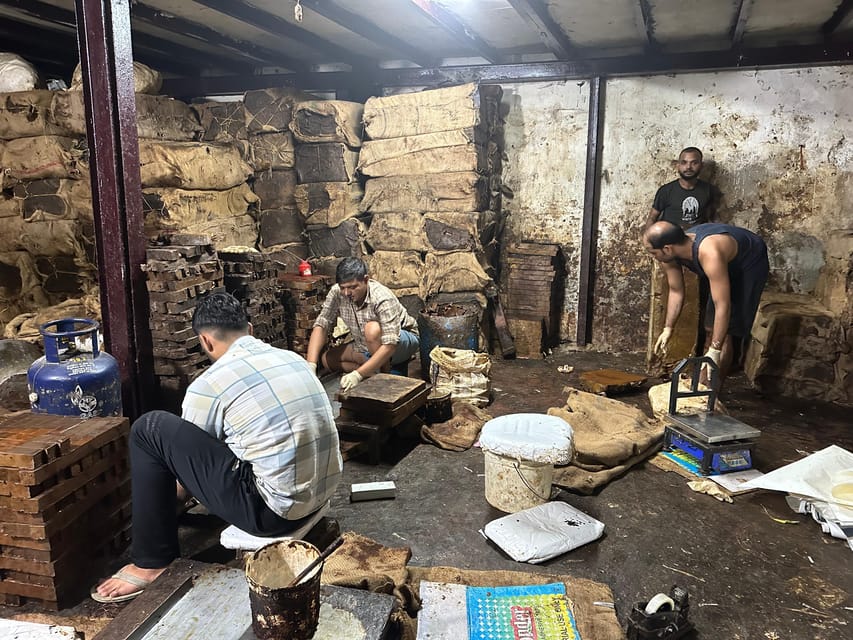
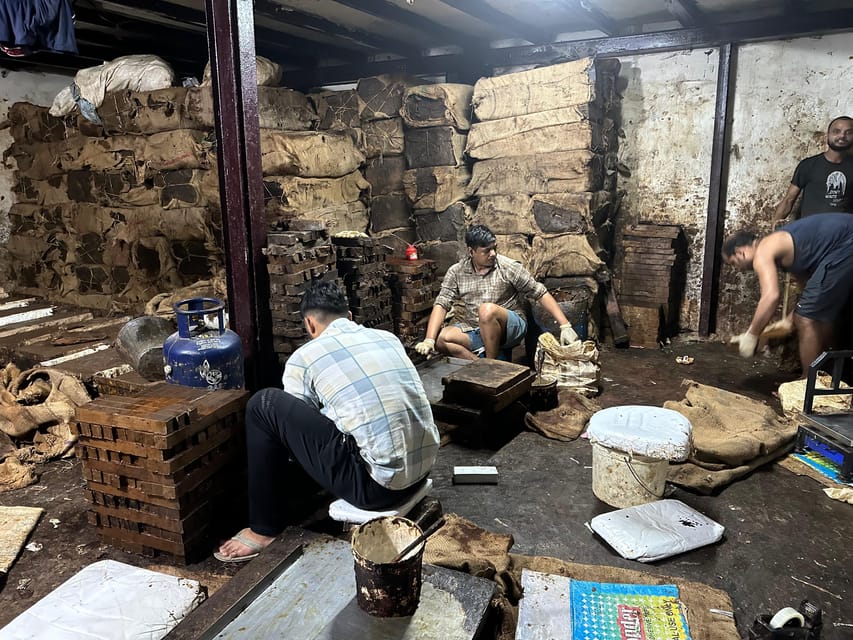
One of the most striking stops is the recycling area. Here, waste is sorted and turned into usable products, showing the practical skill involved in a major local industry.
You can expect the surroundings to be industrial rather than polished. There may be narrow working spaces, machinery, stored materials, and the sounds of people at work. This is a real production district, not a museum exhibit, so stay close to the guide and follow instructions.
The value of this stop is not just seeing discarded material given a second use. It is understanding the chain of work behind recycling and the income it creates. The guide can help connect the activity you see with the broader story of employment and enterprise in Dharavi.
For some people, this will be the most eye-opening section. For others, the smell, noise, or tight conditions may be uncomfortable. That is part of the honest picture, and you should come prepared for a working environment rather than a comfortable attraction.
A completely different way to spend a day in Mumbai:
- Mumbai: Full-Day Sightseeing Tour of Mumbai
★ 4.9 · 1,822 reviews - Private Mumbai Sightseeing Tour (Traveller’s Choice Award Winner)
★ 5.0 · 1,565 reviews - Elephanta Caves & Island Guided Private Tour
★ 5.0 · 1,327 reviews - Group Guided Walking Tour in Fort and Colaba
★ 5.0 · 1,073 reviews
Pottery, leather, and embroidery workshops
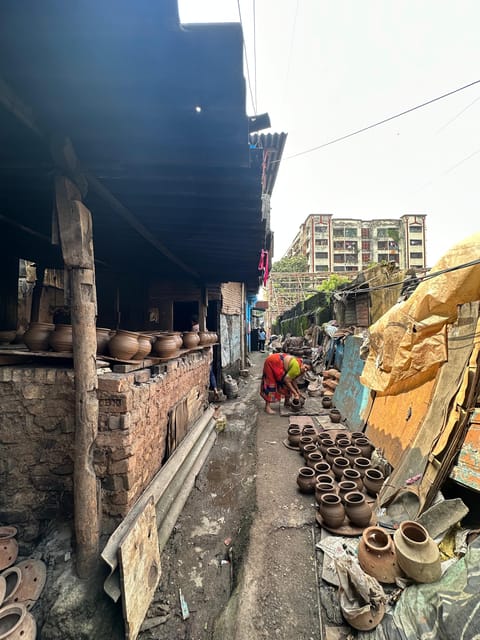
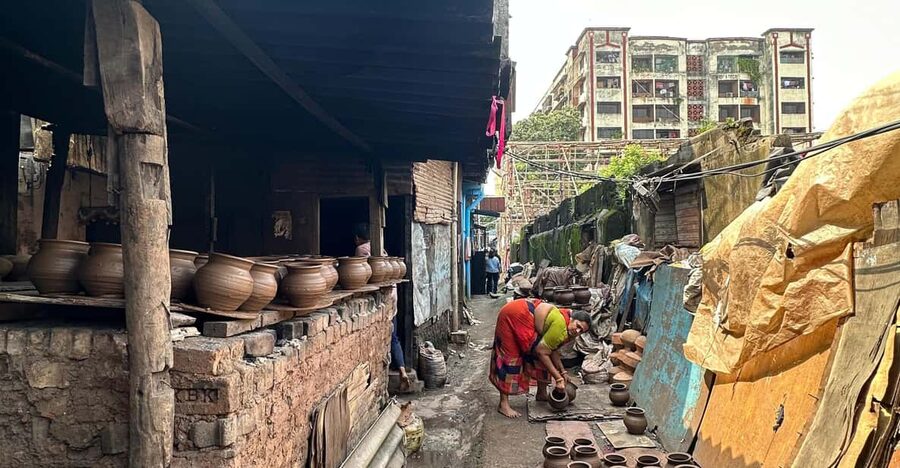
The pottery area offers a slower, more hands-on moment. You watch artisans shape clay and may have a chance to try making pottery yourself. This small activity gives you a better sense of the physical skill involved than simply looking at finished pieces.
The leather workshops show another side of local production. You learn how leather goods are made and see the craftsmanship behind products that might otherwise appear in a shop without any visible story attached to them.
Embroidery units add a more detailed, fabric-based craft. You watch designs take shape through careful stitching, often requiring patience and a steady hand. The contrast between recycling, leather, pottery, and embroidery is one of the tour’s strengths. Dharavi is not built around one kind of work.
These stops are also where a local guide earns the $10 price. A casual walk can show you doors and machinery, but it cannot easily explain what the artisans are doing or how their work fits into the neighborhood. Keep in mind that access and demonstrations can vary according to the working day, space, and activity at each unit.
Meeting residents with care and curiosity
Personal interaction is central to the walk. You hear stories from residents and learn more about daily life from people who live and work in Dharavi.
The right attitude is curious but restrained. You are entering a community, not inspecting one. Ask questions through the guide when appropriate, listen carefully, and avoid treating people’s homes or working spaces as photo props.
This is also where the guide’s local background matters most. The strongest part of the experience is not a set of dramatic facts. It is the chance to understand how people describe their own neighborhood, work, and hopes.
The feedback repeatedly praised the guide’s helpfulness, patience, and clear explanations. One participant who arrived late was still able to join the full experience, while another appreciated being able to ask many questions. That suggests the tour works well for people who want conversation rather than a memorized speech.
The guide is not named in the supplied information, so do not assume a particular person will lead your walk. The important point is that the guide is a Dharavi resident and speaks English, Hindi, or Marathi.
A local bakery stop and community projects
The bakery visit adds a welcome taste of ordinary life. You sample freshly baked goods, but this is not a full meal. Bring your own plan for lunch or dinner, and do not expect drinks or additional food to be included.
I like this stop because food can make a place feel more understandable without turning the tour into a formal cooking class. A bakery is part of neighborhood life, and a small sample gives you a sensory break during the walk.
The tour also includes community projects such as schools, health centers, and other local initiatives. The exact projects visited may depend on the route and what is open, so think of this as an introduction rather than a detailed social-program visit.
These stops help balance the focus on industry. You see not only how people earn money, but also the services and institutions that support daily life. That wider view makes the experience more responsible and less focused on hardship alone.
Finding the Slumdog Millionaire connection
The route includes filming locations connected with Slumdog Millionaire. The film brought international attention to Dharavi and was inspired by the English television show Who Wants to Be a Millionaire?
Film locations can be fun to recognize, especially if you have seen the movie, but they should remain a small part of the walk. Dharavi is a real place first, not a film set. The best use of this stop is to discuss how the neighborhood was shown on screen and how that image differs from everyday life.
If you have not seen the film, you will still have plenty to see. The markets, workshops, community sites, and conversations do not depend on knowing the movie.
Ending above the rooftops
The tour ends with a rooftop view of Dharavi. This is one of the most useful stops because the lanes can make it hard to understand the neighborhood’s overall size and shape.
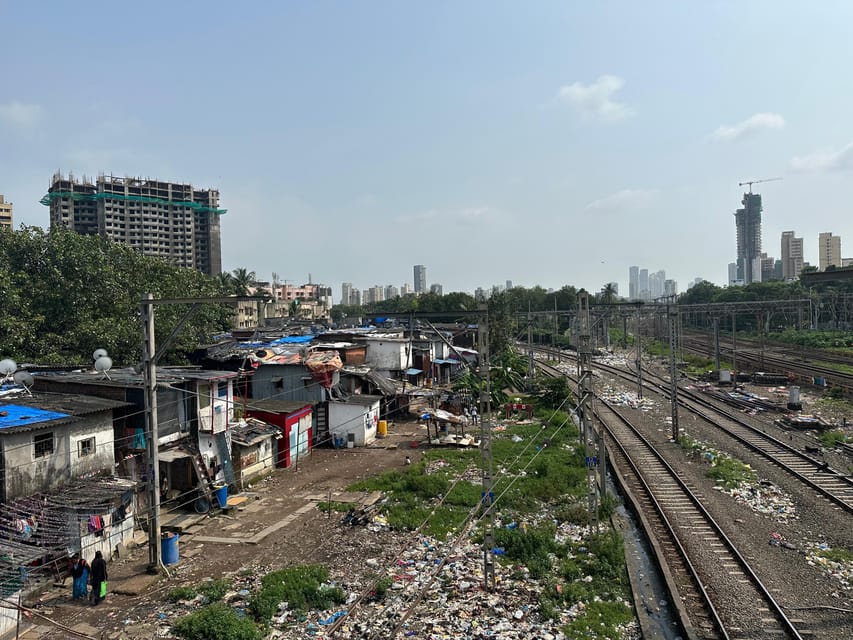
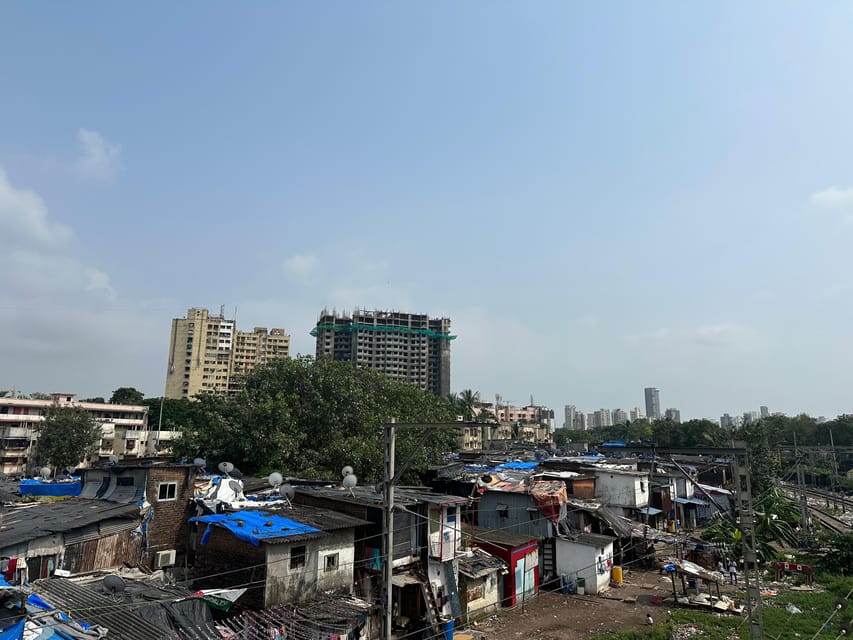
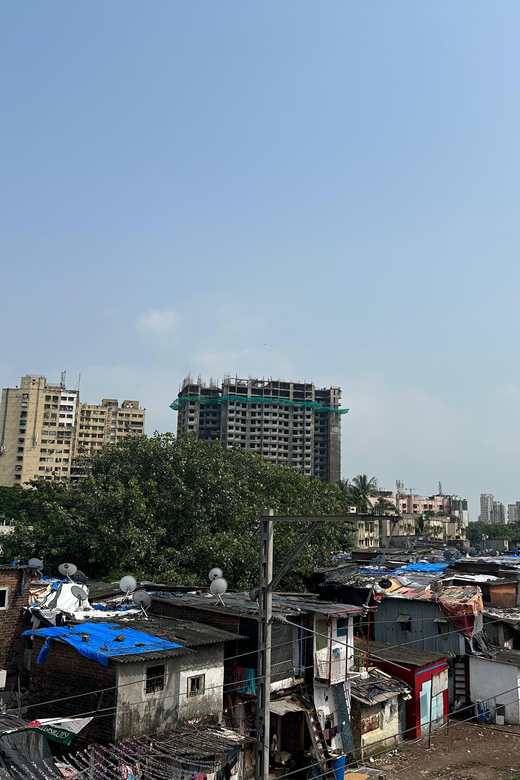
From above, you can take in the close arrangement of rooftops and the mixture of homes, workspaces, and community buildings. The view gives you a pause after the tight streets and helps connect the separate stops into one picture.
It is also a natural place for photographs, but ask before taking pictures and follow any instructions from the guide. Rooftop access can involve stairs or a simple, functional setting rather than a purpose-built viewing deck. The attraction is the perspective, not comfort or polished facilities.
Is $10 good value for two hours?
At $10 per person, this is inexpensive for a private small-group experience in Mumbai. You receive a local guide, a two-hour walk, visits to several working areas, a bakery sample, a rooftop stop, and entry to filming locations connected with Slumdog Millionaire.
The value is strongest if you want context and conversation. You are paying for access, interpretation, and a route that would be difficult to arrange on your own. The guide helps turn a series of unfamiliar streets and workshops into a story you can follow.
The price does not cover transport to Mahim or Dharavi, meals beyond the bakery sample, drinks, or personal purchases. Factor in your ride to the start and any souvenirs you may want to buy.
The tour also offers reserve-now, pay-later booking and free cancellation up to 24 hours before the start, which is useful if your Mumbai schedule is still changing. Check the available start times when booking.
Who should book this Dharavi walk?
I would recommend it to you if you want to see Mumbai beyond major monuments, enjoy asking questions, and can treat a residential neighborhood with care. It suits curious adults, independent-minded visitors, and anyone interested in small businesses, craft production, and community life.
It may not suit you if you want a relaxed sightseeing walk, a polished attraction, or a full meal. The lanes can be tight, the workspaces are active, and the subject matter requires sensitivity.
Families may find the tour valuable, but adults should explain beforehand that Dharavi is a real neighborhood where people live and work. Visitors with limited mobility should ask the provider for current route details, since the walk includes narrow lanes and workshop visits and no accessibility information is supplied.
The two-hour length is a plus. You get a focused introduction without giving up the rest of your day. If you want a longer, slower visit with extended time at each craft unit, this may feel brief.
Should you book it?
Book this tour if you want a direct, human look at Dharavi led by someone who calls the area home. The best reasons are the local guide, the mix of recycling and craft workshops, the chance to ask questions, and the rooftop view that puts the whole neighborhood in context.
Skip it if you are uncomfortable walking through active residential and industrial lanes or if you are mainly seeking photo opportunities. Go with respect, wear good shoes, confirm the meeting point, and allow time for Mumbai traffic. At $10, it offers strong value for a thoughtful two-hour introduction to one of Mumbai’s most discussed neighborhoods.
FAQ
Where does the tour start?
The main meeting point is outside Third Wave Coffee on Senapati Bapat Marg in Mahim. The information also refers to a designated Dharavi meeting location being provided after booking, so confirm the exact details in your booking email.
How long does the tour last?
The walking tour typically lasts two hours, including the stops and walking time.
How much does the tour cost?
The listed price is $10 per person.
Is transportation included?
No. You arrange your own transportation to and from the meeting point. Uber or a tuk-tuk to Third Wave Coffee in Mahim are suggested options.
Which languages does the guide speak?
The tour is available in English, Hindi, and Marathi.
Is the tour private or shared?
It is offered as a private group experience with a small group size.
What should I bring?
Bring comfortable shoes for the two-hour walk.
What food is included?
You receive a sample of freshly baked goods from a local bakery. Meals and drinks beyond that sample are not included.
Can I cancel the booking?
You can cancel up to 24 hours in advance for a full refund. Reserve-now, pay-later booking is also available.
Just added around Mumbai
- Temples & Vineyards: Private Tour to Nashik from Mumbai★ 4.5 · 3 reviews
- Mumbai: Private City sightseeing and Dharavi Slum Tour★ 5.0 · 3 reviews
- Mumbai: Full Day City Sightseeing with Lunch, Car & Guide★ 4.3 · 3 reviews
- Elephanta Island Private Speedboat Tour from Mumbai – 6pax★ 5.0 · 3 reviews
- Mumbai: Elephanta Island and Elephanta Caves Guided Tour★ 4.4 · 3 reviews
- Mumbai Sightseeing Tour by Public Transport with family Lunch★ 5.0 · 3 reviews
- Mumbai by Dawn★ 4.5 · 3 reviews
- Mumbai Dharavi Slum Community Tour★ 5.0 · 3 reviews
Dharavi Slum Tours, compared.
Dharavi slum tour in Mumbai by Female tour guides of the slum
Read our review →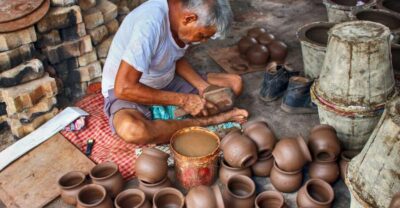
Dharavi Slum Slumdog Millionaire Tour with a Local
Read our review →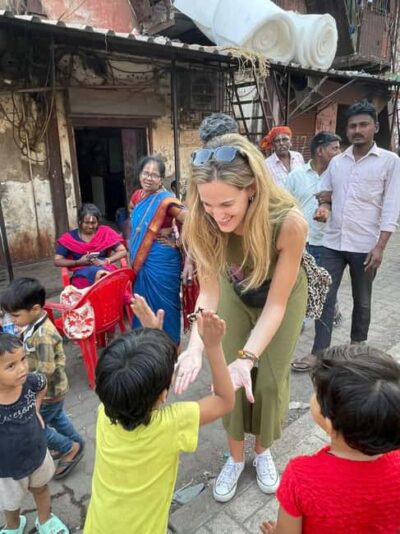
Mumbai Slum Tour – Visit Dharavi Slum with Local Guide
Read our review →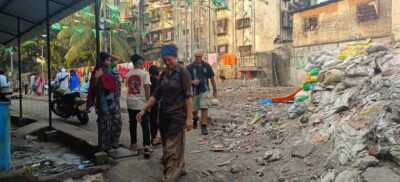
Dhobi Ghat Laundry and Dharavi Slum Tour with Local
Read our review →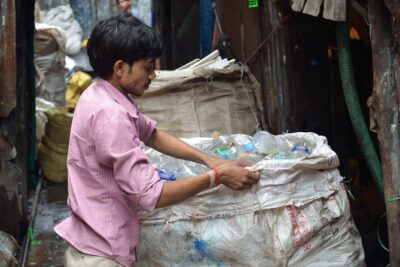
Browse the lists this tour appears in