
Reviewed · DHARAVI SLUM TOURS
Mumbai: Dharavi Tour Including Car Transfer
Dharavi is not simply a place to look at from a car window. This working neighborhood is home to about one million people and supports industries ranging from recycling and leather work to pottery, baking, embroidery, and soap-making. The tour gives you a close look at that daily economy while placing it within Mumbai’s wider story.
I like the northbound drive from Colaba because it adds useful context before the walk, and I like the stop at Dhobi Ghat, where you see Mumbai’s famous open-air laundry in action. The main consideration is simple: Dharavi is crowded, gritty, and private. Photography is not allowed inside, and you should wear covered shoes and modest clothing.
In This Review
- Key points to know before booking
- From Colaba to Mumbai’s textile past
- Dhobi Ghat: Mumbai’s open-air laundry
- Walking through Dharavi’s working lanes
- Reality Gives and the educational purpose
- Kumbhar Wada and the pottery tradition
- What the 4.5-hour format gives you
- Is $39 good value?
- Who will enjoy this tour most
- Should you book it?
- FAQ
- How long does the Dharavi tour last?
- Where does the tour meet?
- Is hotel pickup available?
- What language is the tour conducted in?
- Can I take photographs in Dharavi?
- What should I wear and bring?
- Is food included?
Key points to know before booking
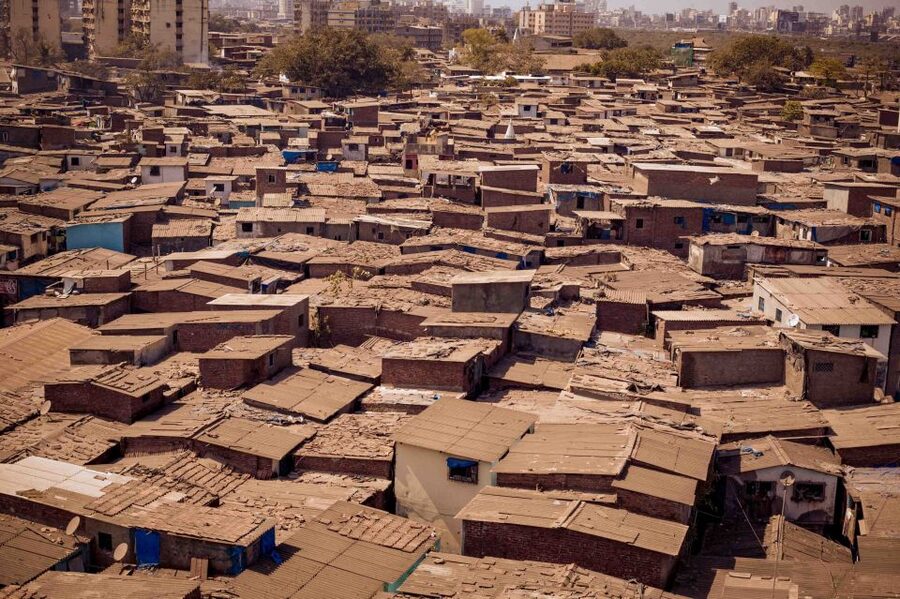
- Dharavi is a place of work, not a staged attraction: The walk focuses on real small businesses and neighborhood streets.
- The car ride adds Mumbai context: You pass the old textile mill district and Kamathipura while hearing about the city’s past and social pressures.
- Dhobi Ghat is an important early stop: The open-air laundry helps explain the scale and labor of Mumbai before you enter Dharavi.
- Kumbhar Wada is a 150-year-old pottery neighborhood: This short visit gives the tour a strong craft tradition alongside its industrial side.
- No photography is allowed in Dharavi: This protects residents’ privacy and shapes the way you experience the walk.
- Hotel pickup and drop-off are included when selected: You can also meet outside Leopold Cafe in Colaba.
From Colaba to Mumbai’s textile past
The experience begins with a car ride north from Colaba toward Dharavi. That transfer takes more than just getting you from one part of Mumbai to another. Your guide uses the road to explain how Mumbai grew, how its industries changed, and why different parts of the city look and function as they do.
One useful section concerns the former textile mill district. Mumbai’s mills once provided major employment and helped shape the city’s economy. Seeing those areas from the car gives you a quick lesson in how industry, migration, housing, and urban growth became tied together.
You also pass Kamathipura, Mumbai’s red-light district, and discuss some of the city’s continuing social issues. This can make the drive feel heavier than a standard sightseeing transfer, but it is also one of the tour’s stronger features. Dharavi makes more sense when you understand the pressures around housing, work, poverty, and migration across Mumbai.
The car portion is especially useful if this is your first full day in the city. You are not left to guess why the city has such sharp contrasts. The guide gives you a framework before the walking portion begins.
Hotel pickup is available, and the meeting point for those who do not choose pickup is outside Leopold Cafe on Nowroji Fardonji Road, just off Colaba Causeway. Look for a guide wearing a blue shirt or polo with the company logo. Since traffic in Mumbai can affect transfer times, allow the full 4.5 hours rather than treating the duration as a strict point-to-point schedule.
More Dharavi walking tours:
- Dharavi slum tour in Mumbai by Female tour guides of the slum
★ 5.0 · 1,976 reviews - Mumbai: Dharavi Slum, DhobiGhat, and Dabbawallas Tour
★ 4.9 · 689 reviews - Dharavi Slum Tour
★ 5.0 · 625 reviews
Dhobi Ghat: Mumbai’s open-air laundry
The tour stops at Dhobi Ghat, widely known as the largest open-air laundry in the world. This is a short viewing stop, not a long laundry workshop, but it gives you a memorable look at an organized service industry operating on a huge scale.
Dhobi Ghat matters because it connects the city’s past and present. Laundry work may seem ordinary, yet here it has become one of Mumbai’s best-known sights through the number of people involved and the visible rhythm of the work. From the viewing area, you can take in the rows of washing spaces and the tightly packed setting.
This stop also prepares you for Dharavi. Both places show how Mumbai’s economy depends on networks of small-scale labor. The tour is not only about famous monuments. It asks you to notice the work that keeps the city running.
The information available does not promise a long stop or a detailed hands-on demonstration, so keep your expectations sensible. Think of Dhobi Ghat as a sharp visual introduction rather than a full standalone visit.
Walking through Dharavi’s working lanes
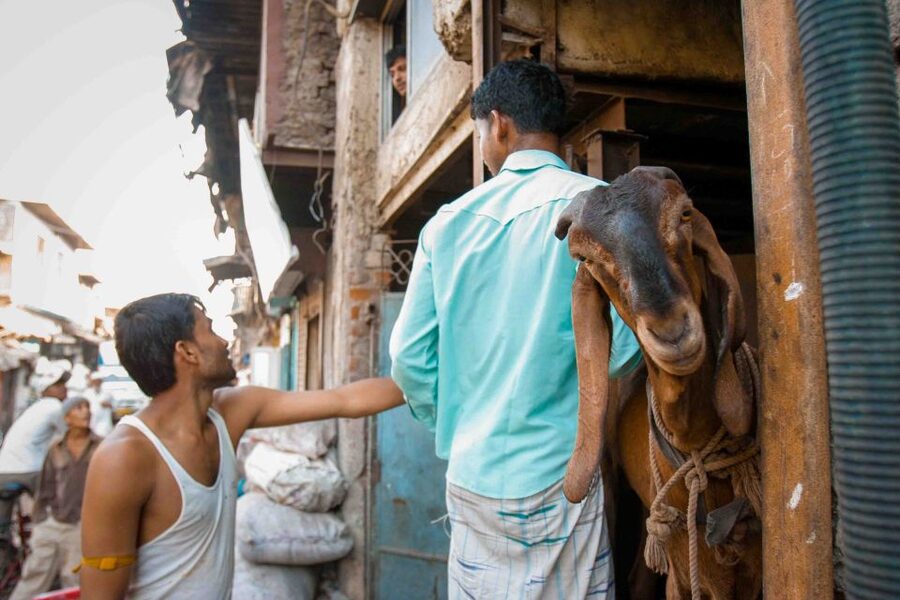
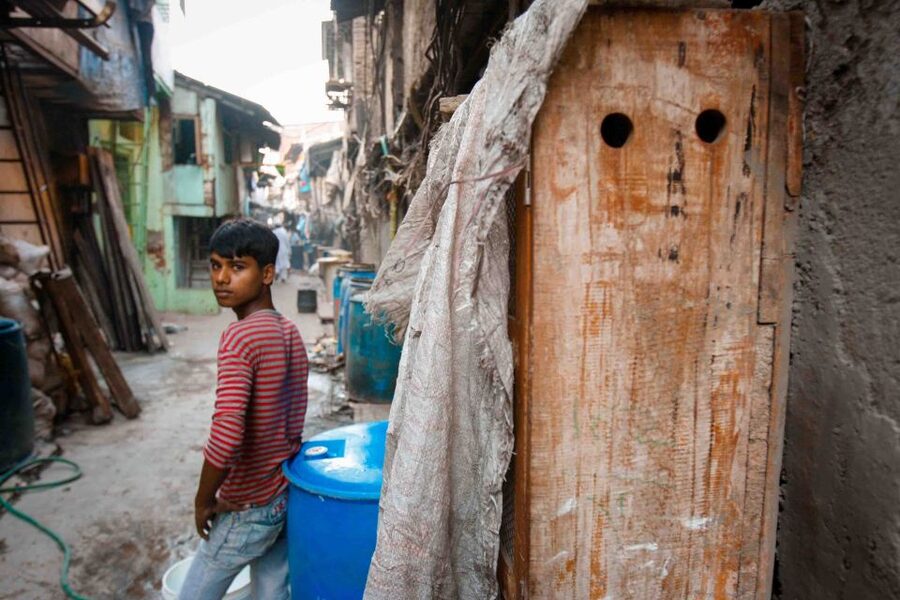
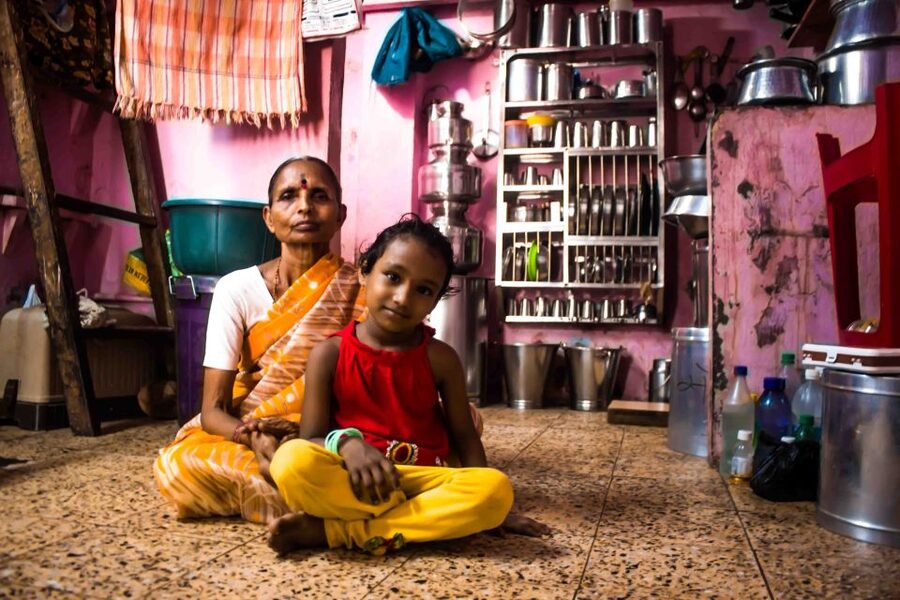
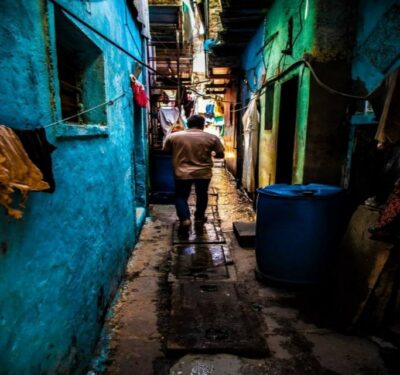
The Dharavi walk lasts about an hour. You enter narrow streets and alleys where homes, workshops, and small businesses exist close together. The guide explains the different activities you may see, including recycling, pottery-making, embroidery, baking, soap production, leather tanning, and poppadom-making.
The important point is that Dharavi is not defined by one trade. It is a dense network of businesses, families, skills, and supply chains. The estimated annual turnover of its industries is about US$665 million, a figure that challenges the easy idea of Dharavi as only a place of deprivation.
That does not mean the area’s problems disappear. Crowded streets, difficult working conditions, and limited privacy are part of the setting. A good tour needs to hold both facts together: Dharavi has serious social challenges, and it is also a productive community where people earn a living and build businesses.
You will walk through working areas rather than a polished attraction. That means the route can be dirty in places, which is why covered shoes are strongly advised. Comfortable clothing is essential, and modest dress is requested: cover your shoulders and chest, wear clothing below the knee, and avoid anything tight or revealing.
Photography is strictly forbidden while you are in the slum. This is one of the most important rules of the experience. You should not expect souvenir images from the walk, and you should not try to take quick photographs when the guide is not looking. The restriction protects residents and keeps the visit from turning people’s homes and workplaces into a backdrop.
For me, the no-camera rule can improve the walk. You pay closer attention to the guide, the route, and the people going about their work. It also makes the experience more respectful, though anyone who mainly wants photographs should choose a different Mumbai outing.
Reality Gives and the educational purpose
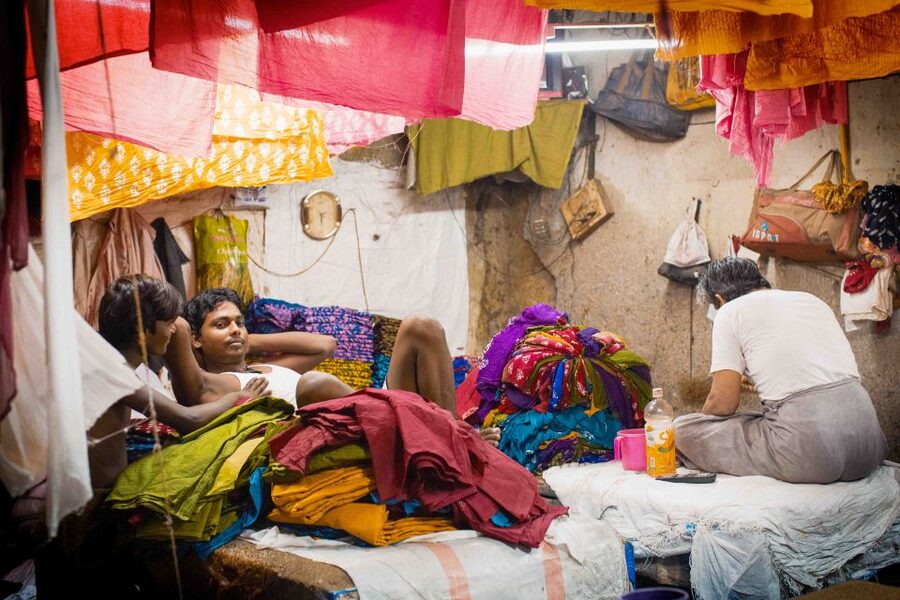
A brief stop at Reality Gives is included in the walking route. The visit lasts around 10 minutes and is described as a guided sightseeing stop. Its role is to help explain the educational side of the program and the social setting in which the tour operates.
This matters because Dharavi tours can easily become uncomfortable if they treat the neighborhood as a spectacle. A social enterprise connection gives the visit a clearer purpose: you are meant to learn about the community and its economy, not simply observe hardship.
The stop is short, so do not expect a long presentation or a full community-center visit. Its value comes from the way it frames the walk around education and understanding. If you want a tour that spends most of its time on architecture or major landmarks, this is not that kind of experience.
The company also appears able to respond to particular communication needs in some cases. One booking note describes a deaf participant being paired with a deaf guide who normally worked in the office. That does not guarantee a specific guide or arrangement for every departure, so you should confirm any support needs when booking, but it is a useful sign that the operator has made individual arrangements before.
More airport and hotel transfers:
- Mumbai Private Car Rental with Professional Driver
★ 5.0 · 72 reviews - Mumbai Airport Transfer
★ 4.0 · 49 reviews - Mumbai City Tour With Laundry And Hotel Transfers (South Mumbai)
★ 5.0 · 41 reviews - Dharavi Slum Tour with Laundry And Hotel Transfer (South Mumbai)
★ 5.0 · 35 reviews
Kumbhar Wada and the pottery tradition
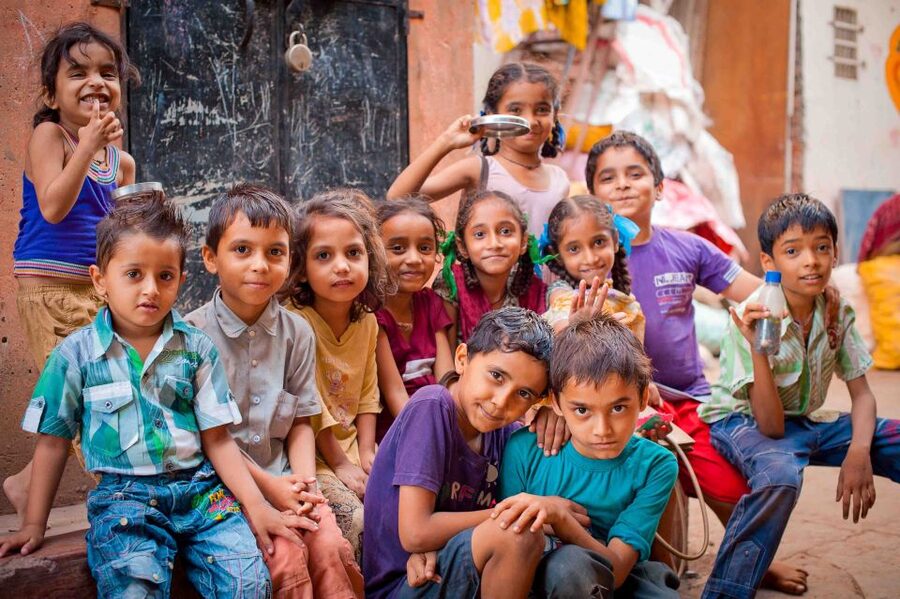
Kumbhar Wada is a 150-year-old pottery neighborhood within Dharavi. The visit lasts about 15 minutes, making it a compact part of the route, yet it adds a different feel from the recycling, leather, and service industries.
Here, the focus is on pottery-making and the long presence of the community. The area shows how a traditional craft can continue inside a modern city. That contrast is one of the most interesting parts of the tour: Mumbai is not only glass towers, colonial buildings, and traffic. Its older work traditions remain active in tightly packed neighborhoods.
The stop is brief, so you should not expect a full pottery lesson or a long shopping session based on the published details. It is best understood as a guided introduction to the neighborhood and its craft.
Dress and footwear matter here too. The lanes can be narrow and uneven, and covered shoes will make the walk easier. Keep your belongings close, follow your guide, and respect the request not to photograph.
What the 4.5-hour format gives you
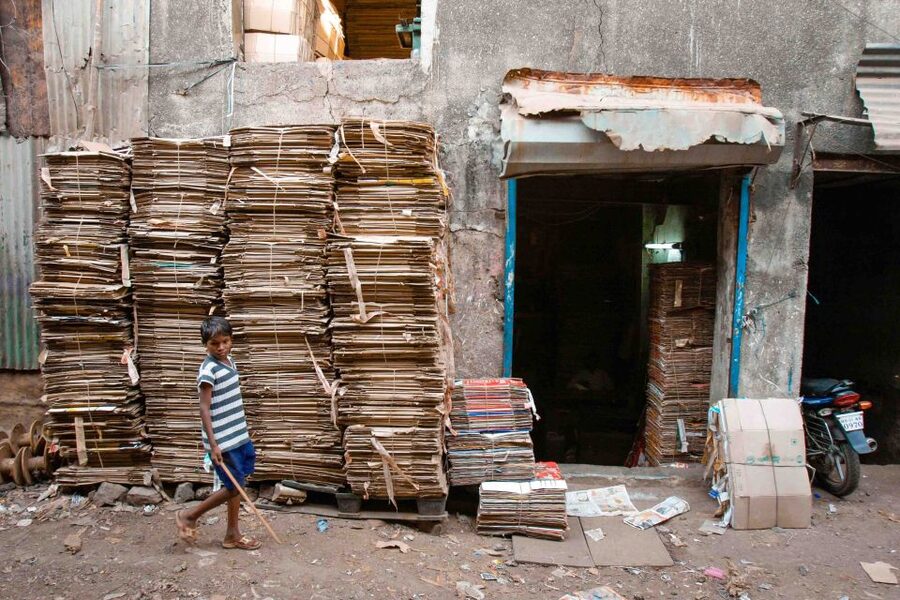
Four and a half hours is a useful length for this experience. It allows time for the transfer, historical explanation, Dhobi Ghat, the Dharavi walk, Reality Gives, and Kumbhar Wada without forcing everything into a rushed two-hour outing.
The car transfer is a major part of the value. If you had to arrange transport from Colaba to Dharavi yourself, you would spend time working out the route and miss the running commentary. Here, the ride ties the city’s old mills, social issues, laundry work, and neighborhood industries into one story.
The walk itself is listed at about one hour, with shorter stops inside the route. That is long enough to get beyond the first few streets, but not so long that you are walking for half a day in a demanding setting. You receive water or cold drinks, which is useful in Mumbai’s heat, but food is not included.
Drop-off is available in Mumbai or at Leopold Cafe. If you are staying in Colaba, returning near Leopold Cafe is convenient for lunch, shopping, or an easy walk back to your hotel. Hotel pickup and drop-off are included when you select that option, so check the exact choice before paying.
The tour is offered in English with a live local guide. A private group option is available, which may suit you if you want a quieter pace or have a particular interest in Mumbai’s industry and social history. The standard group size is not stated, so confirm it if that will affect your decision.
Is $39 good value?
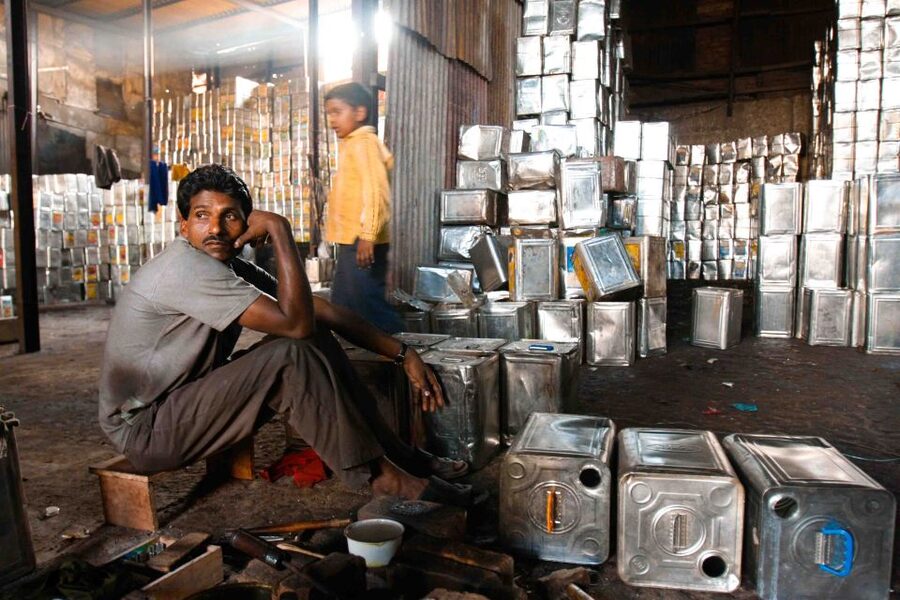
At $39 per person, this is not the cheapest way to spend a morning in Mumbai, but it offers more than a short guided walk. The price covers transport from the Colaba area, an English-speaking guide, a Dhobi Ghat stop, the Dharavi walk, the Kumbhar Wada visit, drinks, and hotel transfer when selected.
The value is strongest if you are staying in or near Colaba and want the transport handled for you. You are paying for the guide’s local explanation as much as for the sights. Without that context, narrow lanes, workshops, and crowded streets could be difficult to understand.
It is also fair to say what the price does not include. Food is not provided, and the pottery visit is not described as a paid workshop. You should not book this expecting a meal, a shopping tour, or an entertainment program.
The full refund cancellation window is 24 hours before the start, and you can reserve now and pay later. Those terms are handy if your Mumbai schedule may shift, but the main decision should be the nature of the experience. This is an educational neighborhood tour, not a comfort-first sightseeing trip.
Who will enjoy this tour most
I would recommend it to you if you want to understand how Mumbai works beyond its postcard sights. It suits first-time visitors who want historical context, people interested in small industries and urban life, and anyone who prefers meeting a city through its working neighborhoods.
It is also a good choice if you are curious about ethical slum tourism and want clear rules around privacy. The no-photography policy may feel restrictive, but it signals that residents’ dignity matters more than collecting images.
You may want another activity if your priority is photography, food, shopping, or a relaxed stroll. The route is not designed around personal purchases or a long meal, and the streets can be dirty and crowded. You should also think carefully about the subject matter. Discussions of poverty, the red-light district, housing, and social inequality require attention and respect.
The tour can work for a private group, and the operator has made a special guide arrangement for at least one deaf participant. Still, you should ask about any mobility or communication needs in advance because the route includes narrow streets and no detailed accessibility information is provided.
Should you book it?
Book this tour if you want a grounded look at Mumbai’s industries and communities, and if you are willing to leave your camera in your bag. The combination of the textile mill district, Kamathipura, Dhobi Ghat, Dharavi’s businesses, and Kumbhar Wada gives you a much fuller picture of the city than a standard monument tour.
The best reason to go is the balance between social questions and local enterprise. You will see difficult conditions, but you will also see skill, work, and long-established communities. At $39, the transport and guiding make the outing a fair choice for a first visit, especially from Colaba.
Skip it if you want a light, polished sightseeing morning or if photography is central to your plans. For everyone else, wear modest clothes, put on sturdy covered shoes, bring an open mind, and allow the guide to explain what you are seeing.
FAQ
How long does the Dharavi tour last?
The complete experience lasts 4.5 hours. The Dharavi walking portion is listed as about one hour, followed by shorter visits to Reality Gives and Kumbhar Wada.
Where does the tour meet?
The meeting point is outside Leopold Cafe on Nowroji Fardonji Road, off Colaba Causeway. The guide wears a blue shirt or polo with the company logo.
Is hotel pickup available?
Yes. Hotel or residence pickup and drop-off are available when you select the pickup option.
What language is the tour conducted in?
The tour is conducted in English with a live local guide.
Can I take photographs in Dharavi?
No. Photography is strictly prohibited while you are in the slum to protect residents’ privacy.
What should I wear and bring?
Wear comfortable, modest clothing with covered shoulders and chest, clothing below the knee, and nothing tight or revealing. Covered shoes are advised because some areas can be dirty.
Is food included?
No. Water or cold drinks are included, but food is not.
Just added around Mumbai
- Temples & Vineyards: Private Tour to Nashik from Mumbai★ 4.5 · 3 reviews
- Mumbai: Private City sightseeing and Dharavi Slum Tour★ 5.0 · 3 reviews
- Mumbai: Full Day City Sightseeing with Lunch, Car & Guide★ 4.3 · 3 reviews
- Elephanta Island Private Speedboat Tour from Mumbai – 6pax★ 5.0 · 3 reviews
- Mumbai: Elephanta Island and Elephanta Caves Guided Tour★ 4.4 · 3 reviews
- Mumbai Sightseeing Tour by Public Transport with family Lunch★ 5.0 · 3 reviews
- Mumbai by Dawn★ 4.5 · 3 reviews
- Mumbai: Dhobi Ghat & Dharavi Slum tour★ 4.7 · 3 reviews
Dharavi Slum Tours, compared.
Dharavi slum tour in Mumbai by Female tour guides of the slum
Read our review →
Dharavi Slum Slumdog Millionaire Tour with a Local
Read our review →
Mumbai Slum Tour – Visit Dharavi Slum with Local Guide
Read our review →
Dhobi Ghat Laundry and Dharavi Slum Tour with Local
Read our review →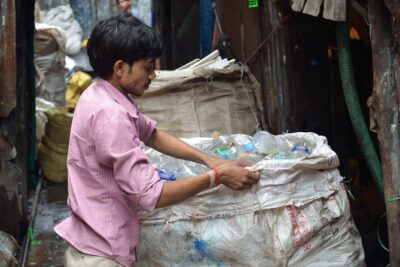
Browse the lists this tour appears in