
Reviewed · DHARAVI SLUM TOURS
Mumbai: Dharavi Slumdog Tour -See the real Slum with a Local
Dharavi is not a movie set or a single stretch of poor housing. It is a working community, and this walking tour takes you past plastic recycling, leather, textiles, garments, metalwork and laundry businesses that keep money moving through the area. Your guide is a Dharavi resident, so the visit comes with local context instead of a quick look from a vehicle.
I like two things here: the chance to see where people work as well as where they live, and the guides’ personal way of explaining the area. Zeeshan, Bharti, Abishek, Mohammed and Faizan are all named by past participants as strong hosts, with Bharti offering a particularly personal view as someone who lives in Dharavi with her family. The main caution is ethical: this is still a tour through people’s homes and workplaces, so you must follow your guide’s lead on privacy and photography. One route may also finish at a leather shop, which some people find uncomfortable or overpriced.
In This Review
- Key points to know before you book
- Dharavi is a working neighborhood, not a movie backdrop
- Meeting your guide near Mahim railway junction
- Inside the lanes: homes, families and everyday life
- Plastic recycling and the business behind discarded material
- Garments, textiles, leather and metalwork
- The laundry area and the rhythm of local work
- The Slumdog Millionaire filming location
- A respectful visit requires discipline
- Is $4.99 good value for Mumbai?
- Who will appreciate this Dharavi walk?
- Should you book this tour?
- FAQ
- Where does the Dharavi tour start?
- Where does the tour end?
- Is the guide a Dharavi resident?
- Which language is the tour offered in?
- What industries can you see in Dharavi?
- Does the tour visit a Slumdog Millionaire filming location?
- Is water included?
- Are entry tickets included?
- Can I cancel for a full refund?
Key points to know before you book
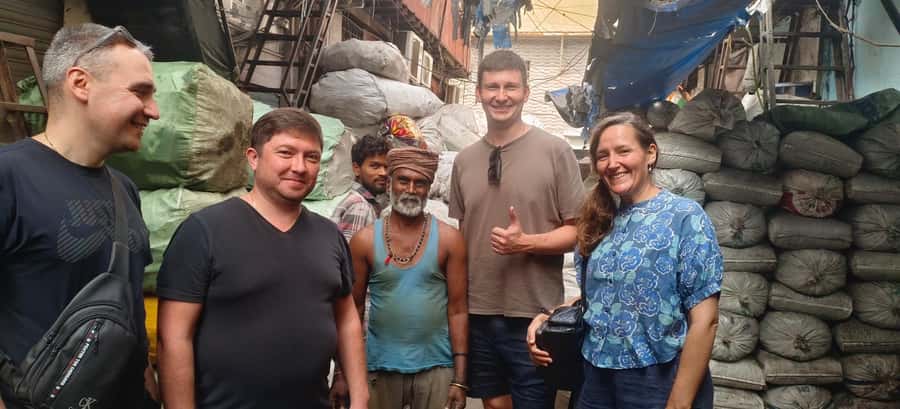
- A resident guide leads the walk: Your English-speaking guide comes from Dharavi, giving the tour a personal point of view.
- Work is central to the route: Expect to see plastic recycling, garment and textile work, leather production, metal businesses and laundry operations.
- Dharavi is presented as a community, not a stereotype: The tour aims to show family life, children’s play areas, religious coexistence and local enterprise.
- The Slumdog Millionaire connection is only one stop: You also visit a filming location, but the stronger part of the tour is the living community around it.
- Meet at a simple cafe landmark: Start at Third Wave Coffee in Mahim, opposite Mahim railway junction on the west side, and return there at the end.
- The price is unusually low: At $4.99 per person, the tour offers a great deal if you want local guidance and do not expect a polished sightseeing show.
Dharavi is a working neighborhood, not a movie backdrop
The first useful shift in your thinking is to stop treating Dharavi as one thing. It is commonly described as a slum, but the tour shows a dense place where people live, raise families, trade, recycle materials and run small businesses side by side.
Your guide points out homes, workshops and shared areas. You may see children playing, families relaxing and workers handling materials for businesses that reach far beyond the neighborhood. The tour description places the yearly value of Dharavi’s economic activity at about $1 billion, a figure meant to show its scale and commercial importance.
That number matters because it changes what you notice. Instead of seeing only narrow lanes and crowded housing, you begin to see supply chains, skilled labor and small enterprises. The plastic, leather, garment, textile and metal work is not background scenery. It is how many residents earn a living.
I like that the route links daily life with work. A walk that only shows housing could leave you with pity and little understanding. Seeing production areas gives you a clearer picture of how Dharavi supports itself, even under difficult conditions and with limited government support.
More Dharavi walking tours:
- Dharavi slum tour in Mumbai by Female tour guides of the slum
★ 5.0 · 1,976 reviews - Mumbai: Dharavi Slum, DhobiGhat, and Dabbawallas Tour
★ 4.9 · 689 reviews - Dharavi Slum Tour
★ 5.0 · 625 reviews
Meeting your guide near Mahim railway junction
The meeting point is Third Wave Coffee in Mahim, opposite Mahim railway junction on the west side. You can wait inside the cafe or stand outside. When you arrive, you are told to give your name to the guide, who will introduce himself or herself and gather the group.
This is a practical meeting point because a cafe is easier to identify than an unnamed lane. Still, pay attention to the wording: the meeting point is near the railway junction, not inside Dharavi itself. Give yourself enough time to locate the cafe and settle in before the walk begins.
The guide is English-speaking and is described as a local Dharavi resident. Named guides connected with this experience include Zeeshan, Bharti, Abishek, Mohammed, Faizan and Rakesh. You may not be able to choose one when booking, but the praise for these individual guides points to the value of the person leading the walk.
Zeeshan is noted for clear storytelling and simple explanations of difficult issues. Abishek is described as friendly and well paced, giving enough information without crowding out questions. Bharti brings a particularly direct point of view because she lives in Dharavi with her family. Faizan is described as engaging and respectful in his explanation of local life.
The quality of a tour like this depends heavily on the guide. A local guide can explain what you are seeing, tell you when to slow down, and help you avoid treating people’s lives as photographs. That personal role is more important here than a long list of formal sightseeing stops.
Inside the lanes: homes, families and everyday life
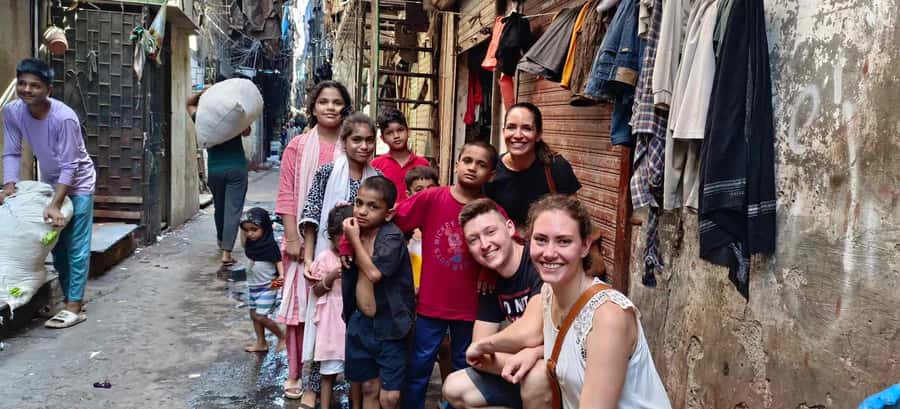
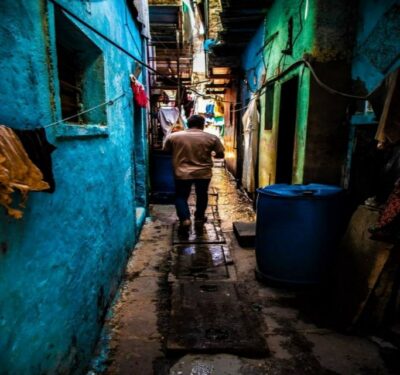
Once you enter Dharavi, the route moves through residential areas and working lanes. You see where people stay, where families live together and where children play. You also get a sense of how close home and work can be.
The setting may feel confronting. You are not looking at a historic monument prepared for visitors. You are walking through an active community, and residents may be going about ordinary tasks while you pass through. That makes the experience more revealing, but it also creates a duty to behave quietly and respectfully.
Your guide helps you read the surroundings. A doorway may lead to a home, a workshop or both. A small business may operate beside a family’s living space. The important lesson is not simply that Dharavi is crowded. It is that residents have built homes, businesses and social networks in very limited space.
The tour also addresses religious and social coexistence. One account of the experience highlights how different religions work and live beside one another. That is a useful detail because it moves the conversation away from poverty alone and toward the relationships that help a large community function.
You should not expect every moment to feel comfortable. The tour is designed to challenge your ideas about Dharavi, and some sights may make you think about privacy, wealth and the gap between your daily life and the lives around you. That discomfort can be useful, but only if you stay open and avoid turning it into spectacle.
Plastic recycling and the business behind discarded material
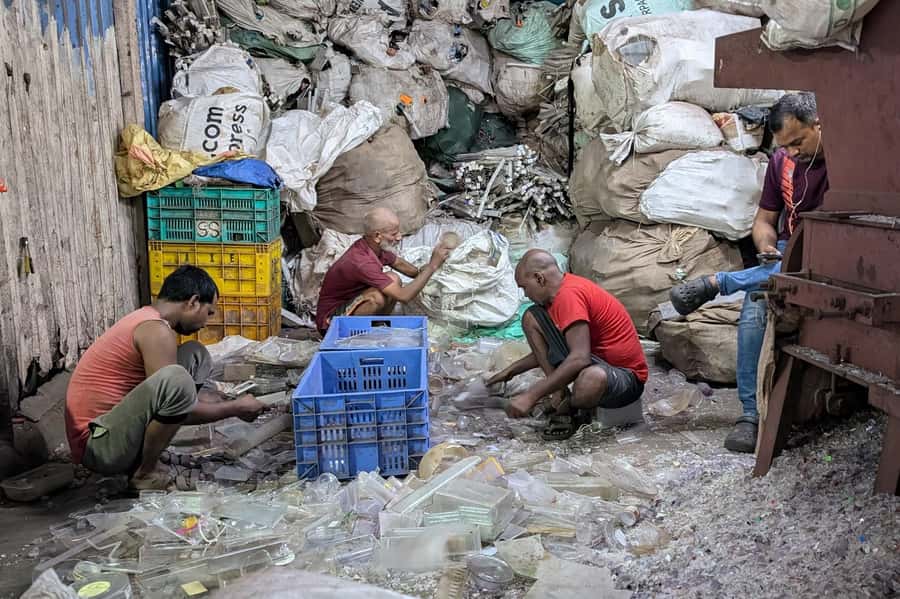
Plastic recycling is one of the main industries highlighted on the route. You see how discarded material can become part of a local business network. The tour uses this work to show practical skill and economic activity, not just hardship.
This is one of the most useful stops for understanding Dharavi’s wider role in Mumbai. Recycling requires sorting, handling and moving large amounts of material. Even without a detailed technical explanation, seeing the work close up helps you understand that the neighborhood is tied to the city’s wider consumption and waste systems.
The conditions may be basic, and the work can be physically demanding. That is part of the point. The tour does not present recycling as a cheerful craft demonstration. It shows labor that supports incomes while raising questions about safety, public services and the value placed on the people doing it.
Your guide should supply the local explanation, and this is where you should ask questions. Ask how work is organized, who brings materials in, and how products move out. The tour information confirms the industries you will see, but the exact businesses operating on your route can vary.
A completely different way to spend a day in Mumbai:
- Mumbai: Full-Day Sightseeing Tour of Mumbai
★ 4.9 · 1,822 reviews - Private Mumbai Sightseeing Tour (Traveller’s Choice Award Winner)
★ 5.0 · 1,565 reviews - Elephanta Caves & Island Guided Private Tour
★ 5.0 · 1,327 reviews - Group Guided Walking Tour in Fort and Colaba
★ 5.0 · 1,073 reviews
Garments, textiles, leather and metalwork
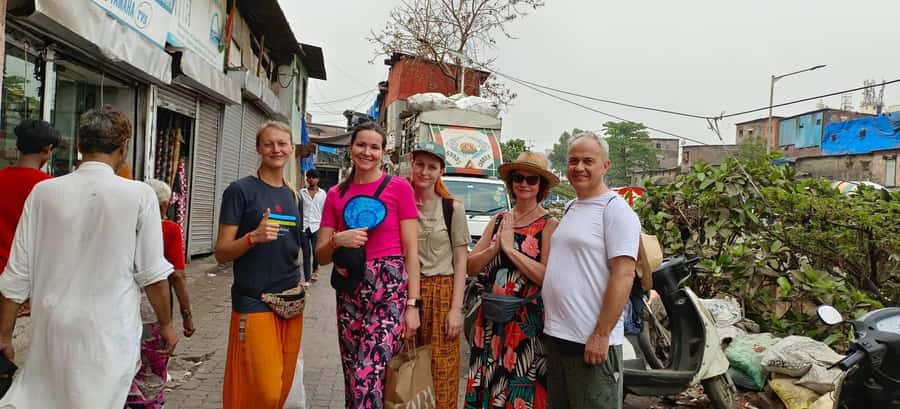
Dharavi’s workshops cover more than plastic. The route may include garment and textile production, leather work and metal businesses. These stops help you see why the neighborhood cannot be reduced to housing alone.
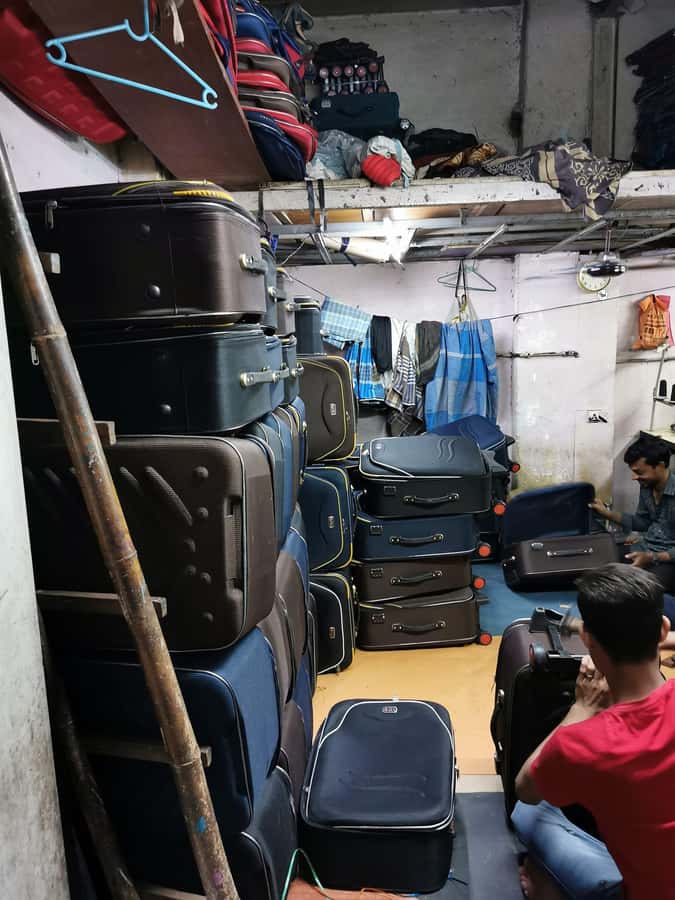
Garment and textile work show the small-scale side of manufacturing. You may see materials being handled, prepared or finished in tight working spaces. Leather work offers another example of specialized production. Metal businesses add a different kind of labor and make clear how varied local jobs can be.
The guide’s role is to explain the process without turning the workers into a display. Pay attention to the hands-on nature of the work and the narrow space in which it takes place. The point is not to collect a series of dramatic images. It is to understand how production and family life share the same neighborhood.
One caution deserves a clear mention. A participant was taken to a leather store at the end of the route and felt the prices were too high compared with street prices. I would treat any shopping stop as optional in spirit, even if it appears in your route. You are not required to buy something to validate the tour, and you should compare prices before making a purchase.
There was also concern about an exaggerated claim involving luxury handbag leather. I would ask careful questions and keep an open mind, but do not accept every commercial story as fact. Dharavi’s real work is impressive enough without inflated marketing claims.
The laundry area and the rhythm of local work
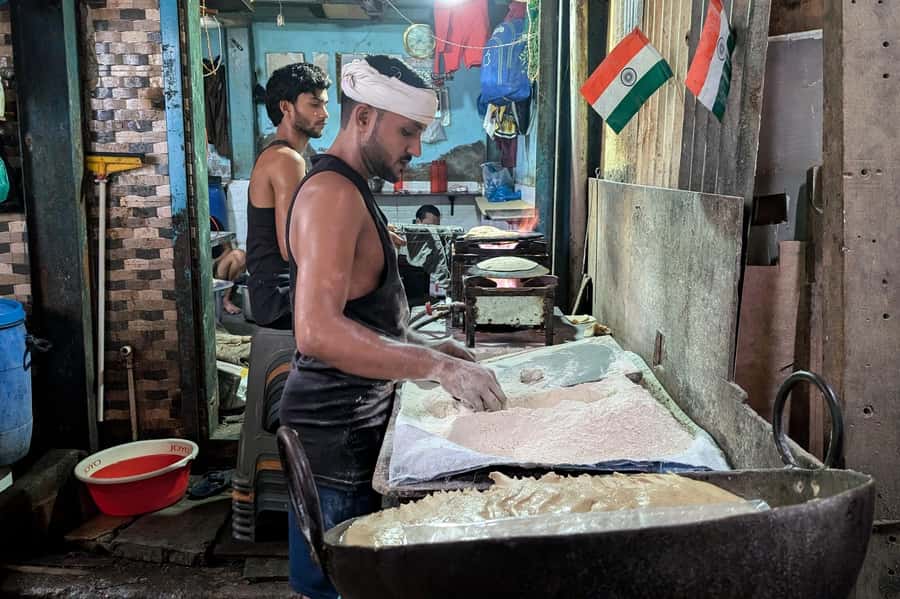
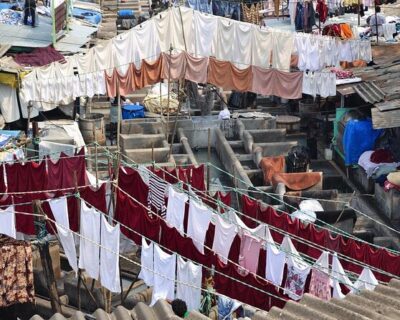
The laundry area is another useful part of the walk. You see how laundry lots are managed and how clothing moves from collection through processing and back to customers.
This stop helps explain the service economy. It is easy to think of laundry as a simple household task, but at this scale it becomes organized work involving collection, sorting, cleaning and delivery. The details give you a better feel for how local businesses serve the wider city.
The route may also show you how everything is used again in Dharavi. That idea appears in the descriptions of recycling and local production, and it is one of the clearest themes of the tour. Waste, fabric, leather and other materials can all become part of another job or product.
If you are sensitive to strong smells, tight lanes or industrial work areas, prepare yourself. The information provided does not promise a set route length or a specific sequence of stops, so conditions can differ. Wear practical clothes and shoes, keep your belongings secure, and follow instructions from the guide.
The Slumdog Millionaire filming location
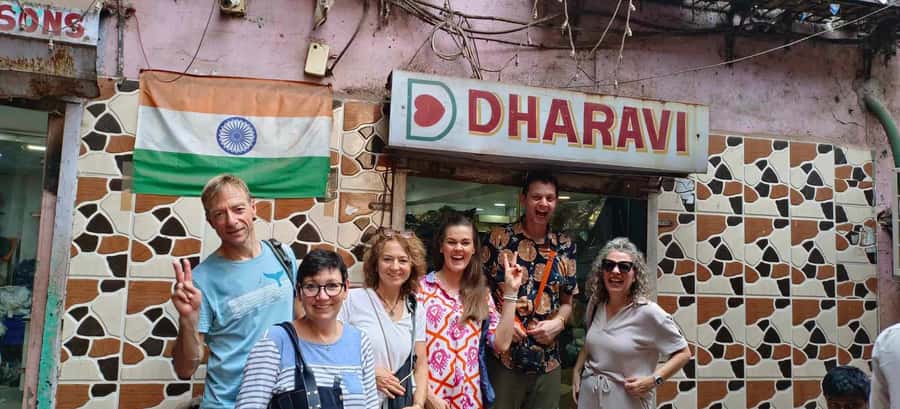
The tour includes a visit to a place inside Dharavi where Slumdog Millionaire was filmed. This gives you a pop-culture reference point, but it should not become the main reason for booking.
The film shaped how many people outside India imagine Dharavi. Seeing a filming location can help you connect that image with the real place, but the neighborhood is far more than a movie setting. The more valuable question is what the film leaves out: ordinary work, family routines, local businesses and the relationships that hold the area together.
The movie stop also works as a warning against taking cinema as documentary. Your guide can help separate the staged image from everyday life. If you are a film fan, you will likely enjoy the connection. If you are not, it is a brief extra rather than a major loss.
A respectful visit requires discipline
The tour aims to challenge stereotypes, but no guided walk can do that alone. Your conduct matters. Ask before taking photographs, do not photograph children or private interiors without permission, and avoid blocking doorways or work areas.
The guide is there to manage this balance. Bharti is specifically praised for respecting people’s privacy, and that is the standard I would expect throughout the experience. Stay close enough to hear instructions, but do not crowd residents.
Some children may greet you. One account describes local children saying hello without asking for anything. Enjoy the friendliness, but do not turn every greeting into a photo opportunity or hand out gifts. A calm, respectful presence is better than treating the neighborhood as an open-air attraction.
The tour’s goal is to show the inspiring side of Dharavi, but it should not hide the hard parts. You will likely leave thinking about limited services, crowded living conditions and the effort needed to build a livelihood. That mix of admiration and discomfort is more honest than a simple feel-good visit.
Is $4.99 good value for Mumbai?
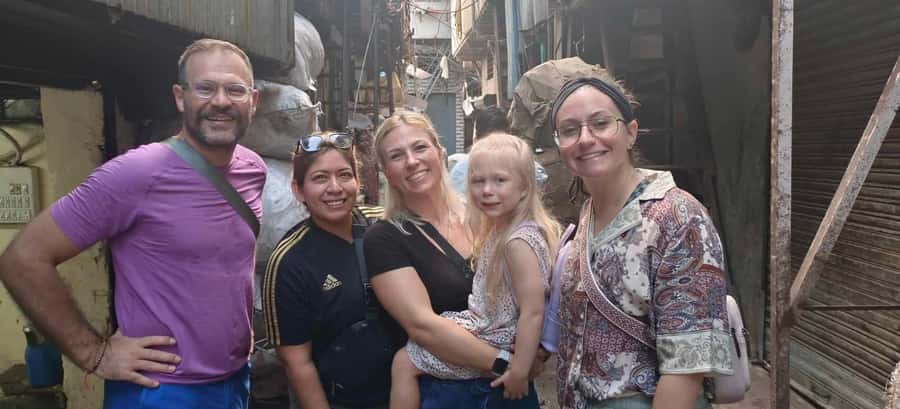
At $4.99 per person, this is a remarkably inexpensive way to enter Dharavi with a local guide. The price includes an English-speaking resident guide, entry tickets and water. For a low-cost introduction, that is strong value.
The price also explains what you should not expect. This is not a private luxury tour with air-conditioned transport, a formal museum-style presentation or a carefully staged set of attractions. It is a local walking experience in a working neighborhood.
Value here comes from access and explanation. Without a guide, you could pass through the area and understand very little. With a resident guide, you have someone who can explain the industries, community life and the difference between film images and real conditions.
The tour has a 4.9 rating from 62 reviews, which supports the idea that the guides are its main strength. Still, do not read that score as a promise that every moment will suit you. The leather-shop concern and the possibility of uncomfortable scenes are real considerations.
You can reserve now and pay later, and cancellation is allowed up to 24 hours before the tour for a full refund. Pets are not allowed. The walk begins and ends at the Mahim cafe, and no tour duration or group size is provided, so check those details before you finalize your plans.
Who will appreciate this Dharavi walk?
I would recommend it to you if you want to understand how people work and live in Mumbai rather than only seeing polished sights. It suits curious visitors who ask questions, listen carefully and accept that the experience may challenge them.
It is also a good fit if you care about local enterprise. The recycling, textile, leather, metal and laundry stops show a side of Mumbai’s economy that you will not get from a standard city tour.
Film fans may enjoy the Slumdog Millionaire location, but I would not book this solely for that stop. The strongest part is the broader look at Dharavi as a community with homes, family life and many forms of work.
You may want to skip it if you dislike walking through residential areas, feel uneasy about poverty-focused tourism, or expect complete control over the route. The ethical concern is not a minor footnote. You need to be comfortable visiting a real neighborhood while taking care not to intrude.
Should you book this tour?
Book it if you want an affordable, locally led introduction to Dharavi and are willing to look beyond the word slum. The resident guide, working industries and personal stories give the walk real value, especially when guides such as Zeeshan, Bharti, Abishek, Mohammed and Faizan explain the area with care.
Go with realistic expectations. Respect privacy, ask before photographing, and be cautious about any sales stop or commercial claim. If you can do that, this $4.99 tour offers a direct and useful look at one of Mumbai’s most misunderstood communities.
FAQ
Where does the Dharavi tour start?
The tour starts at Third Wave Coffee in Mahim, opposite Mahim railway junction on the west side.
Where does the tour end?
The activity ends back at the same meeting point at Third Wave Coffee.
Is the guide a Dharavi resident?
Yes. The tour is led by an English-speaking local guide who is a resident of Dharavi.
Which language is the tour offered in?
The tour is offered in English.
What industries can you see in Dharavi?
The tour includes sights connected with plastic recycling, garments, textiles, leather, metalwork and laundry.
Does the tour visit a Slumdog Millionaire filming location?
Yes. The route includes a place inside Dharavi where Slumdog Millionaire was filmed.
Is water included?
Yes. Water is included in the tour.
Are entry tickets included?
Yes. Entry tickets for visiting inside Dharavi are included.
Can I cancel for a full refund?
Yes. You can cancel up to 24 hours in advance for a full refund.
Just added around Mumbai
- Temples & Vineyards: Private Tour to Nashik from Mumbai★ 4.5 · 3 reviews
- Mumbai: Private City sightseeing and Dharavi Slum Tour★ 5.0 · 3 reviews
- Mumbai: Full Day City Sightseeing with Lunch, Car & Guide★ 4.3 · 3 reviews
- Elephanta Island Private Speedboat Tour from Mumbai – 6pax★ 5.0 · 3 reviews
- Mumbai: Elephanta Island and Elephanta Caves Guided Tour★ 4.4 · 3 reviews
- Mumbai Sightseeing Tour by Public Transport with family Lunch★ 5.0 · 3 reviews
- Mumbai by Dawn★ 4.5 · 3 reviews
- Mumbai Dharavi Slum Community Tour★ 5.0 · 3 reviews
Dharavi Slum Tours, compared.
Dharavi slum tour in Mumbai by Female tour guides of the slum
Read our review →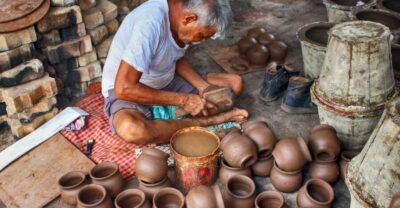
Dharavi Slum Slumdog Millionaire Tour with a Local
Read our review →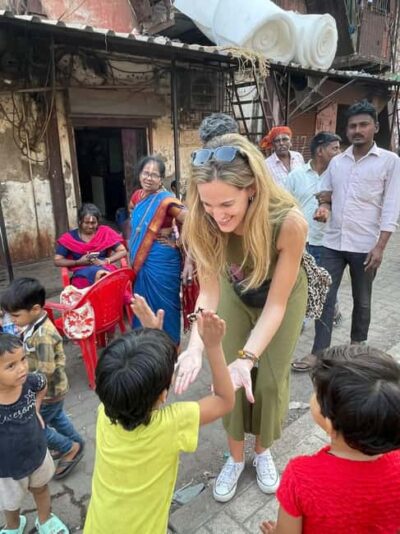
Mumbai Slum Tour – Visit Dharavi Slum with Local Guide
Read our review →
Dhobi Ghat Laundry and Dharavi Slum Tour with Local
Read our review →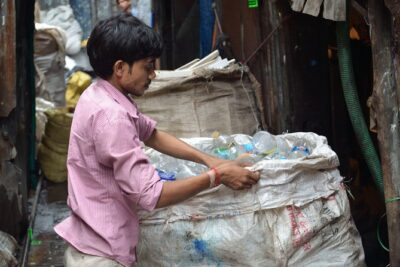
Browse the lists this tour appears in