
Reviewed · DHARAVI SLUM TOURS
Mumbai Dharavi Slum Tour With Local English Guide
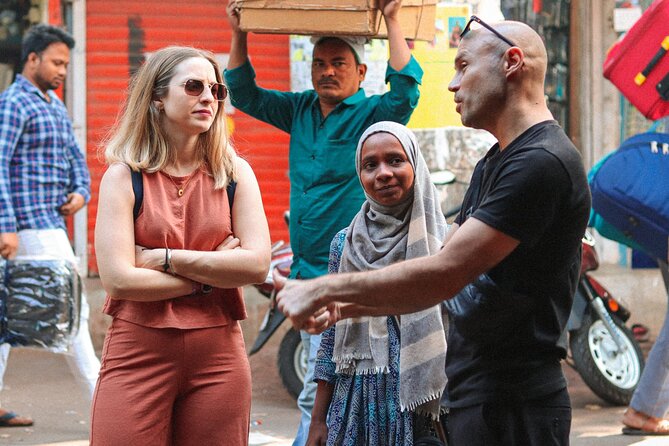
Dharavi is not a museum of poverty. It is a working Mumbai neighborhood, where homes and small businesses sit side by side. This two-hour walking tour takes you through both sides of local life, led by a guide who lives in or grew up in the area, such as Ruqaiyya, Abhishek, Bala, Rohit, or Chirag.
I like the local perspective, especially when a guide can explain how families live and work in the same compact area. I also like the practical help reported by guests, including assistance with Mumbai trains, local apps, and questions about Indian culture. The main consideration is that this is an active residential community, not a polished sightseeing attraction, so you should approach it with respect and be ready for crowded lanes and difficult subjects.
- Local resident guides: Guides such as Ruqaiyya and Abhishek bring first-hand experience of Dharavi and Mumbai.
- Two sides of Dharavi: You see residential lanes as well as small-scale commercial work areas.
- Recycling and industry: The tour explains how local businesses and recycling help support the neighborhood economy.
- Small group size: The maximum is 15 people, allowing room for questions.
- Simple value: At $8.54 per person, the two-hour walk is inexpensive for a guided introduction to Mumbai life.
- Easy meeting plan: The tour begins and ends at the listed meeting point near public transportation, with pickup from some hotels.
In This Review
- What This Dharavi Walk Really Shows You
- Meeting Local Guides in Dharavi
- The Residential Side: Homes, People, and Daily Routine
- The Commercial Side: Small Businesses and Recycling
- A Two-Hour Route With Time for Questions
- Why the $8.54 Price Offers Good Value
- Meeting at Mahim and Getting There
- How to Visit Dharavi With Respect
- Who Will Get the Most From This Tour
- Booking, Cancellation, and Practical Details
- Should You Book the Dharavi Walking Tour?
- FAQ
- How long does the Dharavi tour last?
- What areas of Dharavi will I see?
- Is the tour led by a local resident?
- What language is the tour conducted in?
- Where does the tour start and end?
- Is hotel pickup available?
- Is bottled water included?
- What is the cancellation policy?
What This Dharavi Walk Really Shows You
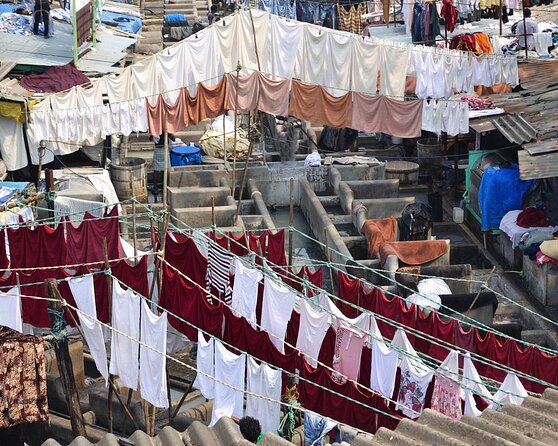
The useful thing about this tour is its focus on ordinary routines. You are not simply taken past a famous viewpoint and given a few facts. You walk through the residential and commercial parts of Dharavi, with a local English-speaking guide explaining what you are seeing.
That distinction matters. From the outside, the neighborhood can be reduced to one word: slum. A good guide replaces that label with a clearer picture. You learn where people live, where they work, how small industries operate, and how the area fits into Mumbai’s wider economy.
The tour is described as a private guided experience, but the stated maximum is 15 people. If you are booking for a larger family or group of friends, ask Cityscape Mumbai Tours whether the walk will be exclusive to your party or shared with others. Either way, a group of 15 is small enough for questions, though narrow lanes can feel busy with even a modest number of people.
The tone is best understood as educational rather than entertaining. You may find the experience eye-opening, but it also asks you to think carefully about how poverty, work, housing, and opportunity fit together in a major Indian city.
Meeting Local Guides in Dharavi
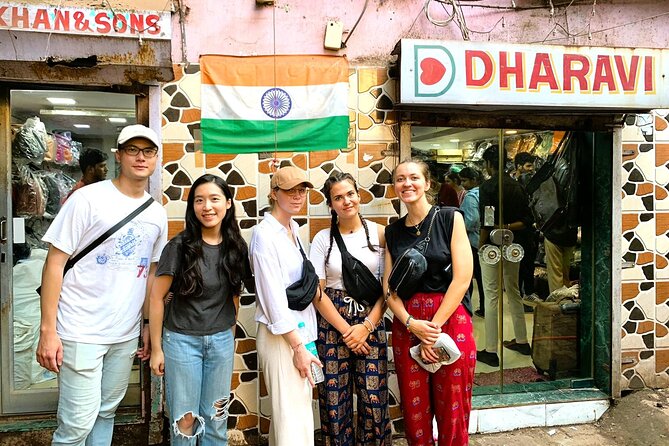
The guides are the heart of the walk. Ruqaiyya is praised for clear English, a friendly manner, and first-hand knowledge of the area. She grew up in Dharavi, according to the tour information, and can explain both the positive and difficult parts of life there.
Abhishek is another guide named in the feedback. His role went beyond explaining Dharavi. He also helped a customer find the correct Mumbai train and buy a ticket after the walk. That kind of assistance can be useful if this is one of your first days in the city and you are still working out local transport.
Other named guides include Bala, Rohit, and Chirag. Rohit is praised for explaining the neighborhood and its recycling work. Chirag is noted for practical help with local apps such as Ola, phone setup, and questions about travel in India. These details suggest that the guide may become a wider Mumbai resource, not just someone who leads you from one lane to the next.
You should not assume you will receive a particular guide unless the company confirms it. Guide assignments can change. The important point is to expect a local English-speaking guide with personal knowledge of Dharavi, rather than a distant narrator reading a standard script.
More Dharavi walking tours:
- Dharavi slum tour in Mumbai by Female tour guides of the slum
★ 5.0 · 1,976 reviews - Mumbai: Dharavi Slum, DhobiGhat, and Dabbawallas Tour
★ 4.9 · 689 reviews - Dharavi Slum Tour
★ 5.0 · 625 reviews
The Residential Side: Homes, People, and Daily Routine
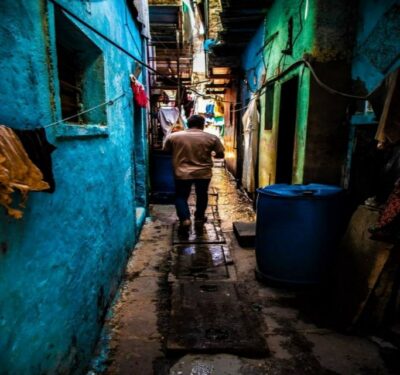
The residential section gives you the human scale of Dharavi. You see the lanes where people live and hear explanations of how homes fit into a neighborhood that is also a place of work.
The supplied details do not promise entry into private homes, and you should not expect it. Much of the value comes from walking through public areas while your guide explains what you are seeing and answers questions. Listen carefully, and let the guide set the boundaries around photography and personal interaction.
This part can be uncomfortable. You may see cramped conditions and limited space, but the tour should not turn residents into scenery. Keep your camera away unless you have clear permission. Avoid photographing faces, doorways, children, or workers without asking. A respectful attitude will make the walk better for you and less intrusive for the people who live there.
The guide’s local connection is especially useful here. A person who has spent years in the area can explain details that a guide from outside might miss, including how daily life works in a place where residential and working spaces overlap.
You can also ask questions about family life, education, culture, religion, work, and the changing shape of Mumbai. The tour is not presented as a formal academic program, so the depth of each answer depends partly on your guide and your questions. That is a strength if you enjoy conversation, but less useful if you want a fixed lecture with a detailed printed schedule.
The Commercial Side: Small Businesses and Recycling
The working areas are likely to be the most surprising part of the walk. Dharavi is not only a residential district. It also supports many small-scale industries, and the tour shows how residents make a living.
One especially praised subject is recycling. Rohit’s explanation of recycling made a strong impression, and this is an important angle because it shifts the discussion from hardship alone to work, skill, and local enterprise.
The tour details do not specify every industry or guarantee a particular workshop visit, so you should avoid expecting a set list of factories. Instead, think of this section as a moving explanation of the commercial life around you. Your guide can point out work areas, describe how businesses operate, and explain how the neighborhood contributes to Mumbai’s economy.
This is where the tour earns much of its low price. A map or self-guided walk could show you streets, but it would not explain the purpose of the spaces around you. The guide gives context to what might otherwise look like a confusing series of lanes and storefronts.
There is also a useful lesson here for your wider Mumbai visit. The city’s economy is not confined to offices, malls, and formal commercial districts. Small businesses often run close to homes, with work and family life sharing the same tight area. Dharavi offers a direct look at that connection.
A Two-Hour Route With Time for Questions
The scheduled duration is about two hours, with Dharavi as the single main stop. That is a sensible length for a first visit. You have enough time to see both the residential and commercial sides without committing half a day to a demanding walk.
The pace and exact route may vary. The available information does not provide a minute-by-minute plan or named sub-stops inside Dharavi. That flexibility can help the guide respond to local conditions and your questions, but it also means you should not book this expecting a tightly scripted attraction with a guaranteed sequence.
Plan to spend the time on foot. The tour is a walking experience through an active neighborhood, not a bus tour. Wear comfortable shoes and bring only what you need. Bottled water is included, and lunch is not, so eat beforehand if you prefer to start with a full stomach.
A two-hour tour can pass quickly if you ask questions. Guides have been praised for discussing not only Dharavi but also Indian culture and Mumbai more generally. If you want the best use of the time, prepare a few respectful questions in advance. Ask about work, housing, local customs, transport, and how Dharavi connects with the rest of Mumbai.
A few more Mumbai tours and experiences worth a look
- Elephanta Caves & Island Guided Private Tour
★ 5.0 · 1,327 reviews - Group Guided Walking Tour in Fort and Colaba
★ 5.0 · 1,073 reviews - Mumbai: Elephanta Caves Half-Day Guided Tour with Expert
★ 4.8 · 1,032 reviews - Private Guided Walking Tour in Fort & Colaba
★ 5.0 · 895 reviews
Why the $8.54 Price Offers Good Value
At $8.54 per person, this is a low-cost way to add local context to a Mumbai stay. You receive about two hours with an English-speaking guide, a walk through two distinct parts of Dharavi, and bottled water. For that price, the experience can be excellent value if you want understanding rather than a long list of attractions.
The real value is the guide. A local resident can explain what you are seeing and help you avoid misunderstandings. The strongest guide experiences described here include help with trains, phone apps, and other practical questions. Those extras are not listed as formal inclusions, so treat them as possible benefits of a helpful guide, not guaranteed services.
Lunch is not included. That is not a serious drawback for a two-hour walk, but it is worth remembering when planning your day. The activity ends back at the meeting point, so you can arrange lunch or another Mumbai sight afterward.
Group discounts are available, though no discount schedule is supplied. Ask for the current rate if you are booking several places. Since the maximum group size is 15, larger parties may need confirmation about availability and how the group will be arranged.
Meeting at Mahim and Getting There

The listed starting point is Third Wave CoffeeTip Road, Unit no. 58, Ground, Ram Mahal, Senapati Bapat Marg, Marinagar Colony, Station, Mahim, Mumbai, Maharashtra 400016, India. The tour ends at the same meeting point.
The address is near public transportation, which is helpful in Mumbai. Pickup is available from select hotels, but not all hotels are covered. Confirm pickup before you rely on it, and check the exact meeting instructions at booking because the address contains several location details.
If you are using a taxi or ride-hailing service, show the full address and allow extra time for Mumbai traffic. The tour starts at a set meeting point, and arriving late could cut into a short two-hour experience. A mobile ticket is available, so you can keep the booking details on your phone.
The return to the same point makes this easier to fit into a busy day. You do not need to arrange a second pickup from an unfamiliar part of the city. It also gives you a clear place to continue by train, taxi, or another planned activity.
How to Visit Dharavi With Respect
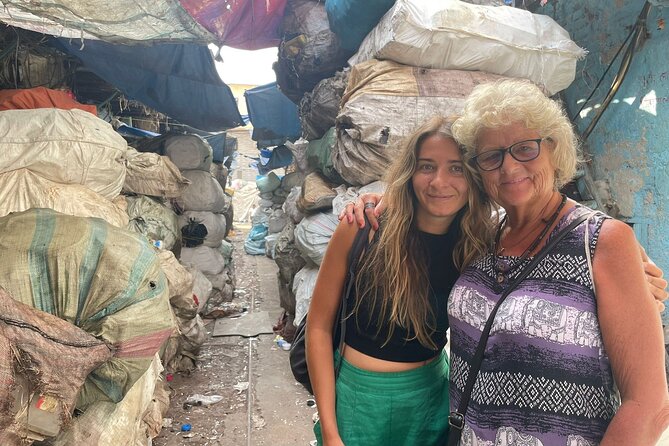
A tour of a low-income neighborhood carries ethical questions. The answer is not to avoid the community automatically, but to choose a walk that treats people as residents and workers rather than as an exhibit.
Your guide’s local connection helps, but your behavior still matters. Keep your voice low, follow instructions, and ask before taking photographs. Do not block doorways or work areas. If people are going about their business, give them space.
Pay attention to how the guide describes Dharavi. The strongest approach shows both hardship and achievement. You should hear about challenges, but also about work, family life, recycling, enterprise, and local pride. A one-sided poverty story would leave you with a distorted view.
This tour may broaden your understanding of Mumbai, but it cannot explain every part of Indian society in two hours. Use it as an introduction. Let it raise questions, then continue exploring the city through museums, markets, neighborhoods, food, and public transport.
Who Will Get the Most From This Tour
I would suggest this walk to you if you want a direct look at daily life in Mumbai and prefer conversation over sightseeing from a vehicle. It suits curious first-time visitors, students, photographers who understand the need for permission, and anyone interested in how housing and work share the same urban space.
It is also a useful choice if you want help getting oriented. Guides have assisted with train tickets, local apps, phone issues, and general Mumbai questions. That support can be especially handy early in your trip.
You may want to skip it if you are looking only for grand architecture, polished attractions, or a relaxed stroll. Dharavi is an active community, and the subject matter can be serious. The tour is not designed as a light break between major monuments.
Families can consider it, but parents should decide how much discussion of poverty and difficult living conditions is suitable for their children. The tour allows most people to participate, but no detailed accessibility information is provided. Contact the provider if you have specific mobility needs.
Booking, Cancellation, and Practical Details
Confirmation is received at the time of booking. The activity accepts mobile tickets, has free cancellation up to 24 hours before the start time, and does not refund cancellations made within 24 hours. Changes made inside that same period are not accepted.
The maximum group size is 15 people. The tour is listed as private guided, so clarify the group arrangement if that point matters to you. Select hotel pickup may be available, but the standard plan is to meet at the Mahim address.
Bring comfortable footwear, a phone with your booking details, and an open but respectful attitude. Bottled water is included. Lunch is not, and the walk returns to its starting point.
Should You Book the Dharavi Walking Tour?
Book this tour if you want to understand Mumbai through the people who live and work in one of its best-known communities. The price is modest, the route covers both homes and businesses, and the local guides add the context you cannot get from walking alone.
The key is your mindset. Do not book it to collect shocking photographs or to treat poverty as a spectacle. Book it to listen, ask thoughtful questions, and see how work, family, and city life connect.
At $8.54, this is an easy recommendation for an open-minded visitor who wants a serious, local view of Mumbai. Confirm the pickup details and group setup, then give yourself two hours to pay attention.
FAQ
How long does the Dharavi tour last?
The tour lasts approximately two hours.
What areas of Dharavi will I see?
The walk covers both the residential side, where people live, and the commercial side, where residents work in small-scale industries.
Is the tour led by a local resident?
Yes. The tour is led by a local English-speaking guide who lives in or has first-hand experience of the Dharavi area. Guides named in the tour information include Ruqaiyya, Abhishek, Bala, Rohit, and Chirag.
What language is the tour conducted in?
The tour is conducted with an English-speaking guide.
Where does the tour start and end?
It starts at Third Wave CoffeeTip Road, Unit no. 58, Ground, Ram Mahal, Senapati Bapat Marg, Marinagar Colony, Station, Mahim, Mumbai, Maharashtra 400016, India. It ends back at the same meeting point.
Is hotel pickup available?
Pickup is available from select hotels. You should confirm whether your hotel is included before booking.
Is bottled water included?
Yes, bottled water is included. Lunch is not included.
What is the cancellation policy?
You can cancel for a full refund up to 24 hours before the experience start time. Cancellations or changes made less than 24 hours before the start time are not accepted and are not refunded.
Just added around Mumbai
- Temples & Vineyards: Private Tour to Nashik from Mumbai★ 4.5 · 3 reviews
- Mumbai: Private City sightseeing and Dharavi Slum Tour★ 5.0 · 3 reviews
- Mumbai: Full Day City Sightseeing with Lunch, Car & Guide★ 4.3 · 3 reviews
- Elephanta Island Private Speedboat Tour from Mumbai – 6pax★ 5.0 · 3 reviews
- Mumbai: Elephanta Island and Elephanta Caves Guided Tour★ 4.4 · 3 reviews
- Mumbai Sightseeing Tour by Public Transport with family Lunch★ 5.0 · 3 reviews
- Mumbai by Dawn★ 4.5 · 3 reviews
- Mumbai Dharavi Slum Community Tour★ 5.0 · 3 reviews
Dharavi Slum Tours, compared.
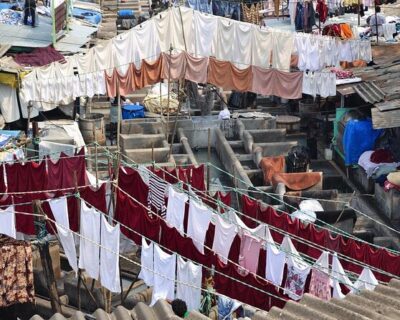
Dharavi slum tour in Mumbai by Female tour guides of the slum
Read our review →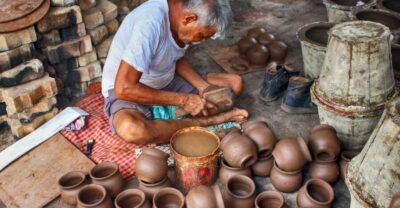
Dharavi Slum Slumdog Millionaire Tour with a Local
Read our review →
Mumbai Slum Tour – Visit Dharavi Slum with Local Guide
Read our review →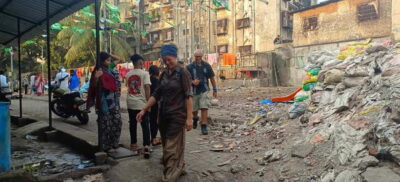
Dhobi Ghat Laundry and Dharavi Slum Tour with Local
Read our review →
Browse the lists this tour appears in