
Reviewed · DHARAVI SLUM TOURS
Mumbai Dharavi Slum Tour With Local English Guide
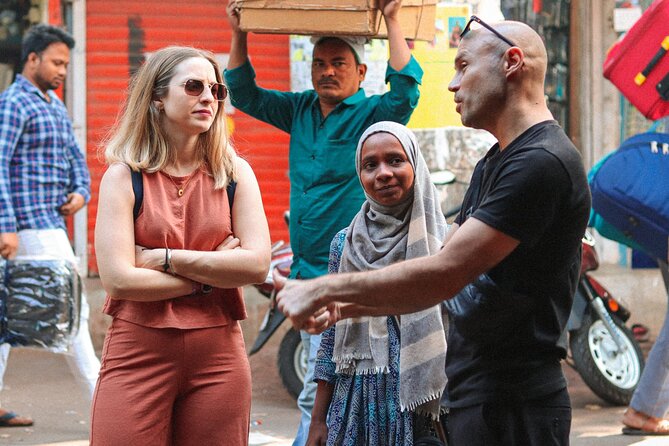
Dharavi is not a museum of poverty. It is a working neighborhood where pottery wheels turn, leather goods take shape, recycling businesses sort materials, and family enterprises help drive Mumbai’s economy. This two-hour walk gives you a local guide, direct contact with working areas, and a clearer view of daily life than you would get from a taxi window.
I like the small-business focus and the chance to hear real stories from guides who know the area well, including Ruba, Ruqaiyya, Jay, Sharon, and Ansh. I also like the price: at $7 per person, this is an unusually affordable way to gain context about Mumbai.
The main drawback is the setting. Dharavi is crowded, noisy, and physically demanding in places, and privacy matters. You need comfortable clothing, a respectful attitude, and no large luggage. At times, street noise can make your guide hard to hear.
In This Review
- Key points before you book
- Why Dharavi requires context
- Starting at Third Wave Coffee or Ram Mahal
- Walking through Dharavi’s working lanes
- Pottery, leather, bakeries, and recycling
- Meeting guides who know the community
- The rooftop view and Mumbai’s sharp contrast
- Photography, privacy, and respectful conduct
- Is $7 good value?
- Who should take this walk?
- Practical tips for a better two hours
- Should you book the Dharavi tour?
- FAQ
- How long does the Dharavi tour last?
- What language is the tour conducted in?
- Where does the tour start?
- Where does the tour finish?
- Is hotel pickup included?
- What should I bring?
- Can I book a private group?
Key points before you book
- Two hours on foot: The visit focuses on walking through Dharavi rather than riding between set attractions.
- Working industries: Expect insight into pottery, leather, bakeries, recycling, and family-run businesses.
- Local English-speaking guides: Guide quality is a major strength, with names such as Ruba, Ruqaiyya, Jay, Sharon, Subhan, Chirag, and Ansh appearing in the tour team.
- Possible rooftop view: Some routes include a look across Dharavi’s tightly packed rooftops toward Mumbai’s skyline.
- Private group option: You can request a private group, while a planned group may become very small depending on bookings.
- Bring little: Wear comfortable clothes and leave large bags and luggage behind.
Why Dharavi requires context
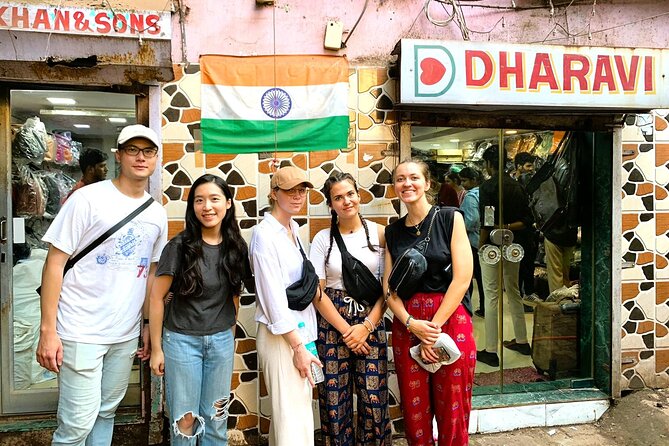
The word slum can make you picture only hardship. That misses much of what this place is. Dharavi is also a neighborhood of work, trade, migration, family life, and practical enterprise. The tour is most useful when it helps you hold both realities in your mind at once.
A local guide can explain how homes and workplaces exist close together, how people from different parts of India have made lives here, and how small industries serve the wider city. One guide described the community’s mix of people and where residents came from, which is the sort of detail that helps you understand Dharavi as a lived-in neighborhood rather than a backdrop.
This distinction matters. You are not simply looking at narrow lanes and modest buildings. You are seeing a local economy in action. The tour’s value comes from explaining what you are seeing, who benefits from it, and how residents manage daily life in a dense part of Mumbai.
More Dharavi walking tours:
- Dharavi slum tour in Mumbai by Female tour guides of the slum
★ 5.0 · 1,976 reviews - Mumbai: Dharavi Slum, DhobiGhat, and Dabbawallas Tour
★ 4.9 · 689 reviews - Dharavi Slum Tour
★ 5.0 · 625 reviews
Starting at Third Wave Coffee or Ram Mahal
The tour offers two starting location options: Third Wave Coffee and Ram Mahal. The exact meeting point can vary with the option you book, so check your confirmation rather than relying on a generic map pin.
The booking information also refers to a Mahim Station meetup. That makes it especially important to read the final meeting instructions carefully. Mumbai is not a city where you want to guess the correct station exit or café at the last minute.
Hotel pickup and drop-off are not included. You will need to reach the meeting point yourself and arrange your own return after the walk. The listed drop-off options are Ram Mahal and Third Wave Coffee, which keeps the end of the experience simple if one of those locations fits your plans.
I would allow extra time for reaching the start. The tour lasts two hours, but the practical part of the outing includes finding the meeting point, getting settled with your guide, and making your way onward afterward.
Walking through Dharavi’s working lanes
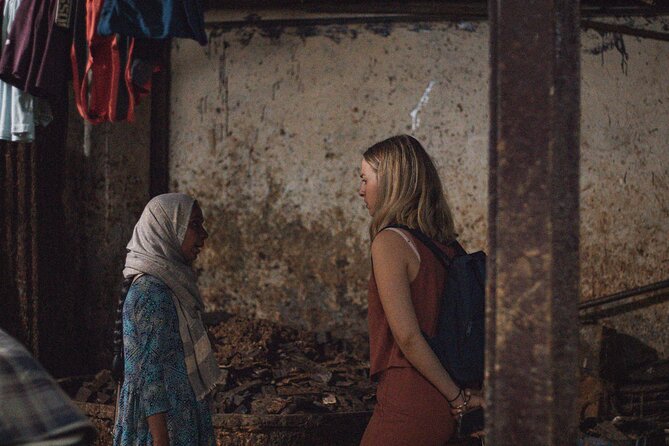
The main activity is a guided walk through Dharavi. Two hours is enough for a focused introduction, but not enough to see every part of the neighborhood or understand every industry in detail. That is a fair trade for visitors with a tight Mumbai schedule.
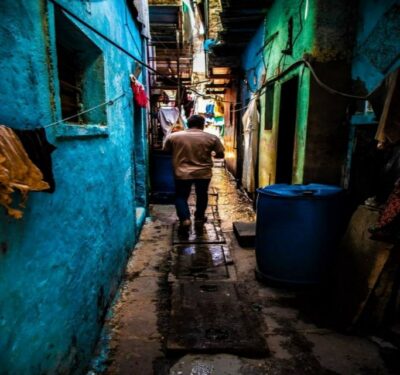
The lanes can be crowded and noisy. You may need to stay close to your guide, especially when the route passes working areas or places where people are moving goods. Comfortable clothes are listed as essential, and I would take that advice seriously. This is not a polished sightseeing route with long pauses and wide open paths.
The reward is access to ordinary workspaces that most independent visitors would struggle to find or understand. A guide can point out what is being made, how the work is organized, and why each activity matters to the local economy.
You should think of the tour as a moving conversation. Ask questions as you go, but do so politely and without turning residents into objects of curiosity. The best experience comes from listening to the guide and recognizing that people are working, raising families, and going about their routines.
Pottery, leather, bakeries, and recycling
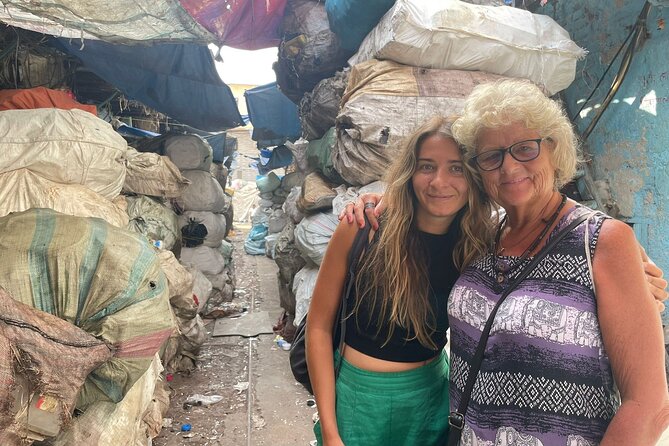
The industries make this tour more than a walk through residential lanes. Depending on the route and the day, you may see pottery workshops with spinning wheels, leather artisans making goods, small bakeries, recycling units, and family businesses.
The pottery areas offer a clear look at craft production. You may see how a simple material becomes a useful object through repeated handwork. The leather workshops show another side of Dharavi’s commercial life, with artisans producing goods for customers far beyond the immediate neighborhood.
Small bakeries and recycling units help widen the picture. A bakery shows how food production can fit into a compact urban setting. Recycling shows an industry that is easy to overlook but important to the city’s daily operation. The point is not simply to collect a list of sights. It is to see how many forms of work can exist within a tightly packed community.
Interactive workshops are included in the experience, although the exact activities can vary. Do not expect a long hands-on class. Treat these sessions as short opportunities to meet craftspeople, watch their methods, and ask sensible questions about their work.
A few more Mumbai tours and experiences worth a look
- Elephanta Caves & Island Guided Private Tour
★ 5.0 · 1,327 reviews - Group Guided Walking Tour in Fort and Colaba
★ 5.0 · 1,073 reviews - Mumbai: Elephanta Caves Half-Day Guided Tour with Expert
★ 4.8 · 1,032 reviews - Private Guided Walking Tour in Fort & Colaba
★ 5.0 · 895 reviews
Meeting guides who know the community
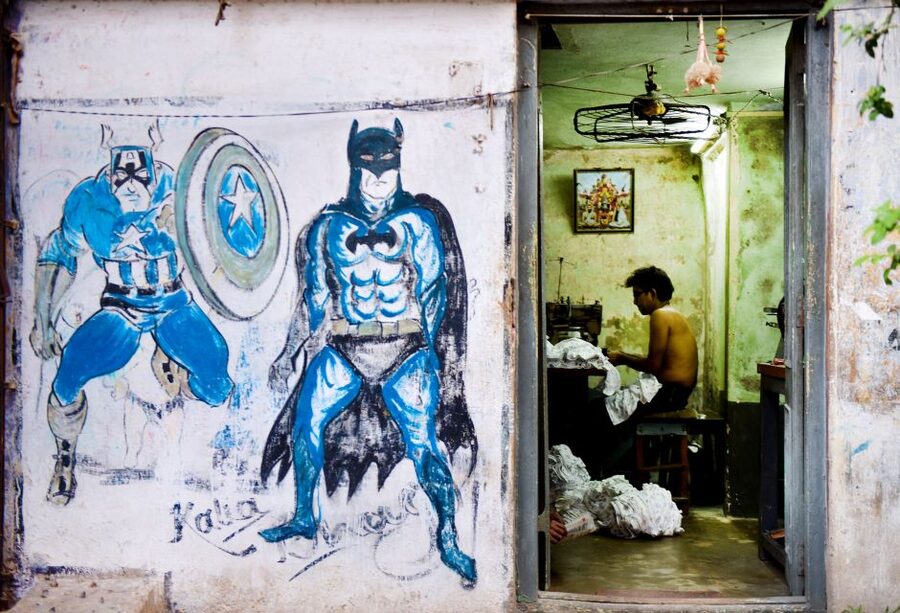
The guides are the heart of the tour. English is the tour language, and the strongest guide reports describe clear explanations, patience, warmth, and a good sense of how to discuss difficult subjects.
Ruba is praised for explaining industries, living conditions, and the different communities that make up Dharavi. Ruqaiyya is described as someone with around 20 years of connection to the area, and several visitors appreciated her ability to answer questions and help them feel safe. Jay, also called Jawwad, is noted for educational commentary and easy communication.
Sharon’s route included pottery, leather work, bakeries, recycling, family businesses, and a rooftop view. She also placed strong emphasis on privacy and respect. Ansh led a very small group that ended up being only two people, which shows that the experience can sometimes feel almost private even when booked as a group tour.
Other named guides include Subhan or Subhan Sayed, Chirag, Ravi, Rohid, Ruba, and Jawar. The guide assigned to you may differ, so do not book on the assumption that you will receive one particular person unless the booking system allows you to select a guide.
The repeated praise for the guides is important because the subject needs care. A poor guide could reduce the walk to spectacle. A thoughtful one can explain difficult realities while showing the skills, pride, and effort found in the neighborhood.
The rooftop view and Mumbai’s sharp contrast
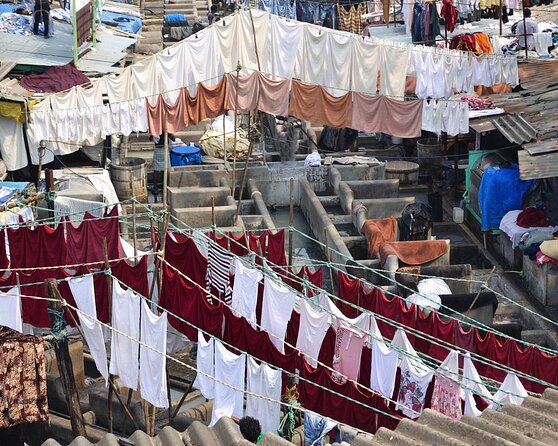
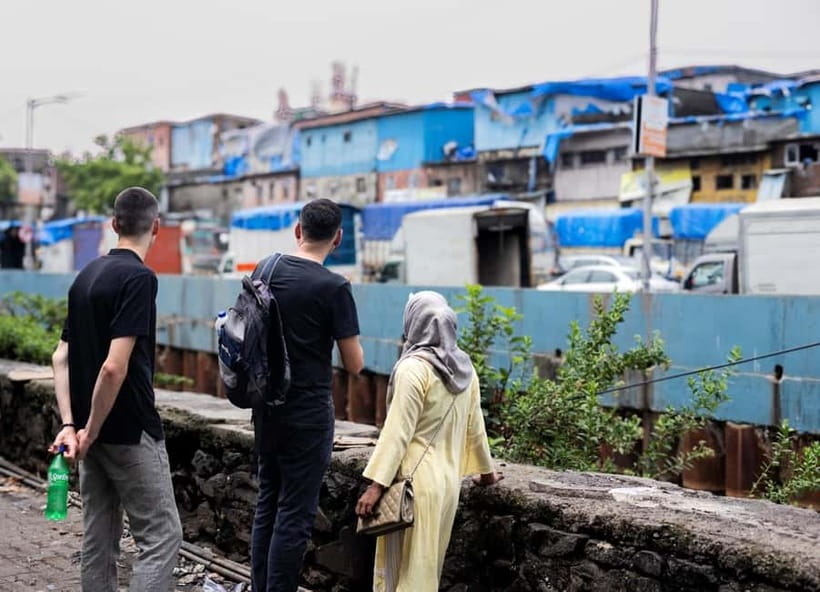
Some routes include a rooftop viewpoint across the dense rooftops of Dharavi, with Mumbai’s larger skyline beyond. If that stop is part of your route, it can bring the whole visit together in one glance.
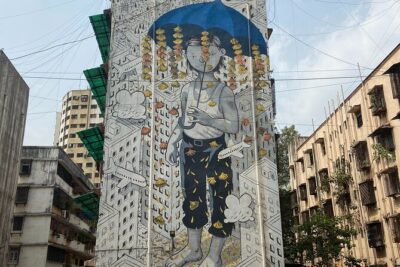
From above, the contrast is immediate. The tightly packed roofs and narrow lanes sit beside the larger city, where modern offices and expensive apartments rise nearby. The view is striking, but it should not become the only memory you take away.
I would treat the rooftop as a useful visual pause, not a promise that defines every tour. Routes can vary, and the supplied information does not guarantee this stop for every booking. The more important part is the explanation of the neighborhood below.
Photography, privacy, and respectful conduct
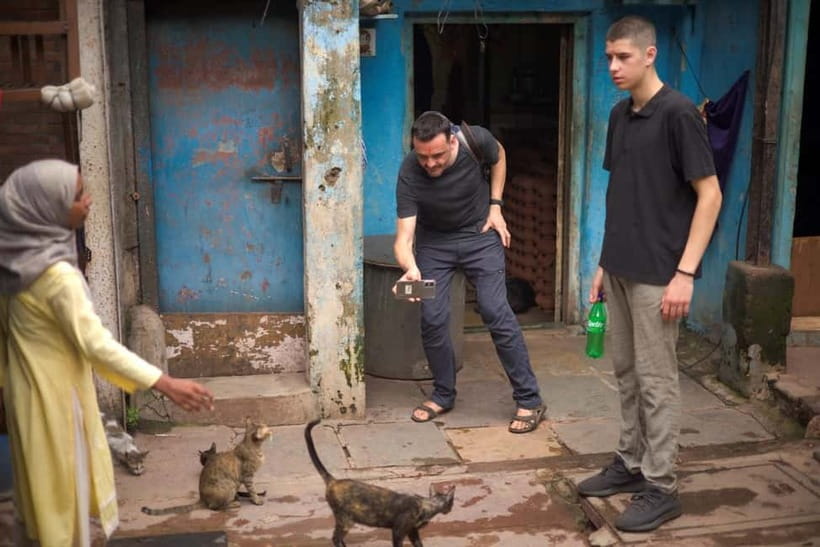
Photography requires judgment. One past visitor felt comfortable taking photos and videos, but that does not mean every person or workplace welcomes a camera. Ask your guide before photographing people, workshops, homes, or active work.
Keep your camera down when someone appears uncomfortable. Do not photograph children without clear permission, and do not block lanes while trying to frame a shot. You are entering a place where people live and earn their income, not walking through a staged attraction.
A respectful visit also means avoiding language that treats residents as scenery. Ask about work, housing, migration, and community life rather than demanding dramatic stories. The guide can help you understand what is appropriate.
Large bags and luggage are not allowed. That rule is practical in narrow lanes, where a bulky suitcase would get in the way. Carry only what you need for two hours, such as a phone, wallet, water, and booking details.
Is $7 good value?
At $7 per person, the tour offers strong value if you want guided context rather than a quick look from outside. The price includes a local English-speaking guide, the walking route, and interactive contact with artisans and craftspeople. Food, drinks, hotel transport, and personal purchases are extra.
The low price does not mean the walk is lightweight. A good guide can change what you notice and help you ask better questions. You are paying less for physical attractions and more for interpretation, access, and local knowledge.
There are limits. Two hours will not provide a full study of Dharavi, and the experience does not include a meal or transport from your hotel. If you want an extended social program, a cooking lesson, or a longer craft workshop, this is not that kind of outing.
For a first visit to Mumbai, though, the cost is easy to justify. It gives you a grounded look at the city’s working life without taking up half a day. A private group is available if you want more control over the pace or prefer a quieter conversation.
Who should take this walk?
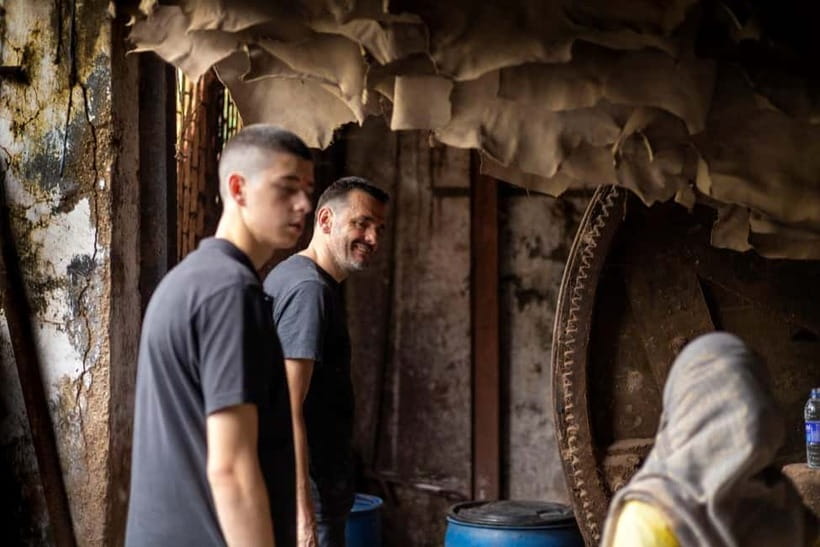
I would recommend it to first-time Mumbai visitors who want to understand the city beyond major landmarks. It also suits people interested in urban economies, craft production, social history, migration, and community life.
The tour works well for curious adults, students, photographers who can follow privacy rules, and anyone who prefers direct conversation to passive sightseeing. It is particularly useful if you have been staying in a more polished part of Mumbai and want to understand how different parts of the city connect.
You should think twice if you dislike crowded walking routes, noisy streets, or emotionally complicated subjects. This is not a gentle postcard outing. The guide may discuss difficult living conditions alongside resourcefulness and work, and some sights may stay with you after the tour.
Families should consider the age and sensitivity of children before booking. The tour data does not specify a minimum age, so ask the operator if that matters for your group.
Practical tips for a better two hours
Wear light, comfortable clothing and shoes suitable for walking. You will be on foot for the full main portion of the experience, with no hotel transport included.
Leave suitcases and large bags at your hotel. The no-luggage rule is especially sensible here, where narrow lanes and active workshops leave little room for bulky belongings.
Read the meeting instructions closely. The available start options include Third Wave Coffee and Ram Mahal, while the activity information also refers to Mahim Station. Confirm the exact point and allow time for Mumbai traffic and station navigation.
Keep your questions open and respectful. Ask how a workshop operates, where materials come from, how families organize work, or how the neighborhood has changed. Those questions invite explanation without putting residents on display.
If you need flexibility, free cancellation is available up to 24 hours before the tour for a full refund. You can also reserve now and pay later, which helps if your Mumbai schedule is still shifting. Check availability for the start times on your chosen date.
Should you book the Dharavi tour?
Book it if you want a short, affordable, guide-led introduction to one of Mumbai’s most important working communities. The strongest reason to go is the quality of the local interpretation, especially with guides such as Ruba, Ruqaiyya, Jay, Sharon, or Ansh, whose styles include careful explanations, personal stories, and practical help.
Do not book it expecting a theme-park attraction or a poverty photo stop. Go ready to walk, listen, ask thoughtful questions, and respect privacy. At $7 for two hours, this is a very good-value choice for a visitor who wants to see how people work and live in Mumbai, not just its famous buildings.
FAQ
How long does the Dharavi tour last?
The guided walking tour lasts two hours.
What language is the tour conducted in?
The live tour guide speaks English.
Where does the tour start?
The available starting options are Third Wave Coffee and Ram Mahal. The meeting point may vary according to the option booked, and the activity information also refers to a Mahim Station meetup, so check your booking details carefully.
Where does the tour finish?
The listed drop-off options are Ram Mahal and Third Wave Coffee.
Is hotel pickup included?
No. Hotel pickup and drop-off are not included.
What should I bring?
Wear comfortable clothes. Large bags and luggage are not allowed.
Can I book a private group?
Yes. A private group option is available.
Just added around Mumbai
- Temples & Vineyards: Private Tour to Nashik from Mumbai★ 4.5 · 3 reviews
- Mumbai: Private City sightseeing and Dharavi Slum Tour★ 5.0 · 3 reviews
- Mumbai: Full Day City Sightseeing with Lunch, Car & Guide★ 4.3 · 3 reviews
- Elephanta Island Private Speedboat Tour from Mumbai – 6pax★ 5.0 · 3 reviews
- Mumbai: Elephanta Island and Elephanta Caves Guided Tour★ 4.4 · 3 reviews
- Mumbai Sightseeing Tour by Public Transport with family Lunch★ 5.0 · 3 reviews
- Mumbai by Dawn★ 4.5 · 3 reviews
- Mumbai: Dhobi Ghat & Dharavi Slum tour★ 4.7 · 3 reviews
Dharavi Slum Tours, compared.
Dharavi slum tour in Mumbai by Female tour guides of the slum
Read our review →
Dharavi Slum Slumdog Millionaire Tour with a Local
Read our review →
Mumbai Slum Tour – Visit Dharavi Slum with Local Guide
Read our review →
Dhobi Ghat Laundry and Dharavi Slum Tour with Local
Read our review →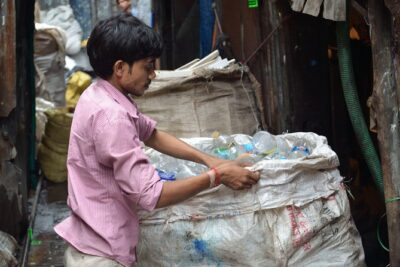
Browse the lists this tour appears in