
Reviewed · DHARAVI SLUM TOURS
“Mumbai Dharavi Slum Tour”
Dharavi is far more than a maze of cramped lanes. It is also a place of work, trade, family life, schools, pottery, leather goods, and small factories. This walking tour takes you through both sides of that story, with a local guide to explain what you are seeing and help you speak with residents.
I like the focus on working communities, especially the recycling, clothing, luggage, and leather workshops. I also like that the route includes Kumbharwada, the pottery district, rather than stopping at a quick roadside glance. The main consideration is that Dharavi is a lived-in neighborhood, not a staged attraction, so you need to walk respectfully and accept that some passages are narrow, crowded, and basic.
In This Review
- Key points
- Why Dharavi needs a local guide
- Starting at Mahim and crossing into Dharavi
- The industrial side: recycling and small factories
- Crossing into the residential area
- Markets, schools, and everyday routines
- Kumbharwada and the pottery tradition
- Walking the narrow alleys with care
- Price, timing, and what you receive
- Who should book this Dharavi walk?
- My call: book it for context, not spectacle
- FAQ
- Where does the Dharavi tour meet?
- How long does the activity last?
- What language is the tour offered in?
- What areas of Dharavi will I visit?
- Will I see pottery being made?
- Is bottled water included?
- Are meals included?
- Can I book a private group?
- What is the cancellation policy?
Key points
- Local guides with personal ties: Guides such as Ravi, who grew up in Dharavi, can explain the area from direct experience.
- Industrial and residential areas: The route shows both the small factories and the homes that sit close together.
- Hands-on local industries: See recycling, clothing, backpacks, luggage, leather work, and traditional pottery.
- A walking route through narrow alleys: You cross a railway bridge, pass the large Mumbai sewer, and enter lanes most visitors would not find alone.
- English and Hindi tours: The experience is offered with a live guide in either language, with private groups available.
- Low-cost introduction to Dharavi: At $4.39 per person, the tour offers a great deal for a guided walk, though meals are not included.
Why Dharavi needs a local guide
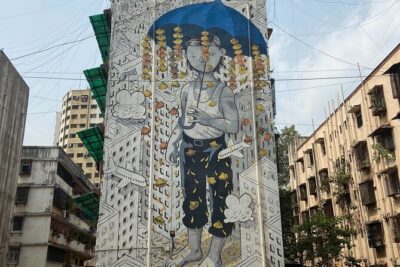
Dharavi can be hard to understand from a passing train or a city sightseeing bus. From outside, you may see dense housing and narrow lanes. Inside, you find a working neighborhood with homes, workshops, markets, schools, and religious and community spaces close together.
That is why this experience works best as a guided walk. Your guide provides the setting before you enter, including a discussion of slums around the world and an explanation of Dharavi itself. You are not left to guess whether a building is a home, a workshop, a storage room, or all three.
The guide also helps with local conversations. That matters because a polite exchange can tell you more than a quick photograph. You can ask about work, migration, education, and daily routines while your guide handles the language and social setting.
Several guides connected with this experience have received especially warm praise. Javed is described as enthusiastic and clear. Ruqaiyya is noted for her strong English and friendly manner. Ravi grew up in the area and knows its lanes and stories, while Kavita brings first-hand familiarity from growing up nearby. Guide assignments can vary, so you should not assume a particular person will lead your walk, but the local connection is an important part of the experience.
More Dharavi walking tours:
- Dharavi slum tour in Mumbai by Female tour guides of the slum
★ 5.0 · 1,976 reviews - Mumbai: Dharavi Slum, DhobiGhat, and Dabbawallas Tour
★ 4.9 · 689 reviews - Dharavi Slum Tour
★ 5.0 · 625 reviews
Starting at Mahim and crossing into Dharavi
You meet at a coffee shop near Mahim train station on the west side. The exact starting point can depend on the option you select, so check the booking details carefully before setting out.
The tour begins on foot, with a railway bridge leading toward Dharavi. This is a useful transition. You leave the main city streets and enter a district that is often misunderstood from a distance. Along the way, the guide sets out the broad picture before the route becomes more detailed.
The walking portion inside Dharavi is listed as about two hours, while the full activity can last from two to three and a half hours. That difference likely reflects the selected timing and the amount of discussion at each stop. I would allow room in your schedule rather than placing this immediately before an important train, flight, or reservation.
You receive packaged bottled water, but food is not included. Wear clothing suited to the weather, and choose comfortable clothes for walking. Women are specifically advised not to wear very short outfits. That is a simple way to show respect for the neighborhood and avoid unnecessary discomfort.
The industrial side: recycling and small factories
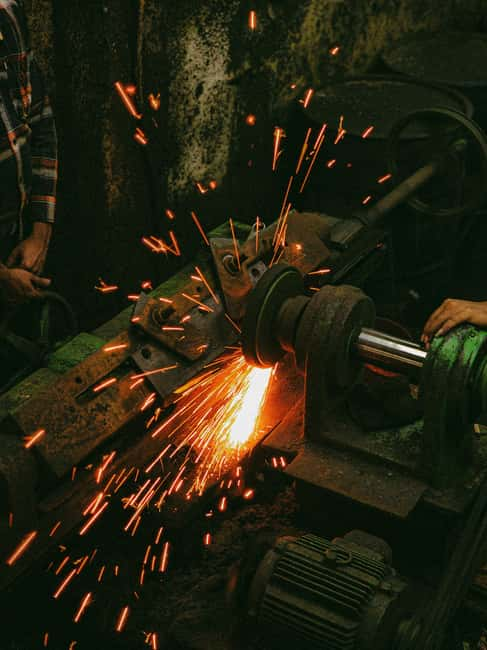
The first major section focuses on Dharavi’s industrial area. The route includes recycling work involving plastic, wood, cardboard, and other materials. You learn how these activities fit into the local economy and how migrants have made lives and businesses in the area.
This is one of the most useful parts of the tour because it corrects a common mistake. Dharavi is not only a place of need. It is also a place where people work, produce goods, repair materials, and earn a living. The workshops make that visible.
You may see manufacturing sites connected with clothing, backpacks, and luggage. These are not large showrooms designed for sightseeing. They are working places, so the experience depends on what is operating during your visit and what your guide can arrange or point out.
That is also the point where you should keep your expectations realistic. This is a walking tour through an active neighborhood, not a formal factory visit with displays and demonstrations at set times. The benefit is that you see working spaces as part of daily life. The drawback is that conditions may feel rough, crowded, or visually intense.
The guide also discusses migrants and living conditions. This context adds meaning to the workshops around you. You begin to see how work and housing are linked, how families may live close to their businesses, and why Dharavi cannot be reduced to a simple label.
Crossing into the residential area
After the industrial section, you cross a street into the residential part of Dharavi. The change may not feel dramatic at first, because work and housing are closely connected. That overlap is central to understanding the neighborhood.
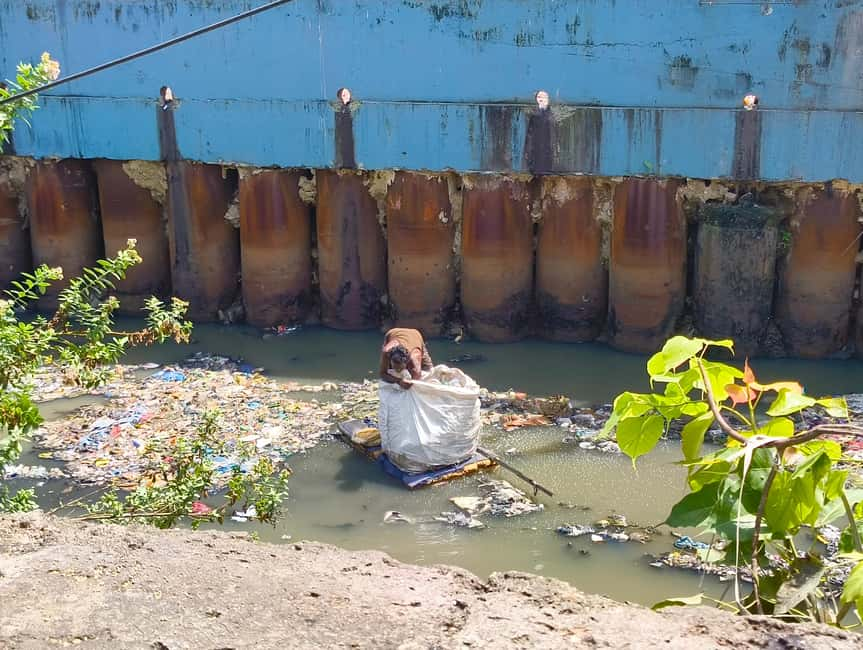
One feature included on the route is what is described as the largest sewer in Mumbai. It is a stark reminder of the infrastructure pressures in a densely settled area. The guide can place it in context, helping you understand the practical challenges without turning the stop into a spectacle.
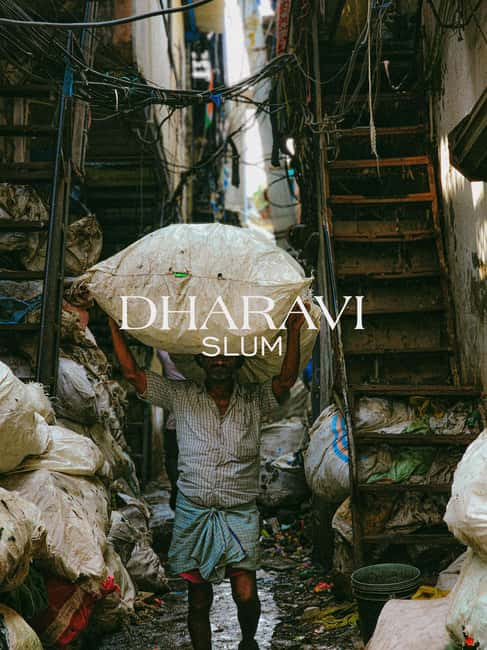
You should be prepared for close quarters. The route goes through narrow alleys, and the homes and businesses are part of an ordinary residential setting. Keep your voice low, follow the guide, and ask before taking photographs. The supplied information does not state a formal photography policy, so respectful judgment is the safest approach.
This is also where the tour asks more of you as a visitor. You are not simply looking at old buildings or public monuments. People live here, children go to school here, and work continues around you. I appreciate tours that make this clear rather than presenting poverty as entertainment.
A completely different way to spend a day in Mumbai:
- Mumbai: Full-Day Sightseeing Tour of Mumbai
★ 4.9 · 1,822 reviews - Private Mumbai Sightseeing Tour (Traveller’s Choice Award Winner)
★ 5.0 · 1,565 reviews - Elephanta Caves & Island Guided Private Tour
★ 5.0 · 1,327 reviews - Group Guided Walking Tour in Fort and Colaba
★ 5.0 · 1,073 reviews
Markets, schools, and everyday routines
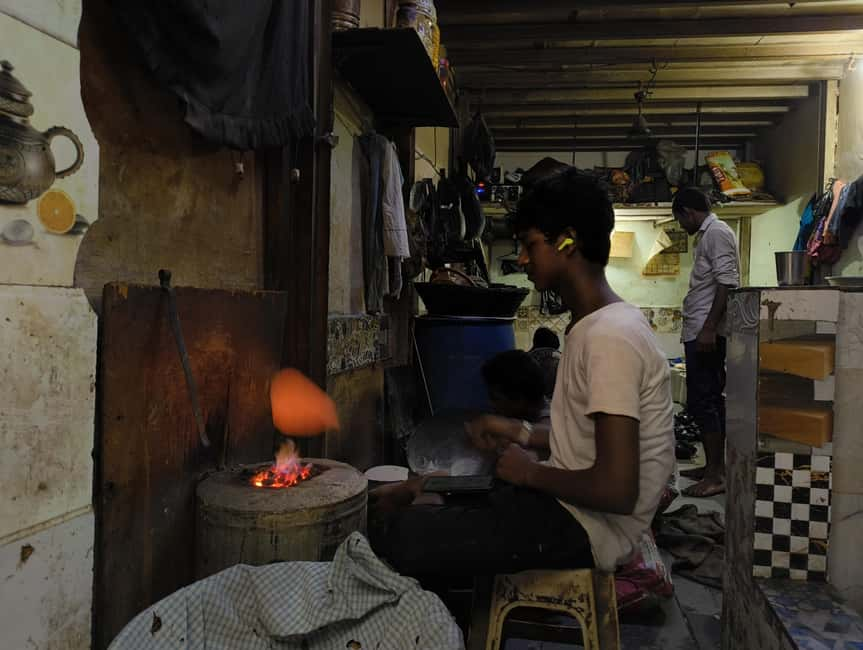
The residential route includes a local market with fresh produce. A market stop gives the walk an everyday rhythm. Instead of seeing Dharavi only through its industrial work, you see how residents buy food and manage ordinary household needs.
The tour also passes various schools and discusses educational practices. The information provided does not promise entry into every school, a classroom visit, or a set presentation by teachers. Think of this as an opportunity to learn how education fits into local life, with the guide explaining what you see.
For you, the value is in the connection between the different stops. The market, schools, homes, and workshops are not separate attractions. They form one neighborhood where families work, study, shop, and live within a small area.
The route then turns to leather manufacturing. Again, the emphasis is on seeing a local trade and learning how products are made. The amount of production you see may vary, but the stop adds another layer to the area’s working economy.
If you prefer polished museums and carefully arranged exhibits, parts of this walk may feel unstructured. If you want a closer look at how a neighborhood functions, the less polished format is precisely the point.
Kumbharwada and the pottery tradition
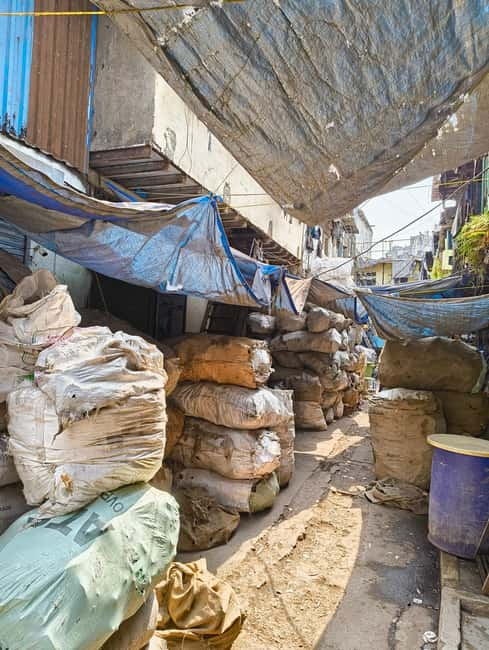
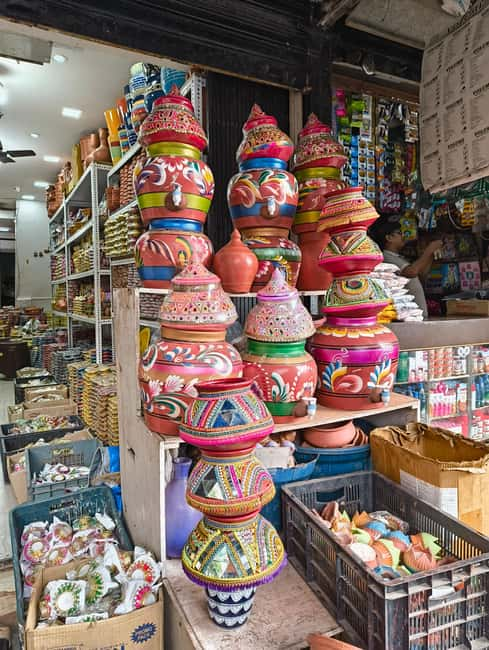
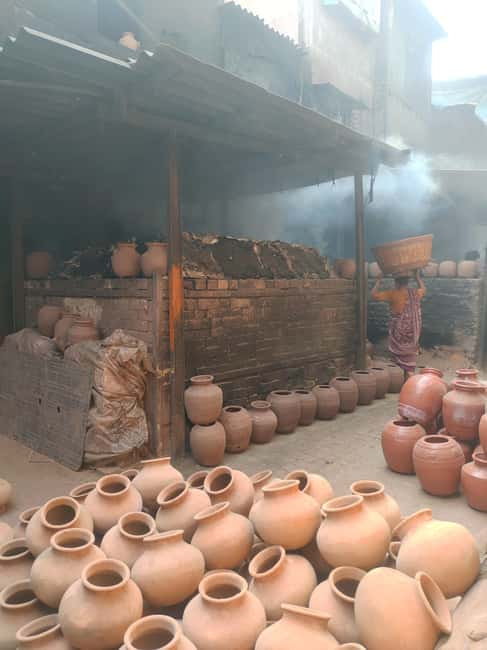
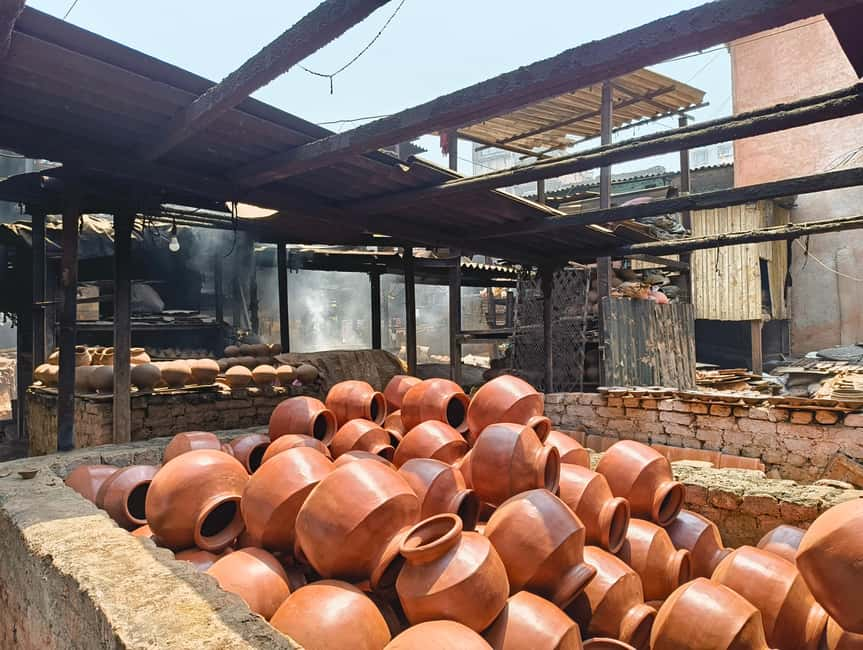
Kumbharwada is one of the most distinctive stops. It is known for pottery, and the tour lets you see traditional pot-making skills in the neighborhood.
This section helps balance the focus on recycling and factory production. Pottery connects the area to a long-running craft tradition, while the other stops show newer forms of manufacturing and recycling. Together, they give you a wider view of Dharavi’s work.
The description does not promise that you will make a pot yourself, so book this for observation and explanation rather than a hands-on craft class. You can expect to see the pottery area and learn about the process from the guide.
I would pay close attention here. A short explanation of how clay becomes a useful household object can be more memorable than a rushed photo stop. It also gives you a chance to notice how traditional skills continue beside modern production.
Walking the narrow alleys with care
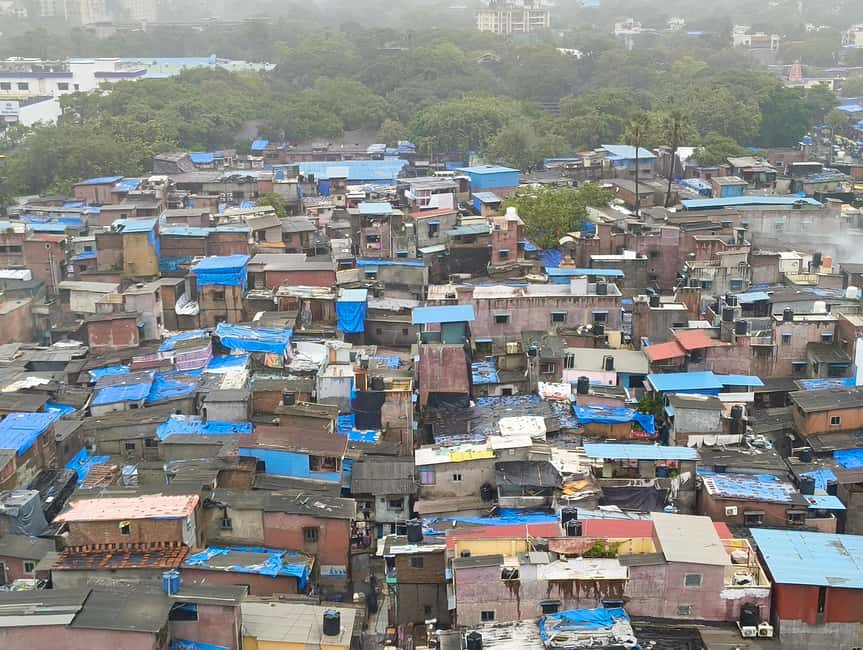
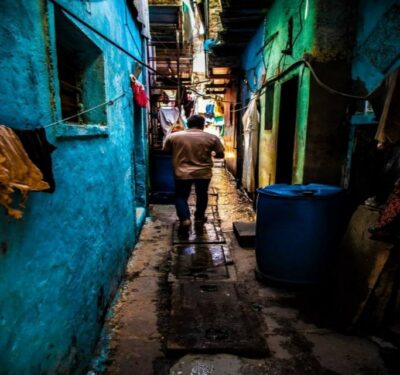
The alleys are a major part of the route. You explore passages that you would be unlikely to find on your own, with the guide leading the way through the confusing layout.
That maze-like quality is interesting, but it can also be tiring. The experience is a walking tour, and the information supplied does not promise accessible paths, elevators, seating, or smooth pavement. Anyone who has difficulty walking should ask the operator for more details before booking.
The lanes also require good manners. Do not block doorways, stare into homes, or treat people as scenery. Listen when the guide explains where you may stand and how to speak with residents. The goal is to learn about daily life, not to collect dramatic images.
A strong guide makes a real difference here. Ravi’s personal background in Dharavi is especially relevant because he can connect the physical route with local stories and daily routines. Other guides, including Javed, Ruqaiyya, and Kavita, have also been described as friendly, clear, and engaging. Since the assigned guide may change, the useful question is not simply who leads the walk, but whether that person can explain the neighborhood with respect and ease.
Price, timing, and what you receive
At $4.39 per person, this is an unusually inexpensive way to get a guided introduction to Dharavi. The price includes an English-speaking guide and packaged bottled water. Meals are not included, and the experience is built around walking rather than transport or admission tickets.
The value comes from access and interpretation. You could walk near Dharavi on your own, but you would not necessarily know which lanes lead to workshops, how the industries connect, or how to approach conversations respectfully. A local guide gives the route structure and provides context.
The duration ranges from two to three and a half hours. Dharavi itself is listed as about a two-hour guided walk, but the total time may depend on the selected start and finish arrangement. The tour ends back near the train station, with the stated drop-off options including Mumbai and Third Wave Coffee.
Free cancellation is available up to 24 hours before the activity for a full refund. You can also reserve and pay later, which is useful if your Mumbai schedule is still changing. Starting times depend on availability, so check the current options rather than assuming a fixed departure.
Private groups are available. That may suit you if you want to ask many questions, prefer a slower pace, or are traveling with family or friends. A private option may cost more than the advertised per-person rate, so confirm the price for your selected group.
Who should book this Dharavi walk?
I would recommend it to you if you want a human and economic view of Mumbai. The tour is especially useful for first-time visitors who want to understand how a dense neighborhood works beyond the city’s famous sights.
It suits curious walkers who are comfortable with simple surroundings, narrow lanes, and an active residential setting. It also suits anyone interested in migration, recycling, small manufacturing, education, pottery, or the relationship between work and housing.
You may want to choose a different activity if you are looking for a relaxed sightseeing walk, a food tour, or a formal museum-style presentation. This route can be emotionally demanding, and the subject of living conditions is not easy. The guide’s role is important in keeping the experience informative and respectful.
The tour has earned a perfect 5 rating from seven recorded bookings, with particular praise for guide enthusiasm, English communication, local knowledge, reliability, and personal ties to Dharavi. That is encouraging, but the number of ratings is still small. I would treat the strong guide feedback as a reason to consider the tour, not as a guarantee that every departure will feel identical.
My call: book it for context, not spectacle
Book this tour if you want to meet Dharavi as a working neighborhood. The route covers recycling, manufacturing, markets, schools, leather, pottery, and residential lanes, giving you much more than a quick look from a main road.
The $4.39 price makes it easy to justify, especially because a guide, local explanation, and bottled water are included. Wear suitable clothing, allow at least several hours, and approach the neighborhood with patience and respect.
I would skip it only if you dislike walking through crowded residential areas or want a polished attraction with fixed displays. For everyone else, this is a direct, low-cost way to see a part of Mumbai that is often misunderstood.
FAQ
Where does the Dharavi tour meet?
You meet at a coffee shop near Mahim train station on the west side. The exact starting location can depend on the option selected.
How long does the activity last?
The full activity lasts between two and three and a half hours. The guided walk inside Dharavi is listed as about two hours.
What language is the tour offered in?
The live guide can conduct the tour in English or Hindi.
What areas of Dharavi will I visit?
You visit the industrial area and residential area. The route includes recycling activities, manufacturing sites, a local market, schools, leather production, Kumbharwada, and narrow residential alleys.
Will I see pottery being made?
The tour visits Kumbharwada, an area known for pottery, where you can see traditional pot-making skills.
Is bottled water included?
Yes. Packaged bottled water is included.
Are meals included?
No. Meals are not included in the activity.
Can I book a private group?
Yes. A private group option is available.
What is the cancellation policy?
You can cancel up to 24 hours in advance for a full refund. You can also reserve now and pay later.
Just added around Mumbai
- Temples & Vineyards: Private Tour to Nashik from Mumbai★ 4.5 · 3 reviews
- Mumbai: Private City sightseeing and Dharavi Slum Tour★ 5.0 · 3 reviews
- Mumbai: Full Day City Sightseeing with Lunch, Car & Guide★ 4.3 · 3 reviews
- Elephanta Island Private Speedboat Tour from Mumbai – 6pax★ 5.0 · 3 reviews
- Mumbai: Elephanta Island and Elephanta Caves Guided Tour★ 4.4 · 3 reviews
- Mumbai Sightseeing Tour by Public Transport with family Lunch★ 5.0 · 3 reviews
- Mumbai by Dawn★ 4.5 · 3 reviews
- Mumbai Dharavi Slum Community Tour★ 5.0 · 3 reviews
Dharavi Slum Tours, compared.
Dharavi slum tour in Mumbai by Female tour guides of the slum
Read our review →
Dharavi Slum Slumdog Millionaire Tour with a Local
Read our review →
Mumbai Slum Tour – Visit Dharavi Slum with Local Guide
Read our review →
Dhobi Ghat Laundry and Dharavi Slum Tour with Local
Read our review →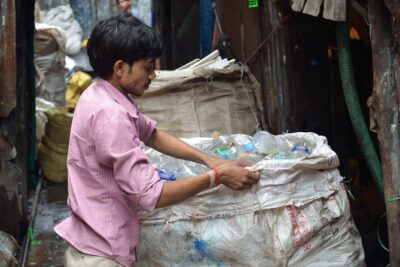
Browse the lists this tour appears in