
Reviewed · DHARAVI SLUM TOURS
Life In Dharavi: A Guided Tour Of Dharavi Slum
Dharavi is more than the film image many visitors carry in their heads. This private tour takes you into a working community where recycling, pottery, soap production, embroidery, and other small industries support local families. Local guides such as Bharti and Divya can add a personal connection, especially since both have strong ties to Dharavi.
I like the private transport and private guiding, which keep a sensitive visit more personal and less like a large procession. I also like the chance to see businesses at work and hear about Dharavi from people connected to the area. The main consideration is that this is a tour of a densely populated, low-income neighborhood, so you need to approach it with care, modesty, and respect.
In This Review
- Key points to know before booking
- Seeing Dharavi beyond the movie image
- Starting with private pickup from your Mumbai hotel
- Walking through Dharavi’s working neighborhoods
- Meeting guides with a personal link to Dharavi
- Understanding Dharavi’s future and redevelopment plans
- The ethics of visiting a low-income community
- What the $54 price includes
- Who will get the most from this tour
- My call on this Dharavi visit
- FAQ
- Where does the tour take place?
- How long does the experience last?
- Is hotel pickup included?
- Is the vehicle air-conditioned?
- Is this a private tour?
- Is the tour conducted in English?
- Who might guide the tour?
- What kinds of work might I see in Dharavi?
- Is lunch included?
- Can I cancel for a full refund?
Key points to know before booking
- Local connection: Guides including Bharti and Divya have lived in or come from Dharavi, giving the visit a direct human perspective.
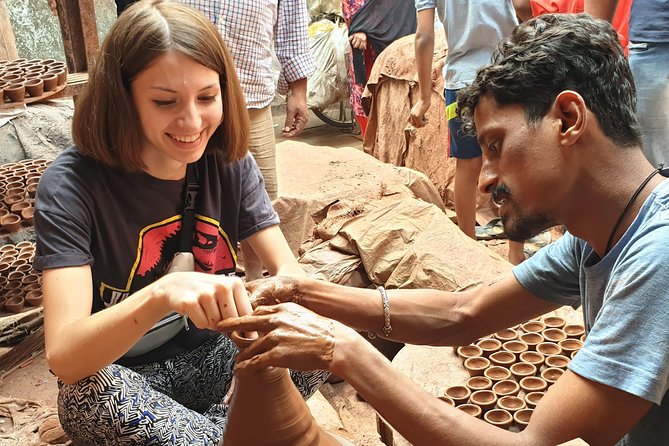
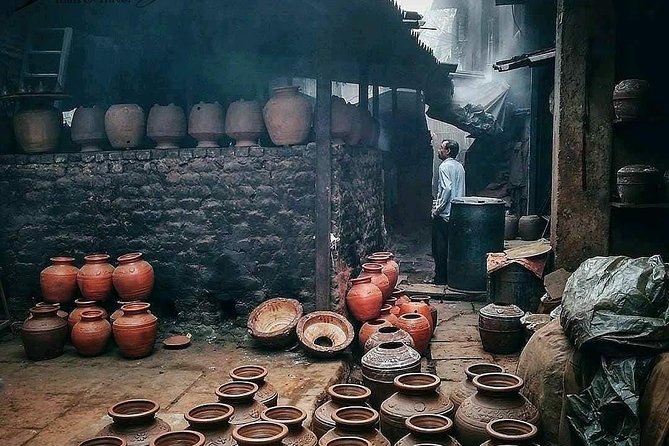
- Working industries: Expect to see areas linked with plastic recycling, soap making, pottery, embroidery, and other small-scale production.
- Private setup: Only your own group takes part, with private hotel transportation in an air-conditioned vehicle.
- Four-hour commitment: The visit takes about four hours, with roughly three hours listed for the Dharavi portion.
- Practical value: At $54 per person, the price includes transport, a guide, and bottled water, but not lunch.
- A sensitive choice: The tour asks you to look beyond poverty and understand a real residential and business community.
Seeing Dharavi beyond the movie image
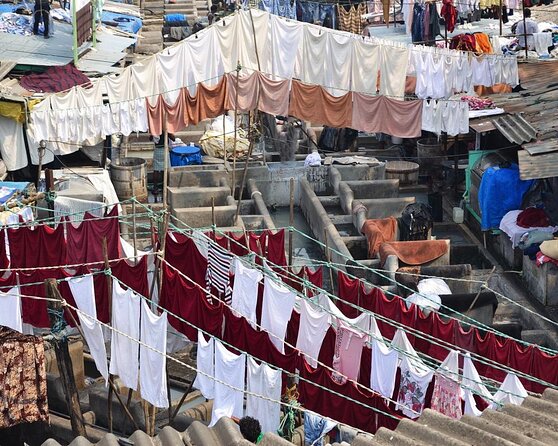
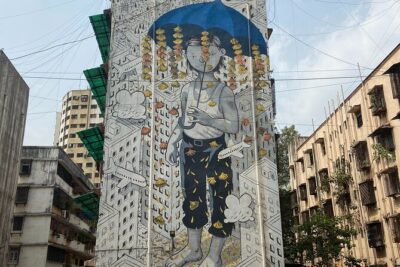
Dharavi became widely known outside India through Slumdog Millionaire. That connection can draw people here, but it can also create a narrow picture of the area. This tour is most useful when you set the film aside and pay attention to the people, work, housing pressures, and plans for the community’s future.
Dharavi sits on valuable property in the middle of Mumbai, between two main suburban rail lines. That location helps explain why so many people live here. The area offers comparatively affordable housing in a city where rents are among the highest in the world, and its rail connections make it practical for people working elsewhere in Mumbai.
The community is home to more than a million people, including many second-generation residents. Some families have lived here for years, and some guides have lifelong ties to the neighborhood. That matters because the visit is not simply a view from outside. You have a chance to hear how residents understand their own homes and workplaces.
The economic picture is complicated. Daily wages can be as low as 185 rupees, or about $4, according to the supplied tour information. At the same time, Dharavi contains many productive businesses and workshops. A good visit holds both facts together. It should not reduce the area to hardship, but it should not ignore hardship either.
More Dharavi walking tours:
- Dharavi slum tour in Mumbai by Female tour guides of the slum
★ 5.0 · 1,976 reviews - Mumbai: Dharavi Slum, DhobiGhat, and Dabbawallas Tour
★ 4.9 · 689 reviews - Dharavi Slum Tour
★ 5.0 · 625 reviews
Starting with private pickup from your Mumbai hotel
The tour includes private transportation from your hotel in an air-conditioned vehicle. For a four-hour outing in Mumbai, this is a meaningful convenience. You do not need to work out separate transport to the meeting point, and your own group can travel together rather than joining a larger coach.
The private arrangement also gives you more room to ask questions. A guide can adjust the pace and focus to your interests, though the exact route and timing may vary. Since the tour is private, you are not tied to the needs of a large group.
Bottled water is included. That is a small but useful detail in Mumbai, especially when you are walking through crowded streets and industrial areas. Lunch is not included, so plan to eat before or after the tour rather than expecting a meal during the visit.
The full activity lasts about four hours, while the Dharavi portion is listed as three hours. The remaining time is likely used for transportation and transitions. You should still treat the half-day as a firm commitment, since Mumbai traffic can affect how quickly you move around the city.
Walking through Dharavi’s working neighborhoods
The main part of the visit takes place inside Dharavi. This is not presented as a museum or staged attraction. It is a real residential and commercial area where people live, work, move goods, and run small businesses.
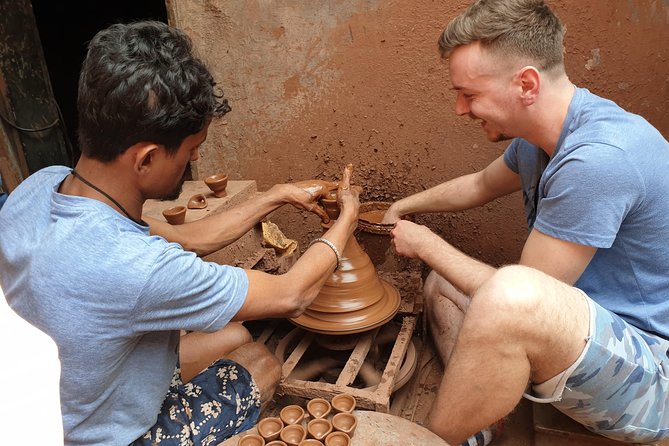
Your guide explains how the area developed and how residents earn a living. The most interesting part for many visitors is the range of industries packed into a small space. The tour information specifically points to plastic recycling, soap production, pottery, and embroidery. You may see work areas linked with these trades and learn how goods are made, handled, or prepared for sale.
This focus on work gives the tour more substance than a simple walk through residential lanes. You begin to understand Dharavi as an economic center, not only as a place defined by poverty. Small-scale production supports households and helps explain why the area has such an important place in Mumbai’s economy.
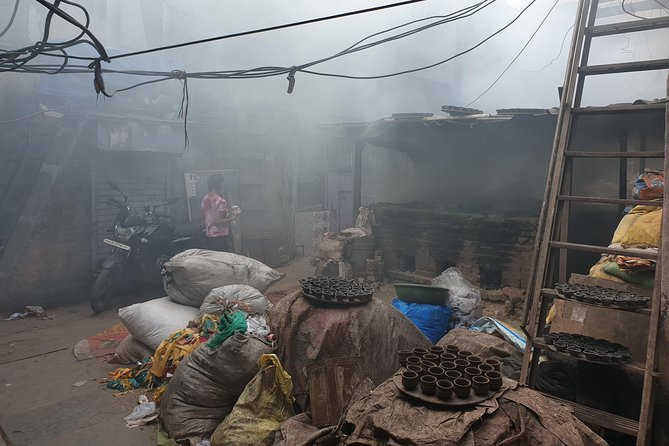
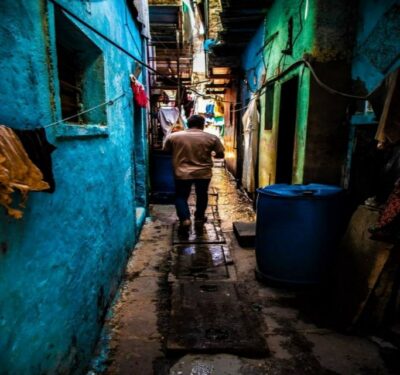
At the same time, conditions may be basic and crowded. You should expect a close, urban setting rather than wide streets or a polished visitor route. The tour is not a comfortable sightseeing stop in the usual sense. Its value comes from context and conversation, not from scenery or attractions built for visitors.
Meeting guides with a personal link to Dharavi
The most praised part of this experience is the connection with its guides. Bharti is described as having lived in Dharavi all her life, with children who are fifth-generation residents. Divya is identified as the first female guide from Dharavi and as a local pioneer.
Those details change the tone of the visit. A guide who grew up in the area can explain daily routines, family connections, work, and change in a way that a guide from outside may not. You can ask questions about how the neighborhood functions rather than relying on the usual outsider’s description.
Bharti’s English and personal knowledge are highlighted as useful strengths. Divya is also described as welcoming and closely connected to the community. You may not be assigned one of these two guides, but their backgrounds show the kind of local perspective this tour aims to provide.
A local guide cannot answer every question about every household, and one person’s experience is not the same as the whole community’s experience. Still, personal connection is especially important in a place where visitors need help understanding what they are seeing. Your guide serves as a bridge, not a narrator standing apart from the neighborhood.
A few more Mumbai tours and experiences worth a look
- Elephanta Caves & Island Guided Private Tour
★ 5.0 · 1,327 reviews - Group Guided Walking Tour in Fort and Colaba
★ 5.0 · 1,073 reviews - Mumbai: Elephanta Caves Half-Day Guided Tour with Expert
★ 4.8 · 1,032 reviews - Private Guided Walking Tour in Fort & Colaba
★ 5.0 · 895 reviews
Understanding Dharavi’s future and redevelopment plans
The tour also addresses plans for Dharavi’s development. That topic matters because the area occupies prime property in central Mumbai. Redevelopment may bring new housing and infrastructure, but it can also raise difficult questions about who benefits, where residents go, and what happens to the small businesses that make the area work.
The supplied details do not promise a specific redevelopment presentation or a fixed set of stops. Instead, you should expect your guide to discuss the broad issue and explain how change may affect residents and local industries. Ask direct questions if this is a major reason for booking.
This is one reason I prefer the tour’s community focus to a quick photo stop. You are not only seeing current conditions. You are also considering how a neighborhood with generations of residents and thousands of small businesses fits into a rapidly changing Mumbai.
Do not expect a final answer to the redevelopment debate. The useful result is a clearer understanding of why the issue is difficult. Housing, wages, transport, business space, and residents’ rights all matter at once.
The ethics of visiting a low-income community
A tour of Dharavi requires more thought than an ordinary city excursion. You are entering a place where people live and work, not visiting a set designed for outside observation. The best way to take part is to remain aware of your behavior at every moment.
Listen first. Let the guide explain when it is appropriate to stop, ask questions, or take photographs. Do not photograph people, homes, workshops, or children without clear permission. Keep your clothing and behavior respectful, and avoid treating ordinary household activity as entertainment.
The tour’s stated purpose is to help you learn from people who live in Dharavi and to engage with the community. That does not remove every ethical concern, but it gives the visit a stronger purpose than simply looking at poverty. You should book only if you are ready to see the area as a home and workplace.
I also suggest avoiding comparisons with your own income or housing in a casual way. The facts about low wages and crowded conditions are important, but the people you meet are not examples in a lesson. They are residents, workers, parents, and business owners.
What the $54 price includes
The price is $54 per person. For a private half-day experience in Mumbai, that can be fair value if you want personal transport and a guide focused only on your group.
The included services are private transportation, an air-conditioned vehicle, bottled water, and the guided activity. Hotel pickup removes the cost and effort of arranging a separate ride to Dharavi. The private format also gives you more personal attention than a standard group walk.
Lunch is not included. That keeps the price easier to understand, but you need to budget for food separately. The tour also does not present a shopping package, meal, or added attraction as part of the experience, so the main value is the guide’s interpretation and access to the working areas.
Group discounts are offered. If you are traveling with family or friends, check the final price for your party before booking. The value improves when the per-person cost is spread across a larger private group, provided everyone in your party is comfortable with the tour’s subject.
Who will get the most from this tour
I would recommend this experience to you if you want to understand how Mumbai works at street level. It suits visitors who care about local livelihoods, housing, migration, small businesses, and the effects of redevelopment.
It is also a good fit if you want a private setting for questions. The guide can give your own group more attention, and the local backgrounds associated with Bharti and Divya add a human dimension that makes the visit easier to understand.
The tour may not suit you if you want a relaxed sightseeing walk, attractive views, or a polished cultural attraction. It can be confronting, and the setting may feel crowded or uncomfortable. That is not a flaw in Dharavi, but it is an important part of deciding if this is right for you.
Families can take part because most visitors can participate, but adults should prepare children carefully. Explain that people live and work here, and that the visit is about listening and learning, not pointing or taking casual photographs.
The tour is also near public transportation, though private transportation is included. Service animals are allowed. Confirmation is received at booking, and free cancellation is available up to 24 hours before the start time. Changes or cancellations made inside that 24-hour window are not accepted for a refund.
My call on this Dharavi visit
Book this tour if you want a direct, guided look at one of Mumbai’s most misunderstood communities. The strongest reasons are the local guide connection, the private format, and the chance to see real work in recycling, pottery, soap production, embroidery, and other small industries.
Go in with the right expectations. This is not a poverty-themed attraction and not a comfortable sightseeing circuit. It is a serious visit to a living neighborhood, and your respect matters as much as your curiosity.
At $54, the tour makes sense for you if hotel pickup, a private vehicle, and personal guiding are worth paying for. If you mainly want a quick view from a car or a film-related photo stop, choose something else. If you want context and a human explanation of Dharavi’s daily life, this four-hour experience is a thoughtful choice.
FAQ
Where does the tour take place?
The tour takes place in Dharavi, Mumbai, India.
How long does the experience last?
The full experience lasts approximately four hours. The Dharavi portion is listed as about three hours.
Is hotel pickup included?
Yes. Private transportation from your hotel is included.
Is the vehicle air-conditioned?
Yes. Transportation is provided in a private, air-conditioned vehicle.
Is this a private tour?
Yes. Only your group participates in the private activity.
Is the tour conducted in English?
Yes. The tour includes an English-speaking guide.
Who might guide the tour?
Guides associated with the experience include Bharti and Divya. Bharti has lived in Dharavi all her life, and Divya is identified as the first female guide from Dharavi.
What kinds of work might I see in Dharavi?
The tour includes exposure to local small-scale industries such as plastic recycling, soap making, pottery, and embroidery.
Is lunch included?
No. Lunch is not included in the price.
Can I cancel for a full refund?
Yes, if you cancel at least 24 hours before the experience’s start time. Cancellations or changes made less than 24 hours before the start time are not accepted for a refund.
Just added around Mumbai
- Temples & Vineyards: Private Tour to Nashik from Mumbai★ 4.5 · 3 reviews
- Mumbai: Private City sightseeing and Dharavi Slum Tour★ 5.0 · 3 reviews
- Mumbai: Full Day City Sightseeing with Lunch, Car & Guide★ 4.3 · 3 reviews
- Elephanta Island Private Speedboat Tour from Mumbai – 6pax★ 5.0 · 3 reviews
- Mumbai: Elephanta Island and Elephanta Caves Guided Tour★ 4.4 · 3 reviews
- Mumbai Sightseeing Tour by Public Transport with family Lunch★ 5.0 · 3 reviews
- Mumbai by Dawn★ 4.5 · 3 reviews
- Mumbai Dharavi Slum Community Tour★ 5.0 · 3 reviews
Dharavi Slum Tours, compared.
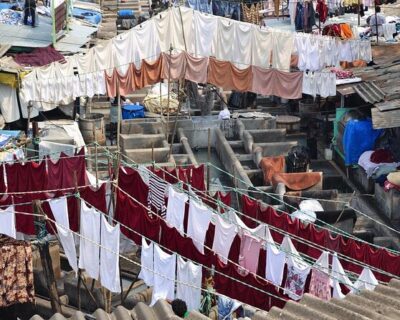
Dharavi slum tour in Mumbai by Female tour guides of the slum
Read our review →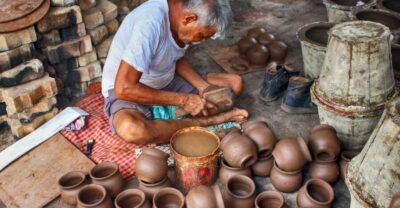
Dharavi Slum Slumdog Millionaire Tour with a Local
Read our review →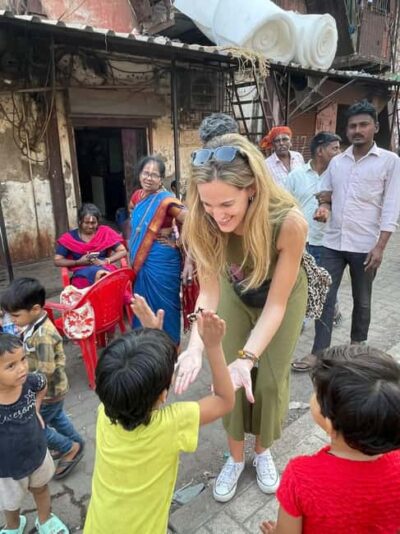
Mumbai Slum Tour – Visit Dharavi Slum with Local Guide
Read our review →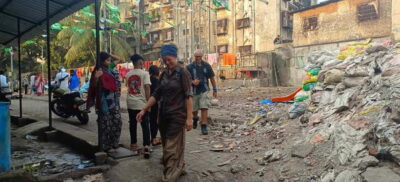
Dhobi Ghat Laundry and Dharavi Slum Tour with Local
Read our review →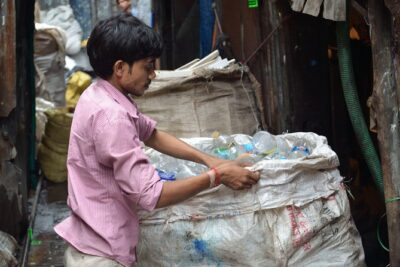
Browse the lists this tour appears in