
Reviewed · DHARAVI SLUM TOURS
Dharavi Slumdog Millionaire Tour
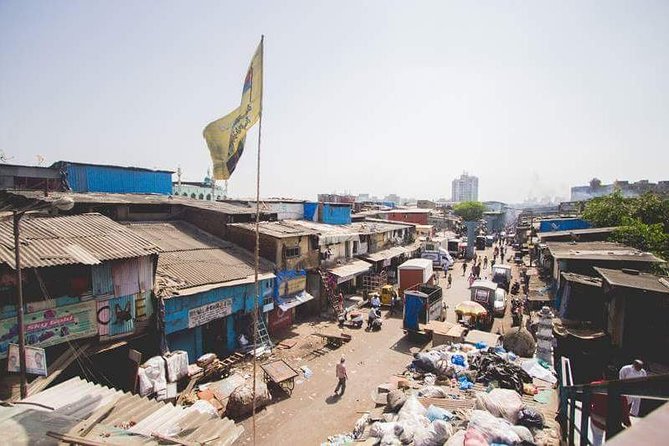
Dharavi is far more than a movie location. On this private walking tour, you see a working neighborhood where plastic, leather, cardboard, cans, dye, and pottery support small businesses. The emphasis is on how people earn a living, not simply on taking photographs of poverty.
I like the chance to see these industries at close range, and I like having a guide who can explain the area in personal terms. Guides named Nick and Nikesh are praised for their English, local knowledge, friendly manner, and ability to answer questions about Mumbai. The main consideration is ethical: you are walking through homes and workplaces, so respectful behavior and careful photography matter.
In This Review
- Key points to know before booking
- Why Dharavi deserves more than a movie reference
- Following the work from plastic to cardboard
- Narrow lanes, homes, schools, and everyday life
- What a private guide adds
- Timing, meeting point, and getting around Mumbai
- Is $39.63 a fair price?
- The ethical question, handled with care
- Who will get the most from this walk?
- Booking details worth knowing
- Should you book the Dharavi Slumdog Millionaire Tour?
- FAQ
- Where does the Dharavi tour start?
- Where does the tour end?
- How long does the tour last?
- Is hotel pickup available?
- Is this a private tour?
- Is an air-conditioned vehicle included?
- What is included in the price?
- What industries can I see?
- Is the tour near public transportation?
- Can I cancel for a full refund?
Key points to know before booking
- A working neighborhood, not a movie set: The tour uses Slumdog Millionaire as a starting point, then focuses on real industries and daily life.
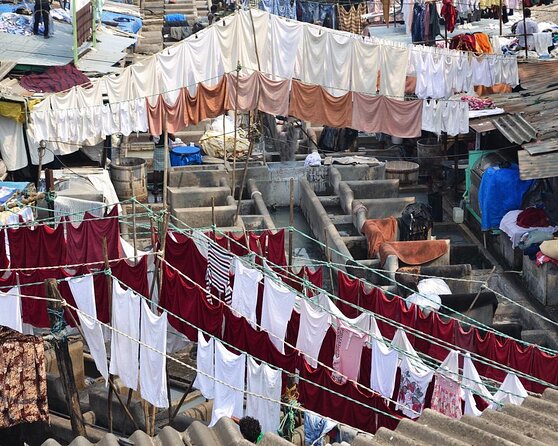
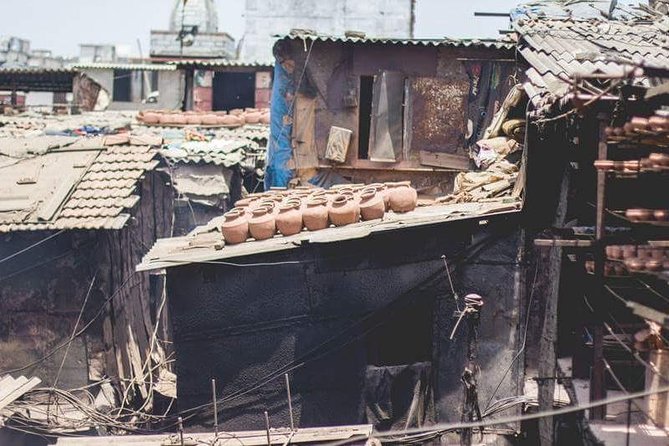
- Several local trades in one walk: Expect plastic recycling, leather work, color dyeing, can recycling, pottery, and cardboard recycling.
- Private attention: Only your group participates, so you can ask questions without keeping pace with a large crowd.
- A walking tour with a fixed meeting point: Start and finish at Café Coffee Day near Mahim, although pickup is offered from select hotels.
- Allow three to four hours: The Dharavi portion is listed at about two hours, while the overall activity is advertised at three to four hours.
- A thoughtful choice for curious visitors: This suits people who want social and economic context, but it is not a sightseeing outing built around grand monuments.
Why Dharavi deserves more than a movie reference
The title draws attention because Slumdog Millionaire made Dharavi familiar to a worldwide audience. Yet the useful part of this experience is moving beyond the film and seeing Dharavi as a place where people live, work, study, and run businesses.
You are not simply looking at a poor district from a vehicle window. You are walking through small lanes and seeing how materials move through workshops. Plastic can be sorted and reused. Leather can be turned into finished goods. Cardboard and cans can be processed again rather than discarded.
That working side gives the tour its purpose. Poverty is part of the setting, but it is not the whole story. The guide helps connect the narrow lanes, houses, schools, and workshops so you can understand the area as a community with an economy.
I would approach the walk with humility. The homes are not scenery, and residents are not performers. Ask before taking photographs, keep your voice down near homes and schools, and follow your guide’s advice about where to walk and what to photograph.
More Dharavi walking tours:
- Dharavi slum tour in Mumbai by Female tour guides of the slum
★ 5.0 · 1,976 reviews - Mumbai: Dharavi Slum, DhobiGhat, and Dabbawallas Tour
★ 4.9 · 689 reviews - Dharavi Slum Tour
★ 5.0 · 625 reviews
Following the work from plastic to cardboard
The tour’s listed stops are really a series of working areas within Dharavi. Plastic recycling is one of the most useful places to begin because it shows how discarded material can become a source of income.
You may see the stages of recycling explained by your guide, from collecting and sorting material to preparing it for another use. The value here is practical. Instead of hearing a broad lecture about informal economies, you see the physical work that makes one function.
Leather manufacturing offers a different picture. It shows how a basic material can pass through several hands before becoming a saleable product. Your guide can place this work within the wider network of small businesses in Mumbai.
Color dyeing adds another layer. This part of the walk helps you notice how much specialized labor exists in a compact area. It also makes clear why the neighborhood is not just a residential settlement. Work and home are often closely connected.
Can recycling and cardboard recycling continue the same theme. Each stop shows another material being recovered and handled by local workers. I like this structure because you keep encountering a new trade rather than spending the entire walk on one workshop.
The tour description does not promise that every business will be operating at full capacity when you arrive. Small workshops change their routine, and the exact activity you see can vary. Think of the stops as an introduction to Dharavi’s working life rather than a guaranteed factory demonstration.
Narrow lanes, homes, schools, and everyday life
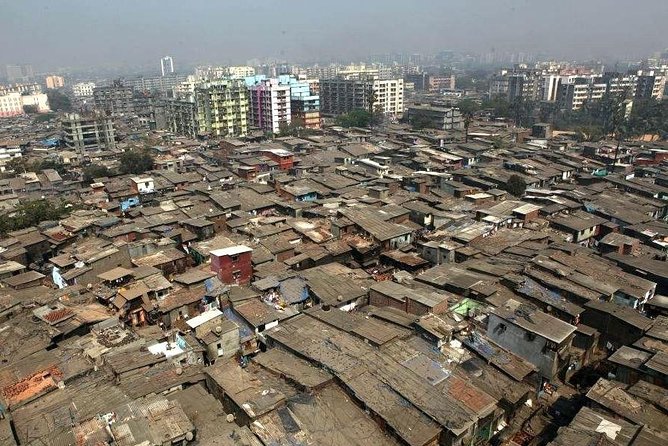
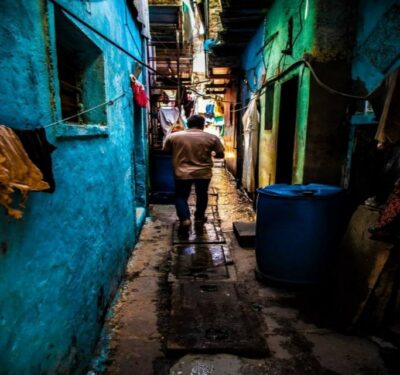
The industrial stops are only part of the experience. You also pass through small alleys, houses, and schools. This is where the tour becomes more personal and requires more care from you.
Narrow lanes can make the area feel close and busy, but the experience is not designed as a race. A private guide can pause to explain what you are seeing and respond to questions. That personal format is especially useful here, since the surroundings may raise questions that a standard group walk would not have time to address.
The presence of schools is a reminder that Dharavi is a place of ordinary routines. Children study, families live, and people go to work. That may sound obvious, but it is easy for an outsider to forget when a neighborhood is presented mainly through a film or a dramatic label.
I would not book this tour if your main goal is polished architecture, panoramic views, or a relaxed stroll. You are likely to encounter cramped spaces and working conditions that can feel confronting. The reward is understanding, not comfort.
What a private guide adds
The private format is one of the strongest features for the price. Only your group takes part, which means the guide can adjust the pace and answer questions aimed at your interests.
Nick is mentioned as a friendly and reassuring guide with an outstanding knowledge of the area. Nikesh is described as speaking excellent English, having grown up there, and offering useful advice about Mumbai beyond the walk itself. Dev is also associated with the guiding team.
The guide’s personal connection matters in a place where a visitor could easily misunderstand what they see. A pile of plastic, a leather workshop, or a crowded lane can look confusing without context. A local guide can explain the work and help you avoid treating the neighborhood like a curiosity.
Do keep in mind that the supplied information does not guarantee a particular guide. You may receive Nick, Nikesh, Dev, or another member of the Dynamic Mumbai team. The private arrangement still gives you a better chance to have a real conversation than a large shared group would.
A completely different way to spend a day in Mumbai:
- Mumbai: Full-Day Sightseeing Tour of Mumbai
★ 4.9 · 1,822 reviews - Private Mumbai Sightseeing Tour (Traveller’s Choice Award Winner)
★ 5.0 · 1,565 reviews - Elephanta Caves & Island Guided Private Tour
★ 5.0 · 1,327 reviews - Group Guided Walking Tour in Fort and Colaba
★ 5.0 · 1,073 reviews
Timing, meeting point, and getting around Mumbai
The tour begins at Café Coffee Day, Unit 58, Ground Floor, Ram Mahal Building, Senapati Bapat Marg, T. P. Road, near Mahim station and Marinagar Colony, Navjivan Society, Mumbai 400016. It ends back at the same meeting point.
Pickup is available from select hotels, but you should confirm that your hotel qualifies rather than assume it is included. The listed meeting point is near public transportation, which may help if you are making your own way there.
The advertised duration is approximately three to four hours. The Dharavi stop itself is listed at two hours, so allow extra time for meeting, walking, and the rest of the activity. Do not schedule a tight airport transfer or another fixed appointment immediately afterward.
This is a walking tour, not a vehicle sightseeing trip. An air-conditioned vehicle is not included. That detail matters in Mumbai, where the walk and the route to the meeting point may affect your energy more than the short list of industries suggests.
Bottled water is included. I would still dress for a city walk and carry only what you need, since the tour takes place in narrow lanes and working areas. The supplied information does not state a required dress code or a specific footwear policy, so practical walking clothes are the sensible choice.
Is $39.63 a fair price?
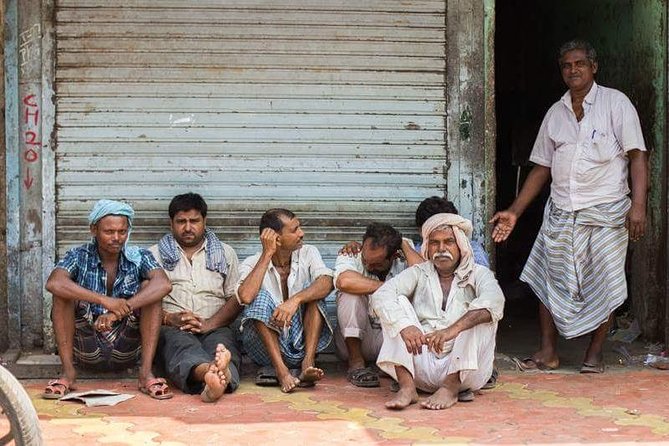
At $39.63 per person, this is not the cheapest way to spend a few hours in Mumbai, but the value comes from the private format and local interpretation.
You are paying for a guide who can connect several industries to the life of the neighborhood, not for an admission ticket. Entry to Dharavi is listed as free, and bottled water is included. There is no air-conditioned vehicle, so the cost is mainly for the guiding service and private attention.
For a solo visitor, the price may feel higher than a shared walk. For a family or small group, the private setup can make more sense because the cost buys flexibility and the ability to ask questions freely. Families have used the tour with children as young as three, eight, and ten, although each parent should decide how comfortable their children will be with the setting.
The price is also easier to justify if you want context rather than a quick look. If you only want to see the area because of the film, you can probably find a cheaper way to pass nearby. If you want to understand the industries and speak with a guide who knows Mumbai well, this offers better value.
The ethical question, handled with care
It is reasonable to wonder if visiting Dharavi is appropriate. The answer depends partly on how you behave and partly on what you expect from the tour.
A responsible approach means treating the neighborhood as a real community. Do not photograph people without permission. Avoid turning private homes, children, or workers into background decoration. Listen more than you speak, and let the guide tell you when a photograph or question would be unwelcome.
The tour can be valuable because it shifts attention from stereotypes to work and daily life. It can also be uncomfortable, and that is not automatically a flaw. The important point is to avoid expecting entertainment from other people’s living conditions.
The local connection of guides such as Nick and Nikesh is useful here. Their role is not merely to lead you through a route. They can help explain what you are seeing and set a respectful tone. Still, your conduct remains your responsibility.
Who will get the most from this walk?
I would recommend it to you if you are interested in Mumbai’s working economy, local communities, recycling, small business, or social issues. It also suits visitors who prefer a guide-led experience and want to ask questions rather than follow a memorized script.
Families can consider it, since the private setting allows the guide to adapt the pace. The tour has been used by a family with three children, including a three-year-old. Even so, parents should explain in advance that this is a real neighborhood with workshops, narrow lanes, and working conditions, not a theme park attraction.
It is less suitable if you need a fully comfortable, air-conditioned outing or if you dislike walking through crowded residential areas. The activity does not include an air-conditioned vehicle, and the listed itinerary centers on Dharavi itself.
The tour is also a good fit for a final day in Mumbai if you have a half-day available. Its three to four-hour length is long enough to feel substantial without taking the whole day. Just leave room around it because the exact timing can vary.
Booking details worth knowing
You receive confirmation when you book, and a mobile ticket is offered. The activity is private, so only your group participates.
Free cancellation is available if you cancel at least 24 hours before the local start time. Cancel inside that window and you will not receive a refund, and changes made within 24 hours are not accepted.
Most people can participate according to the supplied information, but no detailed accessibility information is provided. If you have specific mobility needs, contact Dynamic Mumbai before booking and ask about the route.
Should you book the Dharavi Slumdog Millionaire Tour?
Book it if you want a direct, guided look at how people work and live in Dharavi, and if you are willing to approach the neighborhood with respect. The strongest reasons are the range of industries, the private guide, and the chance to ask about Mumbai from someone with local ties.
Skip it if you are looking for a conventional sightseeing tour, a comfortable vehicle ride, or a simple movie-themed attraction. At $39.63, the tour is worthwhile for context and conversation, not for a checklist of sights.
For the best experience, confirm pickup, plan around the three to four-hour window, and arrive ready to listen. Dharavi is not a backdrop. This walk is at its best when you treat it as a living neighborhood and allow its work, homes, and daily routines to speak for themselves.
FAQ
Where does the Dharavi tour start?
The tour starts at Café Coffee Day, Unit No. 58, Ground Floor, Ram Mahal Building, Senapati Bapat Marg, T. P. Road, near Mahim station, Marinagar Colony, Navjivan Society, Mumbai, Maharashtra 400016, India.
Where does the tour end?
The activity ends back at the same Café Coffee Day meeting point.
How long does the tour last?
The overall experience lasts approximately three to four hours. The Dharavi portion is listed as a two-hour stop.
Is hotel pickup available?
Pickup is available from select hotels. The provided information does not list which hotels qualify, so you should confirm this before booking.
Is this a private tour?
Yes. Only your group participates in the activity.
Is an air-conditioned vehicle included?
No. An air-conditioned vehicle is not included. This is primarily a guided walking tour.
What is included in the price?
Bottled water is included. Admission to the Dharavi stop is listed as free.
What industries can I see?
The tour includes plastic recycling, leather manufacturing, color dyeing, can recycling, pottery, and cardboard recycling. You also visit small alleys, houses, and schools.
Is the tour near public transportation?
Yes. The meeting point is near public transportation.
Can I cancel for a full refund?
Yes, if you cancel at least 24 hours before the experience start time. Cancellations made less than 24 hours in advance are not refunded, and changes within that period are not accepted.
Just added around Mumbai
- Temples & Vineyards: Private Tour to Nashik from Mumbai★ 4.5 · 3 reviews
- Mumbai: Private City sightseeing and Dharavi Slum Tour★ 5.0 · 3 reviews
- Elephanta Island Private Speedboat Tour from Mumbai – 6pax★ 5.0 · 3 reviews
- Mumbai: Full Day City Sightseeing with Lunch, Car & Guide★ 4.3 · 3 reviews
- Mumbai: Elephanta Island and Elephanta Caves Guided Tour★ 4.4 · 3 reviews
- Mumbai Sightseeing Tour by Public Transport with family Lunch★ 5.0 · 3 reviews
- Mumbai by Dawn★ 4.5 · 3 reviews
- Mumbai Dharavi Slum Community Tour★ 5.0 · 3 reviews
Dharavi Slum Tours, compared.
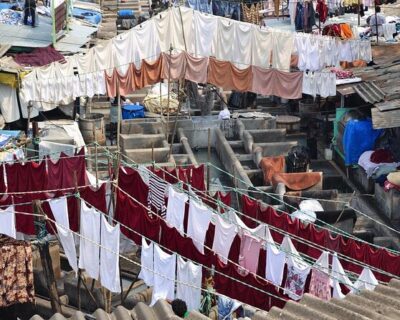
Dharavi slum tour in Mumbai by Female tour guides of the slum
Read our review →
Dharavi Slum Slumdog Millionaire Tour with a Local
Read our review →
Mumbai Slum Tour – Visit Dharavi Slum with Local Guide
Read our review →
Dhobi Ghat Laundry and Dharavi Slum Tour with Local
Read our review →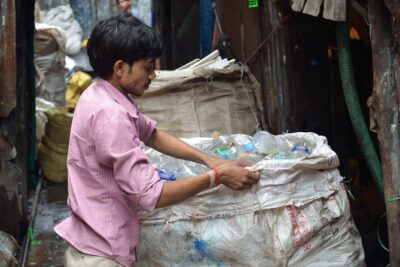
Browse the lists this tour appears in