
Reviewed · DHARAVI SLUM TOURS
Dharavi Slum Tour – See the real Slum with a Local Guide
Dharavi is not a movie set or a simple symbol of poverty. It is a working neighborhood where homes, family life, and small industries sit close together. This two-hour walking tour takes you through that world with an English-speaking resident guide, including places connected with the filming of Slumdog Millionaire.
I like two things here: you see real work in plastic recycling, leather, garments, textiles, and metal, and you hear about the area from someone who lives there. The small group, capped at 15 people, should also make it easier to keep up and ask questions. The main drawback is that this is a walking tour through a dense residential area, so you need comfortable shoes, an open mind, and respect for people who are going about their day.
In This Review
- Key points to know before you book
- Why Dharavi needs more than a movie reference
- Meeting at Mahim and getting ready to walk
- Entering Dharavi with someone who lives there
- The working side of Dharavi
- Family life beyond the factory lanes
- Finding the Slumdog Millionaire connection
- What two hours can realistically cover
- Is $7.93 good value in Mumbai?
- Who will get the most from this walk
- Should you book the Dharavi Slum Tour?
- FAQ
- Where does the Dharavi Slum Tour start?
- Where does the tour end?
- How long does the tour last?
- Is the tour led by a local resident?
- What industries may I see?
- Does the tour visit a Slumdog Millionaire filming location?
- Are food and drinks included?
- What happens if I need to cancel?
Key points to know before you book
- A resident leads the walk: Your English-speaking guide lives in Dharavi and provides an inside view of daily life.
- Working industries are the focus: You may see plastic recycling, leather production, garment and textile work, and metal businesses.
- The tour lasts about two hours: That is enough time for a useful introduction without taking up a full day in Mumbai.
- It connects real life with film history: The route includes a place where Slumdog Millionaire was filmed.
- The group is limited to 15 people: This keeps the walk more manageable than a large coach-style outing.
- The price is low for a guided Mumbai experience: At $7.93 per person, the tour offers strong value if you want context rather than a quick photo stop.
Why Dharavi needs more than a movie reference
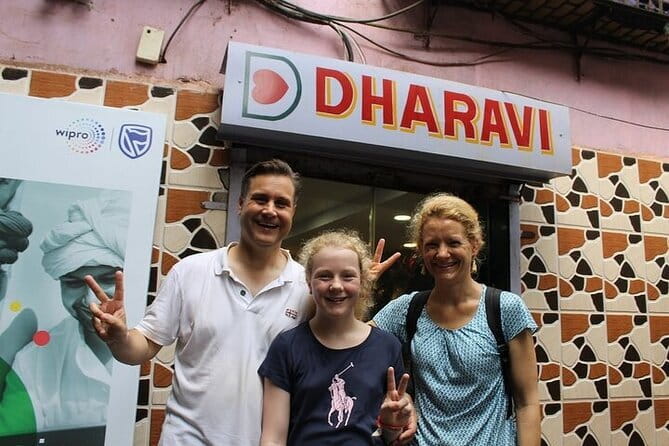
Many people first hear about Dharavi through Slumdog Millionaire. The film gave the neighborhood worldwide attention, but it can also leave you with a narrow picture. This tour tries to widen that view by showing Dharavi as a place where people live, work, raise families, and run businesses.
The point is not to treat hardship as entertainment. The useful part of the experience is seeing how much activity fits into a tightly packed area. Homes sit near workshops. Children have places to play and relax. Businesses support local families and connect to a wider economy.
The tour description places Dharavi’s yearly income at about $1 billion. That figure helps explain why the area matters beyond its reputation. This is not simply a residential district. It is also a large center of small-scale production, recycling, trade, and skilled work.
I would approach the walk as an education tour rather than a sightseeing attraction. You are not coming for grand buildings or polished displays. You are coming to listen, observe, and better understand how an urban community functions.
More Dharavi walking tours:
- Dharavi slum tour in Mumbai by Female tour guides of the slum
★ 5.0 · 1,976 reviews - Mumbai: Dharavi Slum, DhobiGhat, and Dabbawallas Tour
★ 4.9 · 689 reviews - Dharavi Slum Tour
★ 5.0 · 625 reviews
Meeting at Mahim and getting ready to walk
The meeting point is Third Wave CoffeeTip Road, Unit 58, Ground, Ram Mahal, Senapati Bapat Marg, Marinagar Colony, near Mahim station in Mumbai. The tour returns to this same meeting point at the end.
That return arrangement is useful if you are planning another activity afterward. It also means you should allow enough time to find the starting point before the scheduled departure. The meeting location is near public transportation, but the supplied details do not specify a particular train, bus, or metro route, so check your route before leaving.
Wear comfortable walking shoes. This is not a sit-down presentation, and the main Dharavi visit involves moving through working and residential areas. You should also keep your clothing practical and respectful. The provided information does not set a dress code, but you will be walking through people’s homes and workplaces, not a purpose-built attraction.
The maximum group size is 15. That is not a private tour, but it is small enough to keep the guide within reach. A smaller group can also make it less awkward to pause for explanations without blocking narrow passages.
Entering Dharavi with someone who lives there
The most important feature is the guide. The experience is led by an English-speaking person who lives in Dharavi, rather than by a guide who only visits for work.
That distinction matters. A local resident can explain the difference between a home area and a work area, point out how businesses operate, and add personal context to what you are seeing. The supplied information does not give the guide’s name, so do not expect to meet a named personality advertised in advance. The value comes from the guide’s connection to the neighborhood.
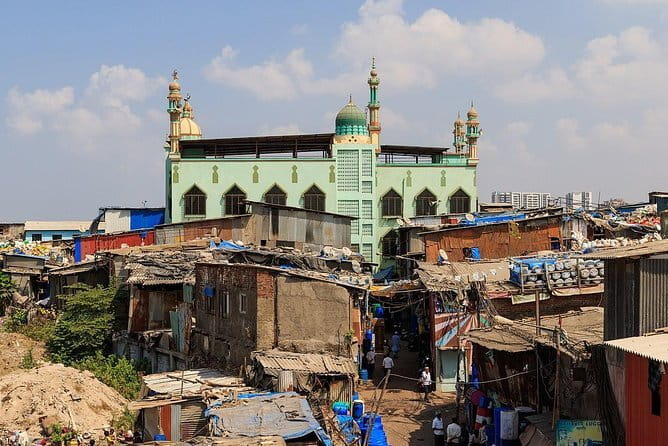
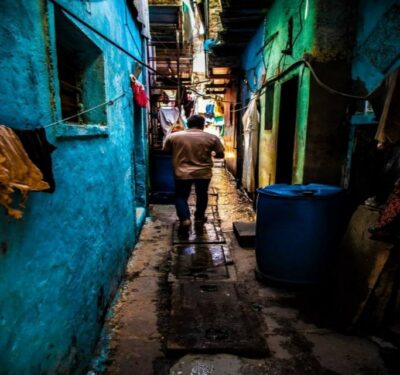
The guide’s job is also to help you look past first impressions. Dharavi can appear crowded and confusing at first. Without explanation, you might see only narrow lanes, close-set buildings, and busy workspaces. With context, those same details tell you about housing, income, family routines, and local enterprise.
Keep your camera put away unless you are clearly invited to take a picture. The tour information does not set a photography policy, but basic courtesy is especially important in a residential setting. People here are not performers, and the best experience comes from observing without turning daily life into a display.
The working side of Dharavi
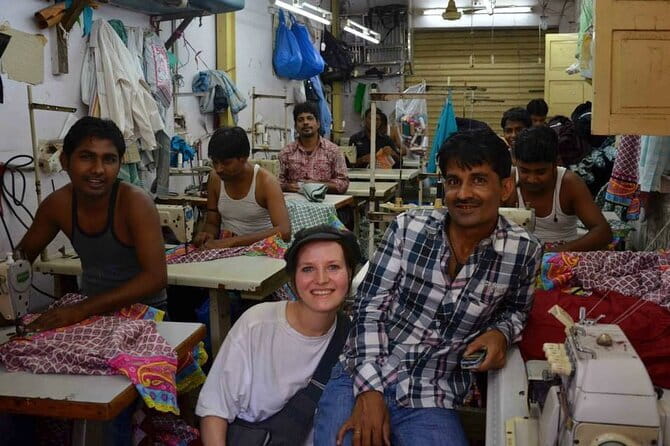
A major part of the walk focuses on small factories and workshops. One detailed account of the experience describes seeing factory areas first, followed by a walk through a residential section. That order makes sense. It lets you see Dharavi as a place of work before looking at how families live around that work.
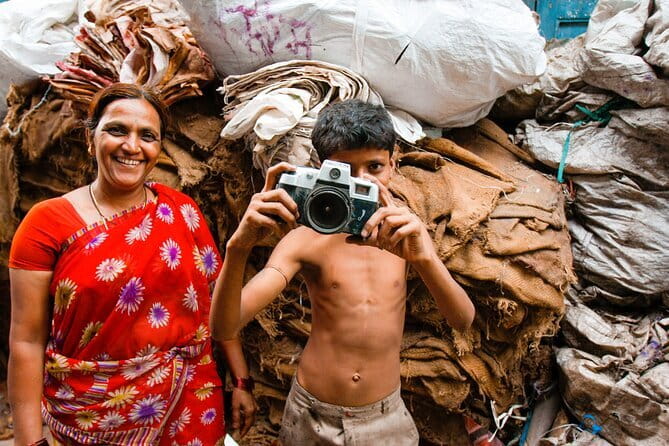
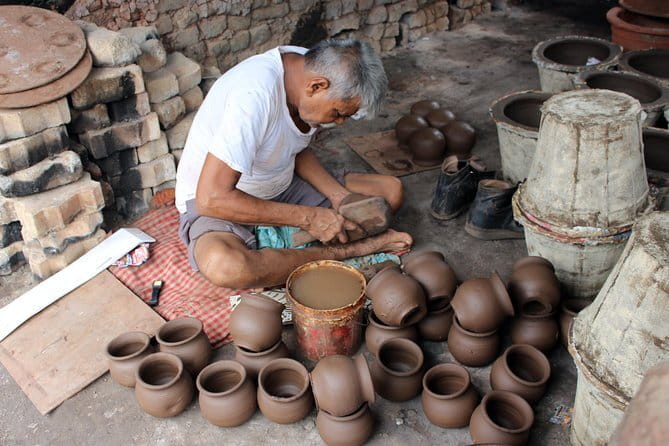
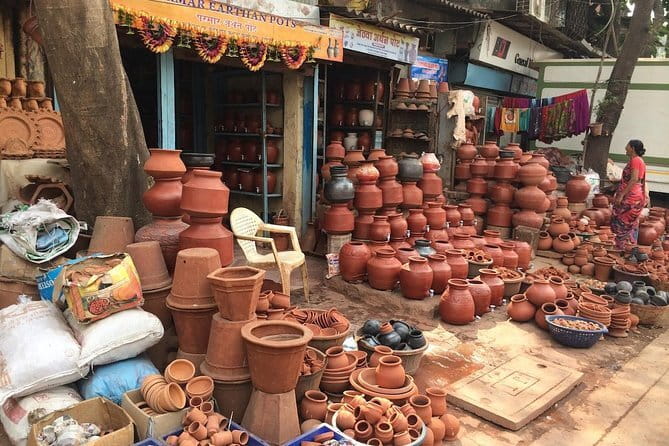
Plastic recycling is one of the industries included. You may see how discarded material becomes part of a local production chain. The tour also covers leather, garments and textiles, and metalwork. Each sector offers a different way to understand how small businesses earn money and serve markets beyond the immediate neighborhood.
Do not expect a museum-style explanation with display cases and printed labels. The interest comes from seeing active workplaces in their real setting. Conditions may feel close and basic compared with a formal factory visit, and the route is designed for observation rather than a hands-on workshop.
This is where the tour offers more value than a simple drive past Dharavi. A quick view from a vehicle can show density, but not the skill or organization behind the work. Walking lets you notice the practical connection between production spaces, homes, storage, movement, and local commerce.
You should also remember that working areas can be noisy, narrow, or busy. The tour lasts around two hours, so the guide cannot explain every industry in detail. Still, the range of businesses gives you a solid first look at how Dharavi supports livelihoods.
A few more Mumbai tours and experiences worth a look
- Elephanta Caves & Island Guided Private Tour
★ 5.0 · 1,327 reviews - Group Guided Walking Tour in Fort and Colaba
★ 5.0 · 1,073 reviews - Mumbai: Elephanta Caves Half-Day Guided Tour with Expert
★ 4.8 · 1,032 reviews - Private Guided Walking Tour in Fort & Colaba
★ 5.0 · 895 reviews
Family life beyond the factory lanes
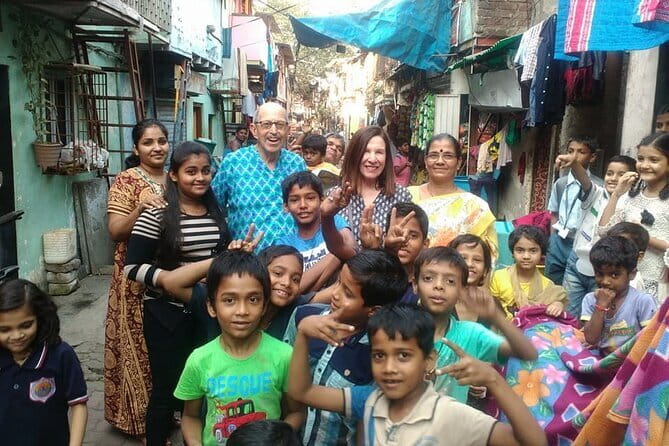
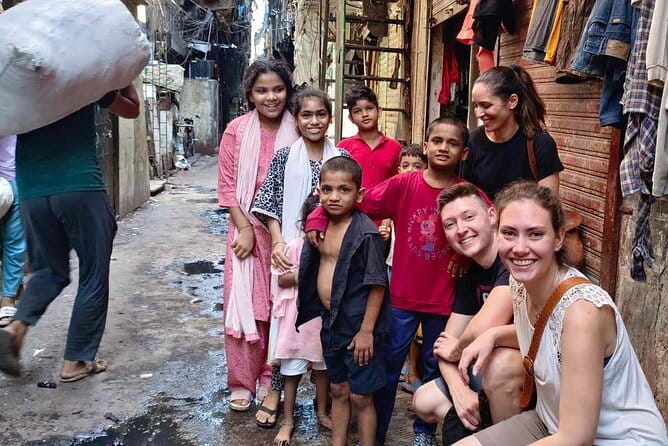
The route also includes residential areas. You will hear about where people stay, where families live, and where children play and relax. This part helps balance the focus on industry.
It is easy to think of Dharavi only in terms of work. The residential walk reminds you that this is also a community. People have family routines, social spaces, and ordinary parts of the day that do not fit the usual headline about the neighborhood.
The tour aims to challenge the idea that Dharavi is only a place of misery. That does not mean poverty or difficult living conditions disappear. It means the area cannot be understood fairly through deprivation alone. You may see limits and problems, but you may also see resourcefulness, close community ties, and economic activity.
This balance is important. A good guide should help you hold both ideas at once: Dharavi can face serious challenges, and it can also be a place of enterprise and pride. The information provided stresses that the tour is intended to be inspiring, but you should still expect a candid look at real living conditions rather than a polished feel-good presentation.
Finding the Slumdog Millionaire connection
The tour includes the area where Slumdog Millionaire was filmed. For many people, this will be a memorable part of the route because the movie shaped Dharavi’s image around the world.
Treat this as one element of the walk, not the main attraction. The film connection can help you place the neighborhood in popular culture, but the stronger reason to book is the chance to see daily work and family life with local guidance.
There is also a risk that movie interest can encourage shallow sightseeing. You can avoid that by giving more attention to the guide’s explanations than to finding a familiar film location. The location is a useful point of reference, while the community itself is the subject.
What two hours can realistically cover
Two hours is a sensible length for a first visit. It gives you enough time to see both work and residential areas without turning the experience into an exhausting half-day walk.
You should not expect an exhaustive tour of every part of Dharavi. The neighborhood is large and complex, and the route will necessarily cover only selected sections. The advantage of a shorter visit is focus. You get an introduction to major industries, family life, and the movie connection, then return to the meeting point.
The tour includes entrance fees, so you do not need to budget for a separate admission charge. Food and drinks are not included. That is easy to manage, since the experience is only about two hours, but you should plan your own refreshments before or after the walk.
A mobile ticket is offered, which makes booking simple. Confirmation is provided at booking time. The tour is also open to most people who can take part in a normal walking activity, though the information does not give detailed accessibility specifications.
Is $7.93 good value in Mumbai?
At $7.93 per person, this is one of the less expensive guided experiences you can book in Mumbai. The price is especially reasonable because it includes an English-speaking local guide and entrance fees.
The value depends on what you want. If you want a polished attraction, air conditioning, or a formal exhibit, this is not the right purchase. If you want direct explanation, a local perspective, and a short walk through working parts of Dharavi, the cost is modest.
Group discounts may reduce the price for larger bookings. Since the group limit is 15 people, you get some of the cost benefit of a group tour without the scale of a large bus outing.
I would judge the price by the access and context it provides. A guide who lives in the area can explain details that are difficult to understand alone. The tour also gives you a structured way to visit respectfully, rather than wandering into residential lanes without knowing where to go or how to behave.
Who will get the most from this walk
I would recommend this tour to you if you want to understand Mumbai through its people and working communities. It suits curious visitors who prefer local context to landmark collecting.
It is also a good fit if you have only a short amount of time. Two hours gives you a meaningful introduction, and the walk begins and ends at the same Mahim meeting point.
Families with older children may find the industries and film connection useful, but parents should decide if the subject matter and residential setting are suitable for their children. The tour is not presented as a children’s attraction.
You should think twice if you are uncomfortable walking through crowded working and residential spaces, or if you mainly want photographs. The tour asks for attention and respect. It is not designed around spectacle.
Free cancellation is available if you cancel at least 24 hours before the start time. A cancellation inside that window is not refunded, and changes are not accepted. The experience needs good weather and a minimum number of participants. If the operator cancels for either reason, you are offered another date or experience, or a full refund.
Should you book the Dharavi Slum Tour?
Book it if you want a low-cost, two-hour introduction to Dharavi led by someone who lives there. The strongest reasons are the local guide, the look at plastic recycling, leather, textiles, garments, and metalwork, and the effort to show family life alongside economic activity.
Skip it if you want a conventional sightseeing tour or dislike walking through active residential areas. For the right visitor, this is a useful way to replace a movie-shaped image of Dharavi with a fuller picture of a working community. Go ready to listen, keep your expectations grounded, and treat the people you see as neighbors rather than scenery.
FAQ
Where does the Dharavi Slum Tour start?
It starts at Third Wave CoffeeTip Road, Unit 58, Ground, Ram Mahal, Senapati Bapat Marg, Marinagar Colony, near Mahim station, Mumbai, Maharashtra 400016.
Where does the tour end?
The activity ends back at the meeting point.
How long does the tour last?
The tour lasts approximately two hours.
Is the tour led by a local resident?
Yes. The English-speaking guide lives in Dharavi.
What industries may I see?
The tour covers industries including plastic recycling, leather, garments and textiles, and metalwork.
Does the tour visit a Slumdog Millionaire filming location?
Yes. The route includes a place inside Dharavi where Slumdog Millionaire was filmed.
Are food and drinks included?
No. Food and drinks are not included.
What happens if I need to cancel?
You receive a full refund if you cancel at least 24 hours before the start time. Cancellations or changes made less than 24 hours before the start time are not accepted for a refund.
Just added around Mumbai
- Temples & Vineyards: Private Tour to Nashik from Mumbai★ 4.5 · 3 reviews
- Mumbai: Private City sightseeing and Dharavi Slum Tour★ 5.0 · 3 reviews
- Elephanta Island Private Speedboat Tour from Mumbai – 6pax★ 5.0 · 3 reviews
- Mumbai: Full Day City Sightseeing with Lunch, Car & Guide★ 4.3 · 3 reviews
- Mumbai: Elephanta Island and Elephanta Caves Guided Tour★ 4.4 · 3 reviews
- Mumbai Sightseeing Tour by Public Transport with family Lunch★ 5.0 · 3 reviews
- Mumbai by Dawn★ 4.5 · 3 reviews
- Mumbai Dharavi Slum Community Tour★ 5.0 · 3 reviews
Dharavi Slum Tours, compared.
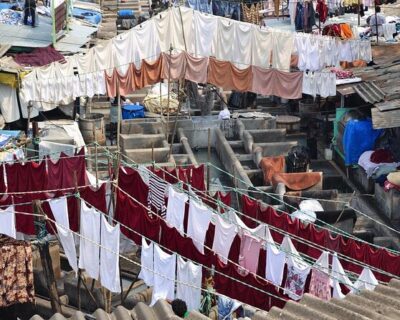
Dharavi slum tour in Mumbai by Female tour guides of the slum
Read our review →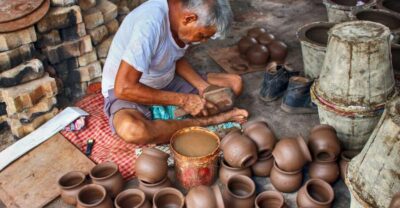
Dharavi Slum Slumdog Millionaire Tour with a Local
Read our review →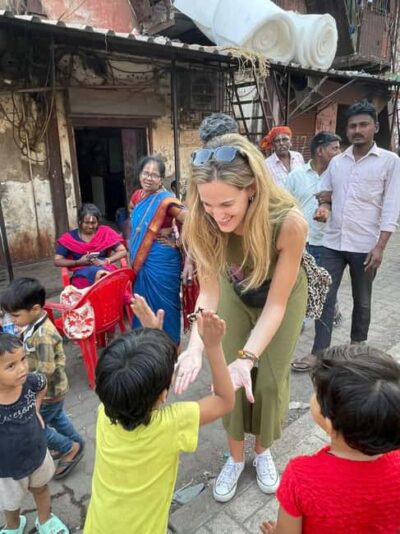
Mumbai Slum Tour – Visit Dharavi Slum with Local Guide
Read our review →
Dhobi Ghat Laundry and Dharavi Slum Tour with Local
Read our review →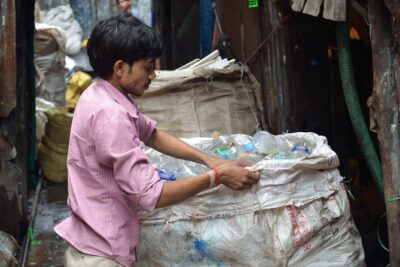
Browse the lists this tour appears in