
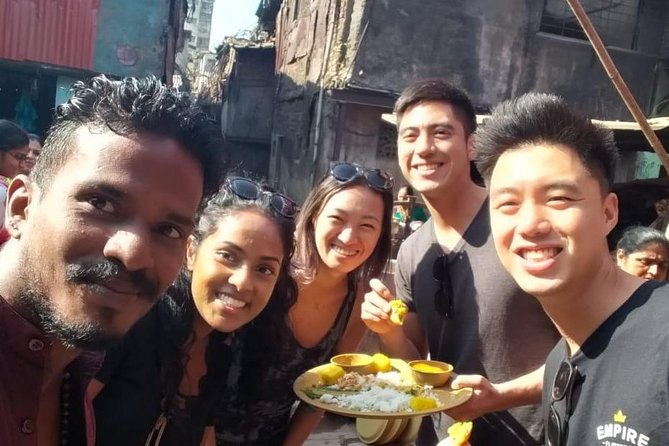
Reviewed · DHARAVI SLUM TOURS
Dharavi Slum Tour in Mumbai
Dharavi is not simply a place of poverty to view from a vehicle. It is a working neighborhood, and this walking tour with a resident college guide takes you into the small workshops, narrow lanes, and community spaces that outsiders rarely understand from the road. You may see plastic recycling, pottery, soap production, leather work, cardboard, paint cans, and other local trades packed into a compact part of Mumbai.
I like two things right away. First, your guide lives in Dharavi and is studying at college, so your money helps support a young local guide while giving you a more personal account of daily life. Second, the tour focuses on work and community rather than spectacle, with stops near schools and churches as well as industrial areas. The main consideration is simple: this is a two-hour walk through crowded lanes, so you need modest clothing, solid shoes, and a respectful attitude toward residents.
In This Review
- Key points to know before booking
- Seeing Dharavi Through Local Work
- The 13th Compound Recycling Yard
- Workshops Beyond Recycling
- Homes, Schools, and Churches
- Why a Resident College Guide Changes the Experience
- The Film Connection Without Letting the Film Define Dharavi
- Is $70 a Fair Price?
- What to Wear and How to Prepare
- Who Will Get the Most From This Walk?
- Booking Details and Cancellation
- Should You Book the Dharavi Walk?
- FAQ
- Where does the Dharavi tour begin?
- How long does the tour last?
- Who leads the tour?
- What will I see during the walk?
- Is hotel pickup included?
- Is lunch included?
- How many people can join the tour?
- What should I wear?
Key points to know before booking
- Resident college guides: Guides associated with this experience include Rajesh, Anthony, and Samir, each offering a personal connection to Dharavi.
- A working neighborhood, not a staged attraction: The route highlights recycling, pottery, soap, leather, cardboard, and other small industries.
- Starts at Mahim Railway Station: You meet there before walking toward the plastic and metal recycling area known as 13th Compound.
- Very small format: The booking requires at least two people, and the activity lists a maximum of two participants.
- About two hours on foot: Good walking shoes matter, and you should be comfortable moving through narrow alleys.
- Lunch depends on your option: Food is not included in the basic tour, though lunch is included if you select the applicable option.
Seeing Dharavi Through Local Work
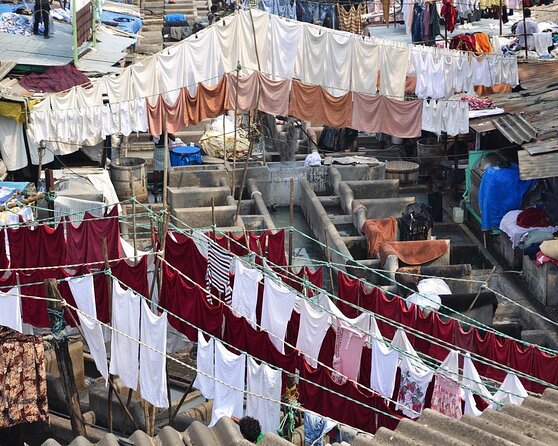
The most useful way to approach Dharavi is to understand that it is both a residential area and a place of production. Workshops operate close to homes, and many businesses rely on hand work, reused materials, and tightly organized family or neighborhood networks.
The tour begins at Mahim Railway Station. From there, you head toward the plastic and metal recycling yard in 13th Compound. This is not a polished museum display. It is an active work area, where discarded material is sorted, melted, and reshaped into new products.
You may see small-scale plastic processing, toy production, and button manufacturing. The reference to buttons for Barbie dolls gives you a sense of the unexpected supply chains connected to these modest-looking workshops. A narrow local operation can serve customers far beyond Dharavi.
I find this opening valuable because it changes the way you look at the neighborhood. Instead of seeing only cramped streets, you begin to notice skill, organization, and commercial purpose. At the same time, you should expect noise, heat, industrial smells, and tight working conditions. This is a real workplace, not an easy stroll through a gallery.
More Dharavi walking tours:
- Dharavi slum tour in Mumbai by Female tour guides of the slum
★ 5.0 · 1,976 reviews - Mumbai: Dharavi Slum, DhobiGhat, and Dabbawallas Tour
★ 4.9 · 689 reviews - Dharavi Slum Tour
★ 5.0 · 625 reviews
The 13th Compound Recycling Yard

The 13th Compound section is the clearest fixed point in the route. It is where the walk moves directly into Dharavi’s recycling economy, with plastic and metal being handled, melted, and molded in small facilities.
The activity here is likely to interest anyone who enjoys seeing how goods are made. You might watch workers transform used materials into useful objects, including plastic toys and buttons. The scale is small, but the work is practical and connected to major consumer brands.
Your guide’s explanation matters more than the machinery alone. Without context, a recycling yard can look like a confusing collection of scraps and tools. With commentary, you can understand how this kind of business supports households and why Dharavi has become known for its dense network of small enterprises.
Photography requires judgment. The tour information says guides encourage photographs, but that does not mean every person or work area should be photographed automatically. Ask before taking close pictures of workers, homes, or children, and follow your guide’s lead. Respect is more important than collecting proof that you were there.
Workshops Beyond Recycling
After the recycling area, the route continues through commercial and residential parts of Dharavi. The exact order can vary, but the tour is designed to show more than one trade.
You might encounter pottery, soap production, leather work, cardboard, paint cans, and other forms of local manufacturing. These activities help explain the neighborhood’s reputation as a place where people live and earn money in the same compact area.
The pottery component gives the walk a different feel from the recycling yard. Clay work is slower and more tactile, while plastic processing highlights heat, machinery, and reused materials. Leather, cardboard, and paint-related businesses add more pieces to the picture.
I appreciate this range because no single industry can explain Dharavi. A tour that showed only recycling would give you a narrow view. The mix of workshops suggests how varied the local economy is, even within a short walking distance.
Still, the two-hour schedule puts a limit on detail. You will get an introduction to several trades, not a full technical lesson in each one. If you want time for long conversations at every workshop, this may feel brisk.
Homes, Schools, and Churches
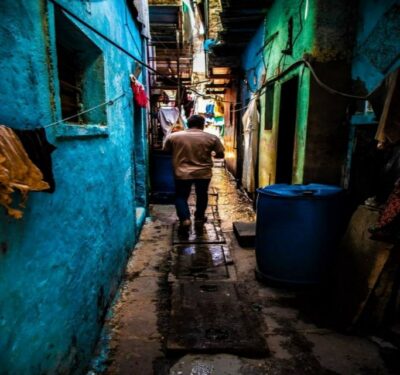
The walking route also passes through residential lanes and community spaces. Schools and churches are included to help you see Dharavi as a lived-in neighborhood, not only a workplace.
This part of the tour is important. Industrial activity can make the area seem defined by business, but people also study, worship, raise families, and build local support networks here. A stop near a school can also show why the experience is connected to education. Some of the proceeds are directed toward school children from the Dharavi community, according to the tour details.
The guide’s tone is especially important in residential sections. A good guide can explain challenges without turning people’s homes into scenery. The experience is presented as a sensitive walk, and the strongest approach for you is to listen carefully, avoid blocking lanes, and keep your voice low near homes and community facilities.
The tour is not designed to encourage handouts. One useful point made through the experience is that Dharavi is full of people working hard to support themselves. You should arrive ready to meet a community with dignity, not expecting a display of helplessness.
A completely different way to spend a day in Mumbai:
- Mumbai: Full-Day Sightseeing Tour of Mumbai
★ 4.9 · 1,822 reviews - Private Mumbai Sightseeing Tour (Traveller’s Choice Award Winner)
★ 5.0 · 1,565 reviews - Elephanta Caves & Island Guided Private Tour
★ 5.0 · 1,327 reviews - Group Guided Walking Tour in Fort and Colaba
★ 5.0 · 1,073 reviews
Why a Resident College Guide Changes the Experience

The guides are college students who live in Dharavi, and guiding helps support their studies. That arrangement gives the tour a practical local connection that a guide from elsewhere in Mumbai might not offer.
A resident guide can explain what it means to live near workshops, how the neighborhood functions, and why outsiders often misunderstand it. Guides named Rajesh, Anthony, and Samir are associated with this experience, though the person assigned to your booking can vary.
You should expect a conversational walk rather than a formal lecture. The tour description emphasizes guided commentary, and the format allows time for questions. Past guide feedback highlights easygoing explanations, patience, and a willingness to make visitors feel comfortable.
That personal element is one of the strongest reasons to choose this activity. Dharavi can be reduced to a film location or a shocking statistic. A local college student can give you a more grounded account of the place, including both its problems and its strengths.
Remember that a resident guide is not automatically a spokesperson for every person in Dharavi. You will hear one local perspective, shaped by the guide’s own life and studies. That is still valuable, as long as you treat it as a personal account rather than a complete explanation of the entire neighborhood.
The Film Connection Without Letting the Film Define Dharavi
Dharavi gained wide international attention after appearing in connection with the 2008 film Slumdog Millionaire. The movie may be what first brings the area to your attention, and the tour acknowledges that connection.
The walk is more worthwhile if you use the film as a starting point rather than the main reason for going. This is not a movie-location tour built around scenes and celebrity trivia. It is about how residents work, live, study, and organize their community.
If you arrive expecting a cinematic version of Dharavi, you may be surprised. The real neighborhood is more ordinary, more complex, and more focused on daily work. That is precisely the point, but it requires you to leave the movie image behind.
Is $70 a Fair Price?
At $70 per person, this is not the cheapest way to spend two hours in Mumbai. The value depends on what you want from the experience.
You are paying for a local guide, a carefully arranged route, interpretation of industries that you would struggle to understand alone, and a small-group format. The tour also supports college student guides who live in Dharavi, and some proceeds go toward local school children.
The maximum group size is listed as two people, while the booking also requires a minimum of two. That makes the experience feel closer to a private walk than a large coach excursion, though you should confirm the exact format when booking because the description also mentions a choice between group and private tours.
For me, the price makes more sense if you value context and direct local contact. You could walk around Mumbai’s public neighborhoods for free, but you would not safely or respectfully find your way through the same workshops and lanes without local guidance.
Lunch is included only with the relevant tour option. Food and drinks are not part of the basic price. Hotel pickup and drop-off are also not included, though the operator says they can arrange pickup if requested. Since the meeting point is Mahim Railway Station, you should plan your route there in advance.
What to Wear and How to Prepare
Dress modestly. Shoulders and knees should be covered, both because conservative clothing is expected across India and because this is a residential community where respectful dress matters.
Wear solid walking shoes. The route takes about two hours and includes narrow alleys, industrial areas, and uneven walking conditions. The experience requires a moderate level of physical fitness, so it is not a good fit if you need frequent seating or find extended walking difficult.
Bring water, since the standard option does not include drinks. Keep your belongings secure and easy to carry, but do not turn the walk into a photography expedition.
A little preparation also improves the human side of the visit. Ask questions, but phrase them with care. Focus on work, education, housing, community life, and the guide’s own experience rather than treating poverty as entertainment.
Who Will Get the Most From This Walk?
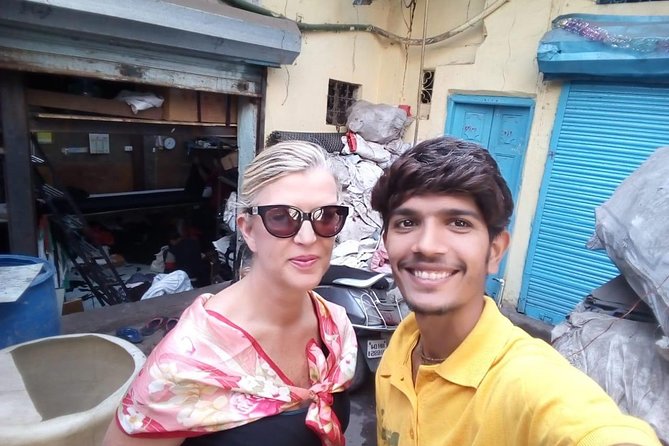
I would recommend this experience to you if you want to understand Mumbai through the people who live and work in one of its most discussed neighborhoods. It suits curious adults, students, photographers who can work respectfully, and anyone who prefers a local guide to a bus-window view.
It is also a good choice if you are interested in urban economies and recycling. The range of work packed into Dharavi makes the walk useful for understanding how small manufacturing and reuse operate in a dense community.
You may want to skip it if you are looking for a relaxed sightseeing outing, a polished attraction, or a route with plenty of sitting time. The subject is serious, the lanes can be tight, and the setting is active rather than comfortable.
Families should think carefully about the walking conditions and the maturity of younger children. The tour information does not give a child age policy, so confirm that point before booking if it matters to you.
Booking Details and Cancellation
Confirmation is provided at booking. The experience is near public transportation because it begins at Mahim Railway Station, but hotel pickup and drop-off are not included in the standard package.
Free cancellation is available if you cancel at least 24 hours before the local start time. Cancellations or changes made inside that period are not refunded or accepted. The activity also requires a minimum number of people, so if that minimum is not met, you should be offered another date or experience, or a full refund.
Should You Book the Dharavi Walk?
Book this tour if you want a direct, carefully guided look at Dharavi’s working life and you are willing to approach the neighborhood with patience and respect. The best parts are the resident college guide, the small-scale industries, and the chance to see both commercial and residential areas in one short walk.
I would choose it for the local perspective and the clear focus on work rather than shock value. I would also wear good shoes, dress conservatively, carry water, and confirm the meeting and pickup arrangements before paying.
At $70, it is a considered purchase, not a casual add-on. But for a small group of two, with a resident guide and proceeds connected to local education, it can offer more understanding than a standard Mumbai sightseeing stop. If you want context, conversation, and an honest look at daily life, this is one of the more meaningful ways to spend two hours in the city.
FAQ
Where does the Dharavi tour begin?
The walk begins at Mahim Railway Station in Mumbai.
How long does the tour last?
The tour lasts approximately two hours, although some descriptions of the walk indicate it can run for two to three hours.
Who leads the tour?
College student guides who live in Dharavi lead the experience. Guides associated with the tour include Rajesh, Anthony, and Samir.
What will I see during the walk?
You may see plastic and metal recycling, plastic toy and button production, pottery, soap production, leather work, cardboard, paint cans, schools, churches, and residential lanes.
Is hotel pickup included?
Hotel pickup and drop-off are not included in the standard tour. Pickup can be arranged if requested.
Is lunch included?
Lunch is not included in the basic option. It is included if you select the tour option that provides lunch.
How many people can join the tour?
The activity requires a minimum of two people per booking and lists a maximum of two participants. It also offers a choice of group or private tour, so confirm the exact format when booking.
What should I wear?
Wear modest clothing that covers your shoulders and knees. Solid walking shoes are recommended, and you should have a moderate level of physical fitness.
Just added around Mumbai
- Temples & Vineyards: Private Tour to Nashik from Mumbai★ 4.5 · 3 reviews
- Mumbai: Private City sightseeing and Dharavi Slum Tour★ 5.0 · 3 reviews
- Mumbai: Full Day City Sightseeing with Lunch, Car & Guide★ 4.3 · 3 reviews
- Elephanta Island Private Speedboat Tour from Mumbai – 6pax★ 5.0 · 3 reviews
- Mumbai: Elephanta Island and Elephanta Caves Guided Tour★ 4.4 · 3 reviews
- Mumbai Sightseeing Tour by Public Transport with family Lunch★ 5.0 · 3 reviews
- Mumbai by Dawn★ 4.5 · 3 reviews
- Mumbai Dharavi Slum Community Tour★ 5.0 · 3 reviews
Dharavi Slum Tours, compared.
Dharavi slum tour in Mumbai by Female tour guides of the slum
Read our review →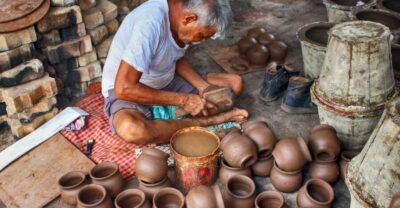
Dharavi Slum Slumdog Millionaire Tour with a Local
Read our review →
Mumbai Slum Tour – Visit Dharavi Slum with Local Guide
Read our review →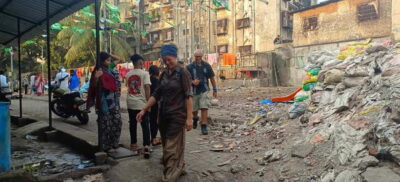
Dhobi Ghat Laundry and Dharavi Slum Tour with Local
Read our review →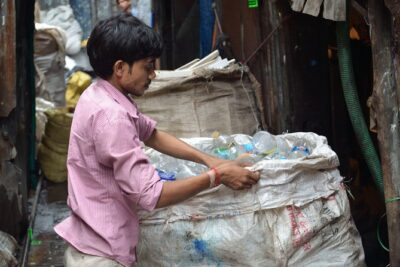
Browse the lists this tour appears in