
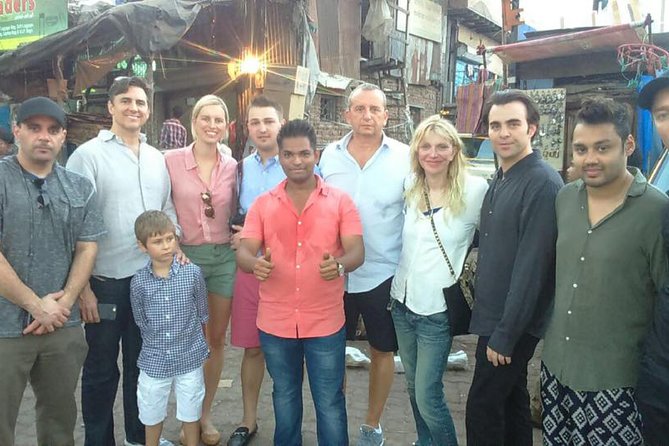
Reviewed · DHARAVI SLUM TOURS
Dharavi Slum Tour
Dharavi is more than the cramped settlement many people picture. It is a working community where recycling yards, leather workshops, ceramic rooms, and garment businesses operate in tight quarters. The tour makes that economy visible, starting near Mahim Railway Station and leading into the thirteenth compound.
I like the focus on work and enterprise, rather than treating Dharavi as a spectacle. I also like the chance to walk with local guides such as Ruqaiyya and Neha, whose personal knowledge can add detail that a passing drive cannot. The main consideration is comfort: this is a two-hour walk through narrow, active areas, not a polished sightseeing attraction.
In This Review
- Key points at a glance
- What this Dharavi tour is really about
- Starting near Mahim Railway Station
- The thirteenth compound and plastic recycling
- Leather, ceramics, garments, and small workshops
- Guides who add the human side
- A two-hour walk, or a longer outing with transport
- What the $8 price delivers
- Who should book this experience
- Practical ways to get more from the walk
- Should you book the Dharavi tour?
- FAQ
- How long does the Dharavi Slum Tour last?
- Where does the tour start?
- Which languages are available?
- Is hotel pickup included?
- Are meals and drinks included?
- Is the tour private?
- Can I cancel the booking?
Key points at a glance
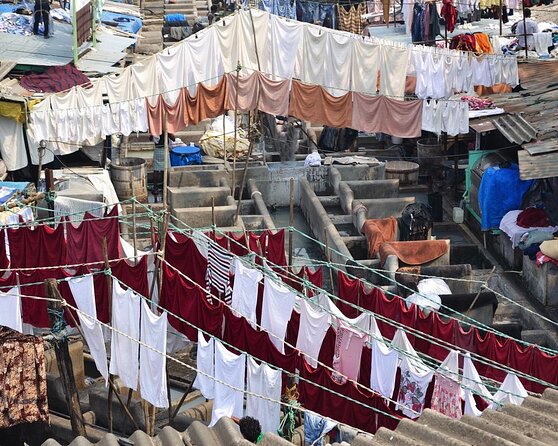
- Plastic recycling in the thirteenth compound: See how used plastic is melted, shaped, and reused in compact workspaces.
- A working side of Mumbai: The route focuses on leather goods, ceramics, embroidered clothing, metal work, and recycling.
- Strong local guides: Ruqaiyya has received especially high praise for her clear English, warmth, and familiarity with Dharavi.
- A two-hour walking route: The core tour is on foot, with total activity time listed between two and seven hours depending on pickup and drop-off.
- Pickup and private transport options: Some bookings include hotel or port pickup, air-conditioned transport, and private transportation.
- Good value at $8: The low price covers the guided experience and entry fees, though meals and drinks are not included.
What this Dharavi tour is really about
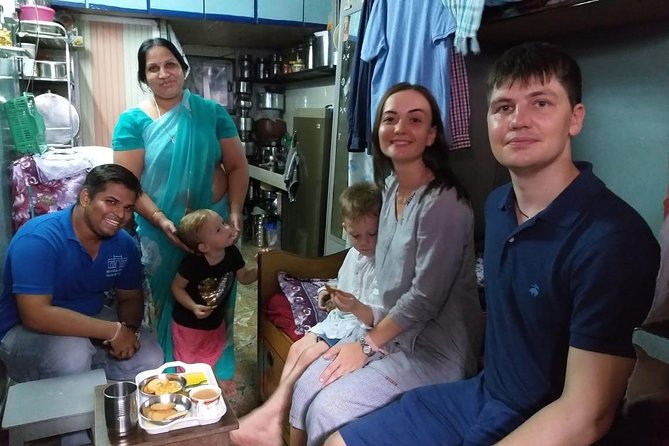
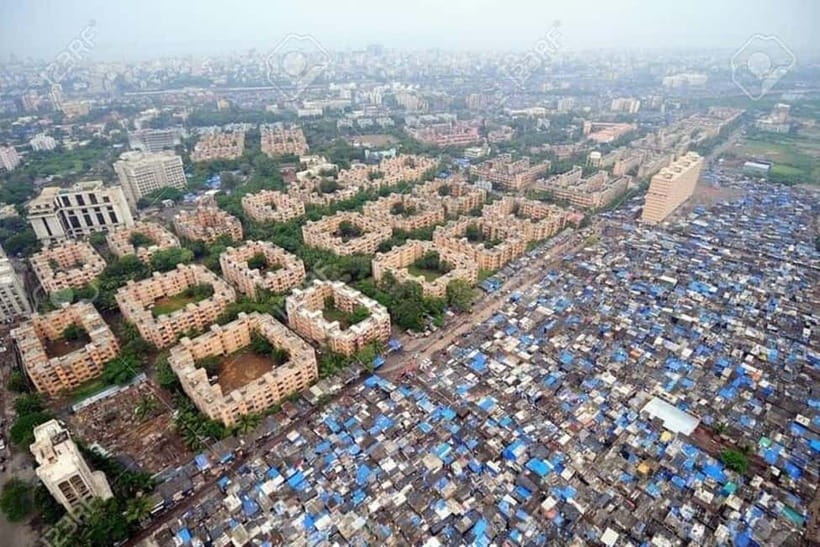
A Dharavi tour works best when you approach it as a lesson in urban work, not as a hunt for dramatic photos. The community was founded in 1883 during British rule and has grown into a dense center of homes, workshops, shops, and small industries.
The tour presents Dharavi as a city within a city. People from different backgrounds live and work here, and the route aims to show how much economic activity takes place inside a small area. The stated annual economic output is about $1 billion, with recycling as a major part of that figure.
That number gives useful context, but the walking route is where the idea becomes real. You see materials being sorted, processed, shaped, and sent onward. You also see how businesses make practical use of very limited space.
I appreciate that this approach avoids reducing residents to poverty alone. At the same time, you should remember that Dharavi is a real neighborhood, not a museum built for visitors. Your guide’s tone and your own behavior matter. Listen carefully, avoid intrusive photography, and follow local instructions.
More Dharavi walking tours:
- Dharavi slum tour in Mumbai by Female tour guides of the slum
★ 5.0 · 1,976 reviews - Mumbai: Dharavi Slum, DhobiGhat, and Dabbawallas Tour
★ 4.9 · 689 reviews - Dharavi Slum Tour
★ 5.0 · 625 reviews
Starting near Mahim Railway Station
The meeting point depends on the option you book. The stated route begins at Mahim Railway Station, while some choices include hotel or port pickup. If pickup is included, wait in your hotel lobby 10 minutes before the scheduled time.
Mahim is a useful starting point because it puts you near one of Mumbai’s working communities and allows the tour to move from the larger city into Dharavi on foot. If you meet at a different point, check the confirmation carefully. The meeting location and time can change with the selected option.
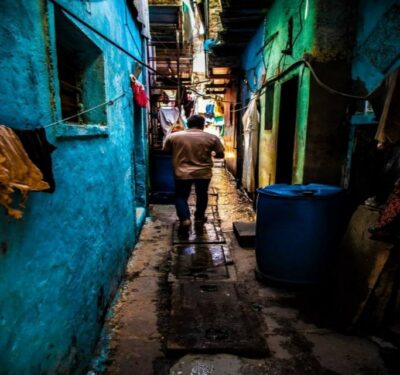
The opening walk is not a grand entrance. That is part of its value. You begin with ordinary streets and then enter areas where homes and businesses sit close together. The shift helps you understand Dharavi as part of Mumbai, not an isolated attraction.
Wear comfortable shoes. The core walk lasts about two hours, and the ground, pace, and crowding may not suit everyone. There is no suggestion that meals are included, so plan to eat before or after the tour.
The thirteenth compound and plastic recycling
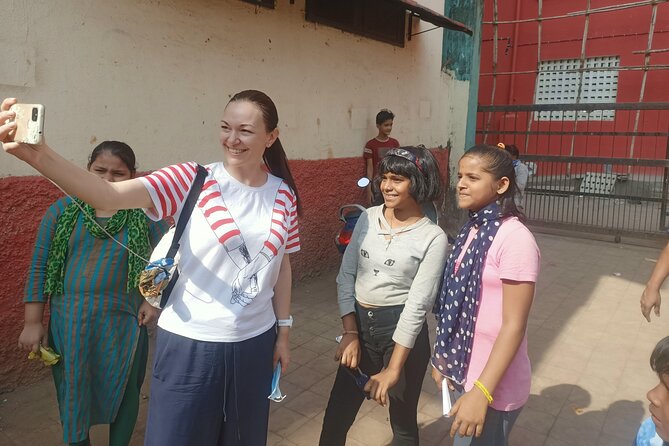
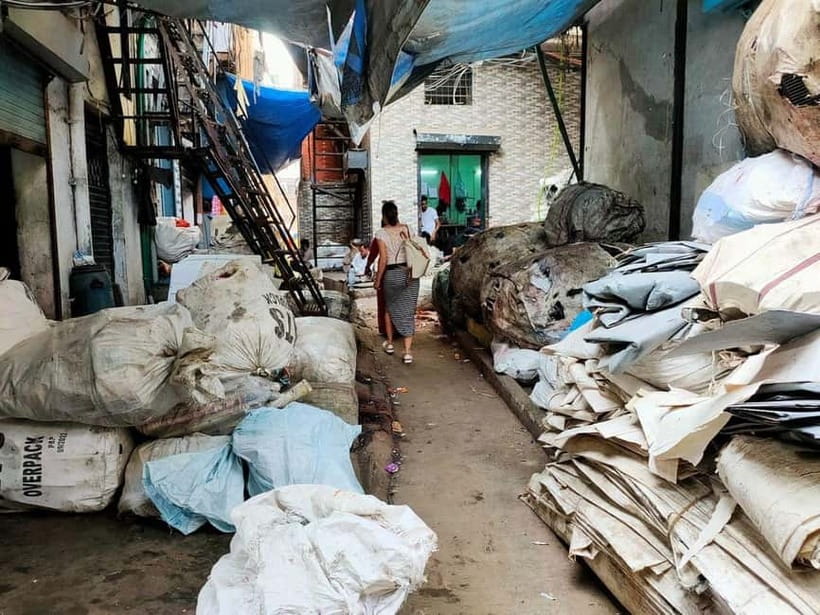
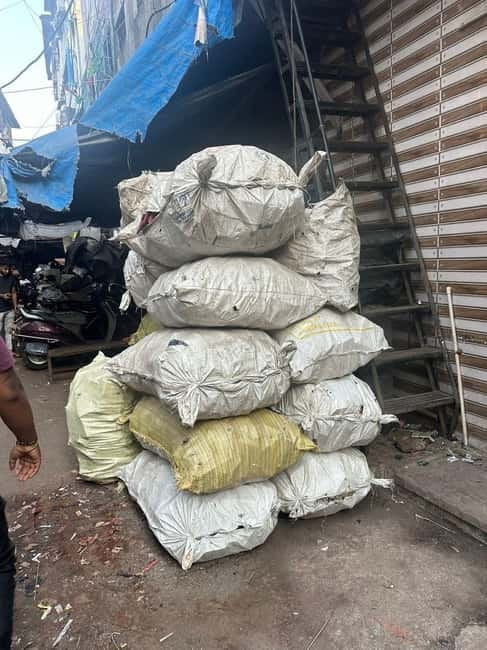
The first major focus is the plastic and metal recycling yard in the thirteenth compound. This is one of the most useful sections of the experience because it shows a complete industrial process in a very small setting.
You can expect to see plastic being melted and molded into new items. The tour also explains the production of buttons for well-known brands, including Barbie dolls in India. That detail connects Dharavi’s workshops to products sold far beyond Mumbai.
Recycling is not presented as a side activity. It is a major source of employment, and it gives discarded material a second use. The work is practical, repetitive, and skilled. A good guide will help you understand the steps rather than simply point at machinery.
This section may be uncomfortable if you expect a quiet museum-style visit. Recycling yards can be active work areas, and space is limited. You are there to observe an operating neighborhood business. Stay close to your guide, watch where you step, and do not interrupt workers.
For me, this is the strongest reason to book the tour. It replaces a vague image of a slum with a clear look at manufacturing, recycling, and employment.
Leather, ceramics, garments, and small workshops
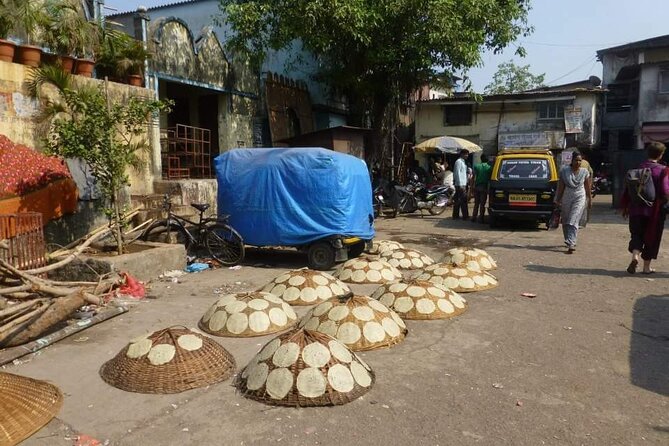
The route also covers leather goods, ceramics, embroidered garments, and other small-scale industries. These businesses often work in compact rooms, using creativity and careful labor to produce items for markets in India and abroad.
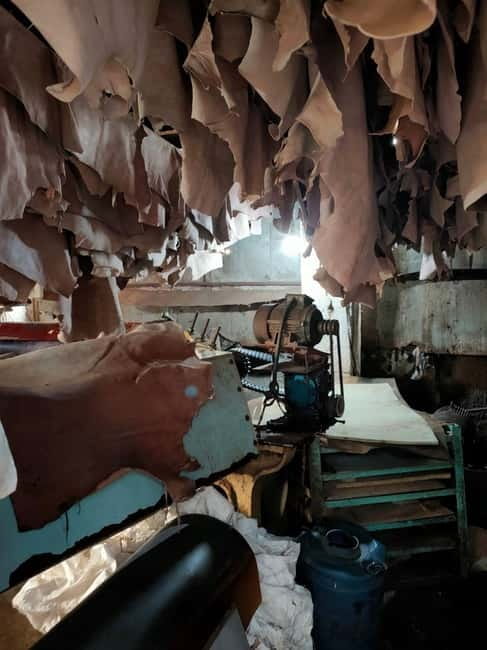
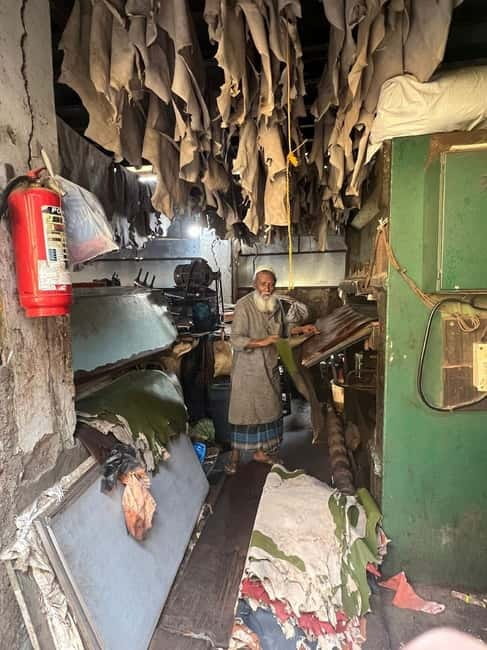
Leather production adds another layer to the story. You learn that Dharavi is not only sorting waste. It also makes finished goods. The same applies to embroidered garments and ceramics, where the value comes from skill and detail rather than expensive premises.
The workshops make the tour feel less like a single-topic recycling visit. You get a wider picture of the local economy and the many ways people earn a living. The variety also helps explain why Dharavi has become such an important part of Mumbai’s commercial life.
Do not expect every workshop to operate like a public showroom. Access and visibility can vary. The information provided promises a guided look at these industries, but it does not promise shopping stops or hands-on demonstrations. If you want to buy something, ask your guide what is appropriate rather than assuming every workplace sells directly to visitors.
A completely different way to spend a day in Mumbai:
- Mumbai: Full-Day Sightseeing Tour of Mumbai
★ 4.9 · 1,822 reviews - Private Mumbai Sightseeing Tour (Traveller’s Choice Award Winner)
★ 5.0 · 1,565 reviews - Elephanta Caves & Island Guided Private Tour
★ 5.0 · 1,327 reviews - Group Guided Walking Tour in Fort and Colaba
★ 5.0 · 1,073 reviews
Guides who add the human side
The guide can make or break this kind of tour. Ruqaiyya is one of the named guides associated with the experience, and she has earned repeated praise for her clear English, friendly manner, and detailed understanding of Dharavi. She has lived in the area for much of her life, which gives her a direct connection to the neighborhood.
Neha is another guide named for the experience. She is described as helpful and able to show everyday places where residents live and work. Rihanna has also been praised for explaining the importance of recycling and the employment it supports.
The listed languages are English, Hindi, and Marathi. An English-speaking guide is included, while the other language options may suit local visitors or mixed groups. If language matters to you, confirm the choice when booking.
The tour is available as a private group. That option may be worth considering if you want to ask many questions, need a slower pace, or prefer a more personal setting. A private group can also make it easier to discuss sensitive subjects without feeling rushed.
The best guides do more than recite facts. They explain how daily life and work fit together, answer direct questions, and help you notice details you would miss alone. Ruqaiyya’s strong reputation for communication is especially useful for first-time visitors who want context without a lecture.
A two-hour walk, or a longer outing with transport
The main guided walk is listed as two hours. The full activity can last between two and seven hours, depending on the option, pickup, transport, and drop-off arrangements.
That wide range matters. If you choose a simple meeting point and walking tour, you should expect the two-hour route. If you add hotel or port pickup and return transportation, allow much more time, especially in Mumbai traffic.
Included transport may be an air-conditioned vehicle with private transportation. Hotel or port pickup and drop-off are listed as included for the relevant option, but pickup is also described as optional. Read the exact choice before paying so you know whether you are buying only the walking experience or a longer door-to-door outing.
The listed drop-off points include Third Wave Coffee, Mumbai, and Dhobi Ghat. These are useful if you want to continue sightseeing, have a coffee break, or connect the tour with another Mumbai activity. The options are not explained in detail, so confirm which drop-off applies to your booking.
What the $8 price delivers
At $8 per person, this is inexpensive for a guided Mumbai experience. The price is especially good if you want a local guide, a structured route, and an introduction to Dharavi’s industries without arranging transport yourself.
Entry fees for the included places are covered. An English-speaking local guide, bottled water, and private transportation are also included in the relevant package. These details improve the value, but the transport inclusion depends on the selected option.
Meals and drinks are not included. Bottled water is provided, which is useful in Mumbai’s heat, but you should not expect a meal or refreshment stop. Bring comfortable shoes and plan your food around the tour.
The low cost should not lead you to expect a long list of formal attractions. Dharavi itself is the subject. You are paying for access to a guided local route and the explanation that gives the walk meaning.
Free cancellation up to 24 hours before the start gives you some protection if your Mumbai plans change. You can also reserve now and pay later, which helps if you are arranging several activities at once.
Who should book this experience
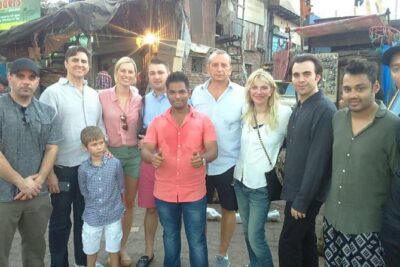
I would recommend this tour to you if you want to understand how Mumbai works below the level of monuments and shopping streets. It suits curious visitors who are willing to walk, listen, and treat a residential area with respect.
It is also a good choice if you are interested in recycling, small businesses, urban development, or the economics of informal communities. The plastic yard alone gives the tour a clear purpose, while the leather, ceramics, and garment workshops broaden the picture.
Families with older children may find the industrial side educational, though the route is not described as a specially designed family program. Students and photographers may also find useful material, but photography should always follow the guide’s advice.
I would think twice if you want a relaxed sightseeing outing with broad open spaces, cafés, and conventional landmarks. Dharavi can be crowded and close-packed, and the tour asks you to pay attention to real working conditions. It is also not the right choice if your only goal is shopping or taking dramatic photographs.
Practical ways to get more from the walk
Read a little about Mumbai before you go, but do not arrive with a fixed story about Dharavi. The tour is most useful when you allow the neighborhood to be both a place with serious economic challenges and a place full of work, skill, and family life.
Ask your guide how recycling connects to the wider city. Ask how the different workshops sell their products. Ask what has changed since Dharavi began in 1883. The guides are there to explain, and specific questions will usually produce a more useful conversation than general comments.
Keep your phone and camera ready for directions, but do not make photography the main event. Ask before photographing people, homes, or workspaces. The most respectful visitor is often the one who watches carefully and puts the camera away when requested.
Wear shoes you can walk in for two hours. Carry only what you need, follow your guide through narrow areas, and keep an open mind. The tour is not difficult in the sense of a strenuous hike, but it is an active urban walk.
Should you book the Dharavi tour?
Book it if you want a direct look at Mumbai’s working life and can approach Dharavi with respect. The recycling yard, the range of small industries, and the chance to learn from guides with local ties give this $8 tour real value.
The strongest guide matches appear to be Ruqaiyya, Neha, and Rihanna, with Ruqaiyya receiving especially strong praise for her communication and personal connection to the area. Confirm your language, meeting point, pickup choice, and total duration before booking.
Skip it if you want a conventional sightseeing route or feel uncomfortable walking through a dense residential community. For everyone else, this is a useful way to replace stereotypes with a closer, more human understanding of one of Mumbai’s most important working neighborhoods.
FAQ
How long does the Dharavi Slum Tour last?
The guided walk in Dharavi lasts about two hours. Depending on the selected option, pickup, transport, and drop-off, the full activity can last between two and seven hours.
Where does the tour start?
The starting point depends on the option booked. The stated walking route begins at Mahim Railway Station, while some options offer hotel or port pickup.
Which languages are available?
The tour is available with guides speaking English, Hindi, and Marathi.
Is hotel pickup included?
Hotel or port pickup and drop-off are included with the applicable option, while pickup is also listed as optional. Check the exact package before booking.
Are meals and drinks included?
No. Meals and drinks are not included. Bottled water is included.
Is the tour private?
A private group option is available. Confirm that choice when you book if you prefer a more personal tour.
Can I cancel the booking?
You can cancel up to 24 hours in advance for a full refund. The tour also offers a reserve-now, pay-later option.
Just added around Mumbai
- Temples & Vineyards: Private Tour to Nashik from Mumbai★ 4.5 · 3 reviews
- Mumbai: Private City sightseeing and Dharavi Slum Tour★ 5.0 · 3 reviews
- Mumbai: Full Day City Sightseeing with Lunch, Car & Guide★ 4.3 · 3 reviews
- Elephanta Island Private Speedboat Tour from Mumbai – 6pax★ 5.0 · 3 reviews
- Mumbai: Elephanta Island and Elephanta Caves Guided Tour★ 4.4 · 3 reviews
- Mumbai Sightseeing Tour by Public Transport with family Lunch★ 5.0 · 3 reviews
- Mumbai by Dawn★ 4.5 · 3 reviews
- Mumbai Dharavi Slum Community Tour★ 5.0 · 3 reviews
Dharavi Slum Tours, compared.
Dharavi slum tour in Mumbai by Female tour guides of the slum
Read our review →
Dharavi Slum Slumdog Millionaire Tour with a Local
Read our review →
Mumbai Slum Tour – Visit Dharavi Slum with Local Guide
Read our review →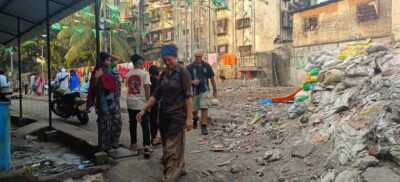
Dhobi Ghat Laundry and Dharavi Slum Tour with Local
Read our review →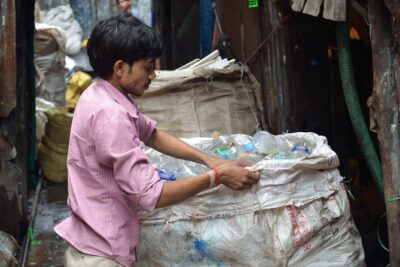
Browse the lists this tour appears in