
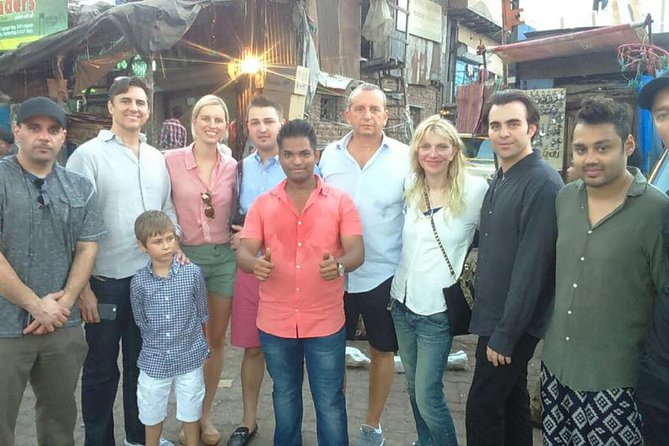
Reviewed · DHARAVI SLUM TOURS
Dharavi Slum Tour
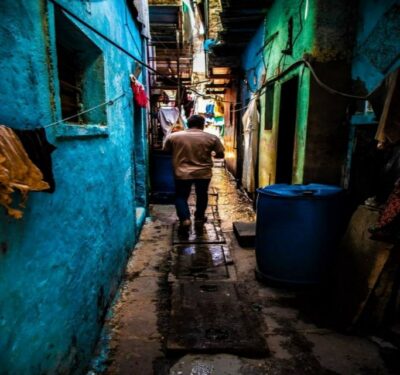
Dharavi is not simply a place to look at. It is a working part of Mumbai, with homes, workshops, schools, churches, and small businesses packed into a maze of narrow lanes. This two-hour walk shows you the daily enterprise behind the famous name, while pushing back against the lazy image created by Slumdog Millionaire.
I like the small group limit of five, which gives the guide room to explain what you are seeing instead of moving a large crowd through tight streets. I also like the focus on local work, from plastic recycling and leather production to pottery and soap making. The main consideration is that this is a walking tour through compact alleys, so you need moderate fitness and a respectful attitude.
In This Review
- Key points at a glance
- Why Dharavi deserves a closer look
- A two-hour walk through narrow working lanes
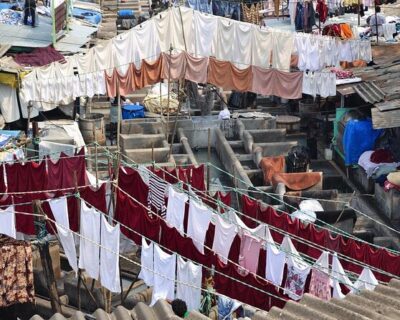
- Plastic recycling and the work behind the streets
- Leather, pottery, and soap production
- Schools, churches, and the community beyond work
- A better answer to poverty tourism concerns
- What the small group changes
- Is $20 good value?
- Who will enjoy this tour most?
- Helpful meeting and walking advice
- Should you book the Dharavi Slum Tour?
- FAQ
- How long does the Dharavi tour last?
- What is the price of the tour?
- What is included in the tour?
- Is private transportation included?
- Where does the tour begin?
- Where does the tour end?
- How many people can join the tour?
- Can I cancel for a full refund?
Key points at a glance
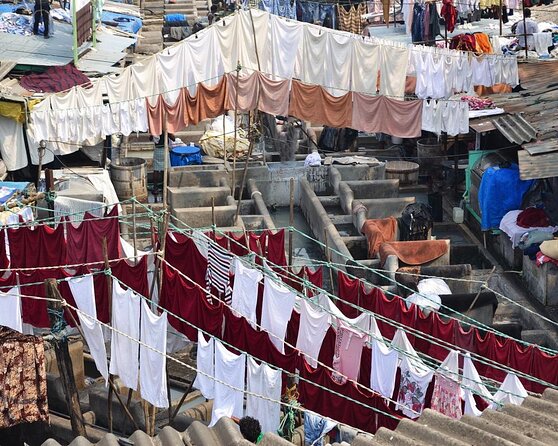
- Dharavi as a working community: See homes, businesses, schools, and churches in the same tightly packed area.
- Several local industries: Learn about plastic recycling, leather work, pottery, and soap production.
- Two-hour walking format: A short visit gives you a focused introduction without taking up a full day in Mumbai.
- Maximum of five people: The small group can make explanations and questions easier.
- English-speaking local guide: Mohamed and Shailinder are connected with meeting-point help and tour arrangements.
- $20 price: The cost is reasonable for a guided, small-group look at an important part of Mumbai, though transport is not included.
Why Dharavi deserves a closer look
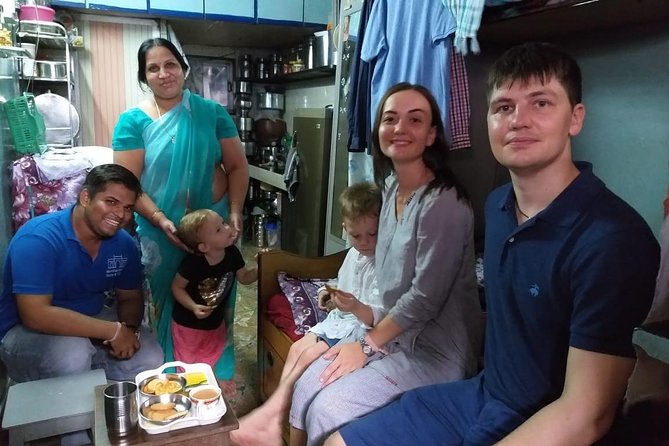
Dharavi became known around the world after the 2008 film Slumdog Millionaire. That fame can create a narrow picture. You may arrive expecting only hardship, but the tour is designed to show something more useful: how people build businesses, earn a living, and organize community life despite difficult conditions.
The word slum can make a place sound empty of purpose. Dharavi is the opposite. It is a dense urban district where work and home life sit close together. A workshop may be near a school. A church may be reached through the same narrow routes used by workers carrying materials. The experience asks you to pay attention to that mix rather than reduce the area to poverty.
I appreciate this approach because it gives you context without pretending that the conditions are easy. You will still see crowded lanes and limited space. The point is not to make hardship look attractive. It is to recognize the skill, effort, and community structure operating within it.
More Dharavi walking tours:
- Dharavi slum tour in Mumbai by Female tour guides of the slum
★ 5.0 · 1,976 reviews - Mumbai: Dharavi Slum, DhobiGhat, and Dabbawallas Tour
★ 4.9 · 689 reviews - Dharavi Slum Tour
★ 5.0 · 625 reviews
A two-hour walk through narrow working lanes
The tour begins at Café Coffee Day, at Unit 58 on the ground floor of Ram Mahal Building on Senapati Bapat Marg. The meeting point is near public transportation, but private transportation is not included, so you need to arrange your own way there. Plan enough time to find the café and arrive ready to walk.
From the meeting point, your English-speaking local guide leads you into Dharavi. The exact order of activities is not fixed in the information provided, and no separate list of timed stops is given. That means you should think of this as a guided route through the area rather than a museum-style visit with set exhibits.
The narrow alleys are a central part of the experience. They make the visit feel immediate, but they also require patience. You may need to walk carefully, stay close to the group, and listen while local activity continues around you. A maximum of five participants is especially useful here. In a larger group, it would be harder to hear the guide or avoid blocking the passage.
The short duration works well for first-time visitors. Two hours is enough to form a clearer picture of Dharavi, yet short enough to fit around other Mumbai plans. If you want an extended study of local industry or a full-day neighborhood visit, this tour will feel limited. If you want a direct introduction, the timing is practical.
Plastic recycling and the work behind the streets
Plastic recycling is one of the activities included in the tour. This is more than a quick stop for a photograph. It helps explain how ordinary waste can become part of a local business system.
You will likely see how different forms of work fit together in a compact district. The supplied details do not specify the exact recycling process or the individual workshop visited, so I would not book this expecting a technical demonstration with fixed machinery or a guaranteed production sequence. Instead, expect your guide to point out the role of recycling within Dharavi’s working life.
This part of the visit can change the way you read the streets. Materials, movement, and small-scale enterprise are not background details. They are clues to how the neighborhood supports itself. The value comes from having a local guide explain what you are seeing, rather than passing through without context.
Leather, pottery, and soap production
The tour also covers leather work, pottery, and soap production. These activities give you a broader view of Dharavi than a single industry could provide.
Leather work shows another side of skilled production. Pottery connects the tour with hands-on craft, while soap production points to everyday goods made within the neighborhood. The information does not promise that you will make an item yourself, nor does it name specific workshops or guarantee a purchase opportunity. You should see these as examples of the area’s economic activity, not as a shopping tour.
I like this range because it prevents Dharavi from being presented as one thing. The district is not only residential, and it is not only industrial. Different kinds of work share limited space, and your guide can help you understand how that affects daily life.
Keep your expectations sensible. The tour is about observing and learning, not about receiving a polished factory presentation. Conditions may be basic, and the route can feel crowded or physically demanding. That is part of the setting, but it also means you should dress comfortably and avoid bringing an attitude of entitlement.
A completely different way to spend a day in Mumbai:
- Mumbai: Full-Day Sightseeing Tour of Mumbai
★ 4.9 · 1,822 reviews - Private Mumbai Sightseeing Tour (Traveller’s Choice Award Winner)
★ 5.0 · 1,565 reviews - Elephanta Caves & Island Guided Private Tour
★ 5.0 · 1,327 reviews - Group Guided Walking Tour in Fort and Colaba
★ 5.0 · 1,073 reviews
Schools, churches, and the community beyond work
Schools and churches are also part of the visit. These details matter because they show Dharavi as a place where people live full lives, not simply a place where people work.
A school adds a sense of continuity and family life. Churches point to the range of religious and community institutions found in the area. The available details do not identify the schools or churches by name, and the tour does not promise entry into them. Your guide may explain their role as you pass through or view them from the route.
This is where the tour’s central idea becomes clearest. Dharavi is a mini-city, with social life, faith, education, and employment close together. You are not just looking at buildings. You are seeing how a community functions when space is scarce and resources are limited.
Please remember that these are real homes and workplaces. Photography should be handled with care, and you should follow your guide’s instructions. Even when a scene looks unusual to you, it is ordinary life for the people who live and work there.
A better answer to poverty tourism concerns
A Dharavi tour can raise an uncomfortable question: is it fair to turn a low-income neighborhood into a sightseeing stop? That concern should not be dismissed. A visitor carries money, freedom of movement, and the ability to leave. Residents do not experience the area as a temporary attraction.
This particular tour addresses that concern by focusing on work, community, and what people achieve under adverse conditions. That does not erase poverty or make the visit automatically ethical. Your own conduct still matters. Listen more than you speak, do not treat people as photo subjects, and avoid acting as if the neighborhood exists for your entertainment.
I would describe the experience as worthwhile for visitors who want to replace a movie-shaped image with a more grounded understanding. It is less suitable for anyone seeking dramatic photographs or a quick story to tell at home. The narrow alleys are not a stage, and the people you see are not part of a performance.
What the small group changes
A maximum of five travelers is one of the strongest practical features. With so few people, you can usually stay close to the guide and ask questions without holding up a large procession.
Small groups also reduce some of the awkwardness that can come with entering a residential working area. You still need to be mindful, but a compact party is less intrusive than a busload of visitors. It also makes the two-hour schedule more flexible in feel, even though the route itself may vary.
The downside is that a small group may fill quickly. This experience is booked an average of six days ahead, so do not leave it until the last minute if the timing matters to you. Group discounts are available, which may make the price more attractive for people booking together.
Is $20 good value?
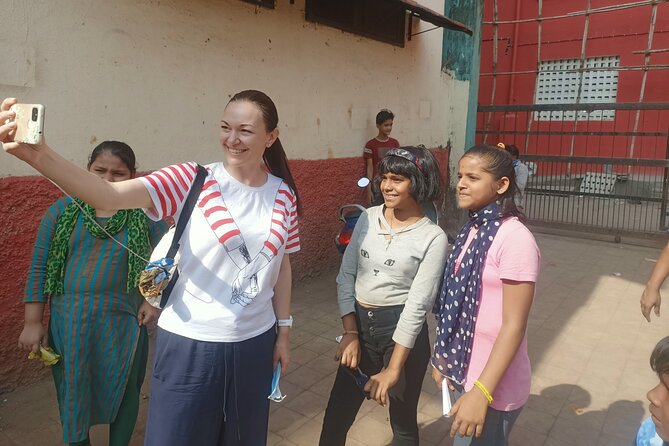
At $20 per person, the tour is fairly priced for a two-hour guided experience in Mumbai, especially with a maximum of five participants. You are paying for local interpretation and access to a part of the city that can be difficult to understand on your own.
The English-speaking guide is the key part of the value. Without explanation, you might notice narrow lanes, workshops, and crowded buildings but miss how the area’s industries and community institutions connect. The guide turns a walk into a more informed visit.
Transport is not included, so add the cost and time of reaching the meeting point. The tour begins and ends at Café Coffee Day, rather than including a hotel pickup or drop-off. For some visitors, that is a minor issue because the meeting point is near public transportation. For others, especially those with limited time, it means planning carefully.
The free cancellation policy also lowers the booking risk. You can cancel for a full refund up to 24 hours before the start time. Changes or cancellations made within 24 hours are not accepted for a refund, and poor weather can lead to a rescheduled date or full refund.
Who will enjoy this tour most?
I would recommend it to you if you want a short, serious introduction to one of Mumbai’s most discussed neighborhoods. It suits curious visitors who are willing to walk, listen, and accept that the setting will not be polished.
It is also a good fit if you prefer local industry and social context over standard sightseeing. The mix of recycling, leather, pottery, soap, schools, and churches gives you several ways to understand the area.
You may want to skip it if you dislike walking through tight spaces, need private transportation, or want a fully scripted sightseeing route. Moderate physical fitness is required, and the experience depends on your comfort with a dense urban environment.
The tour is also not ideal if your main aim is photography. Dharavi’s residents deserve privacy, and the value of the visit comes from understanding the place, not collecting images of it.
Helpful meeting and walking advice
Arrive at Café Coffee Day at Unit 58, Ground Floor, Ram Mahal Building, Senapati Bapat Marg, T.P. Road, Station, Marinagar Colony, Navjivan Society, Mahim, Mumbai, Maharashtra 400016. The meeting point is specific, so save the full address before setting out.
Mohamed and Shailinder are associated with helping participants reach the meeting point, a useful detail if you are unsure about the starting location. Confirmation is provided when you book, so keep those details available on your phone.
Wear comfortable clothing and shoes suited to two hours on foot. The route uses narrow alleys, and the tour requires moderate physical fitness. Since no private transportation is included, allow extra time for getting to the start and finding your bearings.
The experience ends back at the same meeting point. That makes it easier to plan your next activity, but you should not assume a transfer to another Mumbai attraction or hotel.
Should you book the Dharavi Slum Tour?
Book it if you want to see Dharavi as a real community and working district, not as a movie backdrop or poverty display. The strongest reasons are the small group, the local English-speaking guide, the range of industries, and the effort to show both work and community life.
At $20, it offers solid value for a focused two-hour visit. Go with respect, keep your expectations realistic, and plan your own transport to Mahim. If you do that, this can be one of Mumbai’s more thought-provoking short tours.
FAQ
How long does the Dharavi tour last?
The tour lasts approximately two hours.
What is the price of the tour?
The price is $20 per person. Group discounts are available.
What is included in the tour?
An English-speaking local guide is included.
Is private transportation included?
No. Private transportation is not included. You need to arrange your own transport to the meeting point.
Where does the tour begin?
The tour begins at Café Coffee Day, Unit No. 58, Ground Floor, Ram Mahal Building, Senapati Bapat Marg, T.P. Road, Station, Marinagar Colony, Navjivan Society, Mahim, Mumbai, Maharashtra 400016, India.
Where does the tour end?
The activity ends back at the meeting point.
How many people can join the tour?
The tour has a maximum of five participants.
Can I cancel for a full refund?
Yes. You can cancel at least 24 hours before the start time for a full refund. Cancellations or changes made less than 24 hours before the start time are not accepted for a refund.
Just added around Mumbai
- Temples & Vineyards: Private Tour to Nashik from Mumbai★ 4.5 · 3 reviews
- Mumbai: Private City sightseeing and Dharavi Slum Tour★ 5.0 · 3 reviews
- Mumbai: Full Day City Sightseeing with Lunch, Car & Guide★ 4.3 · 3 reviews
- Elephanta Island Private Speedboat Tour from Mumbai – 6pax★ 5.0 · 3 reviews
- Mumbai: Elephanta Island and Elephanta Caves Guided Tour★ 4.4 · 3 reviews
- Mumbai Sightseeing Tour by Public Transport with family Lunch★ 5.0 · 3 reviews
- Mumbai by Dawn★ 4.5 · 3 reviews
- Mumbai Dharavi Slum Community Tour★ 5.0 · 3 reviews
Dharavi Slum Tours, compared.
Dharavi slum tour in Mumbai by Female tour guides of the slum
Read our review →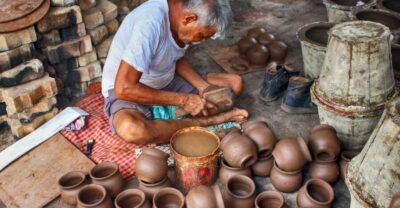
Dharavi Slum Slumdog Millionaire Tour with a Local
Read our review →
Mumbai Slum Tour – Visit Dharavi Slum with Local Guide
Read our review →
Dhobi Ghat Laundry and Dharavi Slum Tour with Local
Read our review →
Browse the lists this tour appears in