
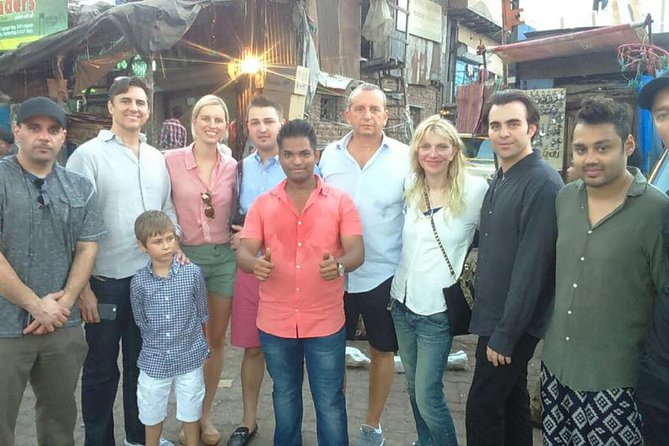
Reviewed · DHARAVI SLUM TOURS
Dharavi Slum Tour
Dharavi is not simply a place to look at poverty. It is a working community where homes, workshops, recycling operations, shops, and family businesses share a tight patch of Mumbai. This walking tour gives you that view from a local guide, with the chance to meet residents, try pottery, and see how people make a living.
I like the resident English-speaking guides, who can explain the area from personal experience, and I like the focus on work and enterprise rather than staged misery. The $13.42 price is also modest for a two-hour guided walk. The main consideration is comfort: Dharavi can be hot, crowded, and physically demanding, and you should dress modestly and wear closed-toed shoes.
In This Review
- Key points to know before you book
- Why Dharavi offers more than a poverty tour
- Meeting your guide near Mahim
- Walking through homes, workshops, and working lanes
- Pottery and the hands-on side of the visit
- A family meal and a more personal view
- What the two-hour format means for value
- Staying comfortable and respectful
- Who will get the most from this tour
- Should you book the Dharavi Slum Tour?
- FAQ
- How long does the Dharavi Slum Tour last?
- How much does the tour cost?
- Who leads the tour?
- What is included in the price?
- Is transportation included?
- Where does the tour start and finish?
- What should I wear?
- Can I cancel for a full refund?
Key points to know before you book
- A local guide leads the walk: Guides named in the tour information include Rakesh, Alkama, Hardik, and Dinesh.
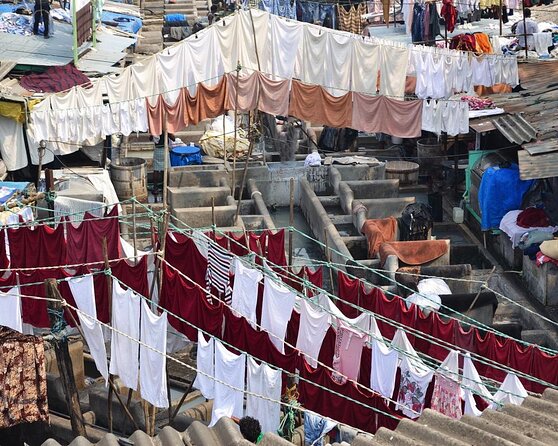
- Dharavi is a place of work as well as residence: You see small businesses, recycling activity, workshops, and residential lanes.
- Hands-on moments are included: You may try pottery at a local workshop and eat vegetarian food in a family home.
- The tour ends inside Dharavi: It starts near Mahim at Third Wave Coffee and finishes near Sai Multispeciality Hospital.
- The group can reach 20 people: Private and small-group options are offered, but check the choice you select.
- Dress and hydration matter: Wear modest clothes, closed shoes, and carry water, a cap, or other sun protection.
Why Dharavi offers more than a poverty tour
Dharavi is often presented in simple terms, as one of Asia’s largest slum areas. That description tells you something about housing conditions, but not enough about daily life. The area is also a major center for small-scale manufacturing, recycling, trade, and family-run work.
That is the useful change in viewpoint this tour can provide. Instead of passing through by car or seeing Dharavi from a distance, you walk with someone who lives there and can explain how the community functions. You learn where people live, where they work, and how businesses fit into the same narrow streets.
I find that approach far more worthwhile than a tour built around shock value. You are still likely to notice cramped lanes and difficult living conditions, but the guide can place those details beside stories of ambition, work, and practical problem-solving.
The tour is not a substitute for learning every social or political issue connected with Dharavi. It is a short introduction. In about two hours, you get a close look at one part of Mumbai and a better sense of how residents use limited space to build homes and businesses.
More Dharavi walking tours:
- Dharavi slum tour in Mumbai by Female tour guides of the slum
★ 5.0 · 1,976 reviews - Mumbai: Dharavi Slum, DhobiGhat, and Dabbawallas Tour
★ 4.9 · 689 reviews - Dharavi Slum Tour
★ 5.0 · 625 reviews
Meeting your guide near Mahim
The tour begins at Third Wave Coffee on Tip Road, at Unit 58, Ground, Ram Mahal, Senapati Bapat Marg, Marinagar Colony, near Mahim station. This is a useful starting point because you meet outside a recognizable café rather than trying to find a guide inside a maze of lanes.
Arrive with enough time to locate the meeting point. The tour information says confirmation normally arrives at booking, although bookings made within one hour of departure are subject to availability and may take longer to confirm.
Your guide should be an English speaker who lives in Dharavi. Names connected with this experience include Rakesh, Alkama, Hardik, and Dinesh. I would not book this expecting one particular person unless the operator confirms that in writing, but the local-guide format is the important point. A resident can give you context that a guide based elsewhere may not have.
The tour is available at several start times, so you can fit it around other Mumbai plans. Keep in mind that the city’s heat can make a midday walk harder. One useful tip from the tour information is simple: carry water and a cap.
Walking through homes, workshops, and working lanes
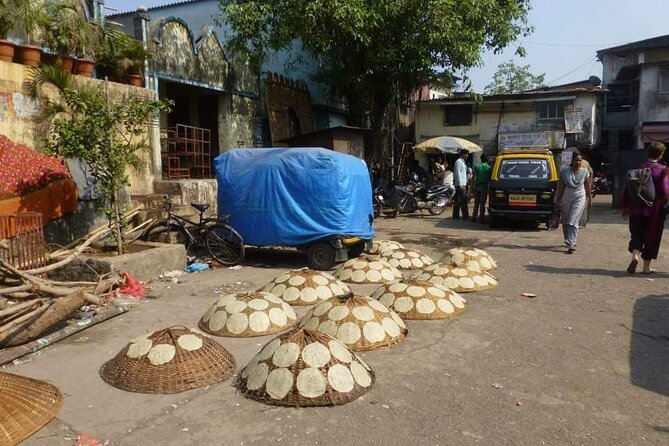
The main stop is Dharavi itself, and the walk is the experience. You will move through a community where residential and commercial areas sit close together. A lane may lead past a home, then a small workshop, then a business handling goods for sale or recycling.
This close mix is one of the tour’s strongest features. You are not just hearing that Dharavi is entrepreneurial. You are shown how work takes place in a dense urban setting and how local businesses support families and the wider area.
The walking route can also make the tour feel intense. Narrow streets, heat, and the constant activity require attention. You should expect a real neighborhood rather than a polished attraction with wide paths, signs, and formal exhibits.
Photography deserves care and restraint. The supplied information emphasizes learning from residents at homes and businesses, so I would treat the people and their work with respect. Ask before taking photographs, especially around homes, workshops, and children.
The guide’s role matters here. Rakesh is described as covering both commercial and residential areas, while Alkama is connected with the idea of Dharavi as a place where residents build successful lives while studying or working. Those details point to the kind of conversation you can expect: not just what a building is used for, but how people use the community to shape their future.
Pottery and the hands-on side of the visit
A pottery workshop adds a practical element to the walk. You may get to try your hand at pottery rather than simply watch someone else work. That small activity can help you understand the skill and patience involved in a local trade.
It also gives the tour a welcome change of pace. Two hours of listening and walking can become tiring, especially in hot weather. A hands-on stop lets you take part in something connected to the neighborhood instead of treating the area as a backdrop.
The details of the pottery session are not specified, so I would keep expectations sensible. Think of it as a short introduction, not a full class or a finished piece guaranteed to travel home with you.
A completely different way to spend a day in Mumbai:
- Mumbai: Full-Day Sightseeing Tour of Mumbai
★ 4.9 · 1,822 reviews - Private Mumbai Sightseeing Tour (Traveller’s Choice Award Winner)
★ 5.0 · 1,565 reviews - Elephanta Caves & Island Guided Private Tour
★ 5.0 · 1,327 reviews - Group Guided Walking Tour in Fort and Colaba
★ 5.0 · 1,073 reviews
A family meal and a more personal view
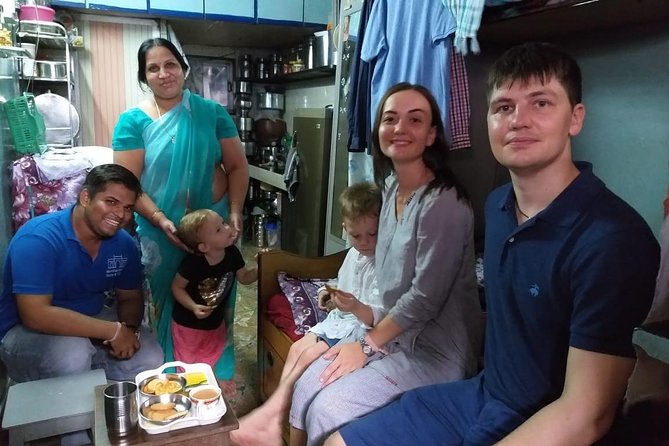
The experience may also include vegetarian food in a family home. This is one of the more personal parts of the tour, since it moves the visit from public streets and businesses into a domestic setting.
Food can make a place easier to understand, but it also calls for good manners. Follow the guide’s instructions, respect the household, and tell the operator in advance if you have dietary concerns. The information confirms vegetarian fare, but it does not give a full menu or list of allergy accommodations.
A family meal can be a memorable part of the visit because it shows Dharavi as a lived-in community, not just a business district. At the same time, you should be comfortable with the personal nature of the invitation. If you prefer a more detached sightseeing experience, this may feel outside your comfort zone.
One guide, Hardik, is specifically praised for answering questions and offering tea. That detail fits the overall tone of the experience: conversation and hospitality are likely to be as important as the route itself.
What the two-hour format means for value
At $13.42 per person, this is one of the more affordable guided experiences you can add to a Mumbai itinerary. The price includes an English-speaking guide who lives in Dharavi and bottled water. It does not include private transportation or tips.
The value comes from access and explanation, not from a long list of paid attractions. You are paying for a local introduction to a place that would be difficult to understand by simply walking in alone. The guide helps connect the businesses, homes, recycling activity, and social setting.
The roughly two-hour length is also practical. It is long enough to give you a serious introduction but short enough to fit before or after other Mumbai plans. You will not see every part of Dharavi, and that is worth accepting before booking. This is a focused walk, not a complete survey of the whole area.
Groups can reach 20 people. That is still manageable for a walking tour, but it may feel less personal than a private outing. If you want more time for questions or a slower pace, choose the private option if available for your date.
There is no private transportation included. You make your own way to the Mahim meeting point, and the walk ends near Sai Multispeciality Hospital on 90 Feet Road in Dharavi. Uber cabs are available at the end, which makes the finish easier, but you should plan your route to the start separately.
Staying comfortable and respectful
Wear modest clothing. Women are asked not to wear sleeveless shirts, short shorts, or low tops. Closed-toed shoes are required, and they make sense for a walking route through active streets and work areas.
Bring bottled water, even though water is included. The tour information specifically warns that it can get hot, and one practical suggestion is to carry a cap. Comfortable footwear matters more than dressing for photographs.
You should also prepare for a tour that may challenge your assumptions. Dharavi includes real hardship, but it is not fair to reduce the people who live there to that hardship. Listen to the guide, ask thoughtful questions, and avoid treating homes or workplaces as display pieces.
The strongest parts of the experience are the guide’s personal connection and the chance to see how local businesses operate. The weaker parts are mainly physical and emotional: heat, crowded conditions, and the possibility that a short tour cannot answer every question you bring.
Who will get the most from this tour
I would choose this experience if you want to understand Mumbai through its communities and working life rather than only its major sights. It suits curious adults, students, photographers who can work respectfully, and anyone interested in small businesses, recycling, housing, and urban change.
It is also a good choice if you want a short activity at a low price. The range of start times helps, and the two-hour format does not take over your day.
I would think twice if you dislike walking in hot conditions, feel uncomfortable visiting residential areas, or expect a polished attraction with clear signs and wide paths. The tour is also not ideal for anyone who wants private transport included.
Most travelers can participate, and the tour is near public transportation. Still, the supplied information does not provide detailed accessibility notes, so contact the operator if you have specific mobility needs.
Should you book the Dharavi Slum Tour?
I would book it if you want a respectful, locally guided look at one of Mumbai’s most misunderstood communities. The best reasons are clear: a guide who lives in Dharavi, access to both homes and businesses, a pottery stop, possible vegetarian food with a family, and a price of about $13.42.
Choose a private option if personal questions and a slower pace matter to you. A group of up to 20 can keep the cost low, but it may offer less one-on-one time.
Book with the right expectations. You are not signing up for a comfortable sightseeing loop. You are signing up for a direct look at how people live and work in a dense Mumbai neighborhood. Dress properly, carry water, ask permission before taking photos, and give the experience room to be more complicated than its name suggests.
Free cancellation is available up to 24 hours before the start time. Cancellations within 24 hours are not refunded, and late changes are not accepted.
FAQ
How long does the Dharavi Slum Tour last?
The tour lasts approximately two hours.
How much does the tour cost?
The listed price is $13.42 per person.
Who leads the tour?
An English-speaking guide who lives in Dharavi leads the walk. Guides associated with the experience include Rakesh, Alkama, Hardik, and Dinesh.
What is included in the price?
The price includes the English-speaking local guide and bottled water.
Is transportation included?
No. Private transportation is not included. You travel to the meeting point yourself, and you can get Uber cabs near the end point.
Where does the tour start and finish?
It starts at Third Wave Coffee near Mahim station in Mumbai. It ends near Sai Multispeciality Hospital on 90 Feet Road in Dharavi.
What should I wear?
Wear modest clothing and closed-toed shoes. Women should avoid sleeveless shirts, short shorts, and low tops.
Can I cancel for a full refund?
Yes, if you cancel at least 24 hours before the experience start time. Cancellations made within 24 hours are not refunded.
Just added around Mumbai
- Temples & Vineyards: Private Tour to Nashik from Mumbai★ 4.5 · 3 reviews
- Mumbai: Private City sightseeing and Dharavi Slum Tour★ 5.0 · 3 reviews
- Mumbai: Full Day City Sightseeing with Lunch, Car & Guide★ 4.3 · 3 reviews
- Elephanta Island Private Speedboat Tour from Mumbai – 6pax★ 5.0 · 3 reviews
- Mumbai: Elephanta Island and Elephanta Caves Guided Tour★ 4.4 · 3 reviews
- Mumbai Sightseeing Tour by Public Transport with family Lunch★ 5.0 · 3 reviews
- Mumbai by Dawn★ 4.5 · 3 reviews
- Mumbai Dharavi Slum Community Tour★ 5.0 · 3 reviews
Dharavi Slum Tours, compared.
Dharavi slum tour in Mumbai by Female tour guides of the slum
Read our review →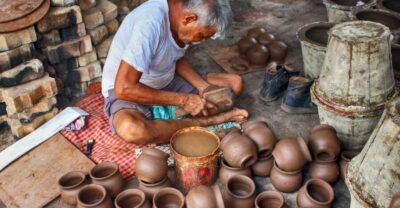
Dharavi Slum Slumdog Millionaire Tour with a Local
Read our review →
Mumbai Slum Tour – Visit Dharavi Slum with Local Guide
Read our review →
Dhobi Ghat Laundry and Dharavi Slum Tour with Local
Read our review →
Browse the lists this tour appears in