
Reviewed · SOUTH MUMBAI HERITAGE WALKS
Victorian Gothic Heritage Quarter and Art Deco Walking Tour
Mumbai’s great architectural surprise is not one grand building, but the sharp contrast between two city styles facing the Oval Maidan. On one side, Victorian Gothic towers and carved stone facades recall the colonial era. On the other, smooth Art Deco buildings point toward Mumbai’s modern ambitions.
I like the way this tour links architecture to the city’s changing identity, rather than treating each building as a photo backdrop. I also like the included street food, especially vada pav and pani puri, which gives the walk a local taste instead of keeping you at a distance from daily Mumbai life.
The main drawback is the heat. One person found the late-morning sun tiring and would have preferred an earlier start. You should also expect a proper city walk, with no private transport between stops.
In This Review
- Key points to know
- Why Mumbai’s architecture works best as a walking story
- Meeting in Colaba and getting oriented
- Seeing Mumbai’s grand civic buildings
- The Oval Maidan’s best visual comparison
- Chhatrapati Shivaji Maharaj Terminus and its dramatic finish
- Eros Cinema and Mumbai’s modern side
- Street food that makes the walk feel local
- How the guides shape the experience
- Timing, heat, and what to wear
- What the $16 price really buys you
- Who should book this Mumbai walking tour
- Should you book it?
- FAQ
- How long does the Victorian Gothic Heritage Quarter and Art Deco Walking Tour last?
- How much does the tour cost?
- Where do I meet the guide?
- Where does the tour finish?
- Which language is the tour offered in?
- Which Mumbai landmarks are included?
- Is street food included?
- Is transportation included?
- Can I cancel the booking?
Key points to know
- Two architectural eras in one walk: Compare Victorian Gothic buildings with Mumbai’s large Art Deco district around Oval Maidan.
- Major landmarks included: See Chhatrapati Shivaji Maharaj Terminus, Rajabai Clock Tower, the High Court, Mumbai University, and Eros Cinema.
- Local food is part of the experience: Vada pav, pani puri, other street-food tastings, and bottled water are included.
- Guides add flexibility: Sharon and Jawwad, also called Jay, have been praised for answering questions, allowing rest stops, and helping with small requests.
- Short but packed route: The 2.5-hour walk covers a lot in a compact part of south Mumbai.
- Simple meeting and finish: Meet at PizzaExpress in Colaba and finish near Churchgate Station.
Why Mumbai’s architecture works best as a walking story

This is a tour about contrasts. Mumbai’s Victorian Gothic quarter uses pointed arches, towers, stone ornament, and dramatic vertical lines. The Art Deco buildings nearby use curved corners, horizontal bands, geometric detail, and a cleaner modern look.
You do not need an architecture degree to enjoy the difference. A good guide can show you how the buildings reflect changing ideas about power, trade, technology, and city life. That is where this experience earns its price. You are not only looking at old facades. You are learning why one part of Mumbai looks like a European civic center while another feels shaped by the optimism of the 20th century.
The walk also places these buildings within Mumbai’s shift from colonial port city to modern metropolis. The setting helps explain why the city collected such different styles in a fairly compact area.
More South Mumbai heritage walks:
- Group Guided Walking Tour in Fort and Colaba
★ 5.0 · 1,073 reviews - Private Guided Walking Tour in Fort & Colaba
★ 5.0 · 895 reviews - Private Guided Open Jeep Tour in Fort & Colaba
★ 5.0 · 170 reviews
Meeting in Colaba and getting oriented
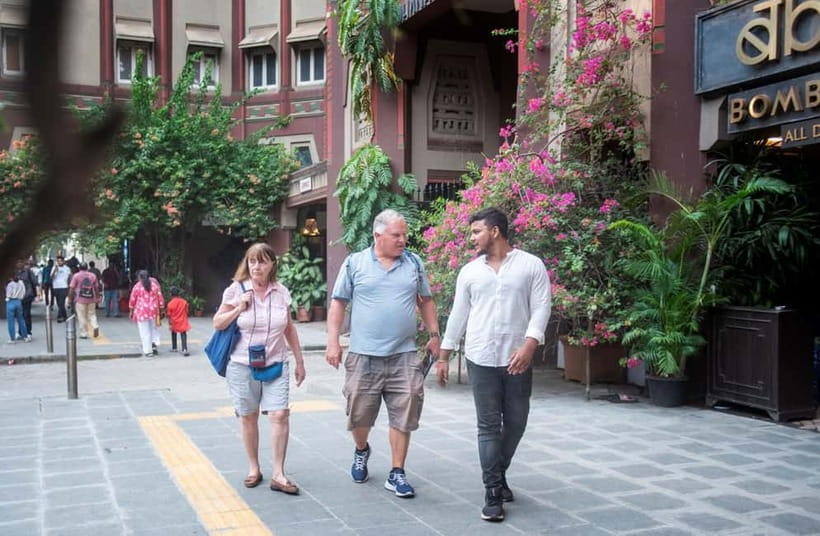
The meeting point is PizzaExpress in Colaba. You meet your English-speaking guide there before setting off through south Mumbai.
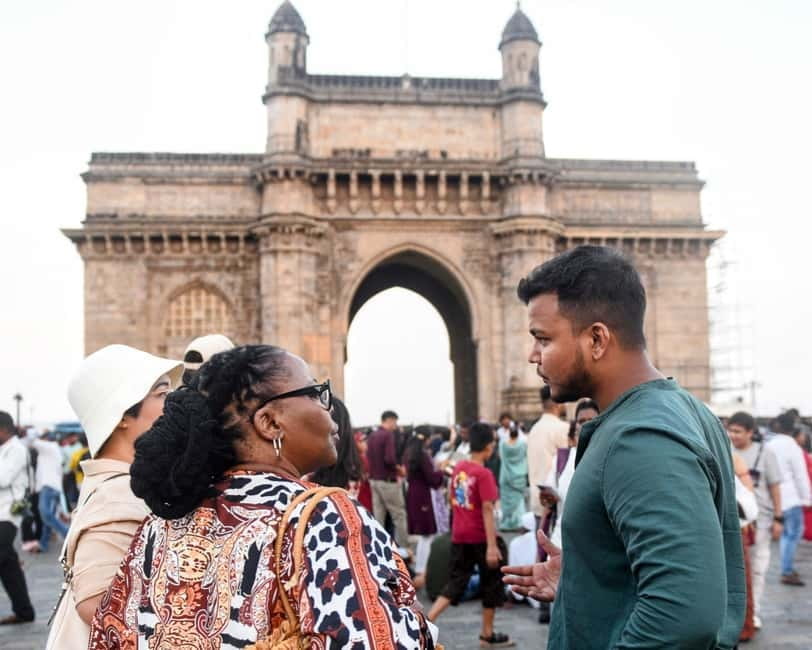
The provided route includes a stop at the Gateway of India, with about 15 minutes for a guided visit. The Gateway is not the main focus of the Gothic and Art Deco theme, but it gives the tour a useful starting point in Mumbai’s colonial-era story.
You should arrive ready to walk rather than expecting a sightseeing vehicle. Private transport, pickup, and drop-off are not included. That keeps the cost low, but it also means you need to arrange your own way to Colaba and from Churchgate Station at the end.
The route connects several important parts of the city, though the time at each place is fairly short. If you like stopping for long photographs or reading every plaque, 2.5 hours may feel quick.
Seeing Mumbai’s grand civic buildings
The tour takes you toward the historic center, where the High Court and Mumbai University are key examples of Gothic Revival design. These buildings are especially useful for understanding how Mumbai’s public architecture was meant to communicate authority.
The High Court has the heavy, formal presence you expect from a major colonial civic building. Mumbai University adds a more academic character, with the Rajabai Clock Tower as one of the area’s most recognizable features.
Rajabai Clock Tower is a highlight for anyone interested in city silhouettes. Its height and detailed design make it easy to spot, but the guide’s explanation gives it more meaning than a quick photograph from the street. You will have a chance to hear how this part of Mumbai developed as a center of administration, education, and commerce.
The itinerary allows roughly 15 minutes for one of the guided visits and another 15 minutes for a photo stop and visit at another point. The exact pacing matters. You will see a good range of buildings, but this is an introduction rather than a detailed architectural study.
The Oval Maidan’s best visual comparison
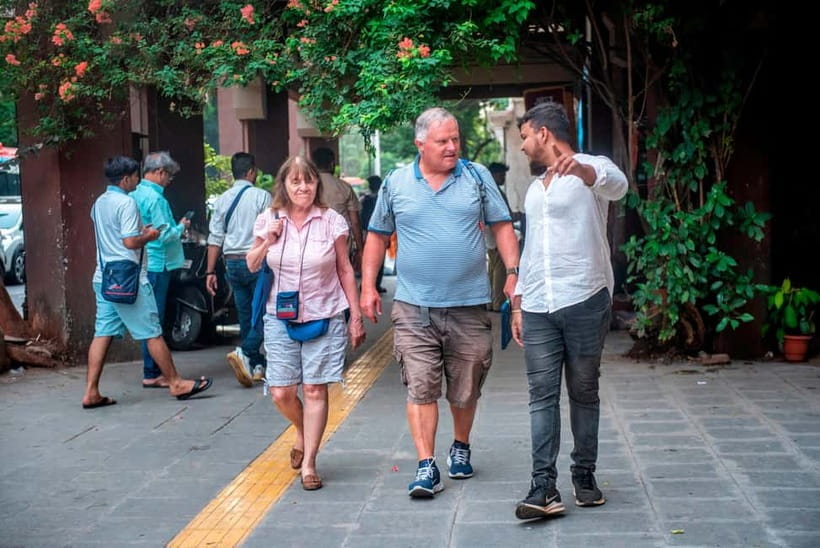
Oval Maidan is the clearest point of the walk because it lets you see the two styles together. From the open ground, Victorian Gothic buildings form one side of the view, while Art Deco structures line the other.
This is the moment when the tour’s theme becomes easy to grasp. Gothic architecture looks ceremonial and weighty. Art Deco feels newer, cleaner, and more confident. Both styles tell you something about the city that built them.
The Art Deco buildings around this area form the world’s second-largest collection of Art Deco structures. That fact gives the neighborhood real importance, but the setting is also practical for visitors. You can compare several buildings at once instead of crossing a large part of Mumbai to find separate examples.
The planned Oval Maidan stop includes a photo stop and guided explanation of about 10 minutes. That is enough to understand the main contrast, though not enough for a slow architectural survey. Bring your camera, but listen to the guide before rushing to the next picture.
More guided walks on foot:
- Private Guided Walking Tour in Bandra Queen of Suburbs
★ 5.0 · 383 reviews - Private Guided Spiritual Walk in Banganga Hindu Temples
★ 5.0 · 271 reviews - Mumbai: Dharavi Slum Walking Tour by First Female Tour Guide
★ 4.9 · 192 reviews - Private Guided Non-Veg Street Food Walking Tour in Muslim Quarter
★ 5.0 · 140 reviews
Chhatrapati Shivaji Maharaj Terminus and its dramatic finish
Chhatrapati Shivaji Maharaj Terminus, often shortened to CST, is the biggest architectural statement on the route. This UNESCO World Heritage site combines Victorian Gothic design with elaborate detail suited to a major railway station.
The building is not simply attractive. It represents the role railways played in Mumbai’s growth and in the wider colonial economy. Its grand exterior makes a busy transport hub feel almost like a palace, which is part of what makes CST such a memorable place to see on foot.
The planned guided visit lasts about 20 minutes. That gives you time to look at the main exterior and hear about its design, though the tour does not promise an extended interior visit or a specialist examination of every feature.
There is a slight difference in the supplied route descriptions: one description presents CST as the opening architectural highlight, while the detailed stop list places CST later in the walk. I would treat it as one of the central landmarks either way, and confirm the exact order with your guide on the day.
Eros Cinema and Mumbai’s modern side
The tour concludes at Eros Cinema, an Art Deco landmark near the Churchgate area. Its rounded forms and period styling offer a fitting counterpoint to CST’s Gothic drama.
Eros helps show that Art Deco in Mumbai was not limited to a few decorative apartment blocks. The style also shaped public entertainment buildings, reflecting the city’s growing connection to cinema and modern urban life.
Ending near Churchgate Station is convenient. You can continue exploring the area, use the station for onward travel, or make your own plans without returning to Colaba. Since drop-off is not included, this clear finish is useful when planning the rest of your day.
Street food that makes the walk feel local
Vada pav and pani puri are included, along with other street-food tastings. This is a small feature, but it changes the character of the tour.
Vada pav is a soft bread roll filled with a spiced potato fritter. Pani puri is a crisp shell filled with flavored water and other ingredients. Both are strongly associated with everyday eating in Mumbai, so the tastings give you more than a quick snack. They connect the grand buildings to the people who use this city now.
The food is also practical during a 2.5-hour walk. Bottled water is included, which matters in Mumbai’s heat. Still, you should not treat the tastings as a full meal. If you need lunch afterward, plan to eat separately.
Food preferences and allergies are not explained in the available details. If that matters to you, ask the guide before accepting a tasting.
How the guides shape the experience
The guide can make or break an architecture walk, and this tour has received particularly strong praise for its guiding. Sharon is described as informative about both the scheduled sights and Mumbai more generally. She has also been praised for navigation, comfort, and helping people feel safe while moving through the city.
Jawwad, also called Jay, is another guide named in the feedback. He is described as friendly, well informed, lively in his explanations, and willing to answer questions. One useful detail is his flexibility with rest breaks, shopping, and special requests.
That flexibility matters because city walking is not only about distance. You may want to pause for a photograph, catch your breath, buy something, or ask about a building that is not on the main list. A guide who can adjust the pace adds real value.
The overall rating is 4.9 from 14 reviews, with repeated five-star responses for Sharon and Jawwad. That is a small sample, so I would not treat it as a guarantee of the exact guide or experience you will receive. Still, the pattern is clear: personal explanation, patience, navigation, and answers to questions are the strongest part of this tour.
Timing, heat, and what to wear
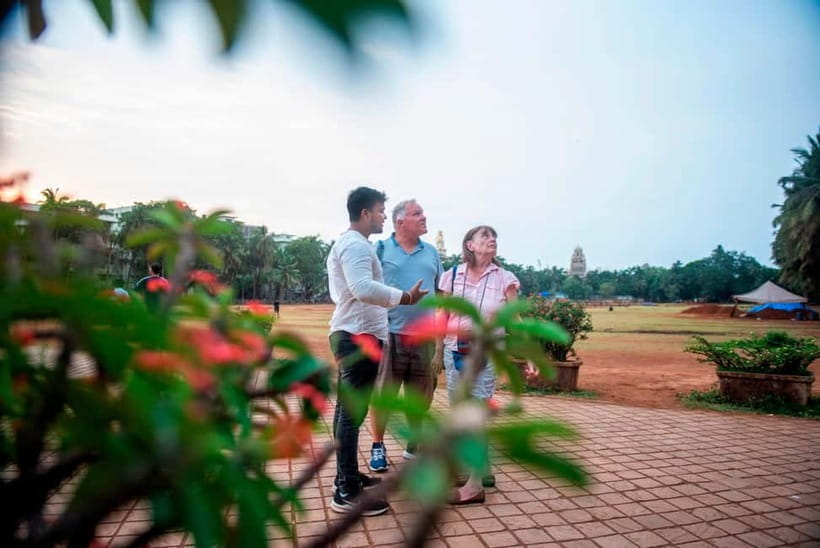
The tour lasts 2.5 hours and covers the route on foot. Mumbai can feel hot as the morning moves toward noon, and one person specifically suggested starting an hour earlier.
If early start times are available, I would choose one. Otherwise, carry water, wear comfortable walking shoes, and use sun protection. The included bottled water helps, but you should still dress for an outdoor city walk.
The route is packed with stops, so leave room for the guide’s pace. You may not want to carry a large bag, especially if you plan to photograph buildings or sample food along the way.
There is no promise of air-conditioned transport or long indoor breaks. This suits you if you enjoy seeing a city at street level. It may not suit you if you want a slow, shaded tour with frequent seating.
What the $16 price really buys you
At $16 per person, this is a good-value introduction to Mumbai’s historic core. You receive an English-speaking guide, about 2.5 hours of context and sightseeing, street-food tastings, and bottled water.
The value is strongest if you are new to Mumbai. A guide helps you connect the buildings and understand the transition from Victorian Gothic to Art Deco. Without that explanation, you could still see impressive facades, but you would miss much of the reason the district matters.
The price does not cover transport to Colaba or onward travel from Churchgate. It also does not include a private vehicle, hotel pickup, or drop-off. That is not a problem if you are already exploring south Mumbai, but it should be part of your daily budget and plan.
A private tour would likely offer more control over timing, but this experience keeps the cost modest while covering a large amount of architectural ground. For a first look at Mumbai’s civic center, the balance is strong.
Who should book this Mumbai walking tour
I would choose this tour if you want a clear introduction to Mumbai’s architecture and history without spending a full day in museums. It is especially useful early in a visit because it gives you a framework for the city’s colonial buildings, railway history, Art Deco district, and street food.
It also suits photographers. CST, Rajabai Clock Tower, the High Court, Mumbai University, Oval Maidan, and Eros Cinema offer very different shapes and surfaces within one route.
Food-curious visitors should like the included tastings, though they should not expect a full food tour. The experience is first an architecture walk, with local snacks added along the way.
I would think twice if you dislike walking in heat, need private transport, or want detailed access inside every building. The tour gives you an informed overview from public streets and photo stops, not an in-depth interior tour.
Booking is flexible, with free cancellation up to 24 hours before the activity and a reserve-now, pay-later option. Starting times depend on availability.
Should you book it?
Book this tour if you want to see why Mumbai’s Gothic and Art Deco districts belong in the same conversation. The route is compact, the price is fair, and the combination of architecture, city history, and street food gives you a useful first view of south Mumbai.
Choose an early start if possible, and arrive ready for steady walking. If Sharon or Jawwad is leading your tour, you can expect a guide who has been praised for clear explanations, patience, and practical help.
Skip it only if you want a relaxed vehicle tour or a specialist-level architectural inspection. For most first-time visitors who want context as well as photographs, this is a smart two-and-a-half-hour use of your time.
FAQ
How long does the Victorian Gothic Heritage Quarter and Art Deco Walking Tour last?
The tour lasts 2.5 hours.
How much does the tour cost?
The listed price is $16 per person.
Where do I meet the guide?
You meet the guide at PizzaExpress in Colaba.
Where does the tour finish?
The tour finishes at Churchgate Station.
Which language is the tour offered in?
The live tour guide speaks English.
Which Mumbai landmarks are included?
The experience includes landmarks and stops such as Chhatrapati Shivaji Maharaj Terminus, Rajabai Clock Tower, the High Court, Mumbai University, Oval Maidan, Eros Cinema, and the Gateway of India.
Is street food included?
Yes. Street-food tastings include vada pav, pani puri, and other items.
Is transportation included?
No. Private transportation, pickup, and drop-off are not included.
Can I cancel the booking?
Yes. You can cancel up to 24 hours in advance for a full refund. A reserve-now, pay-later option is also available.
More Historical Tours in Mumbai
- Best South Mumbai Heritage Walk
★ 5.0 · 122 reviews - Heritage Walk: Recommended by Gigi Hadid as a must-do in Mumbai
★ 5.0 · 122 reviews - Mumbai: South Mumbai Heritage Walking Guided Tour
★ 4.5 · 69 reviews - Hill-station & Heritage: Lonavala & Karla Caves Tour from Mumbai
★ 5.0 · 60 reviews
Just added around Mumbai
- Temples & Vineyards: Private Tour to Nashik from Mumbai★ 4.5 · 3 reviews
- Mumbai: Private City sightseeing and Dharavi Slum Tour★ 5.0 · 3 reviews
- Mumbai: Full Day City Sightseeing with Lunch, Car & Guide★ 4.3 · 3 reviews
- Elephanta Island Private Speedboat Tour from Mumbai – 6pax★ 5.0 · 3 reviews
- Mumbai: Elephanta Island and Elephanta Caves Guided Tour★ 4.4 · 3 reviews
- Mumbai Sightseeing Tour by Public Transport with family Lunch★ 5.0 · 3 reviews
- Mumbai by Dawn★ 4.5 · 3 reviews
- Mumbai: Dhobi Ghat & Dharavi Slum tour★ 4.7 · 3 reviews
South Mumbai Heritage Walks, compared.



Heritage Walk: Recommended by Gigi Hadid as a must-do in Mumbai
Read our review →
Mumbai 800 Year Worli Village: Talking Goddess, Old Fort & more
Read our review →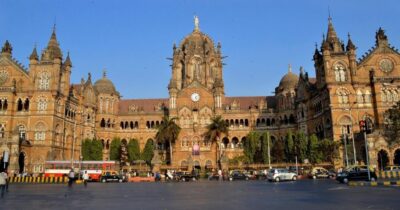
Mumbai Heritage Walk and Elephanta Caves Experience
Read our review →Browse the lists this tour appears in