
Reviewed · SOUTH MUMBAI HERITAGE WALKS
Best South Mumbai Heritage Walk
South Mumbai’s best sights make more sense when you connect them on foot. This walk links the Gateway of India, Kala Ghoda, Fort, and Chhatrapati Shivaji Terminus, showing how colonial-era planning shaped the city’s grand public buildings and busy streets. You move slowly enough to notice carved stone, domes, fountains, and small details that disappear from a car window.
I like the choice of morning or afternoon departures, and I like the modest price of $17.89 for three hours with a guide. Guides such as Aakash, Gautam, Sandesh, and Sanika have been singled out for strong local knowledge, friendly conversation, useful photo stops, and stories that reach beyond architecture. The main consideration is simple: this is a three-hour walk in a crowded city, so comfortable shoes and some tolerance for heat, traffic, and uneven urban pavement matter.
In This Review
- Key points to know before you book
- Why South Mumbai works so well on foot
- Starting near CST and reading the city’s grand design
- Flora Fountain and the Fort district
- Town Hall and Neoclassical Mumbai
- Kala Ghoda, art, and an easy photo stop
- The Bombay High Court and the Taj Mahal Palace
- Ending at the Gateway of India and Regal Cinema
- What the guide can add to three hours
- Timing, walking effort, and who will enjoy it
- Is the $17.89 price good value?
- Should you book the South Mumbai Heritage Walk?
- FAQ
- How long does the South Mumbai Heritage Walk last?
- What landmarks are included?
- Is the tour offered in the morning and afternoon?
- Where does the tour start?
- Where does the tour end?
- How many people can join the tour?
- Can I cancel for a full refund?
Key points to know before you book
- Eight major South Mumbai sights: The route covers the Gateway of India, Kala Ghoda, Town Hall, Flora Fountain, Horniman Circle Garden, the Bombay High Court, the Taj Mahal Palace, and CST.
- A walking tour with a clear historical theme: You learn how colonial rule influenced South Mumbai’s civic buildings, streets, and architectural styles.
- Victorian Gothic Revival and Neoclassical design: CST and the Asiatic Society Town Hall give you two very different examples of the city’s grand public architecture.
- Three hours on foot: The listed stops add up to about 180 minutes, so expect a steady outing rather than a quick photo circuit.
- Small group size: The maximum is 15 people, a useful limit for hearing the guide in busy streets.
- Strong guide feedback: Aakash, Gautam, Sandesh, and Sanika are praised for history, warmth, broad conversation, and help finding good photo spots.
Why South Mumbai works so well on foot
South Mumbai is compact enough for a walking tour, but its sights are spread across several distinct areas. A car can get you from one landmark to the next, yet it also puts glass between you and the street. On foot, you see the change from the grand station district near CST to the formal Fort quarter, then onward toward Kala Ghoda, Colaba, and the waterfront.
The walk also gives the architecture time to register. South Mumbai is not built in one style. You see Victorian Gothic Revival buildings, Neoclassical civic structures, ornate colonial-era façades, landscaped public space, and landmark hotels. The value of a guide is not just naming each building. It is helping you understand why these styles appeared together and how colonial power shaped the city’s public face.
At $17.89 per person, the price is fair for a three-hour guided outing in one of Mumbai’s most important historic areas. You are paying for interpretation and route planning rather than entry tickets, since admission at the listed stops is free. That makes this especially useful on a first visit, when a local guide can help you get your bearings without spending much of your sightseeing budget.
More South Mumbai heritage walks:
- Group Guided Walking Tour in Fort and Colaba
★ 5.0 · 1,073 reviews - Private Guided Walking Tour in Fort & Colaba
★ 5.0 · 895 reviews - Private Guided Open Jeep Tour in Fort & Colaba
★ 5.0 · 170 reviews
Starting near CST and reading the city’s grand design
The meeting point is at the McDonald’s beside Empire Building on Dr Dadabhai Naoroji Road, opposite CST Station and near Azad Maidan. This is a practical place to begin because Chhatrapati Shivaji Terminus is one of the tour’s major sights, and the area is close to public transportation.
The exact order of the stops may vary, since the advertised meeting point is near CST while the end point is at Regal Cinema near the Gateway of India. Either way, the route connects the city’s major historic districts rather than treating them as isolated monuments. Confirm the guide’s direction at the start, then settle into the pace.
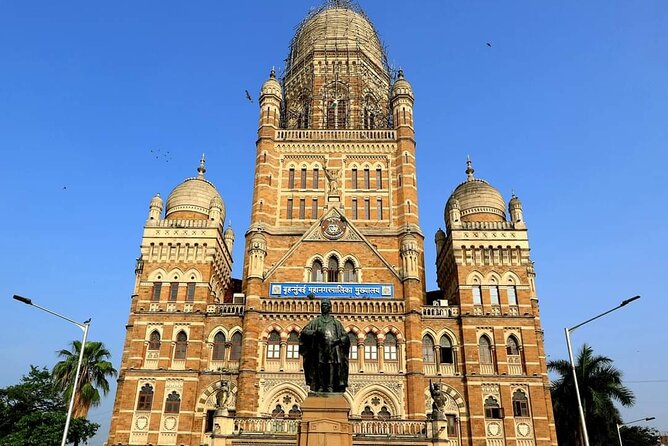
CST is the most dramatic building on the route. Officially known as Chhatrapati Shivaji Terminus, it is a historic railway station and a UNESCO World Heritage Site. The station represents the Victorian Gothic Revival style, but its appearance is not limited to a simple European model. The building’s detail reflects the way colonial architecture in Mumbai developed its own local character.
You get about 30 minutes here, enough for an explanation of the exterior and time to take photographs. The station remains an active transport hub, so this is not a quiet museum visit. That is part of its appeal. You see a grand monument functioning as part of daily city life, not sealed off behind a fence.
If you want clean photographs, listen carefully when the guide points out the best angles. CST has a lot to take in, and a quick look can easily become a blur of domes, arches, stonework, and passing commuters.
Flora Fountain and the Fort district
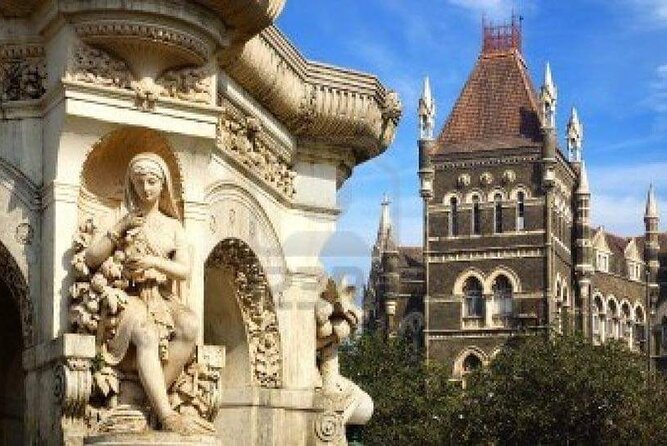
Flora Fountain sits at Hutatma Chowk, at the southern end of historic Dadabhai Naoroji Road. It is an ornamental architectural monument, and the surrounding Fort district gives the walk much of its civic character.
The fountain itself is a brief stop in the supplied schedule, but its setting matters. This part of South Mumbai brings together broad roads, office buildings, formal public architecture, and layers of city history. A guide can turn what looks like a traffic circle with an attractive fountain into a useful lesson in how the colonial city was organized.
The tour allows about 30 minutes at Flora Fountain. That is generous enough for photos and context, though people who prefer a long, quiet look at one monument may find the overall schedule brisk. You are covering eight stops in three hours, so the guide has to keep the group moving.
Horniman Circle Garden is a shorter stop, listed at about 10 minutes. The garden covers roughly 2.5 acres, or about 10,100 square meters, in the Fort district. It is surrounded by office complexes, making it a good example of the relationship between public open space and the commercial heart of South Mumbai.
Do not expect a long park visit here. The point is to understand the shape of the district and see how the garden fits into it. Ten minutes is enough for a quick look and photographs, but not for a leisurely break. If you need water or a rest, use the transition between stops rather than counting on this stop as a full pause.
Town Hall and Neoclassical Mumbai
The Asiatic Society of Mumbai Town Hall offers a sharp contrast to CST. This is a Neoclassical building in the Fort locality, with a more formal and restrained design language than the railway terminus.
You have about 30 minutes here, making it one of the walk’s main teaching stops. The contrast between Town Hall and CST is useful because it lets you compare two different ideas of civic architecture within the same part of the city. One building feels tied to the Victorian Gothic Revival; the other draws on Neoclassical order and proportion.
This is where a strong guide adds real value. A simple photograph will not explain why these buildings look so different or what they were meant to communicate. Aakash has been praised for extensive historical knowledge and an engaging manner, while Sandesh is noted for sharing interesting facts about South Mumbai’s historic landmarks. If one of them leads your outing, expect the architecture to be presented as part of the city’s story rather than as a list of dates.
The Asiatic Society is also a good stop for visitors who enjoy details. Look at the lines of the building, its formal balance, and its place within the Fort district. You do not need to be an architecture specialist. The guide’s comparisons should help you see the difference between styles without turning the walk into a lecture.
More guided walks on foot:
- Private Guided Walking Tour in Bandra Queen of Suburbs
★ 5.0 · 383 reviews - Private Guided Spiritual Walk in Banganga Hindu Temples
★ 5.0 · 271 reviews - Mumbai: Dharavi Slum Walking Tour by First Female Tour Guide
★ 4.9 · 192 reviews - Private Guided Non-Veg Street Food Walking Tour in Muslim Quarter
★ 5.0 · 140 reviews
Kala Ghoda, art, and an easy photo stop
Kala Ghoda is one of the city’s best-known cultural areas. The name is closely linked with the district’s public art and cultural identity, and every February the area hosts the Kala Ghoda Arts Festival.
The scheduled 30 minutes gives you time to take in the streets and surrounding buildings. This is a useful place to slow down and look beyond the largest monuments. The walk is not only about famous façades. It also shows how South Mumbai uses historic areas as living cultural districts.
Sanika has been praised for being friendly and personable, with conversation that reaches into Indian culture and general life as well as the places on the route. That kind of guide can make Kala Ghoda especially enjoyable because the area invites questions and side comments. Gautam is also noted for adding photo advice and Bollywood-related conversation, which may appeal if you want more than a strictly architectural tour.
The festival takes place in February, but the tour is not described as a festival-specific outing. If you visit at another time, you should still expect to see the Kala Ghoda area, but you should not assume festival events will be operating.
The Bombay High Court and the Taj Mahal Palace
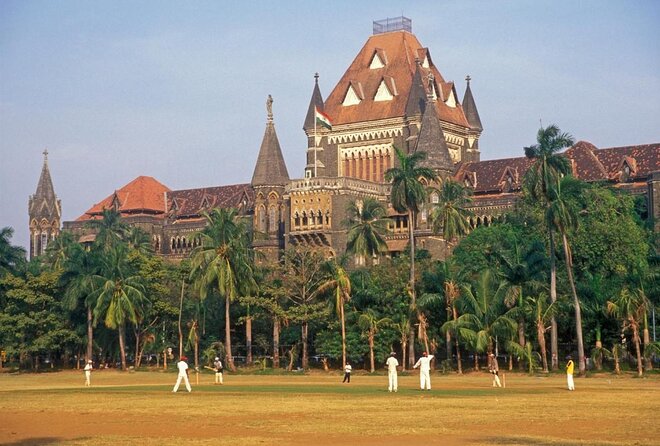
The Bombay High Court’s principal bench is another short stop, listed at about 10 minutes. The court serves the states of Maharashtra and Goa and is part of South Mumbai’s important civic architecture.
Ten minutes will not allow for a detailed examination, but it is enough for the guide to place the building within the city’s legal and colonial framework. This stop works best as part of the larger sequence. After seeing a railway station, town hall, fountain, and garden, you begin to recognize how many different public functions were given monumental form.
The Taj Mahal Palace is also a 10-minute stop. This heritage five-star hotel is in Colaba and is one of Mumbai’s most recognizable buildings. The visit is an exterior sighting rather than a hotel tour, and admission is listed as free.
The short timing is appropriate for a landmark photograph and a few facts. Do not book this expecting access to the hotel’s private interiors or a luxury-hotel visit. The value lies in seeing how the building fits into the Colaba part of the route and how it relates to the nearby Gateway of India.
Ending at the Gateway of India and Regal Cinema
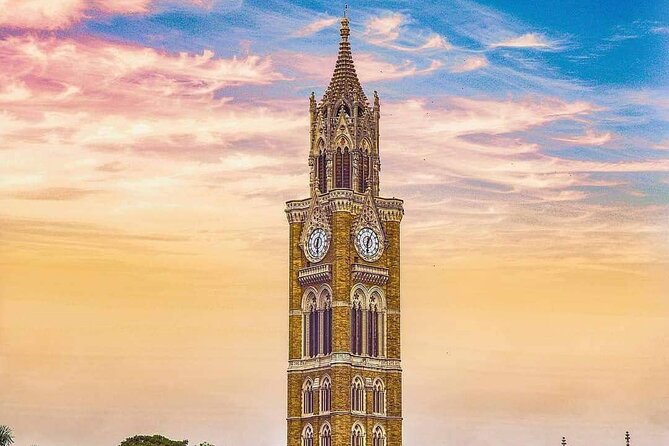
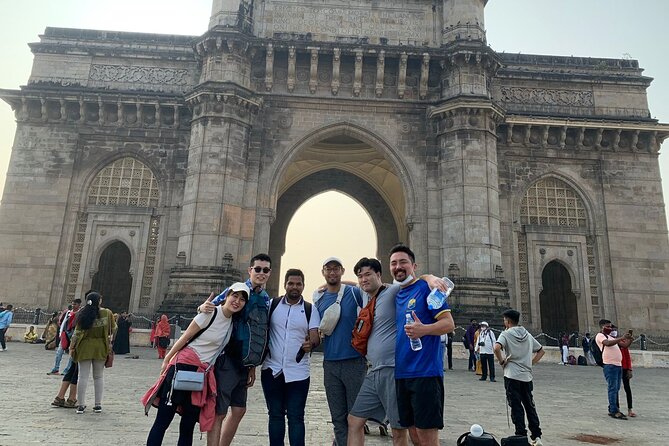
The Gateway of India is the tour’s grand waterfront finish, with about 30 minutes scheduled. It is an arch monument built in the early 20th century and one of Mumbai’s most familiar symbols.
A half hour gives you time to see the structure up close, take photographs, and listen to the guide explain its place in the city’s colonial story. The setting near Apollo Bandar and Regal Cinema also gives the walk a strong sense of arrival. You move from civic buildings and commercial streets toward a landmark associated with Mumbai’s waterfront.
The Gateway can be crowded, and the surrounding area is active. That is worth knowing before you arrive. Your photos may include plenty of city life, not just an empty arch. I see that as part of the experience, but people looking for a peaceful waterfront stop should keep expectations realistic.
The end point at Regal Cinema is near the Gateway of India, which makes it convenient for continuing your own South Mumbai sightseeing. The tour itself does not include admission to attractions, so you can decide what to do next without having paid for a bundle of sites you may not want to enter.
What the guide can add to three hours
The guide is the most important variable in a walking tour. The strongest reports about this outing focus on the people leading it, not simply on the landmarks. Aakash is praised for extensive historical knowledge and an easy manner. Gautam is noted for making the city feel more approachable, adding photo help and Bollywood conversation. Sandesh is described as informative and good at sharing unusual facts about historic landmarks. Sanika brings a friendly, personal style and broad conversation about India.
Those details matter because the route itself is public space. You can see most of the buildings without paying for a tour. The guide earns the fee by giving the places meaning, keeping the route coherent, and helping you notice details you might otherwise miss.
The group maximum is 15 people. That is not a private tour, but it is small enough for a guide to address the group without shouting at a huge crowd. In busy streets, staying close is important. If you have a question, ask it while the group is stopped, when everyone can hear the answer.
The tour has a rating of 4.8 from 122 ratings, with 96 percent recommended. Those numbers suggest a dependable experience, but one serious service failure is also recorded: a cancellation occurred without prior warning, and the customer had to make several calls before receiving a refund. The free cancellation policy allows a full refund if you cancel at least 24 hours before the start time. Changes or cancellations inside 24 hours are not accepted and are not refunded.
Timing, walking effort, and who will enjoy it
You can choose a morning or afternoon departure, which is useful when you are fitting the walk around a train arrival, museum visit, or other plans. The listing does not give a specific start time, so check the available departure when booking.
Three hours is long enough to build a clear picture of South Mumbai, but short enough to fit into a day of sightseeing. You should expect to walk between stops and remain outdoors for much of the outing. Wear comfortable shoes, carry water, and leave room in your schedule for city traffic and the natural pauses of a group walk.
This tour suits you best if you want:
- A first orientation to South Mumbai
- Historic buildings explained in plain language
- Close-up photographs without paying entry fees
- A slower alternative to seeing the city from a car
- A small shared group rather than a private guide
- A guide who can mix architecture with local stories and conversation
It may not suit you if you want long interior visits, a private pace, or a tour built around only one subject. The stop times are fixed enough to cover a lot of ground, but not to linger for an hour at every building.
Is the $17.89 price good value?
I think the price works because the walk covers a large number of major sights and gives you local explanation for less than the cost of many single paid attractions. Since the stops are free to view from public areas, the value depends on how much you want interpretation.
If you are happy to read plaques, follow a map, and research South Mumbai on your own, you could recreate parts of the route independently. But planning the sequence, understanding the architectural differences, and finding the best points for photographs takes time. For a first visit, $17.89 is a reasonable way to turn several disconnected landmarks into one readable story.
The small group cap also helps. You are not buying a fully private experience, but a maximum of 15 people is more manageable than a large coach group. The mobile ticket keeps the booking simple, and confirmation is sent at the time of booking.
Should you book the South Mumbai Heritage Walk?
Book it if you want an affordable, guided introduction to the city’s most important historic districts. The combination of CST, Town Hall, Kala Ghoda, Flora Fountain, the High Court, the Taj Mahal Palace, and the Gateway of India gives you a strong first look at South Mumbai’s architecture and colonial-era planning.
I would choose a morning or afternoon slot based on the rest of your day, then arrive ready to walk for three hours. The guide matters, and names such as Aakash, Gautam, Sandesh, and Sanika have been linked with the qualities you want here: clear history, friendly conversation, useful photo stops, and a sense of how the city fits together.
Skip it if you need extensive interior access or a private, slow-paced tour. For most first-time visitors who want to see the major sights up close without spending much, this is a well-priced way to get oriented and start exploring South Mumbai with better context.
FAQ
How long does the South Mumbai Heritage Walk last?
The walk lasts approximately three hours.
What landmarks are included?
The route includes the Gateway of India, Kala Ghoda, the Asiatic Society Town Hall, Flora Fountain, Horniman Circle Garden, the Bombay High Court’s principal bench, the Taj Mahal Palace, and Chhatrapati Shivaji Terminus.
Is the tour offered in the morning and afternoon?
Yes. Morning and afternoon tour options are available.
Where does the tour start?
The meeting point is at McDonald’s, Empire Building, Dr Dadabhai Naoroji Road, opposite CST Station in Fort, Mumbai.
Where does the tour end?
The walk ends at Regal Cinema in Apollo Bandar, near the Gateway of India.
How many people can join the tour?
The maximum group size is 15 people.
Can I cancel for a full refund?
Yes, if you cancel at least 24 hours before the experience start time. Cancellations or changes made less than 24 hours before the start time are not refunded.
More Historical Tours in Mumbai
- Heritage Walk: Recommended by Gigi Hadid as a must-do in Mumbai
★ 5.0 · 122 reviews - Mumbai: South Mumbai Heritage Walking Guided Tour
★ 4.5 · 69 reviews - Hill-station & Heritage: Lonavala & Karla Caves Tour from Mumbai
★ 5.0 · 60 reviews - Mumbai Heritage Walk and Elephanta Caves Experience
★ 5.0 · 53 reviews
Just added around Mumbai
- Temples & Vineyards: Private Tour to Nashik from Mumbai★ 4.5 · 3 reviews
- Mumbai: Private City sightseeing and Dharavi Slum Tour★ 5.0 · 3 reviews
- Mumbai: Full Day City Sightseeing with Lunch, Car & Guide★ 4.3 · 3 reviews
- Elephanta Island Private Speedboat Tour from Mumbai – 6pax★ 5.0 · 3 reviews
- Mumbai: Elephanta Island and Elephanta Caves Guided Tour★ 4.4 · 3 reviews
- Mumbai Sightseeing Tour by Public Transport with family Lunch★ 5.0 · 3 reviews
- Mumbai by Dawn★ 4.5 · 3 reviews
- Mumbai Dharavi Slum Community Tour★ 5.0 · 3 reviews
South Mumbai Heritage Walks, compared.

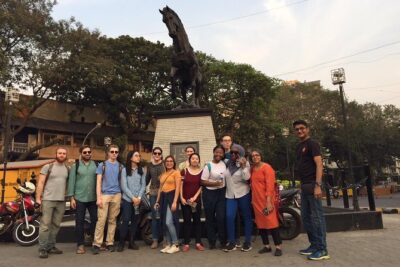


Heritage Walk: Recommended by Gigi Hadid as a must-do in Mumbai
Read our review →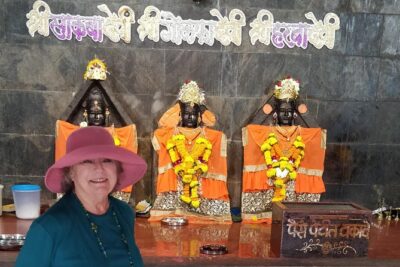
Mumbai 800 Year Worli Village: Talking Goddess, Old Fort & more
Read our review →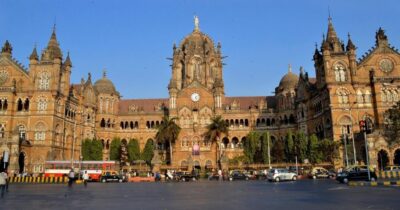
Mumbai Heritage Walk and Elephanta Caves Experience
Read our review →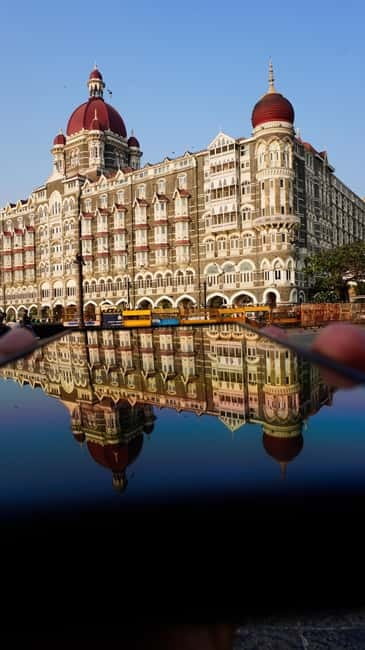
Browse the lists this tour appears in