
Reviewed · SOUTH MUMBAI HERITAGE WALKS
South Bombay Live Walking Tour
South Mumbai makes the most sense on foot, where a grand colonial façade can sit beside a tiny bakery, market stall, or temple entrance. This $16 walking tour links major sights with the ordinary streets between them, giving you a better feel for the city than a quick drive past the landmarks.
I like the mix of well-known places and quieter corners, and I like that guides such as Ali and Nisar bring local stories rather than only dates and building names. The main consideration is that the exact route, length, and group size are not given, so you should be comfortable with some flexibility and city walking.
In This Review
- Key points at a glance
- Why a walking tour fits South Mumbai
- Starting with the masala walk
- Fort and the colonial streets
- Colaba Causeway and the local market side
- Temples, courtyards, and the lesser-seen city
- What Ali and Nisar add to the walk
- How much value do you get for $16?
- Who will enjoy this South Mumbai walk?
- Practical advice before you go
- Should you book the South Bombay Live Walking Tour?
- FAQ
- Where does the South Bombay Live Walking Tour take place?
- What landmarks can I expect to see?
- Does the tour include food or drinks?
- Which language is the tour offered in?
- Who are the guides?
- Can I pay later?
- What is the cancellation policy?
Key points at a glance
- Start with a masala walk: The experience opens with a local food and street-life angle, including quality masala chai and mineral water.
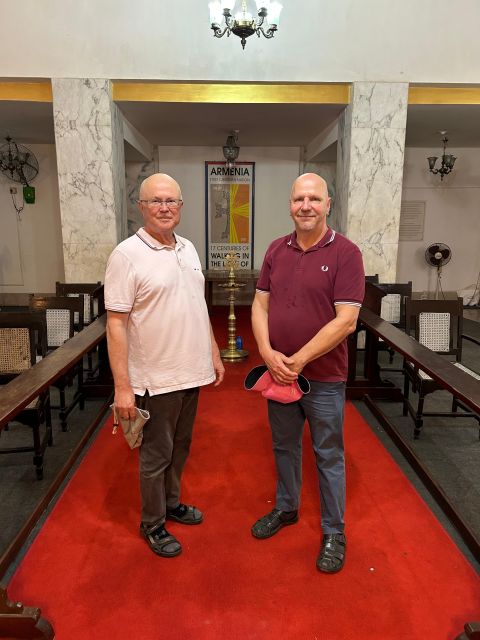
- See South Mumbai beyond the postcard view: The route can include the Gateway of India, Chhatrapati Shivaji Maharaj Terminus, Fort, Colaba Causeway, markets, temples, and older lanes.
- Meet the city through its working streets: You may stop at local vendors, artisans, bakeries, and places where daily business carries on around the historic buildings.
- Guides add the human story: Ali and Nisar are named as guides who explain society, culture, architecture, and Mumbai’s past in English.
- Useful for a short stay: The central route helps you cover a lot of South Mumbai while getting practical suggestions for what to do afterward.
- Flexible booking: You can reserve now and pay later, with a full refund available if you cancel at least 24 hours ahead.
Why a walking tour fits South Mumbai
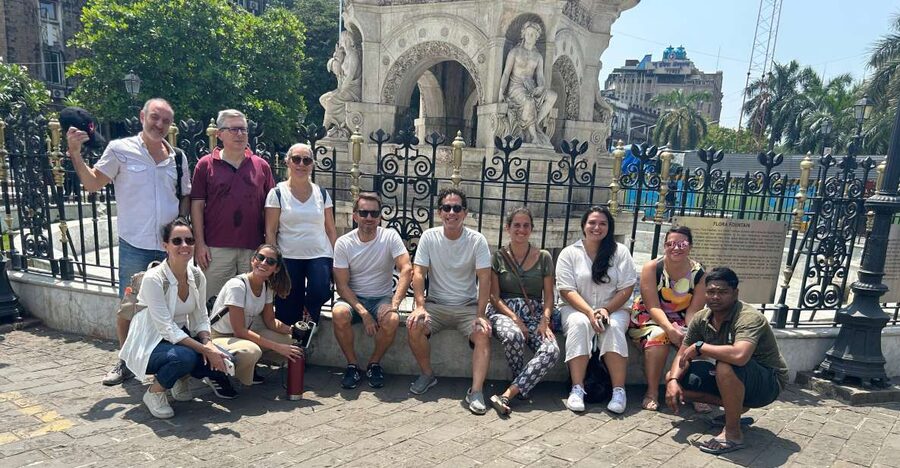
South Mumbai is compact in the way that matters to a visitor, but it is not simple. One block may show grand British-era architecture, while the next brings you into a food market, a religious site, or a narrow passage filled with local trade. From inside a car, much of that contrast slips away.
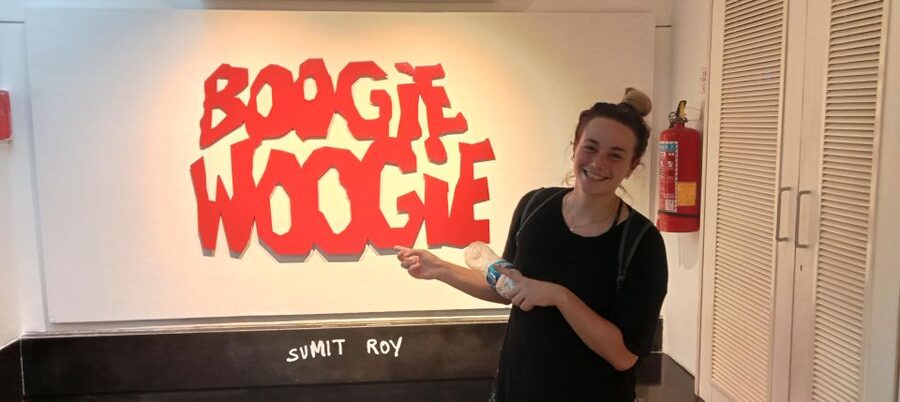
Walking also lets you slow down at the useful moments. You can look up at a carved balcony, watch a vendor work, or pause for tea without treating the city as a string of photo stops. That is the real strength of this experience: it uses the streets as the main attraction.
The tour is presented as a heritage walk, but it is not limited to monuments. The focus also includes Mumbai’s independence story, modern city life, local cuisine, and the social setting around the sights. I would choose this approach if you want context and conversation, not just a checklist of famous addresses.
More South Mumbai heritage walks:
- Group Guided Walking Tour in Fort and Colaba
★ 5.0 · 1,073 reviews - Private Guided Walking Tour in Fort & Colaba
★ 5.0 · 895 reviews - Private Guided Open Jeep Tour in Fort & Colaba
★ 5.0 · 170 reviews
Starting with the masala walk
The advertised opening is a Masala walk, which gives the tour a useful starting point. Rather than beginning with a dry explanation of colonial architecture, you begin with the smells, tastes, and small-scale commerce that still shape South Mumbai.
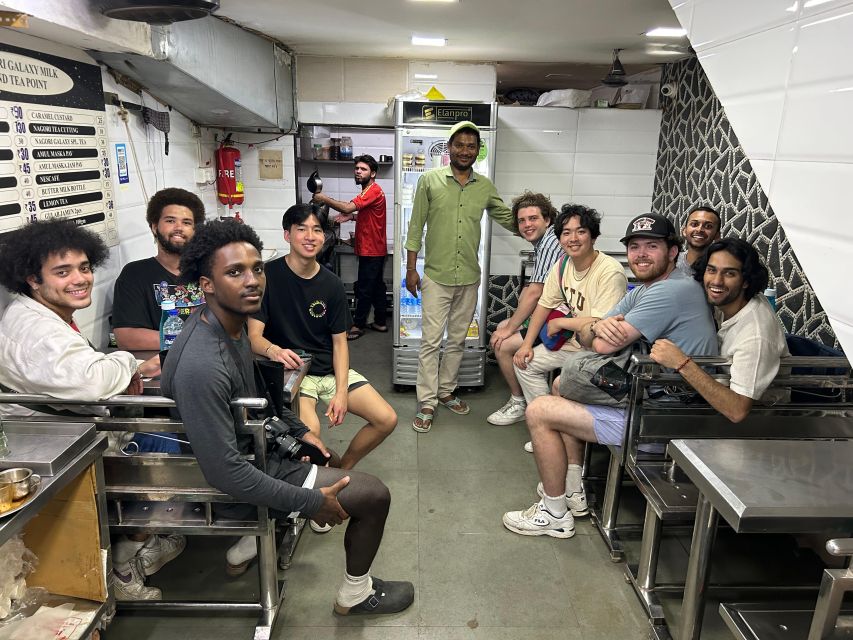
The included refreshment is good-quality masala chai with mineral water. That sounds modest, but tea can be one of the most memorable parts of a city walk when it is tied to a local stop and a guide’s explanation. It gives you a chance to pause, ask questions, and notice how people use these places in everyday life.
One particularly appealing possibility is a stop at a small bakery. Ali is described as taking a visitor to a hole-in-the-wall bakery for fresh bread. That detail says a lot about the tour’s character. You are not being steered only toward polished places designed for sightseeing. You may instead find the sort of ordinary business that helps explain how the neighborhood works.
The exact food stops are not fixed in the information provided, so I would not book this expecting a formal tasting menu. Think of the masala walk as an introduction to local flavors and market life, with tea included, rather than a full food tour.
Fort and the colonial streets
The Fort area is one of the key parts of the advertised route. Its name refers to Mumbai’s former fortified center, but today the area is best understood as a district of offices, institutions, public buildings, older lanes, and impressive architecture.
This is where a good guide earns the fee. A building can look handsome without telling you anything, but stories about its use, its place in the city, and the people who passed through it make the street easier to read. The tour promises explanations of colonial rule, the independence struggle, and the shift toward modern Mumbai.
You should expect a contrast between formal architecture and noisy daily activity. That contrast is not a distraction. It is the point. South Mumbai’s old buildings are not museum pieces isolated from life. They remain part of a working city.
The route may include Chhatrapati Shivaji Maharaj Terminus, one of Mumbai’s most famous buildings. Its ornate design makes it a major visual stop, but the surrounding railway activity also shows the city at full speed. I would give this part your attention even if you have already seen photographs. A guide can help connect the building to Mumbai’s larger story instead of leaving you with only an impressive exterior.
The tour also lists the Gateway of India. This is the obvious landmark on many South Mumbai itineraries, and it can be crowded and heavily photographed. The value here is not simply getting another picture. The guide can place the monument within the story of Mumbai as a port city and explain how the waterfront relates to the rest of the district.
Colaba Causeway and the local market side
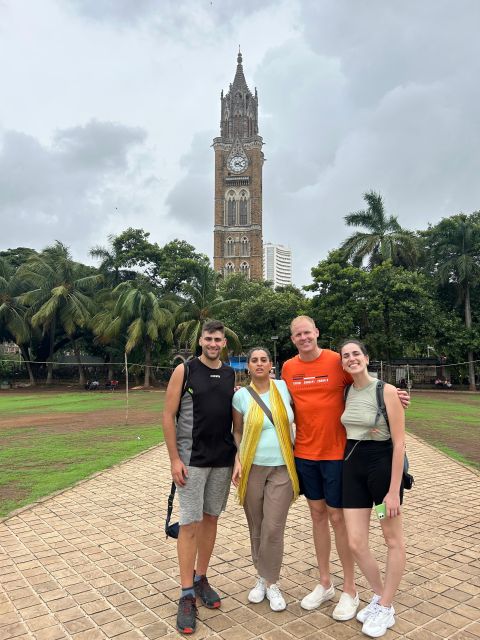
Colaba Causeway brings a different mood. It is associated with shopping, street trade, food, and the steady movement that makes South Mumbai feel so alive. The tour promises time around local vendors and artisans, so this section should feel less like a formal heritage circuit and more like a walk through an active neighborhood.
I like this balance. Big monuments give you orientation, but markets give you texture. You can compare the scale of the architecture with the small transactions happening at street level. You may also pick up practical ideas for snacks or shopping, although no specific purchases are promised.
A market stop requires a little patience. Streets can be crowded, and you may need to keep your belongings close and watch your footing. That is not a special warning for this tour so much as a sensible part of walking through a busy Indian city. If you prefer quiet streets and a set pace, the market portion may feel demanding.
The guide’s role matters here. A local can help you understand what you are seeing without turning every stall into a sales pitch. Ali is praised for offering an authentic view of Mumbai and for giving useful suggestions for the rest of the day. That after-tour advice is especially helpful if South Mumbai is only one stop on a short India itinerary.
More guided walks on foot:
- Private Guided Walking Tour in Bandra Queen of Suburbs
★ 5.0 · 383 reviews - Private Guided Spiritual Walk in Banganga Hindu Temples
★ 5.0 · 271 reviews - Mumbai: Dharavi Slum Walking Tour by First Female Tour Guide
★ 4.9 · 192 reviews - Private Guided Non-Veg Street Food Walking Tour in Muslim Quarter
★ 5.0 · 140 reviews
Temples, courtyards, and the lesser-seen city
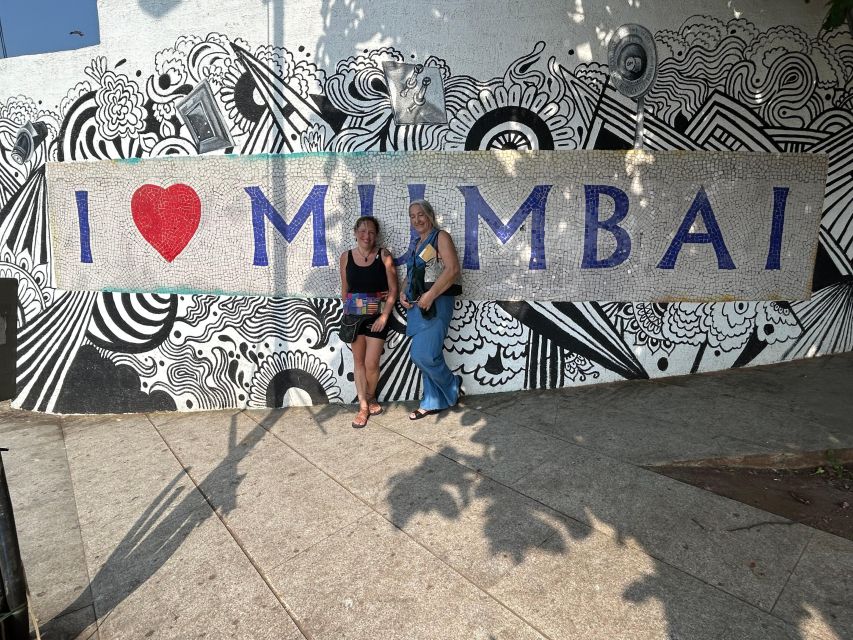
The tour also promises tucked-away temples and courtyards. The details are not specific enough to name each site, and that is worth keeping in mind. You are booking a guided look at lesser-known places, not a guaranteed list of secret addresses.
Still, this is an important part of the experience. Monumental buildings explain the public face of Mumbai, while a temple entrance or quiet courtyard can show how people use the city at a more personal level. These smaller places can also make the walk feel less like a standard sightseeing loop.
Your guide may explain local customs, the history of a neighborhood, or the way religious and commercial spaces sit side by side. The stated focus on culture and society suggests that the conversation goes beyond architecture.
Show respect at religious sites. Follow the guide’s instructions, avoid assuming that every interior is open to visitors, and dress and behave with care. The tour information does not specify entry rules, so the experience may involve viewing some places from outside rather than going inside.
What Ali and Nisar add to the walk
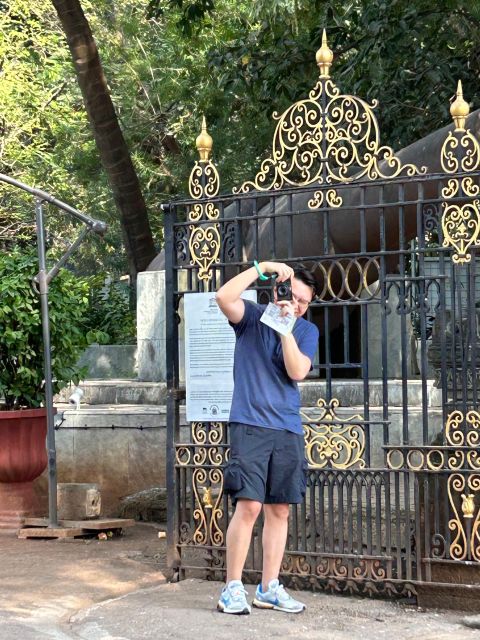
Two guide names appear in the available information: Ali and Nisar. Ali is associated with stories about Mumbai, wider society, markets, colonial buildings, local food, and practical ideas for after the tour. Nisar is described as cheerful and informative, with a strong ability to cover many sights in a short visit.
That human element is probably the tour’s greatest asset. South Mumbai has plenty of information online, but reading about a building is not the same as asking why a street feels the way it does or what to notice in a market. A guide can adjust the conversation to your interests and explain details you would probably walk past.
The walk is also described as flexible about how long you stay in certain places. That can be a plus. If a story catches your interest, you may have time to ask questions instead of being rushed to the next stop. The trade-off is that flexibility can make the exact finish time less predictable, especially since no duration is supplied.
If you have luggage, one useful detail is that Ali accommodated suitcase storage for a visitor. Do not assume this is a guaranteed service for every booking, but it is worth asking about before you arrive if you are between hotels or trains.
How much value do you get for $16?
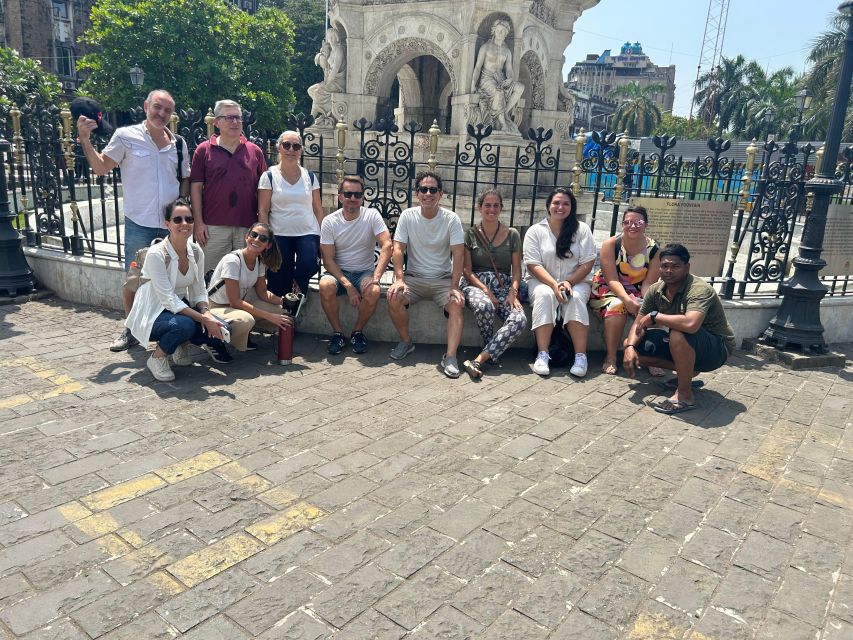
At $16 per person, the tour is priced as an affordable introduction to South Mumbai rather than a luxury private outing. The value comes from combining a local guide, a broad central route, cultural explanation, a tea stop, and suggestions for continuing on your own.
If you tried to cover the Gateway, Fort, Colaba, markets, and major architecture without guidance, you could see the buildings but miss much of the meaning between them. The tour saves you some planning time and helps you connect separate sights into one story.
The price is less compelling if you only want quick photographs of the Gateway of India or CST. You can see individual landmarks without paying for a walking tour. I would pay the $16 for the interpretation, local stops, and chance to ask questions, not simply for access to the streets.
The flexibility to reserve and pay later also helps if your Mumbai plans are still moving around. You can cancel for a full refund up to 24 hours before the experience. That is a practical safety net, although you should still check the final booking details for the meeting point and timing.
Who will enjoy this South Mumbai walk?
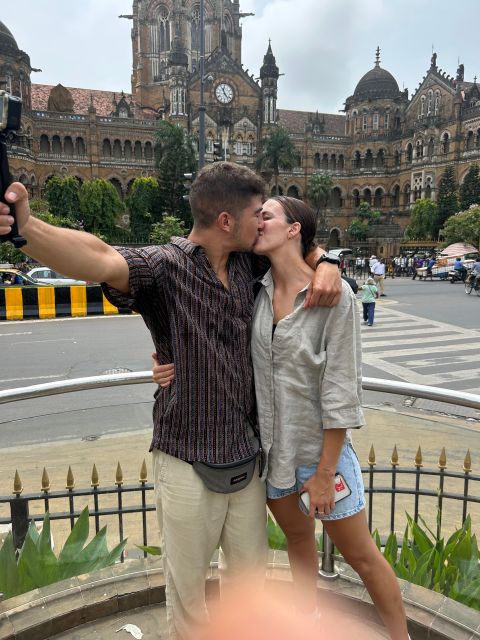
I would recommend it most strongly to first-time visitors, people with only a short stay, and anyone who wants more than the standard landmark circuit. It also suits you if you enjoy learning through food stalls, markets, street scenes, and conversation.
The tour can work well for a solo visitor who wants local orientation without arranging a private guide. It may also suit couples or small groups looking for a relaxed introduction to the city’s central districts.
You may want another type of experience if you dislike walking in busy streets, prefer a tightly timed itinerary, or want a specialist focus such as architecture, photography, or food. The description gives a wide cultural overview, not a narrow expert tour.
The English-language format is useful for international visitors. Since the exact route and duration are not stated, ask about those points before booking if you need a firm schedule.
Practical advice before you go
Wear comfortable shoes. The experience is built around walking through streets, markets, and historic areas, and the ground conditions may vary.
Start with an open schedule after the tour if you can. The guide may offer suggestions for continuing around South Mumbai, and a flexible finish gives you time to follow up on a market, landmark, or nearby street that catches your interest.
Bring a small bottle or use the mineral water provided, and keep enough room in your day for the masala chai stop. The tea is included, but the experience is more enjoyable when you do not rush it.
Expect the city to be active and noisy. That is part of the lesson, not a flaw to be hidden. You are seeing South Mumbai as a place where work, worship, trade, tourism, and old architecture share the same streets.
Should you book the South Bombay Live Walking Tour?
Book it if you want a friendly, low-cost introduction to South Mumbai that mixes the Gateway of India and CST with markets, bakeries, temples, courtyards, and local stories. Ali and Nisar appear to bring the kind of personal explanation that turns a sightseeing walk into useful city orientation.
I would be especially keen on it for a short Mumbai stay. You can cover a large number of central sights, learn how the districts fit together, enjoy masala chai, and leave with ideas for the rest of your visit.
Skip it if you need a precisely timed route or a fully specified food itinerary. The flexible format and broad subject matter are strengths for curious walkers, but they may feel too loose for someone who wants a fixed checklist.
FAQ
Where does the South Bombay Live Walking Tour take place?
The tour takes place in South Mumbai, Maharashtra, beginning at a key landmark in the area. The exact meeting point should be confirmed when booking.
What landmarks can I expect to see?
The experience can include the Gateway of India, Chhatrapati Shivaji Maharaj Terminus, the historic Fort area, and Colaba Causeway. It also includes lesser-known streets and local sites.
Does the tour include food or drinks?
Yes. The tour includes good-quality masala chai and mineral water. The masala walk may also include local market and bakery stops, though specific food purchases are not listed as included.
Which language is the tour offered in?
The tour is offered in English.
Who are the guides?
The guides named in the available information are Ali and Nisar. Ali is associated with local stories, market visits, practical suggestions, and flexible stops. Nisar is described as cheerful and informative.
Can I pay later?
Yes. You can reserve your place and pay later, so nothing is due today when you book under that option.
What is the cancellation policy?
You can cancel up to 24 hours in advance for a full refund.
Just added around Mumbai
- Temples & Vineyards: Private Tour to Nashik from Mumbai★ 4.5 · 3 reviews
- Mumbai: Private City sightseeing and Dharavi Slum Tour★ 5.0 · 3 reviews
- Mumbai: Full Day City Sightseeing with Lunch, Car & Guide★ 4.3 · 3 reviews
- Elephanta Island Private Speedboat Tour from Mumbai – 6pax★ 5.0 · 3 reviews
- Mumbai by Dawn★ 4.5 · 3 reviews
- Mumbai: Elephanta Island and Elephanta Caves Guided Tour★ 4.4 · 3 reviews
- Mumbai Sightseeing Tour by Public Transport with family Lunch★ 5.0 · 3 reviews
- Mumbai Dharavi Slum Community Tour★ 5.0 · 3 reviews
South Mumbai Heritage Walks, compared.



Heritage Walk: Recommended by Gigi Hadid as a must-do in Mumbai
Read our review →
Mumbai 800 Year Worli Village: Talking Goddess, Old Fort & more
Read our review →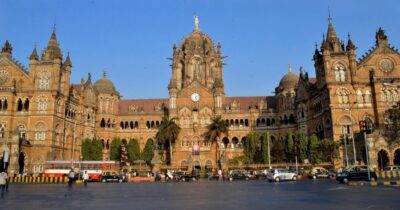
Mumbai Heritage Walk and Elephanta Caves Experience
Read our review →Browse the lists this tour appears in