
Reviewed · MUMBAI MARKET & BAZAAR TOURS
Mumbai Market Tour
South Mumbai’s markets give you a sharper sense of the city than a quick parade of famous buildings. You move from colonial facades into lanes filled with flowers, spices, fabric, jewelry, snacks, and shouted offers. Crawford Market and Mangaldas Market are the main draws, with temples and mosques adding welcome context along the way.
I like the chance to learn how to bargain and to see working markets rather than polished tourist sights. I also like the range of stops, from fragrant spices and bright flowers to cloth and jewelry, all for $23 per person. The main caution is important: some outings may feel more like shopping trips than cultural walks, especially if the guide takes you to favored stores.
In This Review
- Key points to know before you book
- Why South Mumbai’s markets tell you more than monuments
- Crawford Market: your first lesson in Mumbai shopping
- Mangaldas Market and the patient art of choosing fabric
- The spice, jewelry, and flower markets
- Jama Masjid, Mumba Devi Temple, and Madhav Baugh
- The guides can make or break the route
- Shopping tour or cultural walk?
- Is $23 good value?
- Who will enjoy this Mumbai market walk?
- Should you book the Mumbai Market Tour?
- FAQ
- Where does the Mumbai Market Tour take place?
- How much does the tour cost?
- Which markets are included?
- Which religious sites are included?
- What language is available?
- Can I pay later?
- What is the cancellation policy?
Key points to know before you book
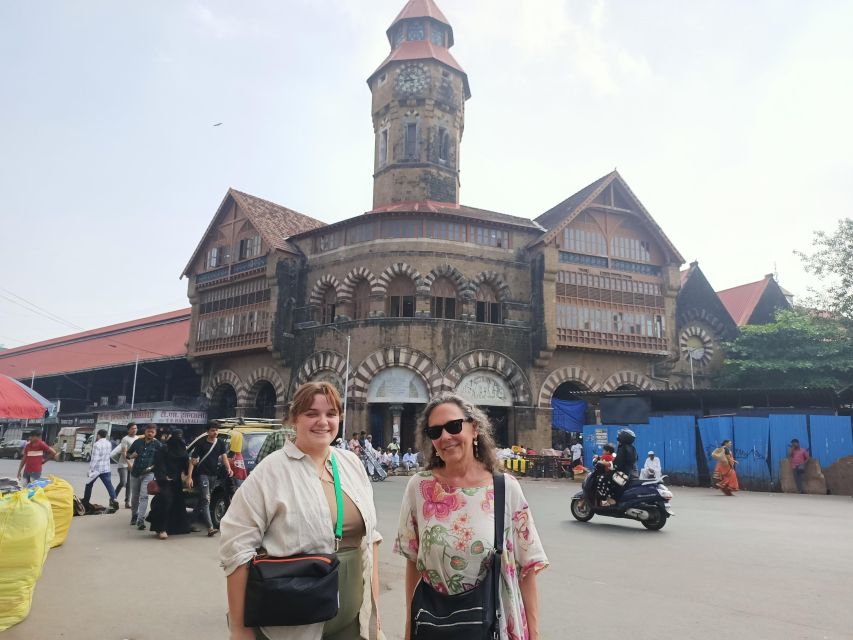
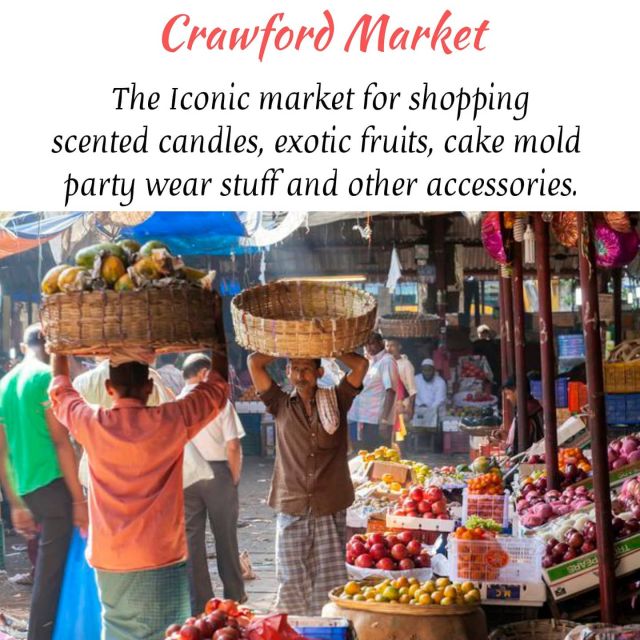
- Crawford Market brings several themes together: produce, spices, candles, party supplies, cake molds, clothing accessories, and other everyday goods.
- Mangaldas Market is the best stop for fabric shoppers: expect cloth shops and plenty of reasons to pause, compare, and bargain.
- The flower market adds color and movement: marigolds, roses, lilies, and orchids are among the blooms you might find.
- Jama Masjid, Mumba Devi Temple, and Madhav Baugh add religious context: these stops help connect the markets with Mumbai’s older neighborhoods.
- Guide quality can shape the day: Kieran and Dinesh received especially warm praise for their explanations, patience, and easy pace.
- Shopping is part of the experience, not a side note: clarify the route and store stops if you want a market walk with little buying pressure.
Why South Mumbai’s markets tell you more than monuments
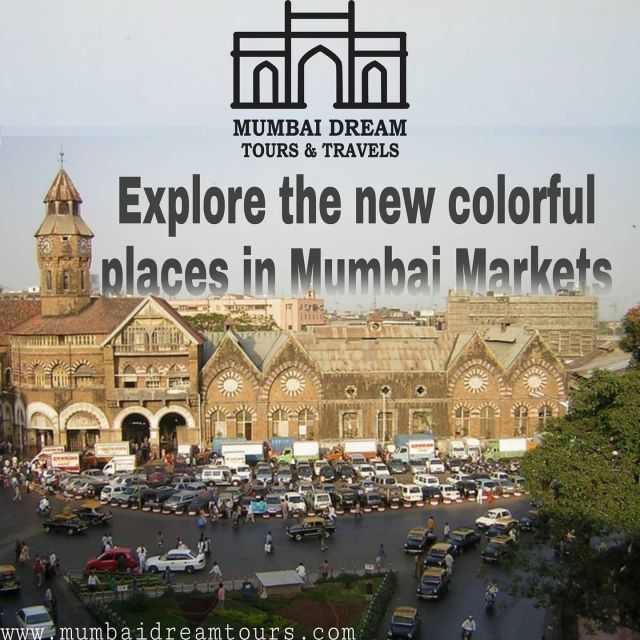
Mumbai can be hard to read from a taxi window. The grand colonial buildings are easy to photograph, but the markets show how the city works: what people buy, how goods move, how shopkeepers court customers, and how religious sites sit beside commercial streets.
This walk takes you through wide roads and narrow alleyways in South Mumbai. Vendors sell from stalls and carts, and the goods change quickly from one block to the next. You might see colorful birds, flowers, Indian clothing, spicy snacks, fresh produce, and household items in the same general stretch.
I like this kind of sightseeing because it gives you ordinary city life, not only a list of landmarks. You should expect noise, crowds, strong smells, and constant activity. If you prefer quiet museums and carefully arranged exhibits, this can feel unruly. That is also the point.
The colonial buildings provide a useful backdrop, but they are not the whole show. Alongside them are temples and mosques, including Jama Masjid and Mumba Devi Temple. The route gives you a look at how faith, trade, and daily errands share the same streets.
More market and bazaar walks:
- Mumbai: Street Food and Night Markets Tour
★ 4.9 · 719 reviews - Mumbai Street Food & Night Markets
★ 5.0 · 225 reviews - Mumbai Street Food and Evening Bazaar Tour
★ 5.0 · 172 reviews
Crawford Market: your first lesson in Mumbai shopping
Crawford Market is one of the central stops and one of the better places to understand the range of goods sold in Mumbai. It is associated with fresh produce and spices, but the experience is broader than a simple grocery market.
You might find scented candles, exotic fruits, cake molds, party supplies, and clothing accessories. That mix is useful because it shows the market as a place for practical shopping, not a display created for visitors.
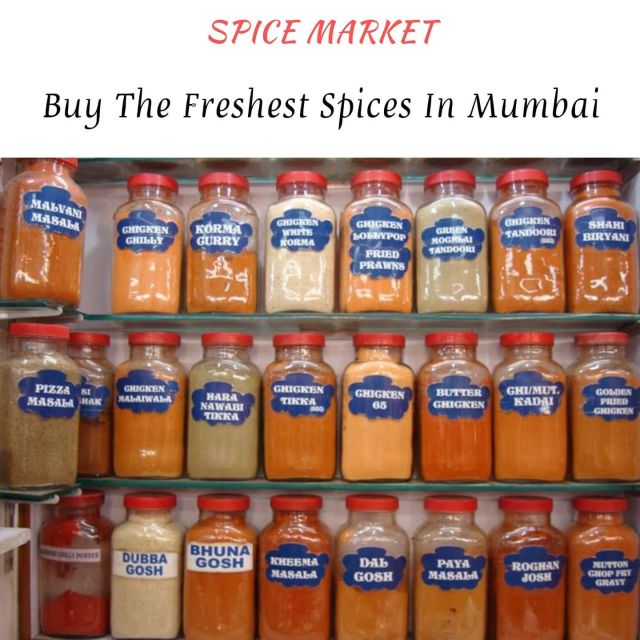
The spice section is a particular highlight. Look for cumin, coriander, turmeric, and cardamom among the sacks and displays. Even if you do not buy anything, the smells and colors make this a memorable part of the walk.
I would keep your first visit here observational. The sheer choice can make it difficult to know what is a fair price, and your guide can help you understand how bargaining works. If you buy, compare prices and make sure you know exactly what you are paying for.
One caution comes from the structure of the experience. The tour description presents Crawford Market as a market stop, but some routes may also include nearby shops selected by the guide. Ask whether a particular stop is inside the market or at a separate retailer. That small question can save you from a shopping visit you did not expect.
Mangaldas Market and the patient art of choosing fabric
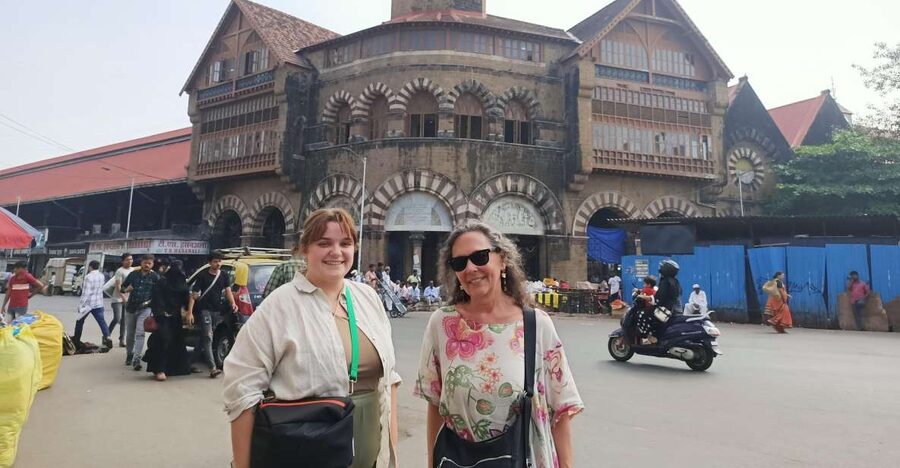
Mangaldas Market is the cloth stop. It is a good fit if you are looking for Indian fabric, clothing material, or a useful souvenir that takes up less space than a large object.
The choice may tempt you to buy quickly. Try not to. Look at the weave, color, weight, and finish, then compare more than one shop before deciding. Prices may be open to negotiation, and the tour can help you get comfortable with the basic rhythm of bargaining.
One of the strongest details from the guide feedback was patience in the textile market. That matters. Fabric shopping can take time, particularly when you are comparing patterns or trying to understand what you are buying. A guide who does not hurry you can turn a confusing stop into a pleasant one.
Still, you should set your own budget before entering. A friendly shopkeeper and a large selection can make a purchase feel more urgent than it really is. If you are not shopping, say so clearly and enjoy the colors, textures, and salesmanship without feeling obliged to buy.
Mangaldas Market also shows why this tour is not a standard sightseeing circuit. Its appeal comes from the practical life of the city. You are not simply looking at a famous building. You are seeing where people handle cloth, negotiate prices, and choose materials for everyday use.
The spice, jewelry, and flower markets
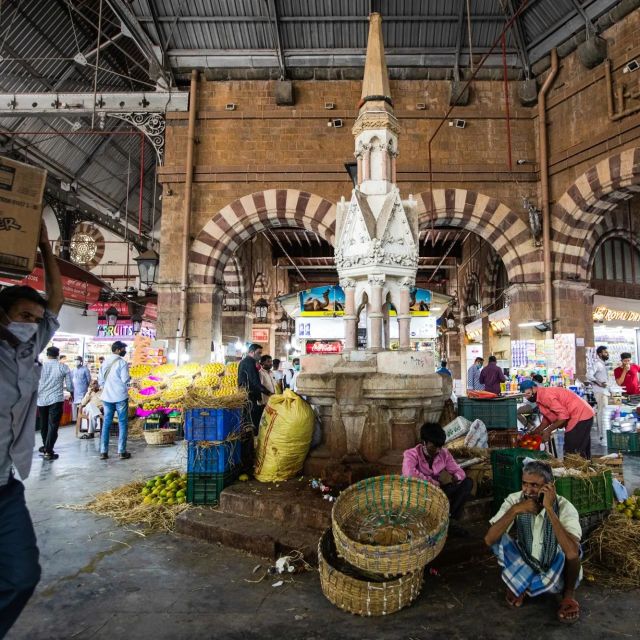
The spice market is tied closely to Crawford Market and gives you a sensory break from cloth and jewelry. Cumin, coriander, turmeric, and cardamom are specifically associated with the stop, but the wider selection may vary.
If you cook, this may be your best shopping opportunity. Pack spices carefully and check local airline rules before buying large quantities. If you are only sightseeing, ask your guide about the names and uses of unfamiliar spices rather than treating the stall as a quick photo stop.
The jewelry market brings a different kind of shopping. It is known for gold, silver, diamond jewelry, and precious and semi-precious stones. That makes it interesting, but it also calls for care.
I would treat jewelry as a viewing stop unless you already understand the product and its price. Ask for clear details about the material, stones, weight, and receipt. Do not feel pressured by the setting or by the guide’s recommendation. The market can be fascinating without requiring a purchase.
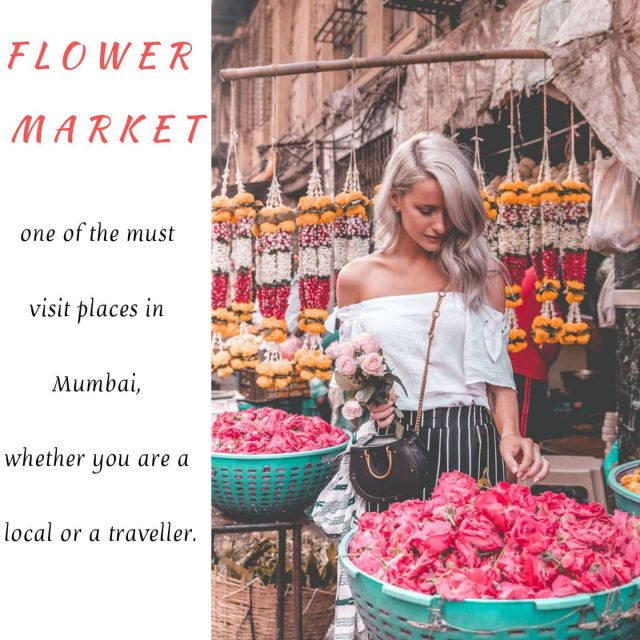
The flower market is the most immediately colorful stop. It is described as Mumbai’s largest flower market, with marigolds, roses, lilies, and orchids among the blooms. The flowers connect the commercial side of the walk with the city’s religious life, since blooms are used around temples and ceremonies.
Go with your eyes open and your camera ready, but remember that this is a working market. You will get more from it if you watch the buying and selling instead of treating every stall as a backdrop. The scent, color, and pace make it one of the easiest stops to enjoy even if you buy nothing.
A completely different way to spend a day in Mumbai:
- Dharavi slum tour in Mumbai by Female tour guides of the slum
★ 5.0 · 1,976 reviews - Mumbai: Full-Day Sightseeing Tour of Mumbai
★ 4.9 · 1,822 reviews - Private Mumbai Sightseeing Tour (Traveller’s Choice Award Winner)
★ 5.0 · 1,565 reviews - Elephanta Caves & Island Guided Private Tour
★ 5.0 · 1,327 reviews
Jama Masjid, Mumba Devi Temple, and Madhav Baugh
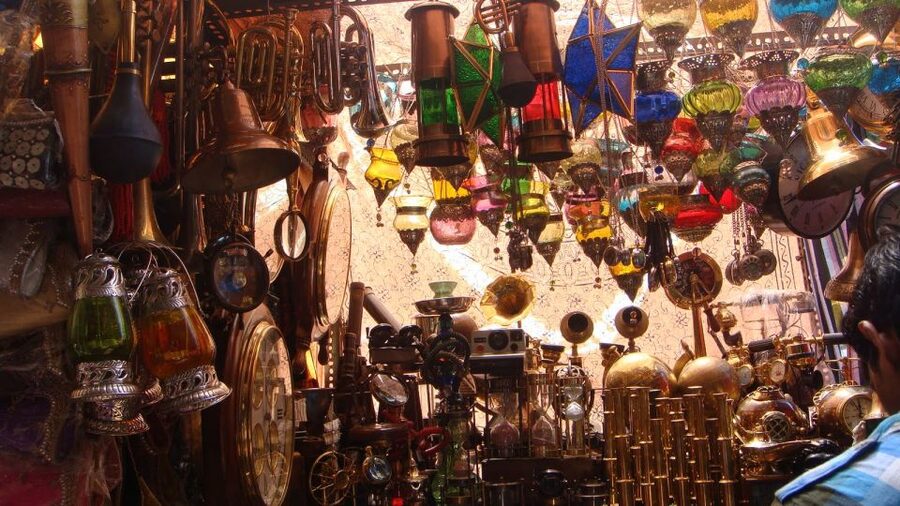
The religious stops give the market route more meaning. Jama Masjid and Mumba Devi Temple show how closely worship and commerce sit together in this part of Mumbai.
Mumba Devi Temple is especially relevant to the city’s identity because Mumbai takes its name from Mumba Devi. The provided tour details do not specify the length of the visit, entry arrangements, or whether there is a guided explanation inside, so you should treat it as a listed stop rather than assume a full temple tour.
The same applies to Jama Masjid and Madhav Baugh. They are included in the route, but exact visit procedures are not provided. Dress and behavior should be respectful at religious sites, and follow any local instructions from your guide.
This is also where the tour can either succeed or disappoint. A market walk that pauses to explain the places of worship gives you a fuller picture of the neighborhood. A route that only points at them while hurrying you toward a shop will feel much thinner.
For that reason, I would ask at the start how much time is planned for the temples and mosque. The question is polite and practical. You are entitled to know if the focus is cultural sightseeing, shopping, or a mixture of both.
The guides can make or break the route
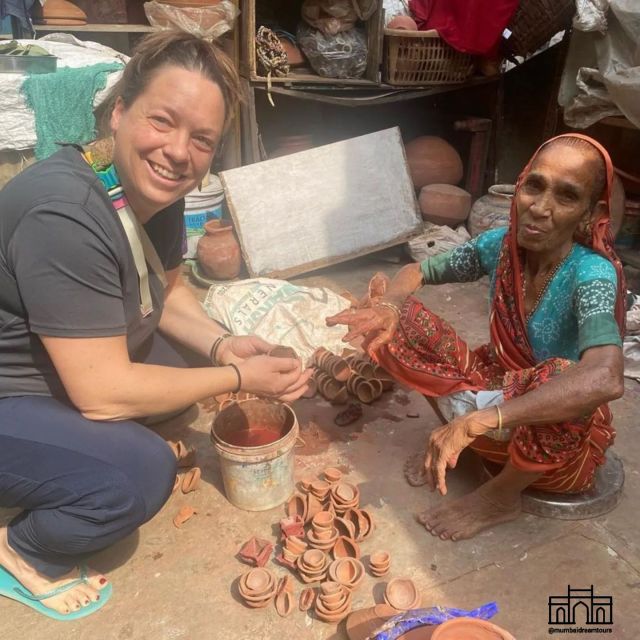
The strongest guide feedback centers on clear explanations, a pleasant manner, patience, and a relaxed pace. Kieran was praised for explaining the markets, culture, and daily life of Mumbai, as well as for being patient in the textile market.
Dinesh was singled out for knowing the markets and keeping the pace comfortable. That is valuable in a place where you could spend five minutes or half an hour at every stall. A steady guide helps you see more without turning the walk into a race.
Another guide, whose name began with A, was praised for adapting the route to personal interests, showing extra places along the way, and teaching bargaining. That flexibility is one of the best possible features for a market tour. You may care more about spices than jewelry, or more about temples than clothing, and a good guide can adjust the emphasis.
Guide assignments may vary, so you should not book solely on the expectation of meeting one particular person. Still, the repeated praise for explanation and patience tells you what to value: a guide who interprets the streets rather than simply leading you from shop to shop.
The language offered is English. If you need a different language, this experience does not promise one.
Shopping tour or cultural walk?
The answer may be both, but you should understand the balance before paying. The official route includes several markets and religious sites, yet the tour can also involve stops at individual shops.
That is not automatically bad. A local shop can offer easier browsing, explanations of products, and help with bargaining. It may also be more comfortable than trying to understand a large market alone.
The problem comes when shop visits replace the promised market experience. One unhappy account described stops at a pashmina store, a spice shop, and a women’s clothing shop, with little cultural attention given to the temples along the way. That person also felt the prices were too high and the stores were ordinary shops rather than appealing market spaces.
Take that warning seriously. Before the walk begins, ask:
- How many stops are inside the named markets?
- How many are private shops?
- Will there be time at Jama Masjid and Mumba Devi Temple?
- Are purchases expected?
- Can you skip a shop without slowing down the group?
You can enjoy a shopping-focused route if that is what you want. You may like having a guide introduce you to fabric, spices, or jewelry sellers. But if your main goal is local architecture, religious sites, and street observation, confirm the balance first.
Is $23 good value?
At $23 per person, the tour is reasonably priced if you want orientation and help navigating the markets. You are paying for an English-speaking guide, local interpretation, route planning, and assistance with bargaining, not just for a walk between shops.
The value rises if your guide explains what you are seeing and responds to your interests. A good market guide can help you understand products, prices, customs, and the connection between the markets and nearby religious buildings. That kind of context is difficult to get from walking alone.
The value falls if the outing becomes a series of sales stops. You can browse shops independently, and you should not pay a tour price simply to be taken somewhere a seller already expects you to visit.
No duration is provided, and transportation is not listed among the included details. That makes it difficult to compare this tour directly with longer guided walks. Ask about the meeting point, length, group size, and walking distance before booking, since these details affect the real value.
The flexible booking terms help. You can reserve and pay later, and cancellation is allowed up to 24 hours in advance for a full refund. Keep that option in mind if your Mumbai schedule is still changing.
Who will enjoy this Mumbai market walk?
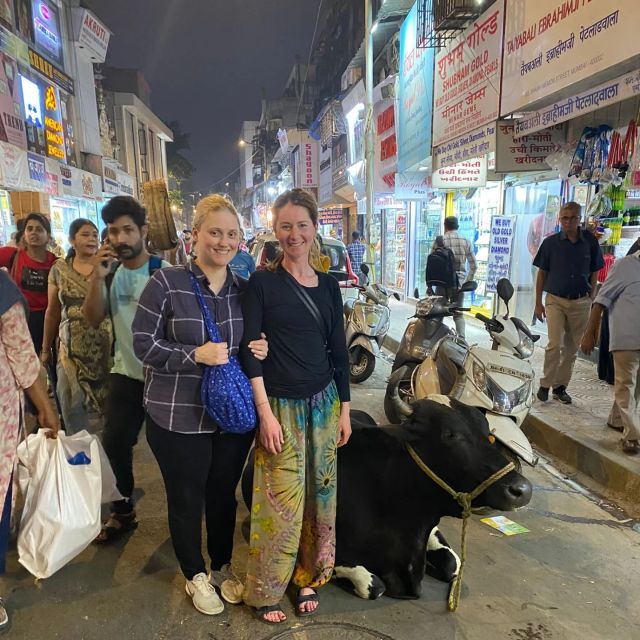
I would recommend it to first-time visitors who want help getting oriented in South Mumbai. It suits curious shoppers, photographers, cooks interested in spices, and anyone who prefers street life to formal attractions.
It is also a good choice if bargaining makes you nervous. A guide can show you how to approach a price and help you avoid rushing into a purchase. The textile market may be especially useful if you want cloth but do not know how to judge the options.
Families and mixed-interest groups may like the variety. One person can look at fabric, another can study flowers or spices, and everyone gets a look at temples, mosques, and colonial buildings along the route.
I would be more cautious if you dislike sales pressure or want a carefully planned heritage walk. You might find the market noise tiring, and you may not like visiting stores connected to the guide. For a quieter cultural experience, ask very direct questions before confirming.
Should you book the Mumbai Market Tour?
Book it if you want an active introduction to South Mumbai, enjoy browsing, and value a guide who can explain local life and help with bargaining. The mix of Crawford Market, Mangaldas Market, spices, flowers, jewelry, temples, and mosques gives you plenty to see for $23.
Do not book blindly if you want zero shopping. Confirm that the route includes substantial time in the actual markets and at the religious sites, not only private stores. If the guide is Kieran, Dinesh, or another guide who follows your interests, the experience may be especially rewarding, but guide availability can change.
My practical verdict: a good-value market walk with a shopping risk. Ask the right questions first, keep your budget firm, and you can get a lively, useful look at Mumbai beyond its headline sights.
FAQ
Where does the Mumbai Market Tour take place?
The tour takes place in Maharashtra, India, through the historic markets of South Mumbai.
How much does the tour cost?
The listed price is $23 per person.
Which markets are included?
The route includes Crawford Market, Mangaldas Market, a spice market, a jewelry market, and a flower market.
Which religious sites are included?
Jama Masjid, Mumba Devi Temple, and Madhav Baugh are included among the listed stops.
What language is available?
The available tour language is English.
Can I pay later?
Yes. You can reserve your place and pay later, with nothing required at the time of booking.
What is the cancellation policy?
You can cancel up to 24 hours in advance for a full refund.
Just added around Mumbai
- Temples & Vineyards: Private Tour to Nashik from Mumbai★ 4.5 · 3 reviews
- Mumbai: Private City sightseeing and Dharavi Slum Tour★ 5.0 · 3 reviews
- Mumbai: Full Day City Sightseeing with Lunch, Car & Guide★ 4.3 · 3 reviews
- Elephanta Island Private Speedboat Tour from Mumbai – 6pax★ 5.0 · 3 reviews
- Mumbai: Elephanta Island and Elephanta Caves Guided Tour★ 4.4 · 3 reviews
- Mumbai Sightseeing Tour by Public Transport with family Lunch★ 5.0 · 3 reviews
- Mumbai by Dawn★ 4.5 · 3 reviews
- Mumbai Dharavi Slum Community Tour★ 5.0 · 3 reviews
Mumbai Market & Bazaar Tours, compared.

Mumbai Morning Market Tour of Flowers, Fish, and More
Read our review →Private Guided Walking Tour of Street Markets (Bazaars)
Read our review →Mumbai Morning Market Tour of Flowers, Fish, and More
Read our review →
Mumbai Street Food Tour with Evening Bazaar Walk
Read our review →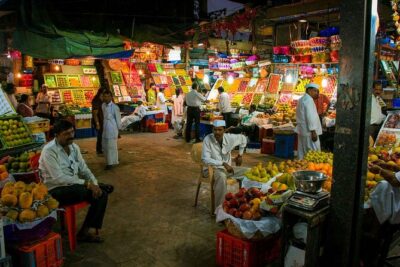
Browse the lists this tour appears in