
Reviewed · MUMBAI MARKET & BAZAAR TOURS
Mumbai: Magical Markets Tour
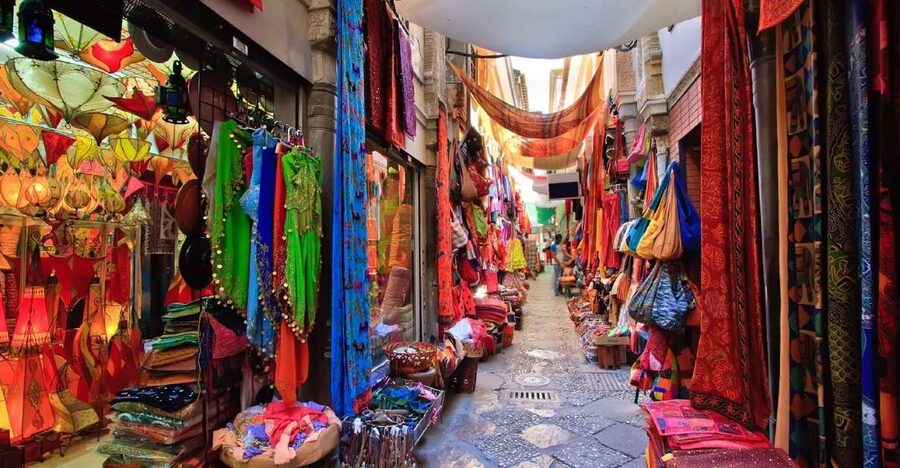
Mumbai’s market district is best understood on foot, one crowded lane at a time. This two-hour tour takes you through flower stalls, jewelry shops, cloth markets, antique stores, temples, and food counters, with a local guide helping you make sense of the noise and movement.
I like the route for two reasons: Zaveri Bazaar gives you a close look at Mumbai’s jewelry trade, while the small lanes around Bhuleshwar and Kalbadevi show daily city life beyond the usual sights. The guide, Nisar, is often praised for explaining the area clearly and taking care of guests, including waiting with one person until a driver arrived.
The main caution is timing. Seven market and temple areas in two hours makes this a brisk walk, not a slow shopping morning. The route can also vary, and one poor experience involved missing the promised temples and markets, so confirm the exact plan with your guide at the start.
In This Review
- Key points to know before you book
- What this Mumbai market walk is really like
- Starting at Shri Swaminarayan Mandir
- Bhuleshwar Market, where every lane sells something different
- Mumba Devi Temple and the name of Mumbai
- Zaveri Bazaar, Mumbai’s jewelry quarter
- Kalbadevi, a short link between market districts
- Chor Bazaar and the reality of shopping
- Mangaldas Market and Mumbai’s cloth trade
- Crawford Market, the grand finale
- The guide makes the difference
- Is $18 good value for two hours?
- Who should book this market tour?
- Practical tips for a smoother walk
- FAQ
- Where does the Mumbai Magical Markets Tour begin?
- Where does the tour finish?
- How long does the tour last?
- Which languages does the guide speak?
- Is hotel pickup included?
- What should I bring?
- Should you book it?
Key points to know before you book
- A fast walk through Mumbai’s oldest market quarter, with short stops rather than long visits at each place.
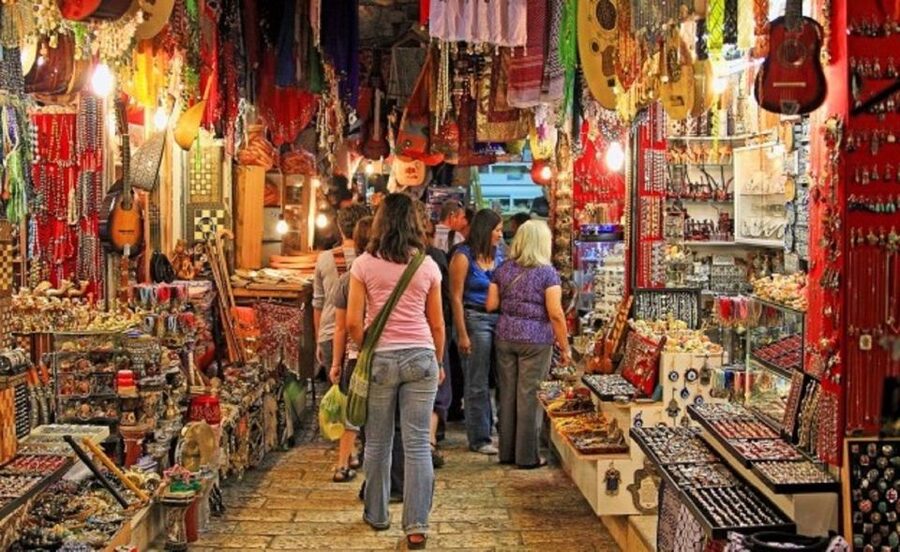
- Zaveri Bazaar is the visual highlight, packed with gold, stones, and glittering ornaments.
- Masala chai in a clay cup adds a simple local touch to the walk.
- Nisar is the named guide most often praised, especially for his explanations, kindness, and care with pickup arrangements.
- The route includes markets for many interests, from flowers and religious goods to silk, antiques, produce, cheese, and chocolate.
- Private groups offer a more personal pace, but you still need comfortable shoes and patience with crowds.
What this Mumbai market walk is really like
You meet at Café Coffee Day in the VT Capital Cinema Building, Noor Fort, Mumbai. From there, you set out on foot with an English- or Hindi-speaking guide. No hotel transfer is included, so you need to arrange your own way to the meeting point and your own transport afterward.
This is a private group tour, which is useful in a market district where a large group would be awkward. You can ask questions, pause for clarification, and tell the guide if you want to focus more on shopping, architecture, food, or local customs. Still, the advertised route is packed. Expect movement and explanation more than extended browsing.
The walking times between stops are short, usually 10 to 20 minutes. That sounds easy on paper, but Mumbai’s market lanes can be crowded, uneven, and slow to cross. You may stop often, yet you should still treat this as a continuous walking experience. Wear shoes you can trust, and leave large bags and luggage behind.
The tour operates in rain or shine. Bring sunscreen, sunglasses, a hat, and your own water bottle. Water is not included, and a small cash supply is sensible because some shops accept cash only.
More market and bazaar walks:
- Mumbai: Street Food and Night Markets Tour
★ 4.9 · 719 reviews - Mumbai Street Food & Night Markets
★ 5.0 · 225 reviews - Mumbai Street Food and Evening Bazaar Tour
★ 5.0 · 172 reviews
Starting at Shri Swaminarayan Mandir
The first major stop is Shri Swaminarayan Mandir Vadtal, described as the headquarters of the Shri Laxmi-Narayan Dev Gadi. The temple gives the tour an early change of pace. You move from city traffic into a religious setting where the details of worship matter as much as the building itself.
Your guide can help explain what you are seeing and how the temple fits into local life. Temple etiquette matters here. Dress and behavior should be respectful, and photography may be restricted inside. Ask before taking pictures rather than assuming that a quick phone photo is acceptable.
The temple visit is especially valuable if you are new to Mumbai. Markets can feel like a wall of sound and color, but a temple stop gives you a cultural reference point before the walk gets busier. The itinerary allows only about 10 minutes for the walk from the meeting point, so this is not a long religious site visit.
Bhuleshwar Market, where every lane sells something different
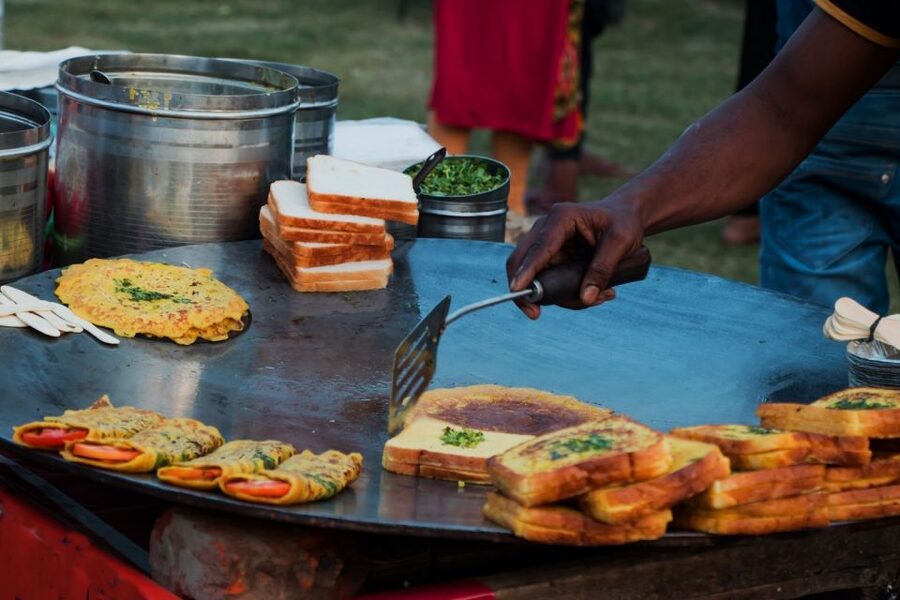
Bhuleshwar Market is where the tour begins to feel like a true market walk. The goods change quickly: fruits and vegetables, imitation jewelry, religious items, pooja supplies, rose petals, household goods, and cloth accessories all appear along the route.
I like this stop because it shows how one market district can serve many parts of daily life at once. A stall selling flowers for worship may sit close to a counter of household goods or fashion accessories. You are not simply looking at shops. You are watching how shopping, religion, food, and family routines share the same streets.
The guide’s role matters here. Without local help, you might see only a crowded lane and a lot of merchandise. With explanations, you can ask what the rose petals are used for, understand the purpose of pooja items, and get a better idea of which stalls are aimed at residents rather than sightseers.
Allow yourself to look, but do not assume every stop is a sales opportunity. If you do not want to buy, say so clearly and early. One less positive experience on this tour involved pressure to continue to a shop after the guest had said several times that no purchase was wanted. A good guide should respect that boundary.
Mumba Devi Temple and the name of Mumbai

The walk includes Mumba Devi Temple, the religious site linked to the city’s name. This is one of the most meaningful stops on the route because it connects modern Mumbai with the older identity of the city.
The temple is active, not simply a monument arranged for sightseeing. That means your visit may be brief and controlled by temple rules. Photography can be limited, and crowded festival periods may make the experience slower or less comfortable.
The supplied route information places Mumba Devi Temple both during the walk and as the finishing location. Since the listed order also takes you to Crawford Market before ending at Shri Mumbadevi Temple, ask your guide to confirm the sequence when you meet. This is a small point, but it helps you know where the tour ends and whether you need to keep shopping purchases with you.
A completely different way to spend a day in Mumbai:
- Dharavi slum tour in Mumbai by Female tour guides of the slum
★ 5.0 · 1,976 reviews - Mumbai: Full-Day Sightseeing Tour of Mumbai
★ 4.9 · 1,822 reviews - Private Mumbai Sightseeing Tour (Traveller’s Choice Award Winner)
★ 5.0 · 1,565 reviews - Elephanta Caves & Island Guided Private Tour
★ 5.0 · 1,327 reviews
Zaveri Bazaar, Mumbai’s jewelry quarter
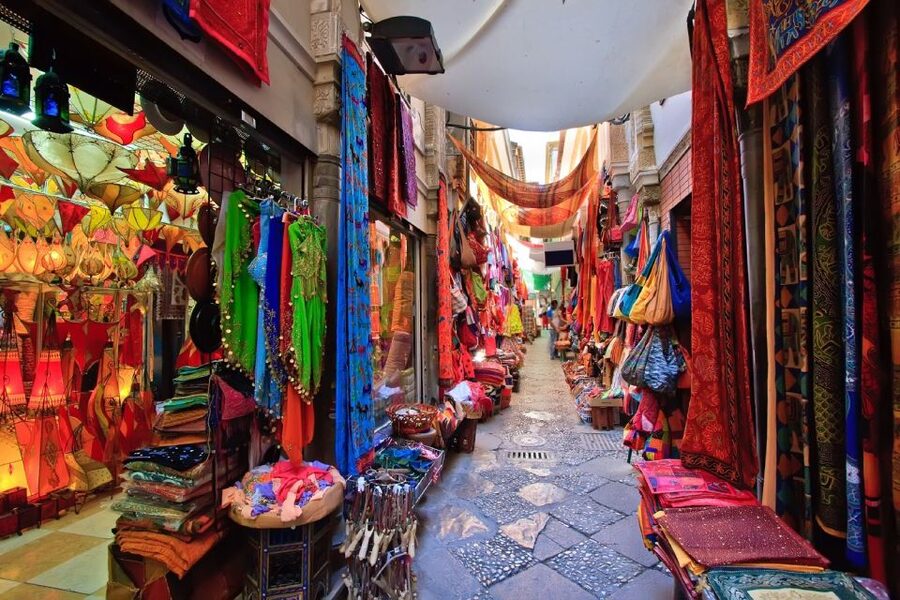
Zaveri Bazaar is likely the most visually striking section of the tour. It is described as Mumbai’s largest jewelry market, with gold, stones, ornaments, and glittering displays filling the shops.
You do not need to be shopping for jewelry to enjoy this stop. The point is seeing a specialized commercial district at work. The displays are brighter and more concentrated than at Bhuleshwar, and the scale of the trade gives you a different view of Mumbai’s economy.
Use ordinary city caution here. Keep your phone and wallet secure, and avoid carrying valuables you do not need. If you are seriously interested in buying jewelry, treat this tour as an introduction rather than a full purchasing service. The guide can provide local context and recommendations, but the activity does not include purchases, guarantees, or professional valuation.
The planned visit takes about 15 minutes of walking around the area. That is enough to see the atmosphere and ask questions, but not enough for careful comparison shopping. You should be clear with the guide if you want to browse rather than buy.
Kalbadevi, a short link between market districts
Kalbadevi connects several of the market areas on foot. The route treats it partly as a walking section, with views and street scenes along the way rather than one single attraction.
This is where I would keep my camera ready, while remembering that crowds make photography awkward. The value is in the transition. You see how one commercial quarter flows into another, with lanes changing character as the goods and shops change.
The walk is listed at about 10 minutes. Do not expect a formal sightseeing stop with a long explanation. Instead, listen as your guide points out details you might otherwise miss and keep an eye on your belongings.
Chor Bazaar and the reality of shopping
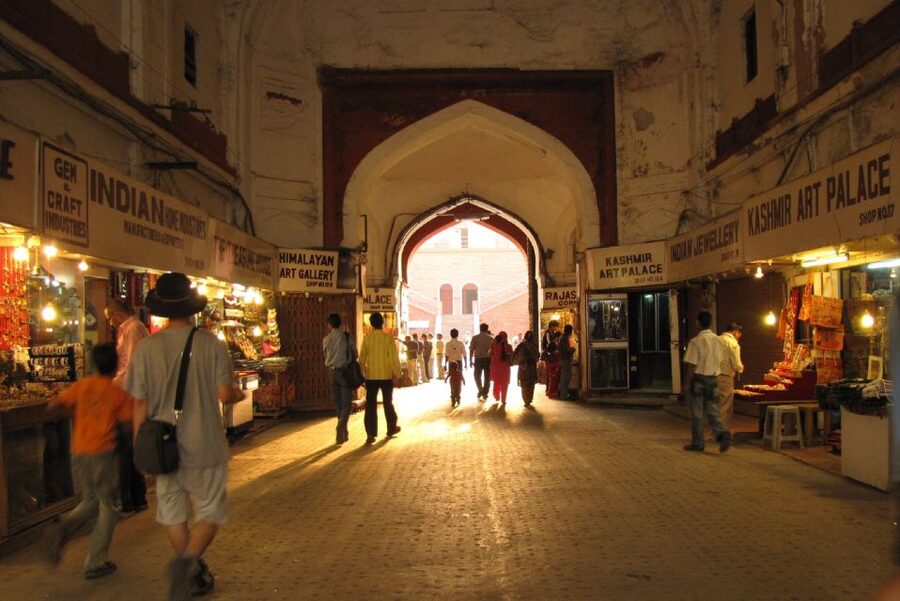
Chor Bazaar is known for antiques and furniture. The name attracts curiosity, but you should approach this as a market area, not as a promise that every object is rare, old, or authentic.
This stop works well for people who enjoy browsing. Furniture and antiques give the walk a different texture after the jewelry and religious goods of the earlier markets. You may find yourself looking at objects that are difficult to identify without local context, which is another reason the guide is useful.
The scheduled time here is about 20 minutes of shopping and walking. That is enough for a quick look, but not a leisurely hunt for a large piece of furniture. Large purchases would also be impractical on a walking tour with no hotel transport included.
One practical point is worth taking seriously: luggage and large bags are not allowed. Even if you were hoping to shop, bring only a small day bag that you can carry comfortably through tight lanes.
Mangaldas Market and Mumbai’s cloth trade
Mangaldas Market opened in 1893 and is known for silk and cloth. This is a good stop if you want to understand Mumbai’s textile side, or if you are looking for fabric, scarves, or clothing material rather than souvenirs.
The market is more focused than Bhuleshwar. Instead of a little of everything, you get rows of cloth and a stronger sense of a trade built around fabric. I would ask the guide which shops are best suited to browsing and whether prices are fixed or open to discussion before getting serious about a purchase.
The planned walk and shopping time is about 15 minutes. That will feel short if you are choosing fabric, comparing colors, or asking about materials. If textiles are your main interest, tell Nisar or your guide at the beginning so the time can be used well.
Crawford Market, the grand finale
Crawford Market, now commonly associated with South Mumbai’s major market district, brings the route to a strong finish. The building is known for Gothic and Romanesque architectural elements, so this stop gives you something more than stalls and shopping.
Inside and around the market, you may see fruits and vegetables, imported cheese, homemade chocolate, and other food goods. It is a pleasant contrast to the jewelry and cloth markets, especially if you enjoy seeing what people buy for everyday meals and special occasions.
The planned visit includes about 20 minutes of shopping and walking. That should give you time to admire the building, look over the food displays, and perhaps pick up something small. Food purchases are personal expenses, and the tour does not provide water.
Crawford Market can be crowded, especially around festivals. Keep your expectations practical. You will not have the space or time for a quiet architectural inspection, but you can enjoy the building while taking in the market’s constant motion.
The guide makes the difference
This experience depends heavily on the guide. Nisar is the named guide in the strongest feedback, and the praise is specific. He is described as friendly, clear in his explanations, helpful with city sights, and attentive to safety. One person especially appreciated that he waited until a driver arrived at the end. Another valued the masala chai and the way he showed places that would have been easy to miss.
That personal attention is a real advantage of a private tour. You are not left to decode the markets alone, and you can ask about customs, shopping, temples, and directions. The guide also provides local tips and personalized recommendations.
Still, expectations should be clear. The tour description covers a lot of ground, and the short duration leaves little room for delays. If you have already visited Crawford Market, say so before setting out. The route may be adjusted toward the cloth and jewelry markets, as happened for one guest, but any proposed shopping stop should match your interests.
One poor experience reported that the tour ended after about 20 minutes because the temples and planned markets did not appear as expected. I cannot tell you why that happened, but it is a useful reminder: confirm the first few stops and the end point before you begin.
Is $18 good value for two hours?
At $18 per person, this is a low-cost way to get an introduction to Mumbai’s central markets. The value comes from the guide, the access to narrow lanes, and the range of districts covered in a short period. You would likely spend much of your time simply finding the markets and understanding what you are seeing without local help.
The price does not cover transport, water, food, or shopping. You also should not expect a slow, specialist tour of every market. This is best valued as an orientation walk. It helps you decide which areas deserve a second visit on your own.
The private-group format improves the value if you want to ask questions or need a flexible conversation. It may be less useful if you want to spend most of the two hours buying fabric or jewelry, since the route is designed to keep moving.
Free cancellation up to 24 hours ahead and reserve-now, pay-later booking make the activity easier to fit into a changing schedule. Those policies are useful, but the more important decision is whether you are comfortable with a crowded walking route and a tight timetable.
Who should book this market tour?
I would recommend it to first-time Mumbai visitors who want a quick orientation to the old market quarter. It suits you if you enjoy street scenes, religious sites, shopping districts, and short explanations that connect the places together.
It is also a good match for solo visitors or couples who want a local guide without joining a large group. The English and Hindi language options help, and the personal format gives you room to ask practical questions.
You may want another kind of experience if you have limited mobility, are pregnant, dislike crowds, or cannot walk comfortably for two hours. Wheelchair users are specifically advised that the tour is not suitable. The route also makes poor sense for someone carrying luggage.
Practical tips for a smoother walk
- Wear comfortable shoes with good support. The route is on foot from beginning to end.
- Carry sunscreen, sunglasses, and a hat. Mumbai can feel hot while you are moving between crowded lanes.
- Bring water, since a bottle is not included.
- Carry some cash for shops that do not accept cards.
- Keep bags small. Luggage and large bags are not allowed.
- Ask before photographing inside temples.
- Tell the guide if you do not want to shop. You can enjoy the markets without making purchases.
- Confirm the route, temple visits, and final meeting point at the start.
- If festivals are taking place, allow for heavier crowds and slower progress.
- Leave room in your schedule after the tour if you need to arrange a pickup from Shri Mumbadevi Temple.
FAQ
Where does the Mumbai Magical Markets Tour begin?
The tour begins at Café Coffee Day in the VT Capital Cinema Building, Noor Fort, Mumbai.
Where does the tour finish?
The stated finishing point is Shri Mumbadevi Temple in Mumbai. The route information also places Mumba Devi Temple earlier in the walk, so confirm the exact order with your guide at the meeting point.
How long does the tour last?
The tour lasts two hours and is entirely focused on walking between market and temple areas.
Which languages does the guide speak?
The live guide speaks English and Hindi.
Is hotel pickup included?
No. Hotel pickup and drop-off are not included, so you need to reach the meeting point and arrange your own transport afterward.
What should I bring?
Bring comfortable shoes, sunglasses, a sun hat or hat, sunscreen, and a water bottle. Large bags and luggage are not allowed.
Should you book it?
Book this tour if you want a fast, guided introduction to Mumbai’s old market districts for $18. The mix of Bhuleshwar, Zaveri Bazaar, Chor Bazaar, Mangaldas Market, Crawford Market, and temples gives you a broad look at the city in a short time. Nisar is a particularly good choice if he is available, based on the care and clear explanations associated with his tours.
Skip it if you want a relaxed shopping session, a detailed temple tour, or a route that guarantees long stops at every listed market. Confirm the plan before walking, keep your expectations practical, and you will get the most from this lively introduction to Mumbai.
Just added around Mumbai
- Temples & Vineyards: Private Tour to Nashik from Mumbai★ 4.5 · 3 reviews
- Mumbai: Private City sightseeing and Dharavi Slum Tour★ 5.0 · 3 reviews
- Mumbai: Full Day City Sightseeing with Lunch, Car & Guide★ 4.3 · 3 reviews
- Elephanta Island Private Speedboat Tour from Mumbai – 6pax★ 5.0 · 3 reviews
- Mumbai: Elephanta Island and Elephanta Caves Guided Tour★ 4.4 · 3 reviews
- Mumbai Sightseeing Tour by Public Transport with family Lunch★ 5.0 · 3 reviews
- Mumbai by Dawn★ 4.5 · 3 reviews
- Mumbai Dharavi Slum Community Tour★ 5.0 · 3 reviews
Mumbai Market & Bazaar Tours, compared.

Mumbai Morning Market Tour of Flowers, Fish, and More
Read our review →Private Guided Walking Tour of Street Markets (Bazaars)
Read our review →Mumbai Morning Market Tour of Flowers, Fish, and More
Read our review →
Mumbai Street Food Tour with Evening Bazaar Walk
Read our review →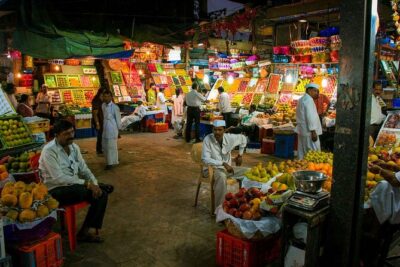
Browse the lists this tour appears in