
Reviewed · MUMBAI MARKET & BAZAAR TOURS
Mumbai: Local Markets & Temples Tour
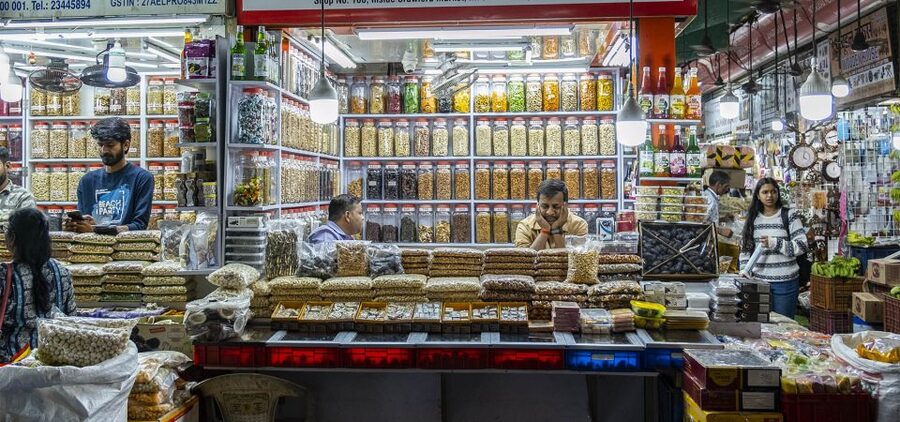
Mumbai’s market lanes put you close to the city’s daily rhythm: fruit sellers calling out prices, clothing traders moving through narrow aisles, flowers piled in bright heaps, and temples tucked beside old streets. The Crawford and Mangaldas markets make this a useful introduction to how Mumbai shops and trades.
I like the direct look at ordinary city life, and I like that the route adds places many first-time sightseeing plans skip, including Mumbadevi Temple and the Panjrapole cow shelter. The main consideration is pace: several stops are packed into less than three hours, so you will see highlights rather than browse every market at leisure.
In This Review
- Key points at a glance
- Mumbai revealed through its markets
- Crawford Market and the business of daily food
- Mangaldas Market and Mumbai’s textile trade
- Zaveri Bazaar and the oldest lanes
- Flower Alley and the small details between stops
- Mumbadevi Temple and the name Mumbai
- Panjrapole and more than 350 cared-for cows
- What the $27 price gets you
- Timing, transport, and the practical side
- Who will get the most from this walk
- My verdict on the market-and-temple route
- FAQ
- How long does the Mumbai Local Markets and Temples Tour last?
- What language is the tour conducted in?
- Where does the tour begin?
- Which markets are included?
- Is food included in the price?
- Is hotel pickup and drop-off included?
- Where can the tour end?
- Can I cancel or pay later?
Key points at a glance
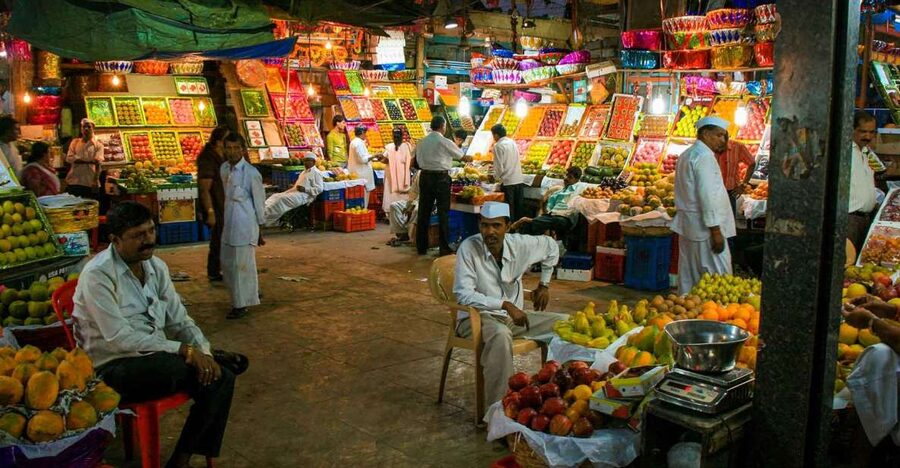
- Crawford Market: See one of Mumbai’s largest wholesale markets for fruit, vegetables, and meat.
- Mangaldas Market: Walk through the city’s largest indoor wholesale textile market, where locals buy clothing.
- Mumbadevi Temple: Visit the historic Hindu temple linked to Mumbai’s name.
- Panjrapole shelter: Spend time at a sanctuary caring for more than 350 cows.
- Black-cab transfer: The route begins with about 15 minutes by cab from the Regal Cinema meeting point.
- Flexible finish: The tour can end near Chhatrapati Shivaji Terminus or Charni Road Railway Station, depending on the option booked.
Mumbai revealed through its markets
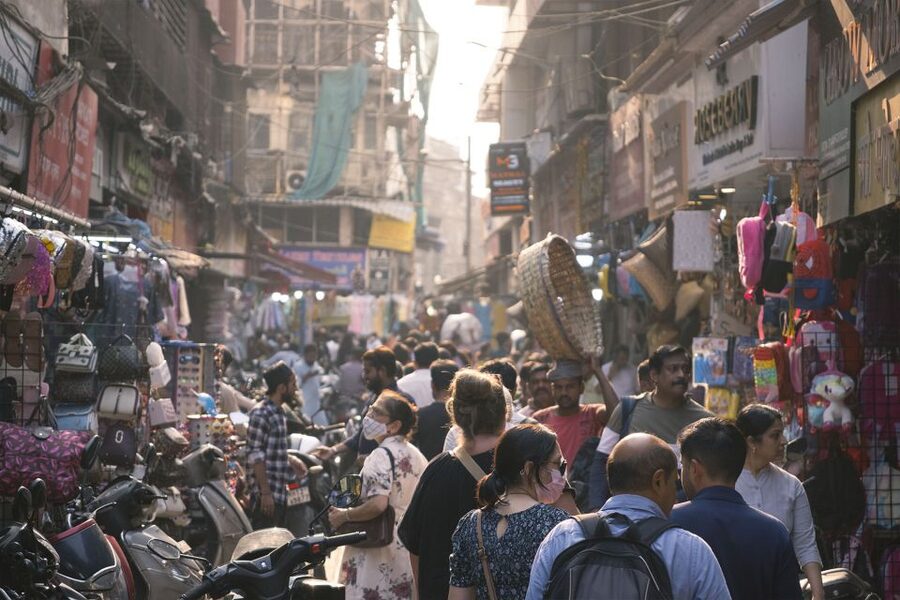
I would choose this tour when I wanted to see Mumbai as a working city, not only as a collection of famous buildings. The route moves through trading districts where shopping, worship, transport, food, and street life all press close together.
You begin at one of two meeting options around Regal Cinema. From there, a black cab takes about 15 minutes to Crawford Market. That short ride matters because it gets you from the starting point into the market district without spending much of your limited tour time walking between neighborhoods.
The tour lasts about 2.5 to 3 hours. That is long enough to sample several distinct areas, but not long enough for a slow shopping trip. I would think of it as a guided introduction, especially useful at the start of a Mumbai stay when the city’s lanes and market customs may feel hard to read on your own.
More temple and shrine visits:
- Private Guided Spiritual Walk in Banganga Hindu Temples
★ 5.0 · 271 reviews - Mumbai: Kanheri Caves and The Golden Pagoda Temple
★ 4.7 · 108 reviews - Sanjay Gandhi National Park(SGNP) + Kenheri Caves + Lion Safari + Jain Temple
★ 5.0 · 88 reviews
Crawford Market and the business of daily food
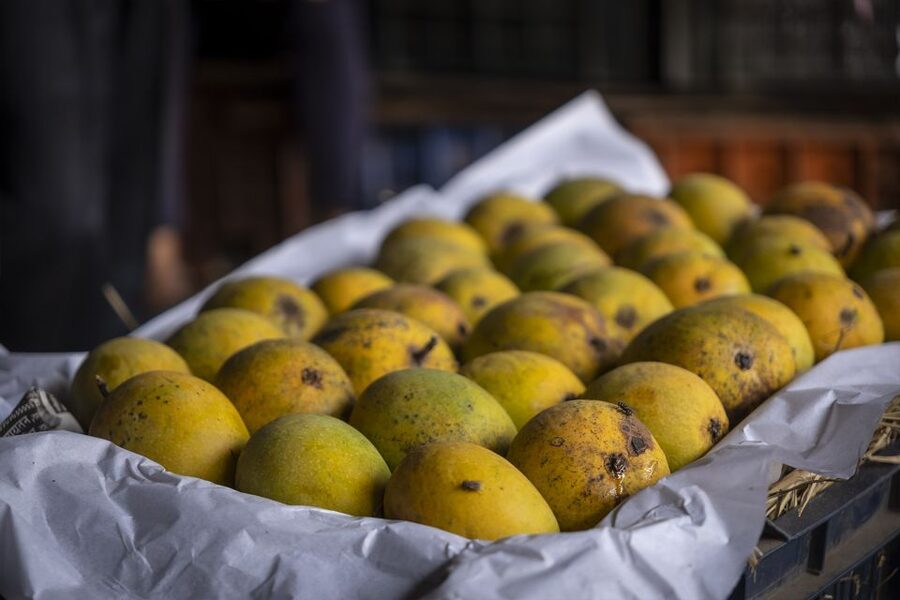
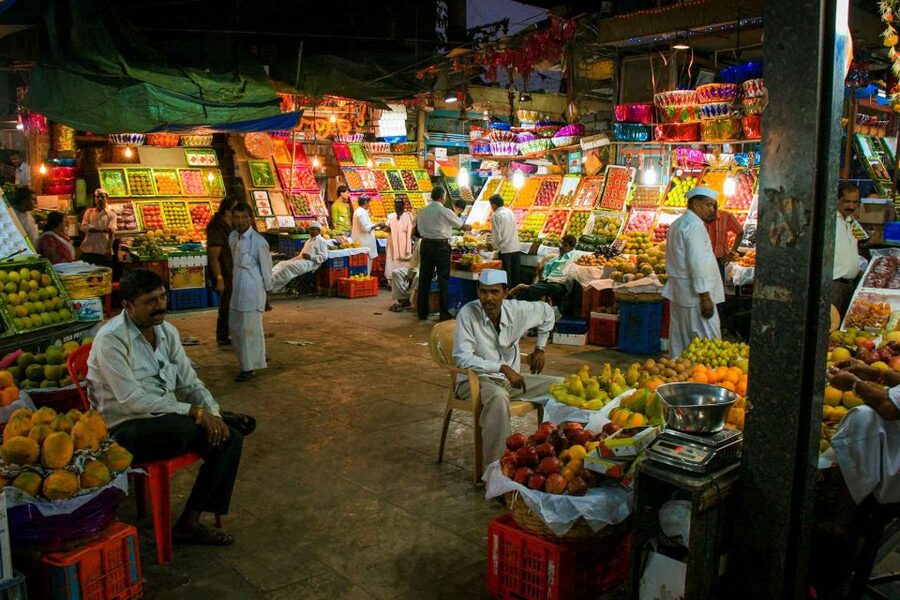
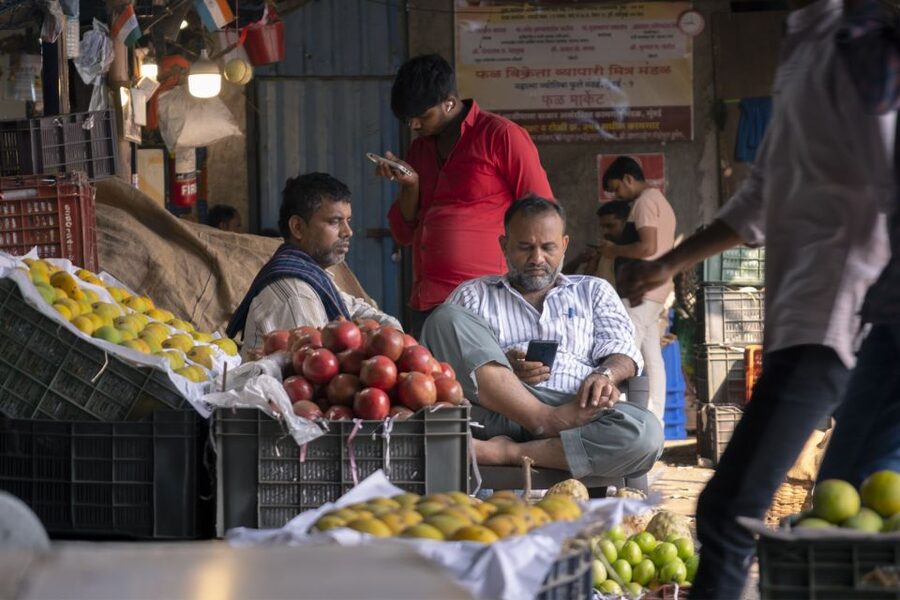
Crawford Market is the first major stop, with about 15 minutes set aside for a guided visit and walk. The market is known for wholesale fruit, vegetables, and meat, so the appeal is less about polished displays and more about seeing food distribution at close range.
You might find colorful produce, working carts, shopkeepers, and shoppers moving with purpose. Your guide helps explain what you are seeing, which is useful in a place where the action can otherwise blur into noise and motion.
The short time here is both a strength and a limit. You get a sharp first impression without losing the rest of the morning, but anyone hoping to inspect every stall or buy a large amount of food will need more time afterward.
Crawford Market also helps set the tone for the rest of the tour. Mumbai’s markets are not presented as museum exhibits. They are active workplaces, and you are being shown how they function while business continues around you.
Mangaldas Market and Mumbai’s textile trade
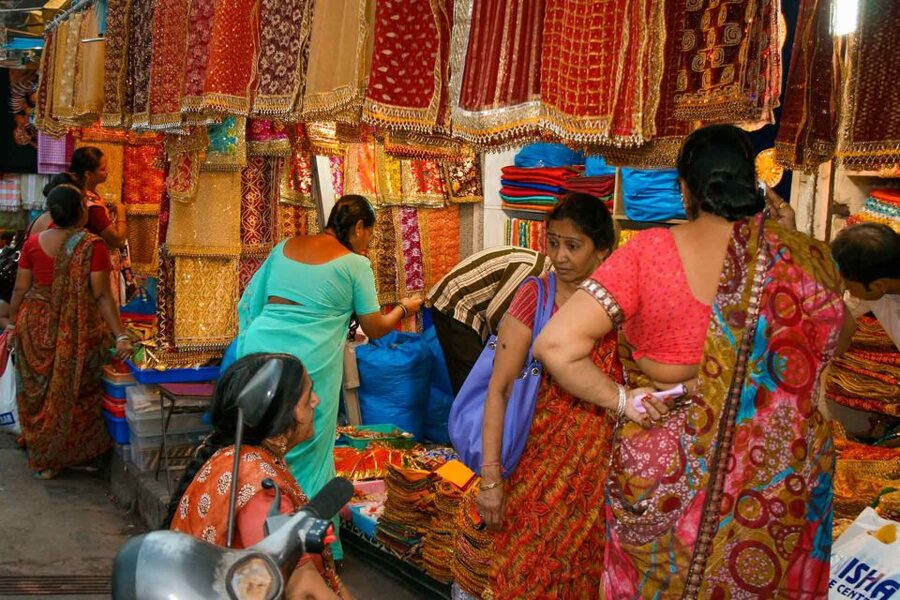
Next comes Mangaldas Market, the city’s largest indoor wholesale textile market. The stop includes a guided visit, a walk, and some time passing through the area, with about 10 minutes listed for the main visit.
This is a good contrast with Crawford Market. Instead of food and produce, you see the clothing trade and the way local shoppers source fabric and garments. It gives you a practical sense of Mumbai’s commercial life, especially if you are interested in textiles or Indian dress.
Do not expect a long shopping appointment. The route is designed to show you the market and explain its place in the city, not to arrange private fittings or extended bargaining time. If you see something you want to buy, ask your guide how much time is realistic before making a purchase.
The indoor setting can also make this stop feel more concentrated. Narrow aisles, stacked goods, and active sales create a close-up visit. Stay aware of your belongings and follow the guide’s pace, since this is a working market rather than a quiet attraction.
Zaveri Bazaar and the oldest lanes
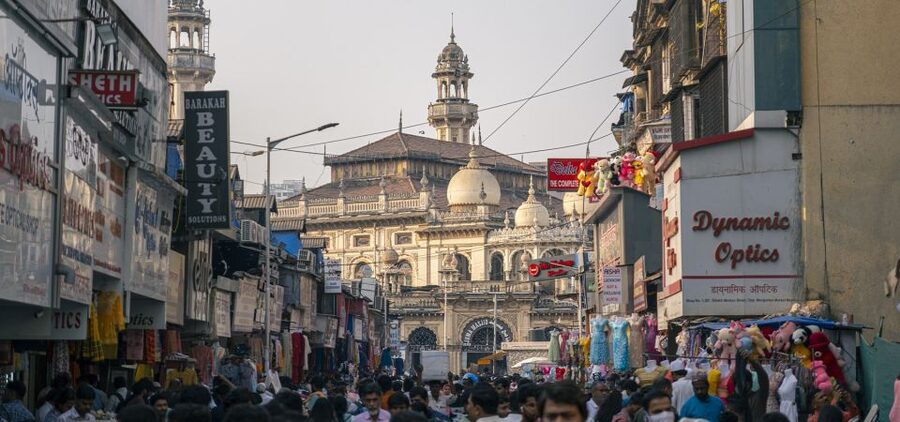
The route continues to Zaveri Bazaar for about 10 minutes of sightseeing and guided exploration. This district adds another kind of trade to the morning, with old lanes and specialist shops forming part of Mumbai’s commercial core.
The value here is the change in atmosphere from one market to the next. Crawford focuses on food, Mangaldas on textiles, and Zaveri Bazaar broadens the picture of how different trades occupy their own parts of the city.
You also pass through some of Mumbai’s oldest lanes. That detail gives the walk more shape than a simple list of market stops. You are seeing how the city’s older streets remain tied to work, worship, and neighborhood life.
A local restaurant is also included as a brief pass-by stop, listed at about five minutes. It is not a meal stop, and food is not included, so plan to eat before or after the tour rather than expecting lunch along the way.
More market and bazaar walks:
- Mumbai: Street Food and Night Markets Tour
★ 4.9 · 719 reviews - Mumbai Street Food & Night Markets
★ 5.0 · 225 reviews - Mumbai Street Food and Evening Bazaar Tour
★ 5.0 · 172 reviews - Mumbai Morning Market Tour of Flowers, Fish, and More
★ 5.0 · 100 reviews
Flower Alley and the small details between stops
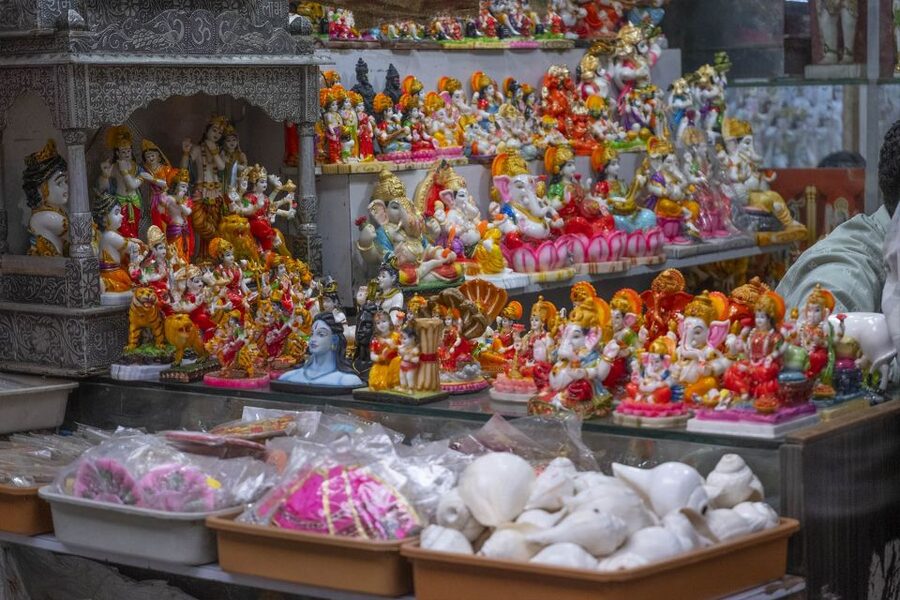
The route description points to Flower Alley as one of the less familiar market areas. It is exactly the sort of place that can give this experience its character, with flowers sold alongside the larger commercial districts.
The flower sellers add a softer visual note to a morning otherwise built around wholesale goods, textiles, and crowded lanes. You might see vivid colors and ritual flowers being prepared for temple visits, though the exact stalls and activity can change from day to day.
This is where a local guide earns the fee. Without help, you may notice the color but miss the connection between flowers, worship, commerce, and neighborhood routine. The tour’s English-speaking guide provides that bridge without turning the walk into a lecture-heavy visit.
Recent bookings have named guides including Rakesh and Javid. Rakesh was described as gentle and passionate about the temples and markets, while Javid was praised for his kind manner and clear explanations of local culture and history. Guide assignments can change, but those comments suggest that the human side of the tour is an important part of its value.
Mumbadevi Temple and the name Mumbai
Mumbadevi Temple is one of the key cultural stops. This historic Hindu temple is linked to the name Mumbai, or Mumba, so the visit gives context to the city’s identity as well as a chance to see a place of worship.
The stop lasts about 10 minutes and includes guided sightseeing and walking. That is enough for an introduction, but not for a long temple visit. Dress and behave respectfully, follow the guide’s instructions, and remember that this is a living religious place rather than a performance staged for a tour.
I especially like the placement of the temple after the markets. You first see the city’s trade districts, then connect those streets with an older religious tradition. The result is a better sense of how commerce and worship share the same urban space.
One practical point: this is not a grand tour of Mumbai’s most famous temples. A recent booking wished for more iconic temples in the city. If your main goal is a temple-focused visit, you may want a separate religious or heritage tour. If you want one important temple placed within a broader city walk, Mumbadevi fits well.
Panjrapole and more than 350 cared-for cows
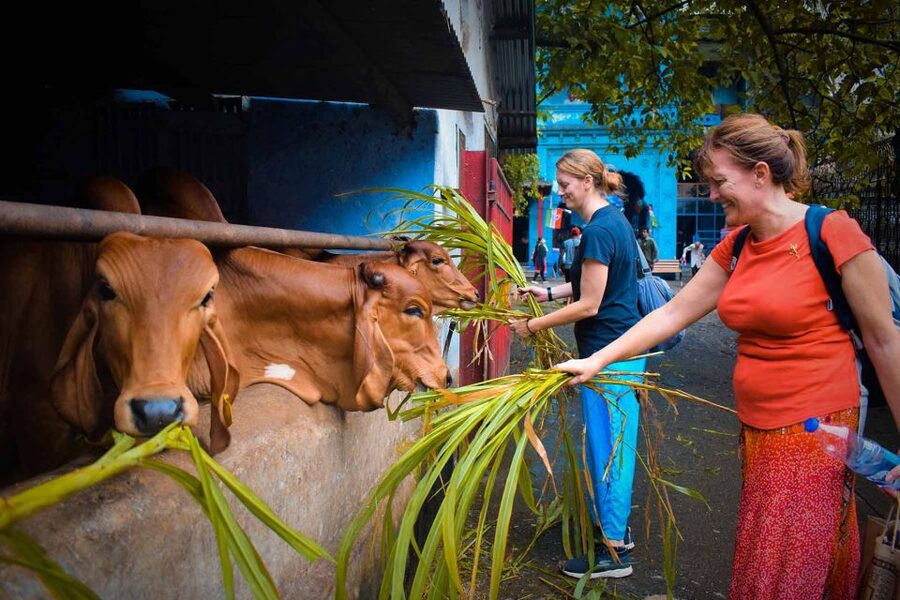
The final major stop is Shri Mumbai Panjrapole, a cow shelter and sanctuary caring for more than 350 cows. The visit lasts about 15 minutes and includes guided sightseeing.
This stop gives the tour a different focus. The markets show how people buy and sell goods, while Panjrapole introduces an important part of Hindu religious and social practice: caring for cows. Your guide can help explain why cows hold such a respected place in India and how the shelter fits into that belief.
The shelter is also a reminder that Mumbai’s old neighborhoods contain more than shops and monuments. A place devoted to animal welfare can exist alongside crowded commercial lanes, adding another layer to the city experience.
The visit is brief, so expect an introduction rather than a long educational program about animal care. If you are uncomfortable around animals or prefer a purely architectural tour, this stop may not be your favorite. For many people, though, it is the most unusual part of the route and one that would be difficult to arrange without local guidance.
What the $27 price gets you
At $27 per person, this tour offers solid value if you want several guided introductions in one morning. The price includes an English-speaking local guide plus water or cold drinks. It does not include food, hotel pickup, or hotel drop-off.
The value comes from the route and the guide’s local access, not from expensive admissions or a long vehicle ride. You are paying to connect Crawford Market, Mangaldas Market, Zaveri Bazaar, Mumbadevi Temple, Flower Alley, and Panjrapole in a short period, with someone explaining how the pieces relate.
A private group option is available. That can be useful if you want to ask more questions, adjust the pace where possible, or keep the experience within your own party. The regular format may suit you if you prefer a lower-cost introduction and do not need much control over timing.
The price is less attractive if you want free time for serious shopping. In that case, use this tour to learn the area, then return independently with a longer block of time.
Timing, transport, and the practical side
The first transfer is by black cab and takes about 15 minutes. After that, the experience is mainly on foot through markets, lanes, and temple areas. Wear comfortable shoes and expect a quick pace.
The tour takes place rain or shine. Mumbai’s weather can affect how comfortable market walking feels, so bring suitable protection and avoid carrying more than you need. Water or cold drinks are included, but food is not.
The meeting point may vary with the booking option. The listed starting area is Regal Cinema, and the possible drop-off points include Chhatrapati Shivaji Terminus and Charni Road Railway Station in the Girgaon area. Check your selected option carefully before setting out, since the finishing point can affect your next plan.
The tour has free cancellation up to 24 hours before departure for a full refund, and you can reserve now and pay later. Those policies help if your Mumbai schedule is still shifting, but they do not remove the need to confirm the starting time and meeting point.
Who will get the most from this walk
I would recommend this tour to first-time Mumbai visitors who want a clear introduction to local markets without arranging several separate stops. It also suits photographers, food-curious visitors, shoppers interested in textiles, and anyone who wants to connect religious sites with everyday city life.
It is a good match for people who enjoy guided explanation. The markets can be overwhelming without context, and the temple and cow shelter are more meaningful when you understand why they matter.
You may want another option if you dislike crowded commercial areas, need a slow pace, or want extensive temple time. The route covers a lot, and the short stop lengths favor variety over lingering.
Families and small private groups may appreciate the private option, but the tour still involves walking through active markets. Keep the group together and listen closely when the guide gives directions.
My verdict on the market-and-temple route
I like this experience because it shows Mumbai through places that people actually use. The best parts are the mix of wholesale markets, the connection between Mumbadevi Temple and the city’s name, and the unexpected stop at a cow shelter caring for more than 350 animals.
The main tradeoff is time. You get a lively overview, not a leisurely market day or a full temple circuit. At $27, that is a fair exchange if you want orientation, local explanation, and several distinctive stops in three hours.
Book it if you want Mumbai’s working streets, markets, and faith traditions in one compact outing. Skip it if you mainly want famous monuments, a long shopping session, or a relaxed meal. For a first look at the city’s older commercial quarters, this is a practical and memorable choice.
FAQ
How long does the Mumbai Local Markets and Temples Tour last?
The tour lasts approximately 2.5 to 3 hours. Check availability for the specific starting times offered on your chosen date.
What language is the tour conducted in?
The tour is conducted in English by a live local English-speaking guide.
Where does the tour begin?
The listed starting area is Regal Cinema, with two starting location options shown. Your exact meeting point may vary depending on the option you book.
Which markets are included?
The route includes Crawford Market, Mangaldas Market, Zaveri Bazaar, and Flower Alley. Crawford Market covers wholesale fruit, vegetables, and meat, while Mangaldas Market focuses on textiles.
Is food included in the price?
No. Food is not included. A local restaurant is passed during the route, but this is not listed as a meal stop.
Is hotel pickup and drop-off included?
No. Hotel pickup and hotel drop-off are not included.
Where can the tour end?
The listed drop-off options include Chhatrapati Shivaji Terminus and Charni Road Railway Station in Girgaon, Mumbai. The available finish depends on the option booked.
Can I cancel or pay later?
You can cancel up to 24 hours in advance for a full refund. The tour also offers a reserve-now, pay-later option, so you do not have to pay at the time of booking.
Just added around Mumbai
- Temples & Vineyards: Private Tour to Nashik from Mumbai★ 4.5 · 3 reviews
- Mumbai: Private City sightseeing and Dharavi Slum Tour★ 5.0 · 3 reviews
- Mumbai: Full Day City Sightseeing with Lunch, Car & Guide★ 4.3 · 3 reviews
- Elephanta Island Private Speedboat Tour from Mumbai – 6pax★ 5.0 · 3 reviews
- Mumbai: Elephanta Island and Elephanta Caves Guided Tour★ 4.4 · 3 reviews
- Mumbai Sightseeing Tour by Public Transport with family Lunch★ 5.0 · 3 reviews
- Mumbai by Dawn★ 4.5 · 3 reviews
- Mumbai Dharavi Slum Community Tour★ 5.0 · 3 reviews
Mumbai Market & Bazaar Tours, compared.

Mumbai Morning Market Tour of Flowers, Fish, and More
Read our review →Private Guided Walking Tour of Street Markets (Bazaars)
Read our review →Mumbai Morning Market Tour of Flowers, Fish, and More
Read our review →
Mumbai Street Food Tour with Evening Bazaar Walk
Read our review →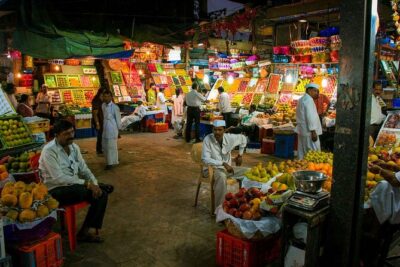
Browse the lists this tour appears in