
Reviewed · MUMBAI CITY SIGHTSEEING TOURS
Premium Mumbai Sightseeing Tour
The most revealing part of this Mumbai tour is its mix of Dharavi’s working streets and the city’s grand colonial landmarks. You move from workshops and daily commerce to the Gateway of India, Marine Drive, Gandhi’s former headquarters, and the ornate Chhatrapati Shivaji Terminus area, all with a private car and guide.
I like two things right away. First, hotel pickup and private transport spare you the usual taxi bargaining and traffic confusion. Second, the route can be adjusted around your interests, with options such as lunch, the Elephanta Caves, or a Bollywood-themed visit. The tradeoff is simple: six hours is enough for a strong overview, but not enough time to explore every stop at length.
In This Review
- Key Points Before You Book
- Why Private Transport Helps in Mumbai
- Dharavi: A Working Neighborhood, Not a Display
- Dhobi Ghat and Mumbai’s Daily Work
- Gateway of India and the Apollo Bunder Waterfront
- Malabar Hill, Hanging Gardens, and Kamala Nehru Park
- Mani Bhavan and Gandhi’s Mumbai Years
- Marine Drive and Girgaum Chowpatty
- Colonial Architecture in South Mumbai
- Jain Temple, Kala Ghoda, and the City’s Museums
- How Much Can You Really See in Six Hours?
- Is $65 a Good Value?
- What the Guiding Can Add
- Practical Details and Who Should Book
- Should You Book This Mumbai Tour?
- FAQ
- How long does the Premium Mumbai Sightseeing Tour last?
- What is included in the price?
- Is hotel pickup available?
- Is this a private tour?
- Is lunch included?
- Can I customize the itinerary?
- Does the tour visit Dharavi?
- Are admission tickets included?
- Can most people participate?
- What is the cancellation policy?
Key Points Before You Book
- Dharavi adds real local context: You see a working part of Mumbai rather than only its postcard sights.
- Private transport saves time: An air-conditioned car, bottled water, and pickup make a busy city easier to handle.
- The route is flexible: You can ask to adjust the sightseeing or add options such as lunch, Elephanta Caves, or a Bollywood tour.
- The itinerary covers a lot: Gateway of India, Dhobi Ghat, Malabar Hill, Mani Bhavan, Marine Drive, the university area, Kala Ghoda, and more are included.
- The guide matters: Kamlesh, Rahul, Rakesh, and Rakhes are names associated with especially warm, flexible guiding on this experience.
- Plan for short visits: Several listed stops last only 10 to 15 minutes, so this is a city sampler, not a slow museum tour.
Why Private Transport Helps in Mumbai
Mumbai is not hard to admire, but it can be hard to organize. The city stretches along a narrow coastal strip, and its famous sights are scattered between busy roads, old neighborhoods, commercial districts, and waterfront promenades.
A private, air-conditioned vehicle gives you a place to regroup between stops. Pickup and drop-off at your Mumbai hotel also remove one of the day’s small headaches. You do not need to arrange separate taxis, explain every destination repeatedly, or work out how to move between distant parts of the city.
The car is especially useful if you want to finish somewhere other than your hotel. One booking included a change to the airport, arranged by the guide and driver. That is not promised as a standard feature, so ask before booking, but it shows the sort of flexibility the private format can allow.
You receive bottled water and tea or coffee, with masala tea included as part of the experience. Lunch is not included, but you can upgrade the tour to include it. Since food arrangements affect the pace of a six-hour outing, decide early if lunch is important to you.
More full city sightseeing tours:
- Mumbai: Full-Day Sightseeing Tour of Mumbai
★ 4.9 · 1,822 reviews - Private Mumbai Sightseeing Tour (Traveller’s Choice Award Winner)
★ 5.0 · 1,565 reviews - Highlights of Mumbai Sightseeing Tour: TRAVELLERS CHOICE AWARDED
★ 5.0 · 915 reviews
Dharavi: A Working Neighborhood, Not a Display
Dharavi is one of the tour’s most important stops. The area is widely known outside India for its poverty, but a visit guided by someone who can explain how people live and work gives you a fuller picture than a quick drive past the edge.
The tour description specifically includes Dharavi, and the guide-led walk is presented as a way to understand its communities and businesses. You may see workshops and everyday activity, but the exact route and timing are not specified. Ask your guide how the visit will be handled and follow their advice about respectful photography and personal space.
This part can be meaningful because it shifts your view of Mumbai. The city is not only grand buildings, sea views, and historic monuments. It is also a place where homes, shops, workshops, and family businesses operate close together.
I would not choose this tour if you want every stop to feel polished or purely sightseeing-focused. Dharavi requires sensitivity. You are entering a real neighborhood, not an attraction built for visitors. A good guide should provide context, keep the visit respectful, and help you understand what you are seeing without turning people’s lives into a spectacle.
Guides named in connection with this tour include Kamlesh, Rahul, Rakesh, and Rakhes. The strongest praise centers on guides who explain clearly, stay patient, add humor, and adjust the day when a group has a particular interest. Your assigned guide may differ, but the private format gives you a better chance to ask questions than a large coach tour.
Dhobi Ghat and Mumbai’s Daily Work
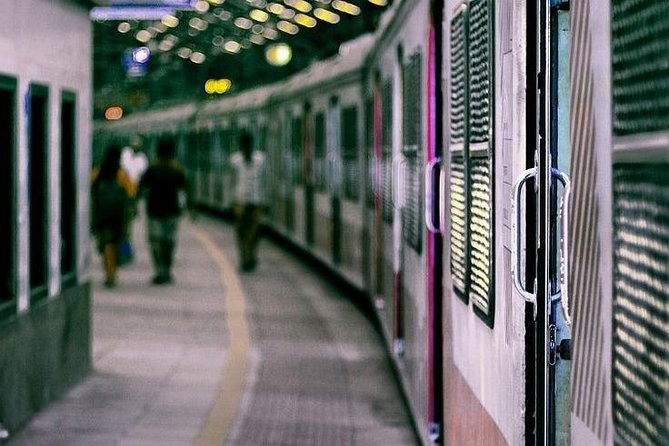
Dhobi Ghat offers another look at the city’s working life. This open-air laundry was constructed in 1890, and the dhobis wash clothing and linens used by Mumbai hotels and hospitals.
The scheduled visit is only about 10 minutes, so expect a viewing stop rather than a long walk through the operation. That short pause can still help you connect the city’s hotels and institutions with the labor that keeps them running.
The guide’s explanation is key here. Without context, Dhobi Ghat can look like rows of laundry from a distance. With an explanation of who works there and what the site does, it becomes a useful window into Mumbai’s systems and routines.
If laundry work and urban life interest you, ask whether there is time to spend a little longer. The overall route is flexible, but extra time at one location means less time elsewhere.
Gateway of India and the Apollo Bunder Waterfront
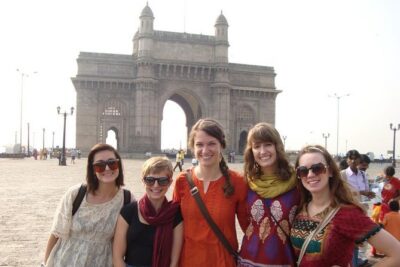
The Gateway of India is one of Mumbai’s most recognizable monuments. Built in the early twentieth century to mark the landing of King George V and Queen Mary in December 1911, the arch faces the waterfront at Apollo Bunder.
The planned stop lasts about 15 minutes, with no admission fee. That is enough for photographs and a brief explanation, though you should not expect an extended monument visit.
This is an efficient first taste of South Mumbai. The setting brings together the harbor, historic architecture, and the city’s old connection with sea travel. If your guide begins here, you get your bearings quickly before moving inland.
The main drawback is crowding around such a famous site. The private car gets you there, but it cannot remove the city traffic or the number of people gathered around a major landmark. Treat this as a photo and orientation stop, not a quiet architectural study.
A completely different way to spend a day in Mumbai:
- Dharavi slum tour in Mumbai by Female tour guides of the slum
★ 5.0 · 1,976 reviews - Elephanta Caves & Island Guided Private Tour
★ 5.0 · 1,327 reviews - Group Guided Walking Tour in Fort and Colaba
★ 5.0 · 1,073 reviews - Mumbai: Elephanta Caves Half-Day Guided Tour with Expert
★ 4.8 · 1,032 reviews
Malabar Hill, Hanging Gardens, and Kamala Nehru Park
The route climbs to Malabar Hill for visits to the Hanging Gardens and Kamala Nehru Park. The gardens sit on the western side of Malabar Hill, opposite one another as part of the same hilltop park area.
The Hanging Gardens are terraced gardens, while Kamala Nehru Park covers about 16,000 square meters. Both visits are listed at roughly 10 to 15 minutes. You can expect a short break from the traffic, some city views, and a change of pace after the more crowded central districts.
These stops work well in a broad city tour because they show Mumbai from above rather than at street level. They also provide a little breathing room. Still, the brief timing means you may not have the chance to wander through every garden path.
If viewpoints matter to you, tell the guide. The private arrangement makes it easier to pause for a photograph or spend less time at a stop that does not interest you.
Mani Bhavan and Gandhi’s Mumbai Years

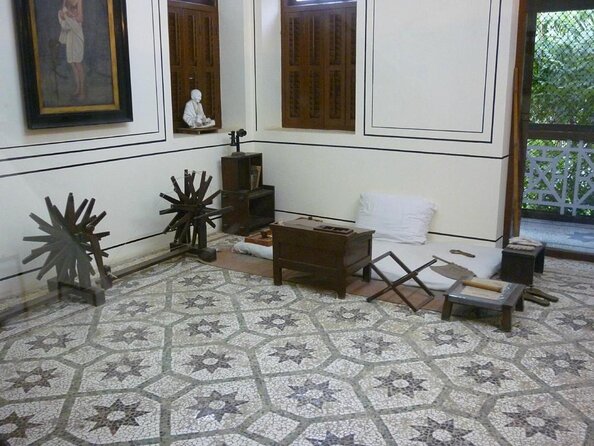
Mani Bhavan is the most substantial museum stop on the standard route, with about 30 minutes and admission included. Gandhi used the building as his Mumbai headquarters for roughly 17 years, from 1917 to 1934.
That longer visit gives the tour a welcome anchor. Instead of seeing the city only through monuments and traffic, you get time to connect Mumbai with a major period in Gandhi’s public life.
Half an hour is enough for an introduction, but not for a slow museum visit. If you have a strong interest in Gandhi, you may want to ask how much of the interior can be seen during the scheduled stop. The guide can help you focus on the most important parts.
I like this inclusion because it adds substance to the day. The Gateway of India and Marine Drive are easy to recognize. Mani Bhavan requires more explanation, and a guide can connect the building to the wider story of Mumbai.
Marine Drive and Girgaum Chowpatty
Marine Drive is a 3.6-kilometer promenade along Netaji Subhash Chandra Bose Road. Its curve beside the water is one of the city’s classic views, often associated with the nickname Queen’s Necklace because of the line of lights along the road.
The planned stop is about 10 minutes, which is enough to step out, look along the coast, and take photographs. You will not walk the full promenade in that time.
Girgaum Chowpatty, a public beach adjoining Marine Drive, is also part of the broader route. The information provided does not give a separate duration, so your time there may depend on traffic and your guide’s plan.
These waterfront stops are best treated as visual pauses. They show Mumbai’s public side, where the sea, road, and promenade create one of the city’s most familiar scenes. If you want a long seaside walk, this tour may feel rushed. If you want a quick introduction while covering many districts, the timing makes sense.
Colonial Architecture in South Mumbai
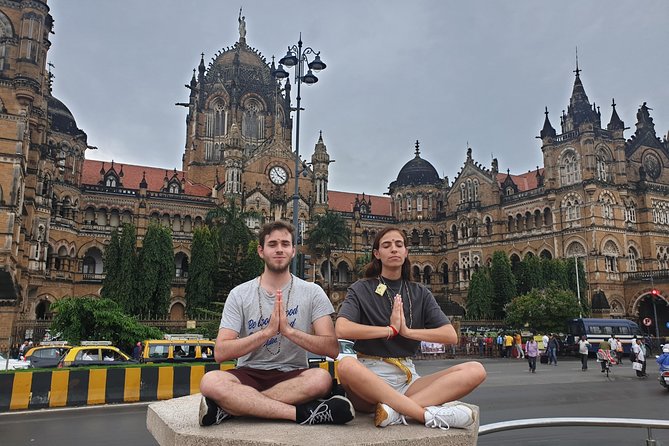
The tour includes several exterior or short viewing stops connected with Mumbai’s historic core. The University of Mumbai Library is scheduled for about 10 minutes, as is the Chhatrapati Shivaji Terminus area.
The terminus was designed by Frederick William Stevens in an exuberant Italian Gothic style. Even a short stop gives you a chance to see the scale and decoration of one of Mumbai’s most striking railway buildings.
The university area adds another architectural layer. Together, these locations show how much of South Mumbai’s identity comes from grand civic buildings, railway infrastructure, and institutions built during the British period.
You should expect brief explanations and photographs rather than formal interior tours. Admission is listed as free for these stops, but the information does not promise entry into every building. Ask your guide before assuming you will go inside.
Jain Temple, Kala Ghoda, and the City’s Museums
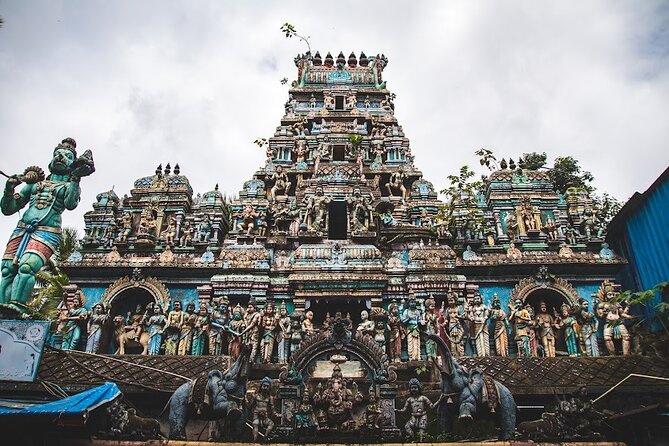
The route also includes a Jain temple, the Chhatrapati Shivaji Maharaj Vastu Sangrahalaya, and the Kala Ghoda precinct. The Jain temple is described as white marble, with architecture closely related to Hindu temple design. It offers a different visual mood from the Gothic railway and university buildings.
The museum was originally called the Prince of Wales Museum of Western India. The supplied details do not state a visit duration or admission arrangement, so you should treat it as a possible exterior or passing stop unless your guide confirms entry.
Kala Ghoda is an arts and cultural precinct stretching from Regal Circle. It is a useful area for understanding the city’s cultural center, but the route does not promise time for a full gallery visit.
These additions show the value of a private itinerary. You can ask for more focus on religious buildings, museums, architecture, or neighborhoods. The more you add, though, the more carefully you need to manage the clock.
How Much Can You Really See in Six Hours?
The standard plan covers a remarkable number of places in about six hours. That is also its central limitation. Gateway of India, Dhobi Ghat, the two Malabar Hill parks, Mani Bhavan, Marine Drive, the university, the terminus area, the Jain temple, Kala Ghoda, and other locations can add up to a quick-moving day.
Several listed stops run for only 10 minutes. Traffic can also affect the order and duration. I would think of this as a guided introduction to Mumbai, not a set of complete visits.
The best approach is to choose two or three priorities. If Dharavi and Gandhi’s history matter most, tell the guide. If you care more about architecture and the waterfront, ask for extra time in those areas. The tour can also be customized with Elephanta Caves or a Bollywood-themed visit, but those additions may require a longer day or a different arrangement.
Some bookings have lasted about nine hours with a minibus, lunch, and additional visits. That should not be confused with the advertised approximate six-hour format. Confirm the length, vehicle, and price of any upgrade before you agree to it.
Is $65 a Good Value?
At $65 per person, the tour is not the cheapest way to see Mumbai. Its value comes from combining a private car, hotel pickup and drop-off, a guide, bottled water, tea or coffee, and fees and taxes in one booking.
For a solo visitor or couple, the price may feel high compared with using public transport and visiting a few free sights independently. For a family or small group, the private arrangement becomes more attractive, especially if group discounts apply.
You are also paying for time and control. Mumbai’s traffic, spread-out sights, and taxi logistics can eat into a short stay. A guide who can change the order, explain Dharavi and Dhobi Ghat, and help arrange a different ending may make the cost worthwhile.
Lunch is extra. Elephanta Caves and a Bollywood-themed experience are also optional additions, so compare the final price rather than judging the base rate alone.
What the Guiding Can Add
The best version of this tour depends heavily on the person in the car. Kamlesh is associated with a friendly, patient style and entertaining stories. Rahul is known for adjusting the route, explaining Dharavi, and communicating clearly. Rakesh and Rakhes are also names connected with warm, humorous guiding and good local explanations.
Those qualities matter more here than a memorized list of dates. You need someone who can explain what you are seeing, handle a change of plan, and help you approach sensitive places with respect.
The experience has a very strong overall rating of 4.9 from 16 ratings, with 100 percent recommending it. That is encouraging, though the sample is still small. I would book with the understanding that guide assignment and traffic can shape the day.
Practical Details and Who Should Book
Confirmation arrives when you book. Pickup is offered from your Mumbai hotel, and the tour uses private transportation in an air-conditioned vehicle. Most people can participate, and the activity is limited to your own group.
Wear comfortable clothing and shoes suitable for short walks and quick stops. The schedule includes religious and public places, so modest dress is a sensible choice, although no formal dress code is provided.
Free cancellation is available if you cancel at least 24 hours before the start time. Cancellation within 24 hours is not refunded, and changes in that final period are not accepted.
I would recommend this for a first visit to Mumbai, a short stay, families, couples, and anyone who wants Dharavi explained rather than visited without context. It also suits you if hotel pickup, flexible timing, and a private car matter more than having long, detailed museum visits.
I would look elsewhere if you want a slow architecture tour, a full day at Elephanta Caves, or a quiet schedule with only a few stops.
Should You Book This Mumbai Tour?
Book it if you want a broad, guided first look at Mumbai and especially if Dharavi, Dhobi Ghat, and the city’s daily life appeal to you. The private car, flexible route, and named guides such as Kamlesh or Rahul add real value when time is short.
Before paying, confirm your pickup point, guide assignment if that matters to you, lunch arrangements, and any extra attractions. Ask how much time will be given to Dharavi and whether your preferred stops can replace less important ones.
For $65, you receive convenience and a well-packed introduction. You will see many highlights quickly, but you will need a longer or more specialized tour for a slower, deeper visit.
FAQ
How long does the Premium Mumbai Sightseeing Tour last?
The tour lasts approximately six hours. Some customized bookings may run longer, so confirm the duration if you add lunch or extra attractions.
What is included in the price?
The tour includes an air-conditioned vehicle, bottled water, coffee and/or tea, private transportation, and all fees and taxes. Masala tea is included as part of the experience.
Is hotel pickup available?
Yes. Pickup and drop-off from your hotel in Mumbai are offered.
Is this a private tour?
Yes. Only your group participates in the private activity.
Is lunch included?
No. Lunch is not included in the base price, but you can upgrade the tour to include lunch.
Can I customize the itinerary?
Yes. The tour can be adjusted around your interests. Optional additions include the Elephanta Caves, a Bollywood-themed tour, and other attractions.
Does the tour visit Dharavi?
Yes. Dharavi is included as one of the areas you can visit with the guide.
Are admission tickets included?
Admission to Mani Bhavan Gandhi Museum is included. The listed stops at Gateway of India, Dhobi Ghat, Hanging Gardens, Kamala Nehru Park, Marine Drive, University of Mumbai Library, and the Chhatrapati Shivaji Terminus area are shown with no admission ticket cost.
Can most people participate?
The tour information states that most people can participate and that it is near public transportation.
What is the cancellation policy?
You can cancel for a full refund up to 24 hours before the experience start time. Cancellations or changes made less than 24 hours before the start time are not accepted and are not refunded.
Just added around Mumbai
- Temples & Vineyards: Private Tour to Nashik from Mumbai★ 4.5 · 3 reviews
- Mumbai: Private City sightseeing and Dharavi Slum Tour★ 5.0 · 3 reviews
- Mumbai: Full Day City Sightseeing with Lunch, Car & Guide★ 4.3 · 3 reviews
- Elephanta Island Private Speedboat Tour from Mumbai – 6pax★ 5.0 · 3 reviews
- Mumbai: Elephanta Island and Elephanta Caves Guided Tour★ 4.4 · 3 reviews
- Mumbai Sightseeing Tour by Public Transport with family Lunch★ 5.0 · 3 reviews
- Mumbai by Dawn★ 4.5 · 3 reviews
- Mumbai Dharavi Slum Community Tour★ 5.0 · 3 reviews
Mumbai City Sightseeing Tours, compared.

Private Mumbai Sightseeing Tour (Traveller’s Choice Award Winner)
Read our review →
Highlights of Mumbai Sightseeing Tour: TRAVELLERS CHOICE AWARDED
Read our review →
Highlights of South Mumbai Guided Private Tour in AC Vehicle
Read our review →
Private Mumbai Sightseeing Tour(Travellers Choice Award Winner)
Read our review →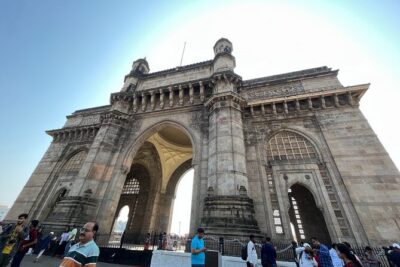
Private Elephanta Caves & Mumbai Sightseeing Tour with AC Car
Read our review →
Private Mumbai Sightseeing Tour with Local English Guide
Read our review →Browse the lists this tour appears in