
Reviewed · MUMBAI BY DAWN & EARLY MORNING TOURS
Mumbai Hidden Gems : Early Morning Tour with Expert Guide
Mumbai is most revealing before the traffic takes over. This early start brings you to a fish market supplied by more than 100 boats, then into the paper trade near a train station, where the city’s working day is already well underway. I like the local focus and the chance to photograph Dadar’s flower and vegetable markets. I also like that hotel pickup, a car, bottled water, entry fees, and a private English-speaking guide are included.
The tradeoff is time. The tour is sold as four hours, but one recent booking lasted about three hours and felt rushed, with too little time at the fish and flower markets. If those markets are your main reason for booking, ask your guide to protect time there rather than hurrying through every stop.
In This Review
- Key points to know before you book
- Mumbai before the traffic begins
- Fish market and the boats bringing in the catch
- Paper distribution near the train station
- Dadar flower market and vegetable market
- Morning aarti at ISKCON
- Why the car and guide matter
- Is $21 per person good value?
- Timing, comfort, and practical planning
- Who will enjoy this morning most?
- Should you book Mumbai Hidden Gems?
- FAQ
- What is included in the tour price?
- Is food included?
- How long does the tour last?
- What time does the tour start?
- Which language does the guide speak?
- Is hotel pickup available?
- Is this a private tour?
- What should I bring?
- Can I cancel for a full refund?
Key points to know before you book
- More than 100 fishing boats: See the fish trade while catches are being brought in from the sea.
- Dadar markets: The flower and vegetable markets offer color, movement, and strong photography opportunities.
- Morning temple ritual: At ISKCON, you can watch the morning aarti rather than simply walk through a temple.
- Private transport included: Hotel pickup and drop-off come with an air-conditioned car, useful for a short early visit.
- Four-hour plan, with a timing caution: The advertised duration is four hours, though one booking finished after roughly three.
- A low-cost city introduction: At $21 per person, the tour offers a guide, transport, water, and listed entrance fees without adding a meal cost.
Mumbai before the traffic begins
This is not a standard monument tour. You are not spending the morning ticking off grand buildings. Instead, you are watching the systems that keep Mumbai fed, supplied, informed, and moving.
The early start matters. Fish sellers, paper distributors, flower traders, vegetable merchants, commuters, and worshippers all appear in a short stretch of morning. Later in the day, these places may still be active, but the working rhythm will be different and the roads far less forgiving.
I like this kind of city tour because it gives you a useful frame for Mumbai. The city is not only its skyline, colonial buildings, and famous sights. It is also a city of deliveries, markets, trains, boats, bundles of paper, garlands, and morning prayers.
You should bring comfortable shoes. You will be moving through market areas, and the ground may not feel as easy as a polished sightseeing path. The supplied details do not promise a meal, so eat beforehand if you need breakfast early, or plan to eat after the tour.
More early morning and dawn tours:
- The Original Mumbai by Dawn – Recommended by Nigella Lawson & Nat Geo Traveller!
★ 5.0 · 610 reviews - Mumbai Morning Market Tour of Flowers, Fish, and More
★ 5.0 · 100 reviews - Mumbai Private Sunrise/Sunset Sailing 8ppl Boat Tour
★ 4.5 · 86 reviews
Fish market and the boats bringing in the catch
The fish market is likely to be the most memorable stop for many people. The key detail here is scale: more than 100 fishing boats bring fresh fish in from the sea. That gives the visit a working purpose, not just a colorful backdrop for photographs.
Your guide should help you understand what you are seeing as the market handles the morning catch. You can expect noise, quick transactions, strong smells, and plenty of activity. This is a place to watch carefully and photograph respectfully rather than treat every person as a prop.
The fish market also explains why an early departure is essential. You are seeing the trade close to its active point, when the day’s supply is arriving and being handled. By choosing a later city tour, you might see a quieter version of the same place, but you would miss the sense of the market starting its work.
This is one stop where time matters more than a long explanation from the guide. A short introduction is useful, then you need room to look around. One booking found the fish market among the most interesting parts of the morning but felt the visit moved too quickly. That is a fair warning. If you enjoy working markets, tell your guide early that you would like extra time here.
Paper distribution near the train station
The paper distribution stop shows another side of the city’s morning economy. Near a train station, paper is being sorted and distributed while commuters begin their day. It is a practical scene, but it helps you see how many different forms of work happen before most sightseeing begins.
This part may appeal most to visitors who like urban details. You are not being shown a famous attraction. You are watching a supply chain operate in public, close to one of Mumbai’s transport hubs.
The supplied description does not identify the station or give a precise account of how long you stay there. That means you should treat it as a brief observational stop, not a full market visit. The guide’s role is especially useful here, since the activity may be easy to miss if you do not know what you are looking at.
For photographers, this can be a good moment to focus on movement and patterns: stacks of paper, people carrying bundles, and the relationship between distribution and the railway station. Ask before taking close portraits, and keep your belongings secure in crowded areas.
Dadar flower market and vegetable market
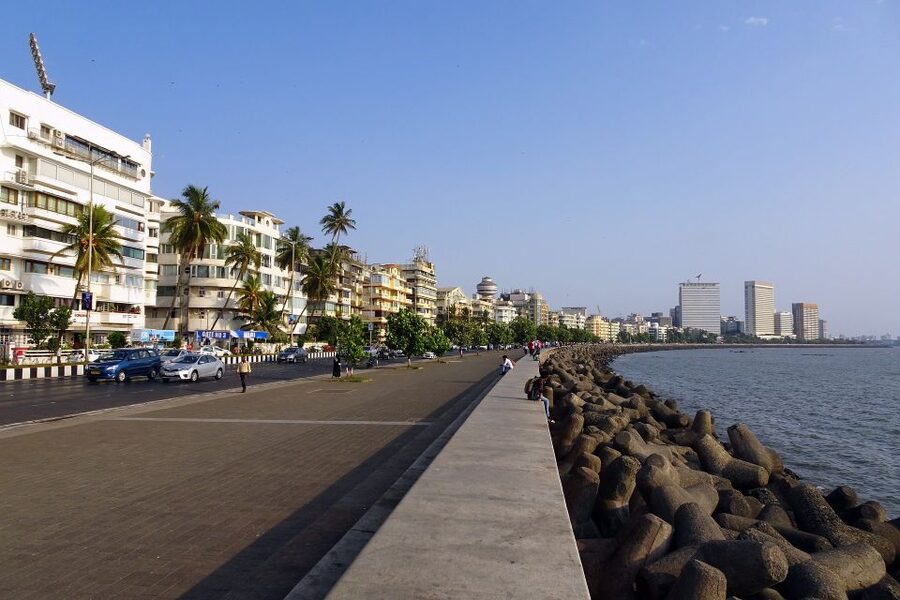
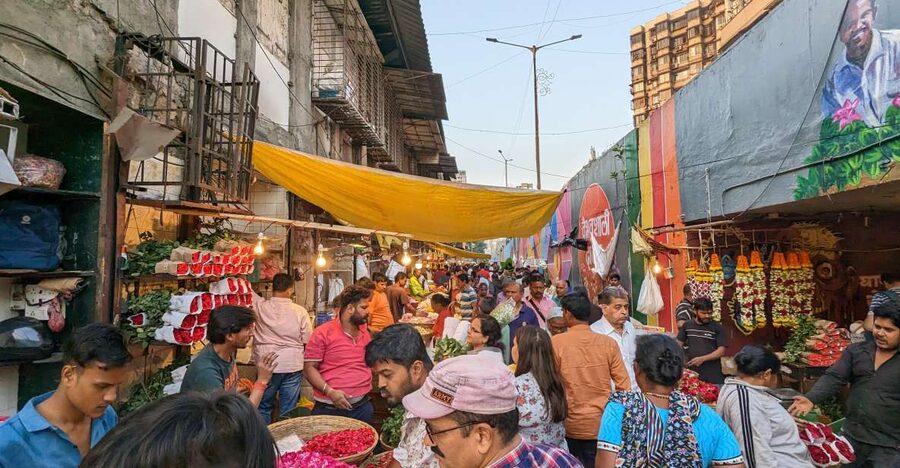
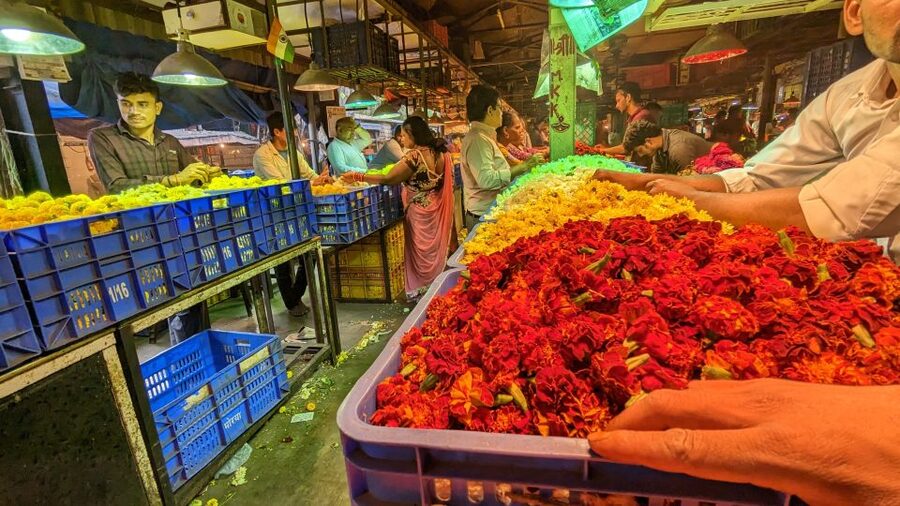
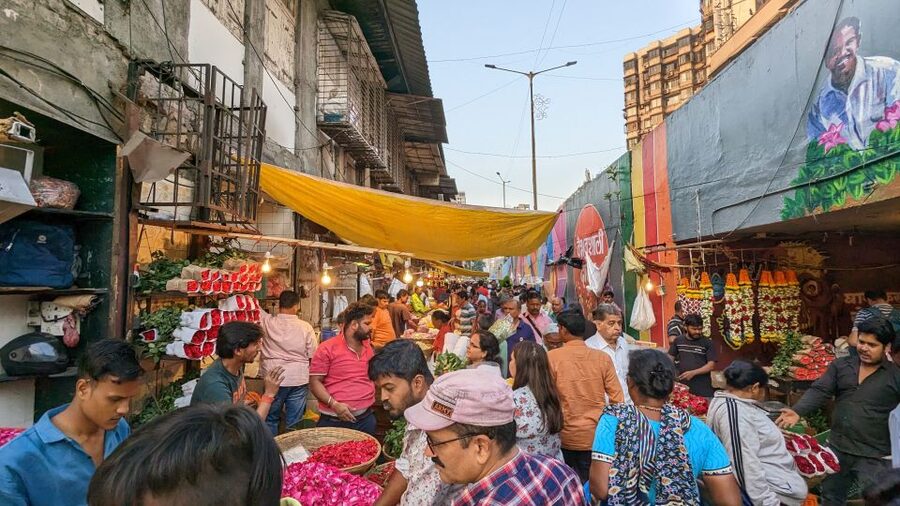
Dadar’s flower market is another strong point of the tour. Flowers bring color and texture to a morning that otherwise centers on fish, paper, roads, and transport. The market is also presented as a good place for photography, so bring a phone or camera with enough battery and storage.
You might see garlands, loose flowers, sellers, buyers, and the quick handwork needed to prepare flowers for sale. The details provided do not specify exact flower varieties or the market’s opening hours, so your guide will be the best source for what is happening on the day you visit.
The vegetable market adds a more everyday layer. Here, you can watch produce being displayed and traded as the city prepares for the day. Together, the two Dadar stops give you a useful contrast: flowers bring ceremony and decoration, while vegetables connect directly to household meals and restaurants.
These are the stops I would protect if the schedule begins to slip. A recent booking found the flower and fish markets the most interesting but had only limited time there. The tour can cover several places, but seeing fewer stops properly may be more satisfying than rushing through all of them.
A few more Mumbai tours and experiences worth a look
- Elephanta Caves & Island Guided Private Tour
★ 5.0 · 1,327 reviews - Group Guided Walking Tour in Fort and Colaba
★ 5.0 · 1,073 reviews - Mumbai: Elephanta Caves Half-Day Guided Tour with Expert
★ 4.8 · 1,032 reviews - Private Guided Walking Tour in Fort & Colaba
★ 5.0 · 895 reviews
Morning aarti at ISKCON
The final major stop is ISKCON, where you can watch the morning aarti. This gives the tour a change of pace after the markets. Instead of observing buying and selling, you are watching a religious ritual at the start of the day.
Aarti is a worship ceremony involving light and devotional offering. The experience is not simply about entering a temple and taking a quick look around. The morning service gives you a chance to see the space being used for prayer.
One booking particularly enjoyed attending the temple’s morning opening. That praise makes sense because the visit adds a cultural layer that the market stops cannot provide. It also gives the morning a quieter close, although the exact atmosphere and length of the ceremony can vary.
Dress and behavior should be respectful in any place of worship. The supplied information does not give a detailed dress code, so ask the guide if you are unsure. Also follow any photography instructions at the temple rather than assuming that cameras are allowed everywhere.
Why the car and guide matter
Hotel pickup and drop-off are included, along with an air-conditioned car. For a four-hour morning tour, that is a practical benefit. You avoid spending part of the early morning arranging transport between scattered stops, and you can return to your hotel without working out the route yourself.
Mumbai traffic is one reason this tour begins early. The timing helps you see the markets before the roads become more difficult, though traffic can still affect the schedule. A car cannot remove every delay, so it is wise to keep the rest of your morning flexible.
The dedicated English-speaking guide is just as important as the vehicle. Market visits can seem confusing without context, especially at the paper distribution point and fish market. A guide can explain what is happening, help you move through the stops, and adjust the emphasis toward photography, markets, or the temple when time allows.
Private and small-group options are available. A private group should give you the clearest chance to request more time at a particular market, though the supplied details do not state the extra price or the maximum group size. If you are comparing options, confirm those details before paying.
Is $21 per person good value?
At $21 per person, this is a fairly economical way to see several working parts of Mumbai in one morning. The price includes hotel pickup and drop-off, an air-conditioned car, an English-speaking guide, bottled water, and entrance fees for the listed stops. Meals are not included.
The value is strongest if you are staying in Mumbai for a short time or want a guide to handle the early logistics. Booking separate transport to several markets, finding the right areas, and reaching ISKCON in time for the morning ritual could easily make a self-guided morning less simple.
The price is less attractive if you expect a leisurely four-hour market walk and the actual visit is shortened. The main issue is not the dollar amount. It is whether you receive enough time at the stops that matter most to you.
Before departure, tell the guide your priorities. If fish boats and flower photography are your main interests, say so clearly. If the temple ritual is the reason you booked, ask how the schedule will protect the aarti. A simple conversation may help keep the tour from becoming a fast checklist.
Timing, comfort, and practical planning
The early start is both the attraction and the challenge. You see Mumbai waking up, but you need to be ready when most people are still asleep. This tour suits you if you can manage an early morning and want to use the first part of the day well.
Comfortable shoes are the only specific item listed, but they are important. Market areas can require standing and walking, and you may spend time close to working activity rather than on smooth tourist paths. Bottled water is provided, but no meal is included.
The tour lasts four hours on paper, and availability determines the starting time. One booking lasted approximately three hours, so you should not schedule an important appointment immediately afterward. Give yourself a buffer, particularly if you need to get across Mumbai after drop-off.
Free cancellation is available up to 24 hours before the tour for a full refund. You can also reserve and pay later, which may help if your Mumbai plans are still changing. These terms are useful, but the more important decision is whether you are comfortable with an early start and a schedule that may feel brisk.
Who will enjoy this morning most?
I would recommend this experience to you if you have already seen Mumbai’s headline sights or want to understand the city through its daily work. It is also a good fit for photographers, first-time visitors who want an organized introduction, and anyone who prefers local markets to formal attractions.
The tour may suit families and older visitors because hotel pickup, an air-conditioned car, and a dedicated guide reduce the strain of moving between stops. Still, market conditions and the early hour may not suit everyone. The supplied information does not provide accessibility details, so ask the operator directly if you have mobility needs.
You should be comfortable with real working environments. The fish market may have strong smells and crowded activity, and the tour does not promise a quiet or polished setting. That is exactly why it can be memorable, but it is not the right choice if you want a slow, controlled sightseeing morning.
Should you book Mumbai Hidden Gems?
Book it if you want to see Mumbai as a working city before the traffic builds. The combination of fishing boats, fish sellers, paper distribution, Dadar’s flower and vegetable markets, and morning aarti at ISKCON gives you more variety than a simple market visit.
I would book this tour with one request: ask for the full four hours and make the fish and flower markets your priority. The strongest parts are the places where you can stop, watch, and take in the scene. If the schedule is rushed, the tour loses some of its value.
At $21 per person, the included car, hotel transfers, guide, water, and entrance fees make the cost easy to justify. Choose it for an early, practical look at Mumbai’s daily life, not for a relaxed breakfast outing or a carefully paced temple tour.
FAQ
What is included in the tour price?
The price includes hotel pickup and drop-off, an air-conditioned car, a dedicated English-speaking guide, bottled water, and entrance fees for the places listed in the tour.
Is food included?
No. Meals are not included, so you should plan your own breakfast before or after the tour.
How long does the tour last?
The stated duration is four hours. One booking lasted about three hours, so it is sensible to allow extra time afterward.
What time does the tour start?
It starts early in the morning. The exact starting time depends on availability when you book.
Which language does the guide speak?
The live guide speaks English.
Is hotel pickup available?
Yes. Pickup and drop-off from your hotel are included.
Is this a private tour?
Private and small-group options are available.
What should I bring?
Comfortable shoes are recommended. You may also want to bring a camera or phone for the Dadar flower and vegetable markets.
Can I cancel for a full refund?
Yes. You can cancel up to 24 hours in advance for a full refund. You can also reserve now and pay later.
Just added around Mumbai
- Temples & Vineyards: Private Tour to Nashik from Mumbai★ 4.5 · 3 reviews
- Mumbai: Private City sightseeing and Dharavi Slum Tour★ 5.0 · 3 reviews
- Mumbai: Full Day City Sightseeing with Lunch, Car & Guide★ 4.3 · 3 reviews
- Elephanta Island Private Speedboat Tour from Mumbai – 6pax★ 5.0 · 3 reviews
- Mumbai by Dawn★ 4.5 · 3 reviews
- Mumbai: Elephanta Island and Elephanta Caves Guided Tour★ 4.4 · 3 reviews
- Mumbai Sightseeing Tour by Public Transport with family Lunch★ 5.0 · 3 reviews
- Mumbai Dharavi Slum Community Tour★ 5.0 · 3 reviews
Mumbai by Dawn & Early Morning Tours, compared.

The Original Mumbai by Dawn – Recommended by Nigella Lawson & Nat Geo Traveller!
Read our review →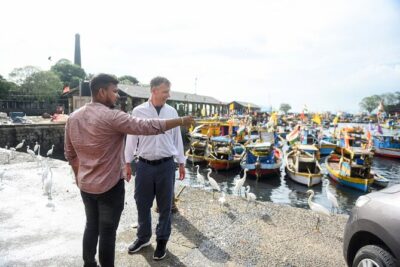
Mumbai Morning Market Tour of Flowers, Fish, and More
Read our review →
Mumbai Morning Market Tour of Flowers, Fish, and More
Read our review →
Early Morning Old Mumbai Private Cycle Tour With Breakfast
Read our review →Browse the lists this tour appears in