
Reviewed · MUMBAI STREET FOOD TOURS
Shore Excursion: An Indian Culinary Delight Tour
Mumbai is easiest to understand through its food, and this half-day tour gives you a useful first taste of the city without making you hunt down every stop yourself. You move between small eating spots and major sights, sampling Maharashtrian, South Indian, Parsi, coastal, and North Indian dishes along the way. I like the chef-guide format, and I like that port pickup and return transport are built into the plan.
The tour also works well for a short port visit because the route includes Crawford Market, the Gateway of India, St. Thomas Cathedral, the Asiatic Library, and Chhatrapati Shivaji Terminus. The main concern is time: four hours goes quickly, and traffic can limit how long you spend at each landmark. Gluten-free choices are not available, so this is best for people comfortable with a broad range of wheat, rice, lentil, and spice-based foods.
In This Review
- Key details worth knowing
- Why this Mumbai food tour works for a port day
- Starting with South Indian and Maharashtrian snacks
- Crawford Market brings spices and city life
- Fort landmarks: cathedral, library, and railway architecture
- Gateway of India and the Colaba connection
- Coastal food in the Fort district
- Parsi food adds a Mumbai story many visitors miss
- Ending with Indian sweets
- Transport and group size make a real difference
- Who should book this experience
- Should you book the Indian Culinary Delight Tour?
- FAQ
- How long is the Indian Culinary Delight Tour?
- What time does the tour begin?
- Where does the tour start?
- Does the tour return to the port?
- What food and drinks are included?
- Are alcoholic drinks included?
- Can I book this tour if I need gluten-free food?
Key details worth knowing
- Chef-guide led: Dinesh has guided this experience, bringing cooking knowledge and local context to the food stops.
- Several food traditions in one morning: Taste South Indian, Maharashtrian, North Indian, coastal, Parsi, and Indian dessert specialties.
- Made for cruise schedules: Port pickup and drop-off are included, with the tour beginning at 10:00 a.m.
- Mumbai sights between meals: See Crawford Market, the Gateway of India, St. Thomas Cathedral, Asiatic Library, and Chhatrapati Shivaji Terminus.
- Small-group setting: The maximum group size is 15, and one outing had only four people with a van to themselves.
- Food and soft drinks included: Breakfast, lunch, snacks, light refreshments, and bottled water are part of the price. Alcohol costs extra.
Why this Mumbai food tour works for a port day
At $75 per person, this is not the cheapest way to eat in Mumbai. But the price covers roughly four hours, a guide, transportation from the port, several tastings, bottled water, and both breakfast and lunch. You are also paying for a planned route through a city where traffic, crowds, and unfamiliar menus can make independent food sampling slow.
I see the strongest value in the combination of food and sightseeing. A standard food tour might keep you in one neighborhood. This one carries you through parts of Fort, Crawford Market, Colaba, and other central areas while introducing dishes linked to several communities.
The tour begins at Mumbai Port Authority at 10:00 a.m. Pickup is offered, and the listed meeting point is at 20 Shoorji Vallabhdas Road in Kala Ghoda, Fort. If you are arriving from a ship, confirm the exact pickup instructions before leaving the terminal. One group met the guide just outside the terminal’s green gate, a useful landmark if that instruction applies to your sailing.
The tour ends back at the meeting point, which matters on a cruise day. You do not need to arrange a separate taxi back to the ship. Still, allow some breathing room after the scheduled four hours. Mumbai traffic can be slow, and a ship’s all-aboard time is not flexible.
More street food walks and tastings:
- Mumbai: Street Food and Night Markets Tour
★ 4.9 · 719 reviews - Mumbai Street Food Tour
★ 5.0 · 269 reviews - Bombay Express Mumbai Food Tour with 15+ Tastings
★ 5.0 · 265 reviews
Starting with South Indian and Maharashtrian snacks
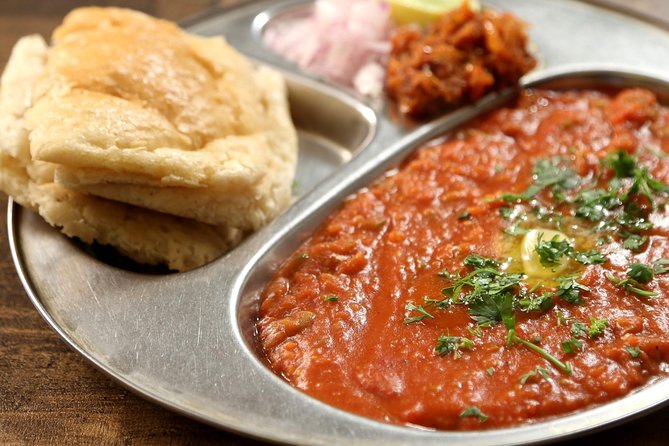
Your first food stop is near the Fort area, where you sample South Indian and Maharashtrian snacks. This is a smart opening because it introduces two important food styles right away.
South Indian cooking often centers on rice and lentils, while Maharashtrian snacks can bring more local spice and different textures. The tour description notes that the staple foods may be based on flatbread or rice, with heat ranging from mild to very spicy. Tell the guide early if you prefer gentle seasoning.
The exact dishes are not fixed in the information provided, so you should expect a selection rather than one guaranteed plate. That flexibility can help the guide adjust for what is available that morning, but it also means you should not book this expecting a precise menu.
Breakfast is included, so this first stop is more than a token sample. Arrive hungry, but not empty. You will be eating at several locations, and the best way to enjoy the route is to take small portions and pace yourself.
Crawford Market brings spices and city life
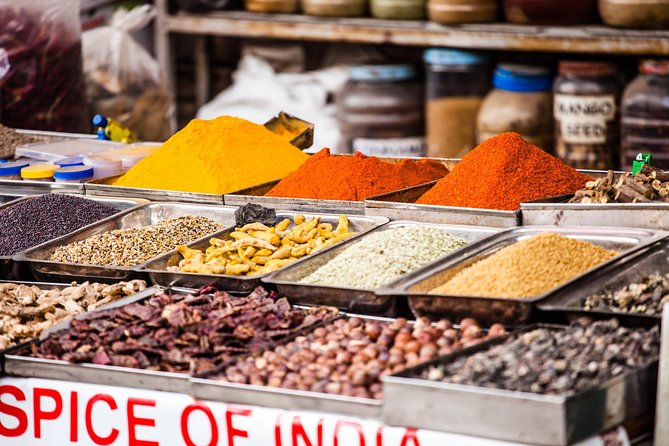
Crawford Market is one of the tour’s most useful stops for anyone who wants a quick look at Mumbai’s commercial heart. The market is known for spices and Indian handicrafts, giving you a chance to see ingredients and small goods beyond the restaurant table.
I like this part because it connects the food to its source. After tasting spiced dishes, you can look at the seasonings and products that help shape them. The market also gives the tour a change of pace: you are not simply moving from one restaurant to another.
Shopping time may be limited. The experience is a food and sightseeing tour, not a dedicated market visit, so do not expect a long buying session. If you want spices or handicrafts, decide beforehand what you might purchase and keep your expectations practical.
Crawford Market is also a place where personal space may be limited and the surroundings can feel intense. Stay close to the guide and keep your belongings secure. The itinerary gives you a short window here, so focus on the market atmosphere and a few well-chosen purchases rather than trying to cover every stall.
Fort landmarks: cathedral, library, and railway architecture
Between food stops, the vehicle passes several central Mumbai landmarks. St. Thomas Cathedral and the Asiatic Library add colonial-era architecture to a tour otherwise centered on eating and street-level city life.
The largest architectural moment is Chhatrapati Shivaji Terminus, a UNESCO World Heritage Site. This historic railway station is famous for its ornate design and remains one of Mumbai’s most important transport buildings. Even a drive-by gives you a sense of how grand civic architecture was built into the working city.
The itinerary does not promise a long interior visit at each landmark. Think of these sights as visual stops and passing views rather than a formal architecture tour. If you want detailed history at every building, a dedicated heritage walk would give you more time.
That said, the arrangement makes sense for a shore excursion. You see major sites without giving up the food focus. Your guide can explain what you are seeing as the vehicle moves through the city, while you save your limited time for the tasting stops.
More shore excursions for cruise passengers:
- All inclusive Mumbai Shore Excursion from Mumbai port
★ 4.5 · 75 reviews - Mumbai Tours for Cruise Travellers (Private & Group Options)
★ 4.5 · 60 reviews - Mumbai Shore Excursion For Cruise Ships – Full day City Tour
★ 5.0 · 17 reviews - Cruise to Mumbai Historical Tour
★ 5.0 · 16 reviews
Gateway of India and the Colaba connection
The Gateway of India is Mumbai’s best-known waterfront monument, a basalt arch facing the Arabian Sea. Historically, it served as a grand arrival point for people reaching Mumbai by boat. For someone arriving by cruise, that connection gives the sight extra meaning.
The tour passes this landmark on the way toward Colaba. You should expect a stop or a close view according to traffic and timing, but the supplied details do not promise a set amount of time for photographs. Keep your camera ready, and listen for the guide’s instructions about when to leave the vehicle.
Colaba is also where the tour includes North Indian-inspired appetizers at a popular restaurant. This broadens the food story again. Instead of treating Indian cuisine as one single category, the route shows you how different regions and communities have shaped Mumbai’s dining culture.
The North Indian stop is best viewed as an appetizer course rather than a full meal. Since lunch and other tastings are also included, you do not need to judge the experience by the size of this one serving. The value comes from the sequence of smaller introductions.
Coastal food in the Fort district
Back in the Fort district, you try coastal-inspired food. The dishes are described as mildly spiced with savory flavors, which may provide a welcome pause after hotter snacks earlier in the day.
This stop is useful for anyone who thinks Indian food must always be fiery. Regional cooking can be bold without relying on heat, and coastal dishes often show how local ingredients and cooking traditions differ from inland styles. The tour does not list exact seafood or vegetarian dishes, so ask the guide what is being served if you have dietary limits.
Lunch is included here or across the later tasting stops, along with snacks and light refreshments. Non-alcoholic beverages are included, and bottled water is provided. Alcohol is not included, though it can be purchased if available at the restaurant.
The meal pattern is a strength for curious eaters. You get repeated chances to test new flavors without committing to one large dish. The drawback is that people with strict diets may have fewer choices, since gluten-free options are specifically not available.
Parsi food adds a Mumbai story many visitors miss
The Parsi tasting is one of the most distinctive parts of this experience. Parsi cuisine was introduced to Mumbai from Iran in the 17th century, and the tour explains the tradition through dishes built around rice, lentils, or curry.
This stop gives the food tour a cultural purpose. You are not just collecting snacks. You are learning how a community’s history became part of Mumbai’s everyday cooking. That kind of context is hard to get from ordering random dishes on your own.
The description does not identify the exact Parsi dishes, so the menu may vary. Expect the guide to explain what you are eating and how the components fit together. If lentils, rice, and curry are familiar to you, pay attention to the seasoning and preparation rather than expecting an entirely unfamiliar food category.
A certified chef as your guide adds practical value here. Dinesh, who led one outing, can offer dining suggestions as well as information about Mumbai’s culinary past. That makes the tour more useful after the formal itinerary ends, especially if you plan to eat independently during the rest of your visit.
Ending with Indian sweets
The final stop is an Indian dessert shop, where you finish with a sweet treat. This is a fitting ending after several savory courses, and it gives you a simple way to compare Indian sweets with the snacks and curries served earlier.
The exact dessert is not specified, so you should not book this expecting one particular sweet. Indian dessert shops can offer many textures and levels of sweetness, and your guide can identify what you receive.
This final course also helps pace the tour. After savory food from several regions, a sweet finish gives the meal sequence a clear close before the return drive. If you are sensitive to sugar, take a small portion and ask what it contains.
Transport and group size make a real difference
The maximum group size is 15, which is fairly manageable for a city tour. A smaller group can make restaurant seating and guide conversations easier. One outing had four people in a van by themselves, but you should plan for the stated maximum rather than count on a private vehicle.
Port transfers are included, which is one of the biggest practical advantages. Mumbai is a large city, and arranging separate transport for a food route can cost time and add stress. Having a driver also lets you cover more ground than a walking-only food tour.
The tradeoff is that you spend part of the four hours in the vehicle. That is unavoidable when you combine Crawford Market, Colaba, Fort landmarks, and multiple restaurants. You get more range, but less time at each individual place.
Wear comfortable clothing and shoes suitable for short walks and market conditions. The tour includes vehicle travel and food stops, but the exact amount of walking is not stated. Carry only what you need, especially if you plan to browse Crawford Market.
Who should book this experience
I would choose this tour if I had one day in Mumbai from a cruise and wanted food, major sights, and organized transport in one package. It suits first-time visitors who want a broad introduction rather than a long stay in one neighborhood.
It is also a good fit if you like tasting several regional styles in small portions. The mix of Maharashtrian, South Indian, coastal, North Indian, Parsi, and dessert dishes gives you a wider view than a single restaurant meal.
You may want a different option if you need gluten-free food, dislike spicy dishes, or want a slow market visit. The tour is also less suitable if your main goal is extended time inside the Gateway of India area or Chhatrapati Shivaji Terminus. Those sights are included as part of the route, not as long guided visits.
At $75, I consider the tour reasonably priced for a port day because transportation, food, water, and a chef-guide are included. The value falls if you would rather explore slowly on foot or already have a reliable food plan in Mumbai. For most short visits, though, the combination is efficient and varied.
Should you book the Indian Culinary Delight Tour?
Book it if you want a practical first encounter with Mumbai’s food and need port transfers handled for you. The best features are the range of cuisines, the Parsi stop, the inclusion of major landmarks, and the personal feel possible in a small group. Dinesh and his driver have also shown that the route can include extra city sights when time allows.
Skip it if gluten-free eating is essential, if you want alcohol included, or if you prefer a single neighborhood explored at a slow pace. For everyone else, this is a strong four-hour introduction to Mumbai, especially when your ship gives you only a narrow window ashore.
FAQ
How long is the Indian Culinary Delight Tour?
The tour lasts approximately four hours.
What time does the tour begin?
The listed start time is 10:00 a.m.
Where does the tour start?
The meeting point is Mumbai Port Authority, 20 Shoorji Vallabhdas Road, Kala Ghoda, Fort, Mumbai, Maharashtra 400001, India. Port pickup is offered, and one meeting instruction identified the area just outside the terminal green gate.
Does the tour return to the port?
Yes. Return transportation is provided, and the activity ends back at the meeting point.
What food and drinks are included?
Breakfast, lunch, food tastings, snacks, light refreshments, and bottled water are included. Non-alcoholic drinks served during the tour are included as well.
Are alcoholic drinks included?
No. Alcoholic drinks are not included, but they may be available to purchase.
Can I book this tour if I need gluten-free food?
Gluten-free options are not available. Most travelers can participate, and the maximum group size is 15 people.
Just added around Mumbai
- Temples & Vineyards: Private Tour to Nashik from Mumbai★ 4.5 · 3 reviews
- Mumbai: Private City sightseeing and Dharavi Slum Tour★ 5.0 · 3 reviews
- Mumbai: Full Day City Sightseeing with Lunch, Car & Guide★ 4.3 · 3 reviews
- Elephanta Island Private Speedboat Tour from Mumbai – 6pax★ 5.0 · 3 reviews
- Mumbai: Elephanta Island and Elephanta Caves Guided Tour★ 4.4 · 3 reviews
- Mumbai Sightseeing Tour by Public Transport with family Lunch★ 5.0 · 3 reviews
- Mumbai by Dawn★ 4.5 · 3 reviews
- Mumbai Dharavi Slum Community Tour★ 5.0 · 3 reviews
Mumbai Street Food Tours, compared.
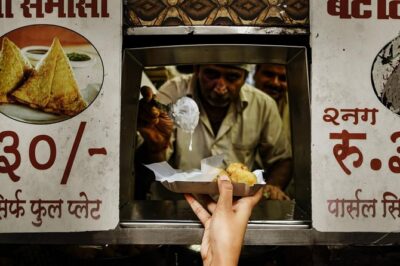
Bombay Express Mumbai Food Tour with 15+ Tastings
Read our review →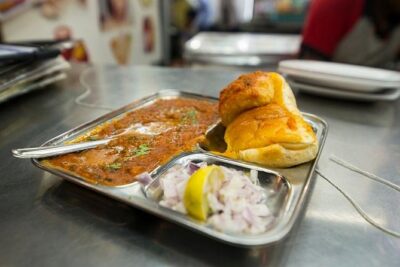
Winner Mumbai Street Food Tour in the World Top 20 by Guardian
Read our review →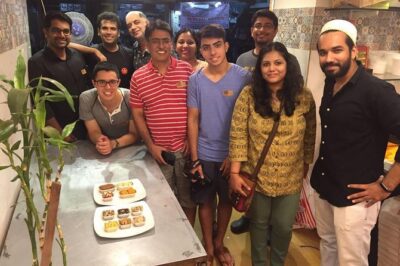
Private Guided Non-Veg Street Food Walking Tour in Muslim Quarter
Read our review →Browse the lists this tour appears in